
Good bottles, simple food, and evenings that run late
Wine Bars in Rome That Still Hold the City
Rome has always been a city where wine is part of everyday life. Small enotecas, neighbourhood bars, and bottle-lined rooms sit across the city, filled with locals meeting friends or people stopping in for a glass. Some places feel unchanged for decades, others bring a younger energy to the scene. This edit brings together a few of the best wine bars in Rome, where good bottles, simple food, and Roman hospitality still define the experience.
For a broader sense of the city, explore our Rome travel guide. For where to eat between glasses, our best places to eat in Rome is worth having open alongside this. And if you are deciding where to stay, our boutique hotels in Rome, affordable hotels in Rome, and best Airbnbs in Rome offer a wider view.
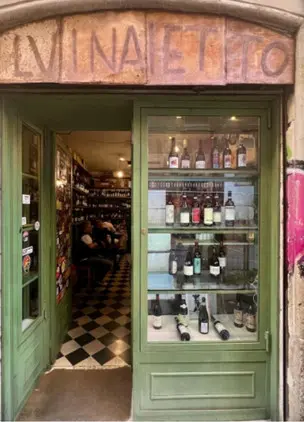
Visit → @ilvinaietto
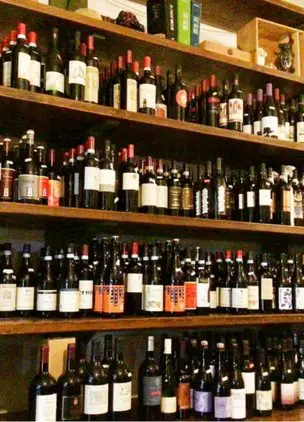
Visit → @ilvinaietto
Vinaietto – Old Winery
Vinaietto feels like a classic Roman enoteca that has never needed to reinvent itself. Locals stand outside with a glass while simple plates of cheese and salumi move between the narrow tables. Bottles lean heavily Italian and the mood stays relaxed. It is exactly the sort of place people imagine when talking about Roman wine bars.
33 Giri
At 33 Giri the music matters almost as much as the wine. Records spin behind the bar while guests settle in with natural bottles and small plates from the kitchen. The room is compact and lively, attracting a younger crowd that appreciates both sound and good drinking. It has quickly become a place people return to for an evening that blends food, music, and wine.
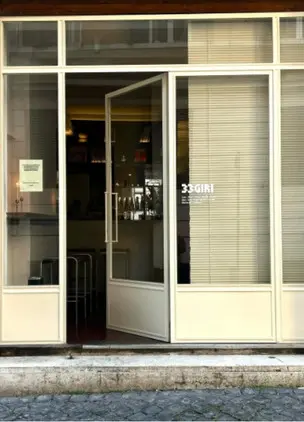
Visit → @33giriroma
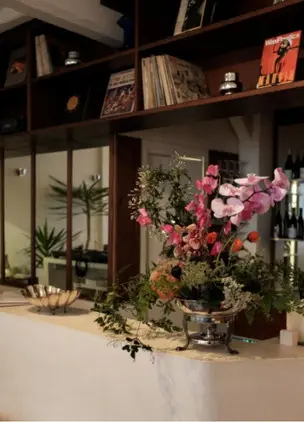
Visit → @33giriroma
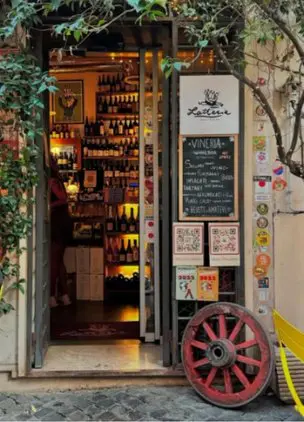
Visit → @latteria_trastevere
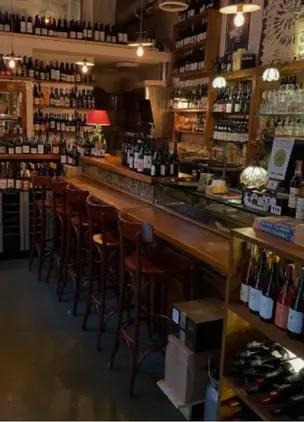
Visit → @latteria_trastevere
Latteria Trastevere
Tucked into a quieter street of Trastevere, Latteria feels more like a small neighbourhood dining room than a typical bar. The kitchen cooks thoughtful seasonal plates while the wine list leans toward interesting Italian producers. Dinner often turns into a long evening over a bottle. Latteria stands out for combining serious food with a relaxed atmosphere.
L’angolo Divino
Just steps from Piazza Navona, L’Angolo Divino carries the charm of old Rome. The tiny interior is lined with bottles, photographs, and shelves that feel collected over decades. Guests stop in for regional wines and simple plates of cured meats before drifting back into the street. It remains one of the more characterful stops in the city.
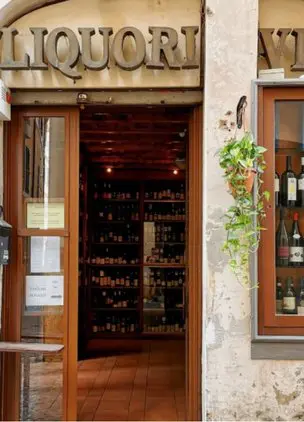
Visit → @langolo_divino_roma
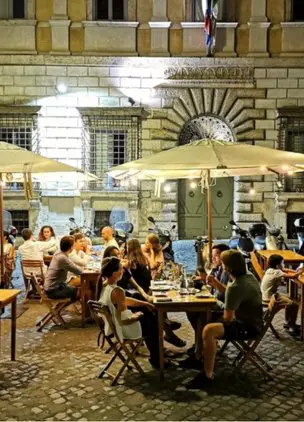
Visit → @langolo_divino_roma
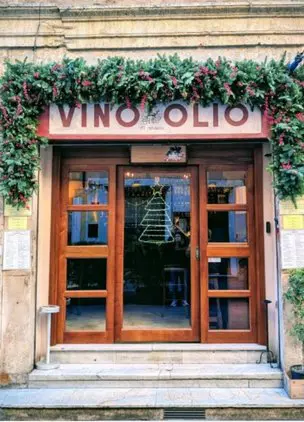
Visit → @thereal_ilgoccetto
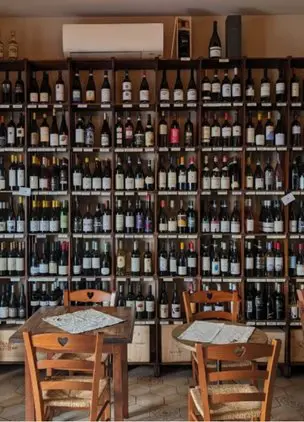
Visit → @thereal_ilgoccetto
Il Goccetto
Il Goccetto It is often the first name mentioned when talking about the best wine bars in Rome. Inside the narrow room, bottles cover every wall and staff pour Italian wines with real knowledge. Guests lean against the bar or gather at small wooden tables, ordering glasses alongside cheese and salumi. It feels timeless and deeply Roman.
Enoteca Il Piccolo
Enoteca Il Piccolo is famously tiny, with just a handful of stools spilling onto the cobbled street outside. The owner pours thoughtful Italian wines by the glass while guests crowd together in easy conversation. It is casual, lively, and unmistakably Roman. It captures the city’s relaxed drinking culture without needing to explain it.
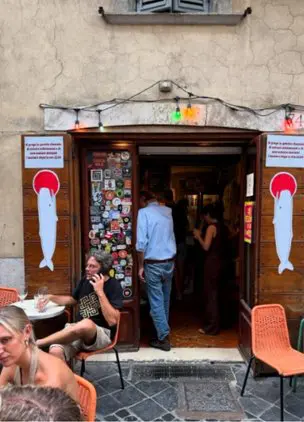
Visit → @enoteca_il_piccolo
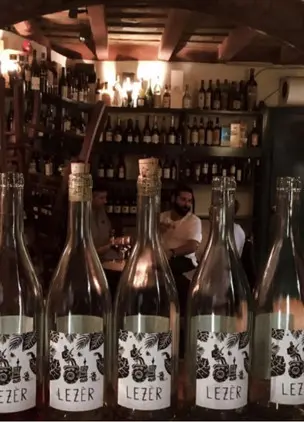
Visit → @enoteca_il_piccolo
Drinking in Rome, Properly
Wine in Rome sits naturally within the city, part of how people meet, eat, and move through the evening. The places in this edit work because they don’t try to reshape that. They keep things simple, bottles chosen well, food that holds its place, and rooms that feel grounded in how Rome actually lives.
Some lean older and more rooted, others bring a different kind of energy, but both belong here. Evenings often move from a glass into something longer, which is why it helps to know where to eat in Rome alongside this, and where you stay shapes how those nights begin and end, whether through boutique hotels in Rome or more considered affordable hotels in Rome.

