The Rome people imagine before they arrive.
Centro Storico is the Rome most people picture before they arrive. The Pantheon, Piazza Navona, the Trevi Fountain and a maze of streets shaped by centuries of history all sit within a remarkably walkable part of the city. Yet what makes the neighbourhood memorable is not the landmarks themselves. It is the way they become part of everyday life. The Pantheon sits at the end of a street lined with restaurants, Piazza Navona fills with life long after the day visitors leave and residents move through spaces that have shaped the city for centuries. The best hotels in Centro Storico Rome place you at the heart of that experience.
• First visits to Rome
• Walking between major landmarks
• Historic piazzas and atmospheric streets
• Experiencing the city on foot
• You prefer a more local neighbourhood feel
• Independent shops and wine bars matter most
• A quieter residential atmosphere is important
• Contemporary Rome interests you more than historic Rome
Monti
Wine bars and local Rome
Romantic Hotels in Rome
Rome at its most atmospheric
Cool Hotels in Rome
Hotels with a stronger point of view
Centro Storico is where Rome’s most famous landmarks stop feeling like attractions and start feeling like part of the scenery. The Pantheon becomes something you pass on the way to dinner. Piazza Navona fills with people long after the tour groups have left. Streets that first appear monumental quickly reveal themselves as places where Romans still live, work and meet. The neighbourhood can be busy, but that is part of its appeal. This is the Rome people travel across the world to experience, not because of any single landmark, but because so much of the city’s history remains woven into daily life. For first-time visitors especially, few neighbourhoods offer a more complete introduction to the city.
These are the hotels in Centro Storico Rome we would book first, each chosen for the way they connect guests to the city’s most iconic streets, piazzas and landmarks.
A grand Roman palazzo where the romance of travel’s golden age finds a new home.
Orient Express La Minerva occupies Palazzo Fonseca, a seventeenth-century residence overlooking Piazza della Minerva, one of the quieter and more beautiful corners of central Rome. Long before becoming the first Orient Express hotel, the building welcomed Grand Tour travellers, writers and artists drawn to the city. The recent transformation by Hugo Toro embraces that history without becoming nostalgic. Hand-painted ceilings, rich materials, references to vintage sleeper cars and rooms that feel deeply connected to Rome create a hotel built around the enduring romance of travel itself. The Pantheon sits only moments away, while the rooftop looks out across the city’s domes and rooftops. A hotel that celebrates Rome not simply as a destination, but as part of a larger journey.
First visits to Rome, design-conscious travellers and guests drawn to hotels with a strong sense of occasion.
A Design Hotels stay where Rome’s imperfections become part of the appeal.
G-Rough occupies a seventeenth-century townhouse near Piazza Navona, but unlike many historic hotels in Rome, very little has been polished away. Worn tile floors, unrestored frescoes and layers of exposed history remain visible throughout the building, creating what the owners describe as “rough luxe”. The suites are filled with exceptional Italian design pieces from the 1930s to the 1970s, while the atmosphere feels more like the home of a passionate collector than a conventional hotel. Rome’s past is present everywhere, but never treated as something precious or untouchable. A hotel that embraces the beauty of age, character and imperfection.
Design-conscious travellers, creative city breaks and guests who prefer individuality over convention.
A former Roman college transformed into one of the city’s most imaginative hotels.
Palazzo Talìa occupies a sixteenth-century palazzo that spent much of its life as one of Rome’s most prestigious schools before being reimagined as a hotel. The restoration treats the building as both a historic landmark and a creative project, with filmmaker Luca Guadagnino shaping the public spaces and contemporary design sitting comfortably alongside centuries-old frescoes and architectural details. Monumental staircases, grand salons and richly layered interiors create a sense of theatre throughout, yet the atmosphere remains surprisingly intimate. Rather than preserving the building as a relic of the past, Palazzo Talìa gives it a new chapter. A hotel that feels distinctly Roman while looking confidently towards the future.
Design-conscious travellers, special occasions and guests drawn to hotels with a strong creative vision.
A hidden Roman retreat overlooking one of the city’s most remarkable private gardens.
Hotel Vilòn occupies a former annex of Palazzo Borghese, tucked discreetly behind an unassuming doorway on Via dell’Arancio. Guests ring a bell to enter, stepping into a hotel that feels remarkably secluded given its location in the heart of Rome. Many rooms look out across the private Borghese gardens, a view few visitors ever see, while the interiors feel more like a private residence than a traditional hotel. The atmosphere is quiet, almost residential, despite being only a short walk from the Spanish Steps and Via Condotti. A hotel that reveals a more private and aristocratic side of Rome.
Romantic city breaks, quieter stays and travellers who appreciate hotels that feel hidden in plain sight.
A grand Roman residence where past and present remain in constant conversation.
Palazzo Roma occupies a historic residence on Via del Corso, one of the city’s most important thoroughfares. The restoration embraces the building’s many layers, preserving frescoes, painted ceilings and architectural details while introducing contemporary interiors shaped around travel, music, photography and memory. Throughout the hotel, history feels present but never static. Rooms balance noble Roman grandeur with a more playful sense of personality, while the public spaces encourage guests to look closely at the stories embedded within the building itself. A hotel that understands Rome is at its most interesting when different eras coexist.
First visits to Rome, design-conscious travellers and guests drawn to historic buildings with contemporary energy.
A historic Roman palazzo where one of the city’s most remarkable locations feels almost incidental.
Hotel dei Barbieri occupies a seventeenth-century palace on a quiet street near Largo di Torre Argentina, the archaeological site where Julius Caesar was assassinated in 44 BC. In most cities, that would define the entire hotel. Here, it feels like just another layer of the neighbourhood. Original frescoes, high ceilings and contemporary Italian furnishings preserve the character of the building without overwhelming it. The Pantheon, Campo de’ Fiori and Piazza Navona all sit within easy walking distance, making it one of the most rewarding bases in central Rome. A hotel that delivers history, location and character without demanding a luxury budget.
First visits to Rome, history lovers and travellers looking for strong value in the historic centre.
A design-conscious stay that puts central Rome within easy reach.
Numa Rome Condotti offers a different take on staying in the historic centre. Rather than grand staircases, frescoed ceilings and aristocratic history, the focus is on contemporary design, generous apartment-style rooms and a streamlined experience that suits modern city breaks. The appeal is straightforward: Via Condotti, the Spanish Steps, the Trevi Fountain and the Pantheon are all within walking distance, allowing guests to experience much of central Rome on foot. For travellers who prioritise location, space and value over traditional luxury, it makes a compelling case. One of the better affordable stays in Centro Storico.
First visits to Rome, shorter city breaks and travellers looking for a design-conscious stay without the palazzo price tag.
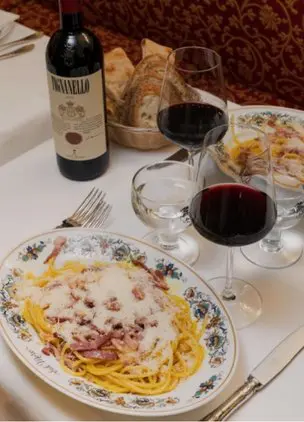
Trattoria al Moro has been serving Roman classics near the Trevi Fountain for decades. Waiters weave between closely packed tables while plates of pasta arrive from the kitchen at a steady pace. The recipes remain firmly rooted in tradition and the atmosphere feels reassuringly unchanged. The sort of place that reminds you why Roman cooking became famous.
Both are excellent bases for exploring Rome, but they offer very different experiences of the city. Centro Storico places you among Rome’s most famous piazzas, fountains and landmarks, where much of the city’s history sits directly outside your door. Monti feels more contemporary, shaped by wine bars, neighbourhood restaurants and a stronger sense of local life. If you want to stay in the Rome you’ve imagined for years, choose Centro Storico. If you’re drawn to the city’s creative and modern side, Monti makes the stronger case.
Monti
Wine bars and local Rome
Cool Hotels in Rome
Hotels with a stronger point of view
Romantic Hotels in Rome
Rome at its most atmospheric
Our perspective
We use cookies to improve your experience and understand how the site is used. You can accept or manage your preferences at any time.