Choose the part of the city that fits the way you want to stay.
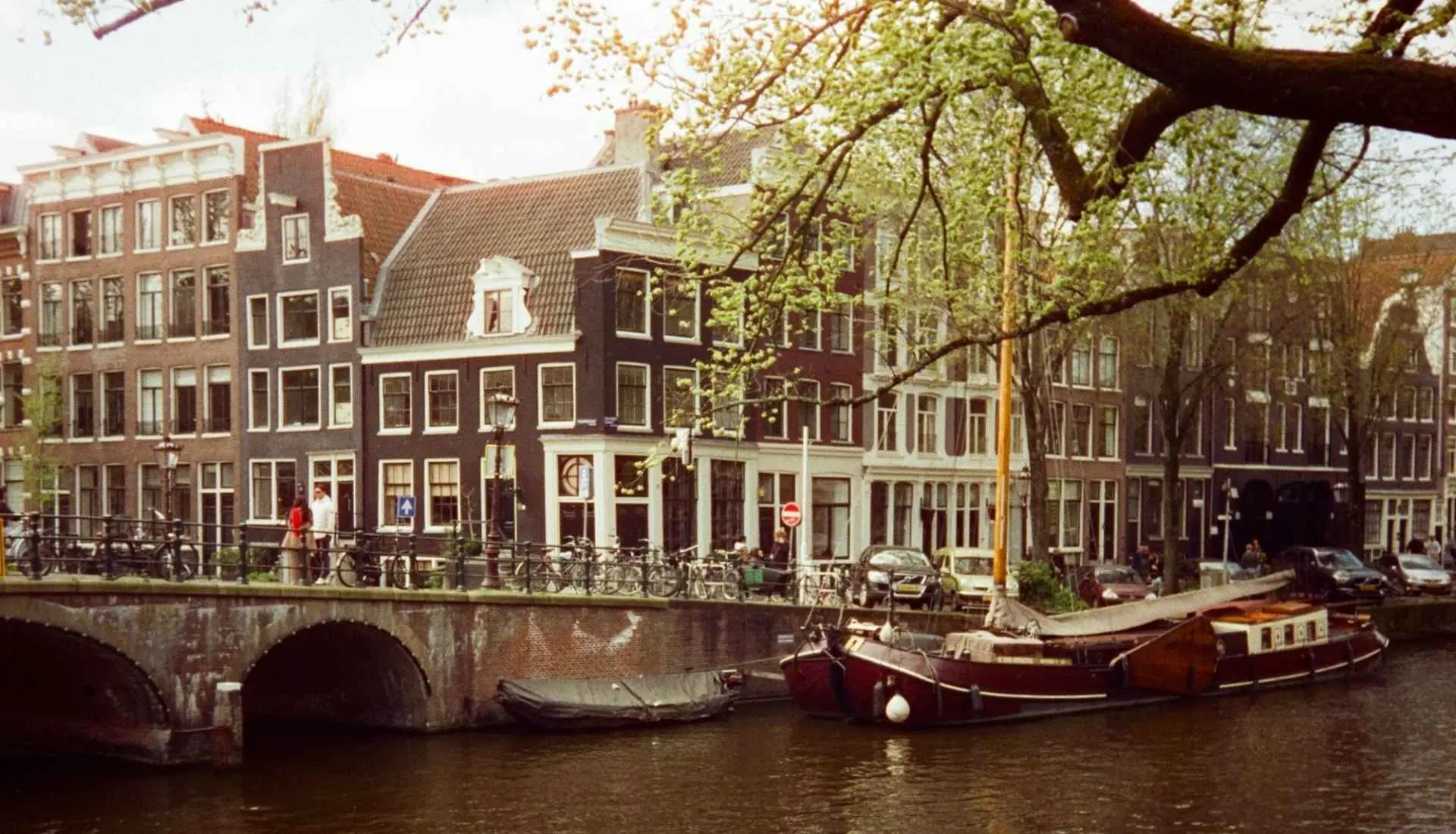
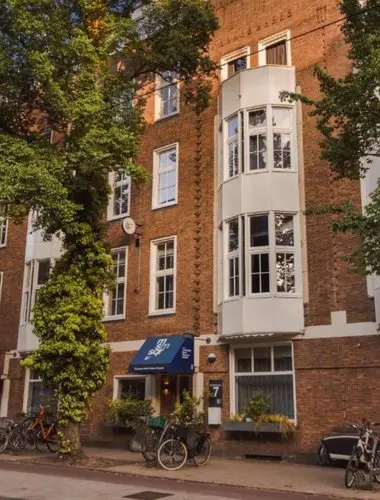
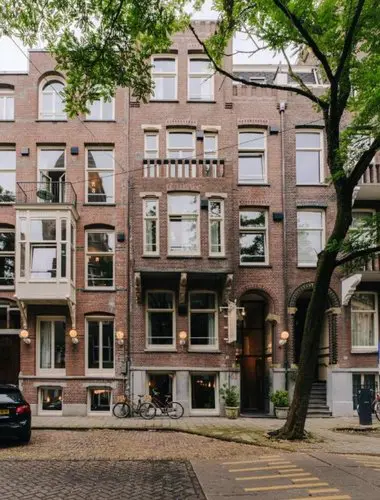
Amsterdam reveals itself differently depending on where you stay. Around the canals, the city feels cinematic and historic, seventeenth-century houses reflected in UNESCO-listed waterways that still shape daily life four hundred years later. In the Jordaan, Amsterdam becomes smaller, older and more personal, all narrow streets, brown cafés and canal houses with curtains half drawn at night. Then there is De Pijp, where the city loosens up completely, louder restaurants, natural wine bars, markets, terraces and a younger creative energy that runs late into the evening. Each part of Amsterdam carries its own rhythm, which is why choosing the right neighbourhood matters as much as the hotel itself.
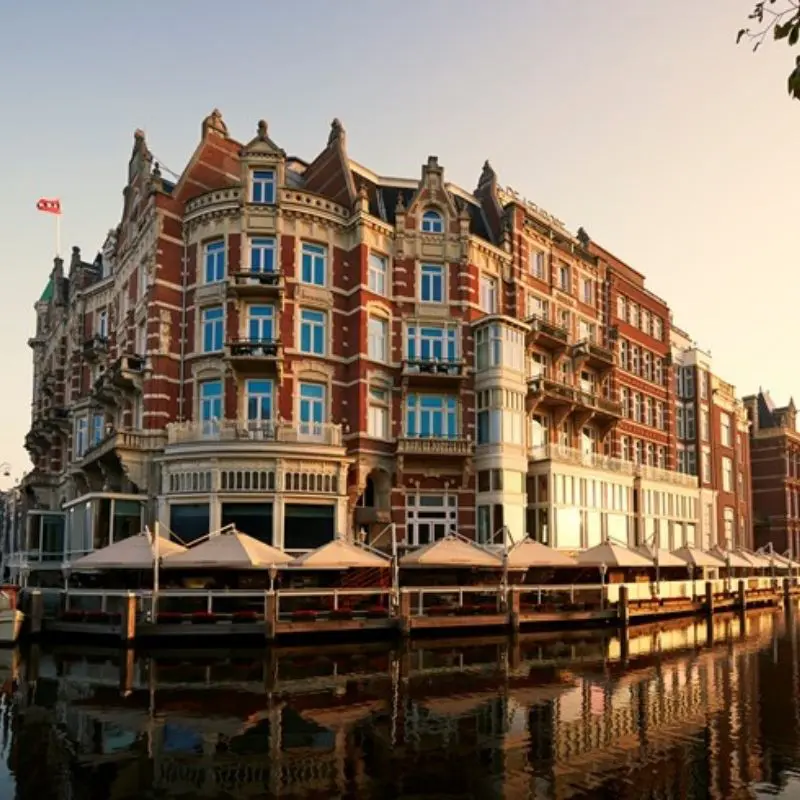
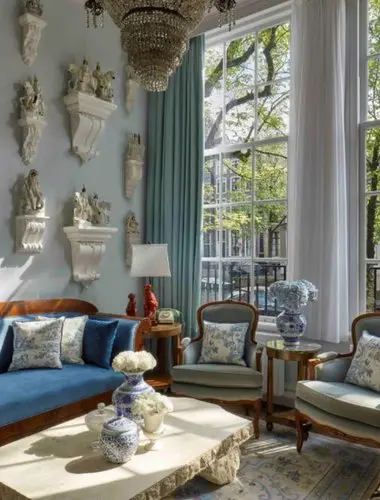
For classic Amsterdam & canal-house stays
For late dinners, wine bars & street energy
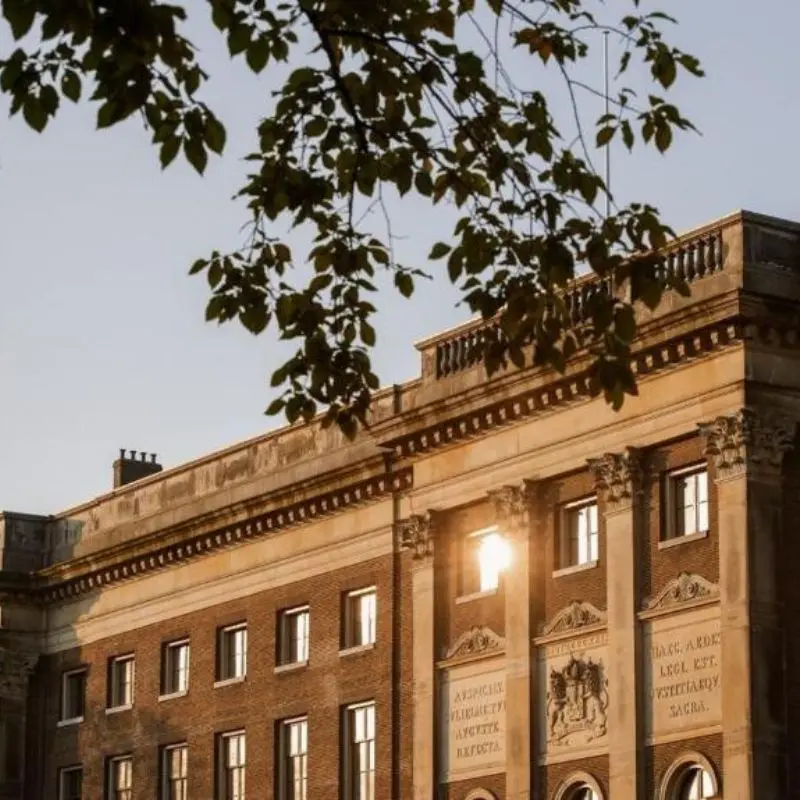
For galleries, parkland & quieter streets
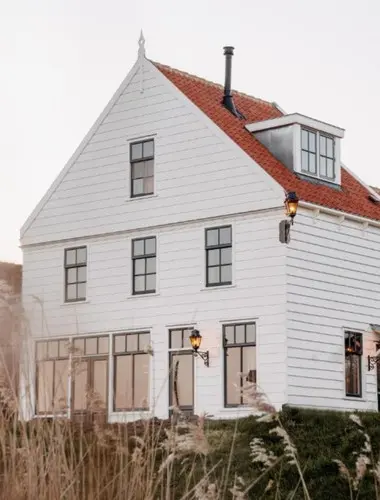
For slower weekends, water & greener stays
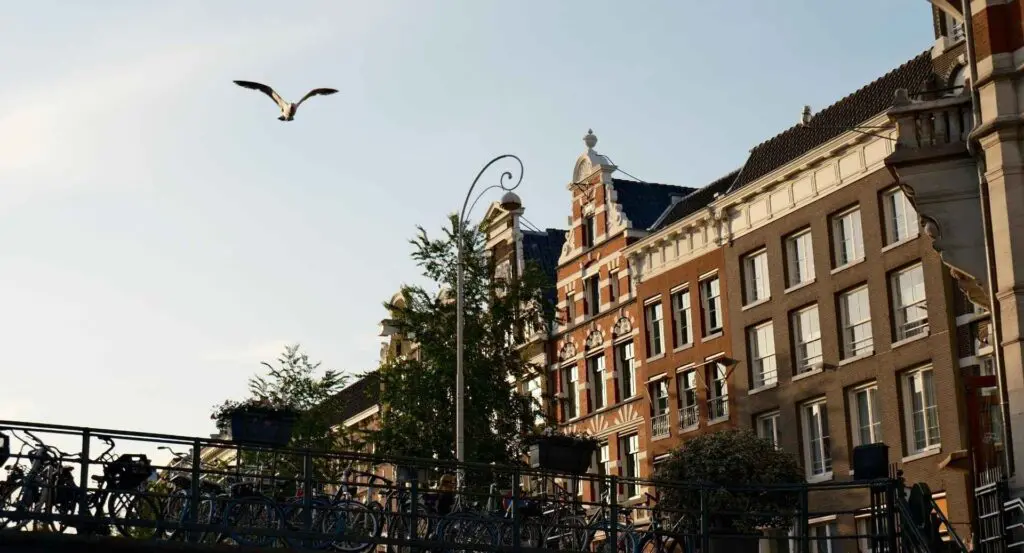
WATERWAYS / CANAL BELT
The version of Amsterdam people come for, and the one that still holds up when you arrive.
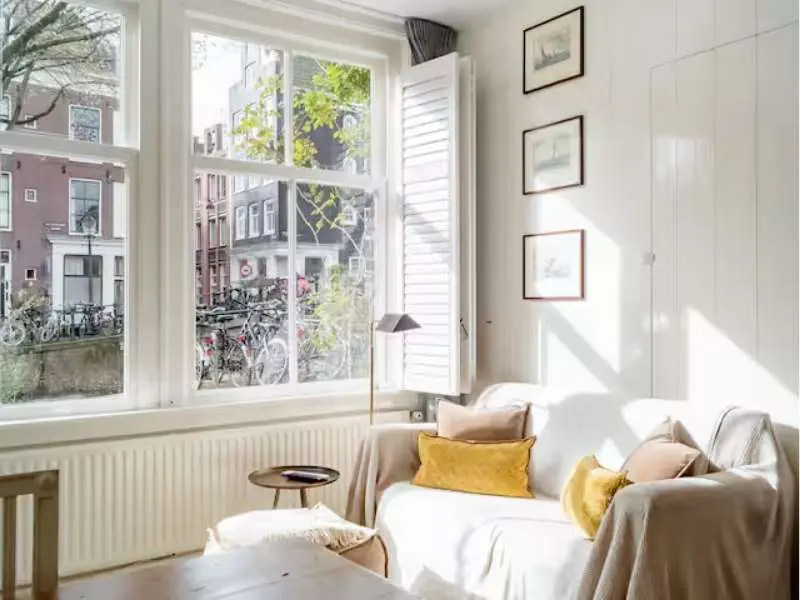
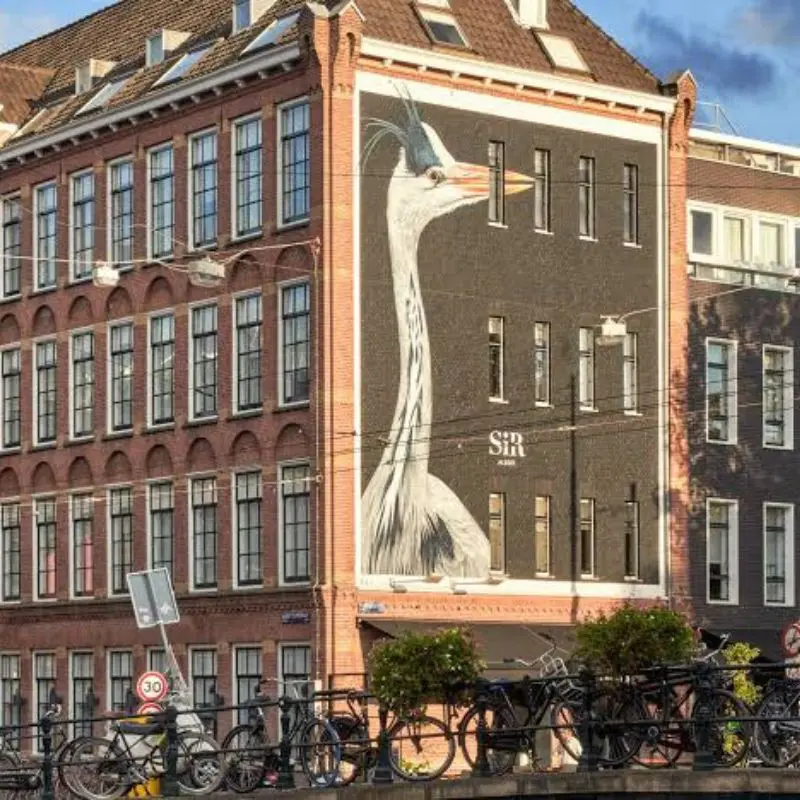
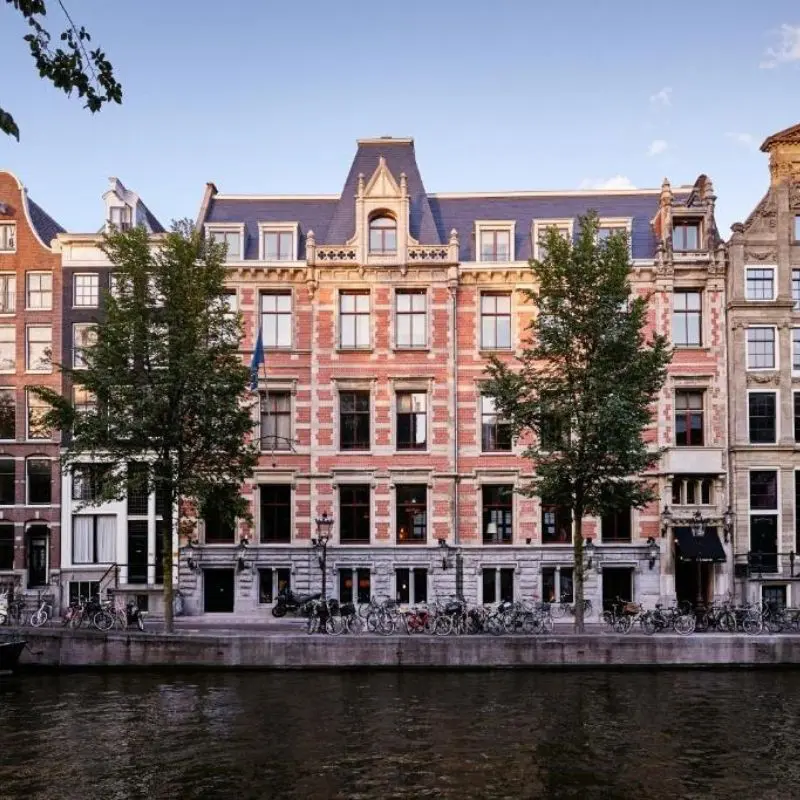
The Canal Belt is where Amsterdam makes the most sense. Streets narrow around the water, canal houses lean with age and nearly every part of the city seems to return to the canals at some point in the day. Staying here places you inside the city’s clearest shape, where life still moves to the rhythm of the water.
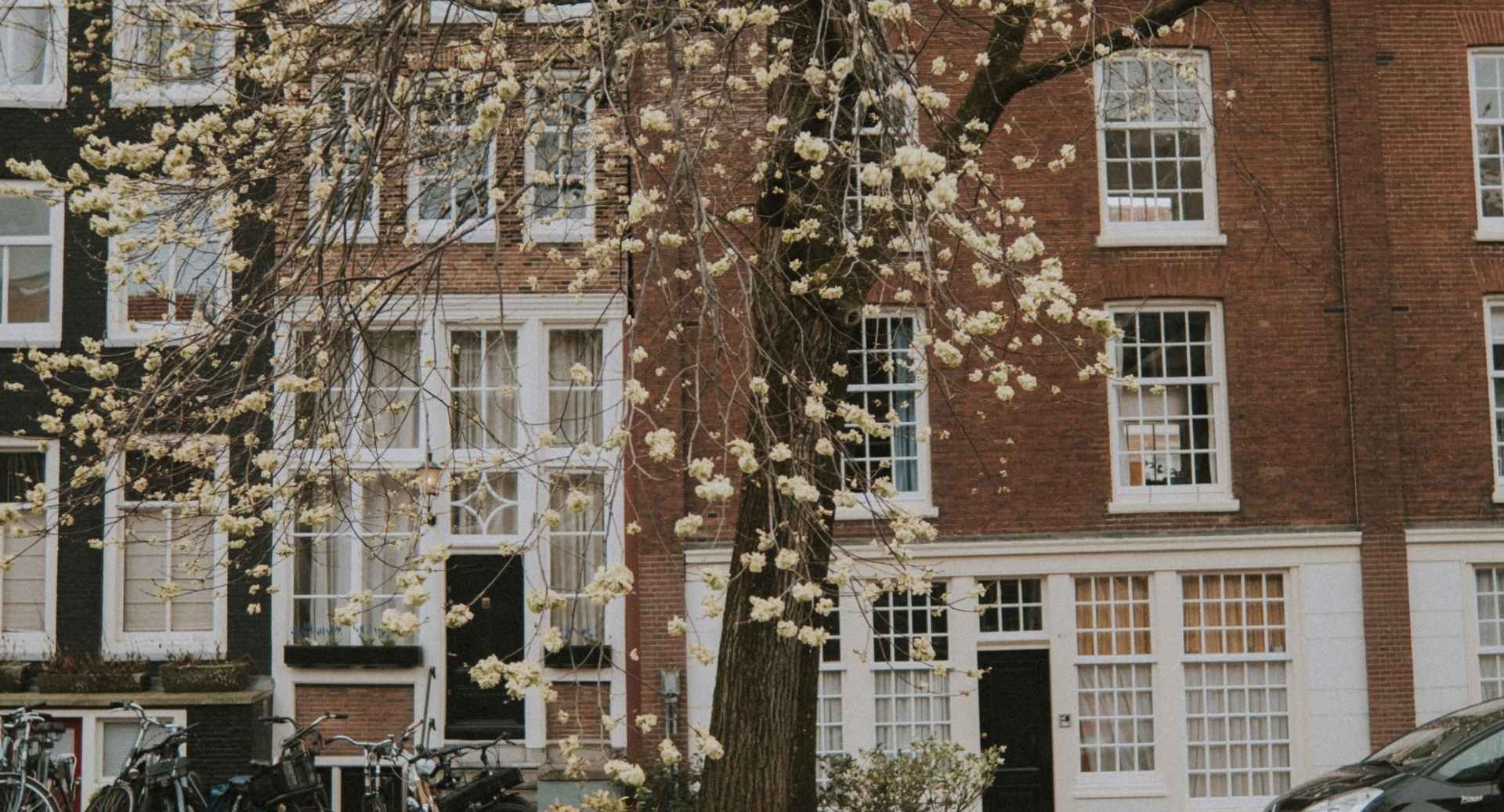
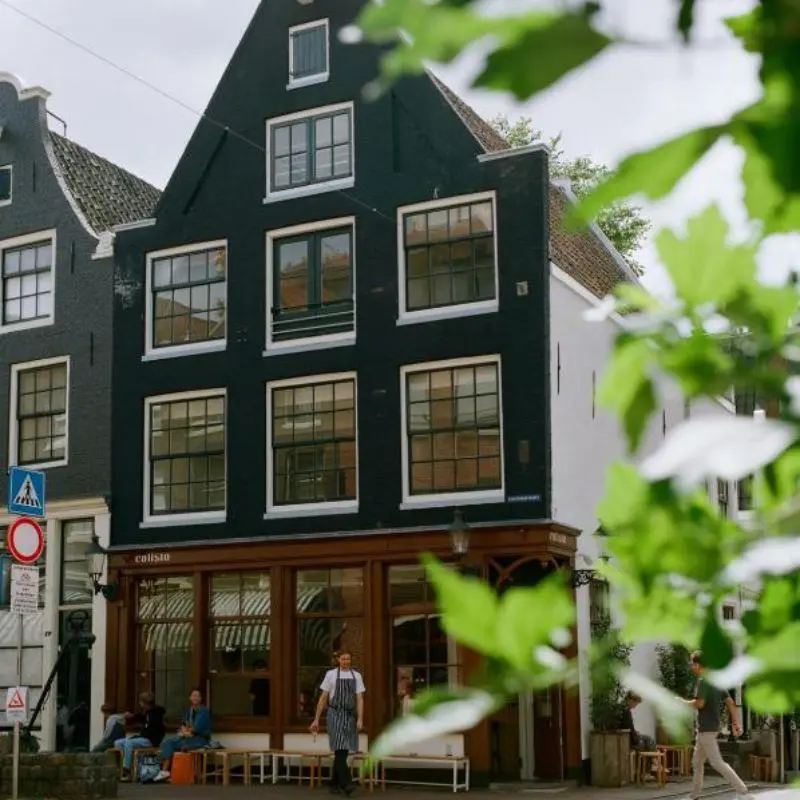
NEIGHBOURHOOD LIFE / JORDAAN
Older Amsterdam, where the streets stay small and the pace still belongs to the neighbourhood.
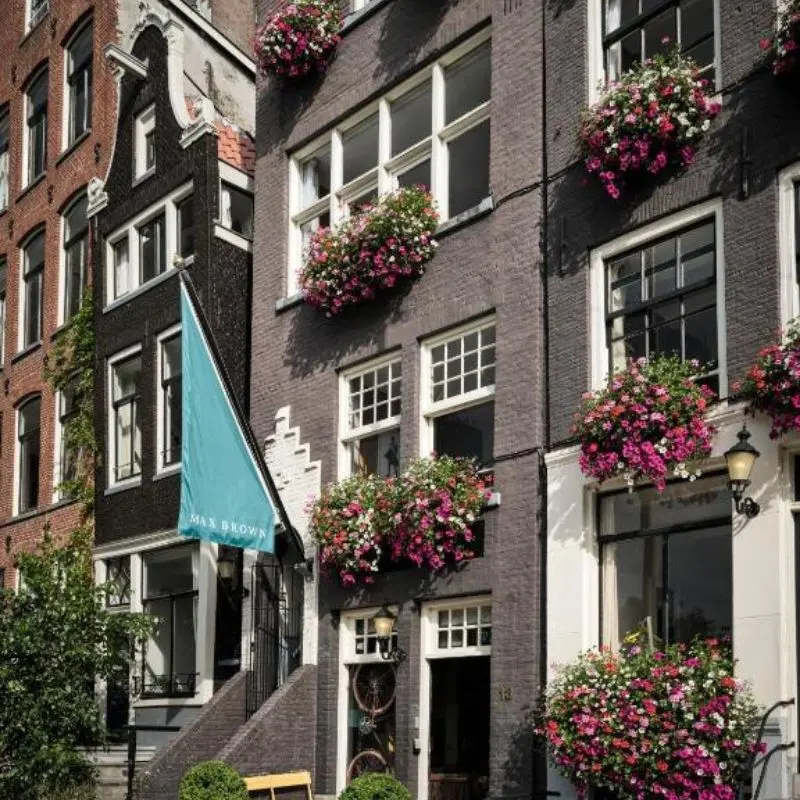
The Jordaan feels smaller and quieter than the rest of central Amsterdam. Streets narrow around the canals, cafés spill onto the pavement and most of the neighbourhood is best understood on foot. It is less polished than the Canal Belt, but that is exactly what gives it its charm, a part of the city still shaped by daily life.
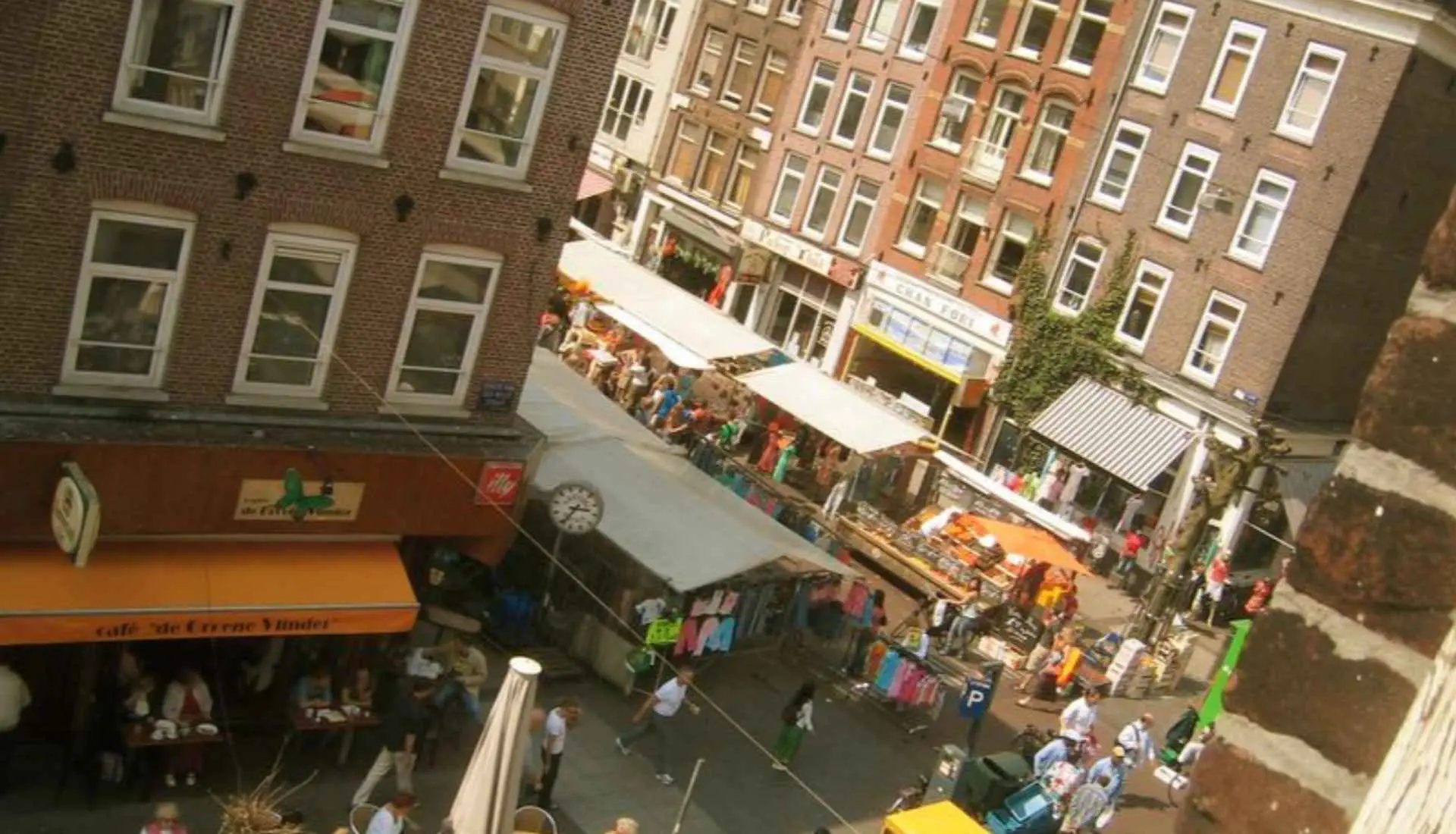
FOOD & WINE / DE PIJP
Terraces, late dinners and the side of Amsterdam that feels slightly less arranged.
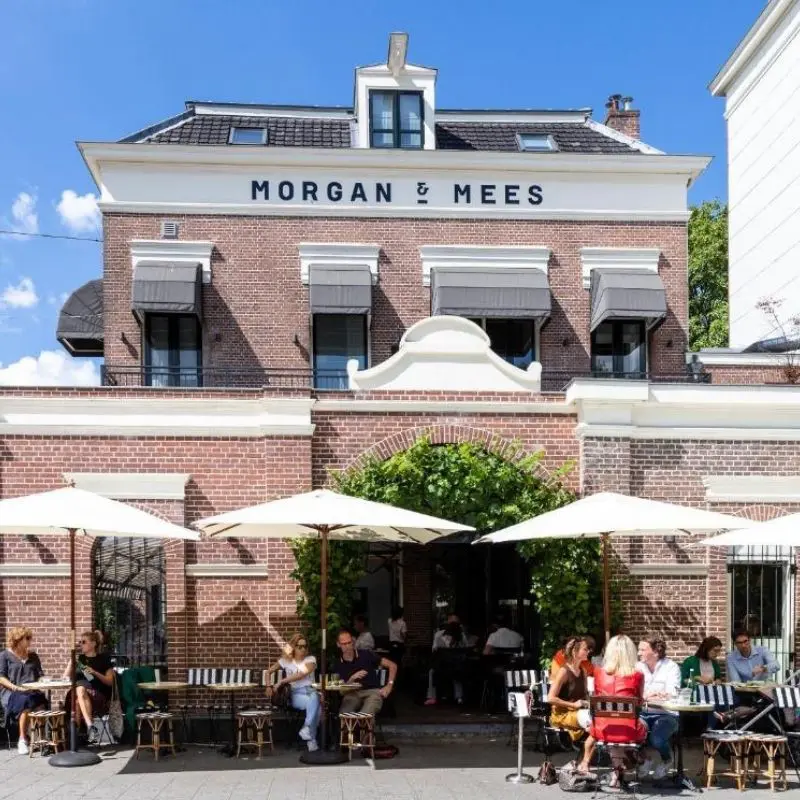
De Pijp feels looser than the rest of Amsterdam. The streets stay active late into the evening, cafés fill early and much of the neighbourhood revolves around food, wine and terraces that spill into the pavement. It is messier, louder and more social than the rest of the city, which is exactly why people end up staying here longer than planned.
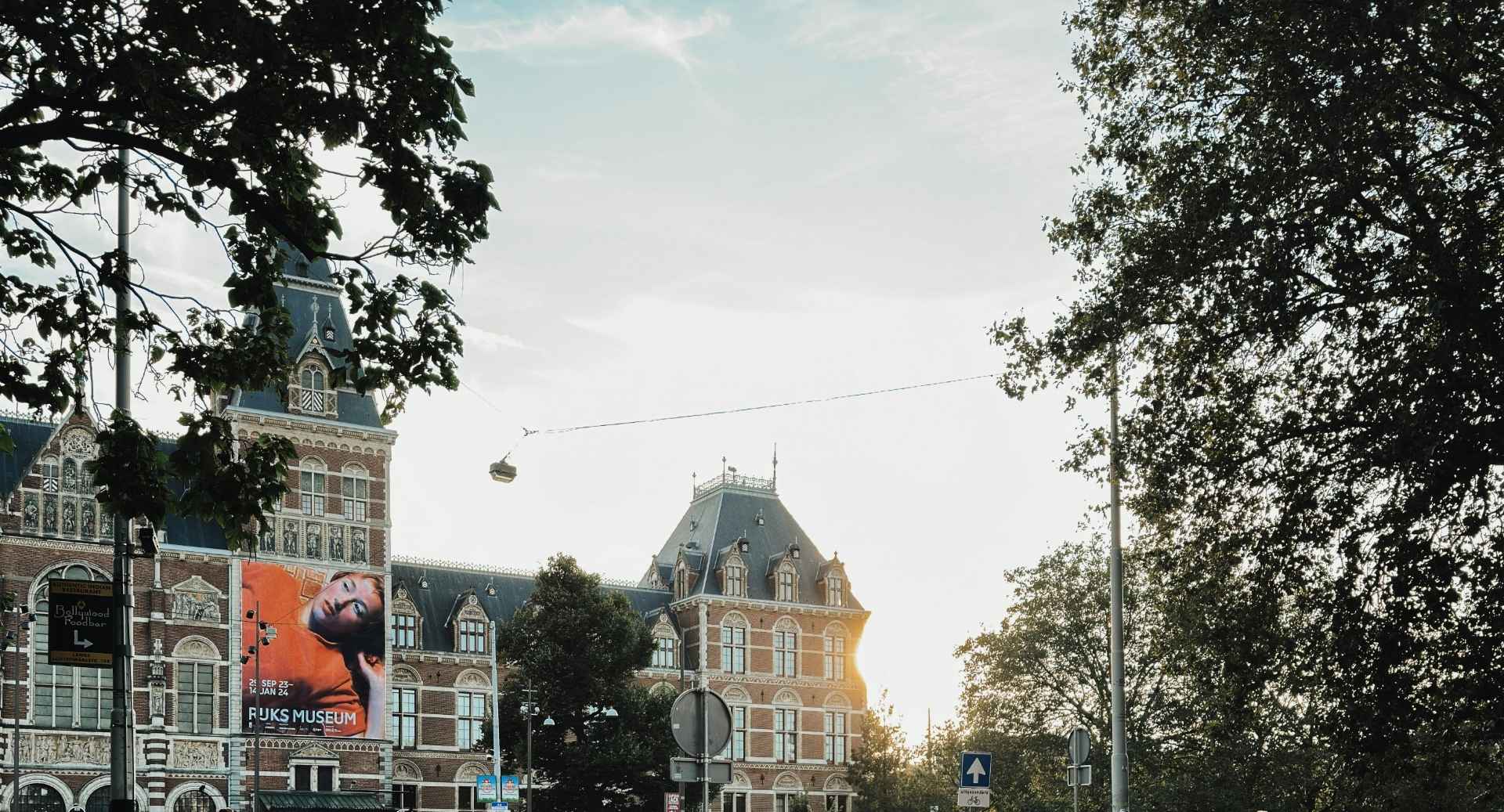
PARKSIDE / MUSEUM QUARTER
Parkland, grand museums and a quieter side of the city.
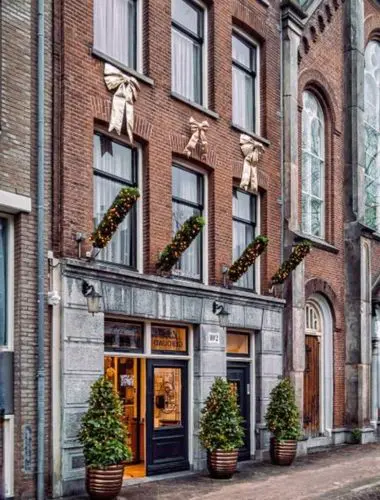
The Museum Quarter gives Amsterdam more space around itself. Streets widen, the pace drops and the city feels calmer beside Vondelpark and Museumplein. It is quieter than the Canal Belt and more residential than De Pijp, with grand old buildings, slower mornings and enough distance from the centre to feel softer by the end of the day.
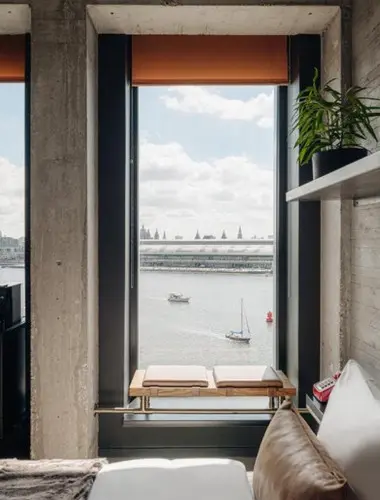
Hotels for slower weekends, water outside the window and staying close to the quieter side of Amsterdam.
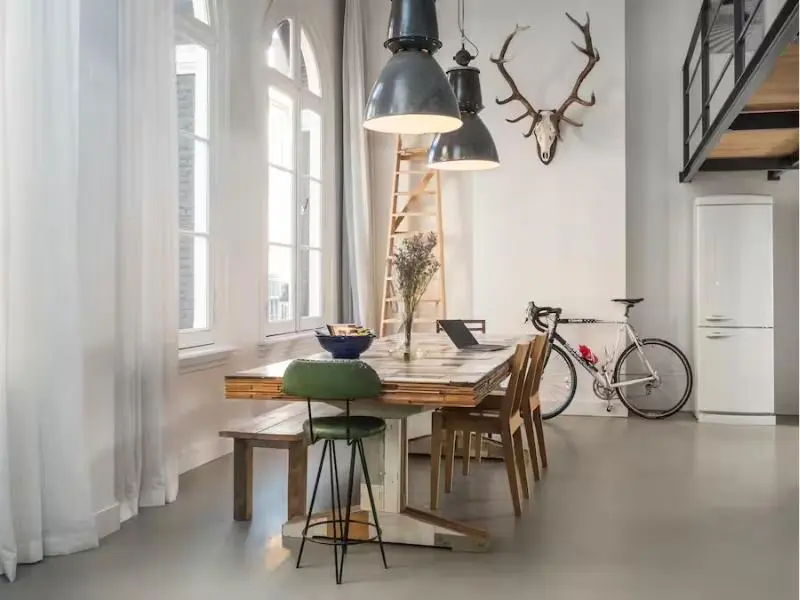
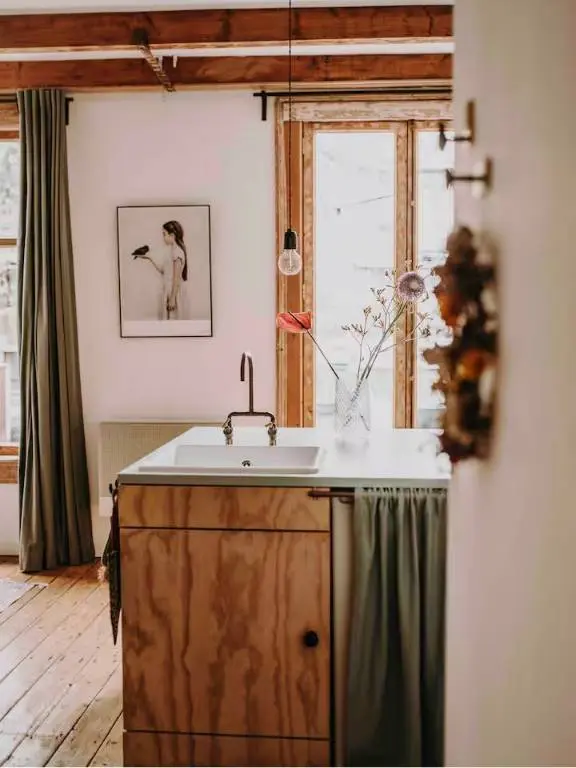
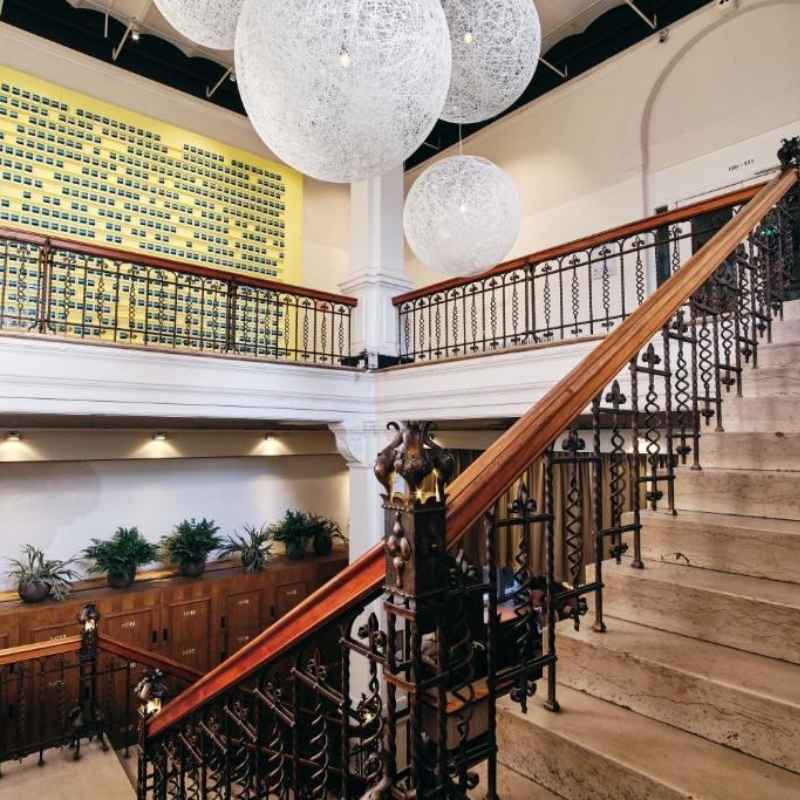
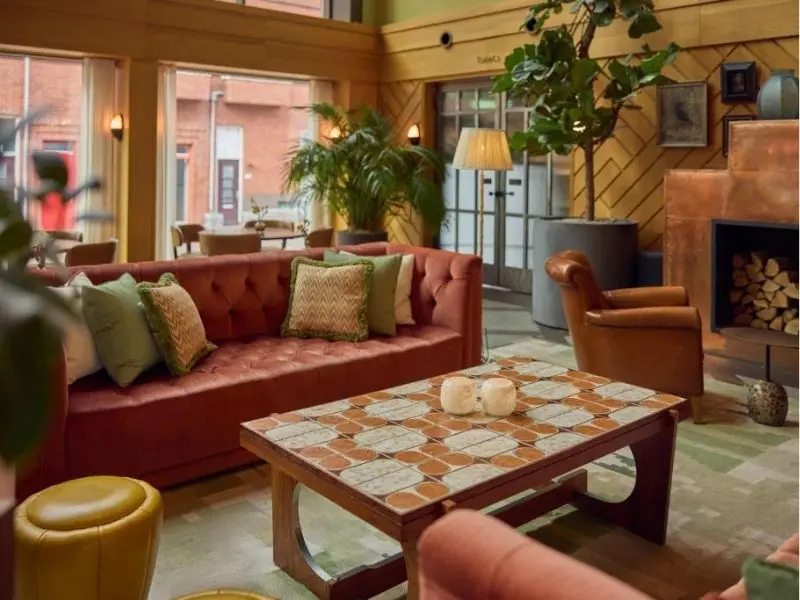
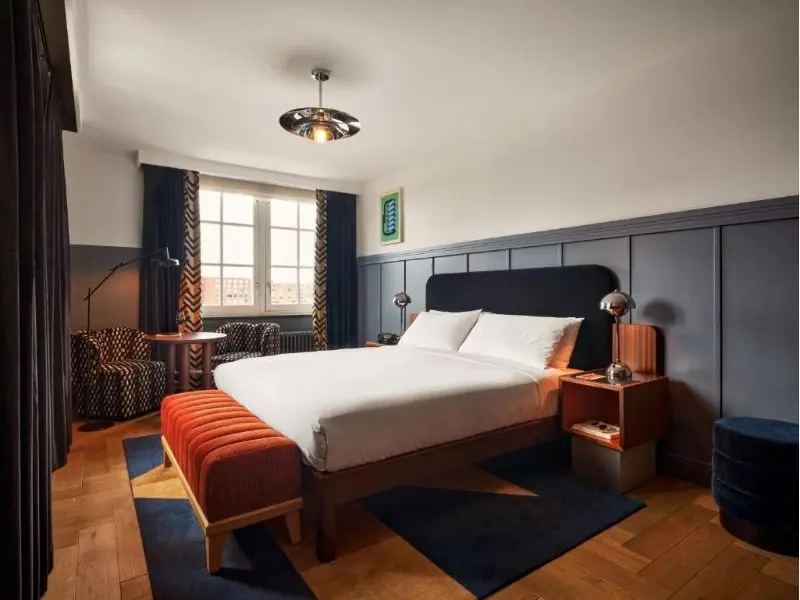
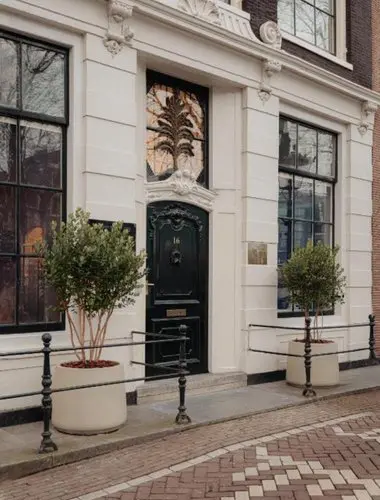
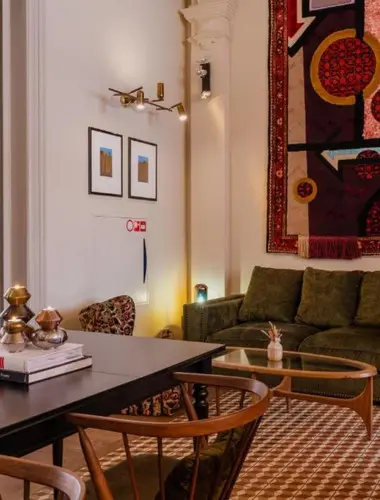
Hotels with a clear point of view, where the building matters as much as the city outside it.
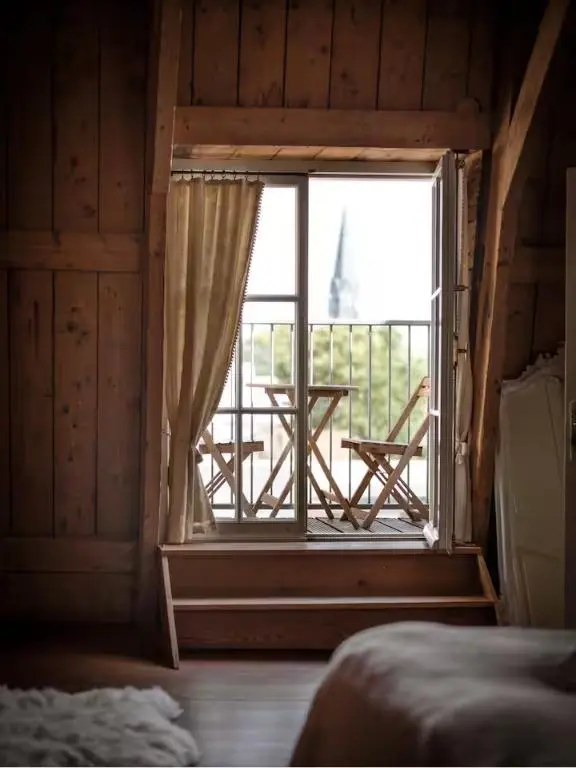
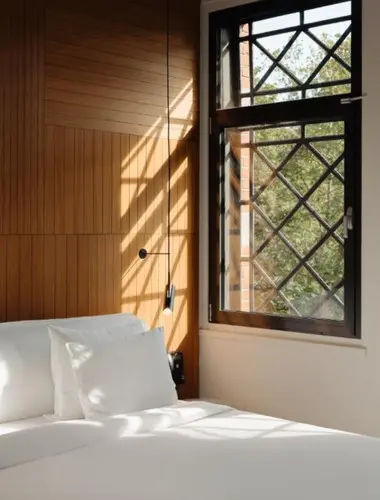
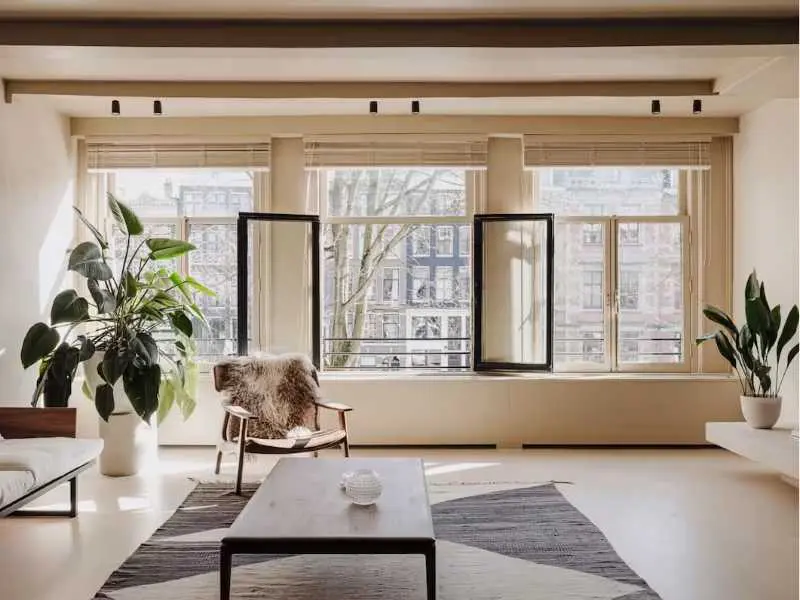
Canal light, open windows and Amsterdam moving quietly outside the room.
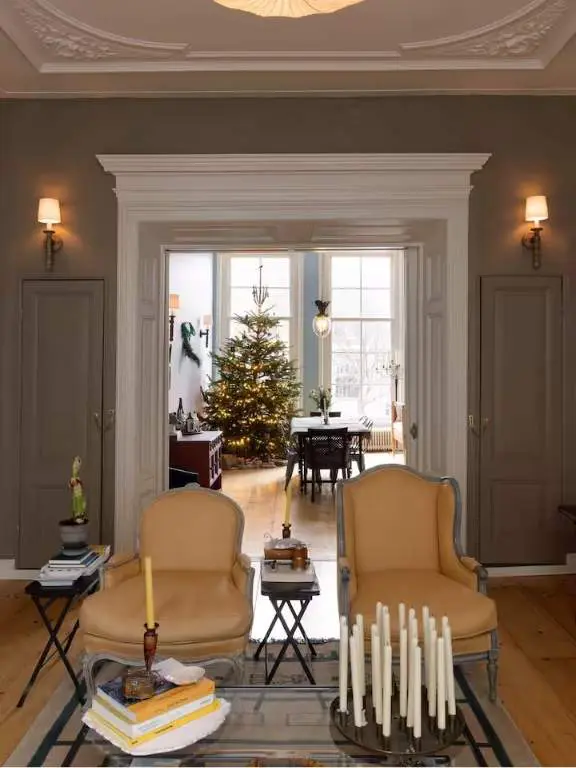
The hotels we would book first, chosen for design, location and a strong sense of place.
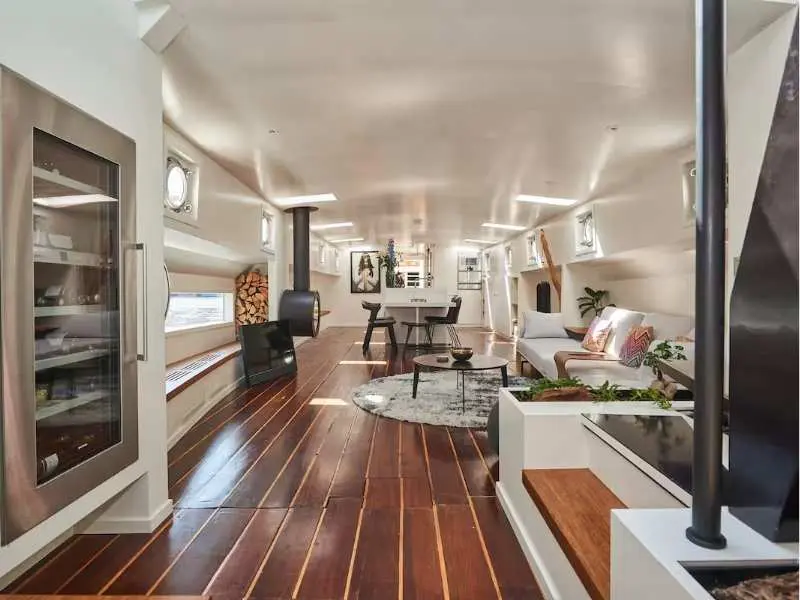
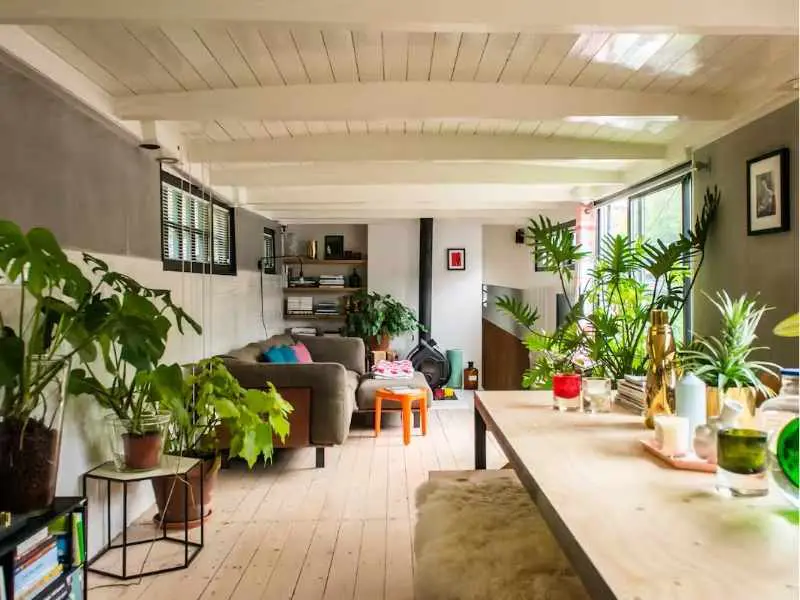
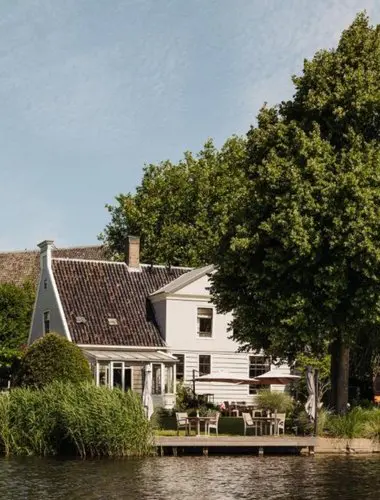
Canal houses, houseboats and slower stays that make Amsterdam feel more personal.
Characterful hotels that prove staying well in Amsterdam does not need to feel excessive.
Neighbourhood questions, answered simply.
For a first stay, the Canal Belt usually gives the clearest version of Amsterdam. The canals, seventeenth-century houses and walkable streets place you close to the city’s historic centre without needing to move too quickly through it. It is the part of Amsterdam people picture first, and one that still holds up once you arrive.
De Pijp has the stronger food scene overall, more movement, later dinners and a younger energy that runs through the terraces and wine bars around Albert Cuypstraat and Frans Halsstraat. The Jordaan moves slower. Smaller cafés, candlelit restaurants and neighbourhood bars that feel tied to the streets around them.
The Museum Quarter gives the city more room around itself. Wider streets, parkland and quieter mornings make it one of the calmer places to stay while still keeping the centre within walking distance. For an even slower pace, waterside stays beyond the canals shift the rhythm completely.
Usually, yes. Amsterdam is a city shaped by water, and seeing the canals from your room changes the feeling of the stay more than most upgrades do. The light, the movement outside, the slower rhythm of the streets around the water. It gives the city a stronger presence throughout the day.
Hotels tend to work better for shorter stays and neighbourhood access, especially around the Canal Belt and Jordaan. Apartments, canal houses and houseboats offer something different, a more residential version of Amsterdam where the stay feels tied to daily life rather than tourism.
The Jordaan still holds onto the strongest sense of neighbourhood life in central Amsterdam. Smaller streets, brown cafés, independent shops and canals that feel lived beside rather than photographed. De Pijp also feels local, but in a louder, faster-moving way built around markets, terraces and restaurants.
For collaborations and enquiries
We use cookies to improve your experience and understand how the site is used. You can accept or manage your preferences at any time.