Concrete walls, shifting light, and the calm that comes from restraint.
An Edit of Brutalist Hotels Shaped by Material, Form, and Place
Brutalist hotels aren’t about softness or spectacle. They’re about presence. Heavy concrete, exposed structure, and a strong sense of intention shape how you move through a space and how slowly you begin to live in it. Staying in a brutalist hotel is different from admiring one from afar. The architecture influences the mood, the quiet, the way light and shadow change throughout the day. Our curated edit of brutalist hotels focuses on places where the building is part of the experience, not a backdrop. These are stays that reward attention, offering a grounded, immersive way of traveling where atmosphere comes from structure, restraint, and a deep connection to place.
01. At Six
Stockholm, Sweden
5 Star // 343 Rooms
Why we love this hotel
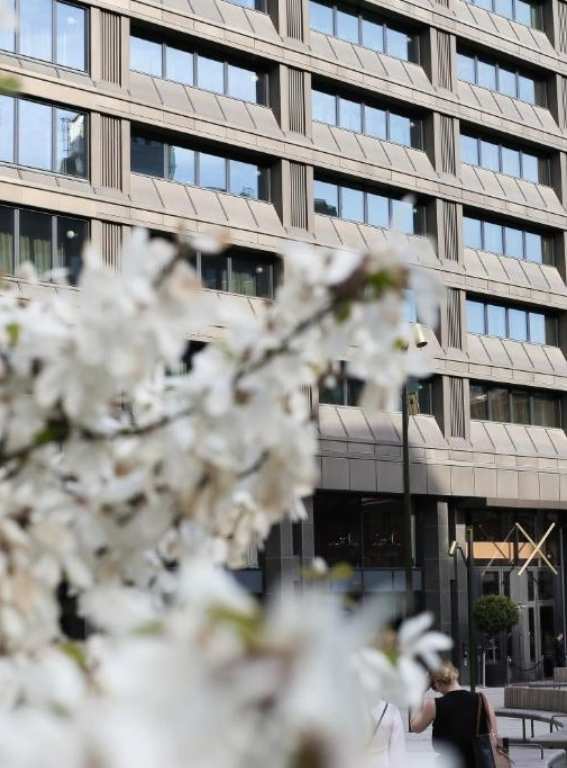
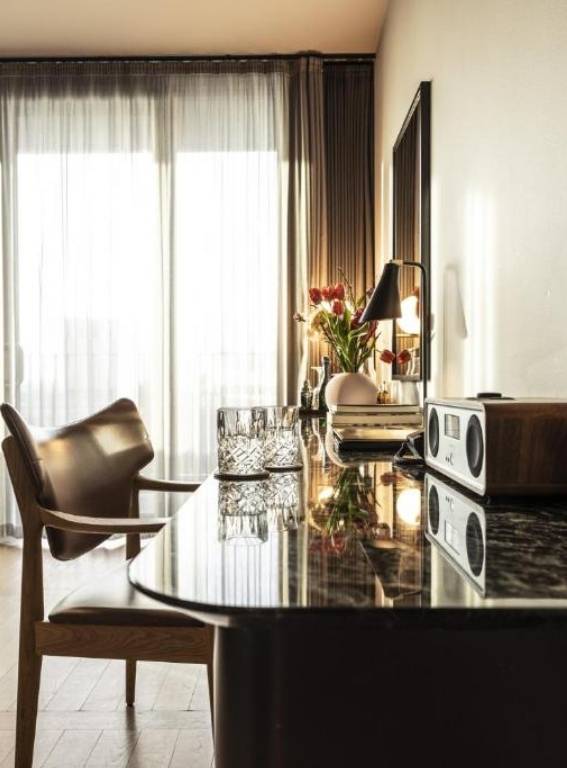
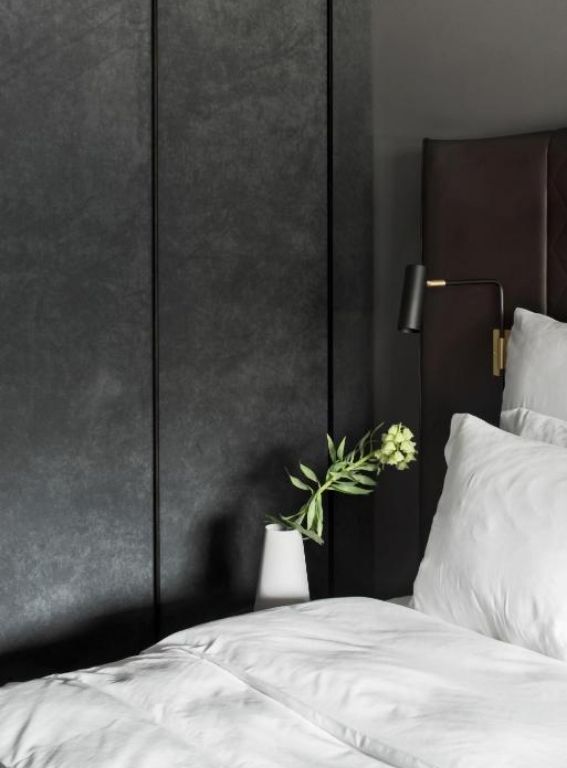
Hotel At Six is one of those Brutalist hotels that understands restraint. Set in a former bank building in central Stockholm, the exterior is heavy, solid, and unapologetically urban, but inside it softens just enough to feel livable. Concrete, stone, dark metals, and muted tones create a calm, grounded atmosphere that suits the city rather than competing with it. It feels confident without being cold, designed for people who appreciate architecture that holds its weight. For travellers drawn to Brutalist hotels with substance, At Six offers presence, not performance.

Living with the architecture
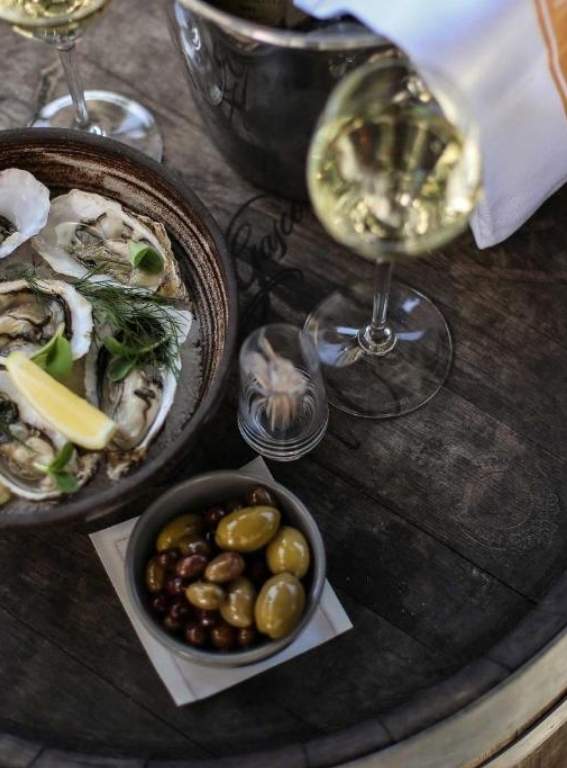
Staying at At Six means living inside the structure rather than decorating around it. Large windows cut clean lines through thick walls, letting in light without breaking the building’s sense of mass. Rooms are generous and quiet, with oak, leather, and stone balancing the Brutalist bones instead of hiding them. Public spaces feel purposeful: bars tucked into solid volumes, dining rooms that lean into scale and shadow, a rooftop that contrasts the weight below with open air. Among Brutalist hotels, At Six works because the architecture sets the tone, and everything else follows its lead.
Urban, grounded, and quietly bold
02. node hotel
Kyoto, Japan
4 Star // 25 Rooms
Why we love this hotel
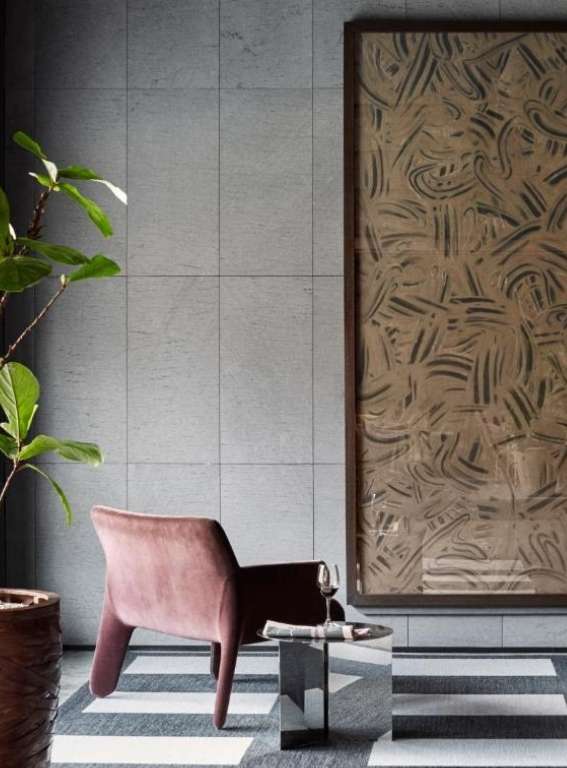
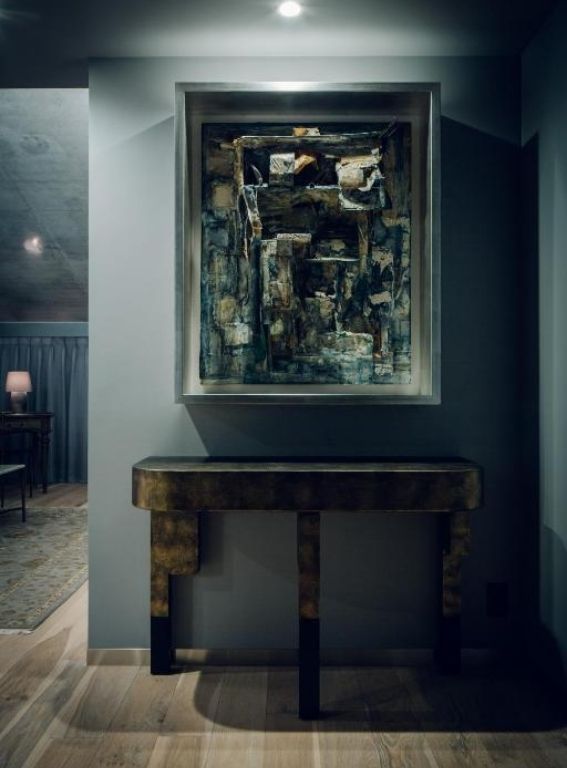
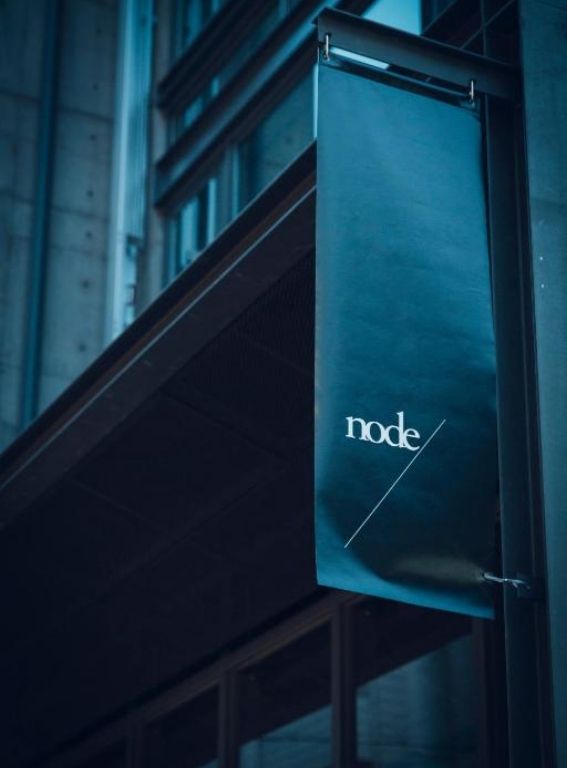
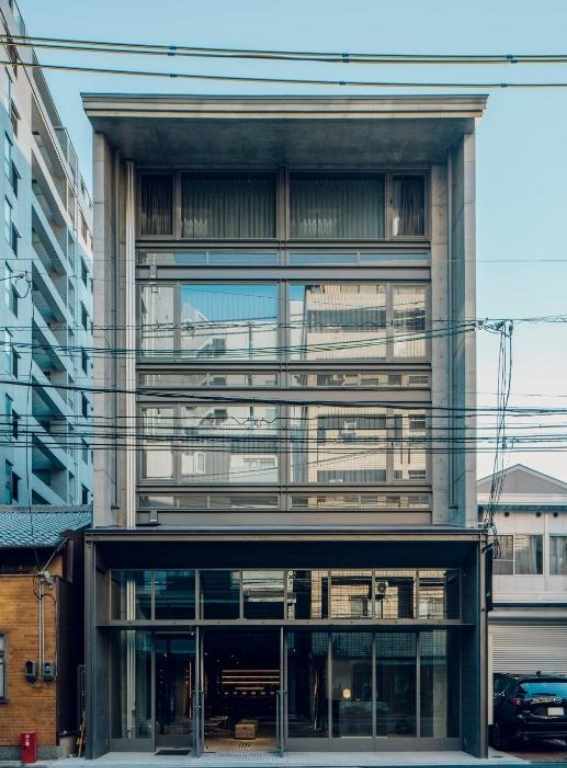
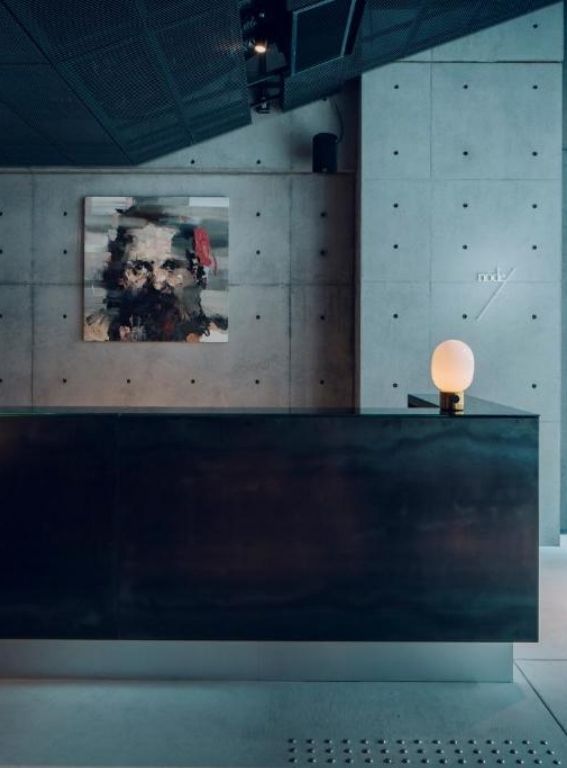
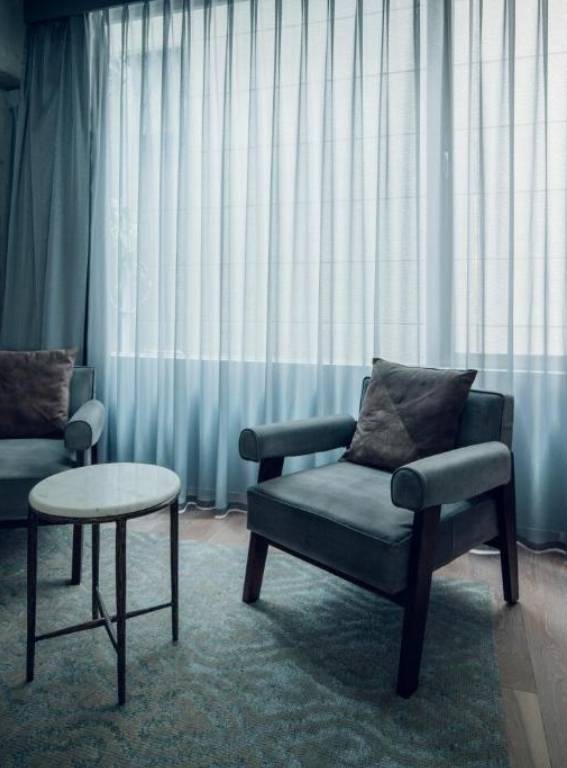
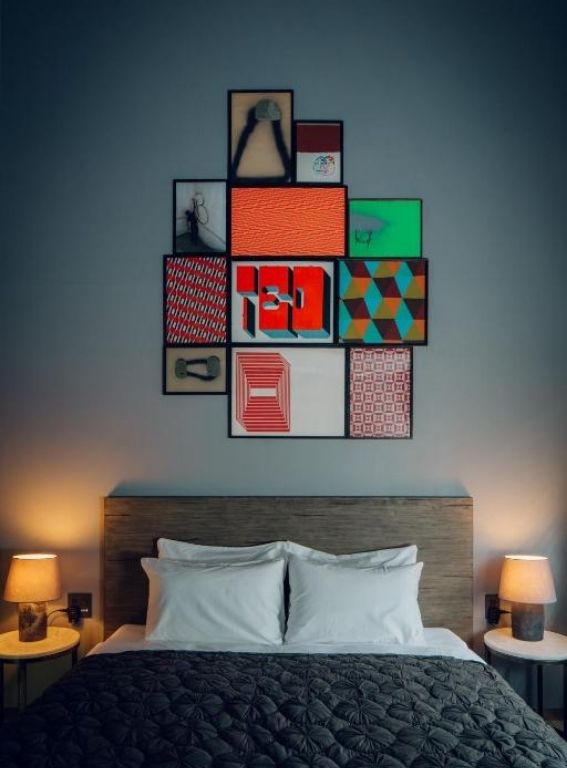
Node Hotel sits slightly apart from Kyoto’s usual ryokan narrative, and that’s exactly the point. It’s not traditional, not decorative, and not trying to perform luxury. Instead, it feels closer to a Brutalist hotel in spirit: pared back, intentional, and built around weight, proportion, and restraint. Concrete, stone, and muted tones create a calm backdrop where art and daily life sit comfortably together. It feels like staying in the home of someone thoughtful, collected, and quietly confident.
Living with the architecture
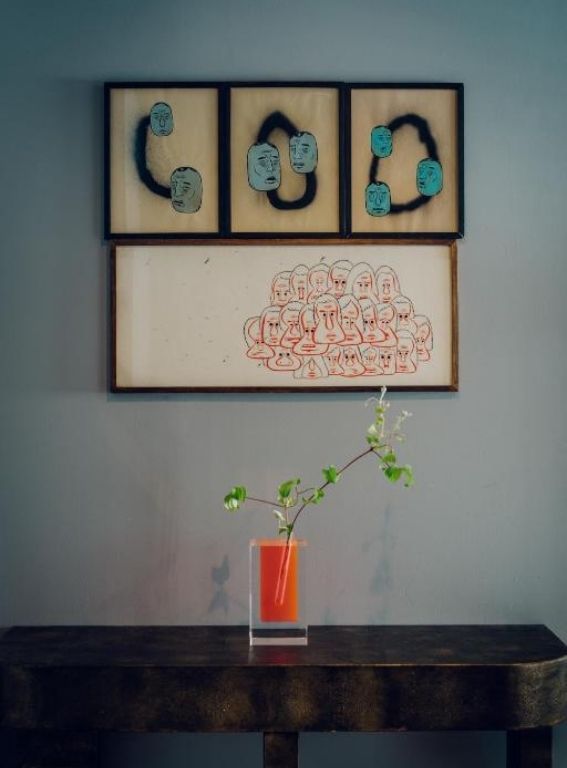
Life at Node is about inhabiting space rather than being impressed by it. The architecture is simple and solid, letting materials and light do the work. Rooms are compact but carefully balanced, with grey palettes, strong lines, and art that feels lived with, not staged. Public spaces are calm and deliberate, encouraging slow mornings, quiet breakfasts, and evenings that don’t need distraction. Among Brutalist hotels in Japan, Node stands out for how naturally the building supports everyday rhythm.
A Brutalist mindset in a Kyoto setting
03. Babel Tulum
Tulum, Mexico
Boutique aparthotel // 64 Rooms
Why we love this hotel
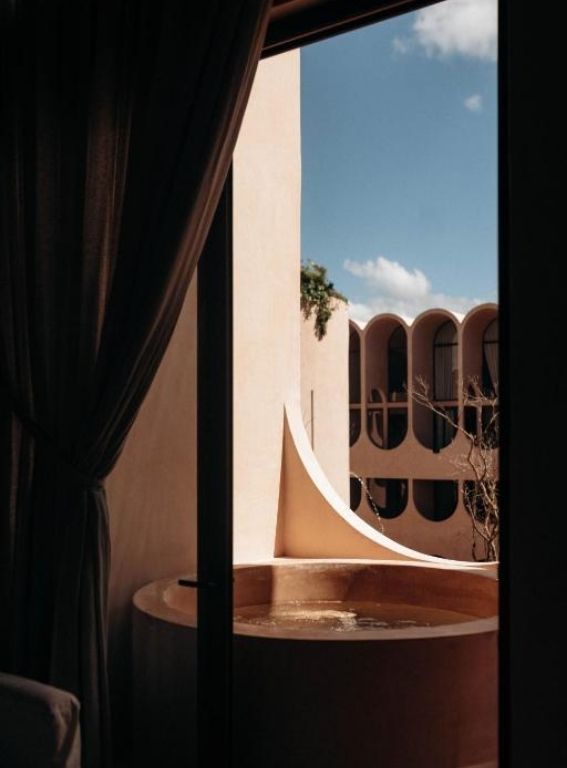
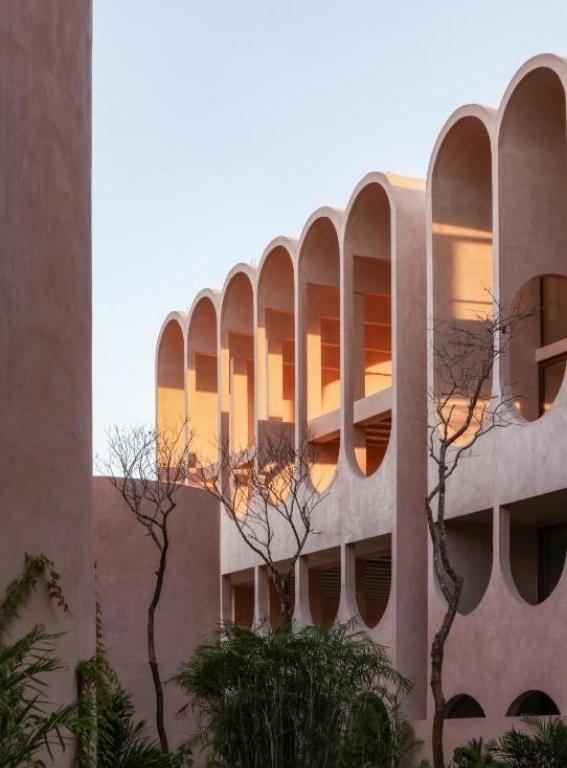
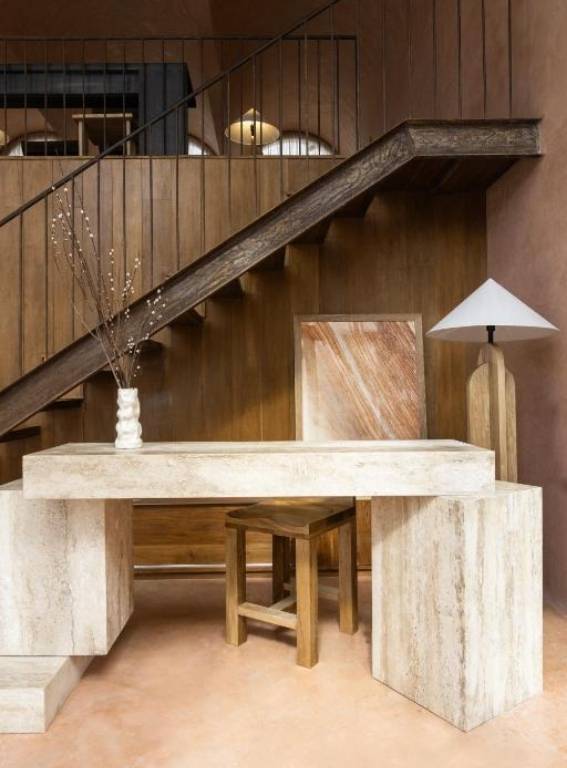
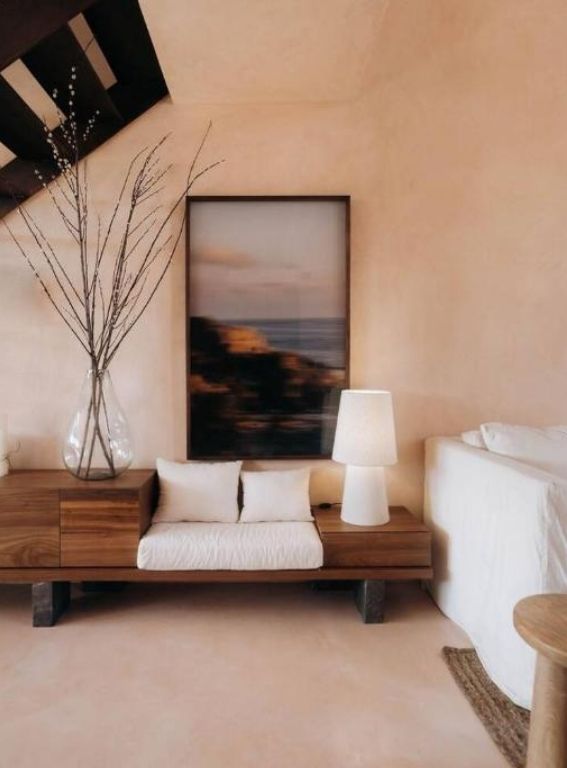
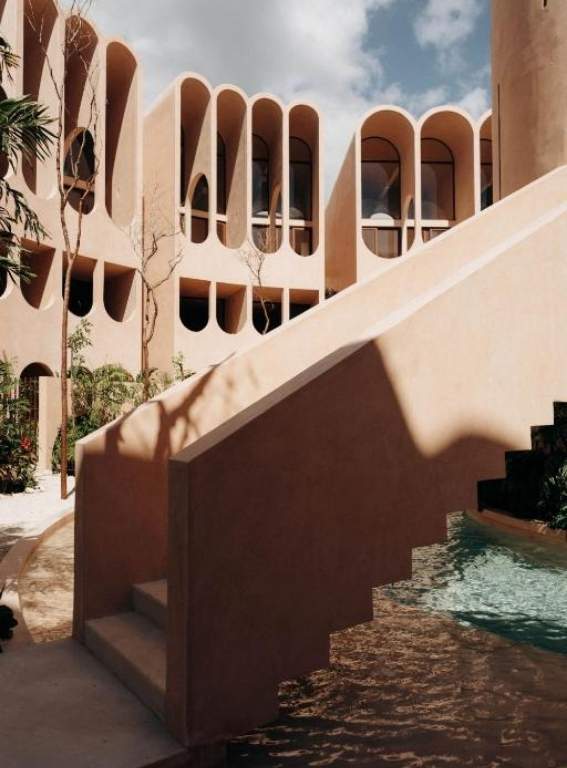
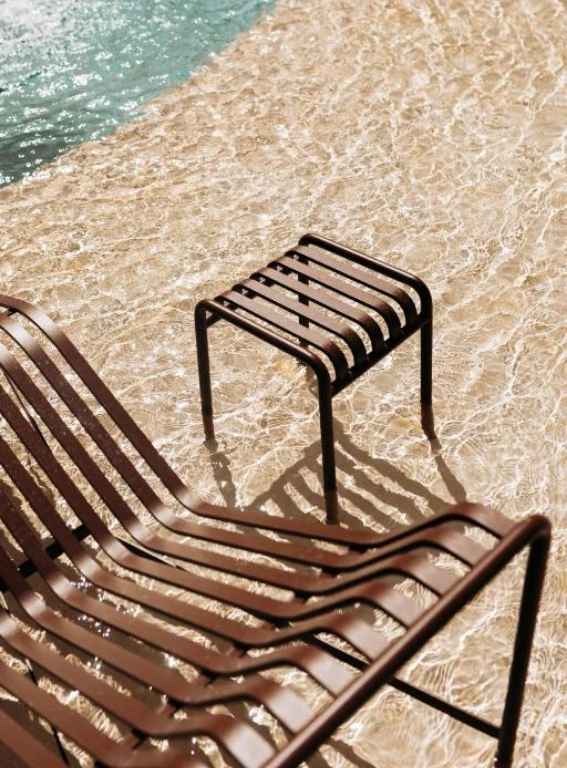
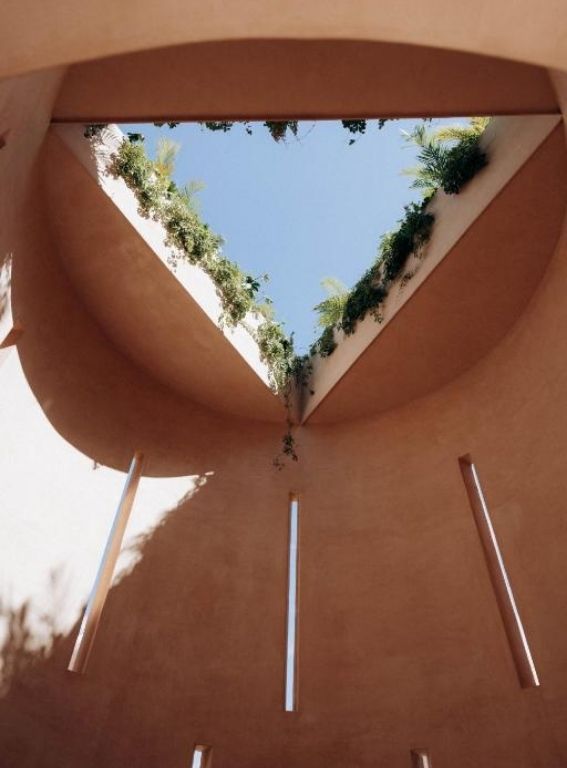
Babel Tulum is one of those Brutalist hotels that feels carved rather than built. Set in La Veleta, its concrete forms, arches, and chukum walls sit quietly in the jungle, letting light and shadow do the work. The mood is calm and inward-looking. Apartments feel private and spacious, with plunge pools, thick walls, and a sense of retreat from Tulum’s noise. It’s not about beach clubs or spectacle here. Babel suits travellers who want architecture, stillness, and a slower pace without leaving town completely.
Living with the architecture
Life at Babel is shaped by the building itself. Raw materials, curved concrete, and earthy finishes create spaces that stay cool and hushed throughout the day. The central tower houses shared rituals rather than distractions: hammam, communal pool, yoga shala. Even inside the rooms, the architecture leads, with double-height spaces, filtered light, and minimal decoration. Among Brutalist hotels in Mexico, Babel stands out for feeling human-scaled and lived-in, where wellness and design quietly support daily life instead of competing for attention.
Concrete softened by jungle
04. Casa TO – Adults Only
Puerto Escondido, Oaxaca, Mexico
4 Star // 9 suites
Why we love this hotel
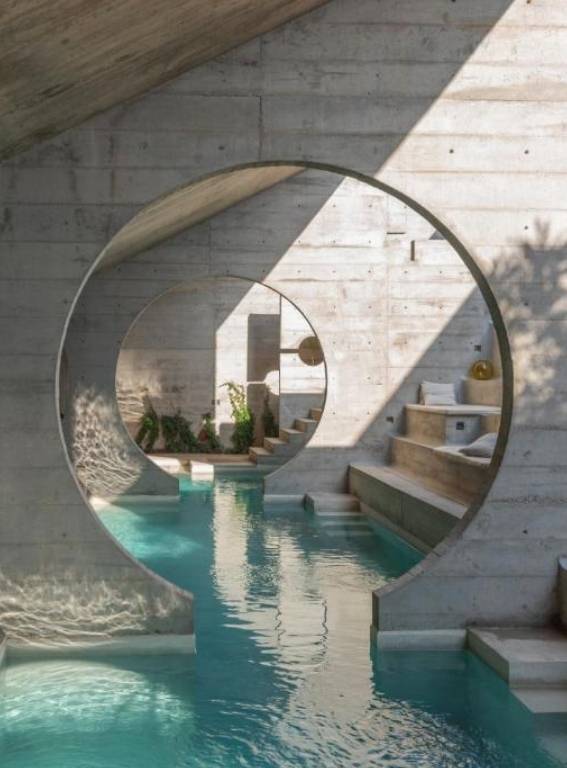
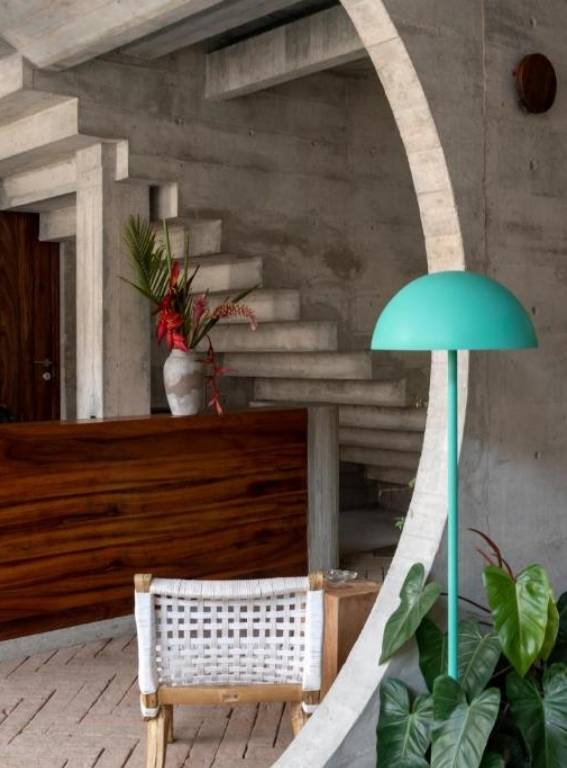
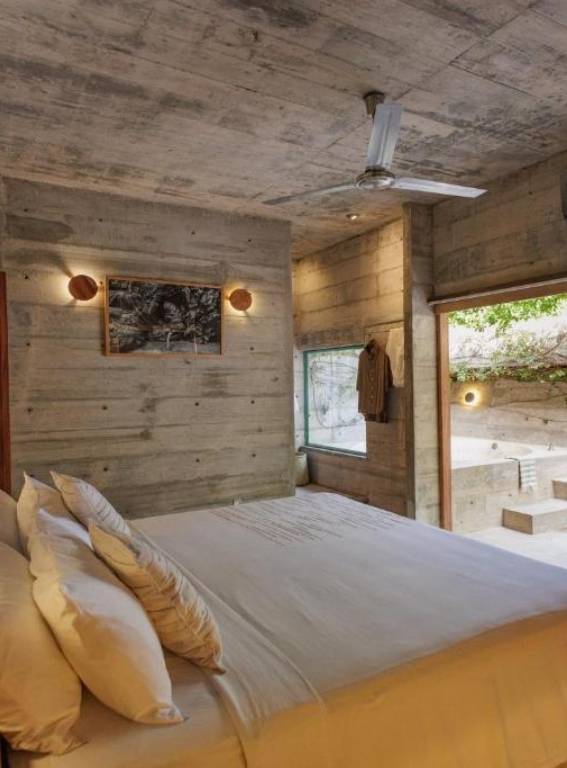
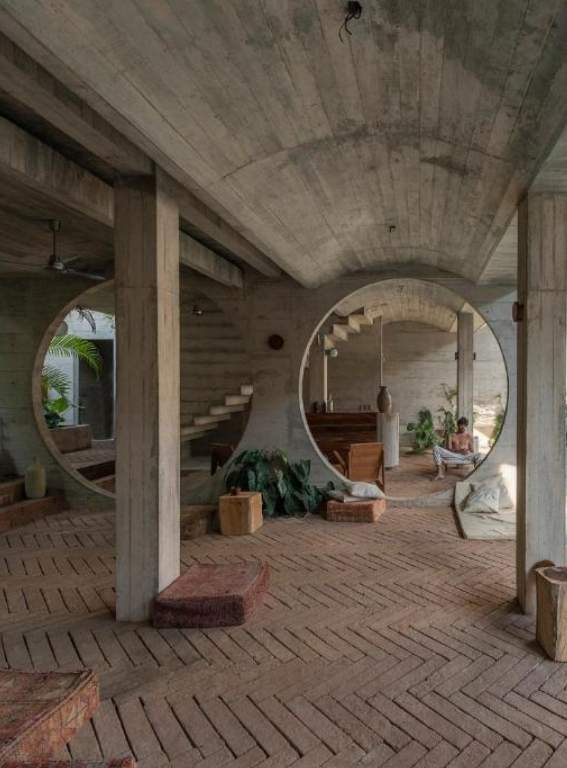
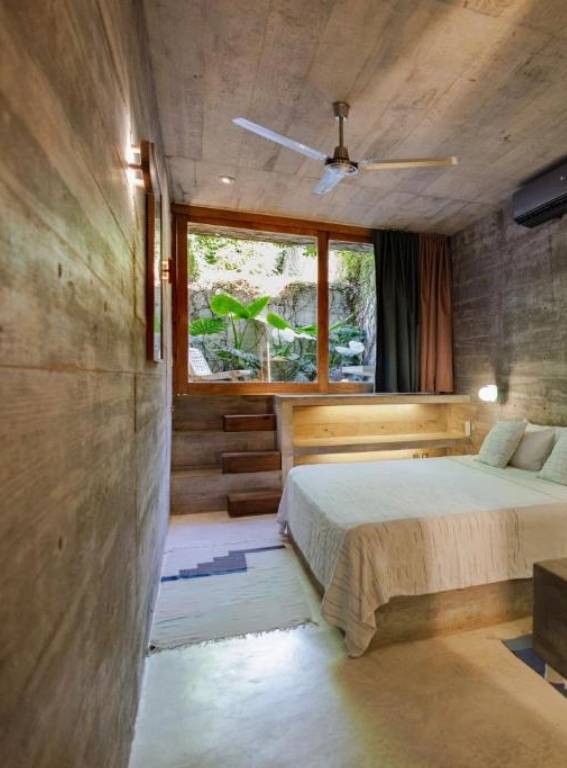
Casa TO feels closer to a sanctuary than a hotel. Set just back from the beach in La Punta Zicatela, its raw concrete forms rise quietly against palms and open sky. Designed by Ludwig Godefroy, the building leans into Brutalist architecture without feeling cold or imposing. Thick walls create shade and calm, while the layout encourages stillness rather than movement. It’s deliberately minimal, almost monastic, offering refuge from heat, crowds, and the restless energy of the surf town nearby.
Living with the architecture
Staying here is an exercise in slowing down. The architecture shapes the rhythm of the day: cool interiors during the heat, gardens and terraces opening outward in the early morning and evening. Ground-floor suites feel grounded and private, while upper rooms invite long baths under the sky. Materials stay honest throughout: concrete, stone, water, air. Among Brutalist hotels in Mexico, Casa TO stands out for how quietly it asks you to observe rather than consume.
A Brutalist retreat by the sea
05. Terrestre
Puerto Escondido, Oaxaca, Mexico
5 Star // 14 Villas
Why we love this hotel
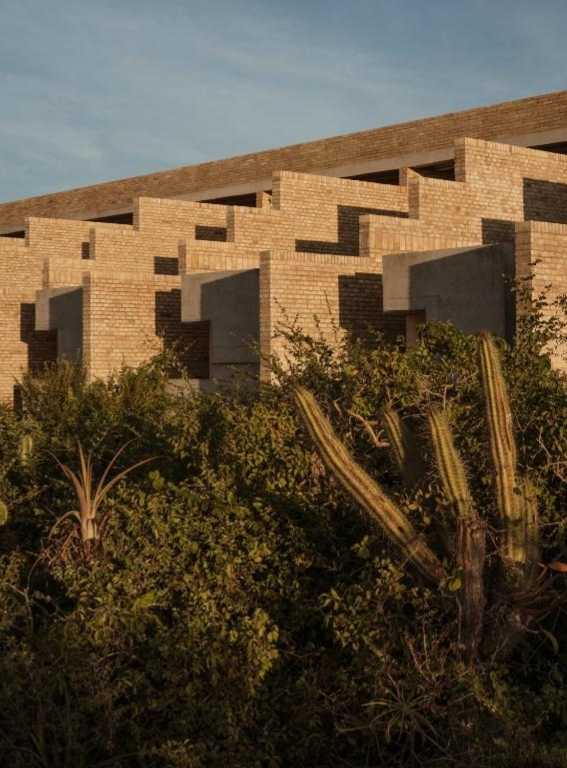
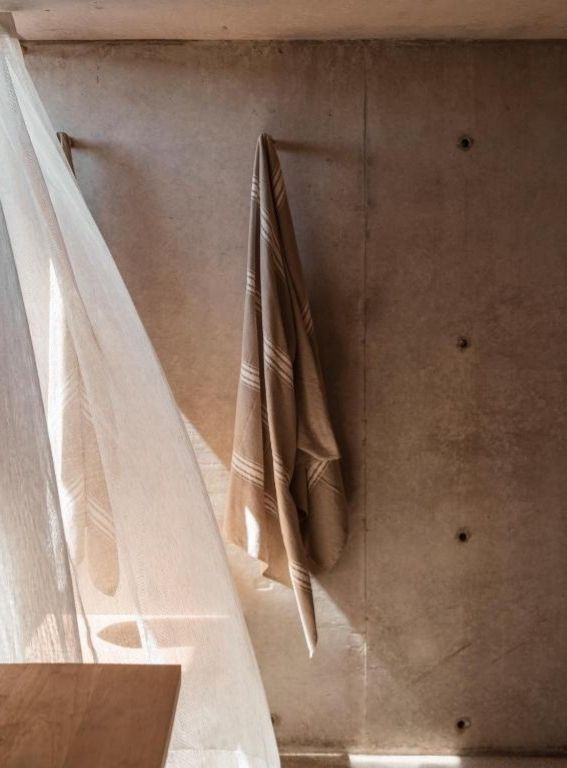
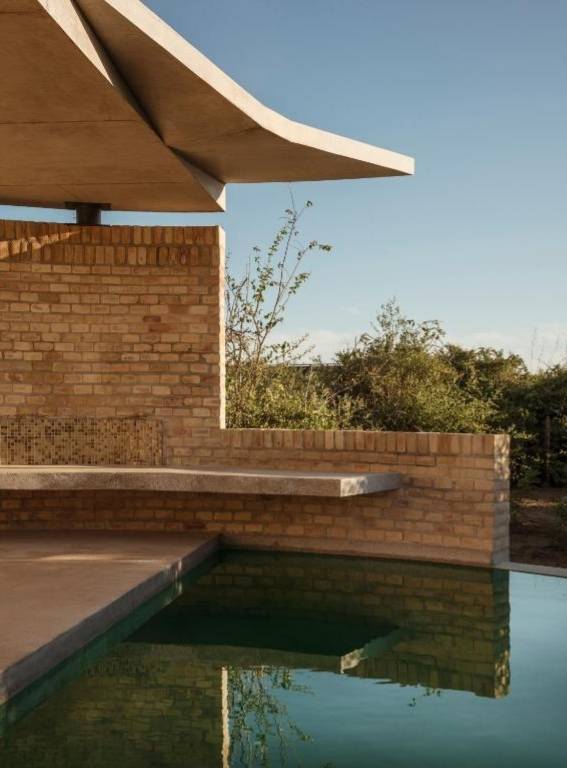
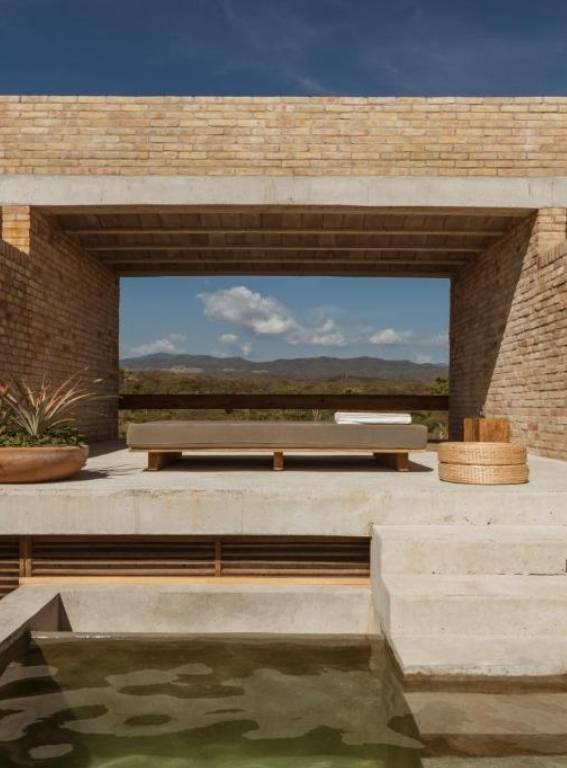
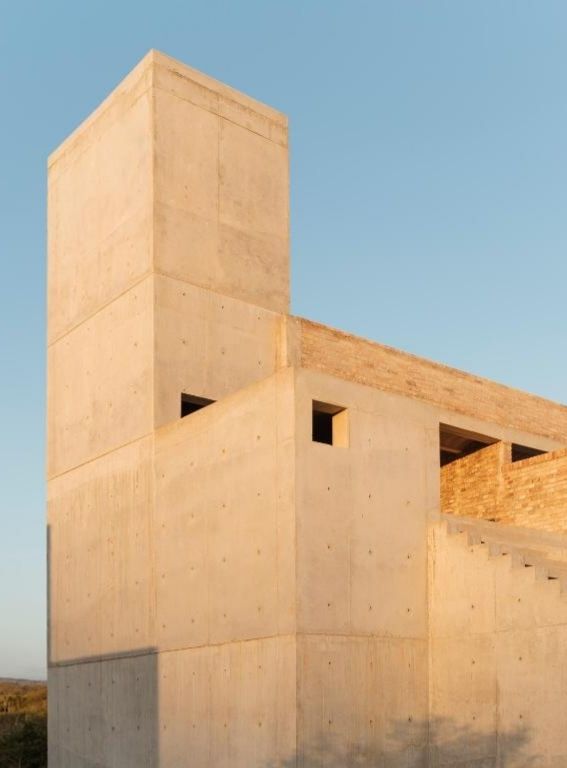
Terrestre is one of those Brutalist hotels where the idea runs deeper than the look. Built entirely off-grid and powered by the sun, it sits quietly between ocean and mountains, asking guests to slow down and live by daylight. Designed by Alberto Kalach, the architecture is elemental and deliberate: thick walls, open air, no air-conditioning, no excess. Everything here feels intentional. It’s not about escape through luxury, but through alignment with land, light, and time.

Living with the architecture
Life at Terrestre follows the sun. Mornings open gently through slatted wood and garden air, afternoons retreat into shade and water, evenings gather around fire, food, and silence. The villas blur inside and out, with outdoor bathrooms, private pools, and materials that hold heat, scent, and texture. Among Brutalist hotels in Mexico, Terrestre stands apart for how architecture actively shapes behaviour, encouraging rest, presence, and a quieter way of being.
Off-grid, sun-led living
06. Paradero Todos Santos
Todos Santos, Baja California Sur, Mexico
5 Star // 35 Rooms
Why we love this hotel
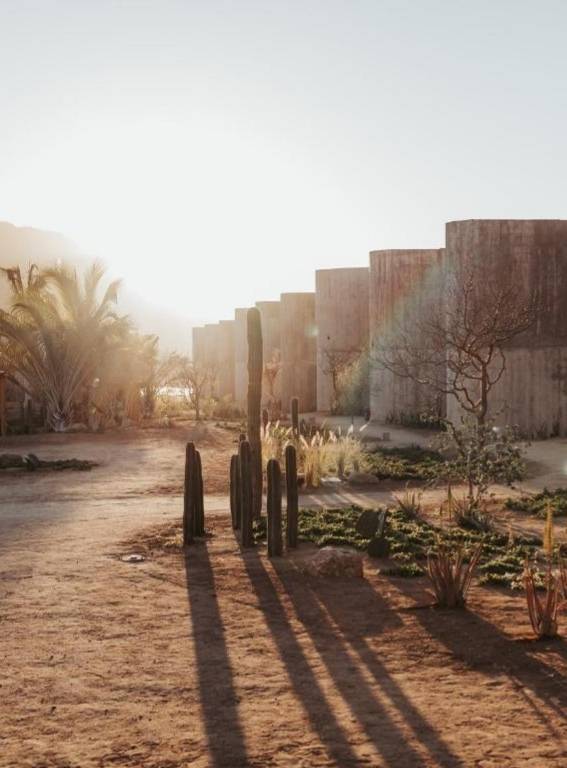
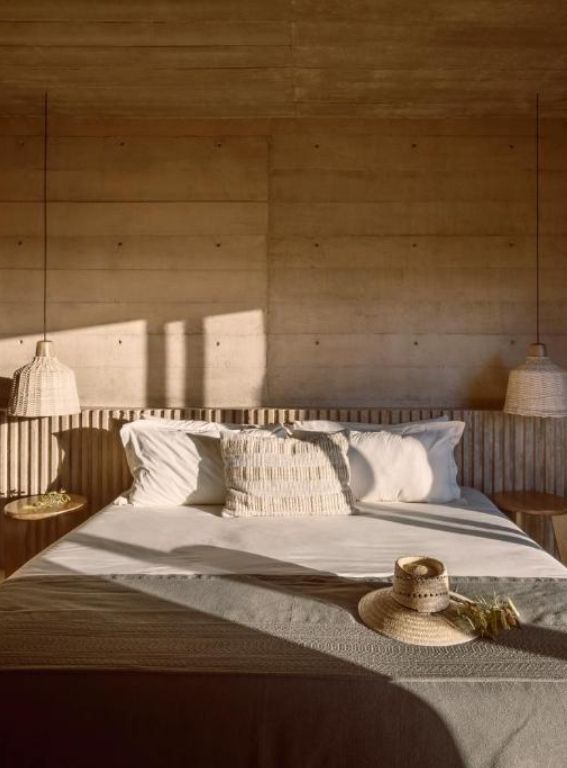
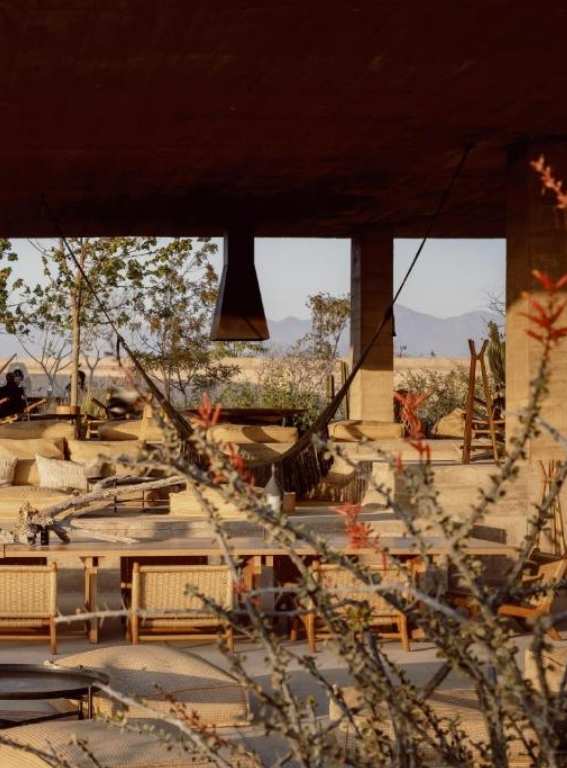
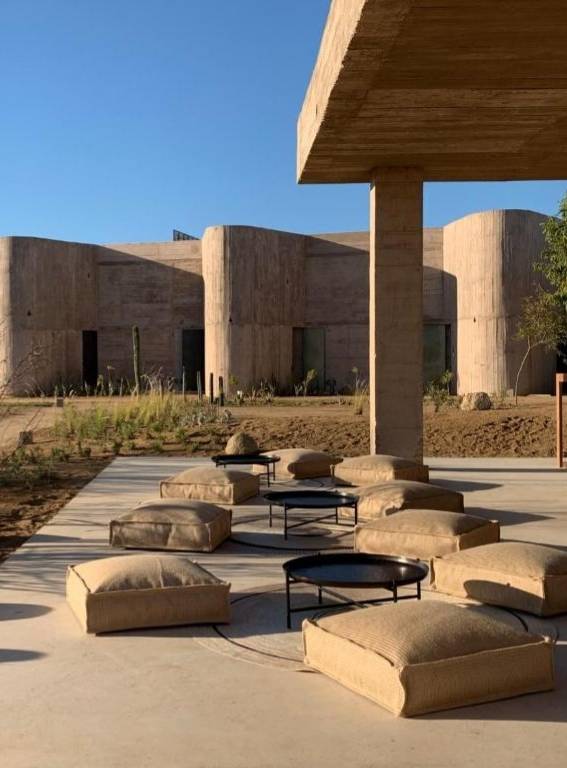
Paradero Todos Santos is a Brutalist hotel that feels carved rather than built. Set into the desert landscape of Baja, the architecture is bold, heavy, and unapologetic, yet softened by gardens, open air, and light. Concrete walls frame cactus valleys and mountain horizons, turning stillness into part of the experience. Despite its scale, it never feels imposing. Everything is balanced. It’s a place where design doesn’t perform for you, it simply holds space for you to arrive properly.

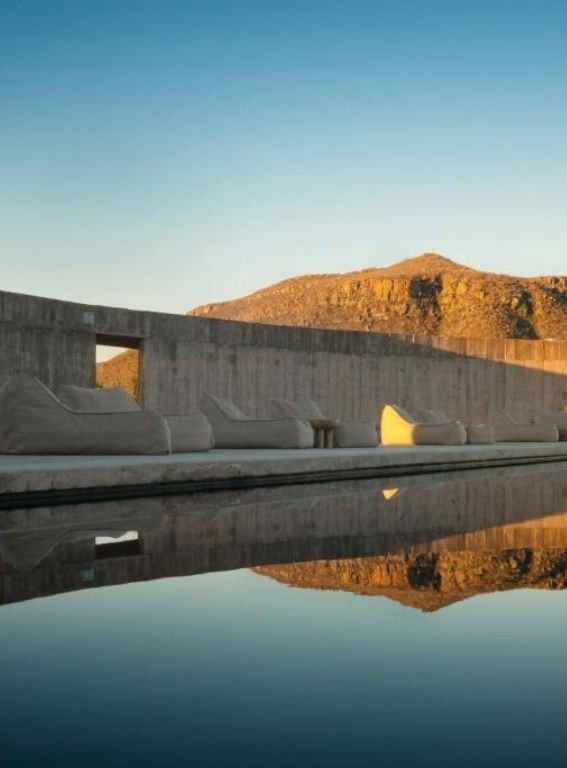
Living with the architecture
At Paradero, the architecture actively shapes how you move, pause, and spend time. Pathways pull you through gardens and courtyards, not corridors. Suites open outward, encouraging days to unfold between shade, stone, and sky. Pools, hammocks, and open-air spaces feel intentionally placed, never decorative. Among Brutalist hotels, this is a rare example where heavy materials create ease rather than distance, grounding you in the desert instead of insulating you from it.
Desert brutalism done softly
07. The Tiing Tejakula Villas
Tejakula, North Bali, Indonesia
4 Star // 14 Rooms
Why we love this hotel
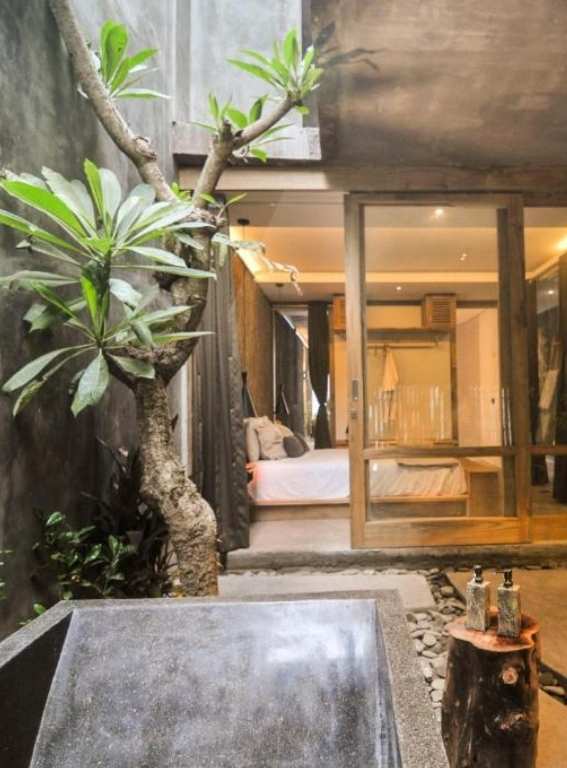
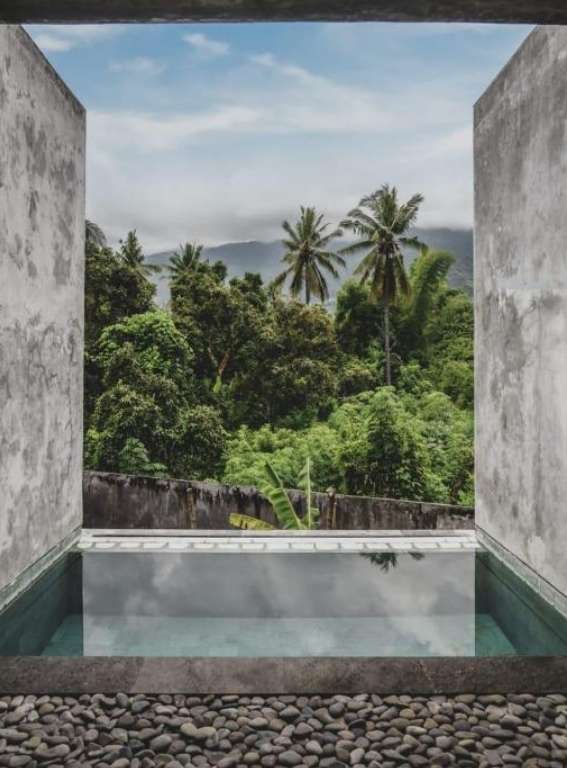
The Tiing is often mistaken for a bamboo resort, but in reality it’s a quietly radical brutalist hotel built in concrete. Bamboo is not the structure, it’s the method. Each wall is cast using bamboo formwork, leaving its grain and rhythm pressed into the concrete like a fossil. The result is raw, tactile, and deeply intentional. Set on a remote stretch of North Bali’s coastline, The Tiing feels stripped back and serious in the best way, architecture first, views second, distractions nowhere to be found.
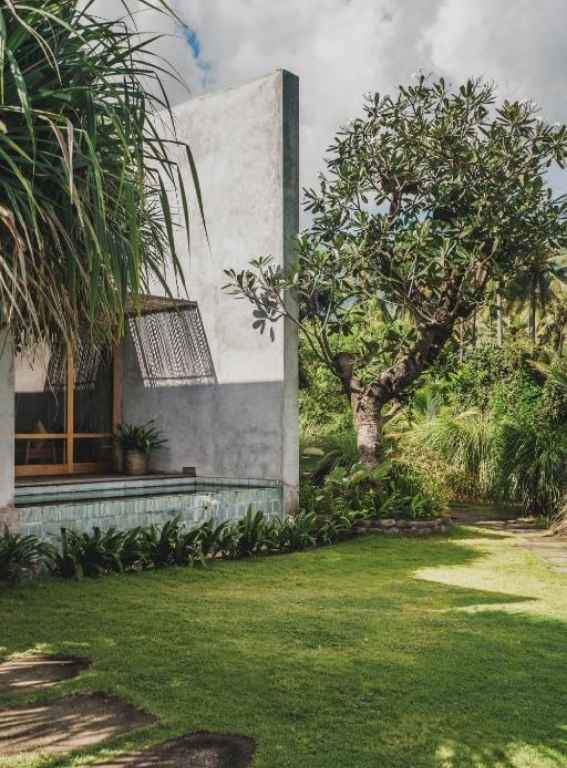
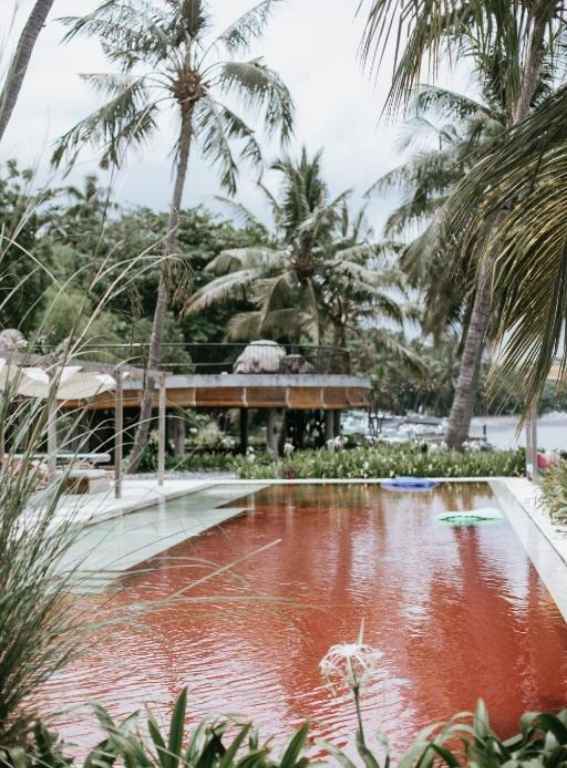
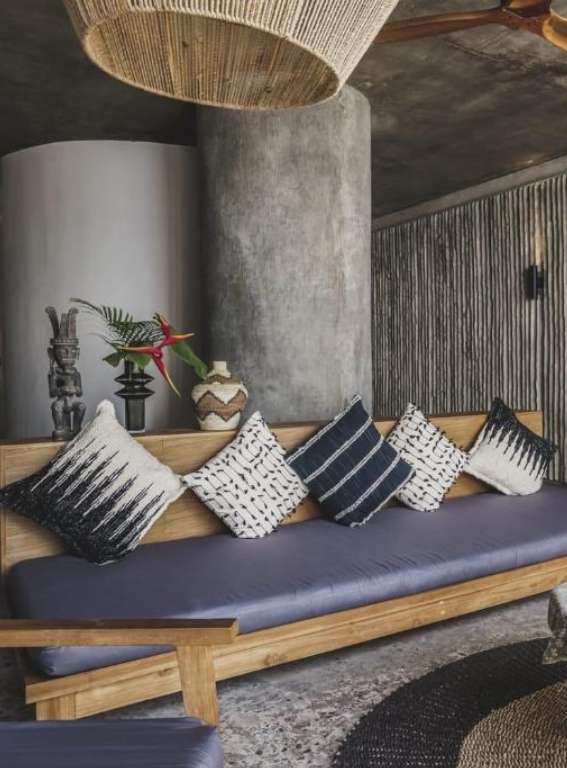
Living with the architecture
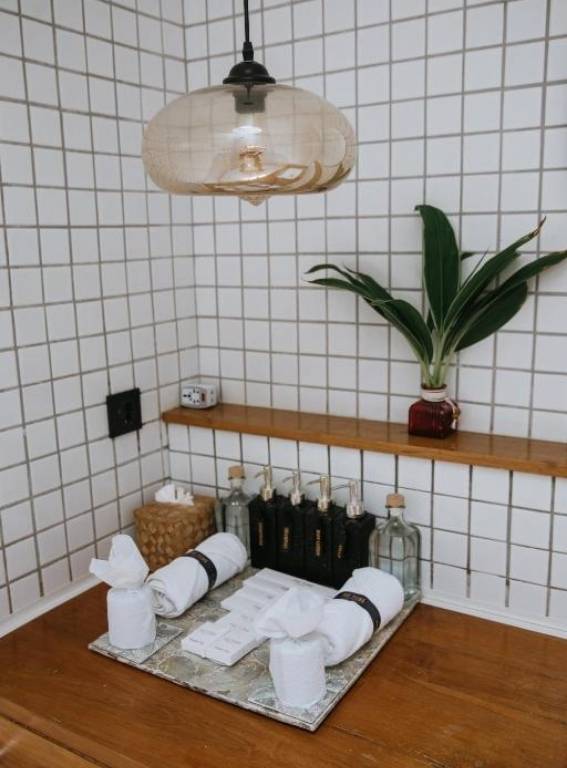
Staying here means living inside the material. The bamboo-imprinted concrete walls catch light differently throughout the day, softening what could otherwise feel severe. Villas are minimal, open, and quietly monumental, with private pools and uninterrupted views of sea or mountain. There’s no excess styling, no resort gloss, just space, texture, and silence. It’s a place that asks you to slow down and notice how it’s built, not just how it looks.
Concrete softened by craft