Honest materials, open landscapes, unhurried stays.
Eco Hotels in Europe Chosen for Design, Care, and a Sense of Place
Choosing an eco hotel often changes how you experience a place. You notice where the building sits, what it’s made from, how meals are sourced, and how quiet can feel when it’s respected rather than filled. Our curated edit of the best eco hotels in Europe focuses on stays that feel connected to their surroundings in a real, unforced way. These are hotels shaped by landscape, season, and care, where sustainability is part of everyday decisions, not a headline. Some are rural, some coastal, others tucked into forests or hills, but all share a slower, more thoughtful rhythm that lets you settle into the place you’re in, rather than rush through it.
01. La Donaira
Montecorto, Málaga, Spain
5 Stars // 11 Rooms
Why we love this hotel
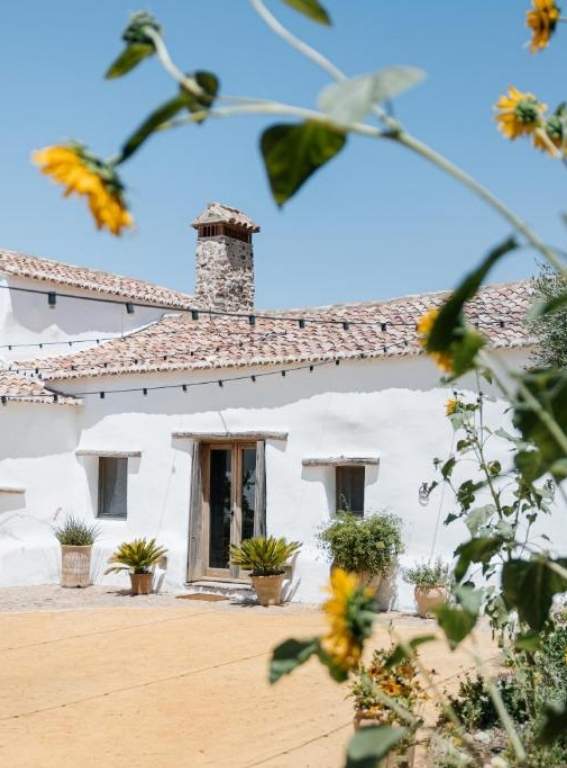
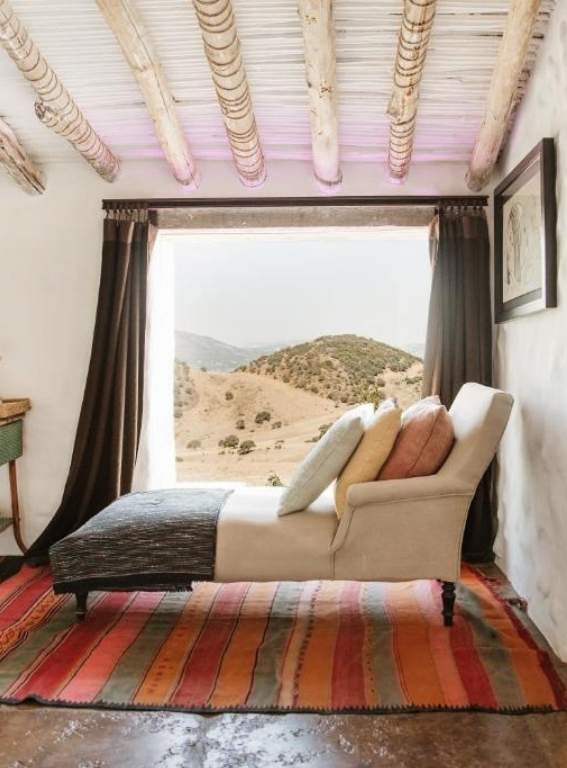
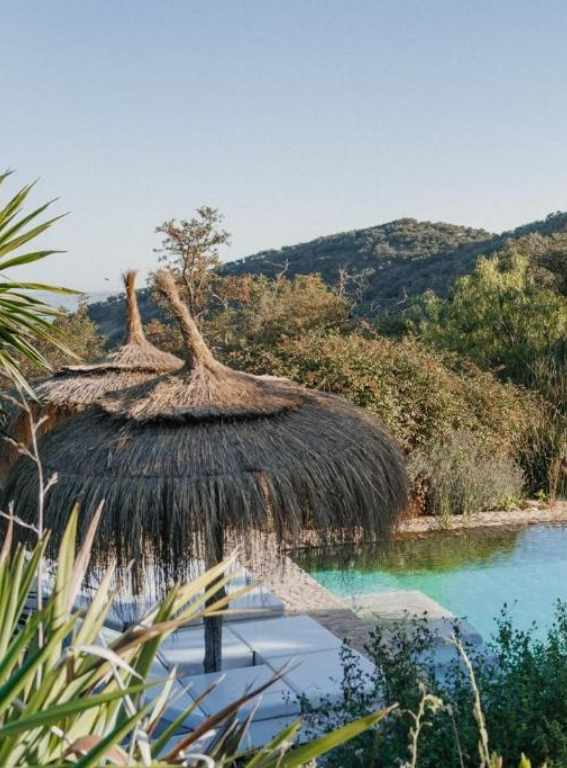
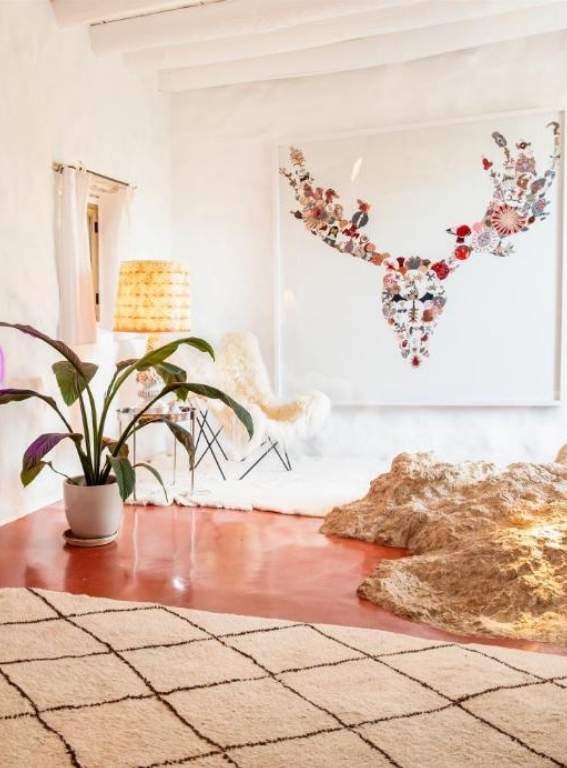
La Donaira sits quietly in the Serranía de Ronda, where a historic cortijo, open skies, and working farmland shape daily life. What draws us here is the feeling of genuine participation rather than observation. Guests move through orchards, gardens, and stables as part of the rhythm, not apart from it. The experience feels thoughtful and lived-in, balancing comfort with purpose. It is rare to find a place that feels both generous and disciplined, offering beauty without excess and depth without performance.

Living lightly on the land
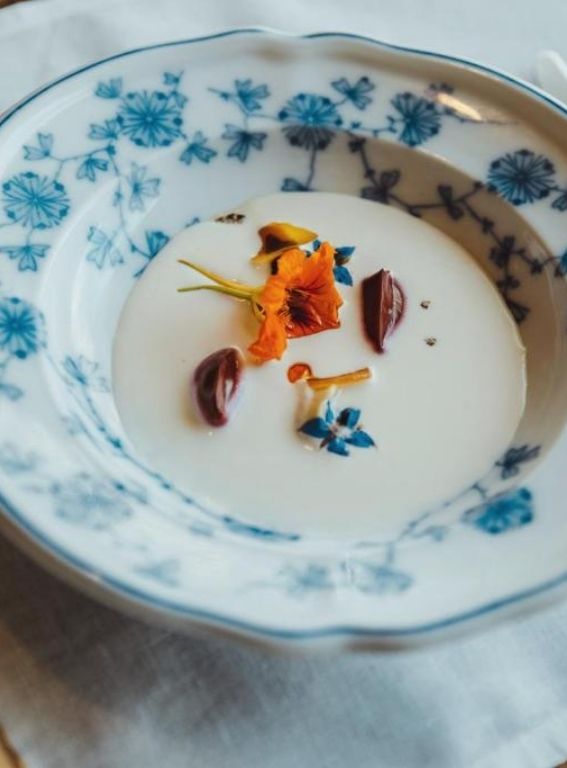
At La Donaira, living lightly on the land is a daily practice shaped by regenerative farming and restraint. Much of what you eat, drink, and experience comes directly from the estate, from biodynamic gardens to small-scale vineyards. Energy, water, and food systems are treated as part of one ecosystem rather than separate amenities. La Donaira stands out among Eco Hotels In Europe by showing how luxury can grow from care, patience, and long-term thinking, offering depth and comfort without excess or performance.
Regenerative calm, deeply lived
02. Saltus
San Genesio Atesino, South Tyrol, Italy
5 Star // 28 Rooms
Why we love this hotel
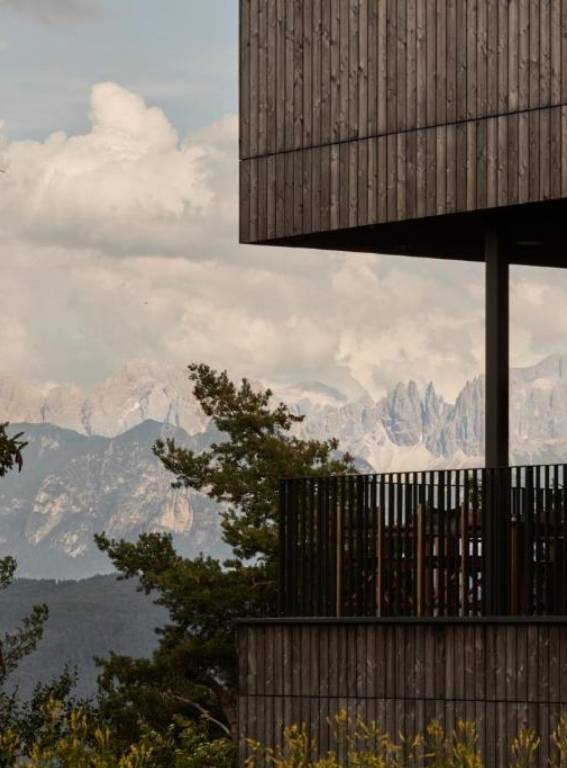
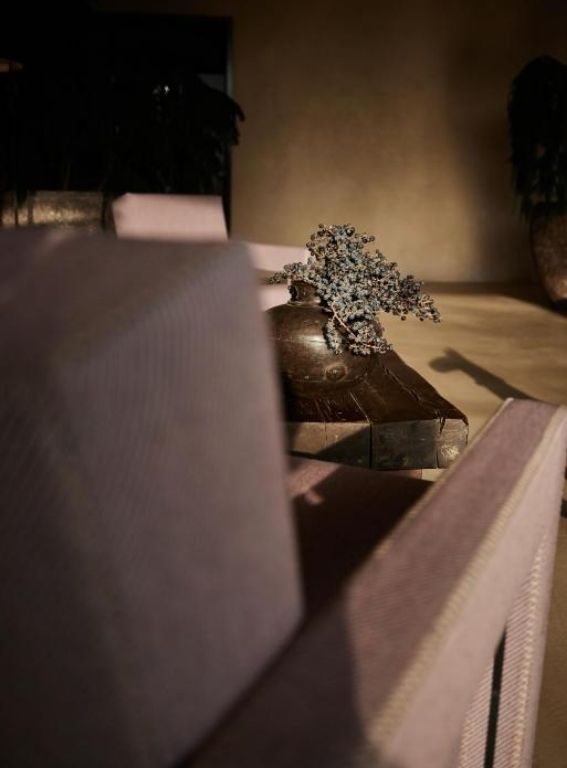
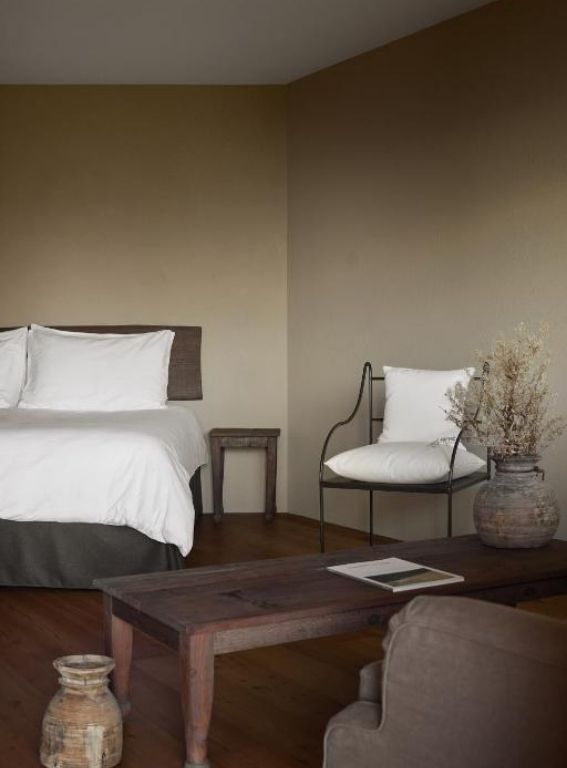
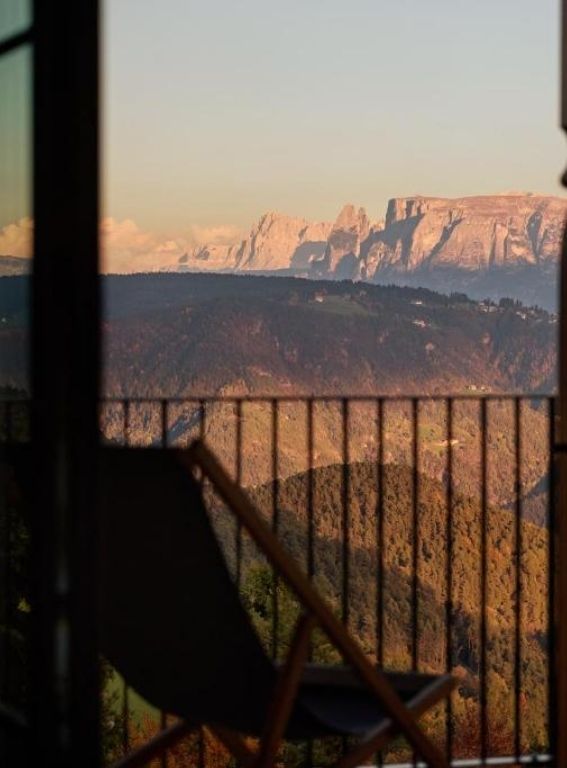
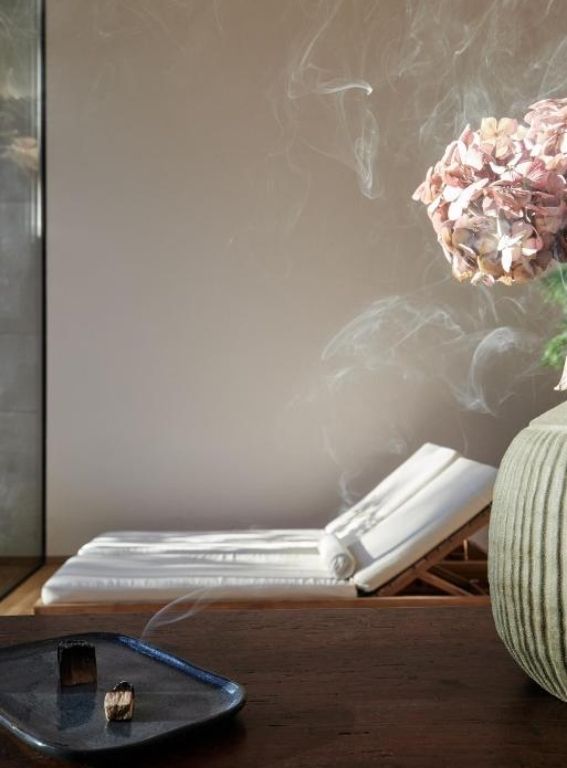
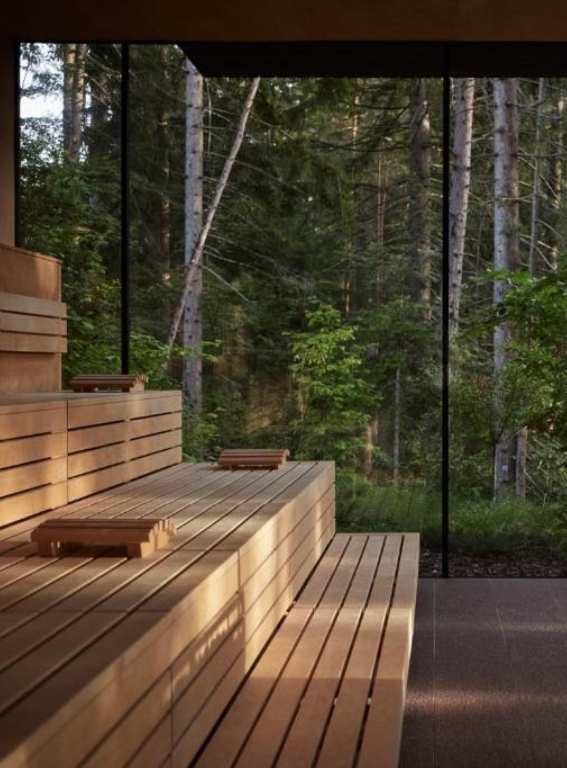
Saltus feels less like a hotel and more like a pause button set deep in the forest above Bolzano. Built at 1,100 metres, it uses altitude, silence, and design to gently reset the body. Clay walls, limestone floors, and forest-facing rooms create a sense of calm that doesn’t rely on excess. What we love most is how naturally everything flows here. Days move between trees, steam, and sky pools without urgency, making it one of those places where stillness arrives without effort.
Living lightly on the land
At Saltus, living lightly on the land is a daily practice shaped by regional materials, forest-first architecture, and restraint. Local larch, porphyry stone, and natural finishes root the hotel firmly in South Tyrol, while the Forest Spa is embedded directly into the woodland. Food follows the same thinking, guided by seasonal produce and nearby farmers. Among eco hotels in Europe, Saltus stands out for how quietly it treads, letting nature lead without turning sustainability into a performance.
Where forest becomes ritual
03. CERVO Mountain Resort
Zermatt, Valais, Switzerland
5 Star // 54 Rooms
Why we love this hotel
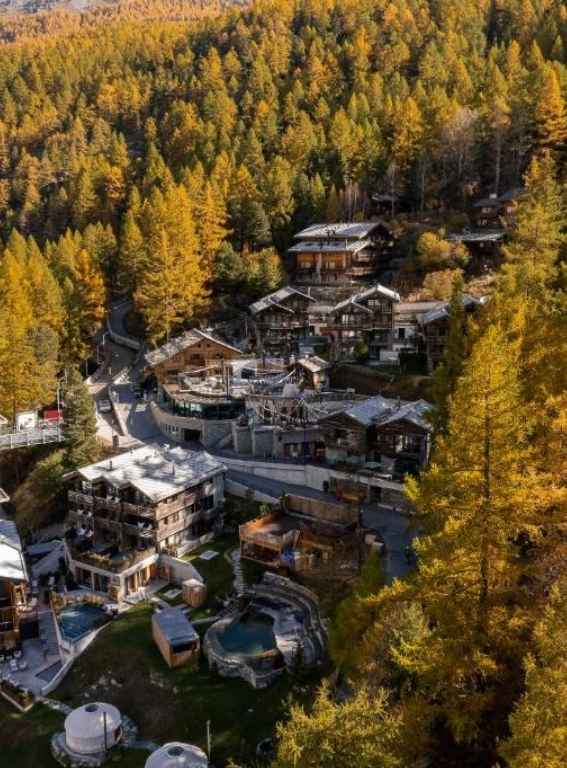
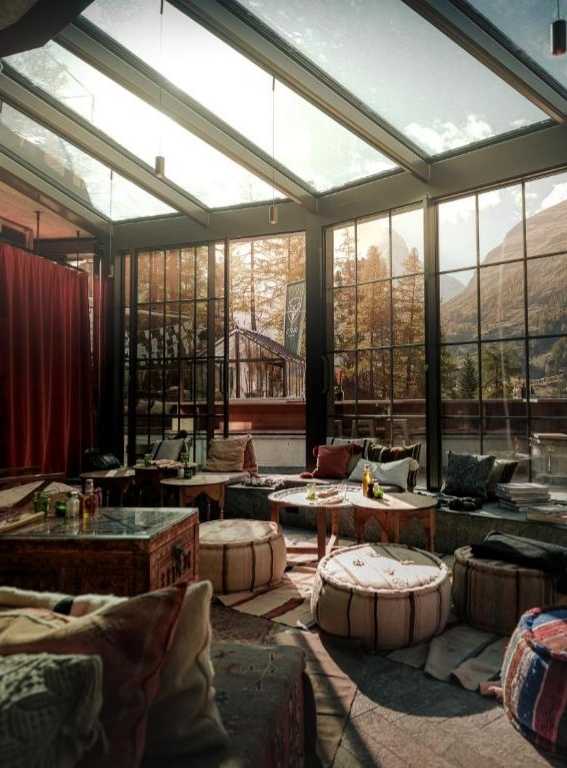
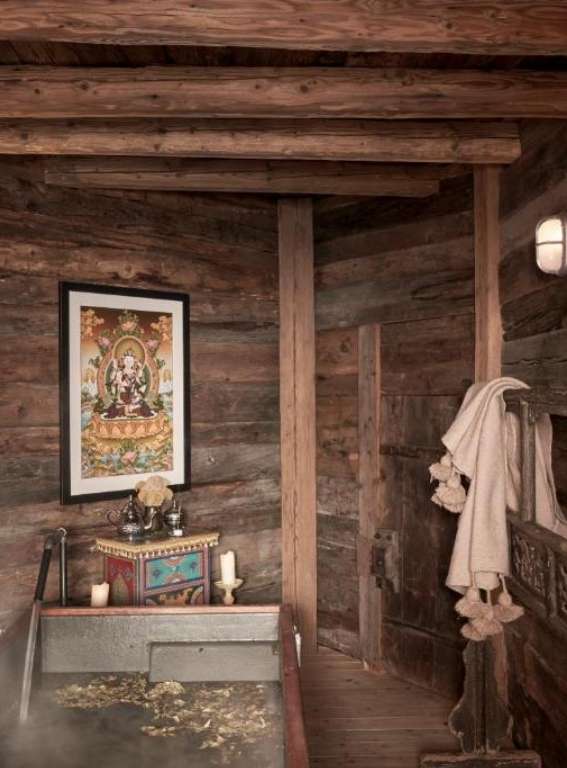
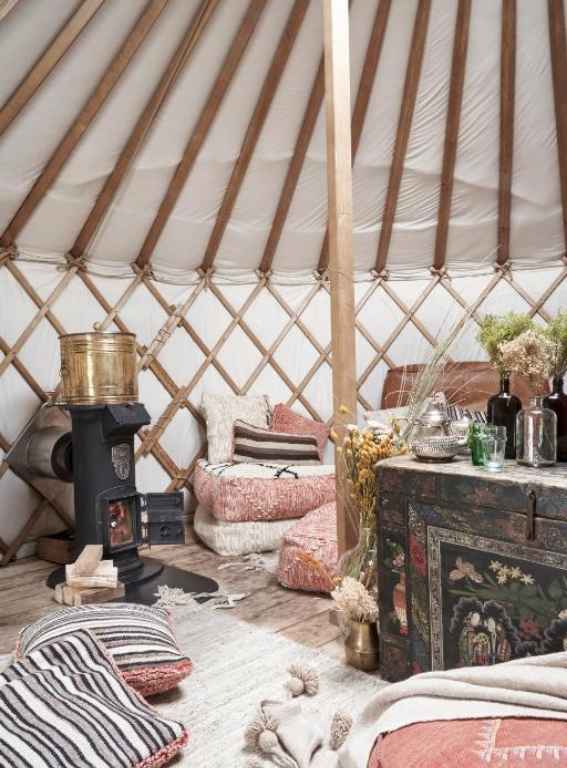
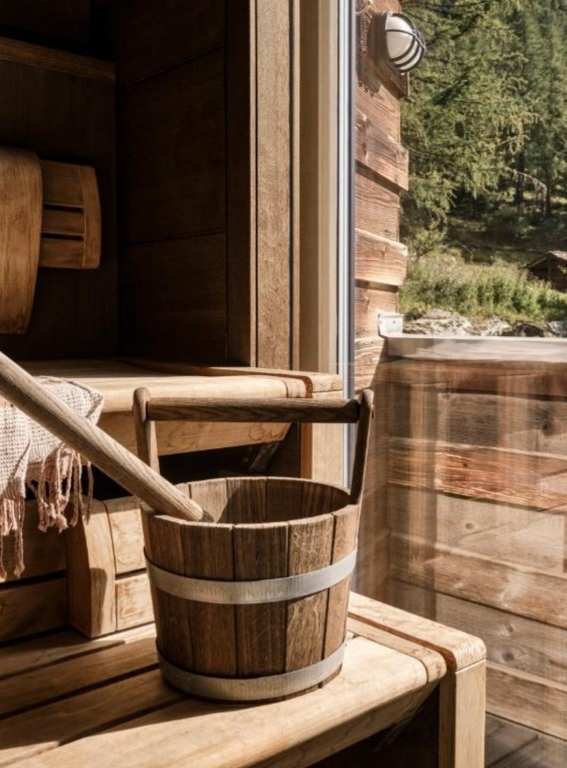
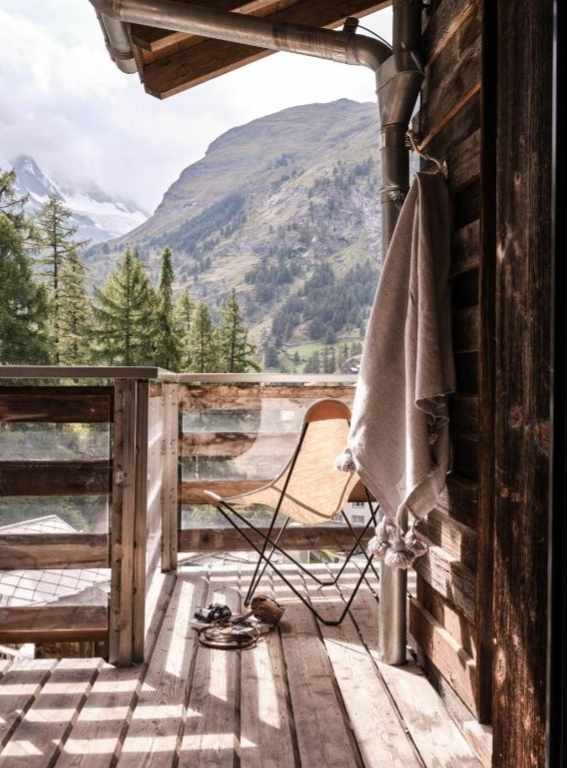
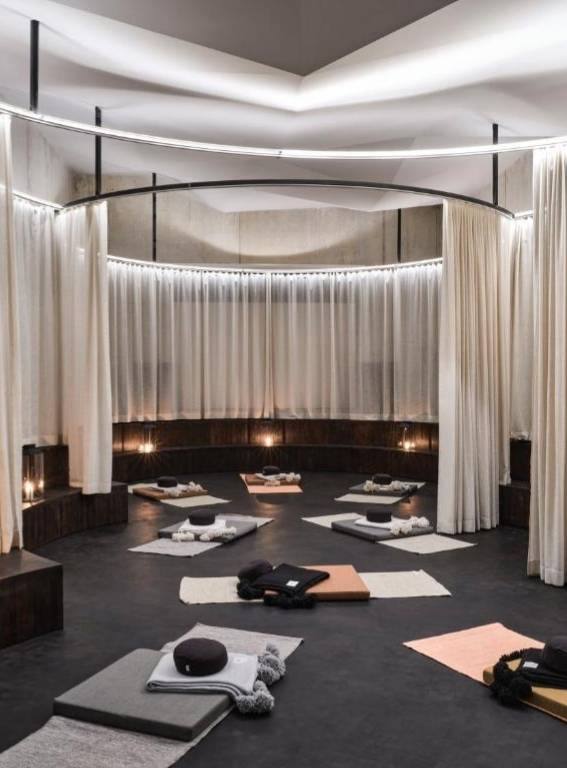
Perched above Zermatt with uninterrupted views of the Matterhorn, CERVO feels more like a lived-in mountain village than a conventional resort. Spaces are designed for gathering, reflection, and retreat, moving easily between social energy and deep quiet. The architecture leans into alpine materials without leaning on nostalgia, while the mood stays relaxed and open. It is also one of our favourite wellness hotels, where movement, mindfulness, and rest are treated as part of daily life rather than a scheduled escape.
Life at this hotel
At CERVO, living lightly on the land is approached as an operational commitment rather than a design statement. Geothermal energy covers the majority of the resort’s needs, supply chains are anchored within the region, and long-term environmental partnerships help guide daily decisions. Buildings follow the mountain’s natural contours, limiting intervention while maximising views and light. Among Eco Hotels In Europe, CERVO stands out for integrating sustainability into hospitality, culture, and community without turning restraint into performance.
Community, calm, and the Matterhorn
04. Holzhotel Forsthofalm
Leogang, Salzburger Land, Austria
4 stars // 54 rooms
Why we love this hotel
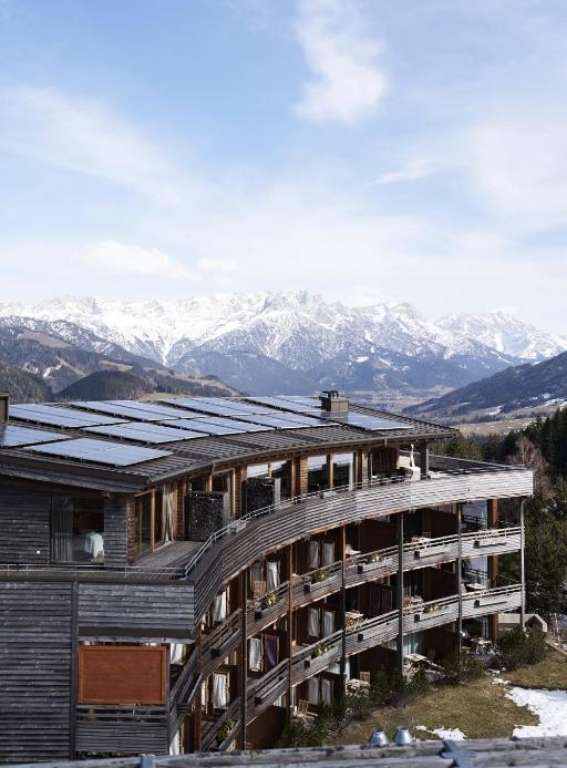
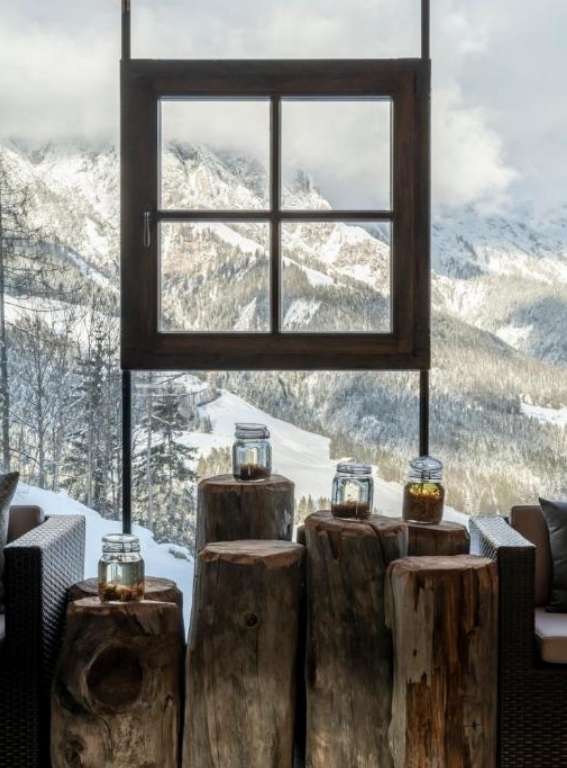
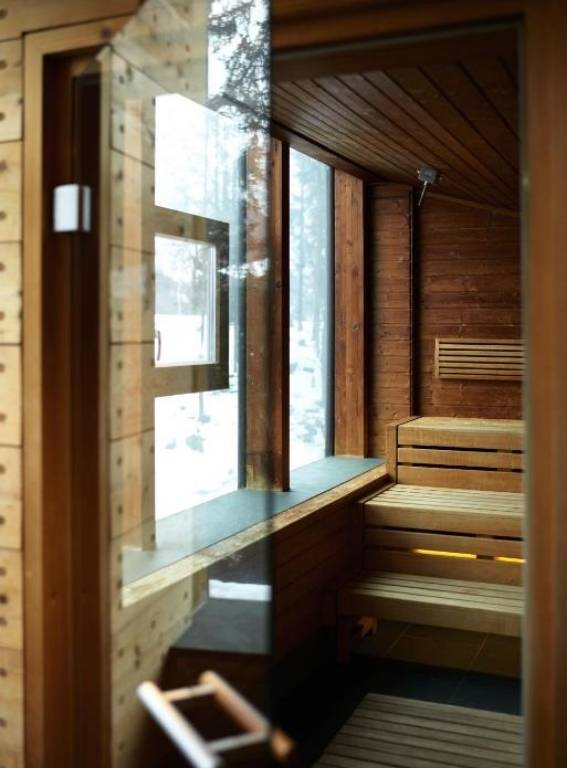
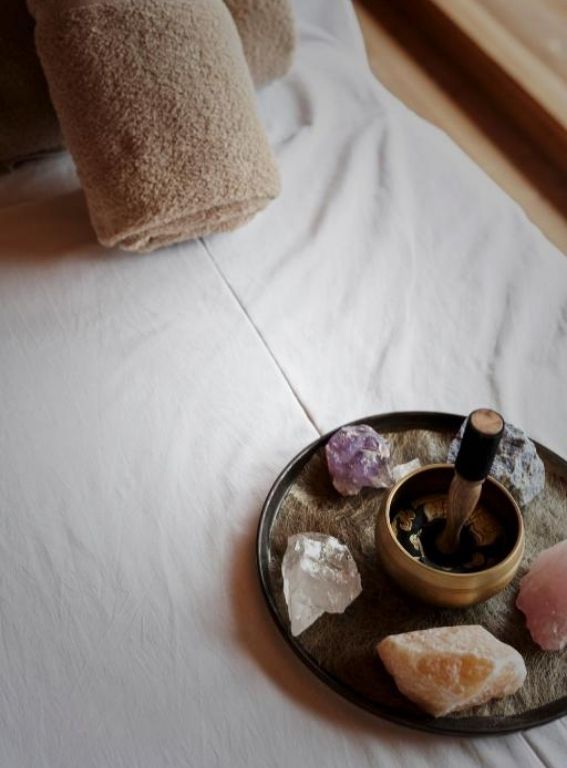
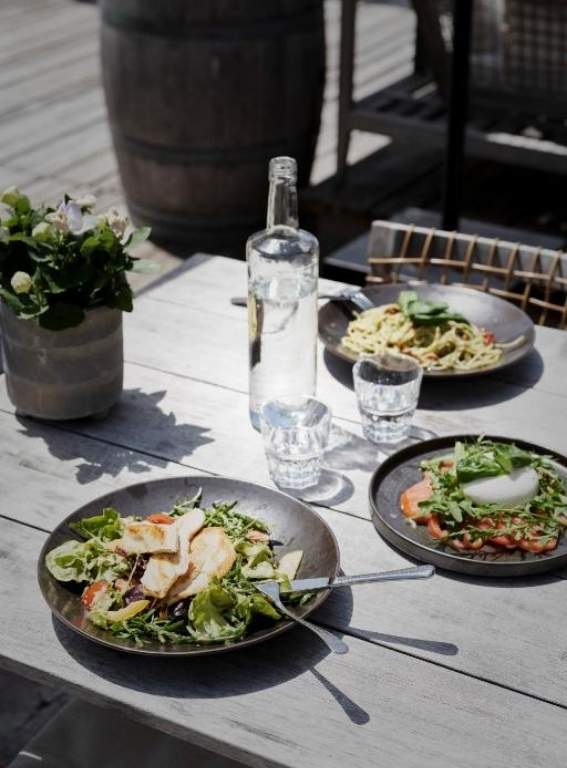
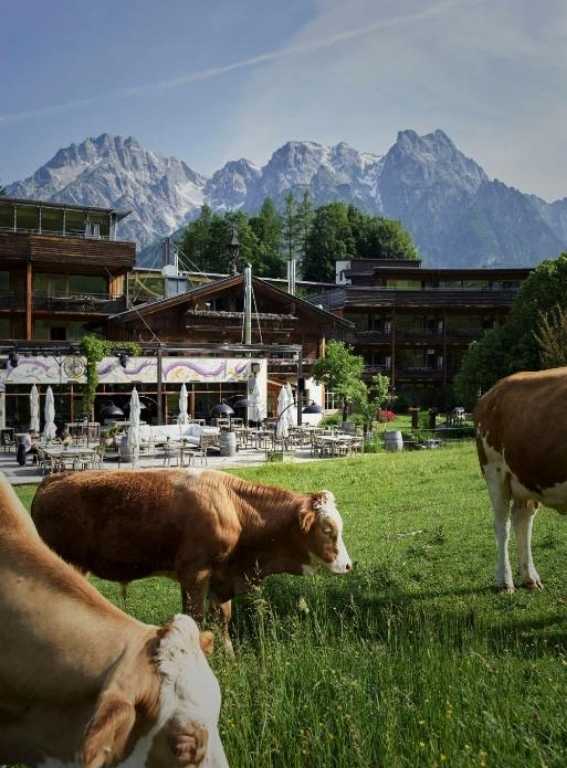
Forsthofalm works because it removes friction from everyday life. You don’t plan much here. You wake, move your body, eat well, and let the mountains do the rest. Rooms smell faintly of wood, not fragrance. Days revolve around weather, light, and how much energy you have. Skiing, hiking, yoga, or doing very little all feel equally valid. The wellness offering is strong, but it never dominates the experience. It’s one of our favourite wellness hotels because rest feels like a by-product, not a programme.

Living lightly on the land
Responsibility here shows up in structure rather than statements. The building is made entirely from untreated moon wood, assembled without glue or metal, chosen for longevity and indoor air quality rather than visual effect. Food is seasonal, menus adjust to availability, and waste is kept deliberately low. Energy use is managed with restraint, not excess. Among eco hotels in Europe, Forsthofalm feels grounded because sustainability shapes daily decisions instead of being layered on top of them.
Built simply lived slowly
05. Naturhotel Chesa Valisa
Hirschegg, Austria
4 Star // 56 Rooms
Why we love this hotel
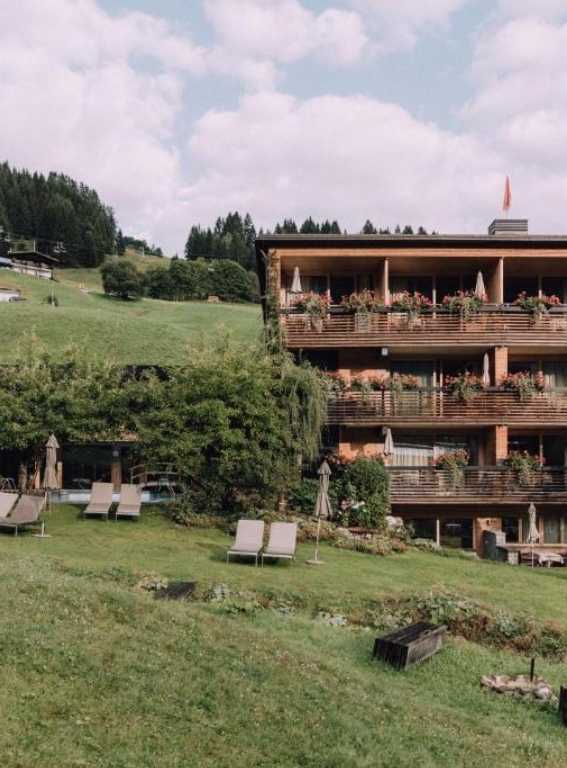
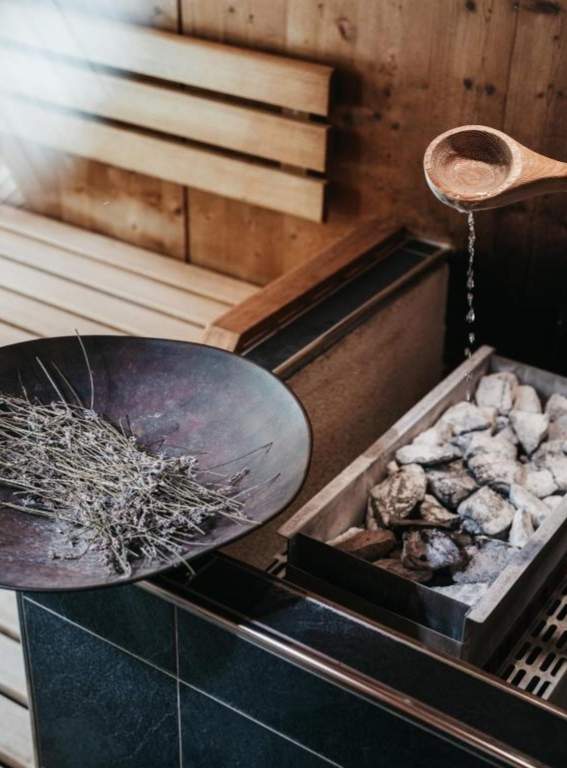
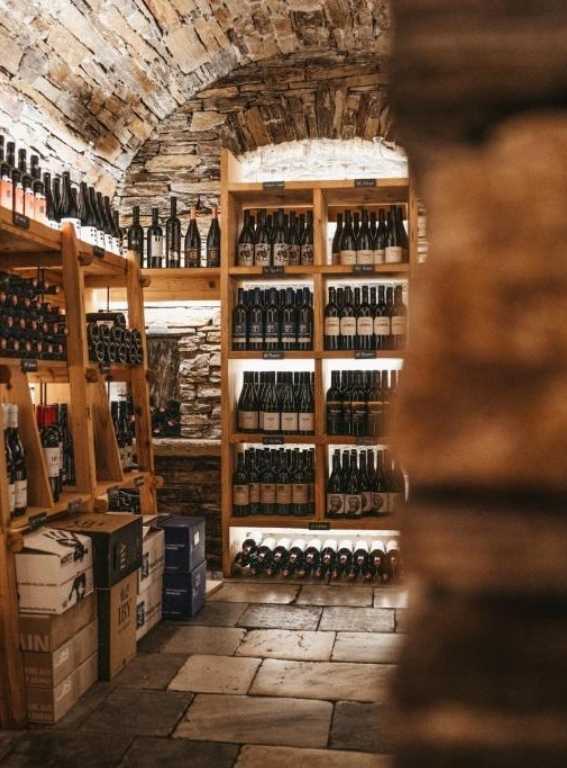
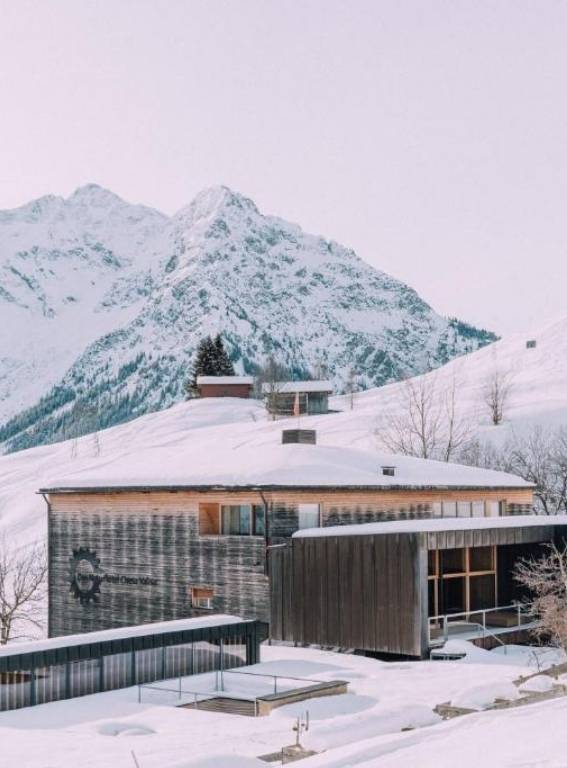
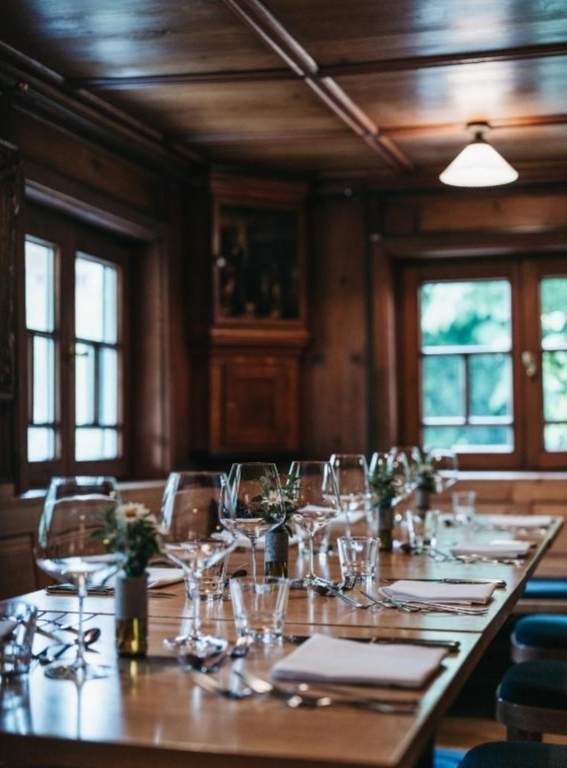
There is a deep calm to Chesa Valisa that settles quickly and stays with you. The building carries its age lightly, blending a 500-year history with quiet modern restraint. Mud walls, timber floors and metal-free beds create rooms that feel soft, warm and genuinely restorative. Days move gently here, shaped by mountain air, long breakfasts, yoga sessions and unhurried walks. Nothing feels staged or over-designed. It is a place that values rhythm over stimulation, where comfort comes from simplicity and time stretches just enough to let your shoulders drop.

Living lightly on the land
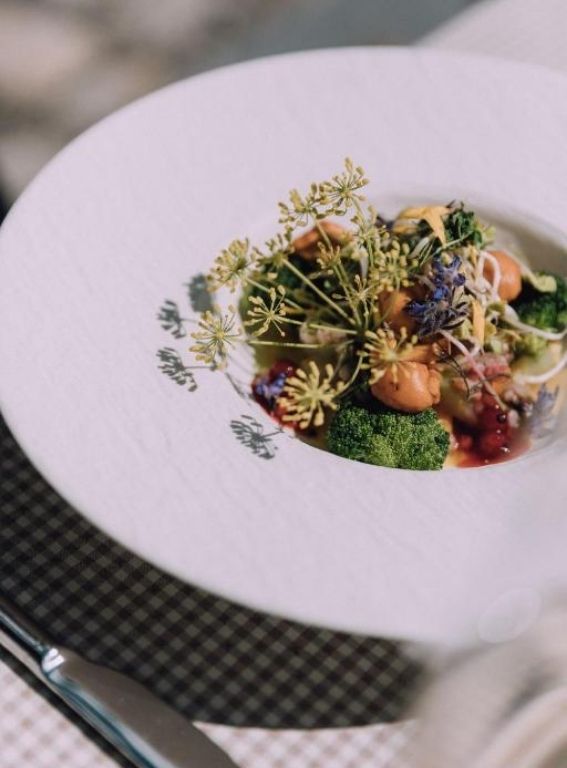
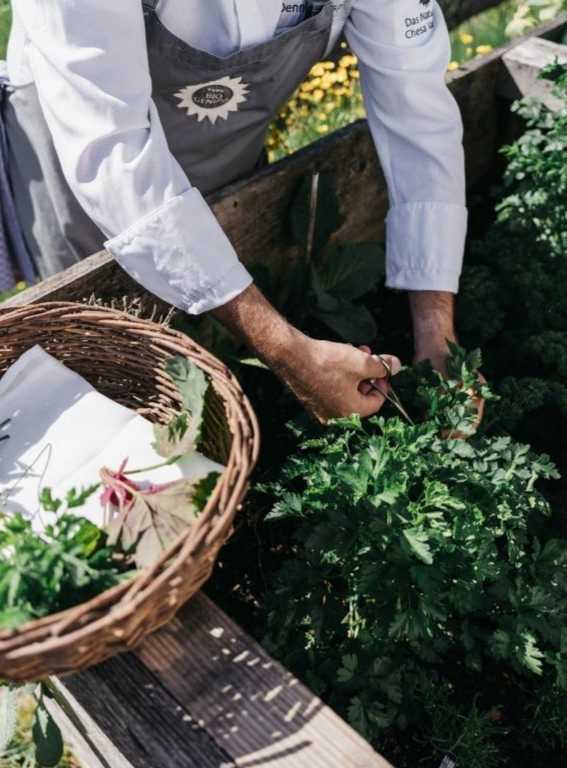
Responsibility here is built into structure and routine rather than announced. Clay walls regulate temperature naturally, reducing the need for artificial cooling, while regional wood and traditional Alpine construction anchor the hotel firmly to place. The kitchen works exclusively with organic produce, much of it sourced locally, with menus shaped by season rather than expectation. Energy use, water, food and movement are considered as a whole, not as isolated gestures. As one of the more quietly established eco hotels in Europe, Chesa Valisa shows how sustainability becomes most powerful when it is simply part of everyday life.
Nature led alpine living
06. Agriturismo I Pini
San Gimignano, Tuscany, Italy
Unrated Agriturismo // 11 Rooms
Why we love this hotel
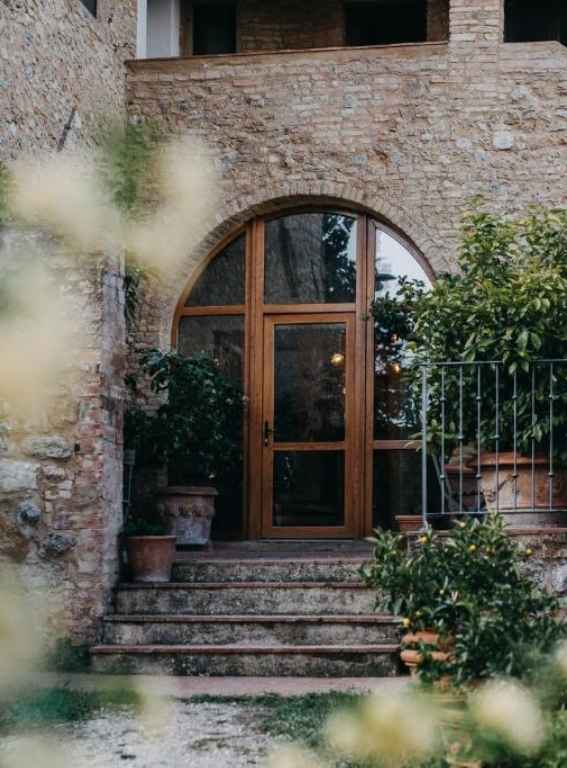
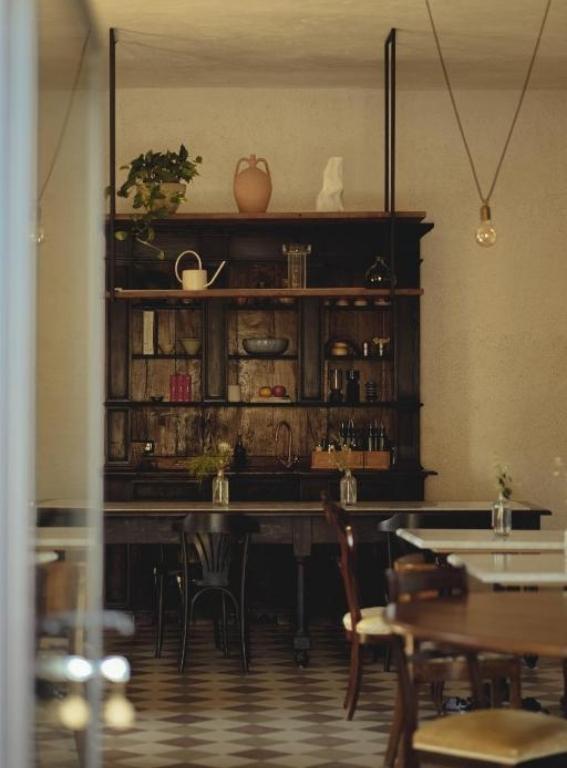
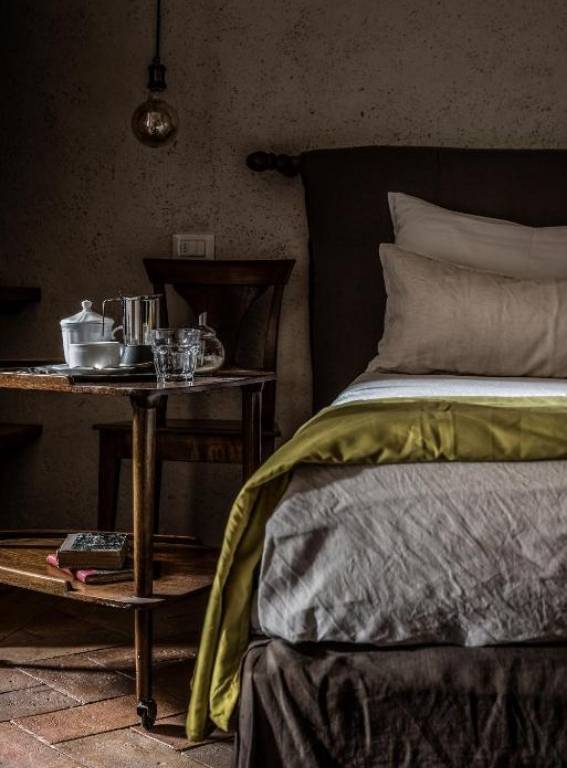
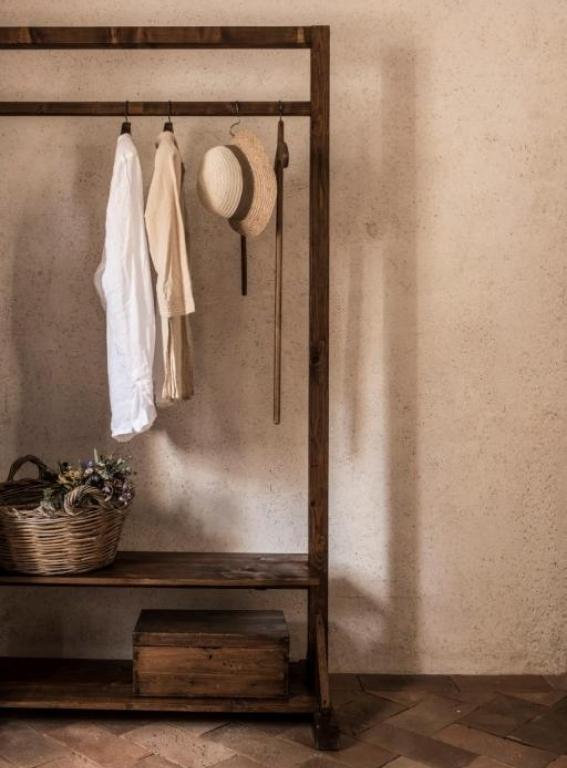
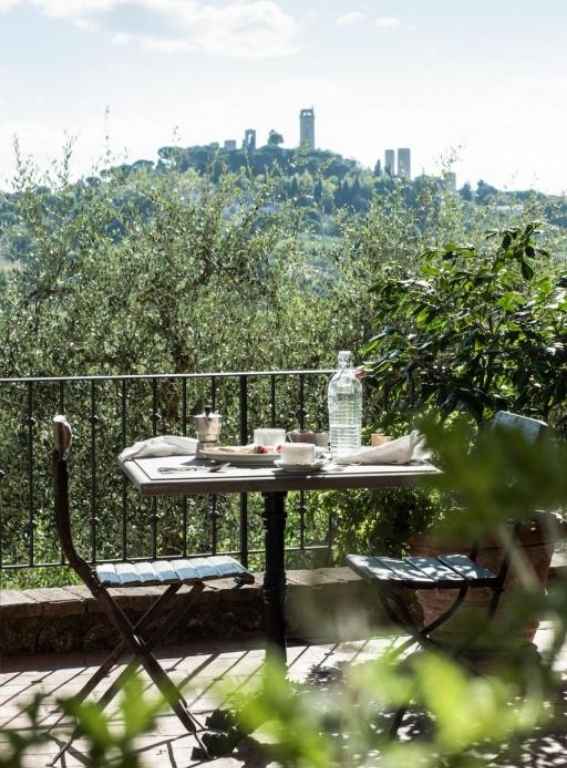
There is a gentleness to I Pini that you feel almost immediately. Life here moves at the pace of soil, seasons, and shared meals rather than schedules. The setting is quiet but never isolated, with San Gimignano’s medieval towers close enough to remind you where you are, yet far enough to fade from view. Days unfold slowly between the garden, the pool, long lunches, and evenings scented with herbs and warm air. It feels less like checking into a hotel and more like being folded into a thoughtful household where simplicity is intentional and time is treated with care.

Living lightly on the land
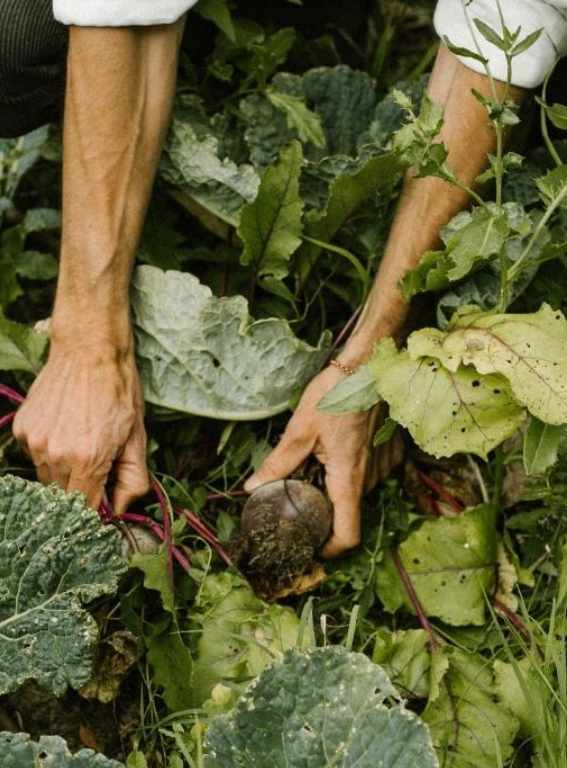
Responsibility here shows up in practice rather than promise. The farm operates as a working ecosystem, with edible gardens, vineyards, and olive groves shaping both the landscape and the table. Meals follow what the land offers, wines are made without chemical additives, and renovations favour clay, hemp, and reclaimed materials over quick fixes. Energy use is restrained, waste is minimal, and biodiversity is actively protected through regenerative farming. As one of the quieter examples of eco hotels in Europe, I Pini demonstrates how sustainability can feel calm, nourishing, and deeply rooted rather than performative.
Garden led living in Tuscany
07. Kalesma Mykonos
Aleomandra, Mykonos, Greece
5 Star // 46 Rooms
Why we love this hotel
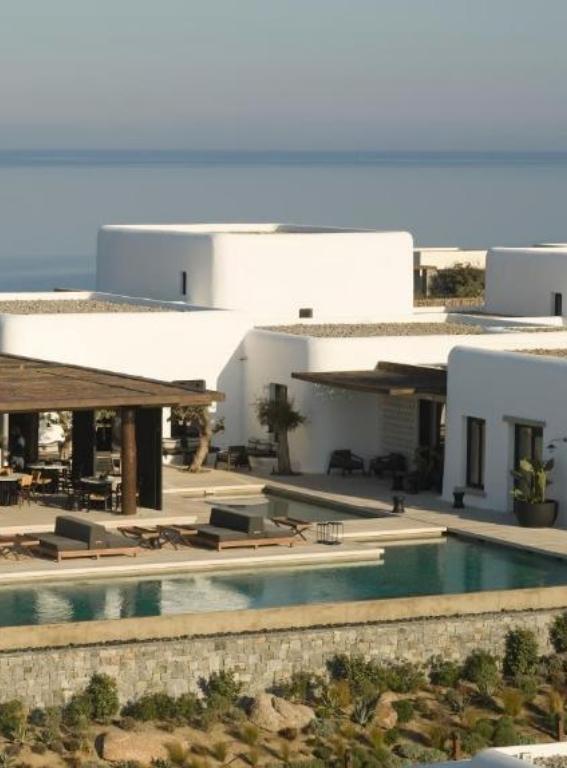
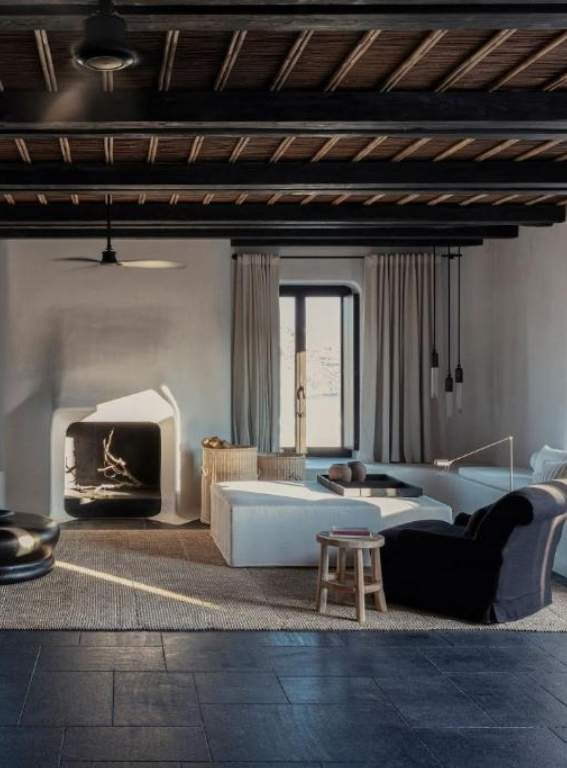
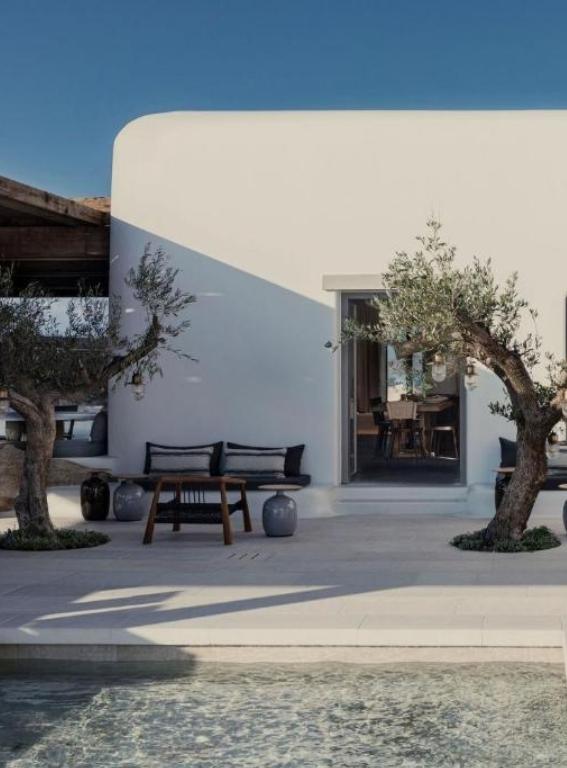
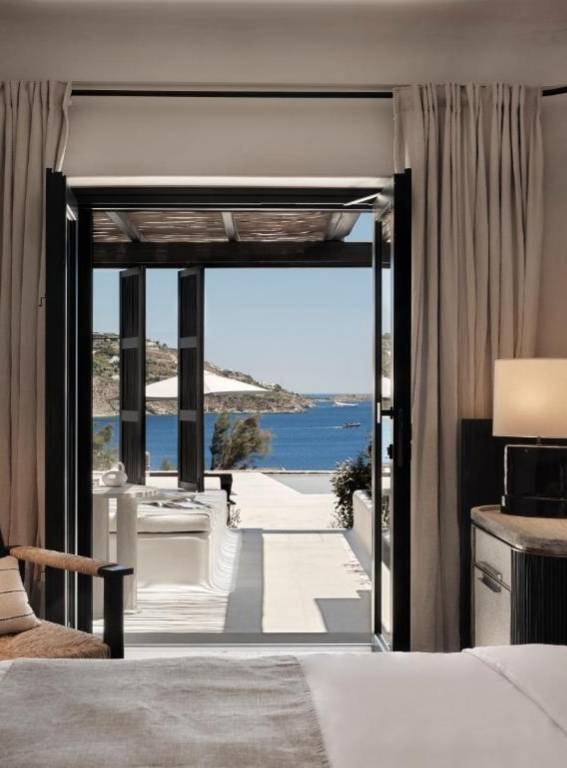
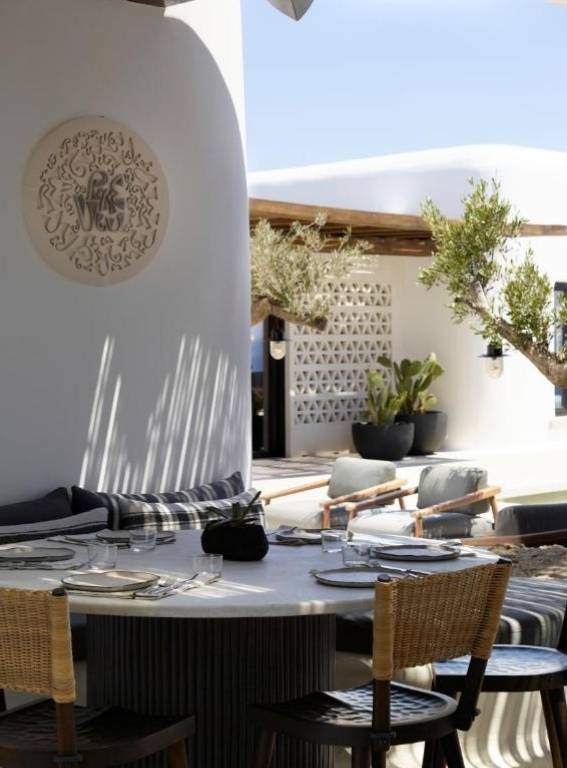
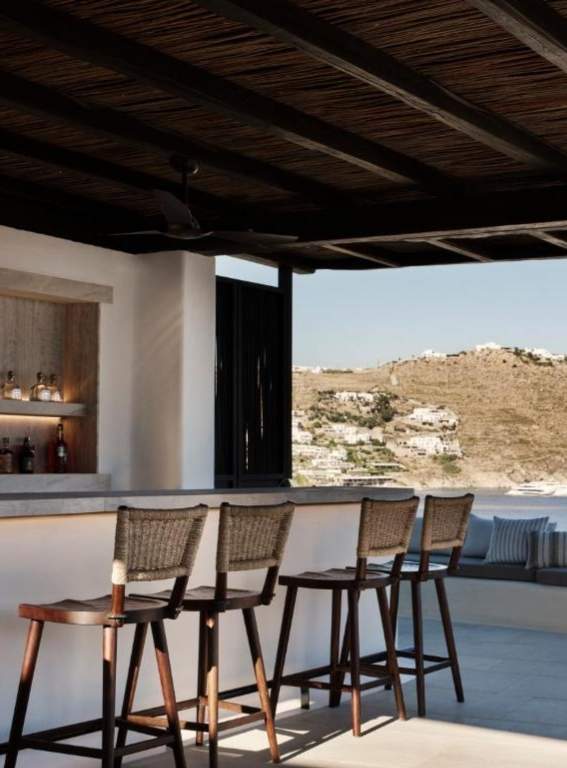
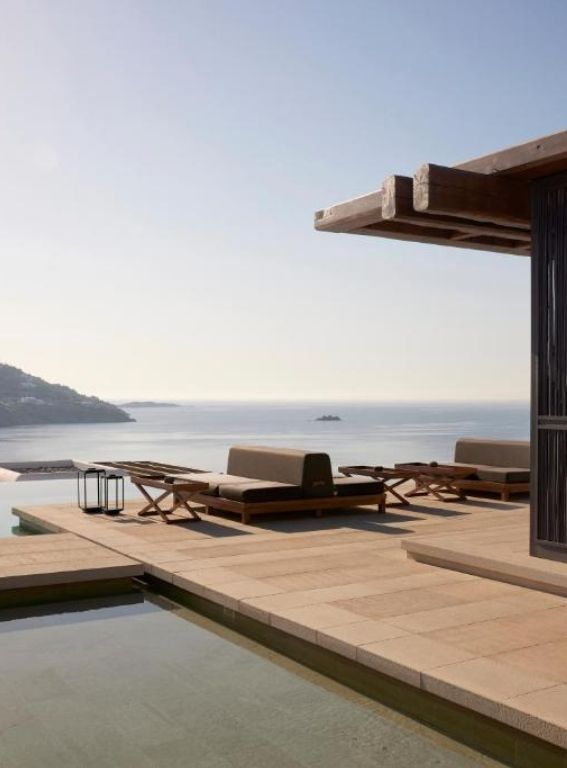
Kalesma feels deliberately removed from the louder version of Mykonos. Set above the sea, it carries the calm of a Cycladic village rather than a resort, with low whitewashed buildings arranged for light, wind, and privacy. Days move between long breakfasts, slow swims, and sunsets that pull everyone toward the same horizon. There is polish here, but it never overwhelms the island itself. What stays with you is the sense of space, the quiet confidence of the design, and the feeling that Mykonos has been gently edited down to its most timeless elements.
Living lightly on the land
Responsibility at Kalesma is built into systems rather than statements. Energy use is reduced through efficient lighting, climate control without freon, and a transition toward solar power. Water is treated with restraint, from rainwater reuse to linen changes only when needed. Materials lean natural and local, echoing traditional Mykonian construction instead of replacing it. Food sourcing prioritises regional producers, with careful attention to waste across kitchens and bars. Among eco hotels in Europe, Kalesma shows how environmental care can exist quietly alongside refinement, without turning sustainability into a performance.
Mykonos slowed to essentials
08. Santa Barbara Eco-Beach Resort
Santa Bárbara Beach, Ribeira Grande, São Miguel
4 Star // 30 Rooms & Villas
Why we love this hotel
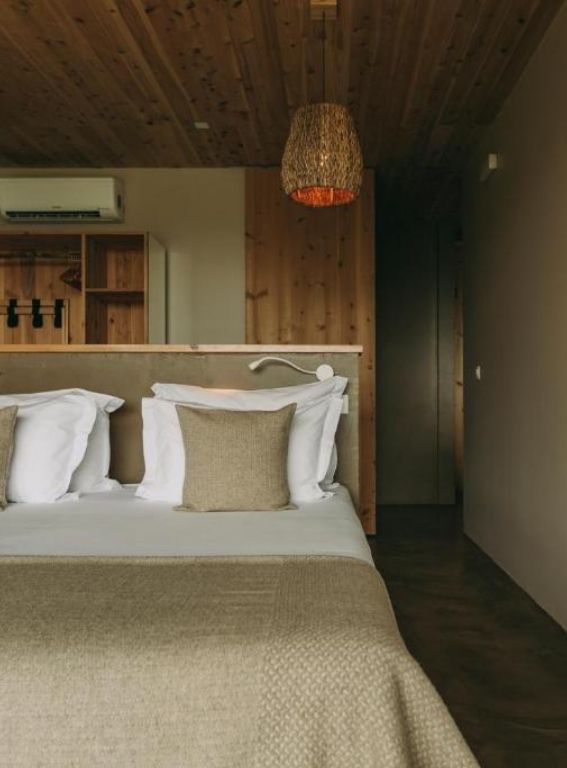
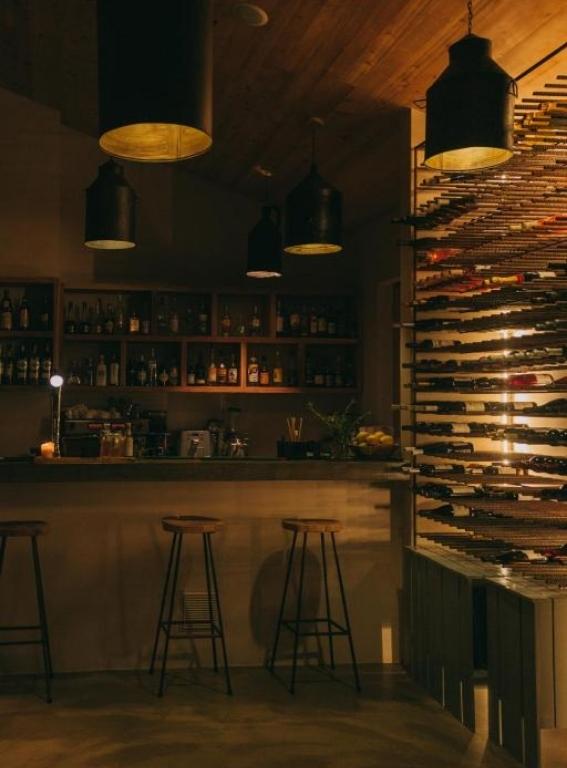
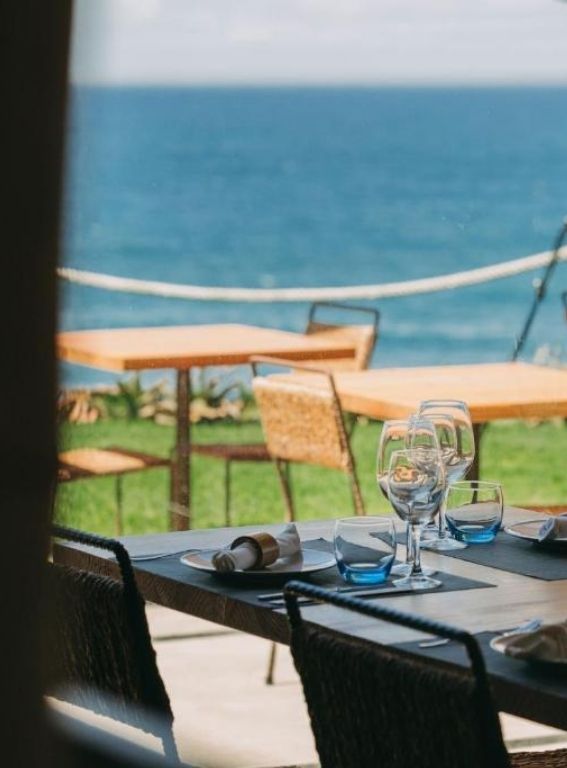
There is a raw, elemental calm to this stretch of São Miguel’s north coast, and Santa Bárbara Eco-Beach Resort understands when to step back and let the landscape lead. Black volcanic sand, Atlantic winds and open skies set the tone here. The architecture stays low and quiet, shaped to frame the ocean rather than compete with it. Days unfold slowly between saltwater swims, long walks along the beach and unhurried meals rooted in the island. It feels contemporary without losing its soul, relaxed without feeling unfinished. This is a place that invites you to exhale and stay present.


Living lightly on the land
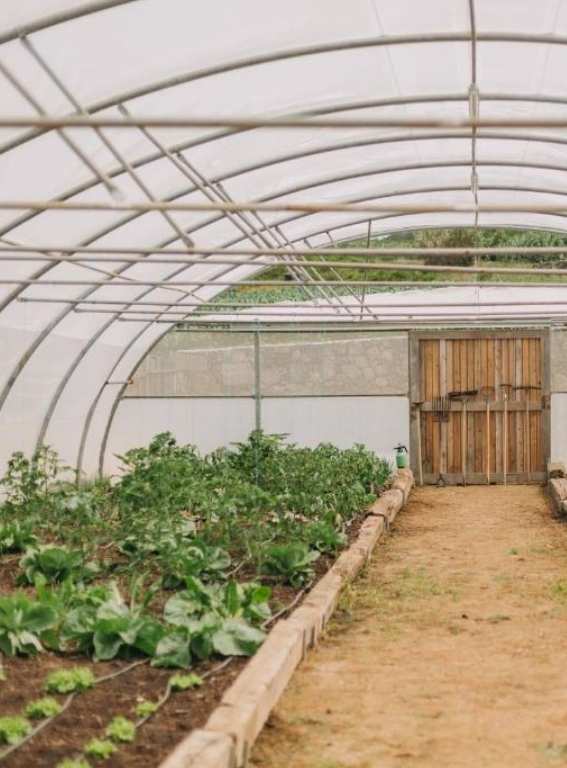
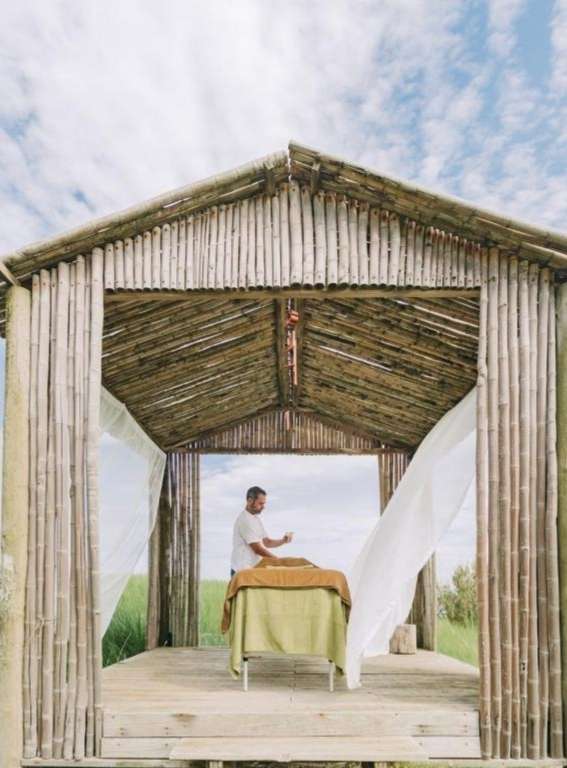
Buildings here sit low against the cliffs, shaped by wind patterns and the limits of the land rather than visual drama. Local cryptomeria wood, cork and bamboo handle insulation naturally, reducing the need for mechanical cooling. Hot water comes from heat pumps, lighting stays restrained, and the on-site farm supplies the kitchen day by day. Rainwater is collected for the gardens, beach clean-ups are part of maintenance, not marketing, and waste is managed quietly in the background. This is how eco hotels in Europe work best, by letting systems do the heavy lifting and leaving the landscape to speak.
Atlantic air and volcanic calm