For the curious, the calm, and those who travel by feeling
Mallorca moves to the rhythm of the land. Stone terraces climb quiet hillsides, olive trees twist toward the sun, and the air carries the scent of salt water and citrus. The island feels timeless, shaped by sea winds and seasons rather than schedules. This Mallorca travel guide shares where to stay in Mallorca, gathering the best hotels, restaurants, and villages that reflect its true spirit, relaxed, sun-warmed, and rooted in craft and care.
Here, beauty is honest. Meals are simple and generous, often built around what the land gives that week. Roads wind through mountain passes and down to small coves, the kind you reach just as the day slows. Farmhouses, fincas, and quiet estates offer space to breathe, connect, and stay awhile. You do not need much in Mallorca, just time, good food, and the will to go slow.

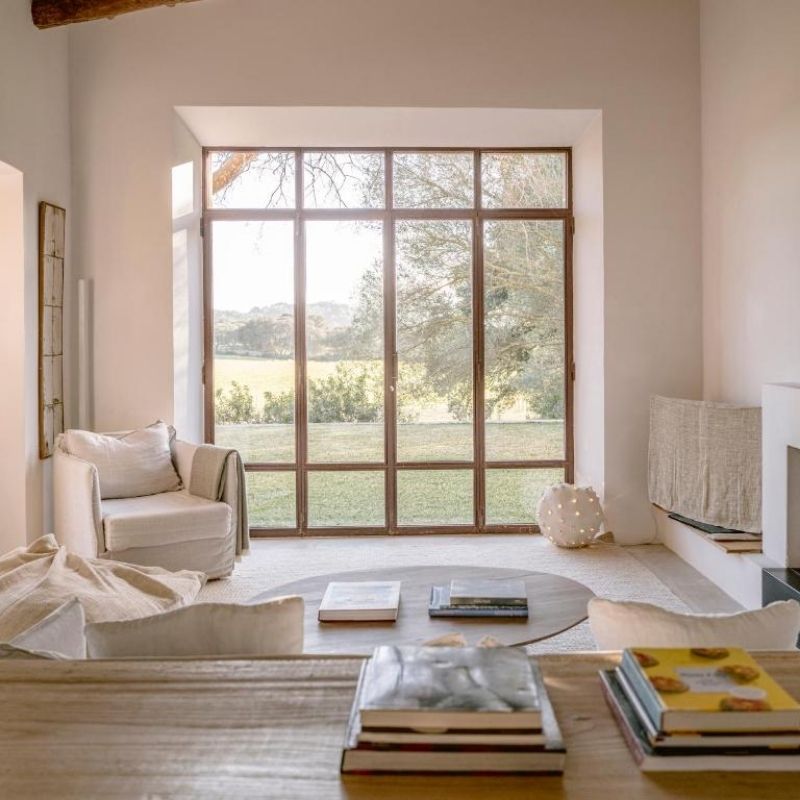
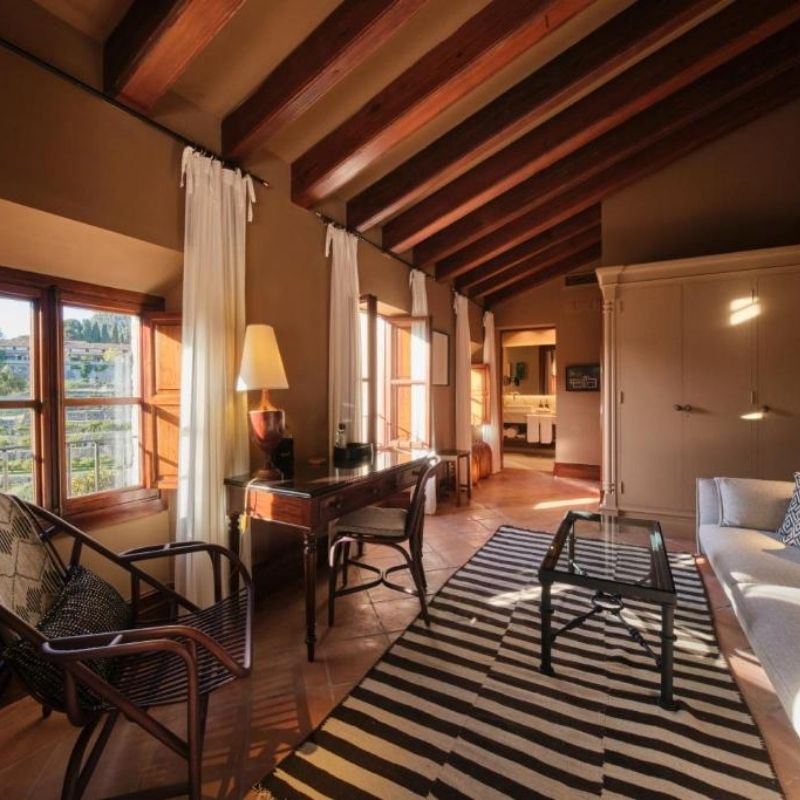
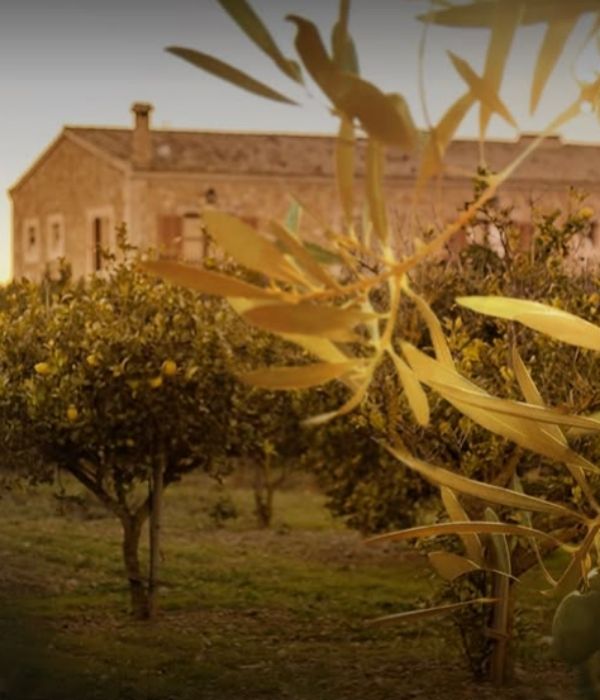
Our curated edit of the best hotels in Mallorca is shaped by quiet landscapes, thoughtful design, and the rhythm of slow travel. From hillside fincas to restored monasteries and farmhouses surrounded by olive groves, each stay captures the island’s sense of stillness and craft. Expect stone walls, wild gardens, soft linen, and meals made from what the land provides. This is Mallorca through The Revel Stay lens, a place to slow down, settle in, and feel connected to where you are.
5 Star // 37 Rooms
Carrer de les Caputxines 9, 07003 Palma
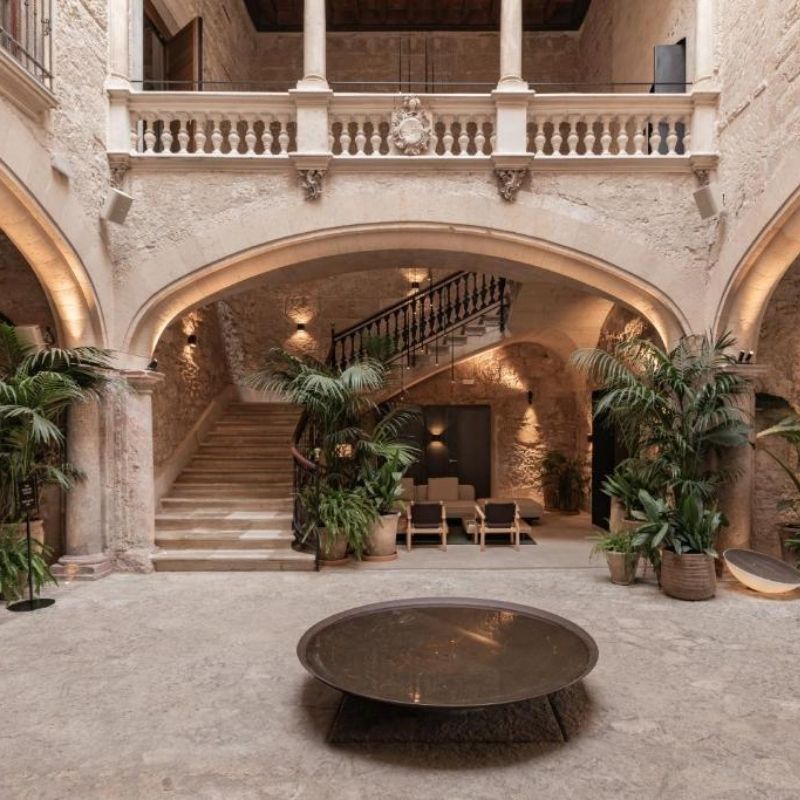
Restored 12th-century palace in Palma with modern interiors, local food, rooftop views, and soft-edged calm.
4 Star // 12 Rooms
Contrada Spennati, 72017 Ostuni
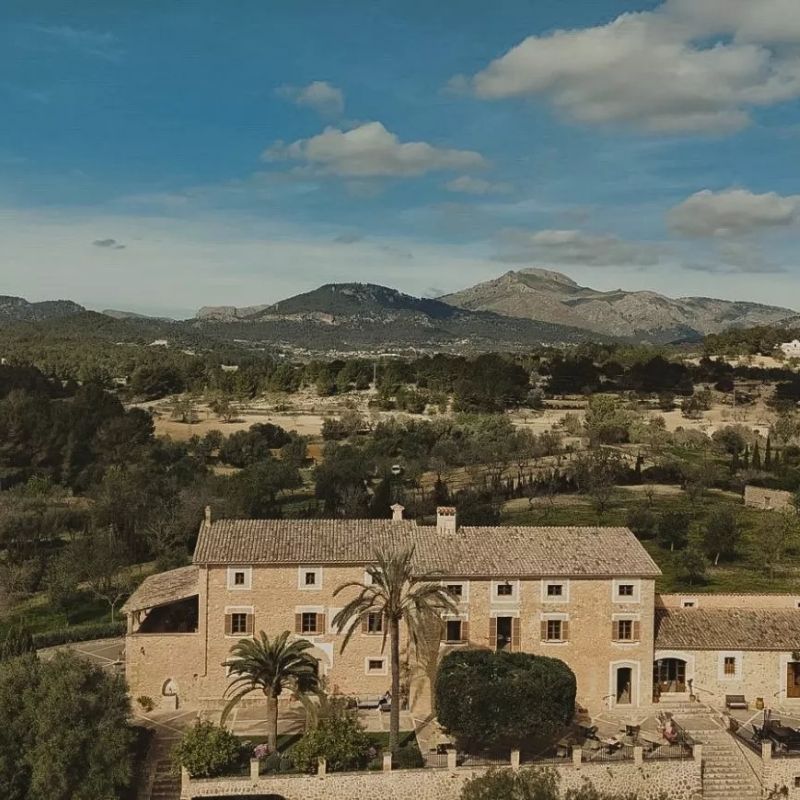
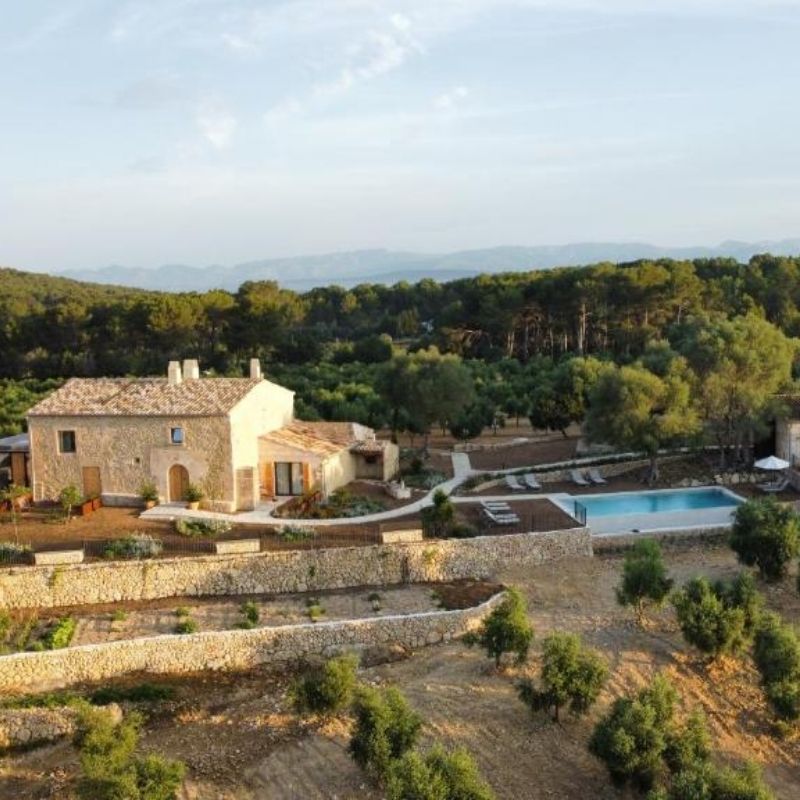
Restored finca near Calvià with homegrown hospitality, countryside views, and an easy, lived-in kind of luxury.
4 Star // 15 Rooms
Carretera de Deià, km 56.1, 07100 Sóller
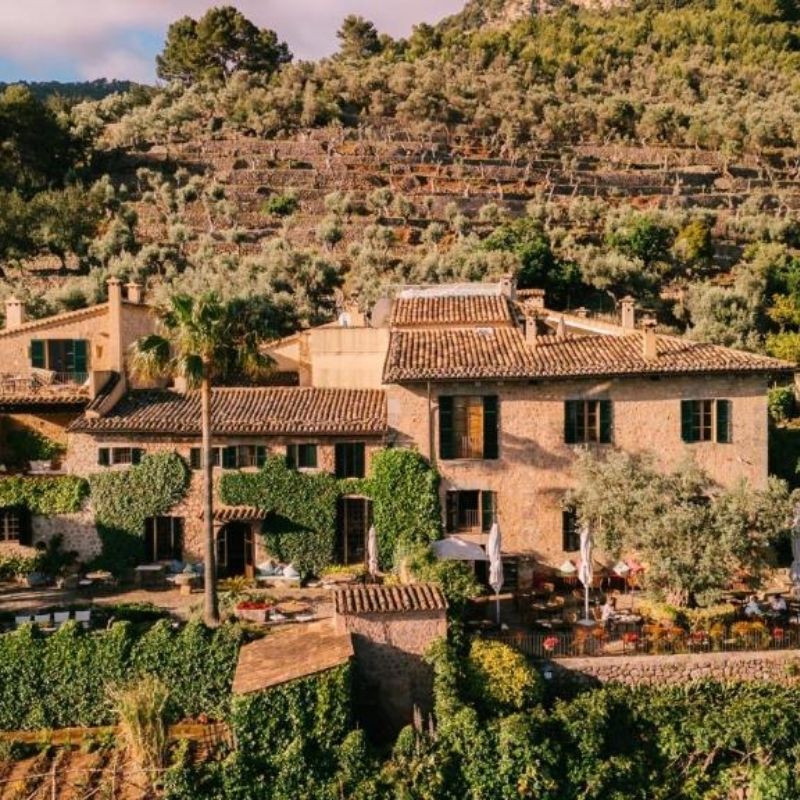
Mountainside finca retreat near Sóller with regional food, sea views, and a sense of considered stillness.
5 Star // 11 Rooms
Carrer de Sant Jaume 5, 07012 Palma
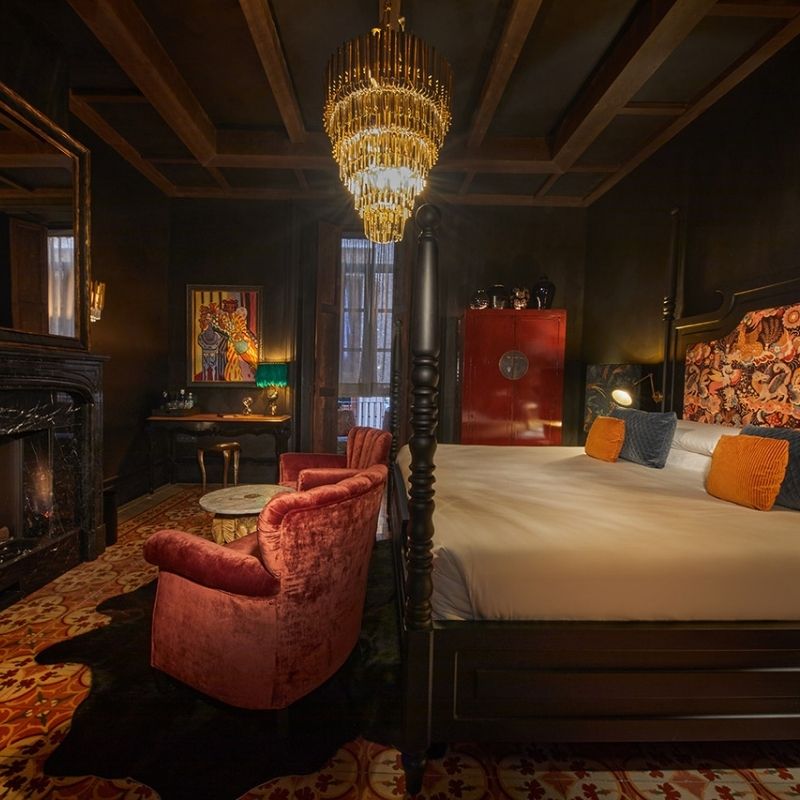
Moorish-inspired boutique stay in central Palma with bold design, private courtyard, and after-dark energy.
5 Star // 25 Rooms
Carretera Pina-Montuïri KM 3, 07230 Montuiri,
Minimalist countryside estate near Montuïri with soft design, slow food, and a deep sense of calm.
4 Star // 5 Rooms
Carrer de Son Viscos 14, 07170 Valldemossa
Hillside agroturismo near Valldemossa with layered design, garden breakfasts, and deep stillness in every corner.
4 Star // 10 Rooms
Camí de Son Ribes, s/n, 07210 Algaida
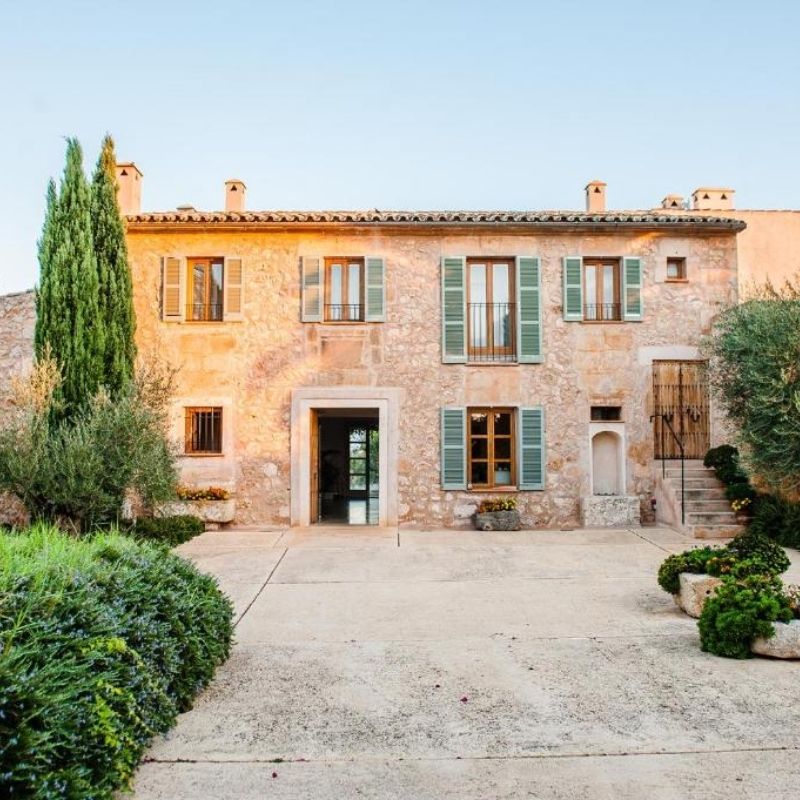
Family-owned estate near Algaida with quiet rooms, olive oil from the grove, and deeply rooted Mallorcan hospitality.
4 Star // 24 Rooms
Ctra. Petra-Felanitx km 4.7, 07250 Vilafranca de Bonany
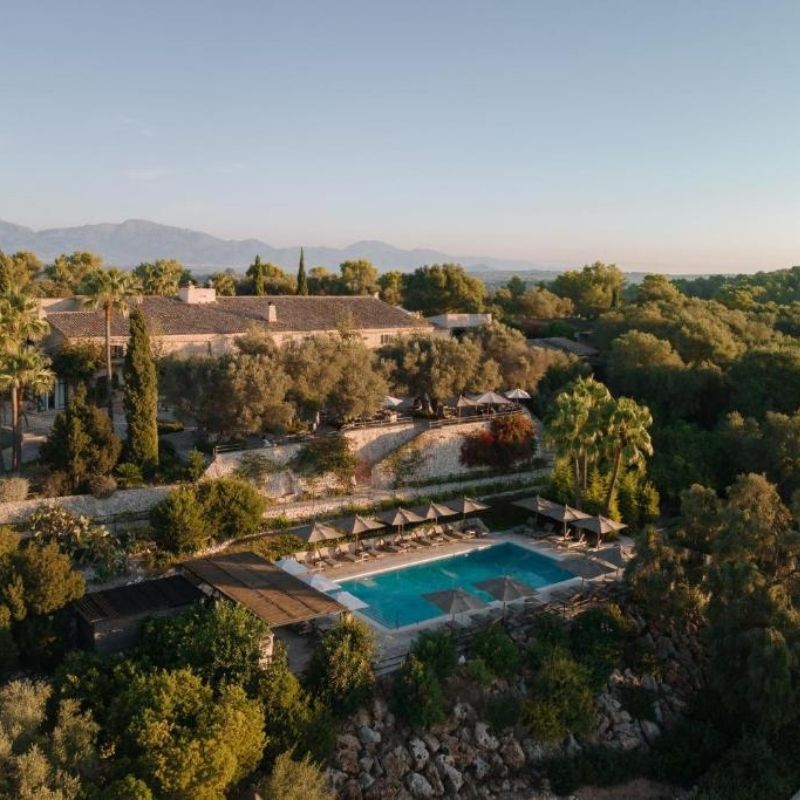
Rural estate hotel in central Mallorca with quiet rooms, garden meals, and space to truly slow down.
5 Star // 34 Rooms
Camí des Racó, 07570 Artà
Design-forward retreat near Artà with organic food, wellness rituals, and rooms shaped by nature and silence.
5 Star // 12 Rooms
Ctra. Vieja de Valldemossa s/n, 07170 Valldemossa
Former monastery above Valldemossa with valley views, soft rhythm, and a deep sense of quiet luxury.
Mallorca’s food scene is honest and unhurried. Meals stretch into the afternoon, often built around what the island gives that day, olive oil, sea salt, seasonal vegetables, and freshly caught fish. From farm kitchens in the interior to calm terraces by the coast, flavour here comes from patience and place. This Mallorca travel guide shares the restaurants where cooking feels grounded, generous, and shaped by the rhythm of the land.
Carrer Sa Cala, 16. Deià
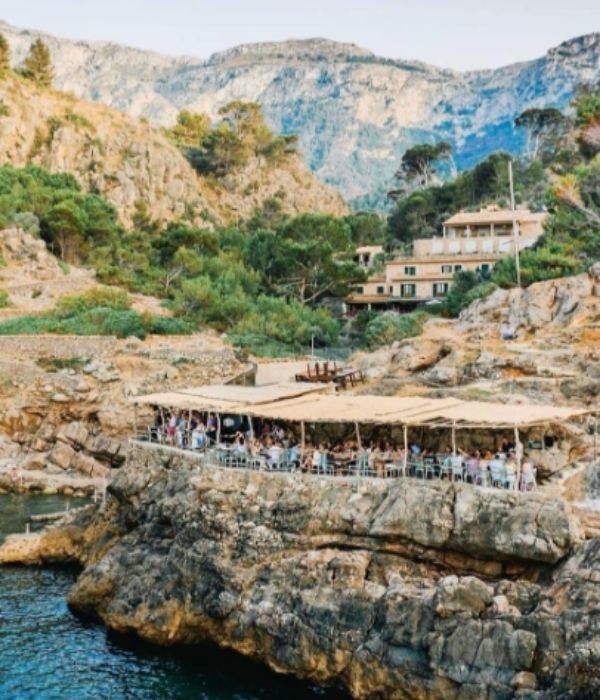
Clinging to the rocks above the sea in Deià, Ca’s Patro March serves just-caught fish with views that hush a table. Salt air, no shoes, and food that tastes like summer done right.
Carretera Santa Maria a Sencelles km 10, 07320
La Farm is barefoot luxury with a conscience. Local tomatoes, global spices, and long, generous meals served under open skies. It’s a celebration of Mallorca’s land, language, and the joy of eating in the now.
Diseminado Poligono 5, 362, 07300 Inca
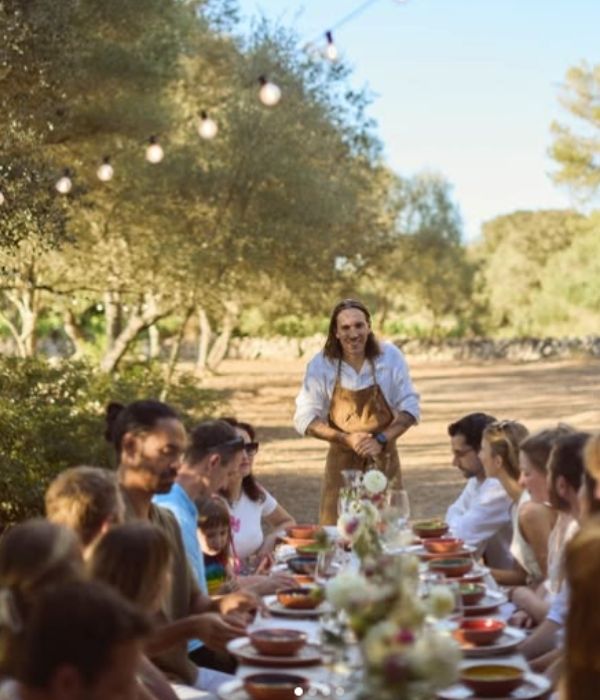
At farm.to.table.mallorca, meals unfold under the sky, led by Michelin-trained chef Andy and a deep love for the land. It’s food with heart, shared in nature, and rooted in story, simplicity, and connection.
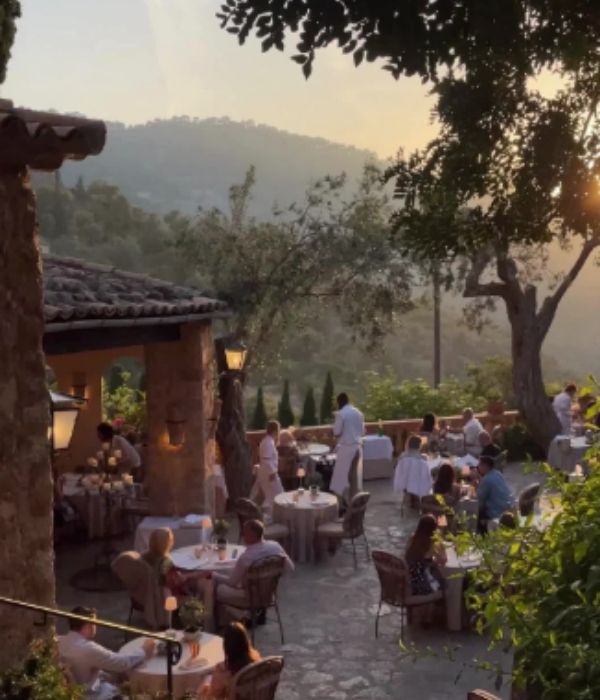
Set in a 17th-century olive mill in Deià, El Olivo feels timeless. Chef Pablo Aranda cooks with memory and Mediterranean light, while the terrace offers mountain views and a reason to stay past sunset.
Mallorca is built for slow days. Early swims before the cafés open, winding roads that lead nowhere in particular, and small villages where time feels unhurried. You’ll find warm stone walls, local wines that taste of the sun, and meals that last until the light fades. The island never tries to impress; it simply invites you to pause. This Mallorca travel guide explores the areas that capture its rhythm – grounded, natural, and full of quiet beauty.
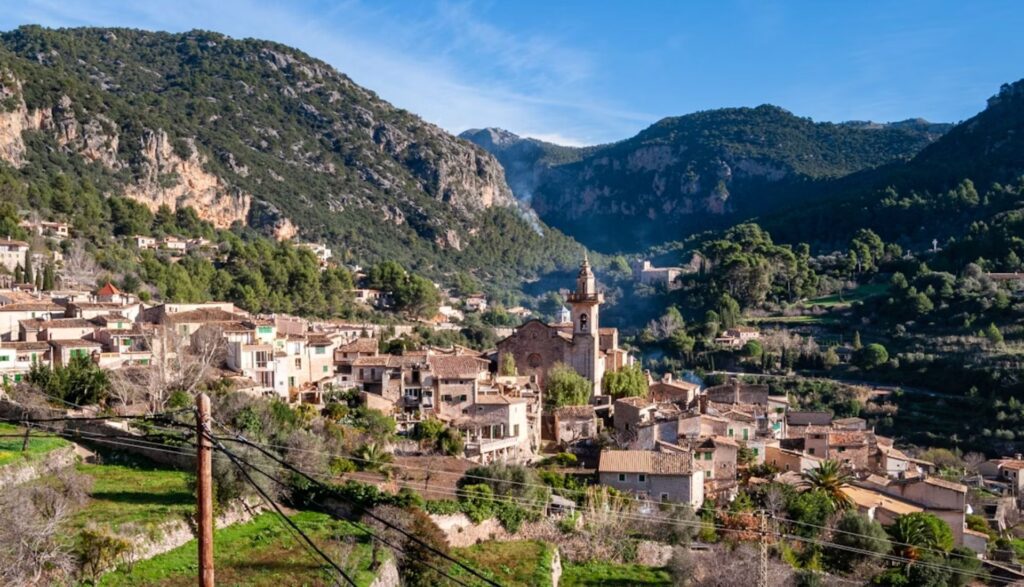
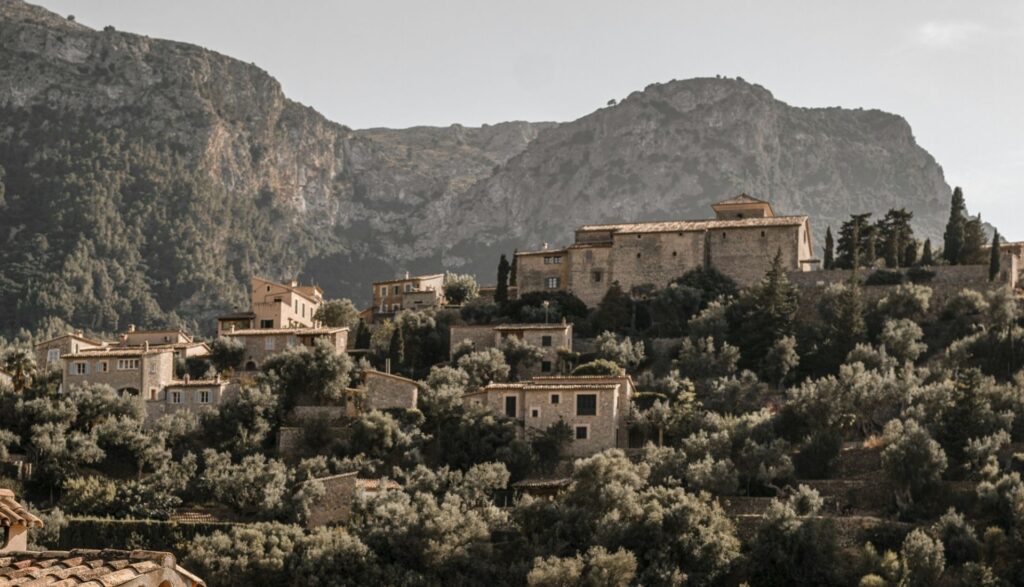
The Tramuntana is more a feeling than a place. Steep cliffs, terraced slopes, and villages that seem to grow straight from the rock. Towns like Banyalbufar, Valldemossa, and Estellencs hold long views and a kind of stillness that stays with you. Meals here are simple and close to home, local wine, garden vegetables, and a terrace that faces west. It is best in spring or late September, when the air is soft and the roads are quiet. The mountains ask you to slow down, and they give something lasting in return.
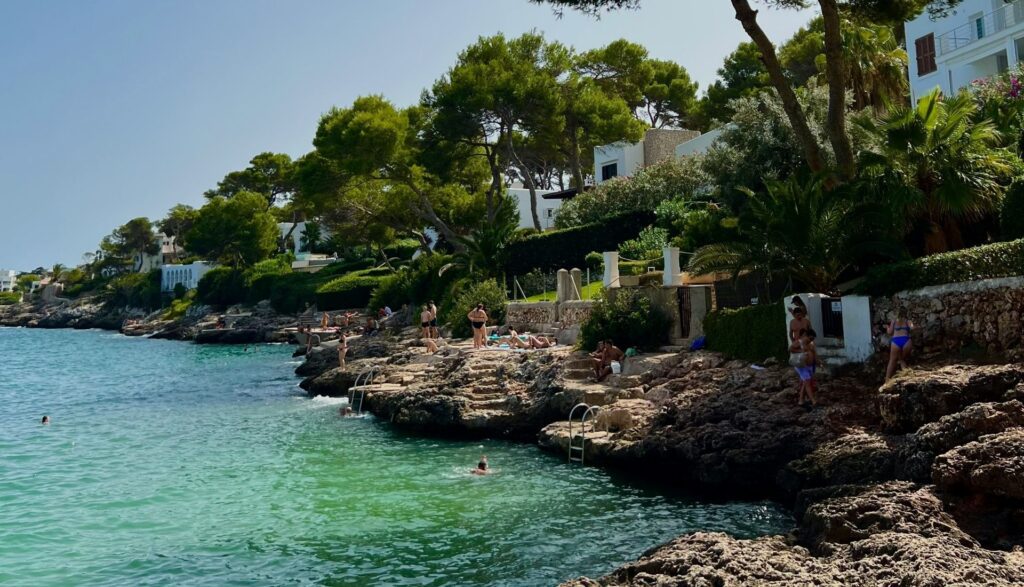
Santanyí moves at its own pace. Mornings bring market stalls to the square and cafés spilling into the sun. The town leans local, with weathered shutters, small galleries, and restaurants where lunch always runs long. The nearby coast is wild and rocky, with coves that take a little effort to find and reward it well. Summer has its rhythm, but spring and early autumn suit it best. Santanyí reminds you how good it feels to take your time.
Deià rests between the mountains and the sea. It has long drawn artists, and that quiet creativity still lingers – soft light on stone walls, terraces built for long meals, and paths that wander toward nowhere in particular. The village fills in high summer, but mornings stay calm and September feels near perfect. Deià doesn’t ask for attention. It simply offers space to think, to breathe, and to let time stretch a little longer.
Pollença holds a calm that arrives slowly. Cobbled streets, olive trees, and cafés where greetings still matter. Down by the port, the sea takes over, with a long promenade and dinners that end beside the water. Together they balance mountain stillness and coastal ease. Summer brings more people, but early mornings and shoulder seasons stay quiet. The food is fresh, unfussy, and best enjoyed without hurry. Pollença feels grounded, graceful, and easy to return to.
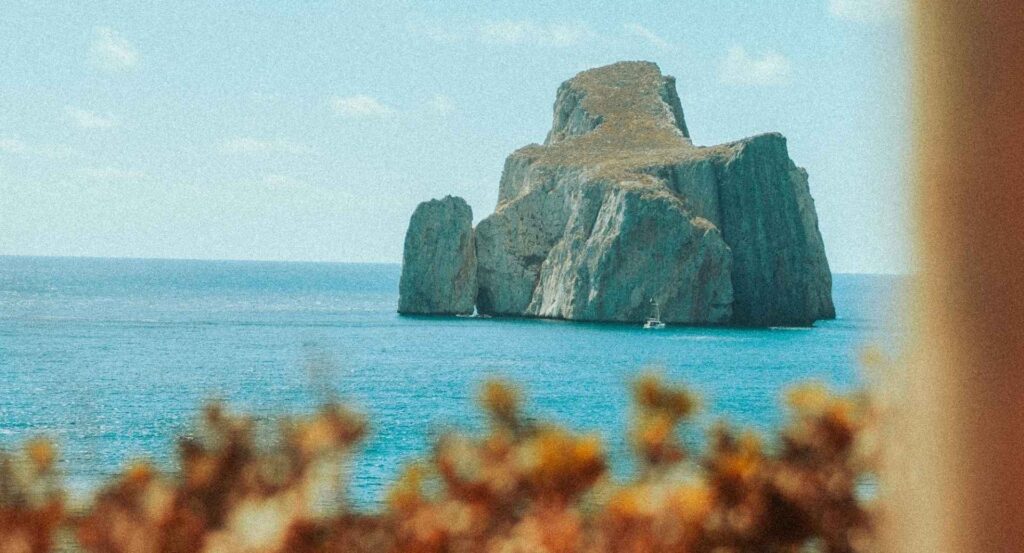
Sardinia suits travellers who want space, quiet, and a deeper rhythm. It’s an island shaped by wind, stone, and sea, where days unfold slowly and beauty feels raw rather than curated. Come for long drives, simple food, wild coastlines, and the calm that stays with you.
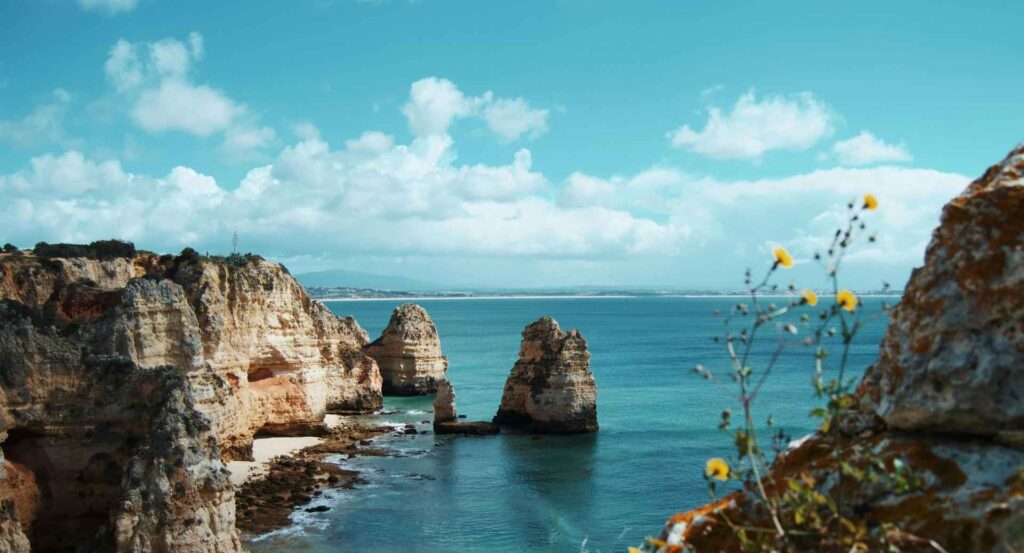
The Algarve has a nostalgic vibe from the moment you arrive. Beyond the busy resorts, it opens into quiet beaches, fishing villages, and inland roads lined with citrus trees. Days follow the sea, meals stay simple and fresh, and the rhythm is calm, sun-warmed, and grounding.
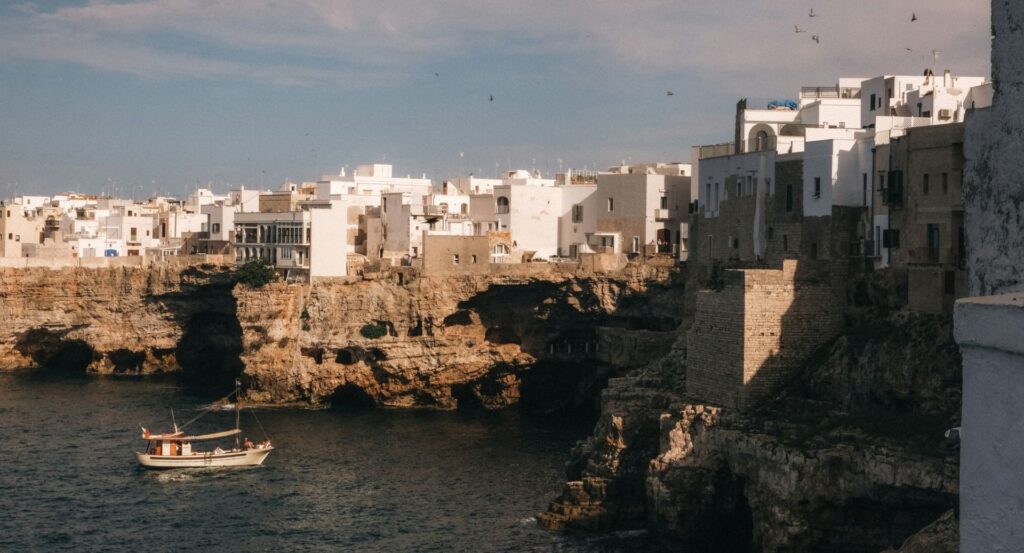
Puglia is slow living in its purest form. Days follow the sun, not the clock. Olive groves stretch endlessly, meals come from nearby fields and seas, and time softens around long lunches, quiet villages, and stone homes built for lingering rather than rushing.
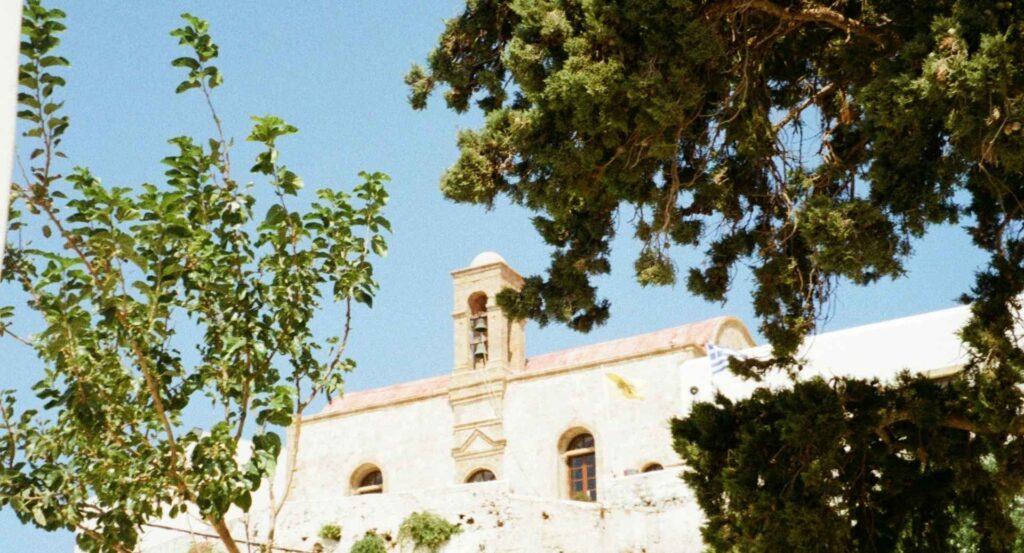
Crete feels expansive and deeply grounded, shaped by mountains, wind, and a coastline that never repeats itself. Villages sit among olive groves, meals follow the season, and days move at the land’s pace. Slow down here, and the island reveals its quiet strength.
Yes. To see the island properly, a car is essential. Roads wind through mountains, vineyards, and small inland towns that buses rarely reach. Driving lets you move at your own pace and stop for markets, beaches, and cafés along the way.
Spring and autumn are ideal. The weather is warm, the sea is inviting, and the crowds are lighter. July and August bring energy but also heat and busier beaches. Winter is calm, great for walking trails and quiet meals by the fire.
A week or more is best. It gives you time to rest into the island’s rhythm, explore different regions, and truly slow down. Spend a few days inland, then move toward the coast for balance.
In summer, yes, but never everywhere. Avoid the main resort areas and head inland to villages or the Tramuntana Mountains for space and calm. Spring, early summer, and late September offer the best mix of good weather and quiet.
Local, seasonal, and generous. Expect fresh seafood, olive oil, almonds, and produce that changes with the month. Many restaurants and fincas cook farm-to-table, turning simple ingredients into long, unhurried meals.
Drive, stop often, and go without a strict plan. The island rewards curiosity. A detour might lead to a small vineyard, a hidden cove, or a café that becomes your favourite. Mallorca is made for slow travel.