
Naxos Travel Guide: Where to Stay, Eat and Explore with Ease

For Travelers Who Prefer Quiet Paths, Raw Edges, and Places with Soul

Naxos feels steady and unforced, an island shaped by farmland, mountain villages, and long beaches that never seem in a hurry. Life here follows simple rhythms. Olive trees, local cheeses, quiet roads, and towns where people still greet each other by name. It has the Cycladic light, but not the rush. This Naxos travel guide shares where to stay in Naxos, bringing together the best hotels, restaurants, and areas that reflect the island’s grounded, generous character.

Days unfold easily. A swim before breakfast. A drive inland to a village where lunch comes from the farm next door. An afternoon walking through alleys that feel lived in rather than styled. Evenings settle into good wine and food made with care. Naxos rewards travelers who slow down and choose depth over speed. Give it time, and the island reveals a calm that stays with you.

Where to Stay in Naxos

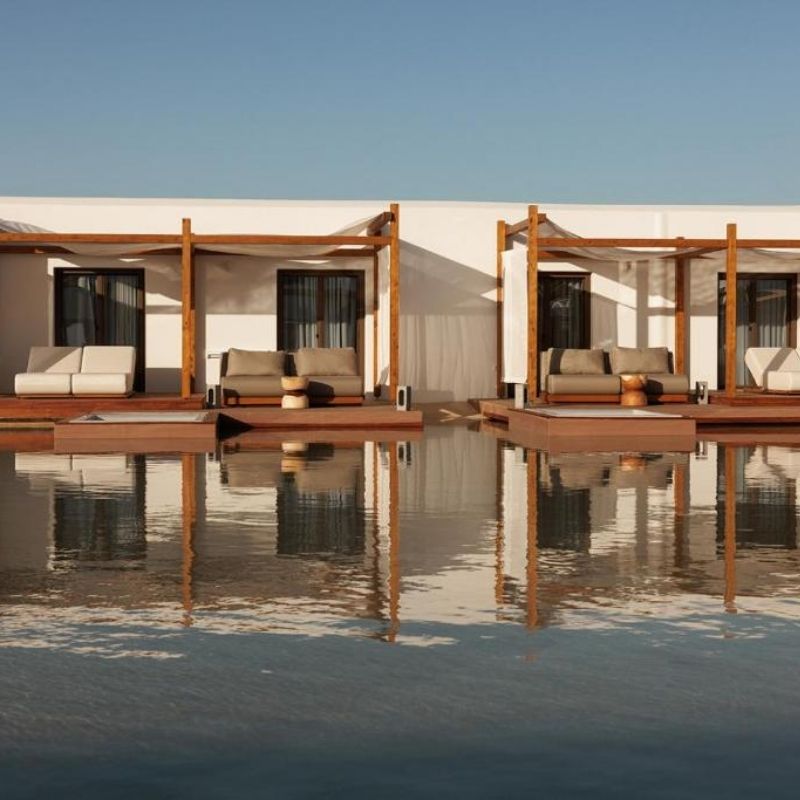
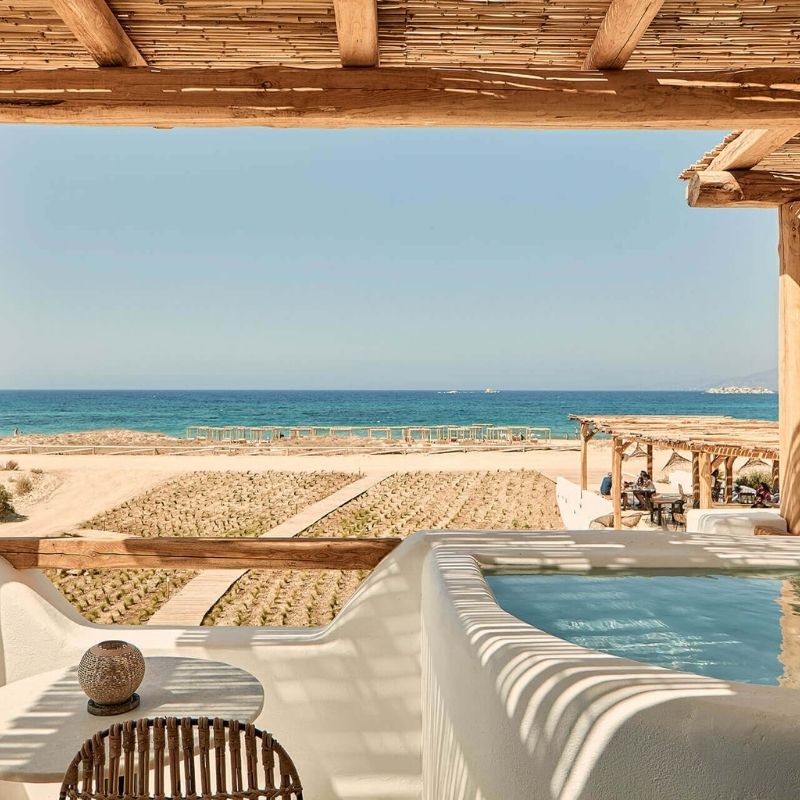
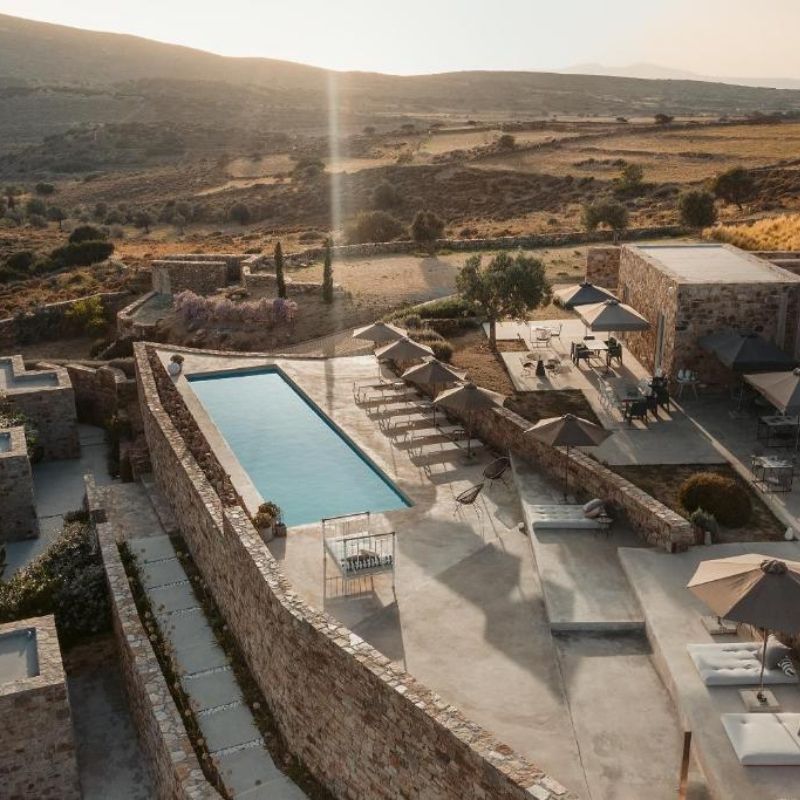
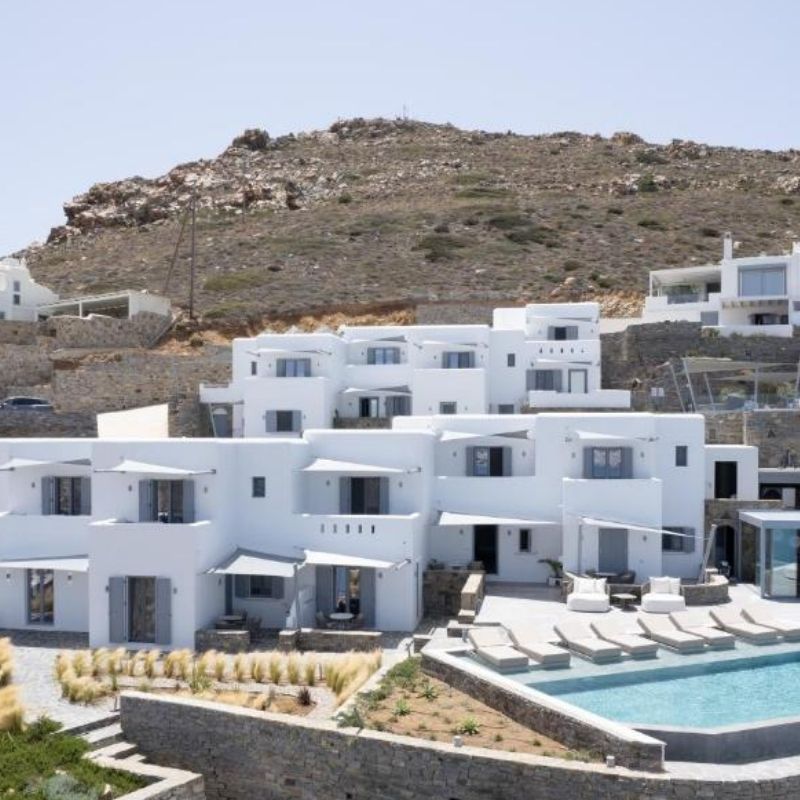
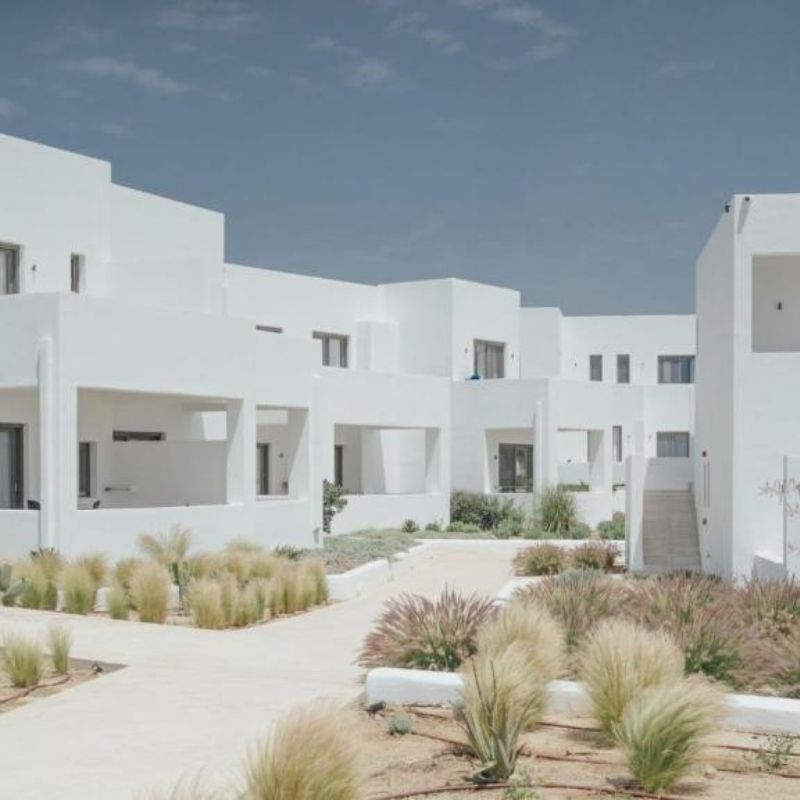
Our edit of the best hotels in Naxos is for travelers who move with the island, not against it. These stays are shaped by sea, stone, and a real connection to place. Some sit above quiet beaches, others close to mountain villages, but all share the same grounded rhythm. Expect thoughtful design, honest food, and a pace that gives you room to breathe. This is Naxos through The Revel Stay lens, unpolished, rooted, and quietly remarkable.

Our Edit: The Best Places to Eat in Naxos

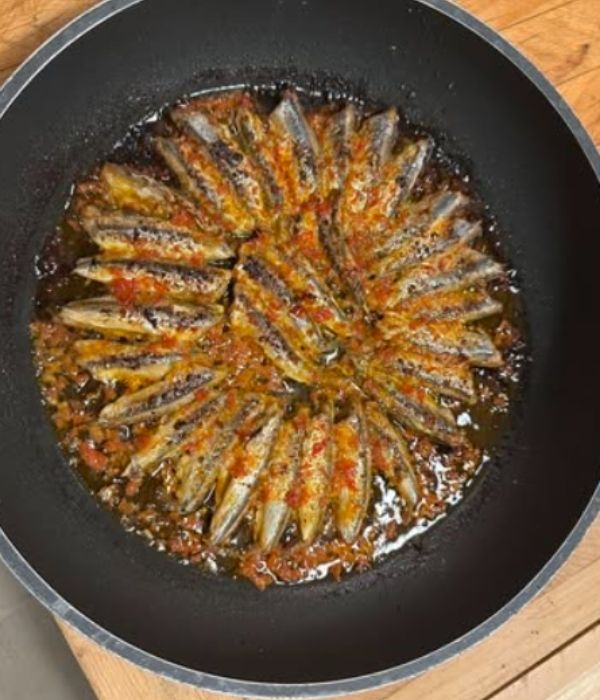
Naxos feeds you simply and well. Food here is generous without trying to impress, built on grilled fish, mountain greens, local cheese, and vegetables grown close by. Most meals are eaten outdoors, often with wine from the island and bread that never travelled far. Some dinners stretch long, others are quick and exactly what the day needs, but the feeling stays the same. The people cooking are rooted here, and it shows. The food is true to the island, shaped by what is fresh and nearby. This Naxos travel guide highlights the places where that honesty comes through clearly.

Naxos Travel Guide vasilarakiou
@vasilarakiou

01. Vasilarakiou

Kynidaros Village, Paros 84400

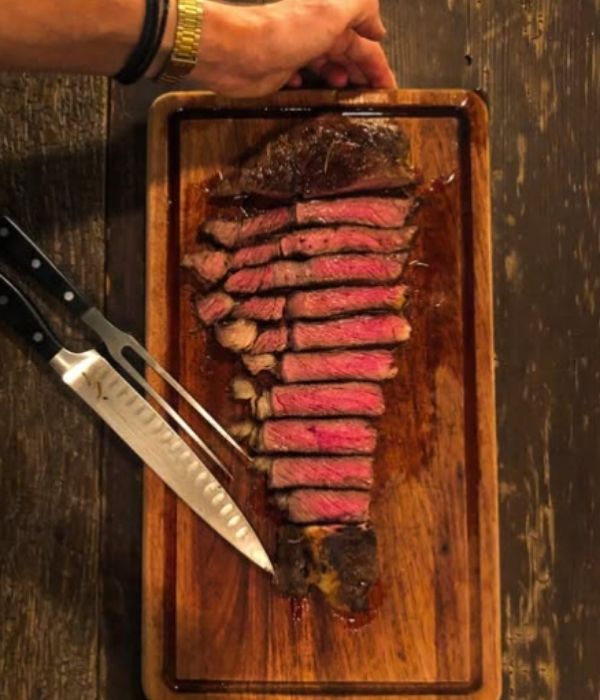
At Vasilarakiou, precision runs deep. Three generations have shaped the kitchen, each one rooted in Naxos soil. The meat, the cheese, the vegetables – all local, all thoughtful. This is tradition carried forward with quiet mastery.

Naxos Travel Guide axiotissa
@tavernaaxiotissa

02. taverna axiotissa

Kastraki, Naxos 84302, Greece

Axiotissa is humble in the best way. The ingredients lead, the setting stays quiet, and the food feels honest. What lands on the table carries the work of many hands, and none of them show off.

Naxos Travel Guide Patatosporos
@patatosporosseafoodtavern

03. Patatosporos seafood tavern

Plaka Beach, Naxos 84300

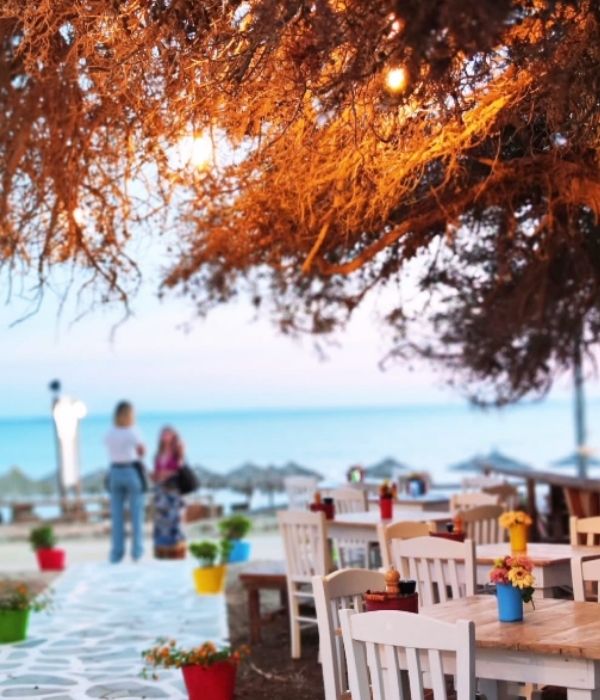
Patatosporos feels like it’s been there forever. The sea is just steps away, the fish comes simply, and the atmosphere is easy. You arrive for lunch and end up staying until the light shifts.

Naxos Travel Guide psaraki
@psaraki_meze_naxos

04. psaraki

Agios Georgios, Naxos 84300

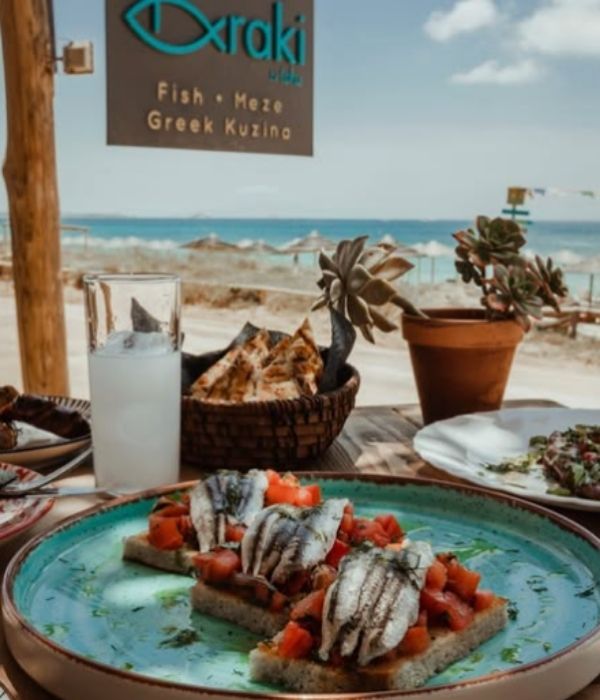
Psaraki is simple in the way that feels right. Fresh fish, a view of the water, and food that’s cooked with care. It’s quiet, confident, and exactly what you hoped it would be.

Exploring Naxos: The Areas We Love

Naxos works best when you take it slow. Stay just outside the main town and let the day unfold with a swim, a quiet drive, or a stop in a village where lunch comes from nearby farms. Evenings lean toward simple seafood by the beach or small tavernas inland. The island does not need much explaining. It is steady, local, and easy to settle into. The more time you give it, the better it feels.

Naxos Town (Chora)

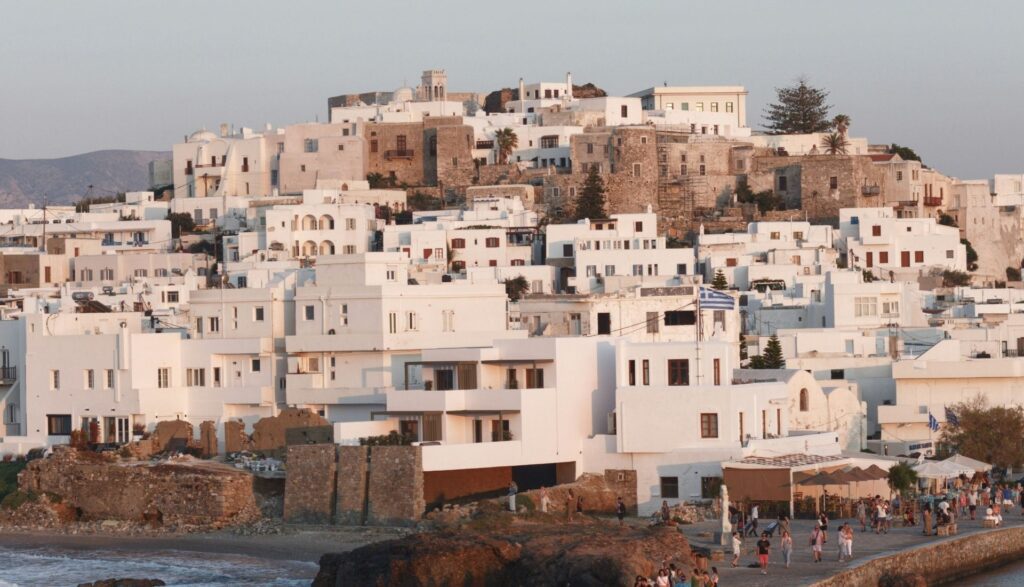
Chora reveals itself gradually. At first, it is ferries and people passing through, but a few turns off the main streets change everything. Small shops open late. Tables are laid early. A rooftop bar sits above it all with a view you do not expect. Backstreets feel lived in, not staged. Meals stretch longer here, and regular spots find you naturally. Even in high season, there are corners that stay calm. Let yourself wander. Chora does not try to impress. It is more real than that.

Naxos Travel Guide Naxos
Naxos Travel Guide Mikri Vigla

Mikri Vigla

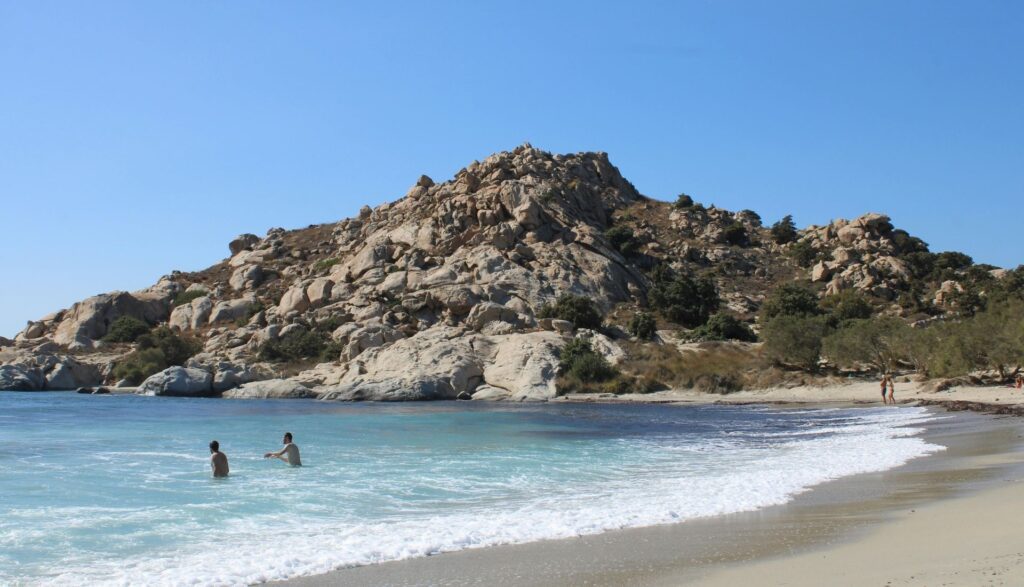
Mikri Vigla has two sides. One is bright and breezy, with kites in the air and long afternoons watching the water shift. The other is quieter, with calm sand, shallow water, and a stillness that settles slowly. A few tavernas lean into the beach, serving fish without fuss. Not much is built up here, which is exactly why it works. Even in summer, there is space. Come in June or September for softer winds and quieter days.

Koronos

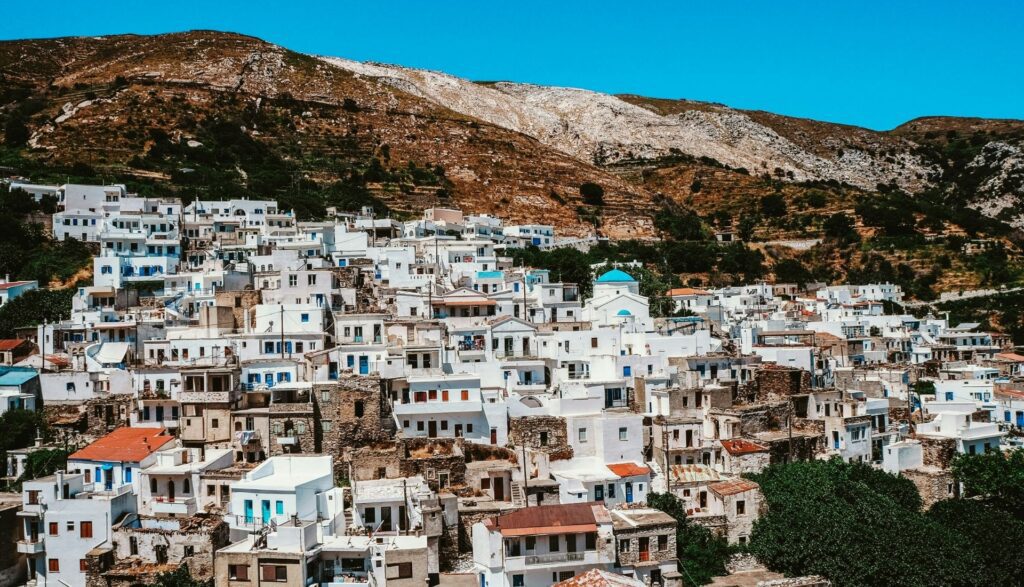
Koronos moves at its own pace. The village climbs the hillside with stone paths, rooflines, and corners that take time to learn. One house shuttered, the next open with someone cooking. It is not shaped for visitors, and that is why it stays with you. There is a small café in the square, and if you sit long enough, someone will say hello. You do not need a plan here. Just time. Koronos will meet you in its own way.

Naxos Travel Guide Koronos

More destinations

Crete Travel Guide

Crete feels expansive and deeply grounded, shaped by mountains, wind, and a coastline that never repeats itself. Villages sit among olive groves, meals follow the season, and days move at the land’s pace. Slow down here, and the island reveals its quiet strength.

Naxos Travel Guide

Naxos is the kind of island that settles you. It’s generous, grounded, and quietly beautiful, with villages shaped by farming life and beaches that never feel hurried. Come for the light and the food, stay for the calm rhythm that makes slowing down feel easy.

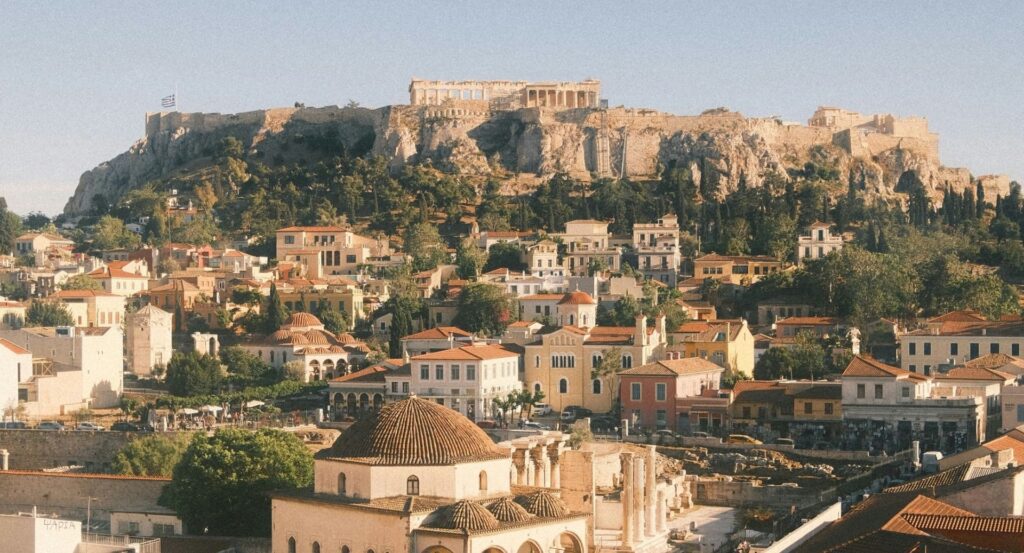
Athens feels real in the best way. History sits alongside modern kitchens, rooftop bars, and neighbourhood life that runs late. Food is generous, conversation flows easily, and the city’s energy feels raw, creative, and deeply rooted rather than polished or precious.

Puglia Travel Guide

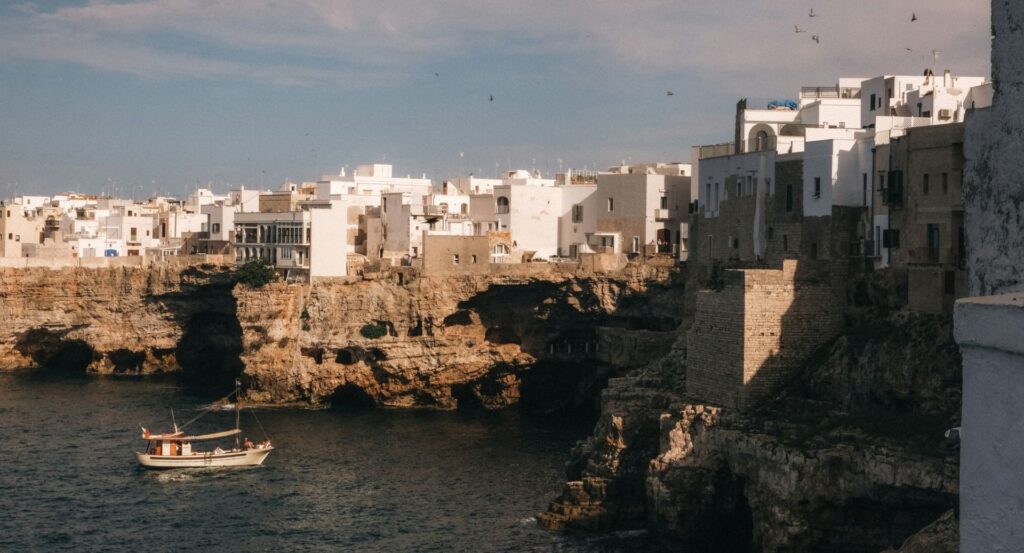
Puglia is slow living in its purest form. Days follow the sun, not the clock. Olive groves stretch endlessly, meals come from nearby fields and seas, and time softens around long lunches, quiet villages, and stone homes built for lingering rather than rushing.

FAQ: Naxos Travel Guide

Do you need a car in Naxos?

Yes. Naxos is larger than most expect, and many beaches and villages sit down small roads that buses do not reach. A car gives you flexibility to explore the interior, visit quieter bays, and move at your own pace.

At least five days if you plan to stay near town and explore slowly. A week or more is ideal if you want to mix beaches, mountain villages, and unplanned days without rushing.

Yes. Roads are straightforward, but some village routes are narrow and winding. A small car makes parking easier. Distances are short, but expect slower speeds in the hills.

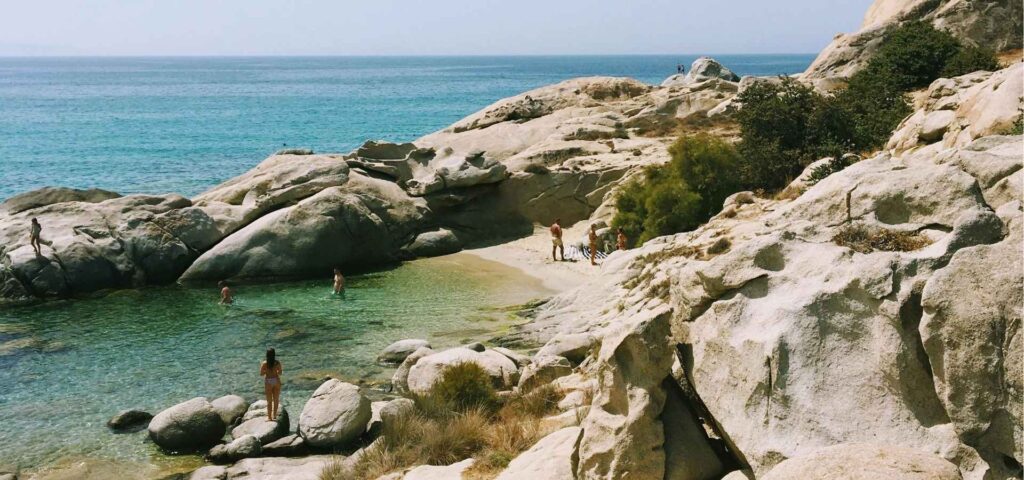
The southwest coast has the longest, calmest beaches with soft sand and clear water. For quieter coves, head south of Mikri Vigla or explore smaller stretches near Kastraki.

Very. Naxos is one of the most agricultural islands in the Cyclades. Expect local cheese, potatoes grown on the island, mountain greens, lamb, honey, and simple seafood. Many tavernas cook from their own farms.

It feels more lived in. Less polished than Santorini, calmer than Mykonos, and more local than Paros. The villages are real, the food is homegrown, and the pace suits slow travel.

June, September, and early October. Warm water, good weather, and fewer crowds. July and August are busy but manageable if you explore early and late in the day.

Yes. The island has marked trails that link villages, farms, and hilltops. The routes around Halki, Koronos, and the central highlands are especially rewarding.