
Close to Lisbon, but working to a slower rhythm.
Where to Drink Wine Near Lisbon, Properly
Just outside Lisbon, the landscape starts to loosen. Roads open up, vineyards replace city blocks, and the Atlantic stays close enough to shape what grows. The best wineries near Lisbon sit inside that shift, some nearer the coast, others further inland, but all shaped by the same things: weather, soil, and the people working the land. They are close enough for an easy afternoon, but far enough to feel like you have properly left the city behind.
For the wider picture, our Central Portugal travel guide connects the coast, countryside, and slower routes beyond Lisbon. If you’re staying overnight, our hotels in Central Portugal and Central Portugal Airbnbs are worth keeping close, while our Ericeira restaurants shape the coastal side of the region before the vineyards take over.
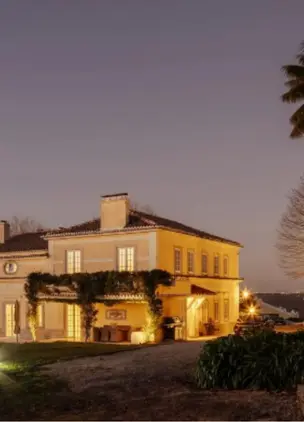
Visit → @casal.sta.maria
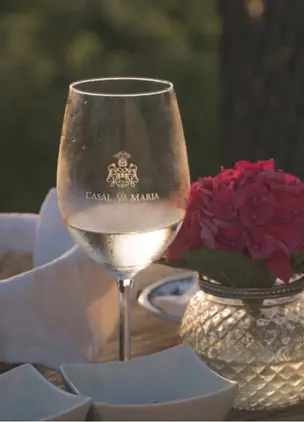
Visit → @casal.sta.maria
Casal Sta. Maria
Set between Sintra’s hills and the Atlantic, Casal Sta. Maria feels shaped as much by the coast as the vines. Ocean air moves through the vineyard and into the glass, giving the wines a freshness that feels tied to place. The setting carries that same feeling, wild gardens, old stone, and sea close by. It is one of the stronger winery settings this close to Lisbon.
Haja Cortezia Wines
Haja Cortezia is smaller and more personal, built around a hands-on approach and a clear point of view. The work stays close to natural methods, with minimal intervention and a direct connection to the vineyard. Nothing feels overworked or overly polished. The wines carry that same honesty, shaped more by people and process than scale.
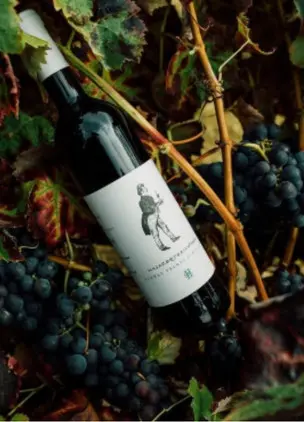
Visit → @hajacorteziawines
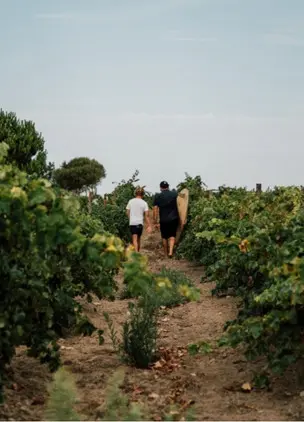
Visit → @hajacorteziawines
Visit → @quintadesanmichel
Visit → @quintadesanmichel
Quinta de San Michel
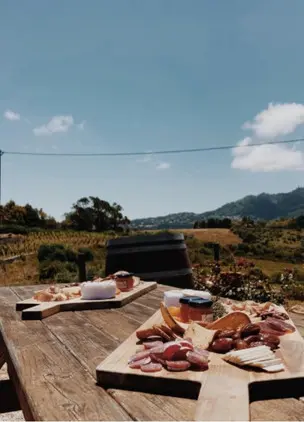
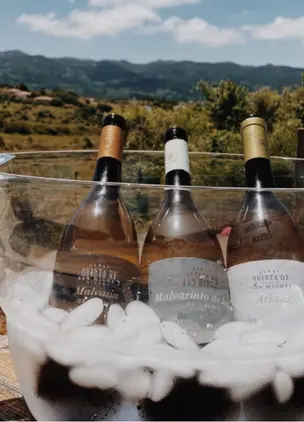
Set in Janas between Sintra and the coast, Quinta de San Michel carries the Atlantic into the vineyard. Visits move through the vines and cellar before opening into tastings with regional bread, cheeses, and preserves alongside the wines. The whole experience feels tied closely to the land around it, simple, local, and easy to settle into.
Quinta das Carrafouchas
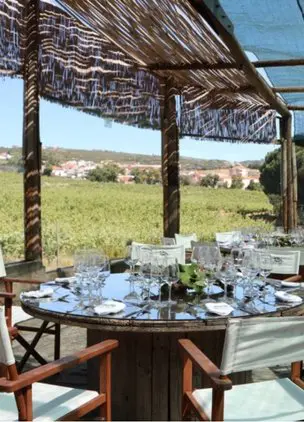
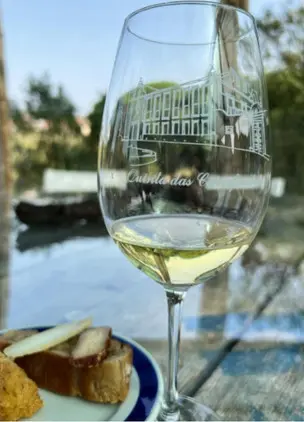
Carrafouchas has been in the same family for generations, and that continuity shows. Based in Bucelas, a region long tied to Arinto, the wines stay focused and precise, shaped by tradition rather than reinvention. There is a steadiness to the place that makes sense once you arrive. Nothing here feels pushed too far.
Visit → @qcarrafouchas
Visit → @qcarrafouchas
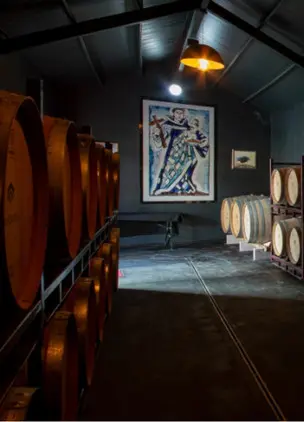
Visit → @manzwine_
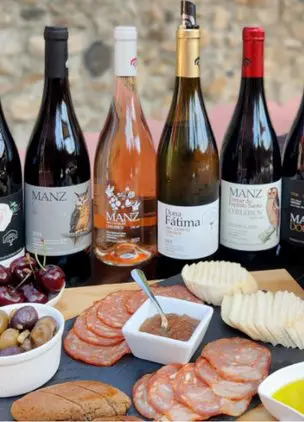
Visit → @manzwine_
Manzwine
Manzwine focuses on something specific, bringing native grape varieties back into the conversation and working closely with them. The wines feel distinct because of that, but never forced. Tastings stay relaxed and personal, often led by the people behind the work itself. It is a place built on patience rather than scale.
Filipe Palhoça Vinhos
Across the Tagus in Setúbal, Filipe Palhoça Vinhos feels more tied to local life than tourism. The focus stays on regional grapes and the styles that belong to this side of the river. The experience is straightforward, centred on the wine itself rather than anything built around it. That simplicity gives it weight.
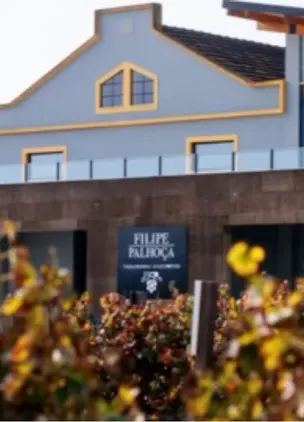
Visit → @filipepalhoca
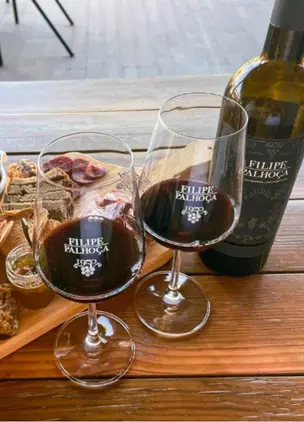
Visit → @filipepalhoca
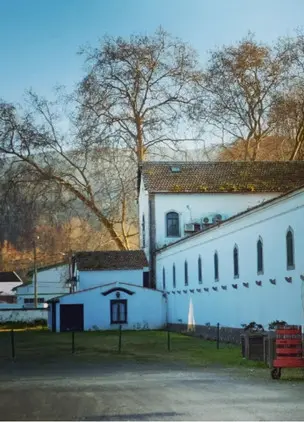
Visit → @adegaregionaldecolares
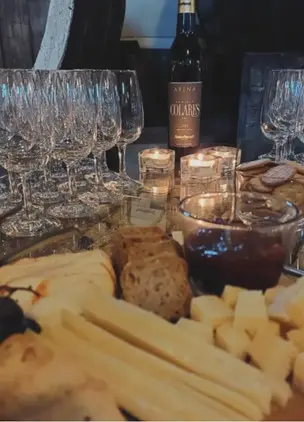
Visit → @adegaregionaldecolares
Adega Regional de Colares
Colares remains one of Portugal’s most unusual wine regions, with vines planted directly into sandy soil near the ocean. Adega Regional de Colares holds onto that history, working with methods that have changed very little over time. The wines feel shaped as much by the landscape as the tradition behind them. That is what makes them distinct.
Where Wine Near Lisbon Opens Up
The wineries on this page show how quickly the landscape changes once you leave the city. Casal Sta. Maria and Quinta de San Michel stay close to the Atlantic, where salt air and coastal weather shape the wines as much as the soil does. Further inland, places like Carrafouchas and Manzwine pull you deeper into vineyard country, where the pace slows and the land starts to feel more agricultural than coastal. Then Colares stands apart entirely, holding onto one of Portugal’s oldest and strangest wine traditions. Together, they show the wider shape of the region, varied, grounded, and much quieter than Lisbon itself.
For the wider rhythm of the region, our Central Portugal travel guide pulls the rest together. If you’re staying nearby, our hotels in Central Portugal and Central Portugal Airbnbs shape where the day begins, while our Ericeira restaurants carry the coastline before the road turns inland.

