For those who seek places that feel timeless, gentle, and a little nostalgic
Central Portugal sits in a quieter part of the country. The coastline still carries the Atlantic, surf towns, fishing harbours, and long beaches that feel wilder than those further south. Inland, the landscape shifts into vineyards, pine forests, river valleys, and stone towns that have kept their pace. It is a region shaped by land as much as water, and the best parts of it are often found somewhere between the two.
This Central Portugal travel guide brings those parts together. Hotels shaped by coast and countryside, houses that slow the day down properly, restaurants that follow the rhythm of the town around them, and wineries close enough to Lisbon to change the shape of an afternoon. Central Portugal makes more sense when you move through it slowly, and let the region settle around you.
Our edit of the best hotels in Central Portugal is shaped by quiet landscapes, thoughtful restoration, and a sense of time that moves a little slower. Forest retreats, old farmhouses, and river valley hideaways reflect the region’s nostalgic rhythm, simple, grounded, and closely tied to the land around them. Expect warm materials, food shaped by season, and places where the day naturally slows down. This is Central Portugal at its best: gentle, rooted, and full of quiet character.
5 Star // 40 Rooms
Herdade do Barrocal, 7200-177 Monsaraz
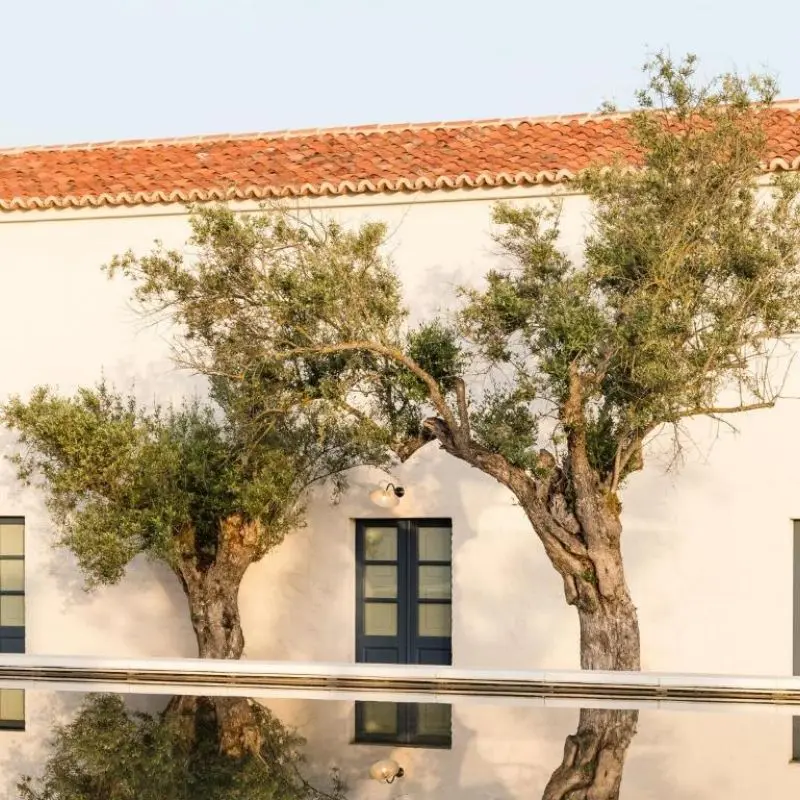
Family estate turned retreat with grounded design, vineyard views, and slow rhythms shaped by the land.
5 Star // 50 Rooms
Rua da Estalagem 1, 2655-431 Ericeira
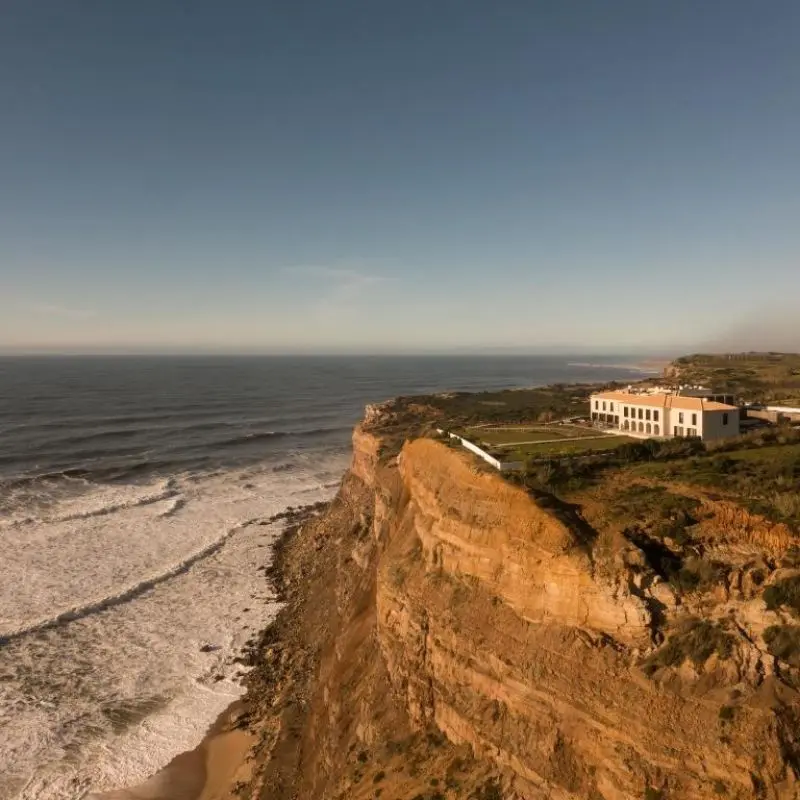
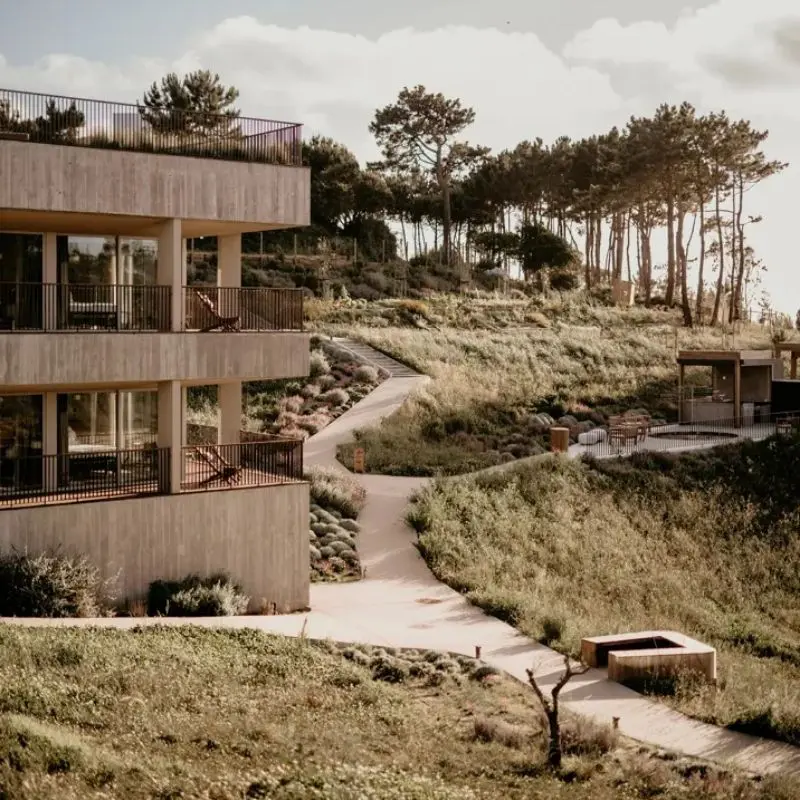
Cliffside retreat on Portugal’s surf coast, with natural textures, Atlantic views, and a quietly coastal rhythm.
4 Star // 6 Rooms
Cas’Amaro, Aldeia Galega da Merceana, 2580-390 Alenquer,
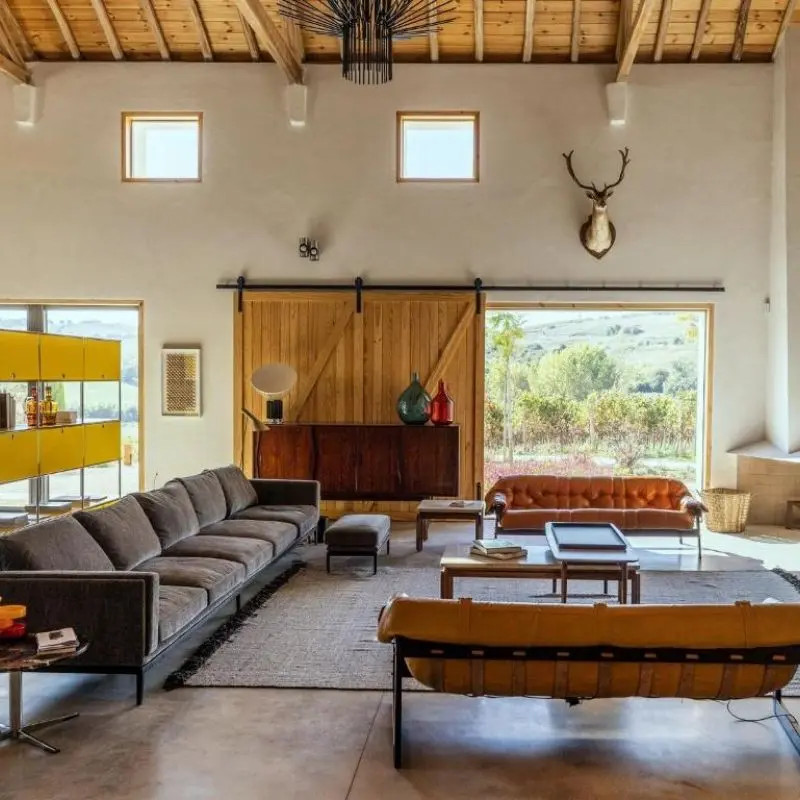
Organic wine estate turned guest stay, with honest design, hillside views, and a slow, grounded rhythm.
5 Star // 19 Rooms
Herdade de Torre de Palma, 7450-250 Monforte
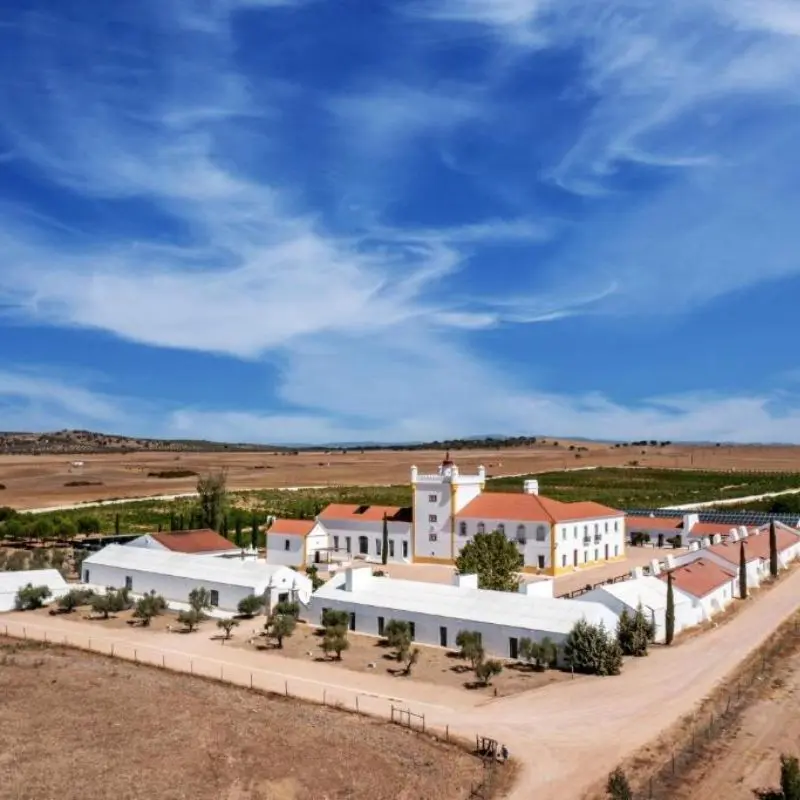
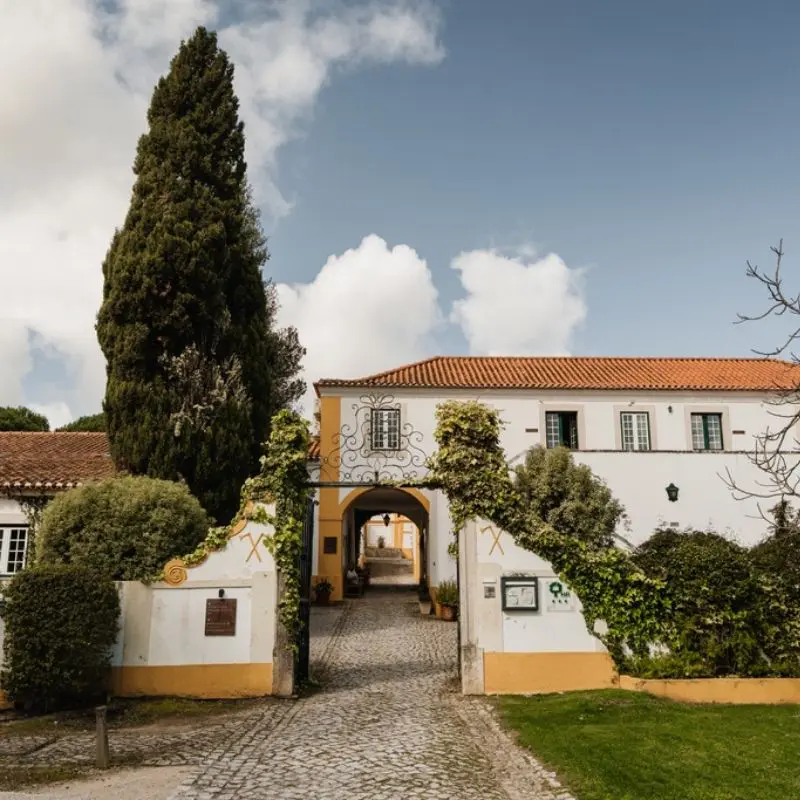
Restored 14th-century estate with rooted design, contemporary Alentejo cuisine, and a rhythm shaped by land and legacy.
5 Star // 37 Rooms
Rua Bica da Figueira, 2640-065 Ericeira,
Mindful stay near Ericeira, with earthy elegance, coastal stillness, and food that reflects the rhythm of place.
5 Star // 73 Rooms
Rua Alto de Pina, 7570-337 Carvalhal, Comporta
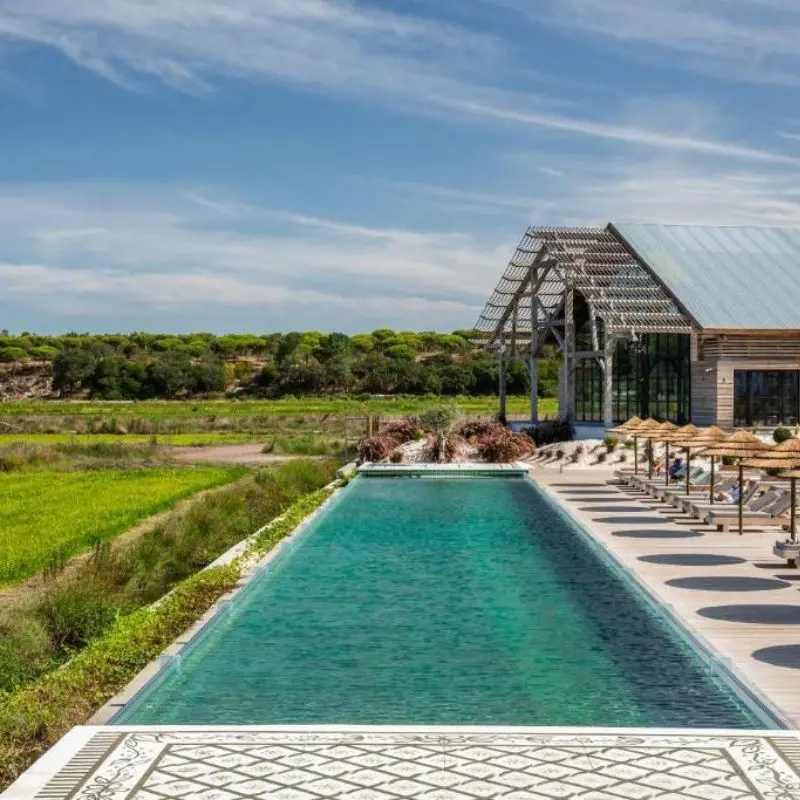
Wellness retreat near rice fields, with warm-toned design, quiet food, and a pace shaped by nature.
3 Star // 35 Rooms
Estrada da Várzea 20, 2630-268 Arruda dos Vinhos
Creative forest retreat near Lisbon, with slow food, warm light, and a steam ritual rooted in care.
4 Star // 6 Rooms
Rua Alexandre Herculano 34, 2000-144 Santarém
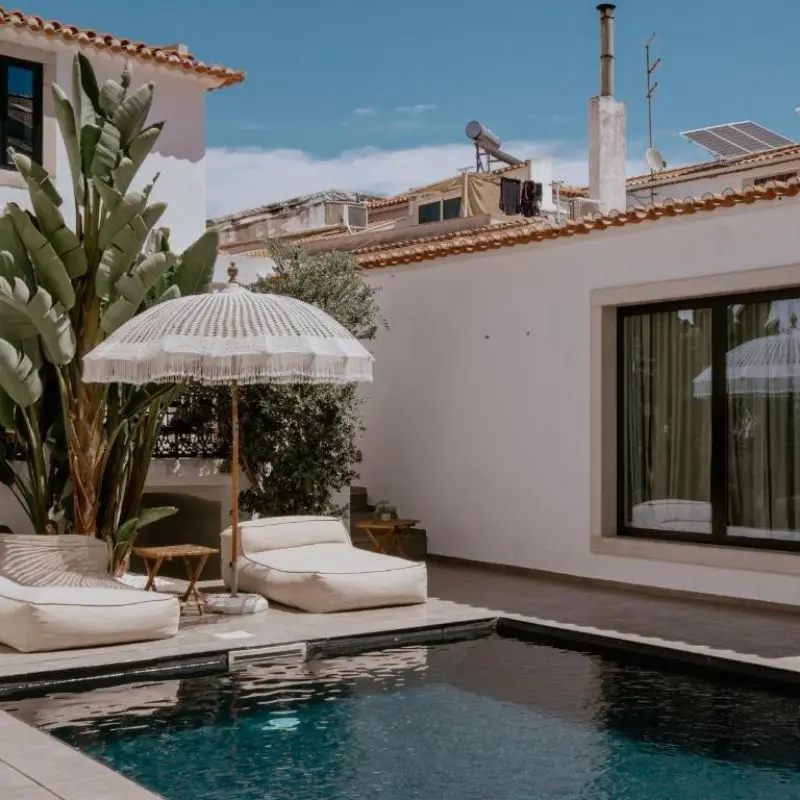
Century-old family home in Santarém, restored with care and full of lived-in regional character and calm.
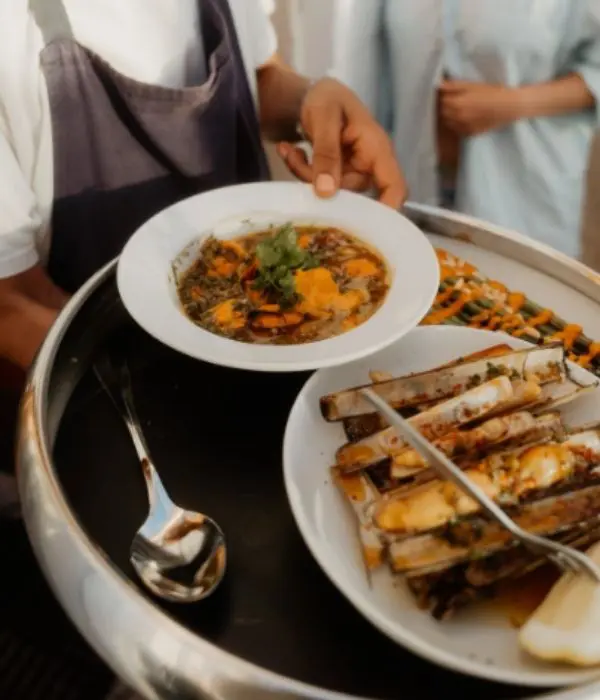
Central Portugal cooks from the land around it. Inland, the food stays close to the season, wood-fired kitchens, garden vegetables, olive oil, and slower dishes shaped by farming traditions. Along the coast, it shifts toward grilled fish, shellfish, and simpler plates that follow the Atlantic. The best meals here feel tied to place rather than trend, whether in a small village tavern or a newer kitchen reworking old flavours. This Central Portugal travel guide gathers the restaurants where that rhythm still feels intact.
R. Cap. João Lopes 4, 2655-295 Ericeira
Costa Fria might be my favorite restaurant in Portugal. Big-hearted food, real energy, and a space that feels as good as it tastes. Everything just works here
EN 9 Lugar da Mata 17 19, 2580-107 Aldeia Gavinha
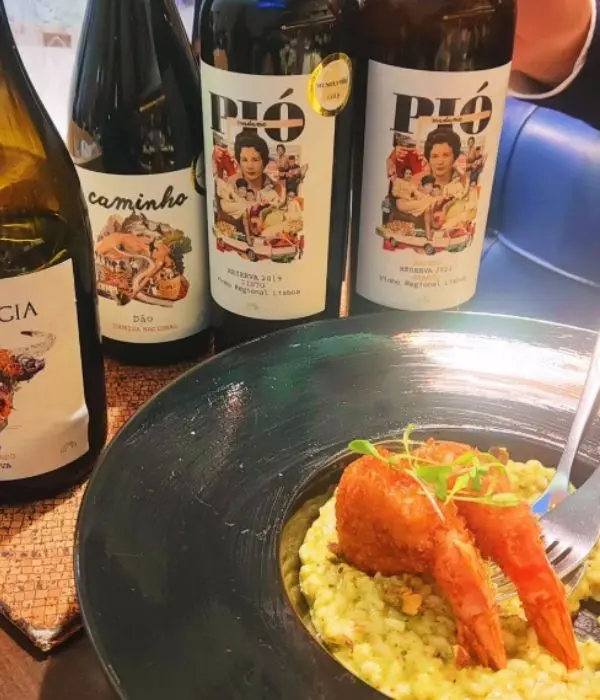
Cas’Amaro is the kind of place where you stay for one glass and end up learning the whole vineyard. Wines are honest, food is thoughtful, and everything feels quietly rooted in the land.
Restaurante Piscinas Lugar das Piscinas, 2705-098 Colares
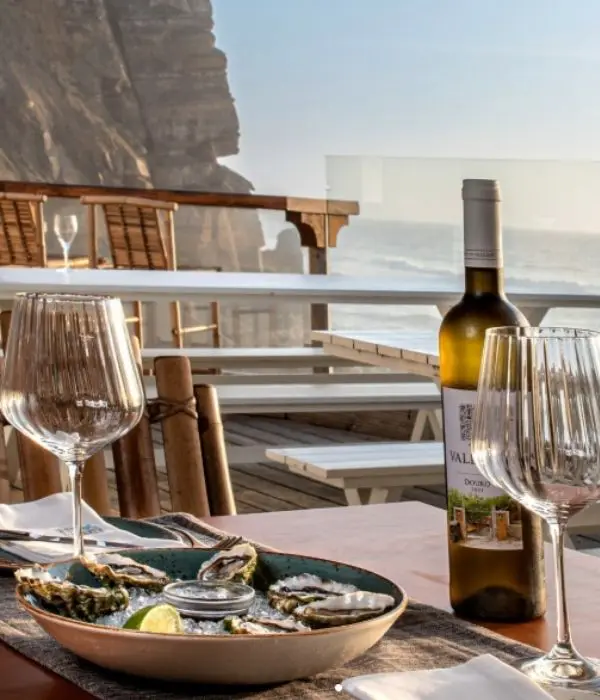
At Azenhas do Mar, you arrive for lunch and end up staying all day. Swim below, sip something cold above, then eat as the sun drops into the sea. It’s pure, unrushed bliss
Praia do Sul, 2655-304 Ericeira
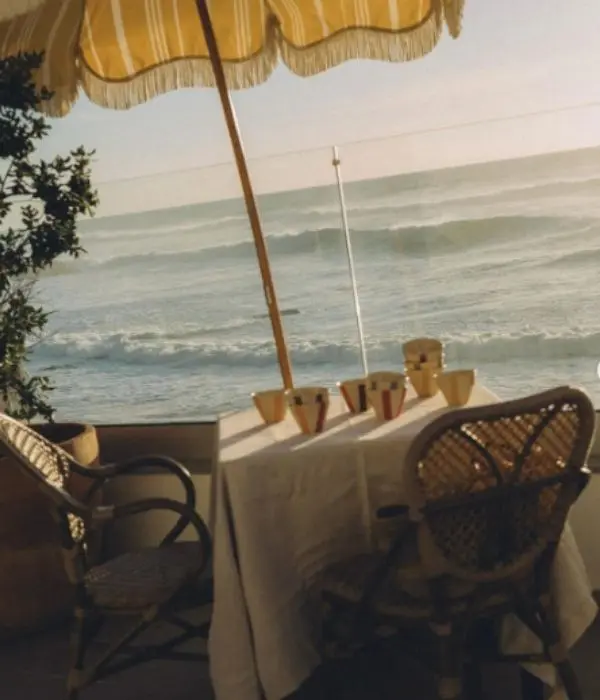
Balagan feels like a friend’s place by the sea. The food is bold, the vibe is easy, and sunset on the terrace turns into the kind of night you don’t want to end.
Central Portugal works best by road. The distances are manageable, but the shape of the region changes quickly, coast into forest, vineyards into river valleys, surf towns into mountain villages. A car gives you the freedom to follow that properly, to stop for lunch where the tables are full, take the longer road inland, or pull over when the landscape changes. It is a region better understood through movement than planning.
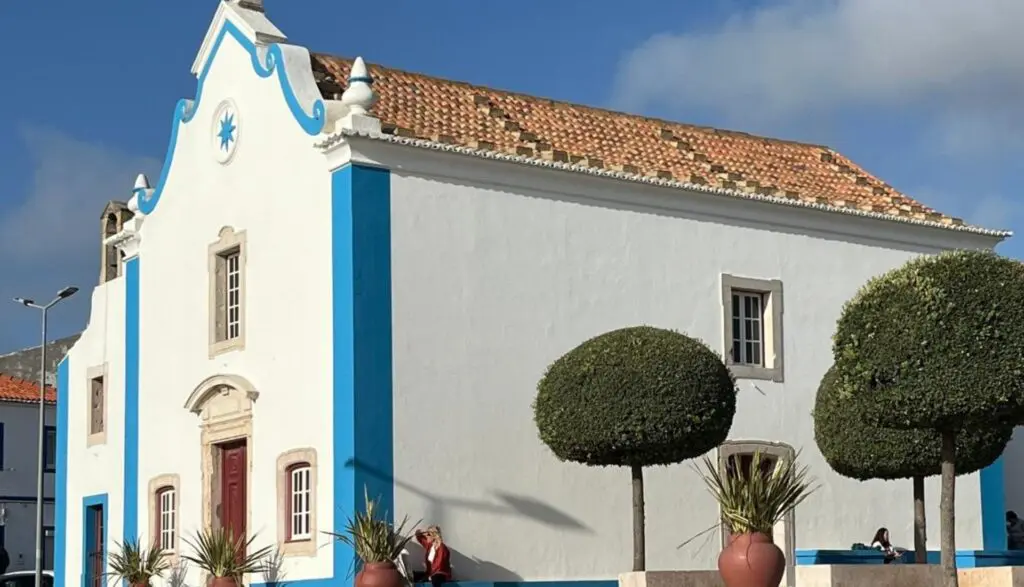
Ericeira still feels like a working town first, surf town second. Fishermen unload in the morning, boards lean outside cafés by midday, and the streets hold onto an older rhythm beneath the newer energy. The coastline stretches north and south into long beaches, cliff paths, and smaller coves that stay quieter outside summer. The food stays close to the sea, the wine stays simple, and the Atlantic is never far from view.
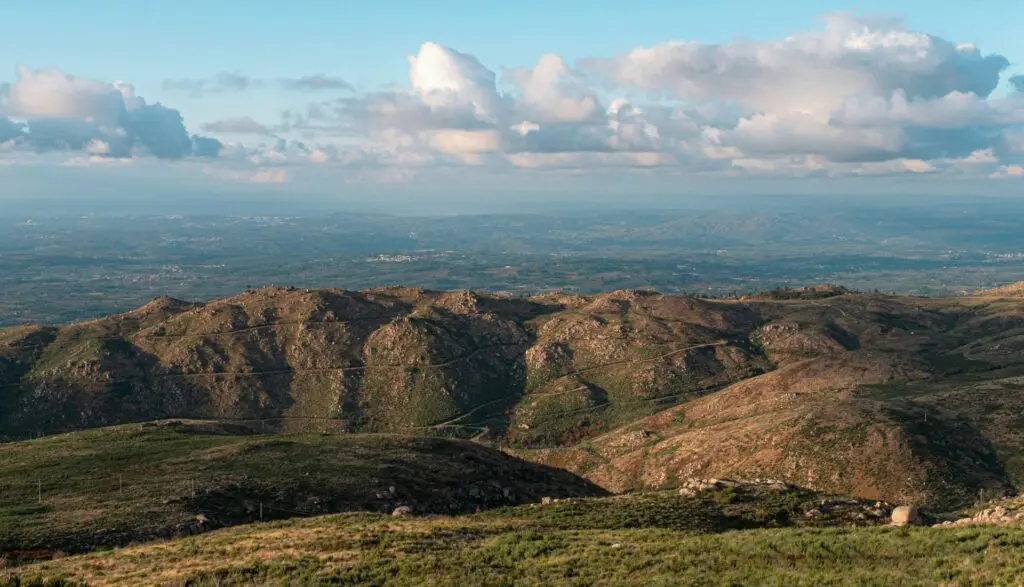
Serra da Estrela changes the pace completely. The roads climb, the air cools, and the villages feel more rooted to the mountain than the map. It is a region shaped by weather, cheese, firewood, and long winters, and that carries into the food and the way people live. Come for the walking, the landscapes, and the feeling of space that is harder to find elsewhere in Portugal.
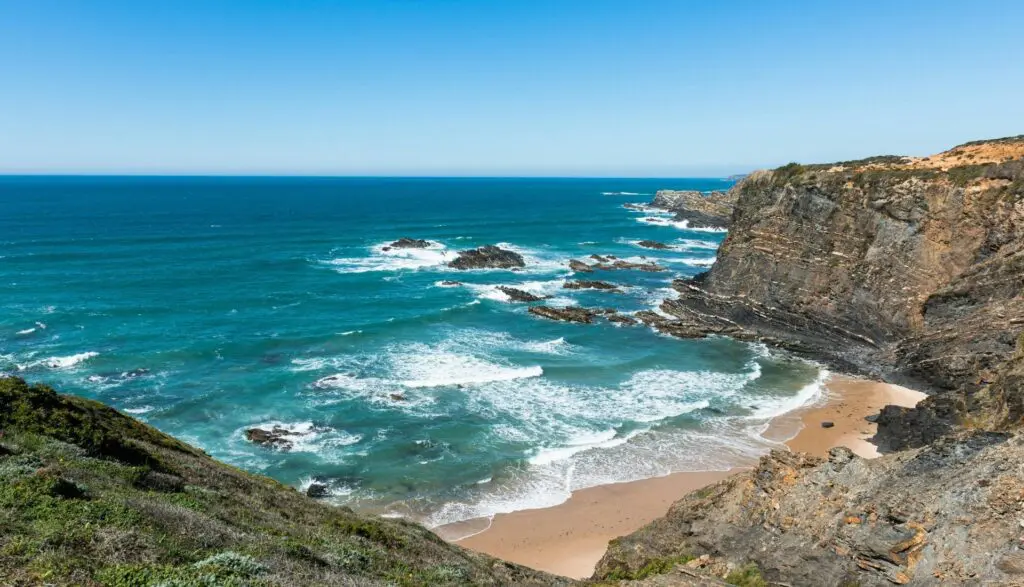
Comporta and the Alentejo coast move differently again. Pine forests sit behind wide beaches, rice fields break up the landscape, and the roads stay quiet even in summer. The food is simple and local, fish, bread, olive oil, wine, and the pace stays loose enough for long afternoons to drift into dinner. It remains one of the easiest parts of Portugal to settle into without needing much of a plan.
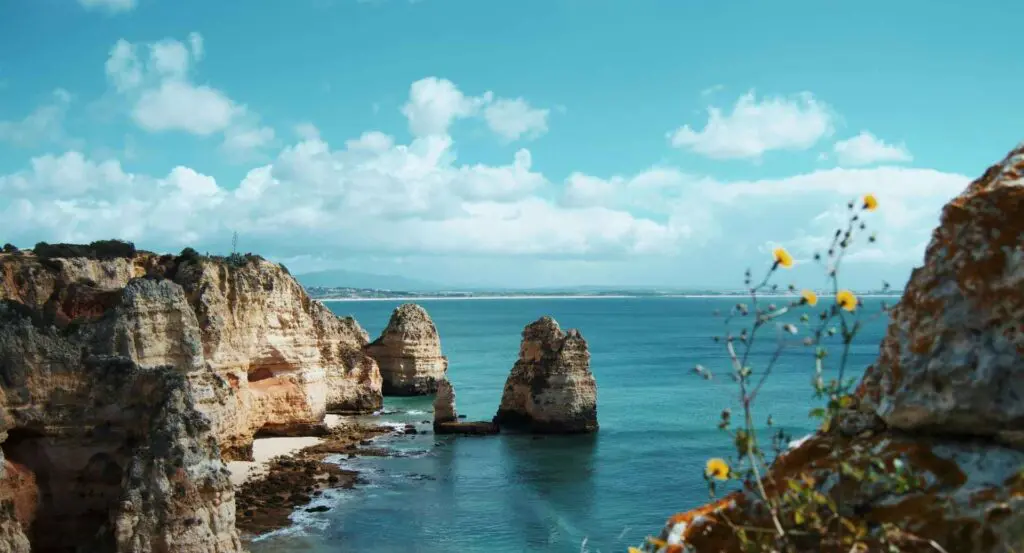
The Algarve has a nostalgic vibe from the moment you arrive. Beyond the busy resorts, it opens into quiet beaches, fishing villages, and inland roads lined with citrus trees. Days follow the sea, meals stay simple and fresh, and the rhythm is calm, sun-warmed, and grounding.
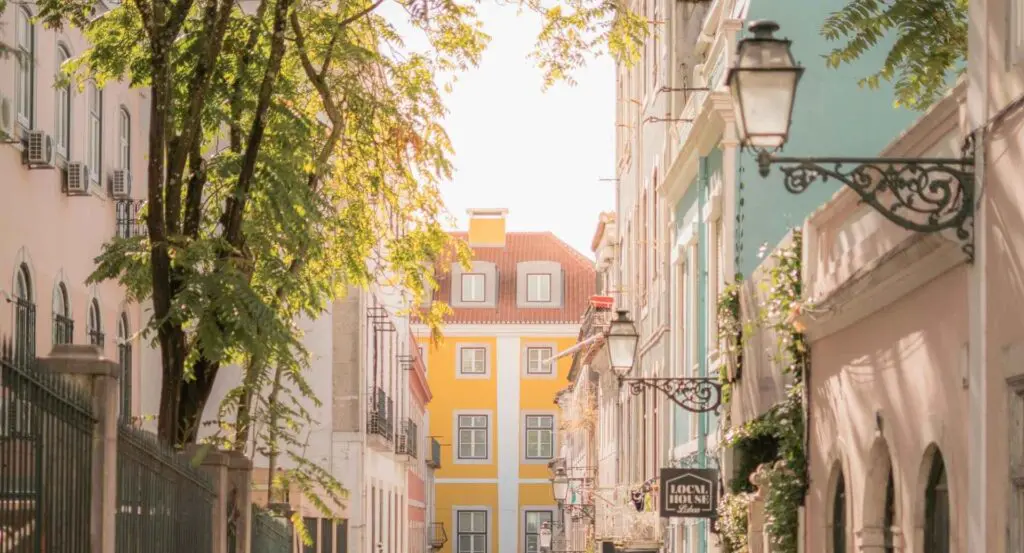
Lisbon moves on its own terms. Days stretch across hills, tiled streets, and sun-warmed terraces, shaped by seafood lunches and slow afternoons. There’s creativity everywhere, but it never feels forced. It’s warm, soulful, and easy to settle into without trying.
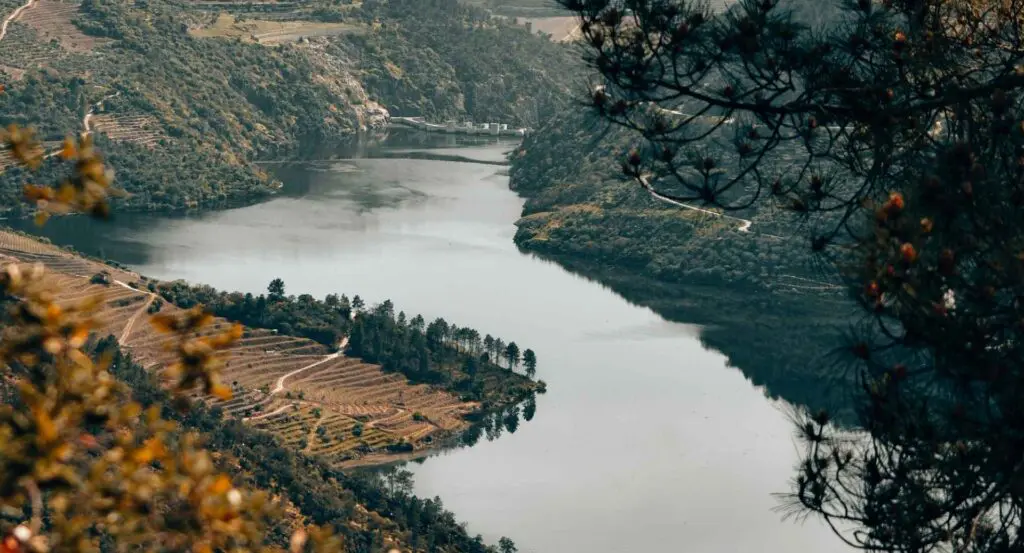
North Portugal invites you to slow your pace without asking. River valleys, terraced vineyards, and stone villages set the rhythm, shaped by food, wine, and long-held traditions. It’s a place for unplanned moments, generous tables, and stays that feel quietly rooted in the land.
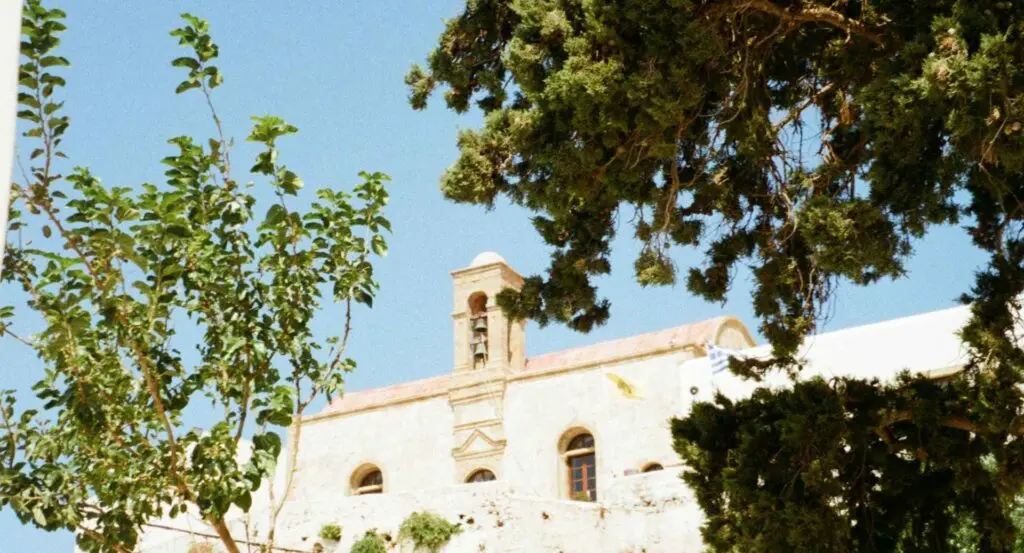
Crete feels expansive and deeply grounded, shaped by mountains, wind, and a coastline that never repeats itself. Villages sit among olive groves, meals follow the season, and days move at the land’s pace. Slow down here, and the island reveals its quiet strength.
Yes. Distances are long, public transport is limited, and many beaches, forests, and villages are not reachable by bus or train. A car is the easiest and most practical way to explore the region properly.
Late spring and early autumn. The weather is stable, the ocean is still warm, and the inland areas stay comfortable for hiking and exploring. Summer is busy on the coast, quieter inland. Winter is mild but rainy at times.
If Central Portugal is your main stop, plan for a week or more. The region is spread out, and staying longer gives you time to see both the coast and the interior without rushing.
Choose one base near the ocean (Ericeira or the West Coast) and one inland (near Serra da Estrela or a rural village). This gives you access to beaches, forests, and small towns without long daily drives.
Coastal areas focus on fresh fish and simple seafood dishes. Inland, expect hearty stews, local cheeses, bread, and regional wine. Most restaurants rely on seasonal, local ingredients.
Generally no. The coast can get busy in July and August, especially on weekends. Inland villages, forests, and mountain towns remain calm most of the year.
For collaborations and enquiries
We use cookies to improve your experience and understand how the site is used. You can accept or manage your preferences at any time.