The Revel Stay Logo

Lisbon Travel Guide: Where to Stay, Eat, and Move Through the City

A city of shifting streets, worn tiles, and views that come and go.

Lisbon doesn’t settle into one rhythm. Streets rise and fall, views open up and disappear again, and the city shifts quickly depending on where you are. Some parts feel worn, others more considered, but most sit somewhere in between. You don’t take it in all at once. It comes through moving, climbing, stopping, and letting the pace change as you go. This Lisbon travel guide shares where to stay in Lisbon, along with the best hotels, restaurants, and neighbourhoods shaped by that movement.

The day doesn’t follow a strict pattern. Mornings begin slowly, coffee taken standing or at a small table, before the streets start to fill. Afternoons stretch between viewpoints and quieter corners, and by evening the city gathers itself again, tables filling without much structure. Lisbon isn’t fully resolved, and that’s part of what makes it work.

where to stay in Lisbon

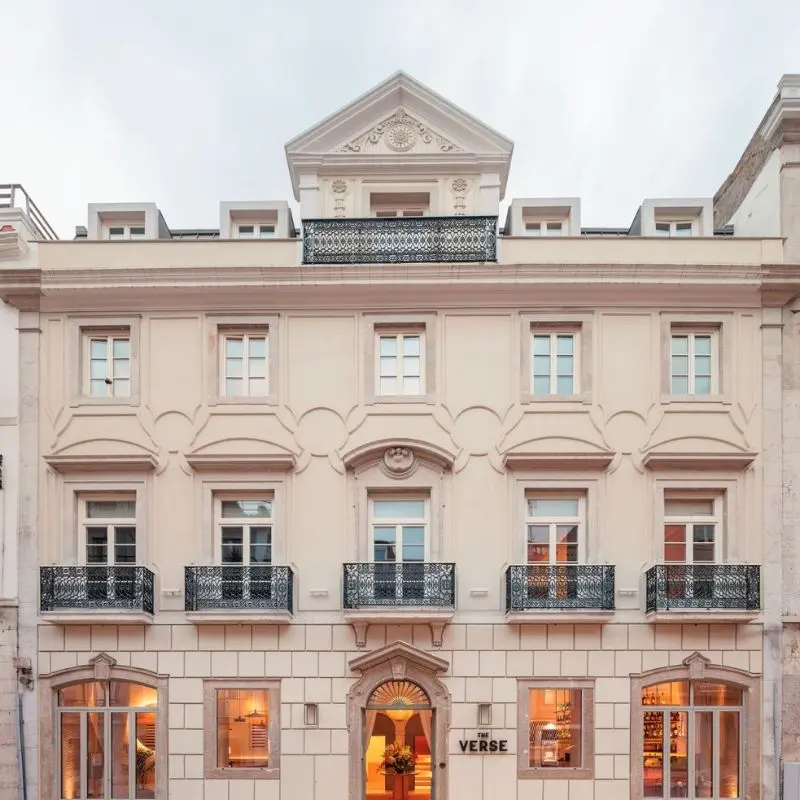
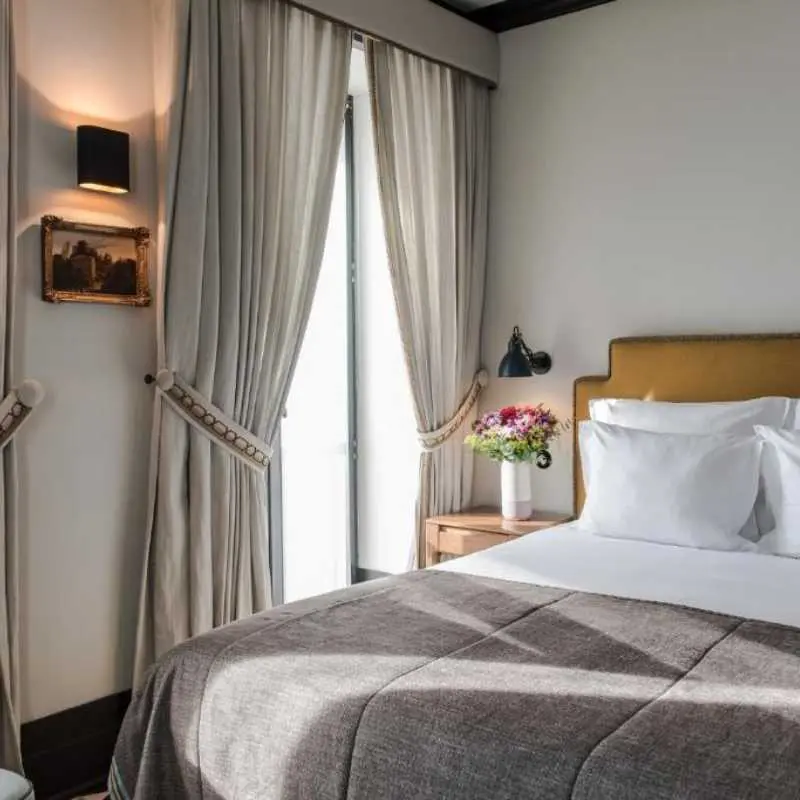
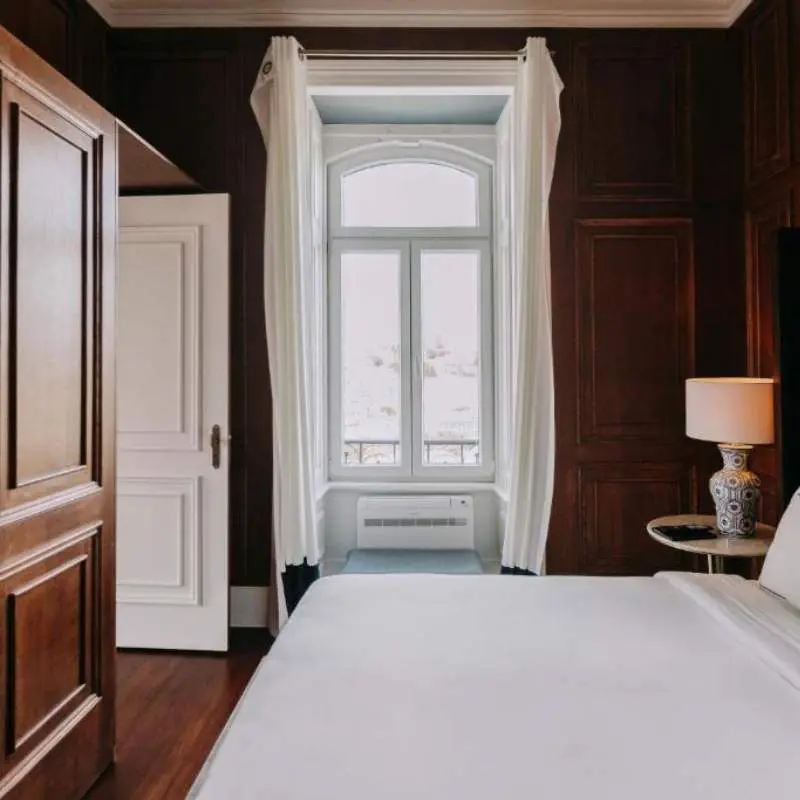
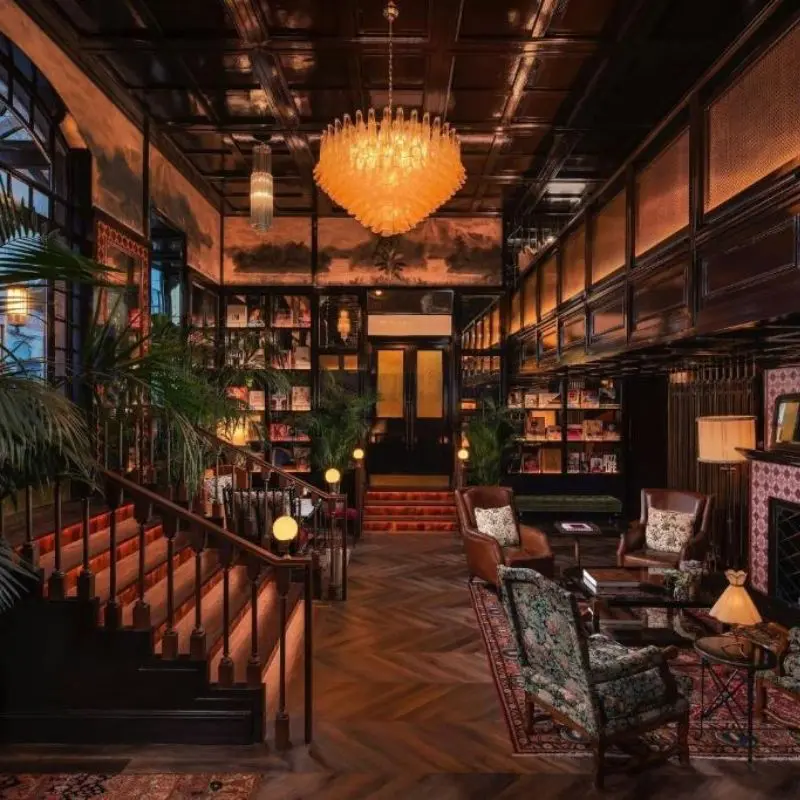
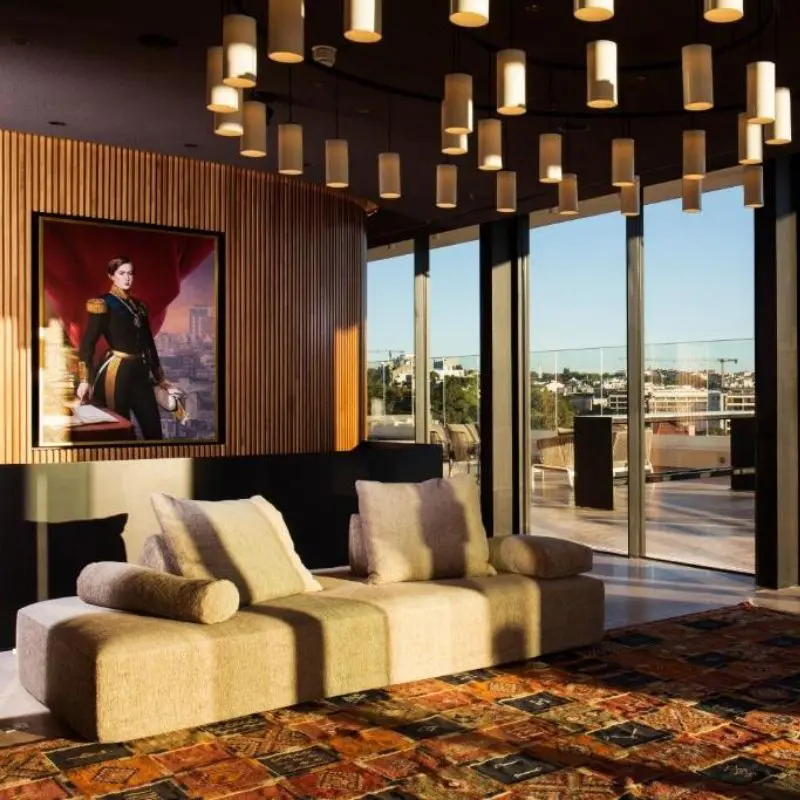
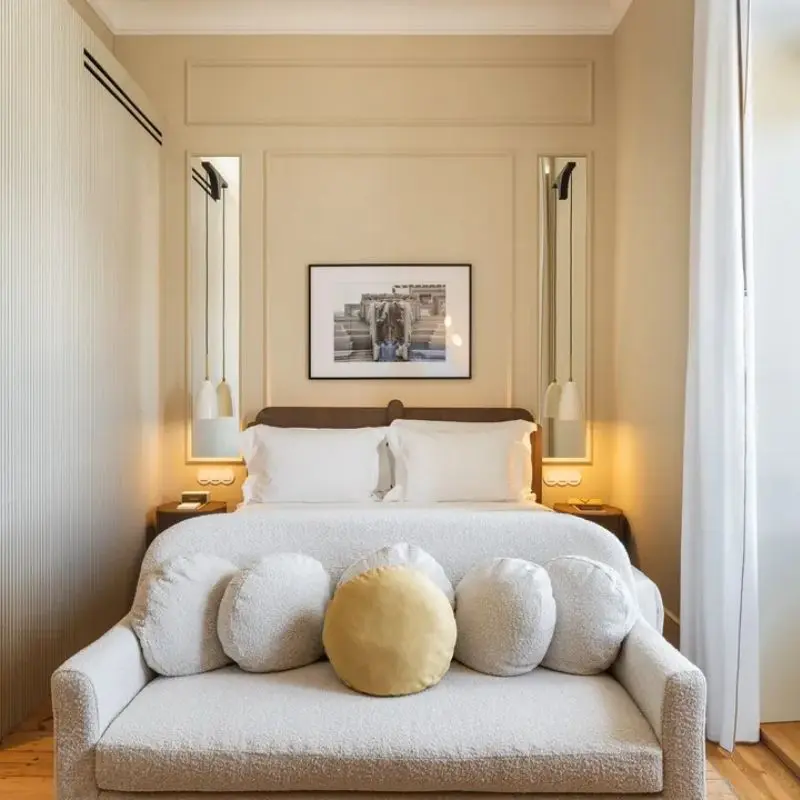
Where you stay in Lisbon changes how you move through it. The city isn’t level, and neither are its hotels. Some sit higher, with wider views and more distance from the street, others stay closer to the ground, more connected to the everyday rhythm. The best ones work within that, older buildings with texture, spaces that feel slightly worn but well considered, and newer places that bring something lighter without losing that sense of place.

Where to Eat and Drink in Lisbon

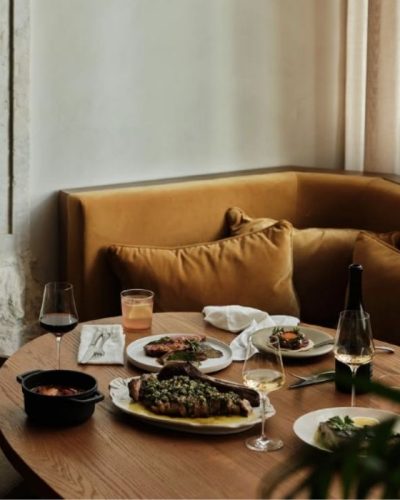
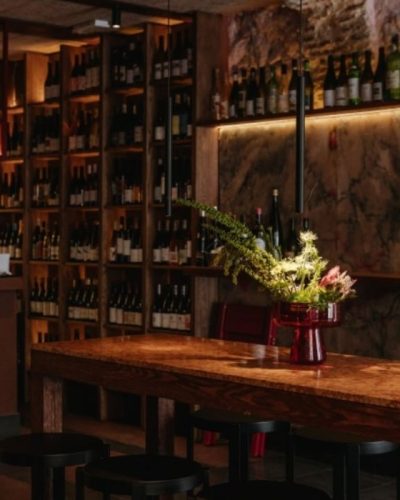
Eating in Lisbon feels easy. Kitchens don’t overwork things, and most places don’t try to prove much. Cooking stays close to the ingredients, seafood, vegetables, simple plates that come out when they’re ready, with wine poured alongside. Some rooms feel more refined, others louder and more immediate, but they sit comfortably next to each other. You move between them without planning too much, and that’s part of the appeal.

Areas to Know in Lisbon

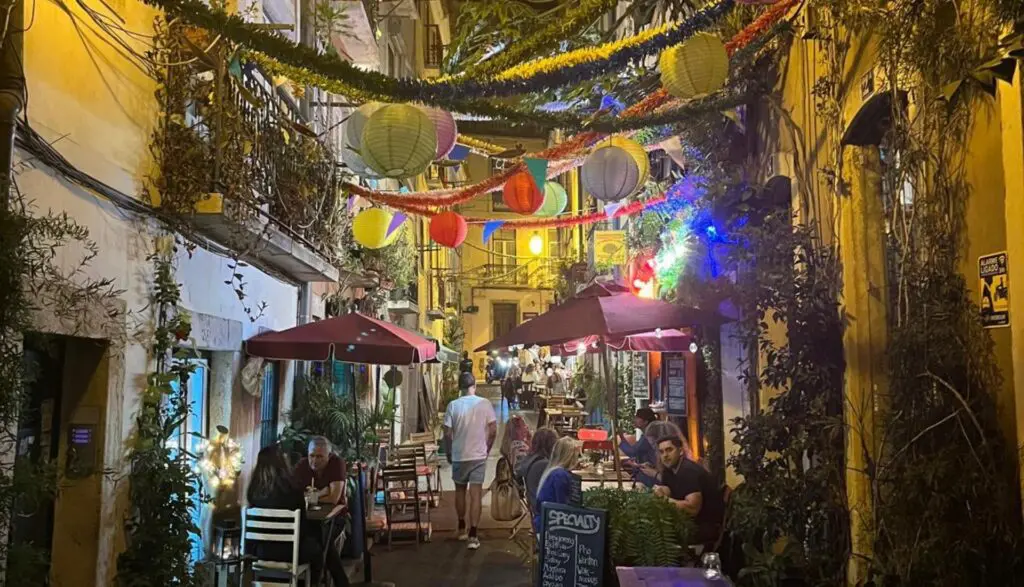
Lisbon is felt in the surfaces. Tiled walls, worn stone, painted façades that haven’t been fully restored. Some streets feel rough, others more considered, and often they sit side by side. In certain areas, it’s one restaurant after another, tables close together, doors open, people moving between them without much planning. Then it opens out again, a quieter stretch, a view, somewhere to stop for a while. That contrast is what holds the city together.

Lisbon Travel Guide

Santos

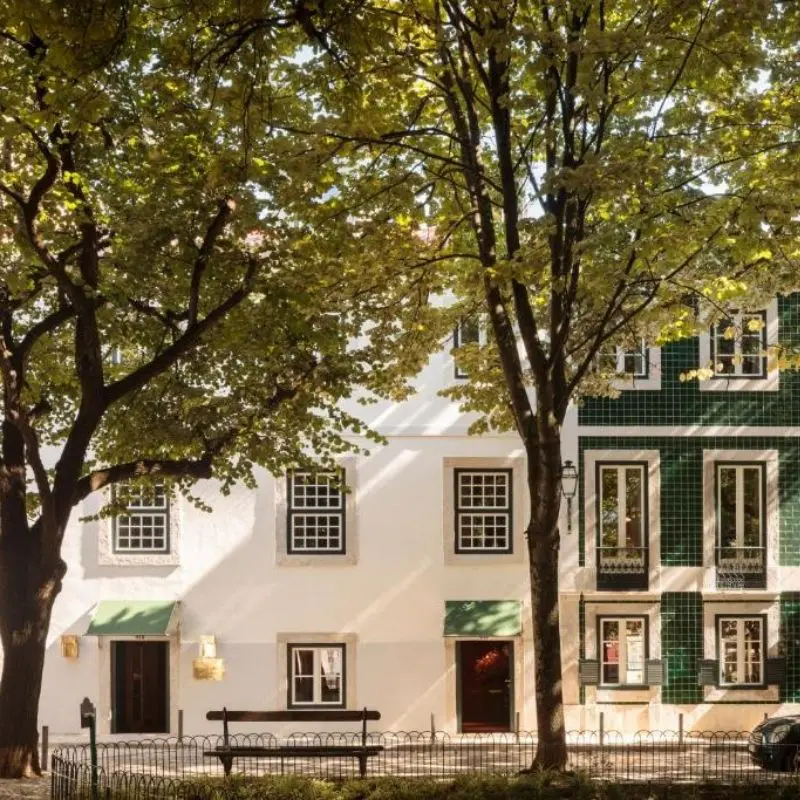
Santos sits closer to the river, where the streets open slightly and the pace loosens. Older buildings, tiled fronts, and newer spaces sit next to each other without much separation. There’s a steady flow of cafés, restaurants, and smaller spots that fill gradually through the afternoon. It’s easy to move through, and just as easy to stay longer than planned.


Alfama

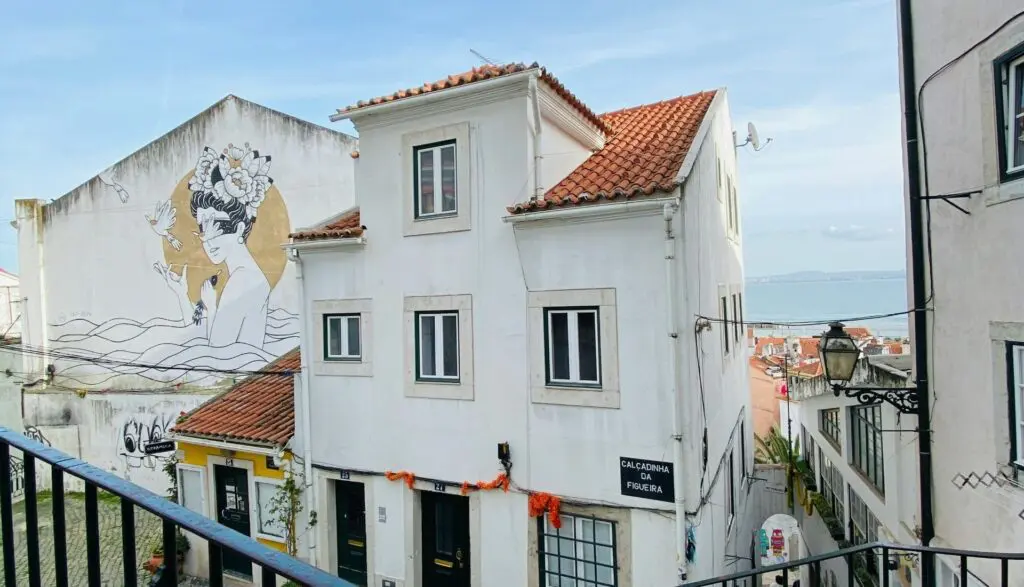
Alfama is tighter and more uneven. Steps, narrow streets, walls that carry age. It can feel crowded, but the rhythm changes quickly once you move a little further in. Small taverns, open windows, and viewpoints appear without much warning. It’s one of the few areas that hasn’t been smoothed out too much, and that’s what gives it weight.

Lisbon Travel Guide
Lisbon Travel Guide

Principe Real

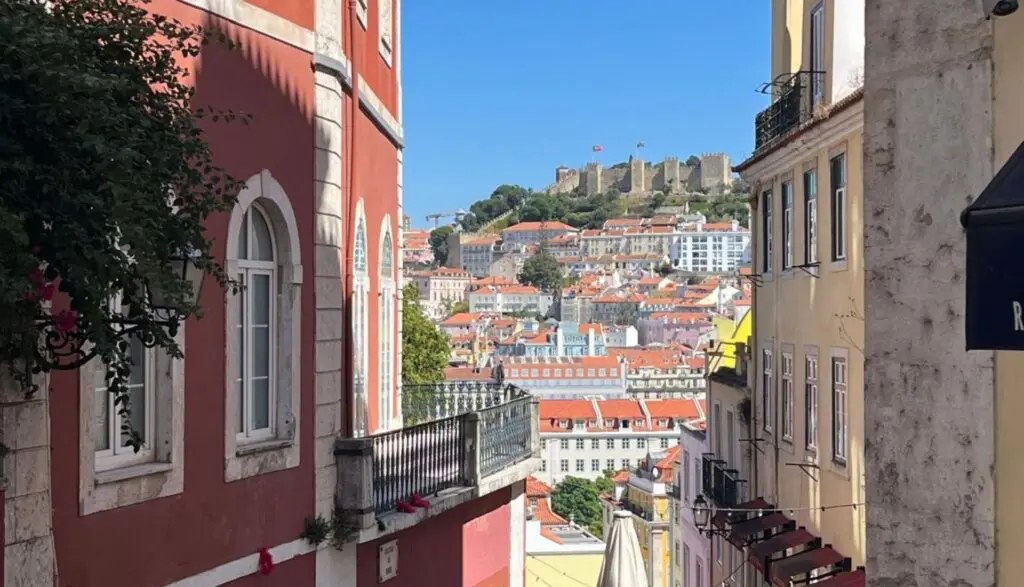
Príncipe Real sits higher, with more space between things. Gardens, shops, and cafés spread across the hill, with restaurants and wine bars holding the ground floor. It feels more considered, but not overly polished. The detail is still there, tiles, balconies, older façades, just handled with a lighter touch. It’s where the newer side of Lisbon feels more settled.

More destinations

Algarve Travel Guide

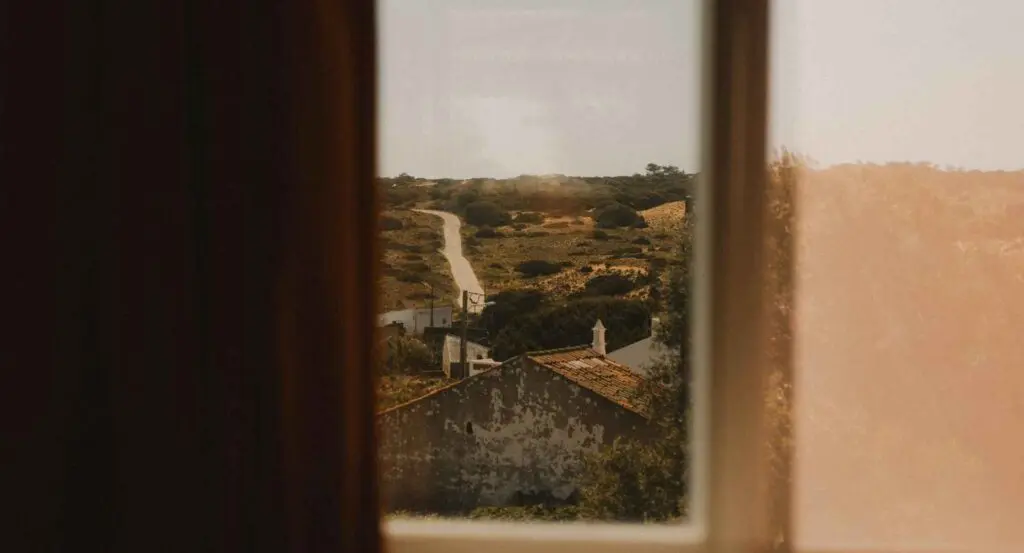
The Algarve has a nostalgic vibe from the moment you arrive. Beyond the busy resorts, it opens into quiet beaches, fishing villages, and inland roads lined with citrus trees. Days follow the sea, meals stay simple and fresh, and the rhythm is calm, sun-warmed, and grounding.

Central Portugal Travel Guide

Central Portugal feels like stepping back to a simpler time. Life moves gently here, shaped by forested hills, stone villages, and long Atlantic beaches. Days revolve around good food, fresh air, and unhurried moments that make slowing down feel natural rather than forced.

Amsterdam Travel Guide

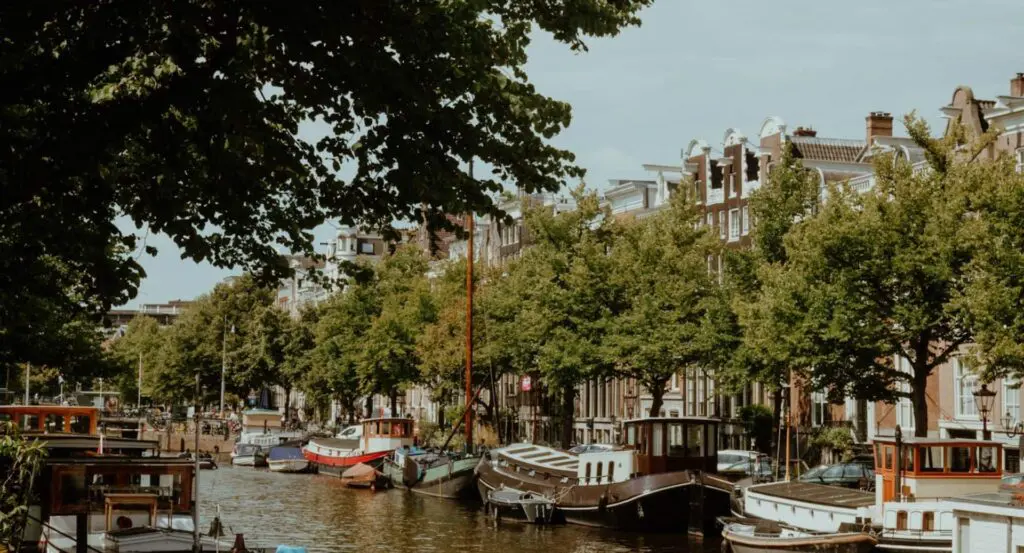
You’ll love Amsterdam if you want a city escape with soul. It moves to its own rhythm: bicycles gliding past canals, mornings shaped by good coffee, an evolving food scene, and art and music woven naturally into everyday wandering, Amsterdam is a place to discover slowly. 

Paris Travel Guide

We love Paris for everything that happens between the highlights. The neighbourhood cafés, late dinners, galleries down side streets, and design that feels effortless rather than styled. It’s creative, romantic without trying, and full of moments that stay with you long after you leave.

Staying In Lisbon

FAQ: Lisbon Travel Guide

How many days do you need in Lisbon?

Three to four days is a sweet spot. Long enough to wander the main neighbourhoods, ride the trams, and catch a few sunsets over the Tagus. If you stay five days or more, the city slows down for you, with mornings in cafés, afternoons by the river, and evenings filled with good food and fado.

Yes, but beautifully so. Lisbon is built across seven hills, which means climbs, views, and plenty of character. The cobbles can be steep, but that is part of the charm. Comfortable shoes, time, and a few tram rides make exploring easy and rewarding.

For canal views and heritage, stay near the Nine Streets or Jordaan. For something more creative and local, explore De Pijp, Oud-West, or Amsterdam North. Each area has its own rhythm, full of small cafés, design shops, and moments of quiet away from the crowds.

Abundant and full of life. Lisbon is a city that loves to eat, and it shows. Fresh seafood from the Atlantic, grilled sardines, and custard tarts warm from the oven fill every corner of the city. Its food scene is vast and ever-evolving, from old taverns serving timeless recipes to new kitchens where chefs cook with heart and creativity.

Walking is best for feeling the city, but trams, tuk-tuks, and elevators help with the hills. The metro is clean and easy, and taxis or rideshares are affordable for longer routes. Lisbon moves at its own pace, and so should you.

Very. Lisbon is welcoming and relaxed, with a strong sense of community. As in any major city, stay aware in crowded areas, but most streets feel calm and comfortable to explore both day and night.