
Coffee, pastries, and the slower corners of Lisbon
A Curated Guide to the Best Cafes in Lisbon
Lisbon’s café culture sits somewhere between old and new. Small counters still serve espresso and pastel de nata the way they always have, while a newer wave of cafés has shifted things toward slower coffee, stronger baking, and rooms built to spend time in. The city holds both without much friction, and that contrast is part of what makes it interesting.
This edit pulls together the cafés doing that well, from long-standing neighbourhood fixtures to newer spaces shaping Lisbon’s coffee scene now. For what sits around them, our places to eat in Lisbon and wine bars in Lisbon are worth having open, along with our Lisbon travel guide if you’re mapping out the rest of the city.
Best Cafes in Príncipe Real & São Bento
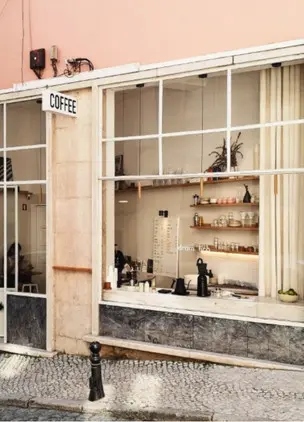
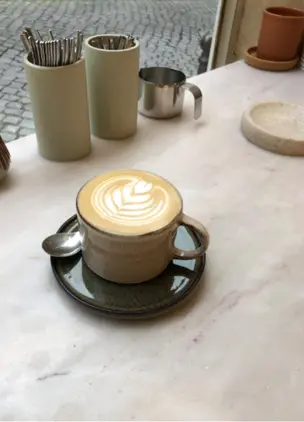
Dramático
On Rua da Alegria, Dramático is one of Lisbon’s smaller coffee rooms, built around coffee and pastry rather than full breakfasts. The space is tight, with La Cabra beans at the centre and a shorter menu that keeps things focused. It feels deliberate, more a stop for coffee than a place to settle for half the day.
Seagull Method Cafe
In Príncipe Real, Seagull Method helped shape Lisbon’s brunch culture before the city was full of it. Opened by the team behind Heim, the menu carries Ukrainian influence through dishes like syrniki alongside strong coffee and breakfast done properly. It runs more like a restaurant than a café, with tables turning steadily through the morning.
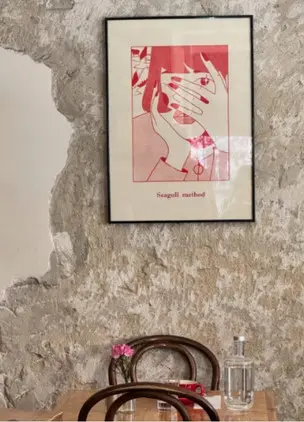
Visit → @seagullmethodcafe
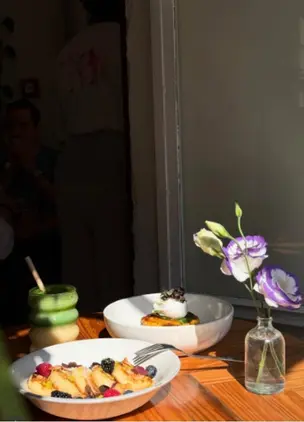
Visit → @seagullmethodcafe
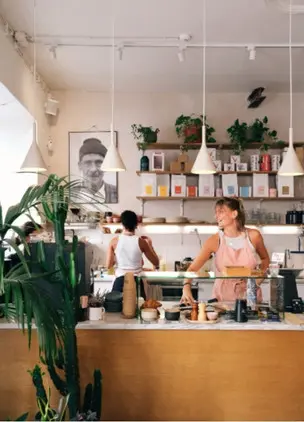
Visit → @hellokristof
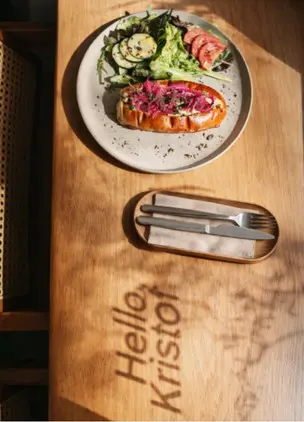
Visit → @hellokristof
Hello, Kristof
In São Bento, Hello, Kristof is one of the stronger all-round cafés in Lisbon, coffee roasted in-house, breakfasts done properly, and shelves lined with magazines and books that give the room more shape than most. It’s not built around one thing alone, which is part of why it works. Coffee holds up, food does too, and the space feels used rather than styled.
Best Cafes in Alfama & Graça
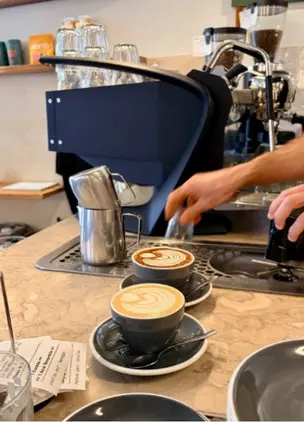
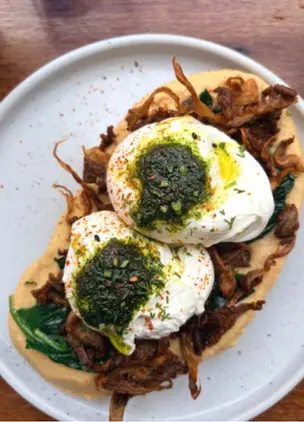
Neighbourhood Coffee
Australian-owned and now firmly part of Lisbon’s café scene, Neighbourhood brought a more direct brunch and coffee format into the city when it opened. The Graça site sits just above Alfama, close to the flea market and viewpoints, with specialty coffee, bigger breakfast plates, and a room that stays busy from early on. It carries that Australian café culture well, but sits naturally within the area around it.
Café da Garagem
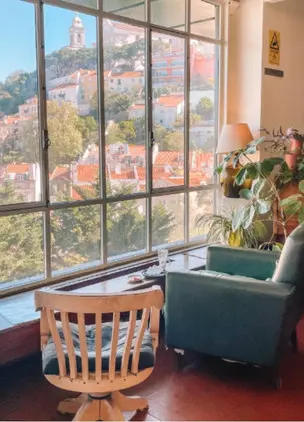
Inside Teatro da Garagem, Café da Garagem works as much as a cultural stop as it does a café. Alongside coffee, there’s wine, small plates, books, and a terrace that opens directly across the city. The theatre setting gives it a different pace to most cafés in Lisbon, less built around routine, more around where you are in the day. One of the better stops when moving through Castelo.

Best Cafes in Bairro Alto, Cais do Sodré & Santos
COMOBÅ
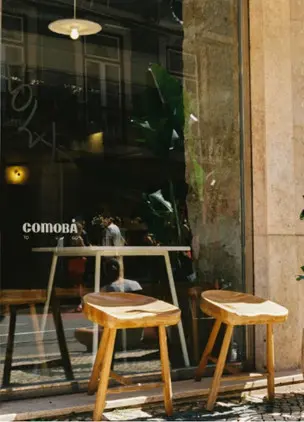
On Rua da Boavista, COMOBÅ sits in a former pharmacy, and the room still carries that structure, tiled walls, long counters, everything laid out with purpose. Coffee and food sit evenly here, with breakfasts, house-made almond milk, and a kitchen that keeps the room moving. Part of Lisbon’s newer café scene, but still tied closely to the neighbourhood around it.
the mill
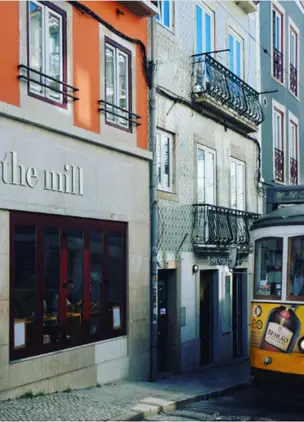
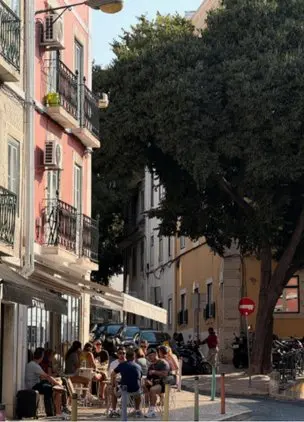
On Rua do Poço dos Negros, The Mill was one of the earlier cafés to bring a more Australian-style breakfast culture into Lisbon. Coffee sits at the centre, with local roasters and a menu that leans heavier than most, eggs, toast, and plates built to start the day properly. The room stays busy, tables close, with a steady mix of locals and visitors. One of the places that helped shape the city’s newer café scene.
Heim Cafe
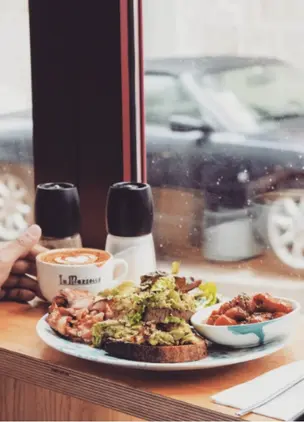
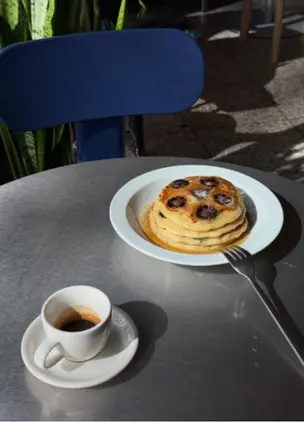
In Santos, Heim was one of the earlier cafés to push Lisbon’s brunch culture forward. Opened by Ukrainian owners, it helped shape the area before all-day breakfast became standard across the city. The room is compact, the kitchen runs steadily, and the menu is built around breakfasts that carry as much weight as the coffee.
How Lisbon Does Cafes
Lisbon’s café scene works because of its range. Seagull Method and The Mill helped shape the city’s earlier brunch culture, bringing slower breakfasts and stronger coffee into neighbourhoods that now build around both. Places like Dramático keep things tighter, more focused on coffee and pastry, while Café da Garagem shifts the format entirely, part theatre, part café, built as much around where you are as what’s on the table. COMOBÅ, Heim, and Hello, Kristof sit firmly in Lisbon’s newer coffee scene, each approaching it differently but adding to the same wider shift in how the city does cafés.
That mix is what makes cafés in Lisbon work. Older habits still hold, espresso at the counter, something sweet on the side, but newer spaces have widened what a café can be here. For what sits around them, our places to eat in Lisbon and wine bars in Lisbon are worth having open, while our best hotels in Lisbon and Lisbon travel guide help shape the rest of the stay.
