The Revel Stay Logo

Paris Travel Guide: Where to Stay, Eat, and Spend Time Properly

A city of detail, good tables, and corners that stay with you.

Paris holds its structure, but it never feels fixed. The foundations are there, cafés, bistros, shops that have been doing things properly for years, but around them the city keeps moving. New ideas settle in quietly, sharper, more considered, without needing to disrupt what already works. You don’t take it in all at once. It comes through returning to the same streets, noticing what’s changed, and what hasn’t.

The rhythm is steady, but not static. Mornings begin slowly, coffee taken without much ceremony, before the day opens up. Afternoons stretch, and by evening the city shifts again, dining rooms filling, bars carrying a different kind of energy. Paris isn’t about choosing between old and new. It’s about how easily the two sit alongside each other.

where to stay in PARIS

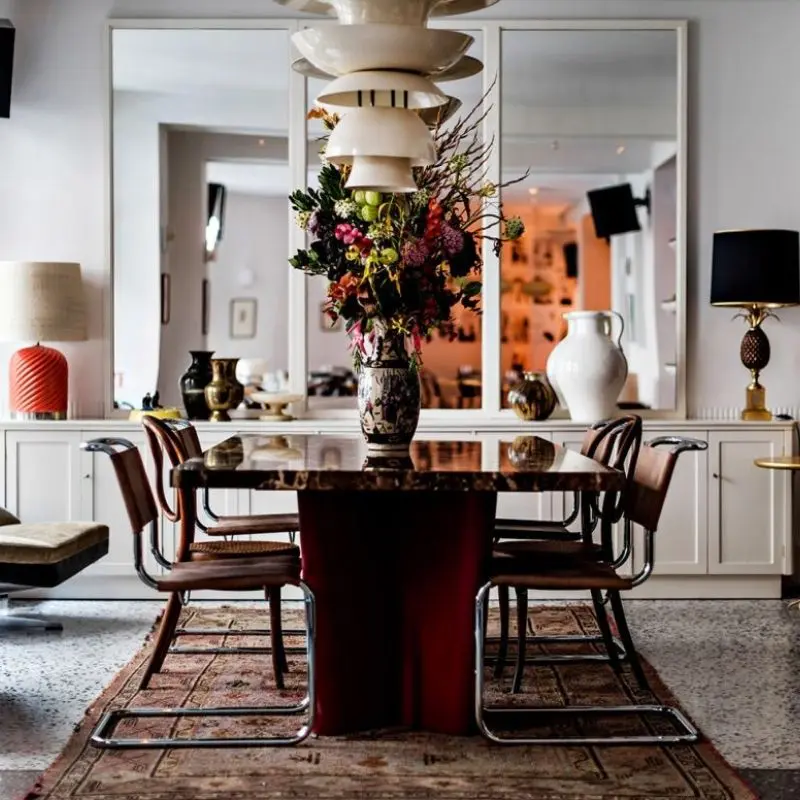
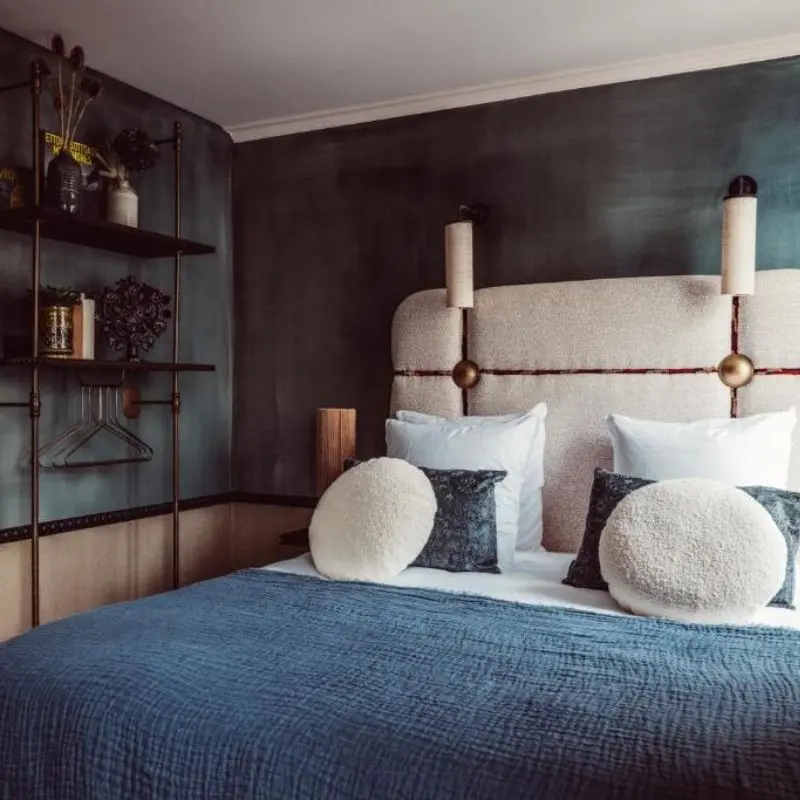
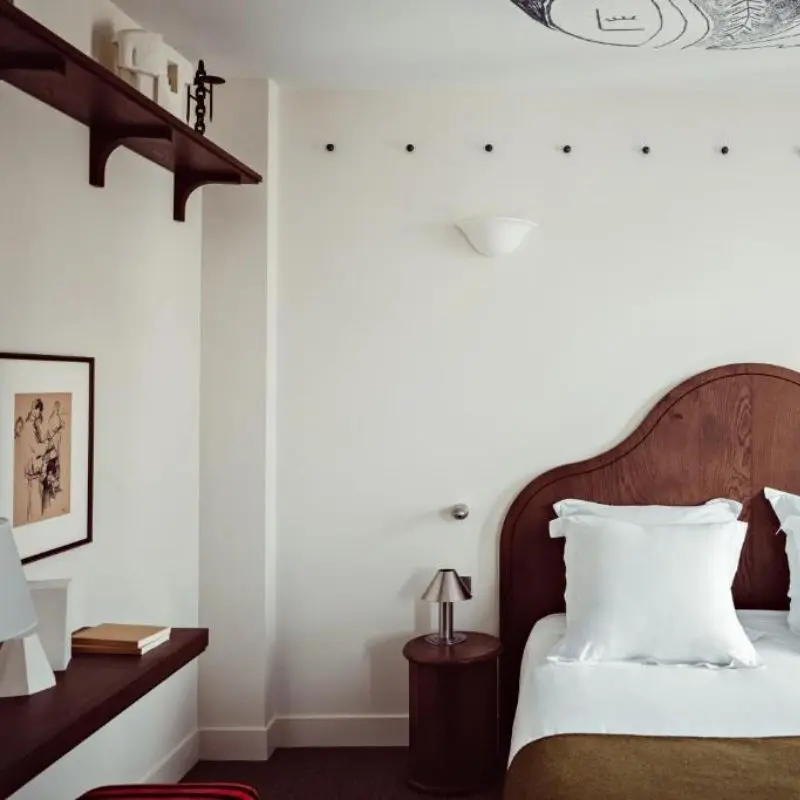
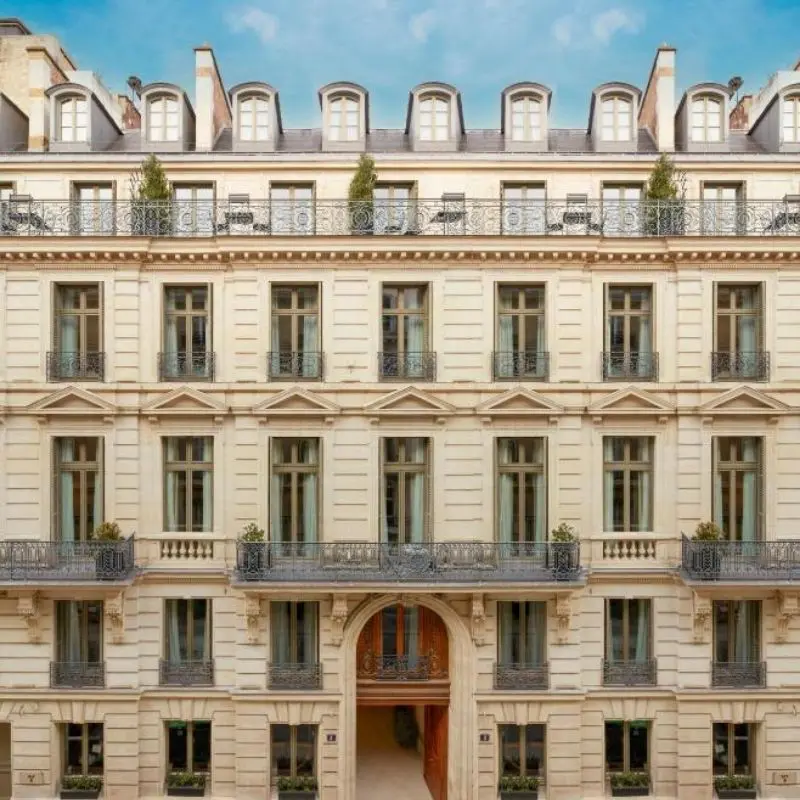
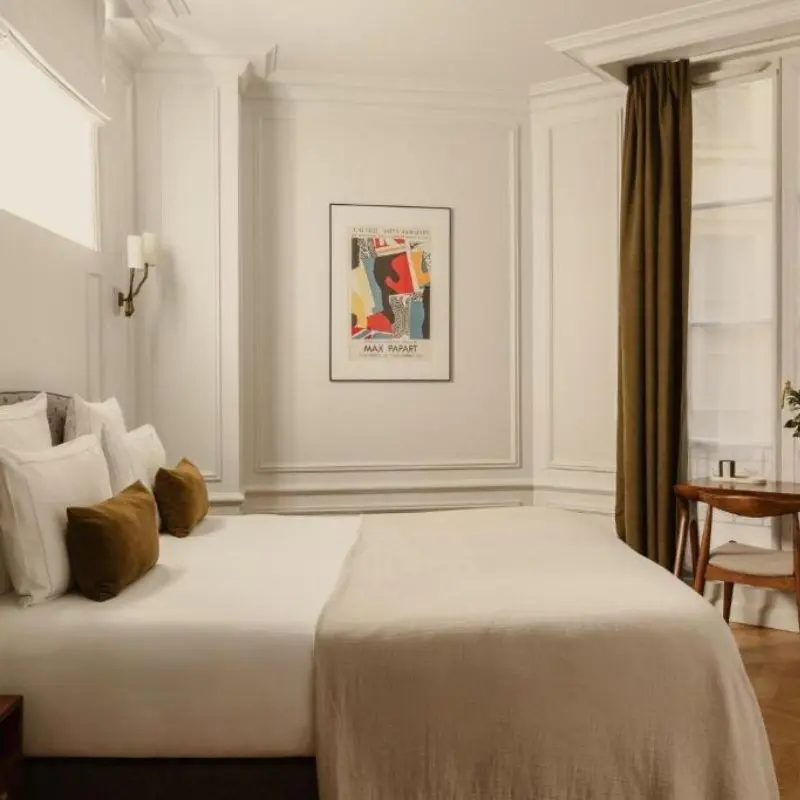
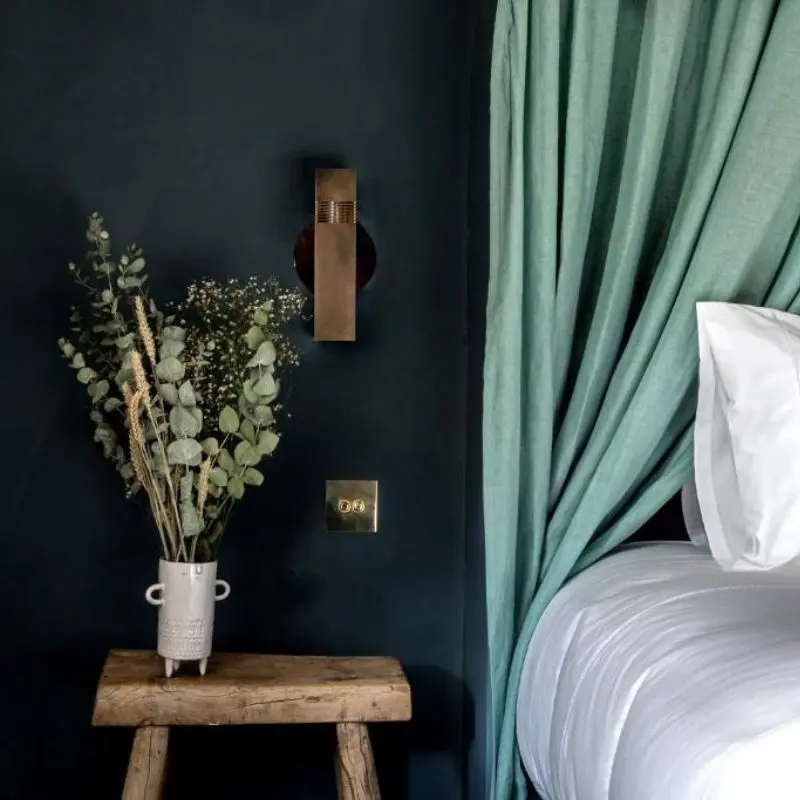
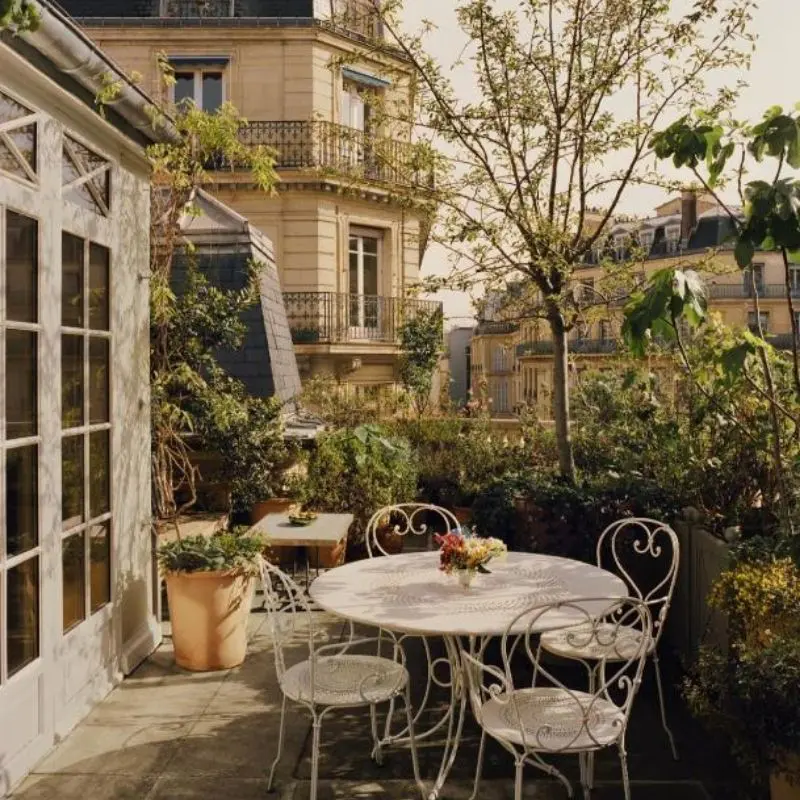
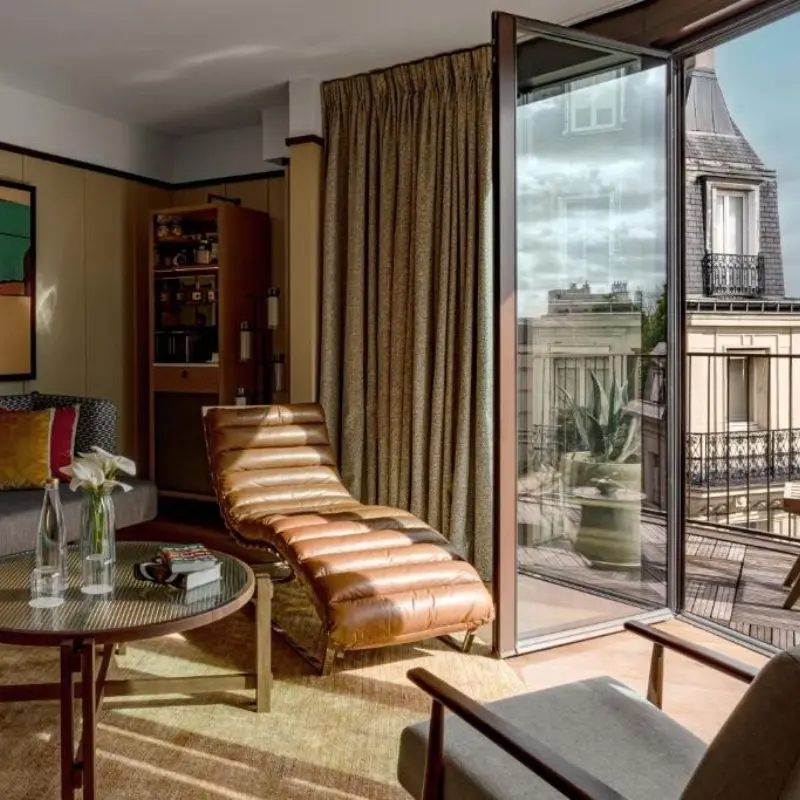
Where you stay in Paris shapes how the city settles around you. The best hotels don’t try to stand out too much. They work because everything is already in place, buildings with history, rooms that feel resolved, and details that have been thought through properly. Around them, a newer generation has found its footing, sharper, more design-led, but still grounded in how Paris works. Get it right and the city opens up in a way that feels natural.

Where to Eat and Drink in Paris

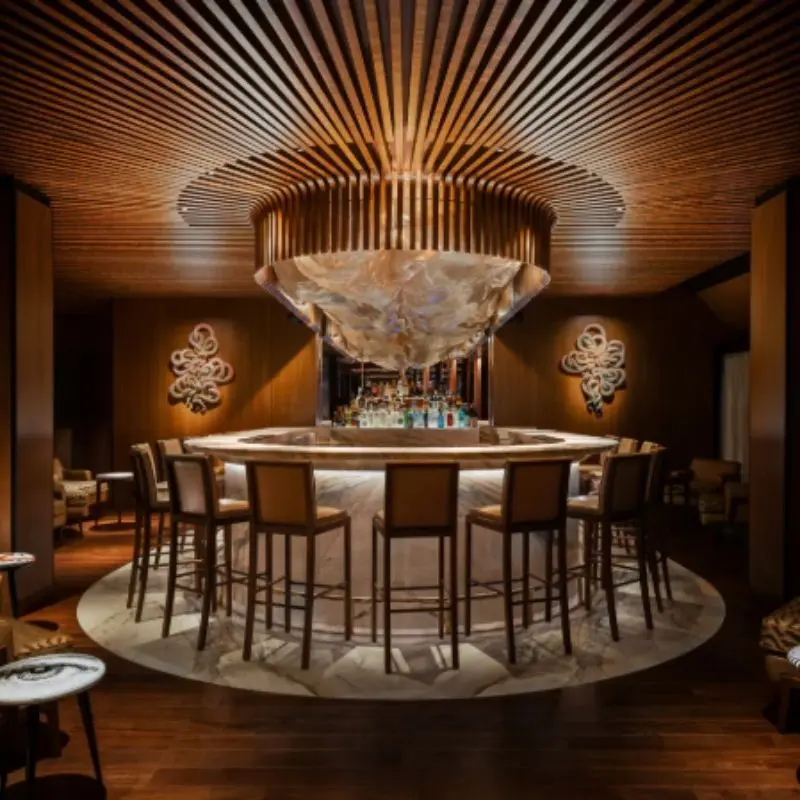
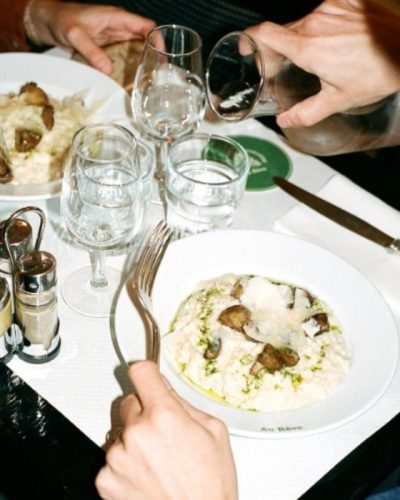
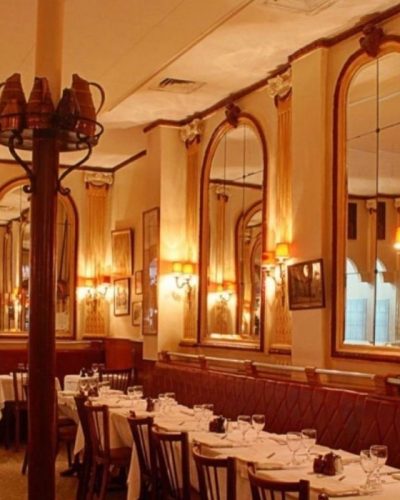
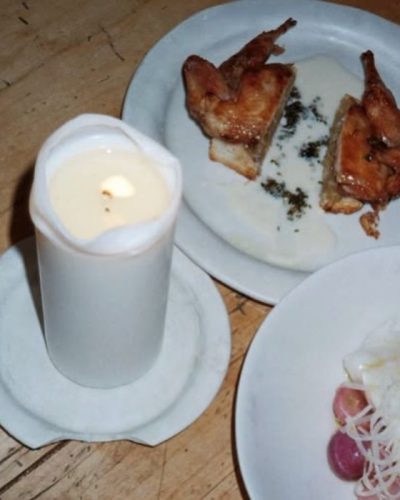
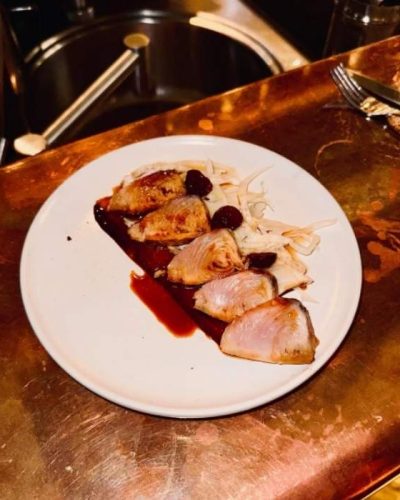
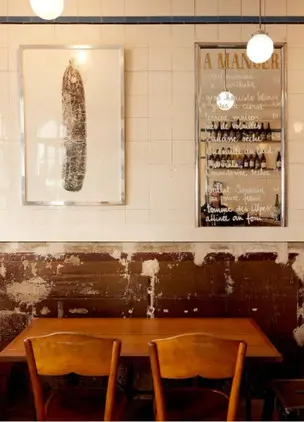
Eating in Paris is built on a standard that hasn’t shifted much. Bistros, wine bars, and dining rooms that have been doing things properly for years still set the tone, and they hold their place. Around them, a newer generation has found its footing, often lighter, more direct, but just as considered. The balance is what defines it. You move between both without really thinking about it, the same habits, just done slightly differently.

Areas to Know in Paris

Paris doesn’t separate itself in obvious ways. One street can feel polished, the next more lived-in, and the shift happens quickly without much warning. Neighbourhoods carry their own pace, but they’re closely tied together, cafés, shops, and dining rooms all sitting within the same rhythm. You don’t need to go far to feel the difference. It’s less about covering ground, and more about noticing how the city changes as you move through it.

Le Marais (3rd/4th Arr.)

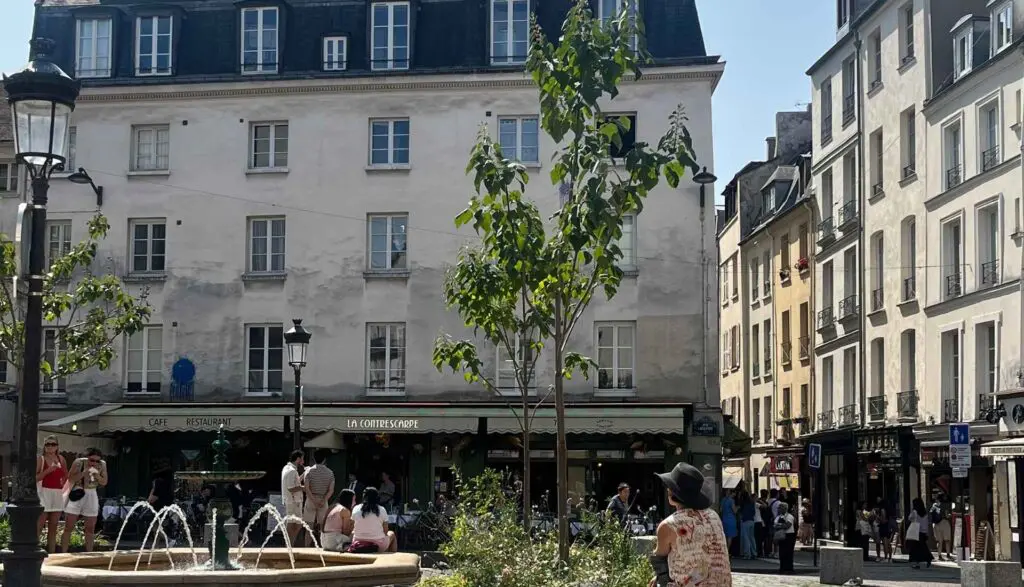
Le Marais carries a certain polish, but it doesn’t feel fixed. Streets move between galleries, shops, and smaller cafés that sit just out of view. It’s in the in-between moments where it settles, a table taken without planning, a quiet courtyard, a street that slows unexpectedly. Come earlier in the day or midweek when the pace softens. It holds more when you’re not trying to see everything at once.

Paris Travel Guide La Marais
Paris Travel Guide Canal Saint-Martin

Canal Saint-Martin (10th Arr.)

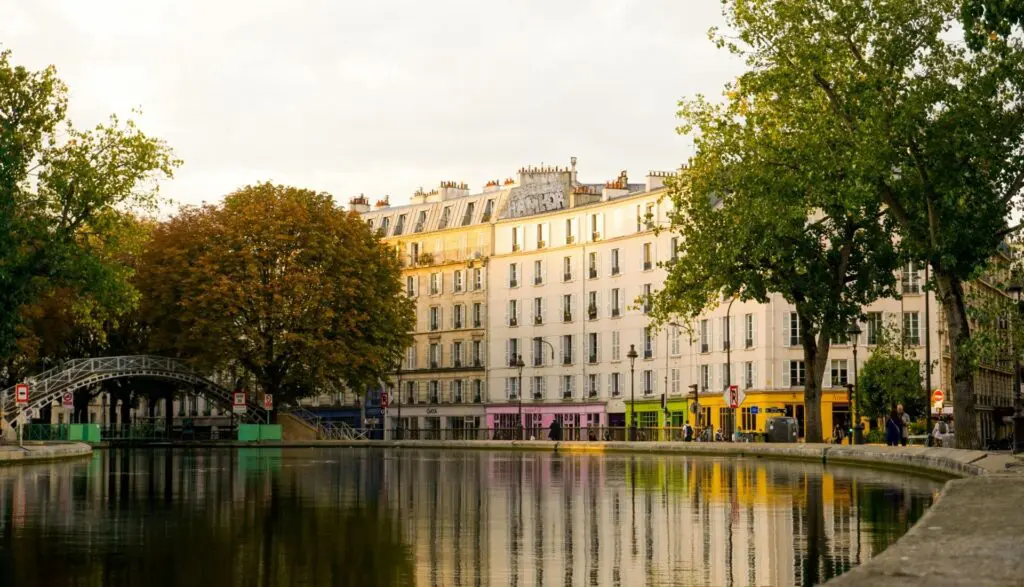
Canal Saint-Martin moves more loosely. Mornings begin slowly along the water, boulangeries opening, people taking their time. The streets carry a mix of older shopfronts, wine bars, and smaller spaces that feel slightly less resolved. It doesn’t try too hard, and that’s what makes it work. You don’t need a plan here, just time to move through it properly.

Left Bank

The Left Bank keeps a different rhythm. Less immediate, more settled, shaped by routine rather than movement. Bookshops, cafés, and quieter streets sit alongside each other without much need to change. Move beyond the main routes and it softens further, small squares, older façades, places that feel unchanged. It suits slower days, when you’re not looking for much beyond somewhere to sit and stay.

Pais Travel Guide Left Bank
Paris Travel Guide South Pigalle

South Pigalle (9th Arr.)

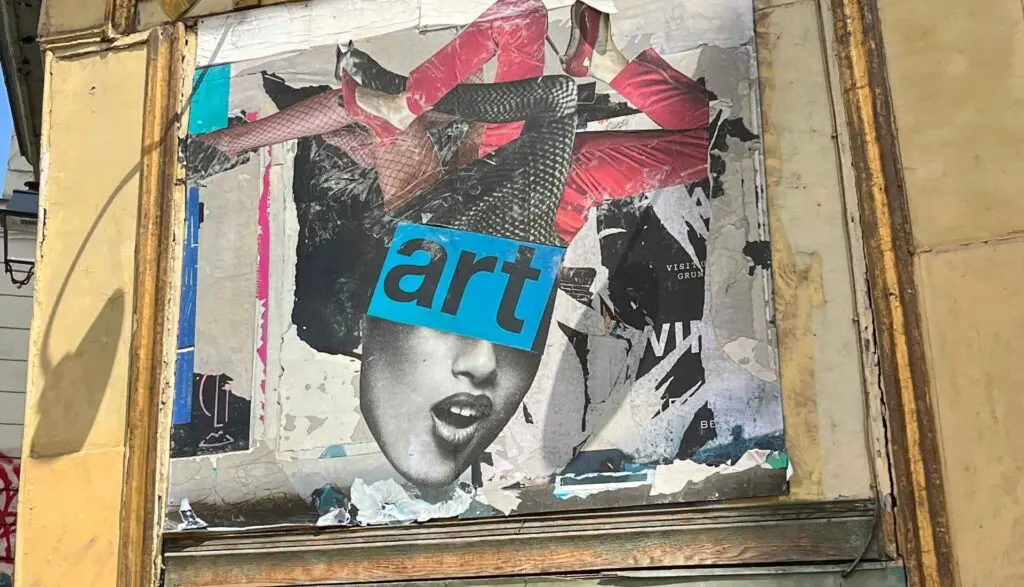
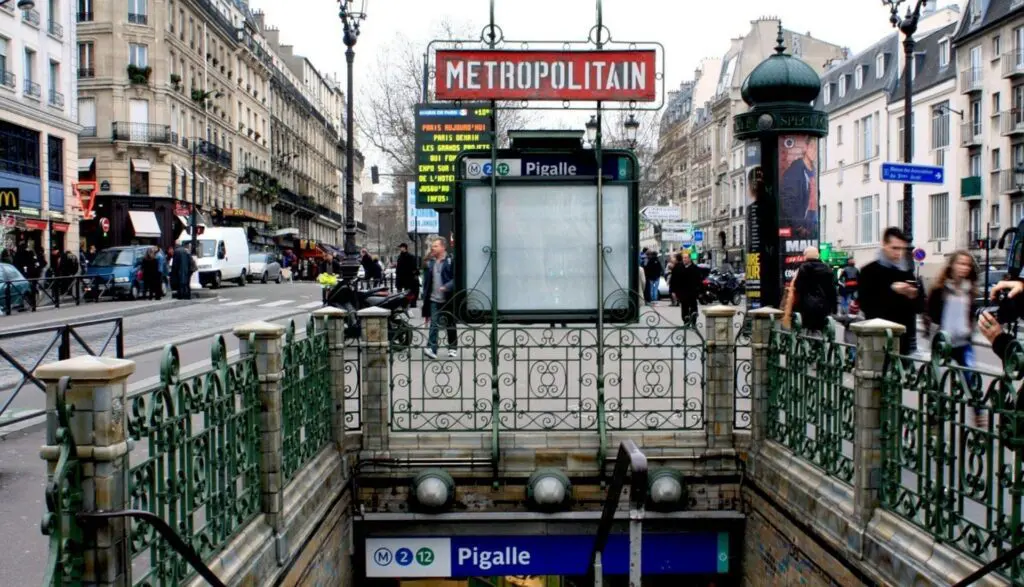
South Pigalle feels more direct. The structure is still there, but the energy has shifted slightly, restaurants, wine bars, and smaller spaces that carry a sharper edge. It’s one of the areas where newer Paris has found its place without losing the foundation. Evenings hold it best, when the pace picks up and the rooms begin to fill.

More destinations

Rome Travel Guide

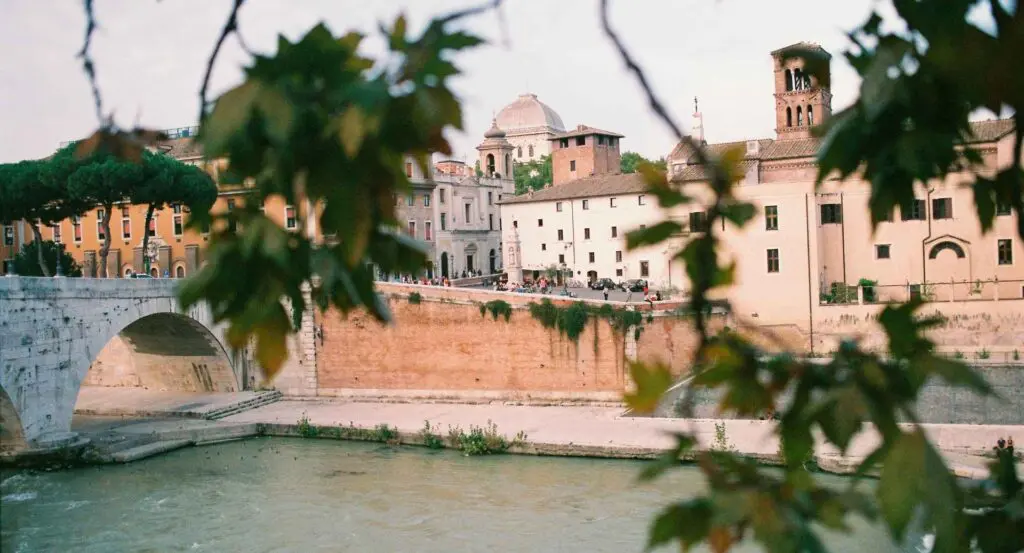
You’ll love Rome if you want a city that lives inside its history rather than around it. Days unfold between espresso bars, markets, and long lunches, with beauty built into the everyday. It’s layered, generous, and deeply human, a place where wandering always leads somewhere meaningful.

Amsterdam Travel Guide

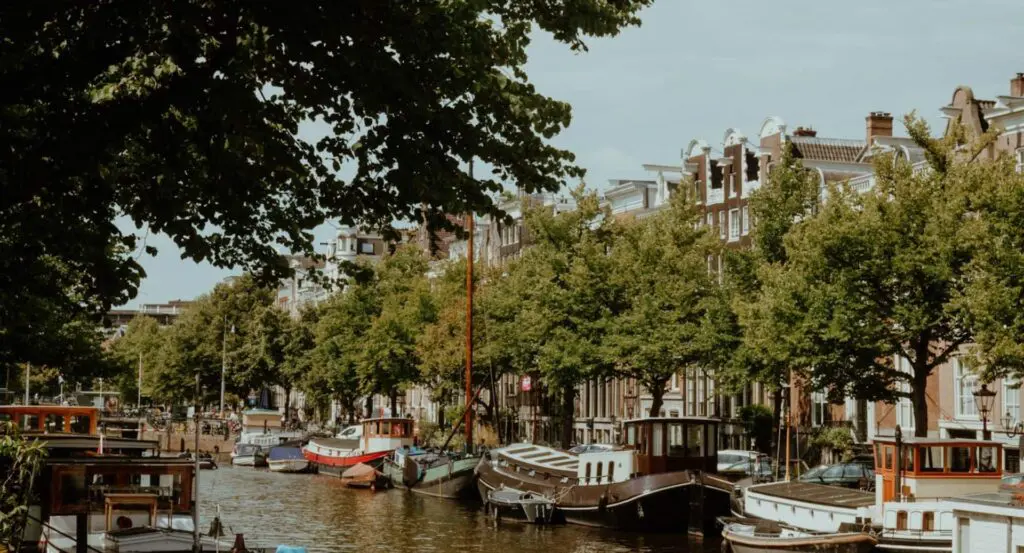
You’ll love Amsterdam if you want a city escape with soul. It moves to its own rhythm: bicycles gliding past canals, mornings shaped by good coffee, an evolving food scene, and art and music woven naturally into everyday wandering.

Madrid Travel Guide

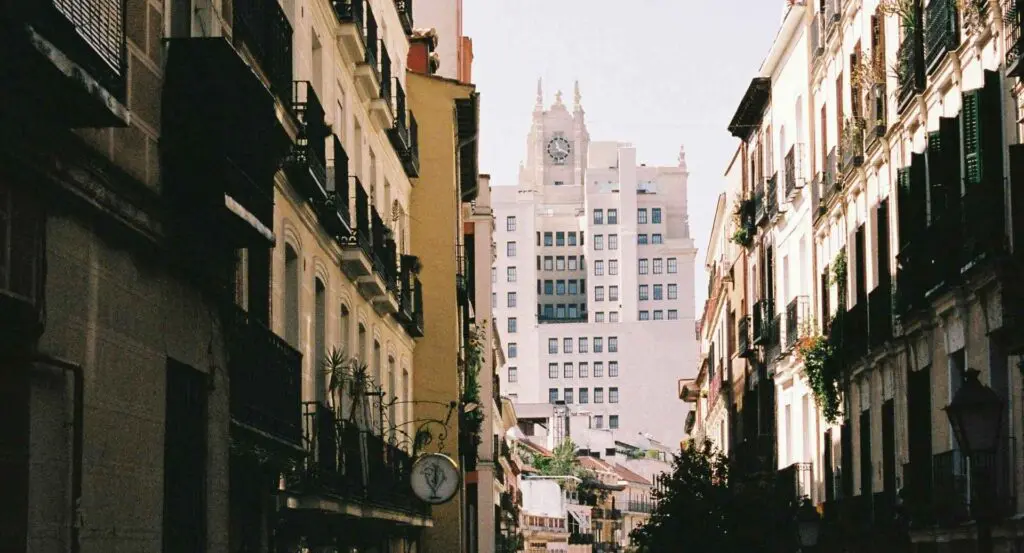
Madrid holds its rhythm differently. Days stretch, evenings gather, and much of the city happens around the table. From traditional dining rooms to newer spaces with a lighter touch, everything feels social, unforced, and built to last longer. It’s a city that settles into itself.

Lisbon Travel Guide

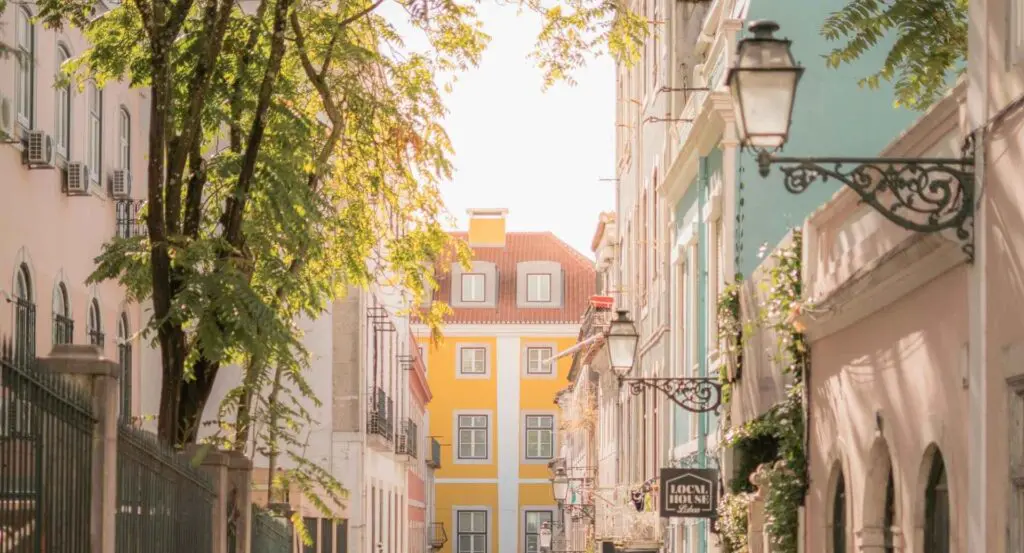
Lisbon moves on its own terms. Days stretch across hills, tiled streets, and sun-warmed terraces, shaped by seafood lunches and slow afternoons. There’s creativity everywhere, but it never feels forced. It’s warm, soulful, and easy to settle into without trying.

Staying In Paris

FAQ: Paris Travel Guide

How do you get around Paris?

Paris is easy to explore without a car. The Metro connects almost everywhere, and walking often reveals more than any route map can. Buses and bikes make short trips simple, and taxis or rideshares are easy to find when you need them.

Spring and autumn are ideal. The weather is mild, parks are in bloom or turning golden, and the city feels alive without the summer crowds. Winter brings soft light, long dinners, and fewer visitors.

Three or four days gives a good first impression, but a week or more lets you settle in and see the city’s rhythm. Paris rewards time, mornings in cafés, afternoons that drift, and evenings that stretch into conversation.

For classic Paris, stay in Saint-Germain-des-Prés or Le Marais. For creativity and edge, try South Pigalle or Canal Saint-Martin. The Left Bank offers calm elegance, while the Right Bank brings energy and modern design.

It can be, but it depends where you look. You can find great food, style, and hospitality at every level. Bistro menus, local wine bars, and small design hotels often feel more special than the luxury spots.

Varied and full of character. Traditional bistros still thrive alongside natural wine bars, chef-led spots, and neighbourhood bakeries that define daily life. Paris cooks with confidence, not trend.

Yes. Paris is generally safe and easy to navigate. Take normal precautions, especially in crowded tourist areas or on public transport. Most neighbourhoods feel comfortable to walk through day and night, and locals are used to helping visitors find their way.