Madrid Travel Guide: Boutique Hotels, Design Stays, and Places to Eat

A city of late dinners, soft light, and rooms that hold their own

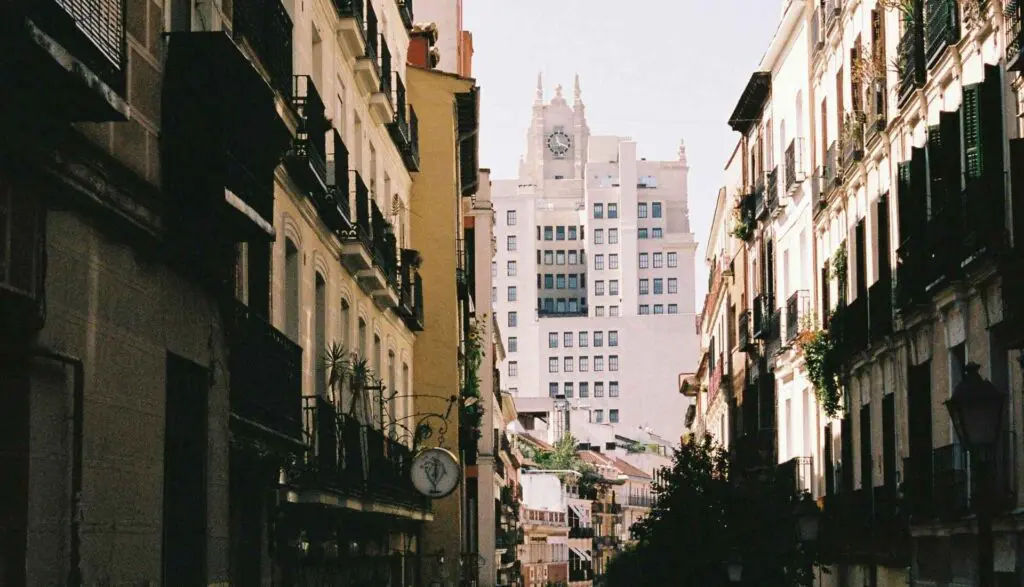
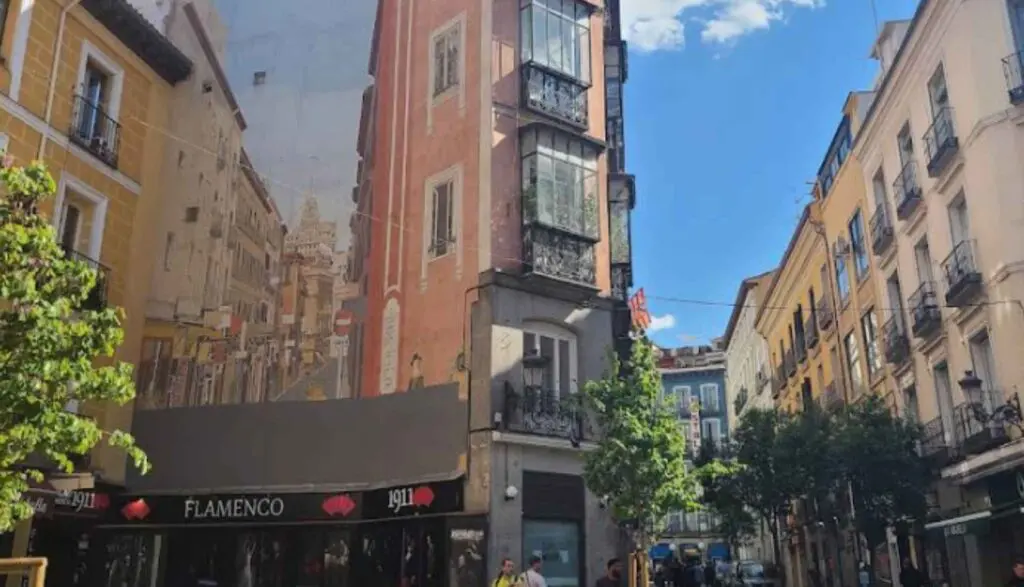
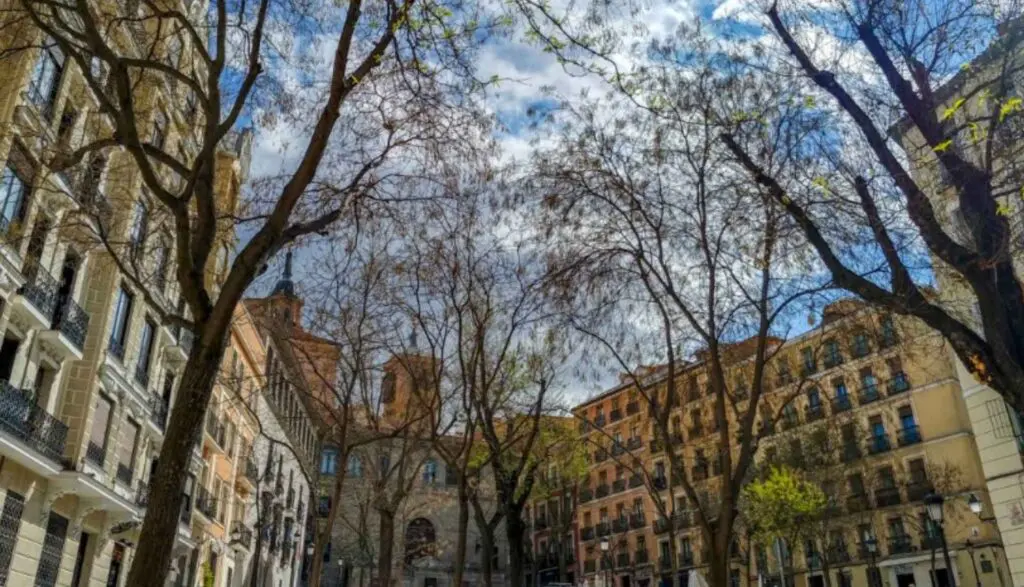
Madrid runs on a different clock. Mornings take their time, afternoons stretch, and the city only fully comes into its own after dark. Life happens in restaurants, on terraces, and in neighbourhoods that shift from quiet to full without warning. This Madrid travel guide shares where to stay in Madrid, along with the best hotels, restaurants, and neighbourhoods chosen for how they connect to the city’s rhythm, social, unhurried, and deeply rooted in place.

Design here is less about statement and more about atmosphere. Spaces feel lived in, shaped by light, material, and a certain ease that carries through everything. Madrid doesn’t try to impress. It invites you in, keeps you longer than planned, and quietly resets your sense of time.

Where to Stay in Madrid

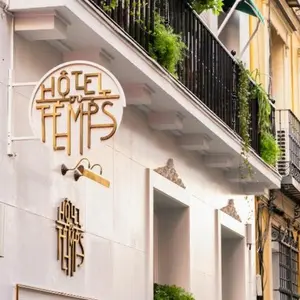
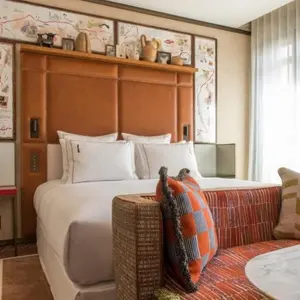
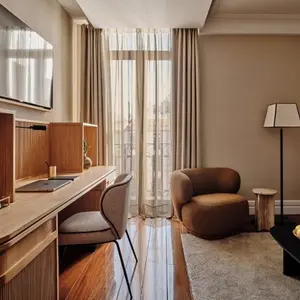
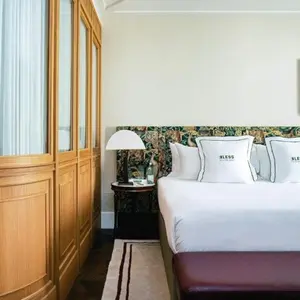
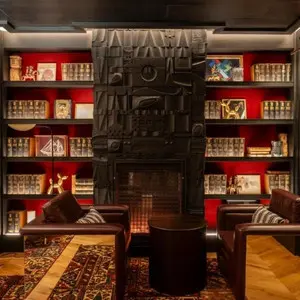
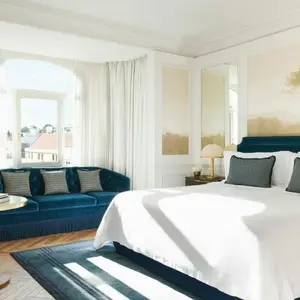
Madrid reveals itself through where you choose to stay. Some neighbourhoods hold onto a slower, more residential rhythm, while others sit closer to the centre, where everything builds toward the evening and the city moves at its most direct. The best hotels in Madrid understand that shift. They are shaped by their surroundings, by light, material, and the way life actually unfolds here, not set apart from it. Choose well and the city settles around you. Choose poorly and you spend your time moving through it without ever quite arriving.

If you want to go deeper, these pages break Madrid down properly, from design-led boutique hotels to more relaxed apartment stays and well-priced options that still hold their own.

Where to Eat and Drink in Madrid

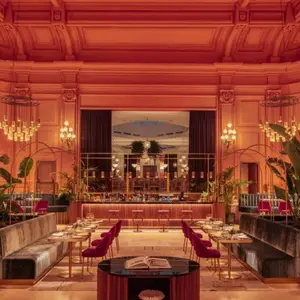
Madrid has always been shaped by food. Some of the best rooms haven’t changed in years, traditional, steady, and still moving to the same rhythm. Alongside them, a newer generation of kitchens and wine bars has found its place, more relaxed, more experimental, but never disconnected from how the city actually eats and drinks.

Both sit comfortably together. The edit here moves between them, from older dining rooms that still hold their ground to newer spaces that bring a different kind of energy without forcing it.

Casa Salesas, Interior Shot, Madrid
@casasalesas

01. Casa Salesas

C. de Fernando VI, 6, Centro

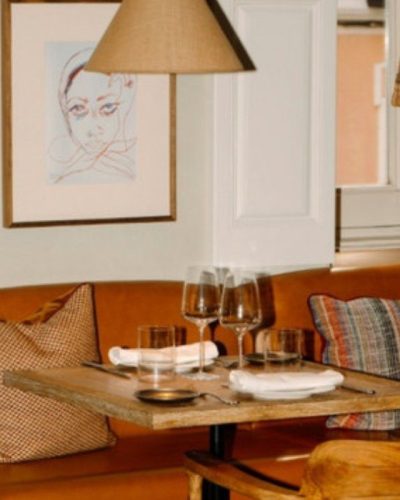
A polished but relaxed space that moves easily from café to late-night restaurant, Casa Salesas draws a well-dressed local crowd. Mediterranean plates are made for sharing and for meals that stretch naturally into the evening.

Taberna La Carmencita, Selection of food, Madrid
@tabernalacarmencita

02. Taberna La Carmencita

C. de la Libertad, 16, Centro

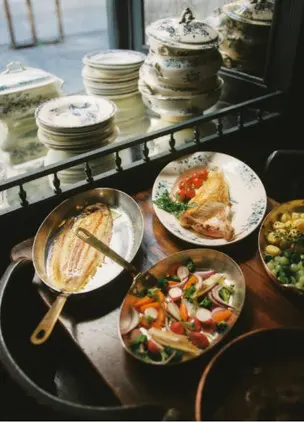
One of Madrid’s older dining rooms, still firmly relevant. Traditional dishes are handled with care without feeling stuck in the past, served in a compact space that stays busy and rarely needs explaining.

Masa Bar Sign Interior, Madrid
@masa.vins

03. MASA

C. de Trafalgar, 22, Chamberí

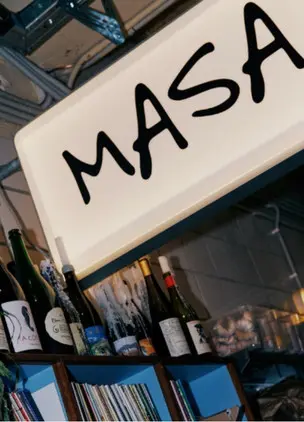
Stripped back and precise, MASA focuses on low-intervention wines from smaller European producers, with a short food offering that never distracts. The space is minimal, the approach confident, and quietly self-assured.

Gabo’s, Food, Madrid
@gabosmadrid

04. Gabo’s

C. de Prim, 5, Centro

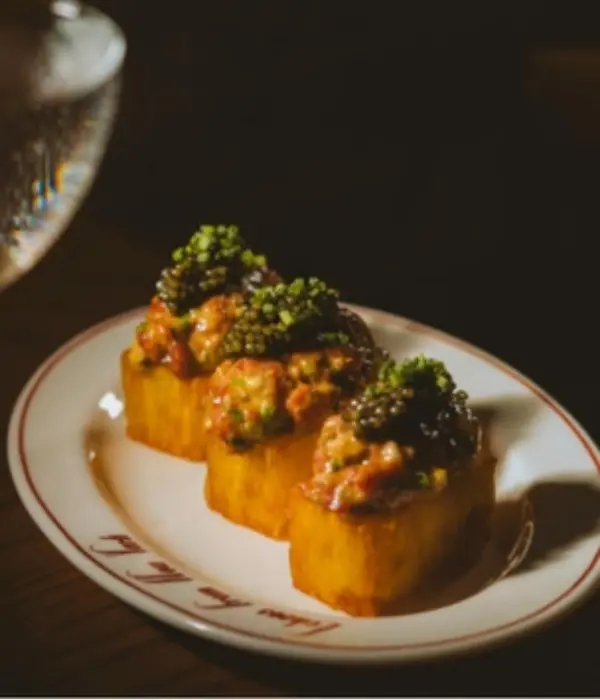
Smaller and more personal, Gabo’s is built around seasonal, ingredient-led cooking with a menu that shifts just enough to stay interesting. The atmosphere is calm and confident, the kind of place you return to quietly.

If you want to go deeper, these edits break Madrid down properly, from long-table restaurants to smaller wine bars where the night tends to stretch.

Areas to Know in Madrid

Madrid doesn’t organise itself in obvious ways, but certain areas shape how the city is experienced. Some carry more energy, others hold onto a slower, more residential rhythm, yet all move as part of the same continuous flow. Cafés, galleries, and streets intertwine, not in contrast, but in balance, forming a city that reveals itself gradually, through movement, through time, and through where you choose to spend it.

Malasaña

Malasaña carries Madrid’s more creative energy. Streets shift between vintage stores, smaller galleries, and cafés that spill outward as the day unfolds. There is a looseness to it, nothing too structured, nothing overly resolved. It’s where the city feels more expressive, but still grounded in its own rhythm, never trying too hard to define itself.

Barrio de las Letras

Barrio de las Letras moves more quietly. Shaped by its literary past, the area holds onto a sense of culture without making it feel fixed. Galleries, bookshops, and slower streets sit just outside the city’s faster pace, creating a balance that’s easy to settle into. It’s one of those areas where Madrid feels more considered, but never distant.

La Latina

La Latina is where Madrid gathers. Streets narrow, tables extend outward, and the day moves naturally into the evening without much separation between the two. The energy builds slowly, shaped by food, conversation, and a rhythm that feels unchanged. It’s one of the clearest expressions of the city, social, grounded, and always in motion.

More destinations

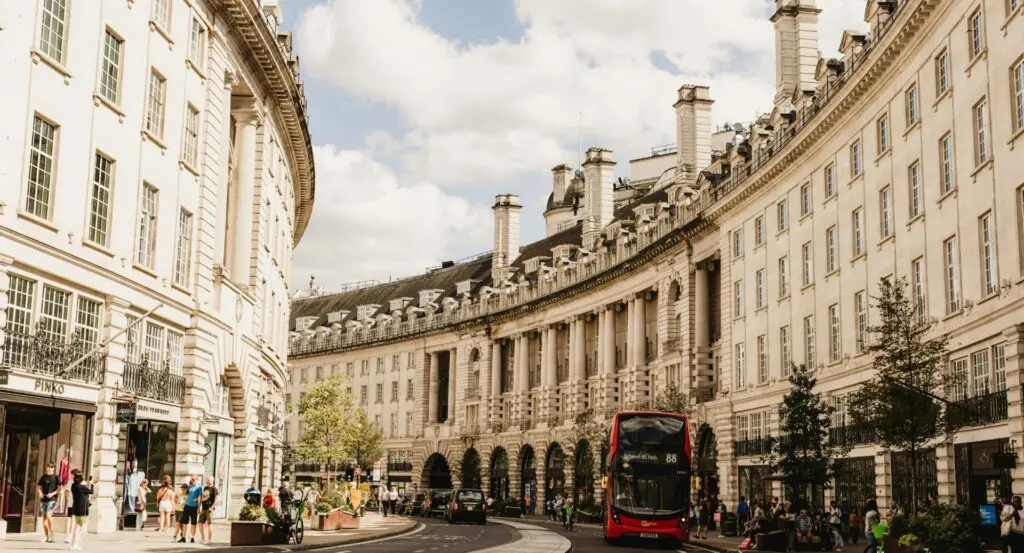
PARIS TRAVEL GUIDE

We love Paris for everything that happens between the highlights. The neighbourhood cafés, late dinners, galleries down side streets, and design that feels effortless rather than styled. It’s creative, romantic without trying, and full of moments that stay with you long after you leave.

LONDON TRAVEL GUIDE

London rewards curiosity. Each area has its own mood, from local pubs and wine bars to small restaurants doing exciting things quietly. It’s a city of substance as much as style, where design, food, and culture feel thoughtful, layered, and constantly evolving.

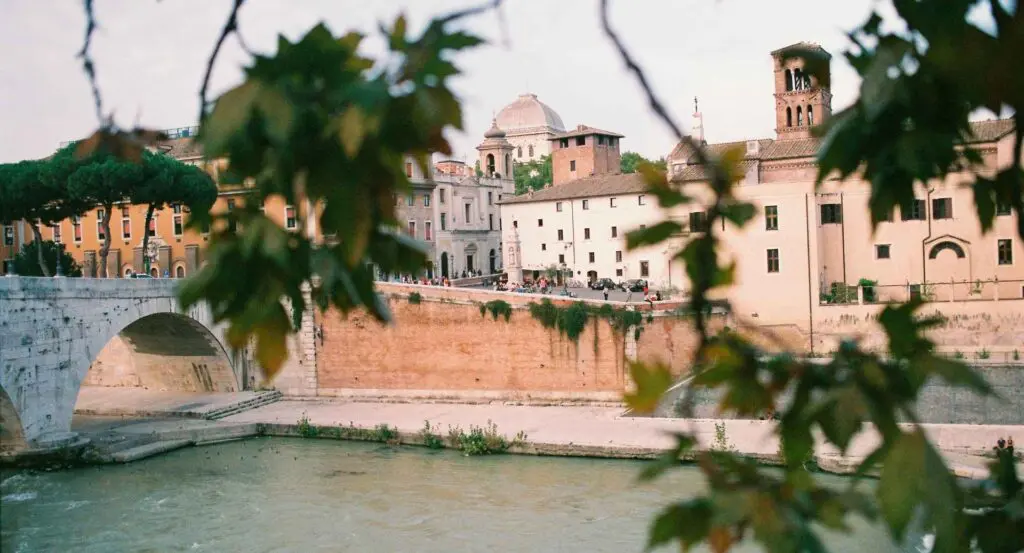
ROME TRAVEL GUIDE

You’ll love Rome if you want a city that lives inside its history rather than around it. Days unfold between espresso bars, markets, and long lunches, with beauty built into the everyday. It’s layered, generous, and deeply human, a place where wandering always leads somewhere meaningful.

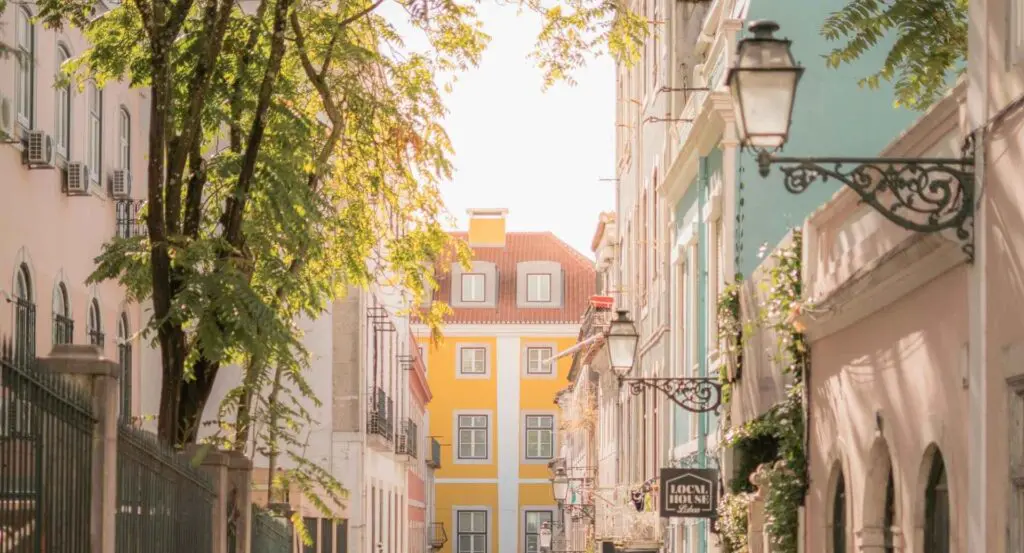
Lisbon Travel GUide

Lisbon moves on its own terms. Days stretch across hills, tiled streets, and sun-warmed terraces, shaped by seafood lunches and slow afternoons. There’s creativity everywhere, but it never feels forced. It’s warm, soulful, and easy to settle into without trying.

FAQ: Madrid Travel Guide

Where is the best area to stay in Madrid?

It depends on how you want to experience the city. Malasaña offers a more creative, fast-moving atmosphere, while Salamanca is quieter and more structured. Barrio de las Letras sits somewhere in between, central, walkable, and easier to settle into without feeling overwhelmed.

Yes, if they’re chosen carefully. The best boutique hotels in Madrid feel connected to their neighbourhoods, shaped by materials, light, and the way the city actually moves. They offer a more grounded way of staying compared to larger, more generic hotels.

Later than most expect. Lunch often runs into mid-afternoon, and dinner rarely starts before 9pm. The best places build gradually, so arriving too early can feel out of step with the room.

Very much so. Madrid’s food culture is long established, with traditional dining rooms sitting comfortably alongside newer restaurants and natural wine bars. What stands out is how naturally both exist together, without feeling forced.

Both work, depending on the pace you’re looking for. Hotels offer a more structured experience, often tied to food and atmosphere, while Airbnbs can give you more space and a quieter base, especially in residential neighbourhoods.

Three to four days is usually enough to understand the city properly. Madrid isn’t about rushing between sights, it’s about settling into its rhythm, allowing time for long meals, slower mornings, and evenings that extend without much structure.