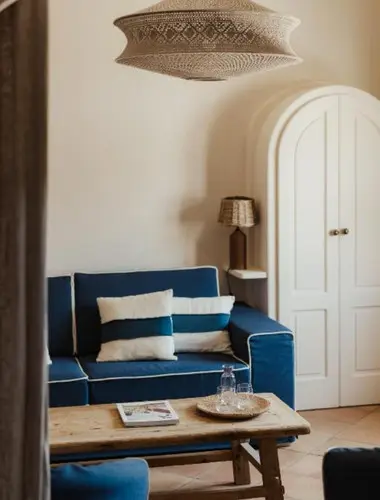
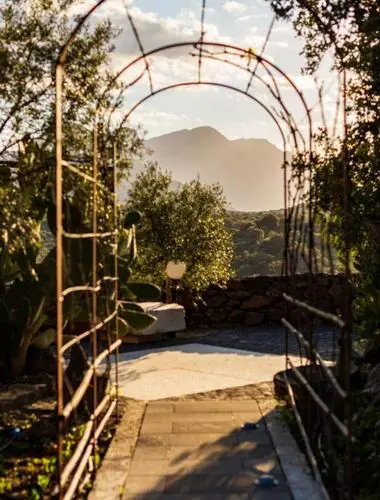
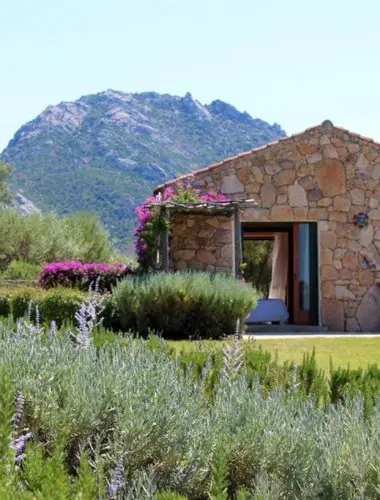
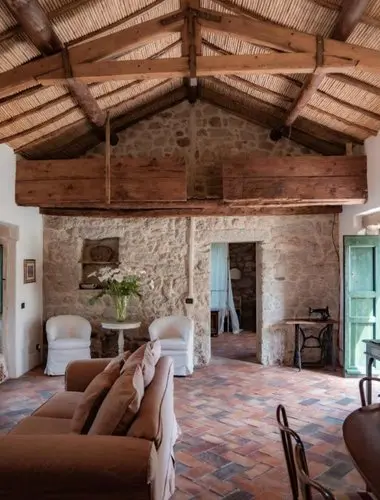
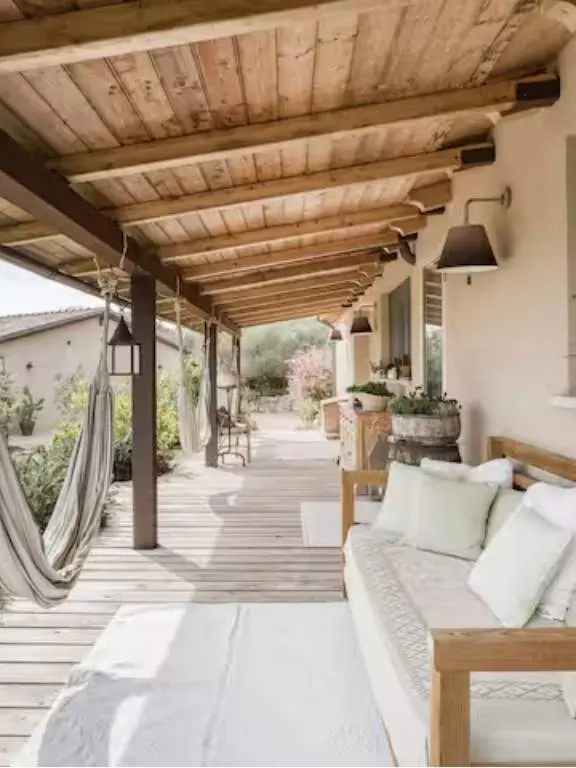
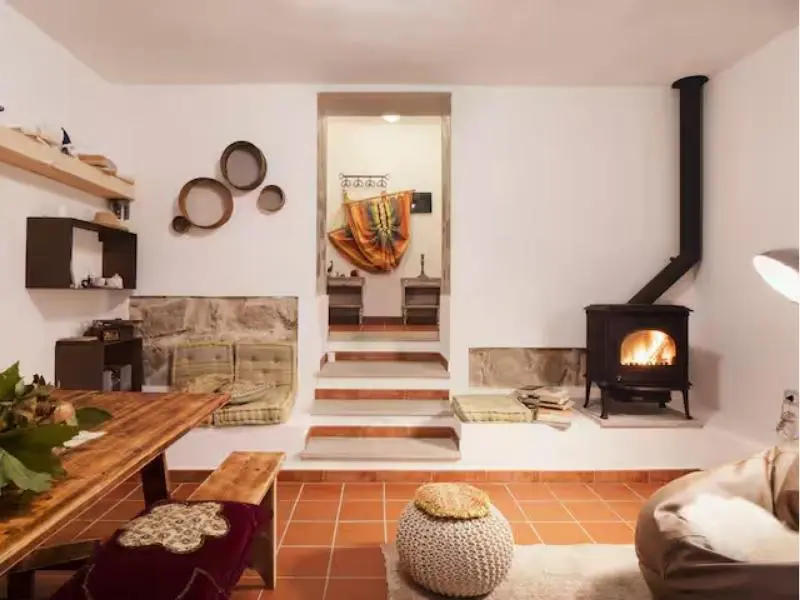
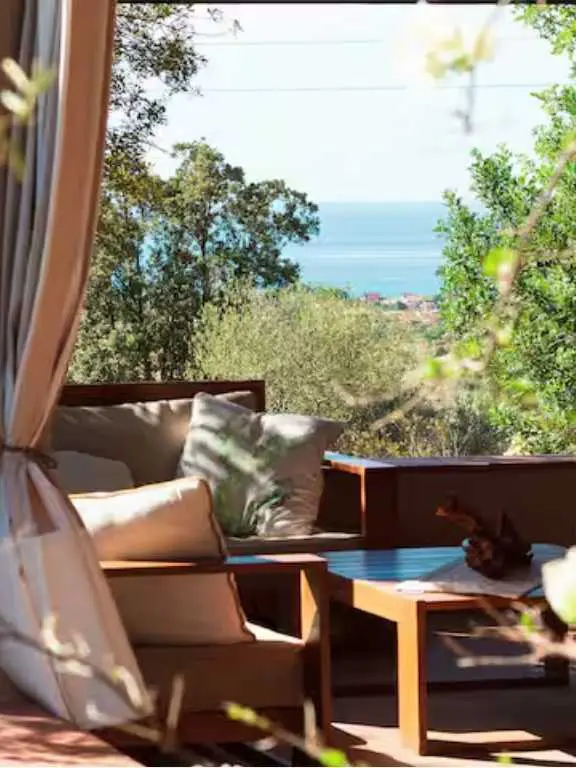
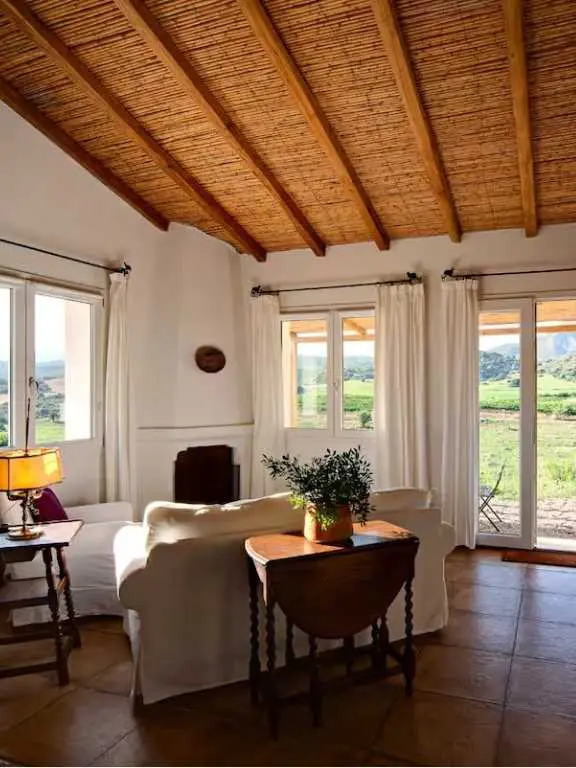
In Sardinia, a hotel is a territorial decision. Gallura pairs granite coves and the Maddalena archipelago with inland stazzi, gardens and working harbour towns. Barbagia turns away from the sea towards shepherd country, Lake Cedrino and the limestone Supramonte. The south stretches farther, through vineyards, mining roads and the dunes of the Costa Verde. Distances are real and evening options can be limited. Choose for the land, food and roads around the property; the beach alone explains very little.

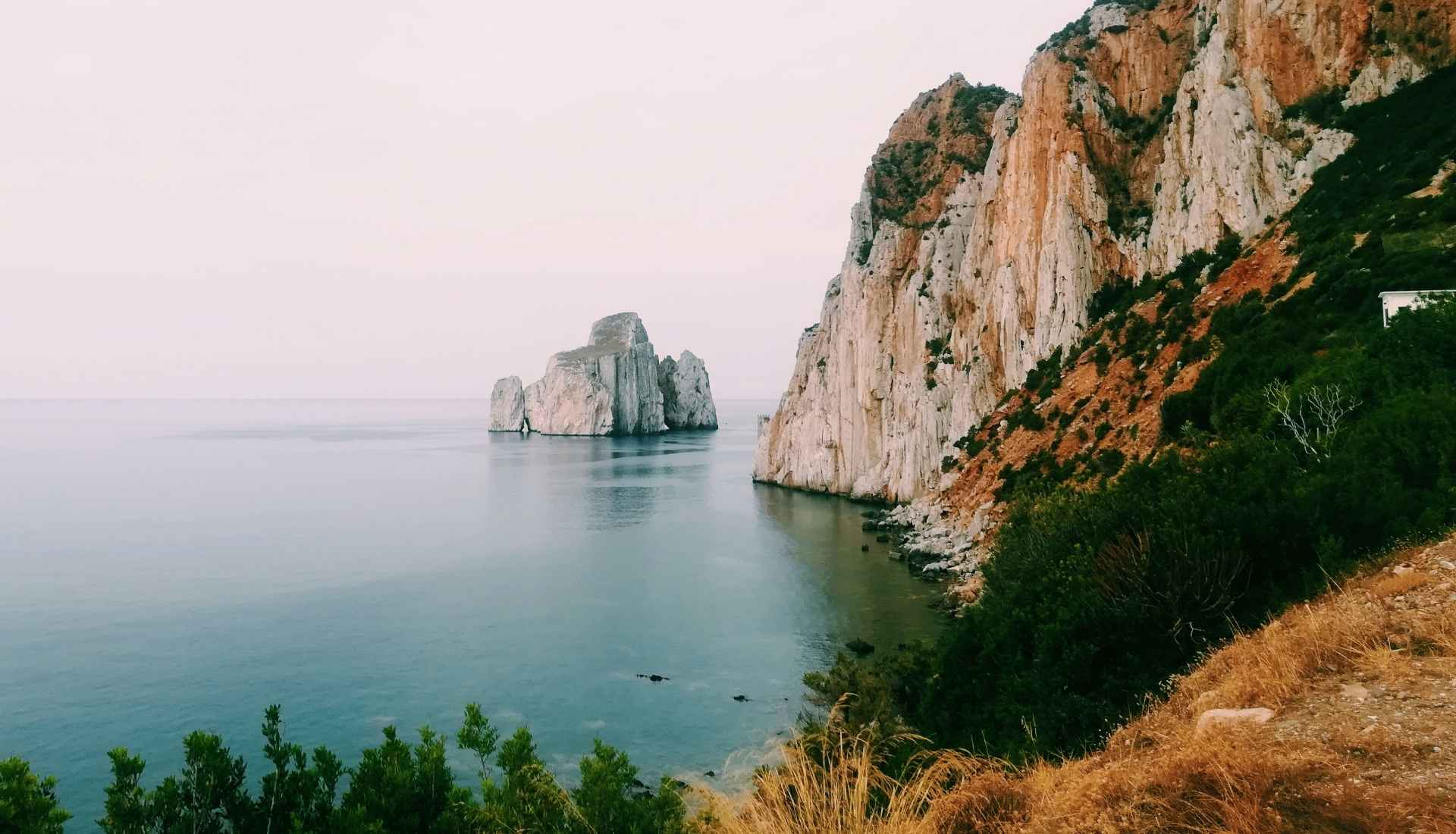
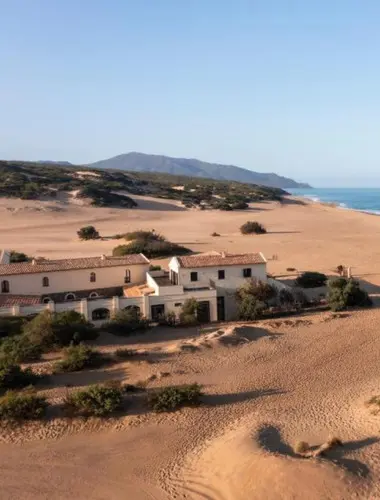
Wild dunes, working wine country and long coastal roads beyond Cagliari’s easy orbit.

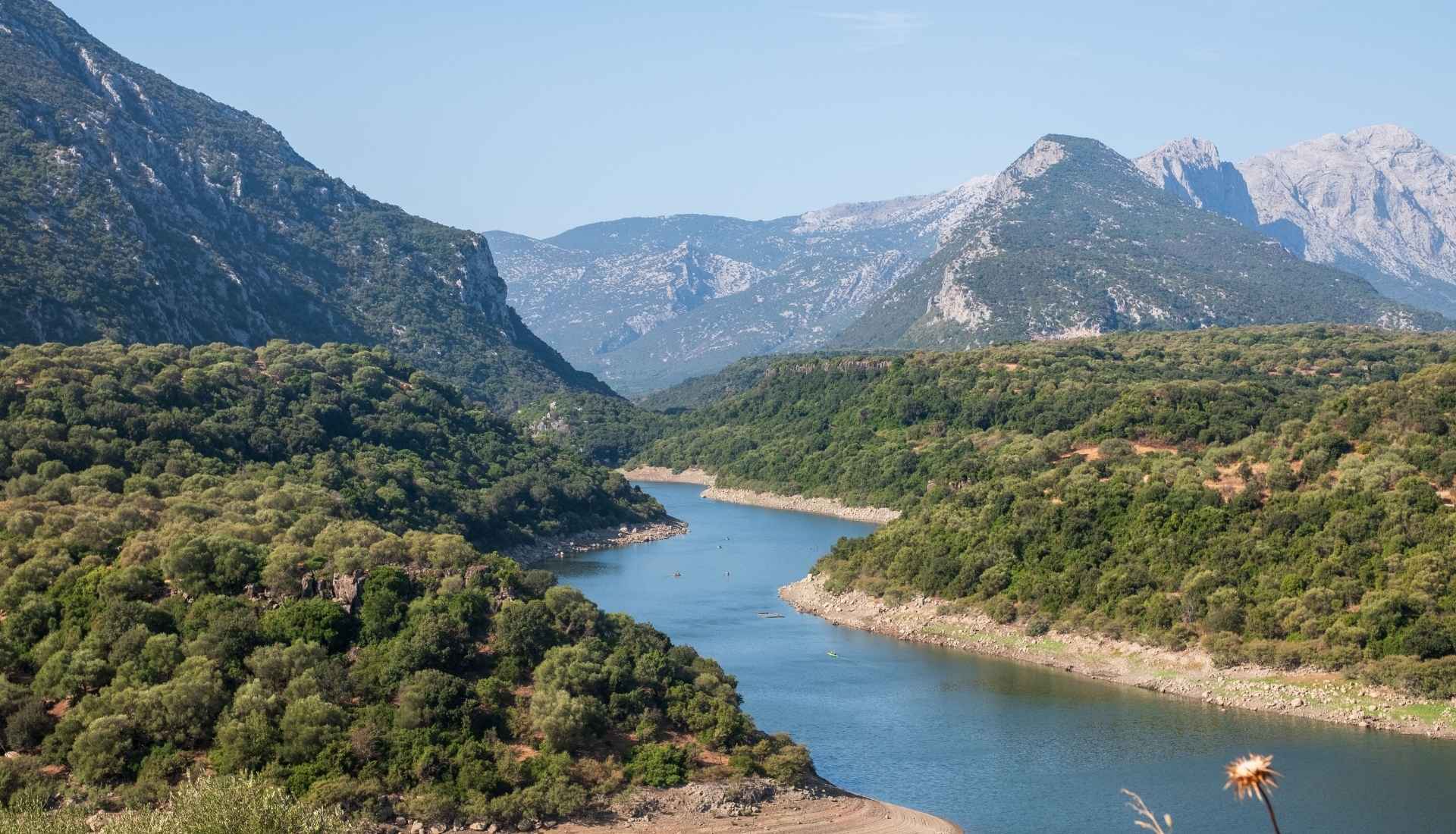
Shepherd country, limestone mountains and an inland Sardinia that expects active participation.

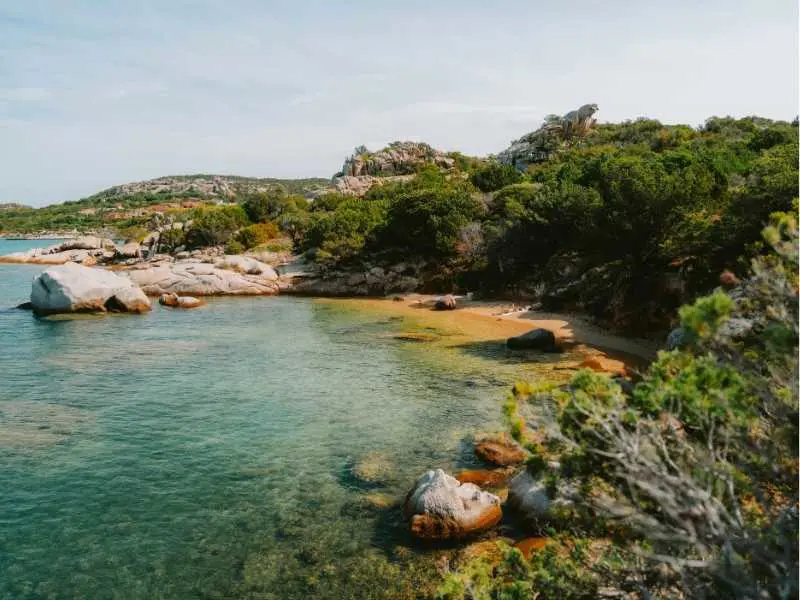
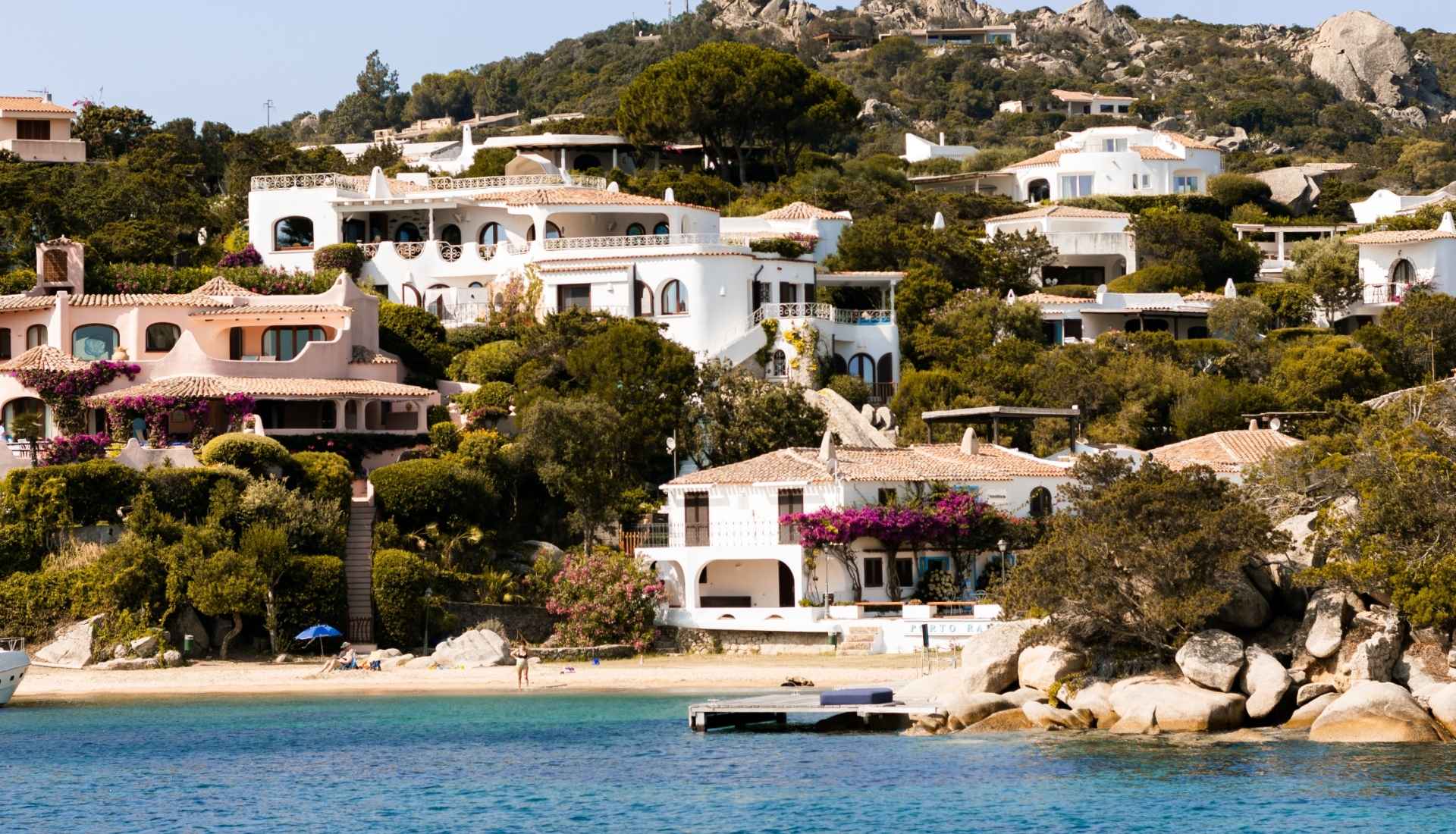
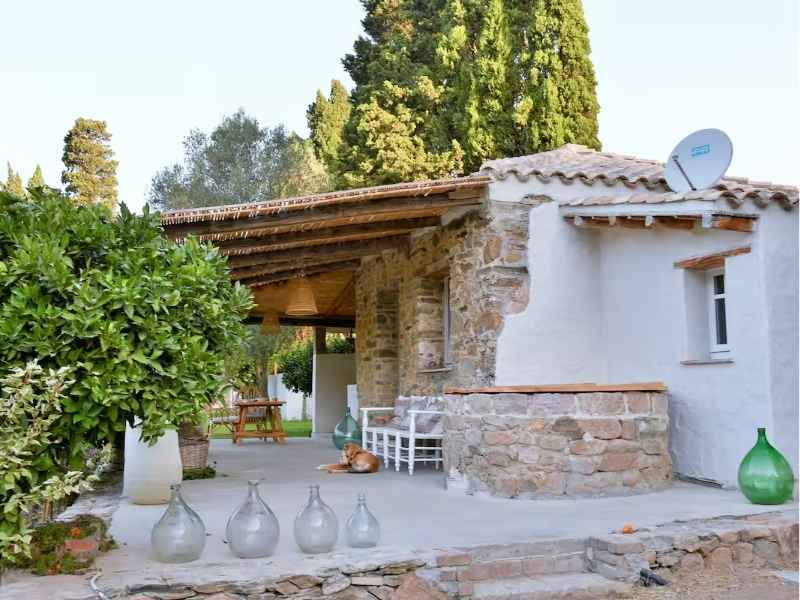
Granite country, working coastal towns and rural stazzi behind Sardinia’s most famous shoreline.
Gallura offers the easiest introduction if you want granite coves, boat trips through the Maddalena archipelago and strong rural hotels within reach of Olbia. South Sardinia suits travellers arriving through Cagliari who prefer wilder beaches, wine country and fewer polished resort towns. Barbagia belongs to a different trip entirely, built around mountains, pastoral food and the island’s interior culture. Choose the territory before the hotel. Sardinia is too large for one property to cover convincingly.
Stay near the coast when swimming, boats and the condition of the sea should determine the day. Move inland when food, farming, craft and the landscape behind the beaches interest you just as much. Gallura makes it possible to combine both without driving too far. Barbagia requires a more deliberate change of pace. A split stay gives the island greater depth, particularly when a polished coastal hotel is followed by a farm or small house in the interior.
For most stays in this guide, yes. Rural stazzi, agriturismi, remote beaches and wine properties are rarely connected well enough for a slow trip without one. Distances can also be misleading. Mountain roads, summer traffic and rough approaches make journeys take longer than the map suggests. Collect the car at the airport, avoid changing regions every day and confirm the final section of the route with the hotel. On the Costa Verde, arrival can be part of the experience rather than a minor logistical detail.
Gallura has the island’s most famous water, with granite coves, clear shallows and access to the Maddalena archipelago. It is also among the busiest and most expensive areas in summer. The south-east offers an easier sequence of beaches from Cagliari towards Villasimius and Torre delle Stelle. The Costa Verde is the more uncompromising choice, with vast dunes, mining remains and little conventional beach infrastructure. The Beach Hotels Sardinia edit is organised around these differences rather than a single ranking of the sand.
A hotel removes some of the work around boats, beaches, meals and unfamiliar roads. Agriturismo brings owners, farm cooking and rural culture closer, particularly in Barbagia and Gallura. An Airbnb gives you a kitchen, outdoor space and control over the day, but access, groceries, power and mobile signal require closer attention. Luxury hotels in Sardinia are most convincing when the additional spend buys privacy, rare landscape or strong local knowledge rather than ceremony for its own sake.
Five nights is enough for one part of the island. Seven to ten allows two bases, such as Gallura with Barbagia or Cagliari with the south-east and Costa Verde. Travelling from north to south within a short stay wastes too much time on the road and reduces very different regions to hurried stops. Two weeks makes a wider route realistic. With less time, stay within the orbit of the arrival airport and explore that territory properly.
Late May, June, September and early October offer warm weather, usable beaches and roads with less pressure on them. July and August bring the fullest version of coastal Sardinia, along with higher prices, traffic and competition for boats and beach access. Spring suits walking in Barbagia and exploring the interior before the heat settles in. Early autumn keeps the sea warm while wine, food and agricultural life begin to return to the foreground.
For collaborations and enquiries
We use cookies to improve your experience and understand how the site is used. You can accept or manage your preferences at any time.