Farm Stays in Crete

A Cretan farm stay should involve more than stone buildings surrounded by attractive fields. At Enagron, guests can enter the dairy hut, follow the harvest and watch raki being distilled when the season allows. Kapsaliana explains an older agricultural system through a monastery mill and the cottages built around it. In the mountains, the pleasures become more basic: walking, firewood, shared food and nights without a coastal soundtrack. These properties range from hands-on organic farms to highly refined historic hotels. What connects them is work. Something is grown, made, preserved or remembered with enough clarity to stop the countryside becoming decoration.

farm-stays-crete-01

best for

• Cretan cooking and agricultural traditions
• Mountain villages and inland landscapes
• Families interested in hands-on experiences
• Travellers willing to trade beach access for substance

skip if

• The sea must be outside the hotel
• Plain rooms feel like a compromise
• Farm sounds and fixed dinners bother you
• You want nightlife within walking distance

Why book a farm stay in Crete?

Crete’s food makes more sense when seen before it reaches a taverna table. Cheese, olive oil, herbs, wine and raki belong to particular seasons and kinds of work, not a generic farm-to-table slogan. A good farm stay brings guests close enough to understand that process without turning every task into scheduled entertainment. The standard of accommodation varies. Enagron is active and participatory; Kapsaliana translates agricultural history into a much more polished hotel. Mountain properties may be quieter, colder and less convenient than coastal alternatives. Choose according to how directly you want to engage with the farm, and how much comfort you expect afterwards.

Hotels

Milia Mountain Retreat

An abandoned mountain settlement rebuilt off-grid through stone, chestnut wood and local knowledge.

Why stay here

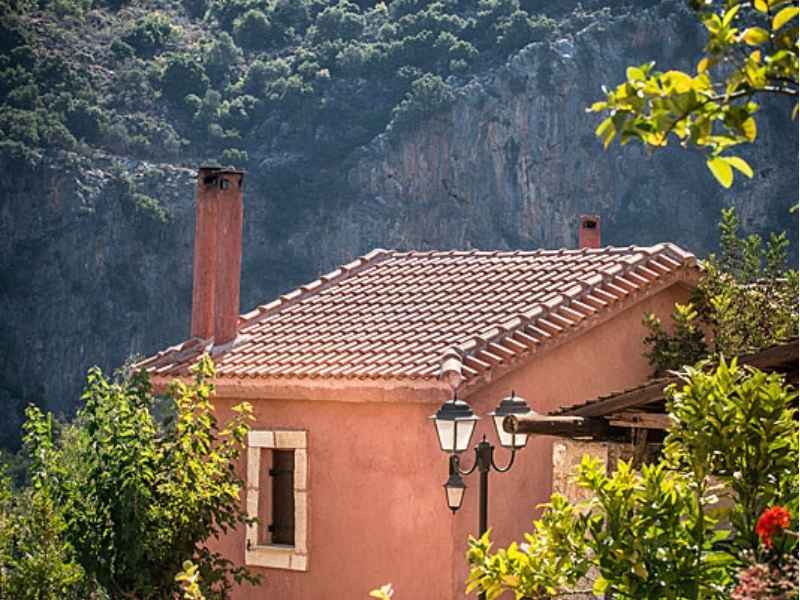
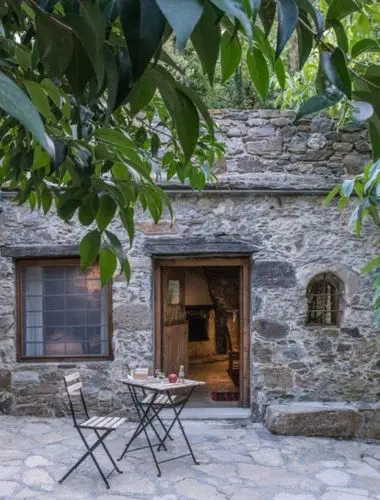
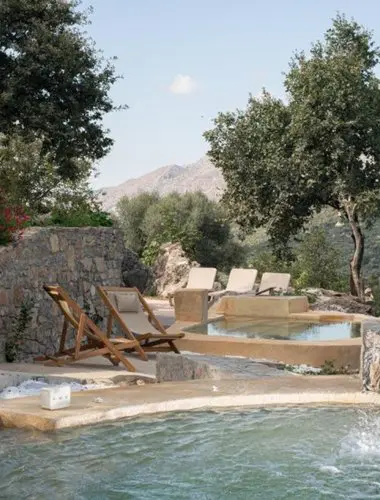
Milia is one of Crete’s original eco-retreats, a medieval hamlet in the western mountains abandoned after 1948 and patiently restored from the early 1980s. Stone and chestnut-wood cottages run on solar power, fireplaces and candlelight, while the farm supplies much of what arrives at the table. Nights are dark, paths lead into the surrounding valleys and the coast feels part of another century. Its power comes from completeness. This is not a farm added to a hotel concept, but a settlement brought back through agriculture, craft and a belief in living differently.

Best for

Off-grid escapes, mountain walking and travellers looking for Crete’s foundational eco-retreat.
crete-hotels-milia-mountain-retreat-01
crete-hotels-milia-mountain-retreat-02

Enagron Ecotourism Village

A working organic farm where cheese, raki and the harvest become the daily programme.

Why stay here

Enagron invites guests into the work rather than asking them simply to admire the fields. Thirty-two apartments occupy stone buildings across six organic hectares near Axos, beneath the northern face of Psiloritis. The season decides what happens: raki is distilled in autumn, cheese is made in the dairy hut, and cooking classes begin with produce and animals from the farm. Fireplaces and mountain views close the day. It belongs here as Crete’s most literal agrotourism experience, family-run and generous enough to make participation feel natural rather than performed.

Best for

Hands-on agrotourism, families and travellers who want the farm itself to shape the itinerary.
crete-hotels-enagron-ecotourism-village-01
crete-hotels-enagron-ecotourism-village-02

Kapsaliana Village Hotel

A monastery hamlet built for olive oil, where the mill still explains every stone around it.

Why stay here

Kapsaliana is a farm stay with unusual historical depth. The settlement grew around the Arkadi Monastery’s olive mill, built in 1763, and families lived here because of the vast grove surrounding it. The restored cottages now hold 25 rooms, but the mill remains as a museum and the village plan is still legible beneath the hospitality. Meals draw on Cretan fields, oils and producers, reconnecting the architecture with its original purpose. This is not rural styling placed in the countryside. It is a working history of how Crete’s olive economy shaped communities.

Best for

Olive culture, historic agriculture and travellers seeking the most refined interpretation of a farm stay.
crete-hotels-kapsaliana-village-hotel-01
crete-hotels-kapsaliana-village-hotel-02
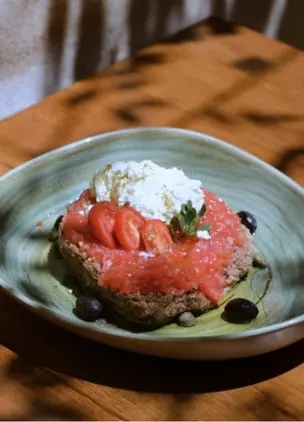
Peskesi Restaurant seasonal Cretan dessert plate

Where to Eat Nearby

Peskesi Restaurant

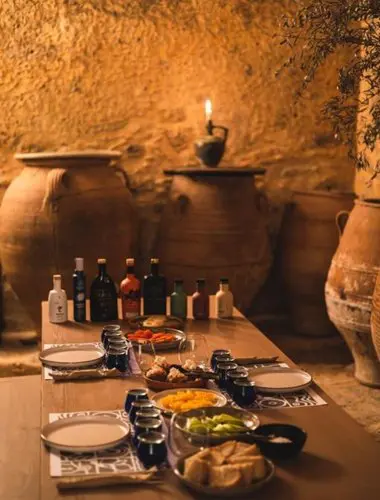
Peskesi takes Cretan cooking seriously without making the experience feel heavy. Ingredients come from the restaurant’s own farm, and the menu stays closely tied to older island recipes and seasonal produce. The whole place feels connected to the agricultural side of Crete rather than a polished version of it.

Farm stays or beach hotels in Crete?

Farm stays move the trip inland, towards mountain roads, shared tables and the agricultural work behind Cretan food. The rooms can be simpler and the sea may require a substantial drive, but owners and producers remain close to the experience. The Revel Stay edit of Beach Hotels in Crete puts swimming first, ranging from direct sand access to bungalow steps descending into Mirabello Bay. Choose a farm stay when food, family knowledge and the interior deserve several days of attention. Choose a beach hotel when the water should organise the day and rural Crete is better explored through shorter excursions.