Best Puglia Masseria Hotels

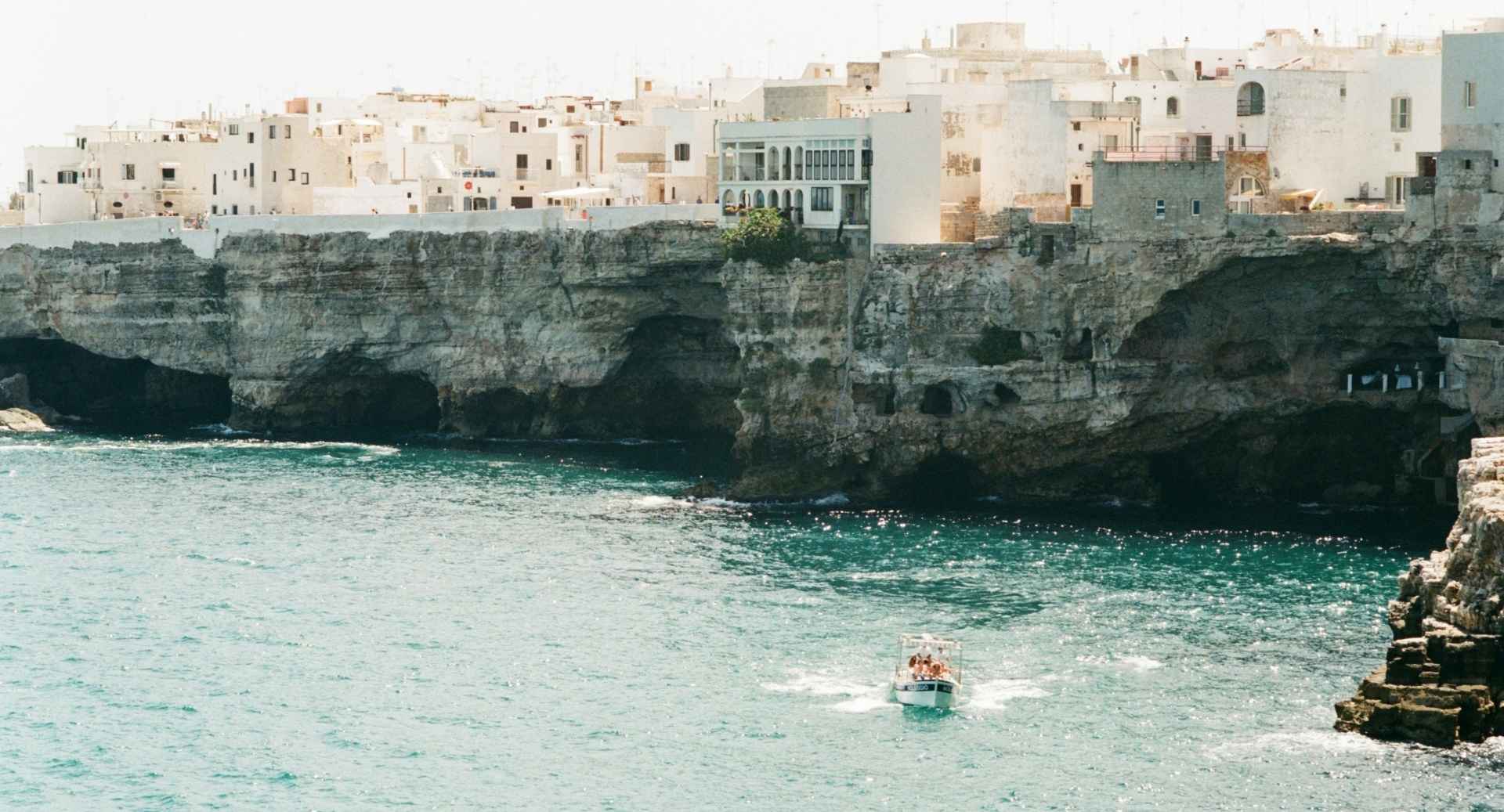
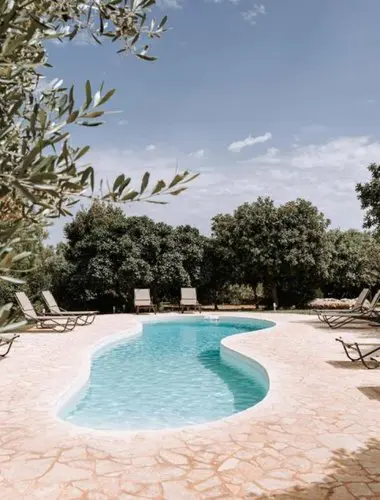
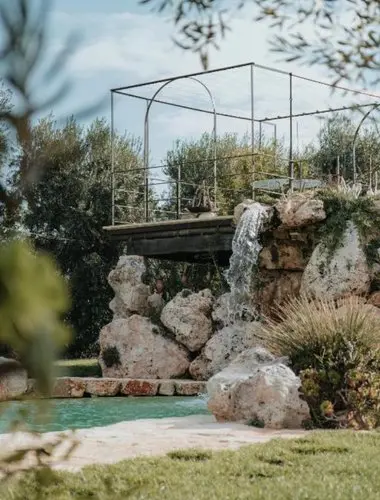
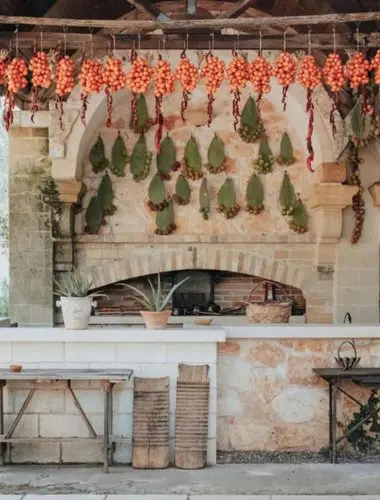
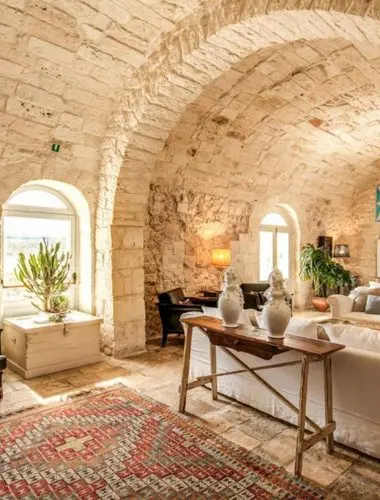
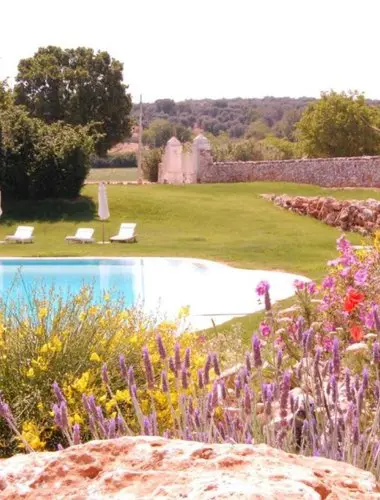
Puglia’s masserie were built for work. They housed farming families, stored grain, pressed olives and protected livestock behind thick limestone walls. Today, some remain working farms while others have become highly polished hotels, but the best retain a clear connection to their former purpose. This edit moves from small family-run properties and trulli estates to a full-scale resort built in the image of an Apulian village. What connects them is not a single aesthetic. It is the chance to stay among olive groves, eat food grown close to the kitchen and experience Puglia beyond its better-known towns.

Puglia Masseria Hotels

best for

• Long lunches and locally grown food
• Days divided between the pool and nearby towns
• Historic buildings with room to spread out
• Travellers who prefer countryside to nightlife

skip if

• You want restaurants and bars outside the door
• You plan to explore without hiring a car
• You prefer the anonymity of a conventional hotel
• You want to spend every day beside the sea

Why book a masseria in Puglia?

A masseria gives the trip a centre of gravity. Instead of returning to a room in town, you come back to olive trees, courtyards and enough space to spend an afternoon doing very little. At the more agricultural properties, breakfast might include oil, fruit or ricotta produced on the estate. Others treat the old farmhouse as a starting point for contemporary architecture, art or serious restaurant cooking. Locations vary, too. Some sit close enough to the coast for a morning swim, while others place you firmly inland, within driving distance of Ostuni, Cisternino and Ceglie Messapica. The right choice depends on how much farming, polish and isolation you actually want.

Hotels

Masseria Le Torri

Nine rooms shaped by an eight-year restoration and a breakfast worth staying in for.

Why stay here

Le Torri is small enough for the building and its owners to remain central to the experience. The former farmhouse was restored over eight years, retaining terracotta floors, limewashed walls, old doors and the accumulated irregularities of the original structure. There is no sprawling resort infrastructure and little need for it. Mornings begin with bread and cakes made in-house, fresh ricotta, seasonal fruit and olive oil from the estate. Dinner is served on selected evenings, often outside in the courtyard. It feels domestic in the best sense: carefully run, generous and more interested in feeding guests properly than manufacturing a grand hospitality concept.

Best for

Small hotels, serious breakfasts and travellers who appreciate a strong sense of ownership.
puglia-hotels-masseria-le-torri-01
puglia-hotels-masseria-le-torri-02

Masseria Montenapoleone

A family-run farm where reclaimed objects, painted tiles and productive gardens replace rural minimalism.

Why stay here

The Monteneve family has made Montenapoleone feel more personal and less controlled than many of Puglia’s design-conscious masserie. The property was built above ancient caves and now mixes old olive trees, organic gardens, reclaimed timber, painted ceramics and antiques collected over time. Rooms do not follow a uniform template, and the grounds retain the slightly unruly quality of a place that is still being used and cultivated. Ingredients from the farm feed into breakfast and dinner, while workshops and tastings offer a closer look at what grows here. It is colourful, handmade and refreshingly unconcerned with pale-stone perfection.

Best for

Creative interiors, hands-on farm experiences and travellers who find minimalism a little dull.
puglia-hotels-masseria-montenapoleone-01
puglia-hotels-masseria-montenapoleone-02

Borgo Egnazia

A large, highly polished resort built as its own version of an Apulian village.

Why stay here

Borgo Egnazia is the outlier. This is not an intimate farmhouse conversion but a 183-room resort constructed from local stone and arranged as a masseria, village and collection of private villas. The scale brings several restaurants, pools, a spa, golf and access to the Adriatic, making it easier to occupy a week without leaving the property. Its version of Puglia is carefully controlled and undeniably theatrical, but the craftsmanship and level of service are difficult to match. Book it for the facilities and total immersion, not for the informality of a family farm or the feeling of discovering somewhere accidental.

Best for

Full-service resort stays, families and travellers who want Puglia with every logistical edge removed.
puglia-hotels-borgo-egnazia-01
puglia-hotels-borgo-egnazia-02

Masseria Garrappa

A seven-room farmhouse close enough to the Adriatic for swimming to shape the day.

Why stay here

Garrappa offers a useful compromise between the Puglian countryside and the coast. The seventeenth-century farmhouse sits near Monopoli, with orange and olive trees around the pool and beaches within easy reach by car. Its seven rooms keep the experience personal, while stone floors, vaulted ceilings and whitewashed walls preserve the practical simplicity of the original building. The kitchen serves straightforward regional food built around garden produce, handmade pasta and local fish. Stay here if your ideal day begins at the sea, slows down over lunch and ends back in a courtyard rather than among the crowds of a coastal resort.

Best for

Small-scale stays, regular swims and combining Monopoli with the surrounding countryside.
puglia-hotels-masseria-garrappa-01
puglia-hotels-masseria-garrappa-02

Masseria Le Lamie

Eight stone-vaulted rooms and open farmland without the usual boutique-masseria mark-up.

Why stay here

Le Lamie offers a plainer version of the Puglian farm stay. Its eight rooms occupy a traditional stone building outside Villa Castelli, looking onto gardens and the dry landscape between the Valle d’Itria and northern Salento. Interiors are straightforward, with vaulted ceilings doing more work than decorative styling. The location puts Ceglie Messapica, Ostuni and Martina Franca within driving distance, while the surrounding lanes are well suited to cycling. There is no attempt to turn the farm into a lifestyle concept. You come for quiet evenings, country air and a rate that makes staying several nights entirely reasonable.

Best for

Affordable farm stays, cycling through the countryside and travellers who prefer simplicity to polish.
puglia-hotels-masseria-le-lamie-01
puglia-hotels-masseria-le-lamie-02

Masseria Cervarolo

A sixteenth-century estate where trulli form part of the hotel rather than scenery beside it.

Why stay here

Cervarolo sits on a hill outside Ostuni, combining the fortified main farmhouse with a cluster of restored trulli. The renovation retained the original stonework and irregular proportions, using vintage furniture and regional textiles without smoothing away the buildings’ age. Rooms vary because the structures do, which is part of the point. Chef Salvatore Cannalire draws on produce from the estate and nearby farms, while breakfast includes homemade cakes, preserves and fruit from the garden. The saltwater pool and relatively small room count keep days easy, but Ostuni remains close enough for dinner or an evening walk through town.

Best for

Sleeping in a trullo, regional cooking and countryside within easy reach of Ostuni.
puglia-hotels-masseria-cervarolo-01
puglia-hotels-masseria-cervarolo-02

Masseria Palombara

An adults-only estate near Oria, surrounded by olive groves and almond trees.

Why stay here

Palombara spreads across a large agricultural estate in the less-visited interior between Taranto and Brindisi. Rooms occupy the original masseria and restored outbuildings, retaining vaulted tufa ceilings and pale stone while avoiding the rougher edges of a working farm. The result is composed and distinctly grown-up. Vegetables come from the organic garden, olive oil is pressed from the estate’s trees, and dinner gives guests a reason not to drive elsewhere at night. Its location makes this a different proposition from the cluster around Ostuni: quieter, more self-contained and better suited to travellers prepared to let the hotel occupy most of the day.

Best for

Adults-only trips, proper downtime and exploring inland Puglia at an unhurried pace.
puglia-hotels-masseria-palombara-relais-spa-01
puglia-hotels-masseria-palombara-relais-spa-02

Palazzo Daniele

A nineteenth-century palazzo where contemporary art has been given more room than conventional hotel furniture.

Why stay here

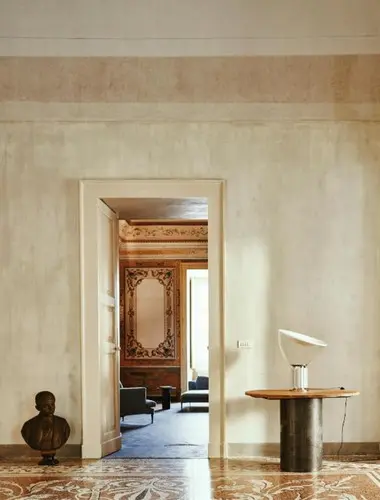
Palazzo Daniele is not technically a rural masseria, but it belongs in this edit because it offers a similarly immersive way into southern Puglia. The nine-suite palazzo stands in Gagliano del Capo, close to the heel of Italy, with frescoed ceilings, mosaic floors and large rooms stripped of almost everything unnecessary. Site-specific art occupies the space left behind. Four women from the village run the kitchen, serving handmade pasta and ingredients gathered from nearby farms around a communal table or beneath the citrus trees. This is the strongest choice for travellers who want art, architecture and village life rather than an estate surrounded by acres of land.

Best for

Contemporary art, communal dinners and exploring the southern edge of Salento.
puglia-hotels-palazzo-daniele-01
puglia-hotels-palazzo-daniele-02

Masseria San Paolo Grande

An organic farm where the fields supply much of what reaches the kitchen.

Why stay here

San Paolo Grande occupies an estate of around 80 hectares outside Ostuni, and agriculture remains part of its daily operation. The farm produces vegetables, grains, olive oil and wine, giving the kitchen more control over its ingredients than most hotels can claim. The historic masseria has been restored with its vaulted rooms and heavy stonework intact, but the strongest reason to stay is outside: cultivated fields, old olive groves and enough land for the property to feel genuinely removed from town. There is polish here, but the farming is not decorative. This is the masseria for travellers who want to understand what the estate produces as well as sleep in it.

Best for

Farm-led stays, estate-grown food and travellers comfortable being well outside town.
puglia-hotels-masseria-san-paolo-grande-01
puglia-hotels-masseria-san-paolo-grande-02

Masseria Le Carrube

A whitewashed farmhouse outside Ostuni with a vegetarian kitchen and olive oil made on the estate.

Why stay here

Le Carrube sits among olive and carob trees a short drive from Ostuni, with vaulted rooms arranged around stone courtyards. The old agricultural structure remains easy to read: low buildings, thick walls and outdoor spaces designed to provide shade rather than spectacle. Its restaurant gives the property a more specific identity. The menu is vegetarian and organised around vegetables, herbs and fruit grown on the estate or sourced from nearby farms, with olive oil produced from the surrounding groves. Choose it if food matters as much as the room and you want a masseria that takes its agricultural setting seriously without feeling austere.

Best for

Vegetarian cooking, easy access to Ostuni and long afternoons by the pool.
puglia-hotels-masseria-le-carrube-01
puglia-hotels-masseria-le-carrube-02

Masseria Grieco

Trulli, open countryside and a larger estate positioned between Ostuni and Cisternino.

Why stay here

Masseria Grieco works well for travellers who want the recognisable architecture of the Valle d’Itria without renting an isolated trullo. The estate combines the main stone farmhouse with conical trulli, courtyards and broad views across the surrounding farmland. Its scale gives it more of a traditional country-hotel atmosphere than the smaller properties in this edit, with enough space for families and groups to settle in comfortably. The kitchen stays close to regional cooking, including handmade pasta, local vegetables and oil from the estate’s trees. Ostuni and Cisternino are both within driving distance, making it a practical base rather than somewhere that asks you to remain behind its gates.

Best for

First visits to the Valle d’Itria, families and travellers planning several day trips.
puglia-hotels-masseria-grieco-01
puglia-hotels-masseria-grieco-02
Seafood Restaurants In Puglia Taverna del Porto

Where to Eat Nearby

Taverna del Porto

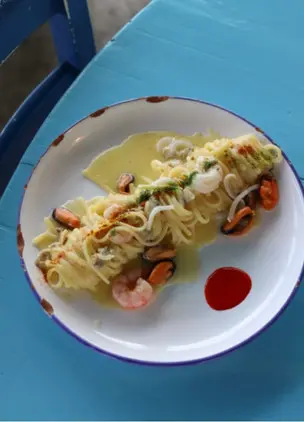
At the small harbour in Tricase Porto, Taverna del Porto feels tied to the boats that pull in each morning. The menu follows the catch closely, raw seafood, grilled fish, and simple pasta served with local olive oil. Lunch tends to run long here. Among seafood restaurants in Puglia, it’s the sort of place people return to whenever they’re nearby.

Masseria hotels or Airbnbs in Puglia?

A masseria works best when you want the landscape without managing the practical side of the stay. Breakfast is prepared, dinner may be grown and cooked on the estate, and there is usually a pool, reception and someone who knows which roads lead to the quieter beaches. The Revel Stay edit of Airbnbs in Puglia offers more independence: private kitchens, longer mornings and houses that work particularly well for families or groups. Choose a masseria for hospitality, food and a few days organised around the estate. Choose an Airbnb when privacy, space and setting your own timetable matter more.