The Revel Stay Logo

Rome Travel Guide: Where to Stay, Eat, and Spend Time Properly

Stone, routine, and a city that reveals itself slowly.

Rome doesn’t change quickly, and it doesn’t need to. Streets are used the same way they’ve always been, buildings hold their weight, and the places that matter tend to stay that way. You don’t take it in all at once. It comes through repetition, returning to the same streets, the same cafés, the same tables. This Rome travel guide shares where to stay in Rome, along with the best hotels, restaurants, and neighbourhoods shaped by that slower, more settled way of moving.

The day follows a familiar pattern. Mornings are brief, coffee taken standing, the city already in motion. Afternoons stretch, slower and warmer, before everything resets again in the evening. Tables fill late, meals run longer than expected, and the same places carry through night after night. Rome isn’t about finding something new each time. It’s about finding somewhere that works, and going back to it.

where to stay in Rome

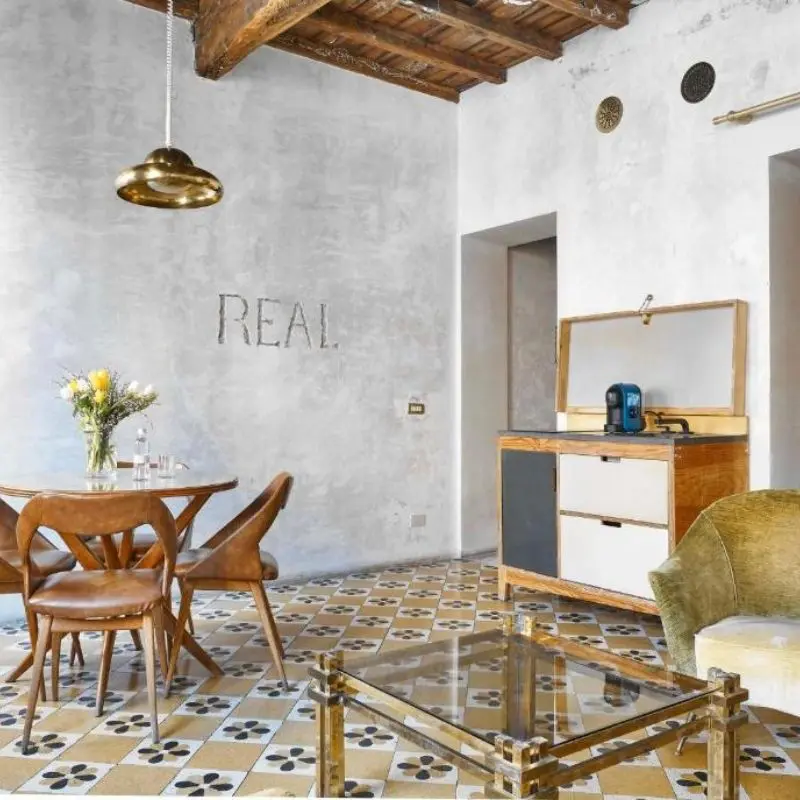
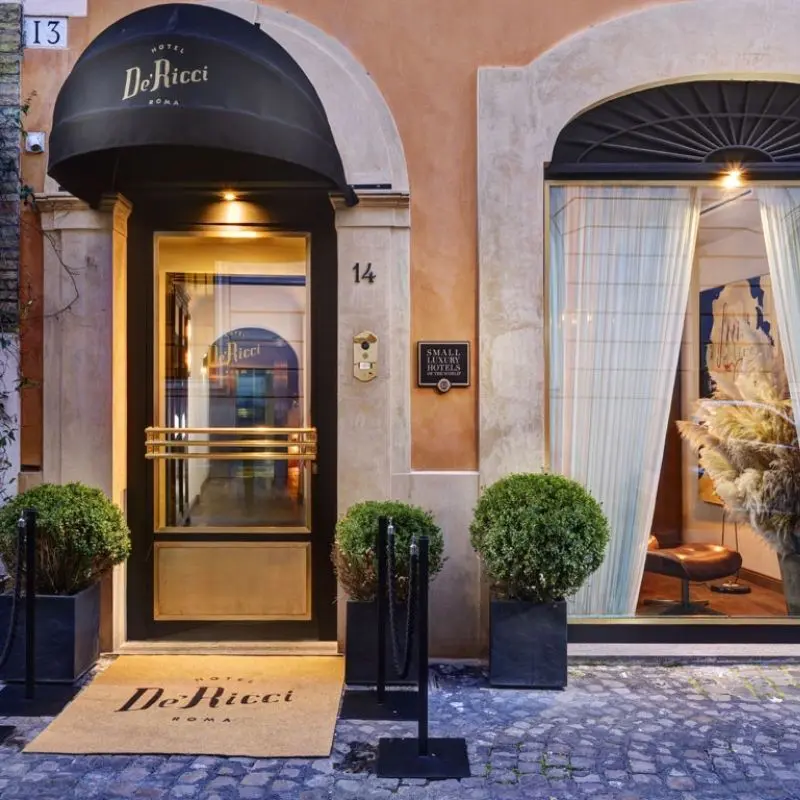
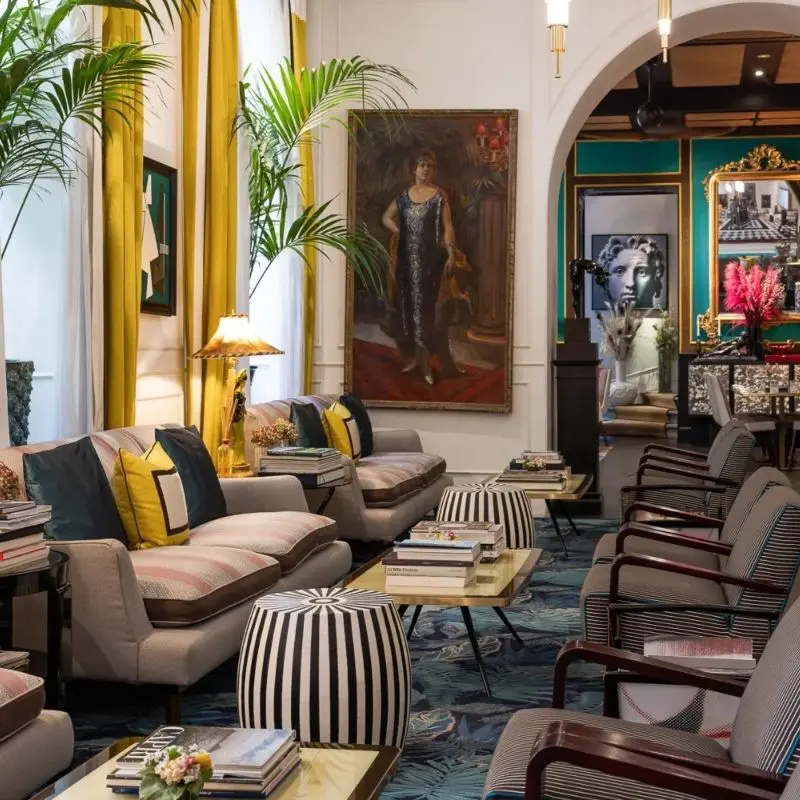
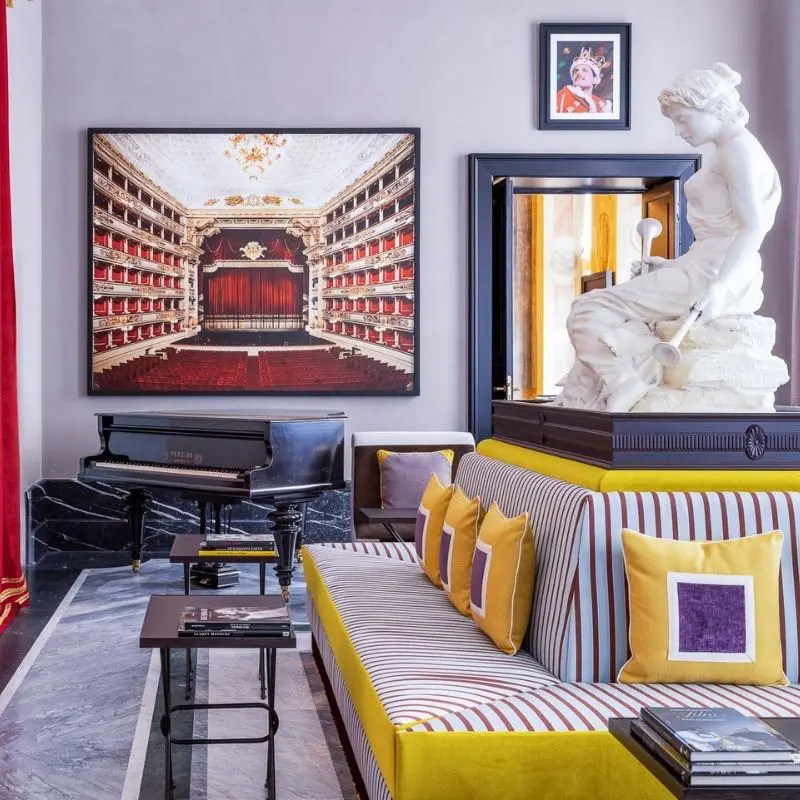
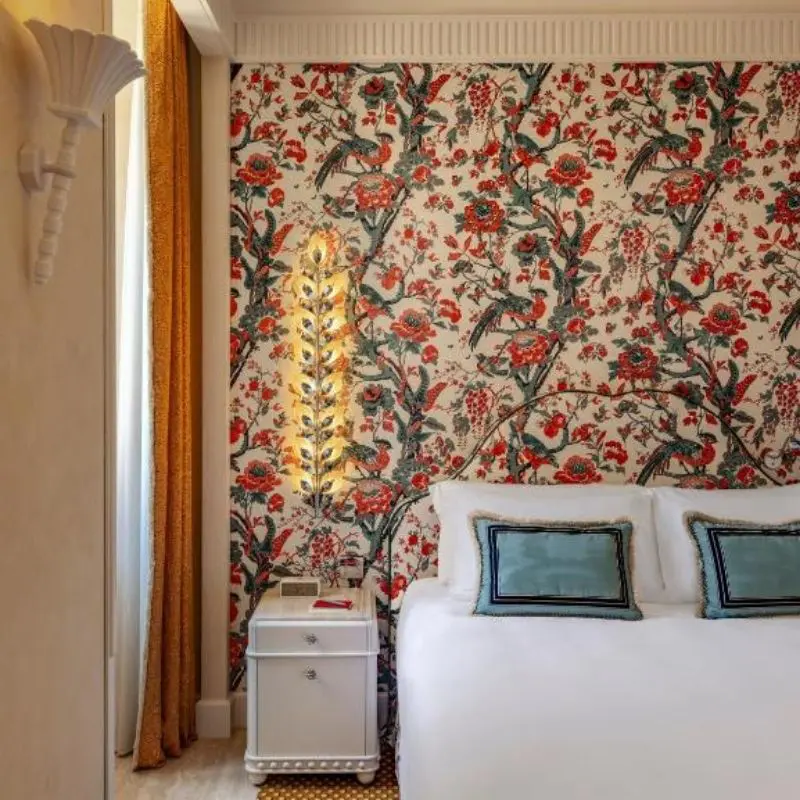
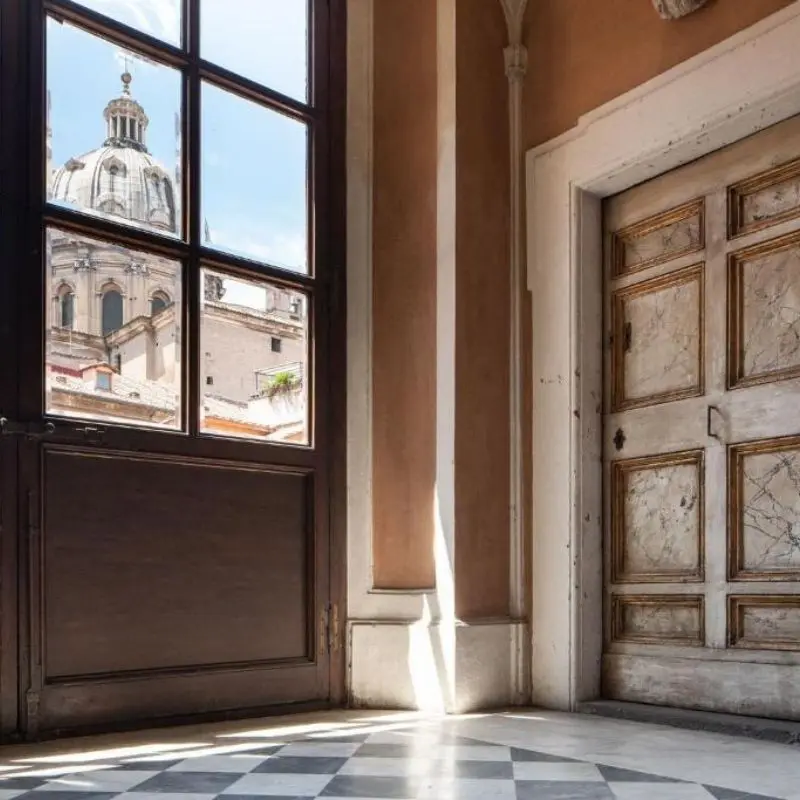
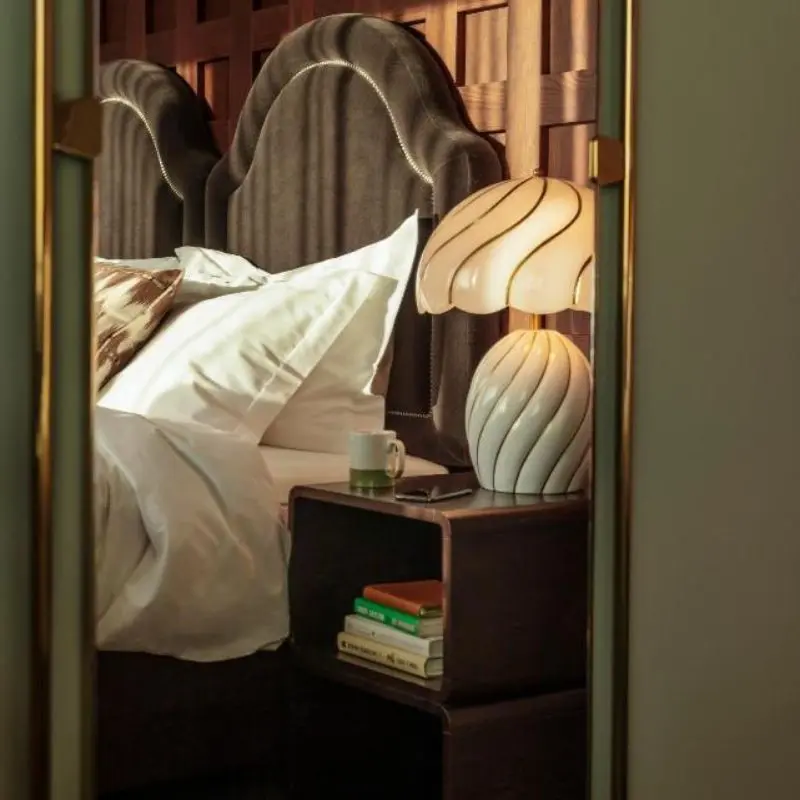
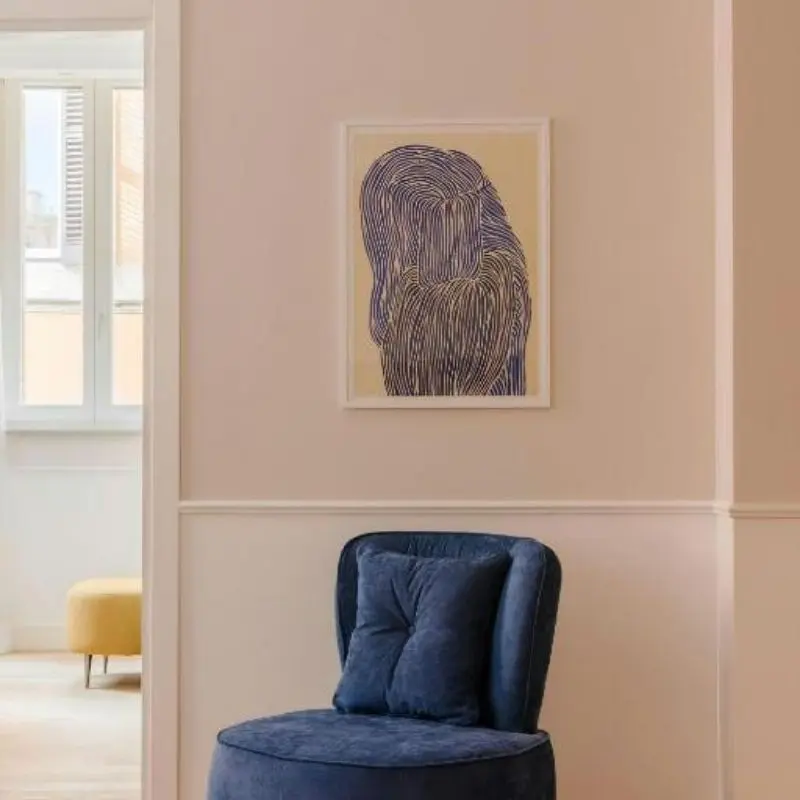
Where you stay in Rome matters more than it might seem. The city doesn’t shift quickly, so a good hotel gives you a way into it, somewhere that feels settled from the start. The best ones work with the buildings they’re in, older structures, heavier materials, rooms that stay cool and quiet against the street. Get it right and everything slows into place around you.

Where to Eat and Drink in Rome

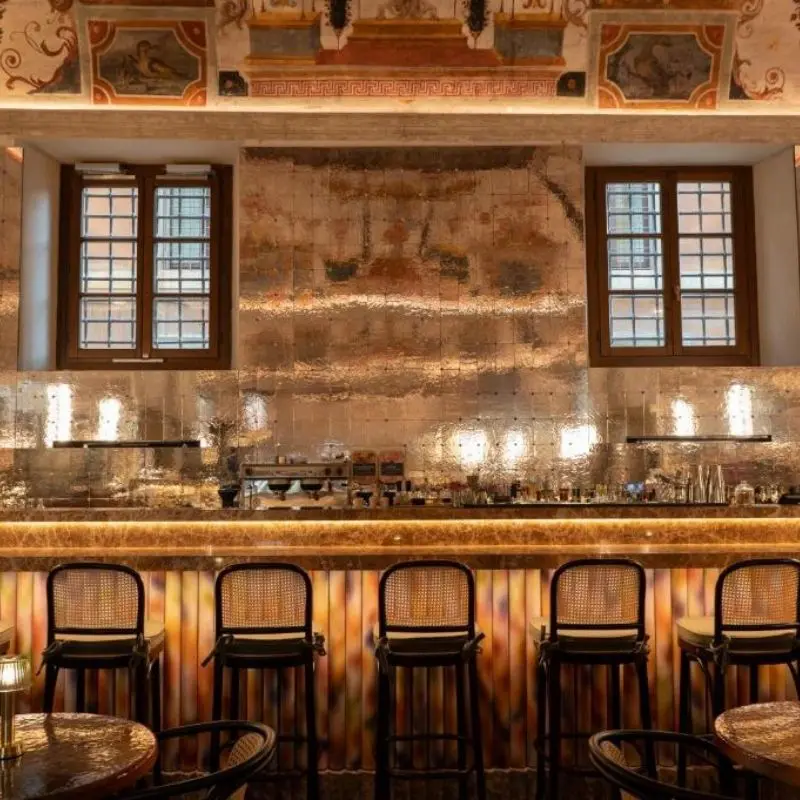
Eating in Rome still follows a structure that hasn’t changed much. Trattorias, enotecas, and dining rooms built around familiar dishes and good wine continue to define how the city eats, and they hold their place without needing to prove it. Around them, a newer side has found its way in, kitchens that shift things slightly, wine bars with a different energy, but without breaking from what’s already there. The balance is what makes it work. You move between the two without really thinking about it, the same habits, the same tables, just seen from a slightly different angle.

Areas to Know in Rome

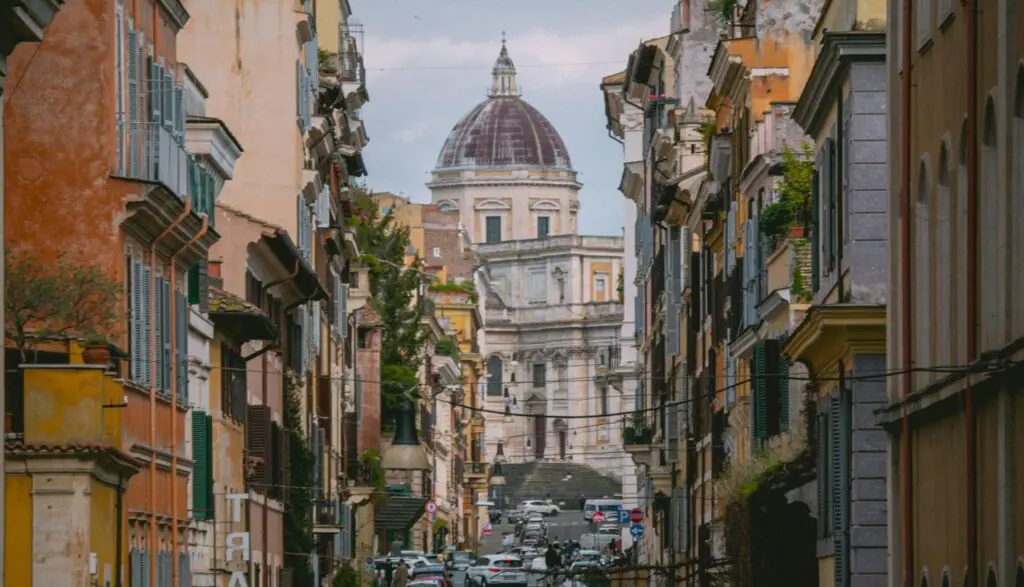
Rome becomes clearer once you move beyond the obvious. The landmarks stay where they are, but the city opens up in the spaces around them, quieter streets, smaller squares, and places that still follow their own pace. You don’t need to go far. It’s about where you stop, how long you stay, and the parts of the city that settle in gradually.

Rome Travel Guide

Monti

Monti sits between some of Rome’s busiest landmarks, but doesn’t move at the same pace. Streets feel slightly removed, mornings slower, shutters lifting gradually as the day begins. The neighbourhood leans creative, with smaller shops, wine bars, and trattorias where lunch often runs longer than planned. It holds onto its position quietly, and people tend to come back without needing a reason.

Trastevere

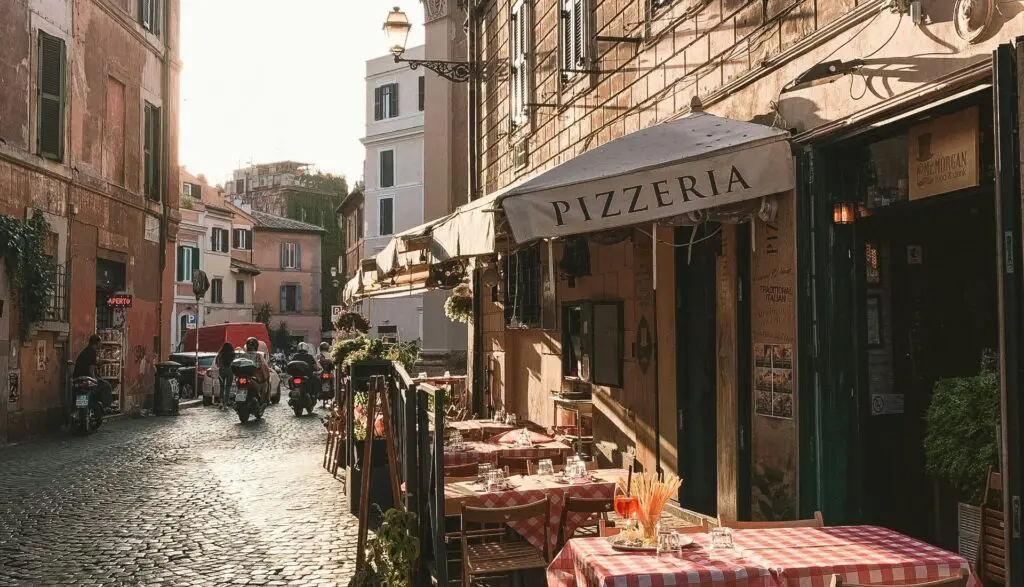
Trastevere shifts with the time of day. Early on, it stays quieter, streets opening slowly, the first tables taken without much noise. By evening, it fills quickly. Move a few streets back and the pace settles again, smaller trattorias, open windows, and people staying out later than expected. It’s not always consistent, but when it works, it feels exactly right.

Rome Travel Guide
Rome Travel Guide

Giardino degli Aranci (Orange Garden)

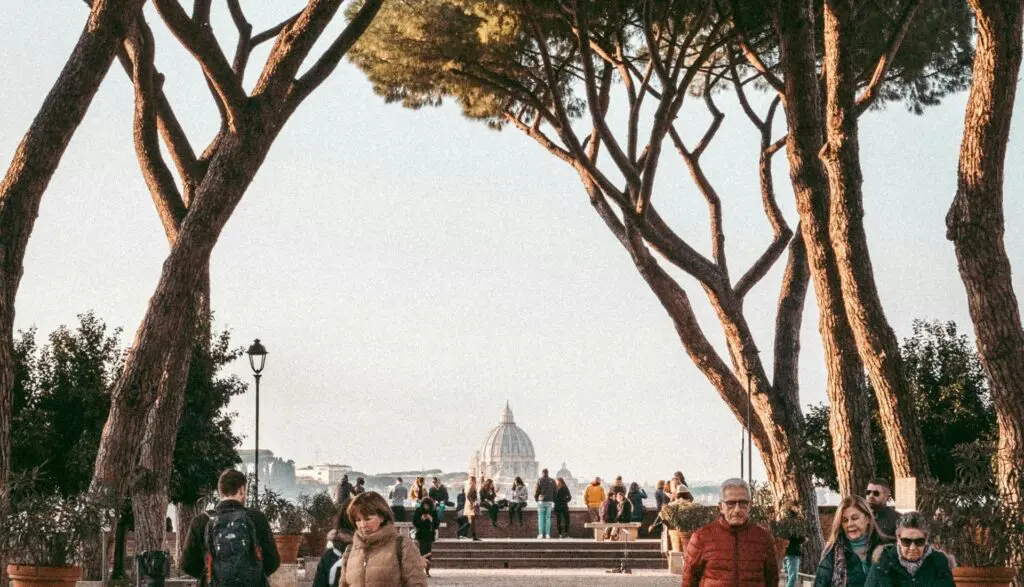
Set above the city on the Aventine Hill, the Orange Garden offers a different pace entirely. It’s contained, quieter, and slightly removed from everything below. The view opens across the Tiber, but it’s the stillness that holds you there. People come, sit for a while, then leave again, not much more to it than that.

More destinations

MADRID TRAVEL GUIDE

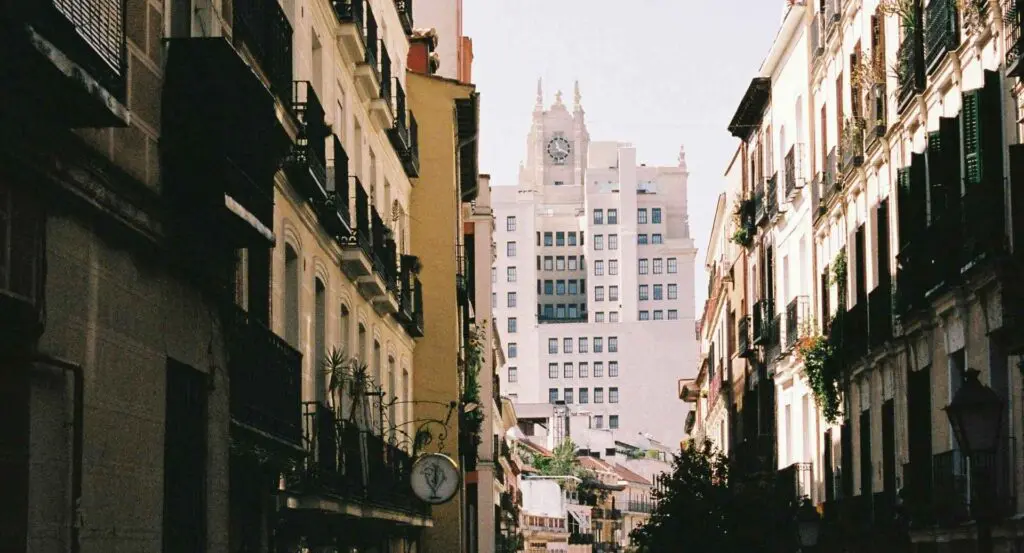
Madrid holds its rhythm differently. Days stretch, evenings gather, and much of the city happens around the table. From traditional dining rooms to newer spaces with a lighter touch, everything feels social, unforced, and built to last longer. It’s a city that settles into itself.

ATHENS TRAVEL GUIDE​

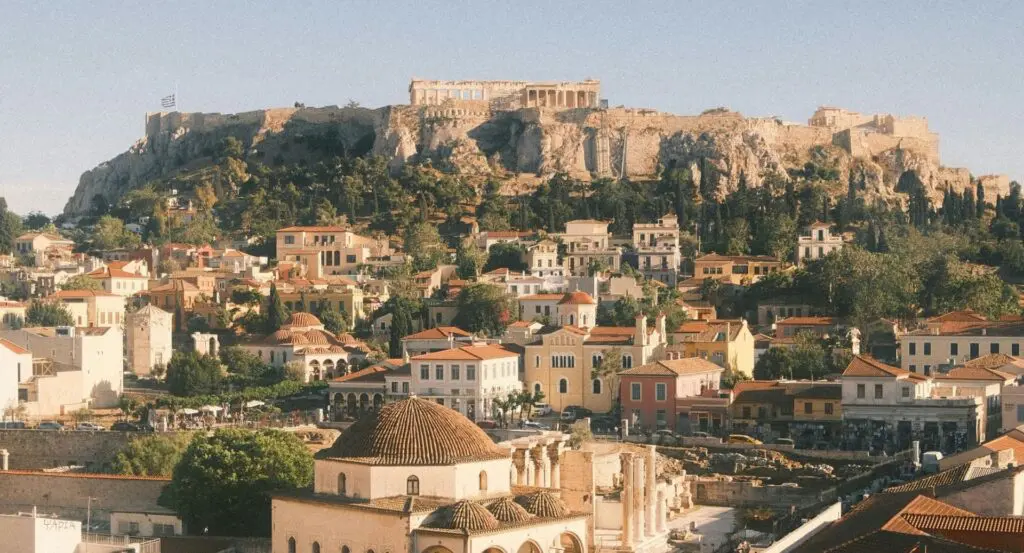
Athens feels real in the best way. History sits alongside modern kitchens, rooftop bars, and neighbourhood life that runs late. Food is generous, conversation flows easily, and the city’s energy feels raw, creative, and deeply rooted rather than polished or precious.

PARIS TRAVEL GUIDE

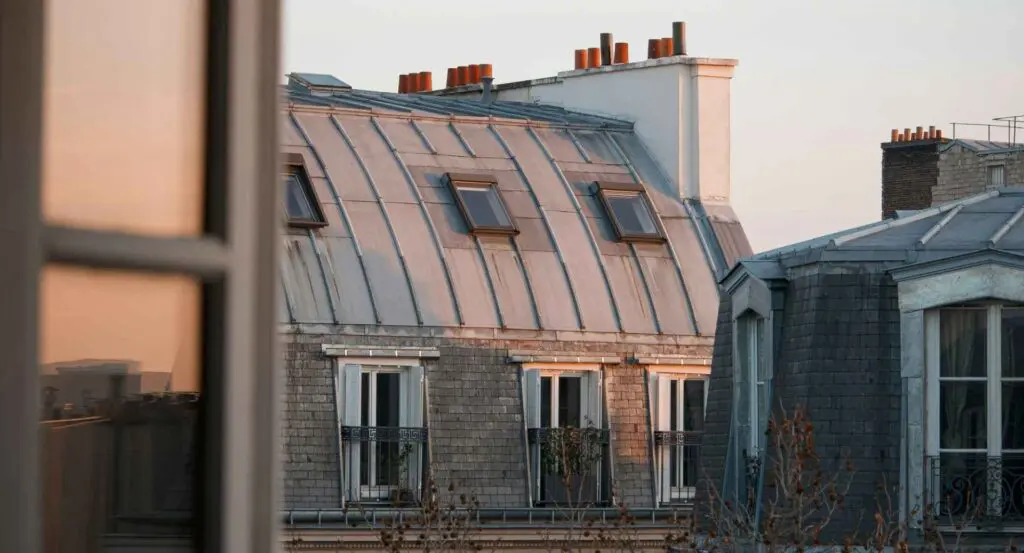
We love Paris for everything that happens between the highlights. The neighbourhood cafés, late dinners, galleries down side streets, and design that feels effortless rather than styled. It’s creative, romantic without trying, and full of moments that stay with you long after you leave.

AMSTERDAM TRAVEL GUIDE​

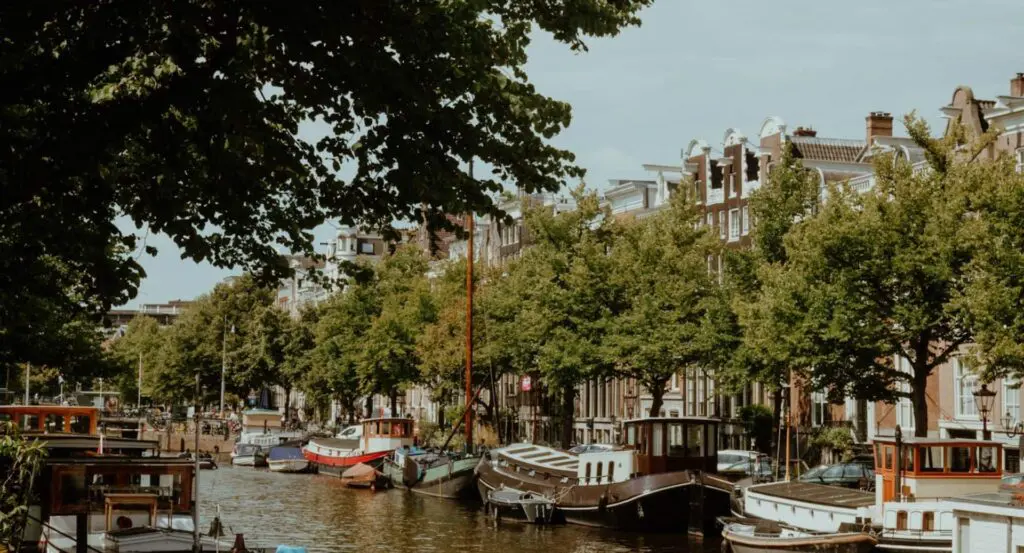
You’ll love Amsterdam if you want a city escape with soul. It moves to its own rhythm: bicycles gliding past canals, mornings shaped by good coffee, an evolving food scene, and art and music woven naturally into everyday wandering. Amsterdam is a place to discover slowly. 

Staying In Rome

FAQ: Rome Travel Guide

How many days do you need in Rome?

Four to five days is ideal. It gives you time to see the landmarks, explore neighbourhoods like Monti and Trastevere, and still move at an easy pace. Spend your mornings with espresso and your afternoons with art and wine.

Spring and autumn are perfect. The light is soft, the weather warm, and the crowds lighter. Summer brings long days and energy but can be hot, especially in the afternoons. Winter feels calmer and more local.

Yes, but best for the adventurous. The streets rise, twist, and open into views that reward the effort. For a true local experience, rent a Vespa and ride through the city’s rhythm, from quiet morning streets to golden-hour piazzas.

A beautiful mix of tradition and creativity. Some days call for the classics such as carbonara, cacio e pepe, or fried artichokes done the Roman way. Other nights belong to a new wave of chefs reimagining the city’s flavours with bold, modern touches. Either way, it always feels authentic and generous.

Stay central to feel the city’s rhythm. Monti offers calm and creativity, Trastevere brings soul and late evenings, and the historic centre keeps you close to everything. The best hotels combine heritage with quiet, effortless style.

Yes. Rome is welcoming and relaxed. Use the same awareness you would in any big city, especially in crowded spots, but overall the atmosphere is friendly and open.