The Revel Stay Logo

Athens Travel Guide: Where to Stay, Eat, and Move Through the City

Light, stone, and a pace that changes as you go.

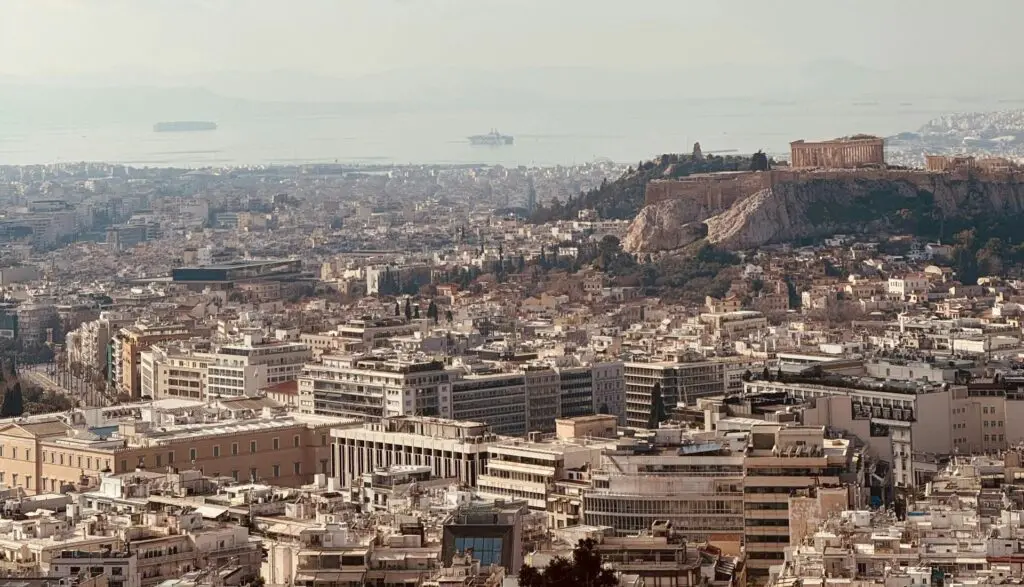
Athens doesn’t move in a straight line. Streets rise and fall, old stone sits beside something newer, and the city shifts quickly depending on where you are. You don’t take it in all at once. You move through it gradually, picking up pieces as you go, a view opening up, a quieter street just off a busier one, a turn that changes the pace entirely.

The day unfolds without much structure. Mornings start slower, coffee standing at the counter, the city not fully in motion yet. By afternoon, the heat settles in and everything pulls back slightly, shutters half closed, streets quieter for a while. Then the evening takes over, tables fill, conversations stretch, and the night builds without needing a plan, the same rooms carrying it through.

Where to Stay in Athens

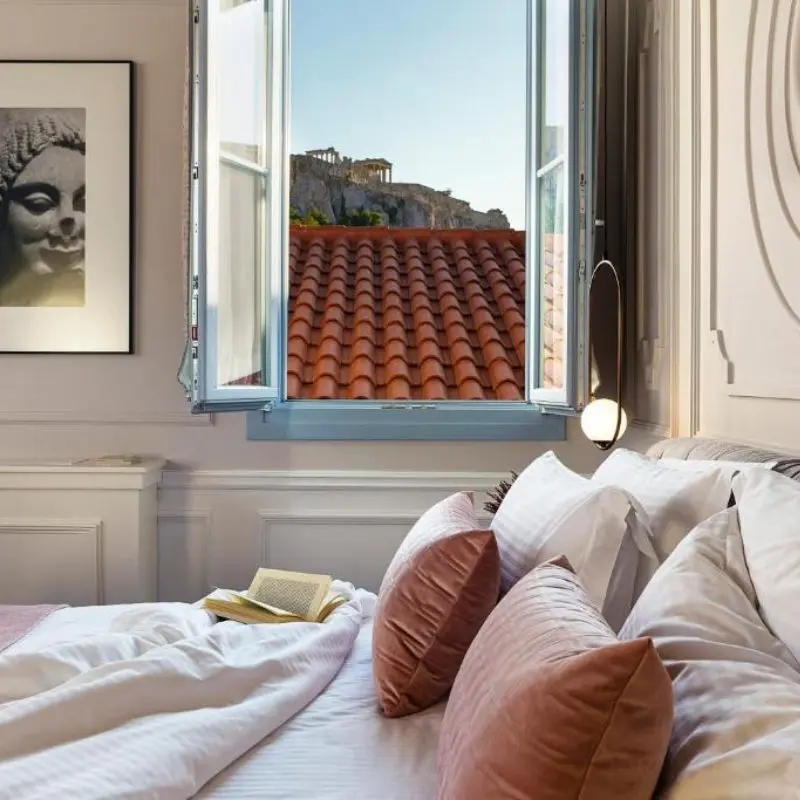
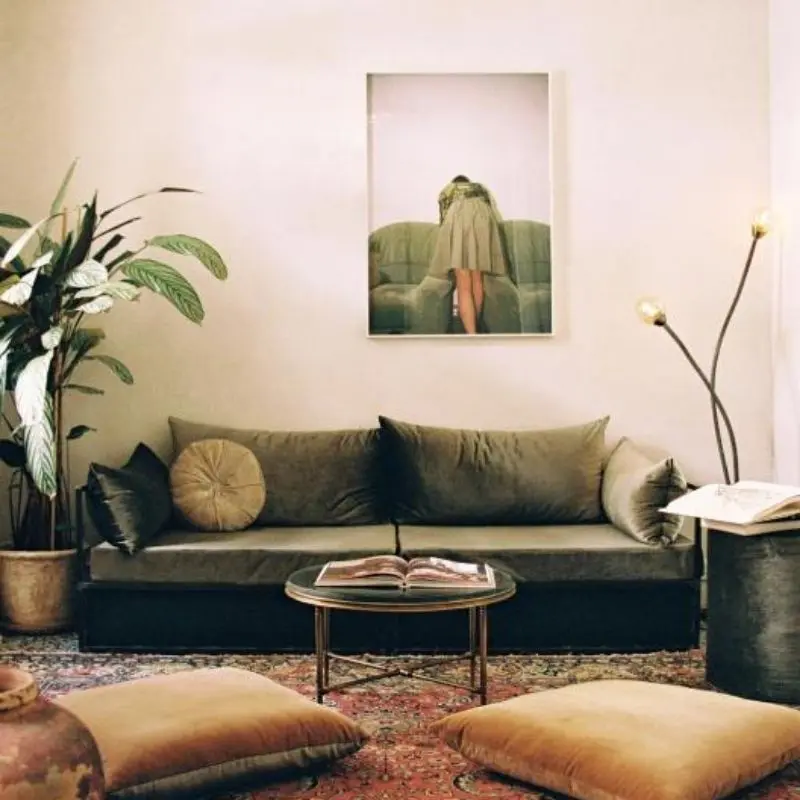
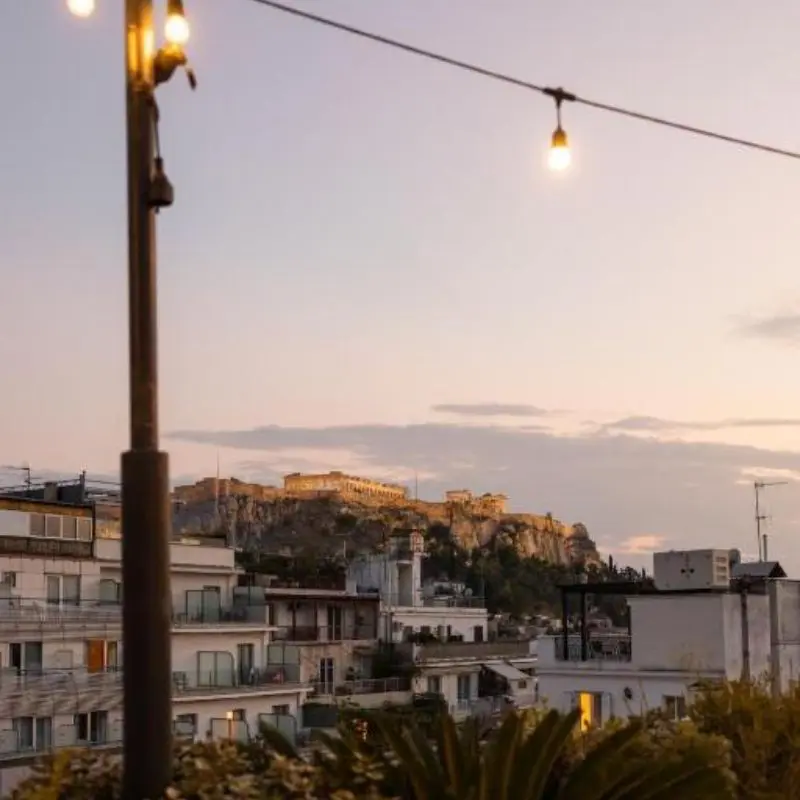
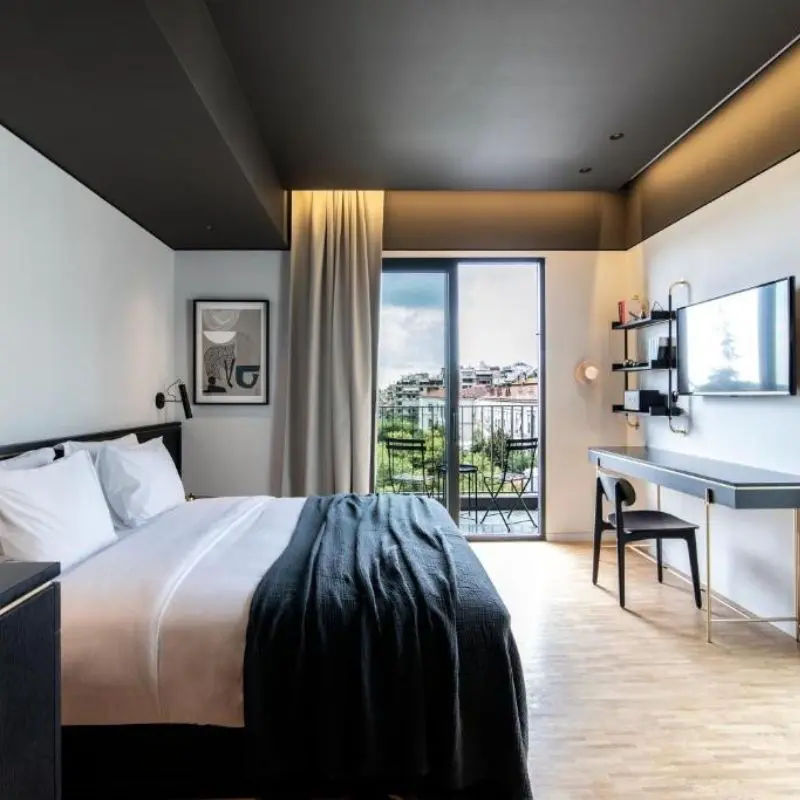
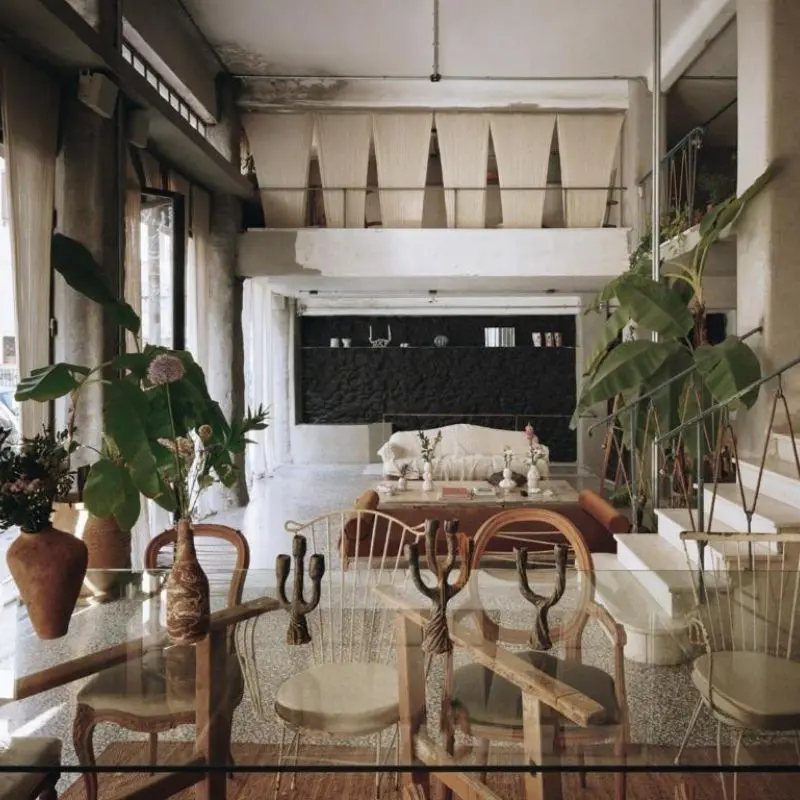
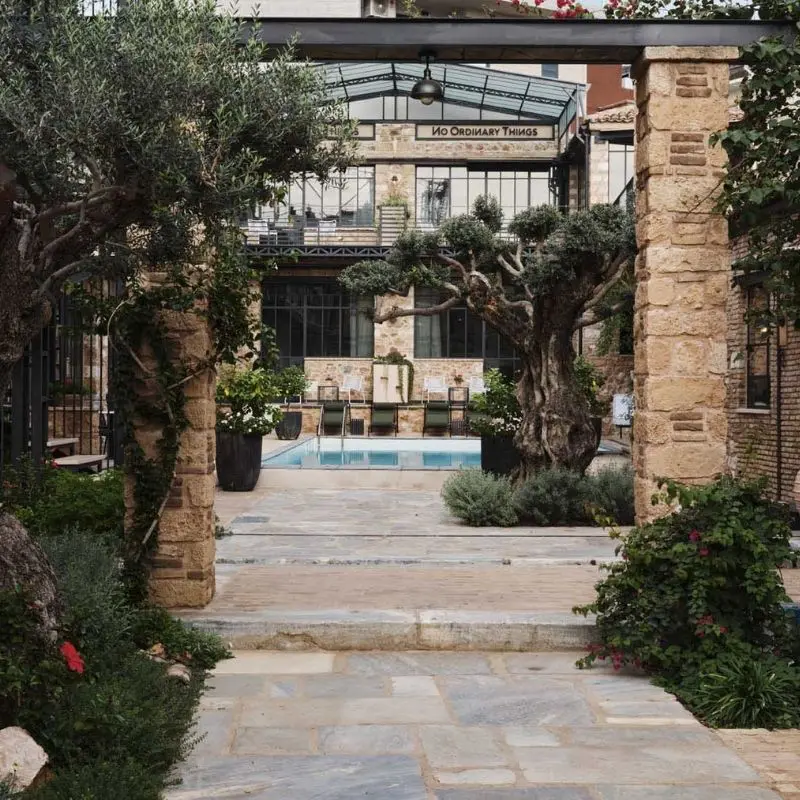
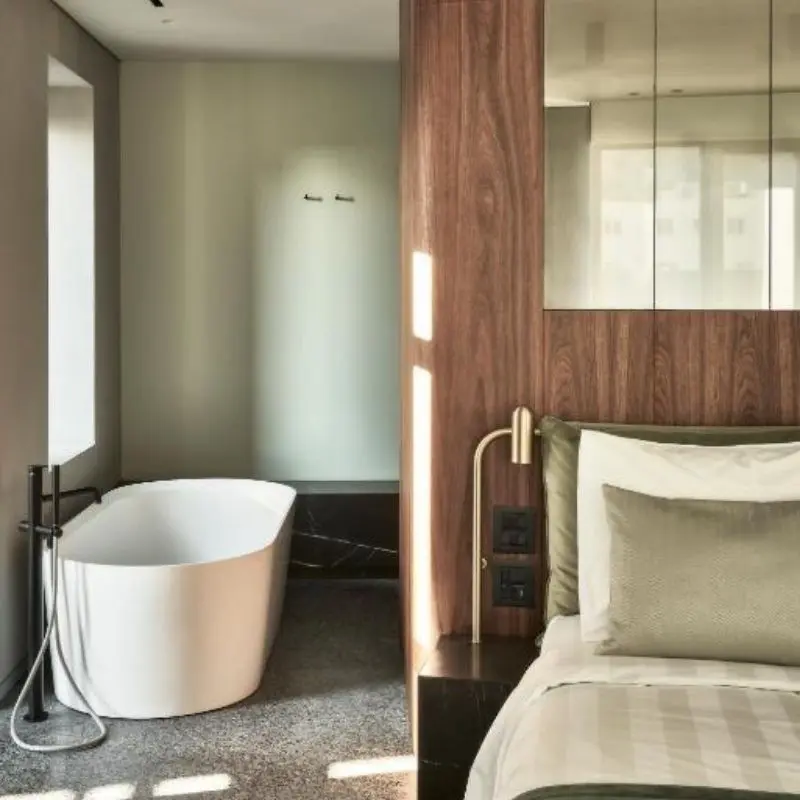
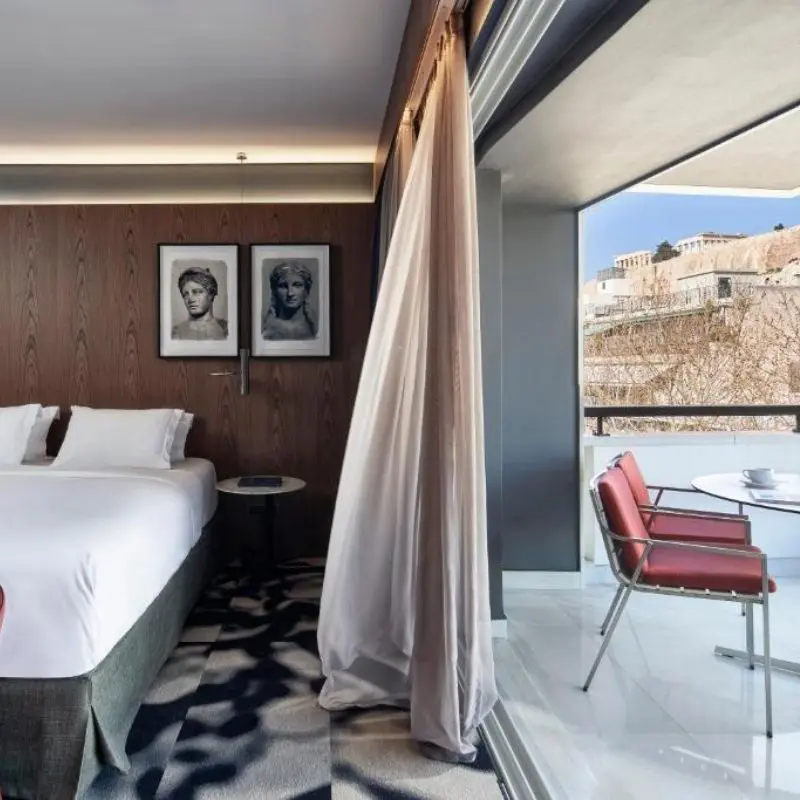
Where you stay in Athens sets the tone early. The light is strong, the city uneven, and the pace shifts depending on where you land. The best hotels work with that, restored buildings that hold their structure, newer spaces that bring a clear point of view, all shaped by how the city actually moves. These are places where design feels considered rather than applied, where terraces catch the light at the right moment, and where returning at the end of the day feels as natural as stepping out.

Where to Eat and Drink in Athens

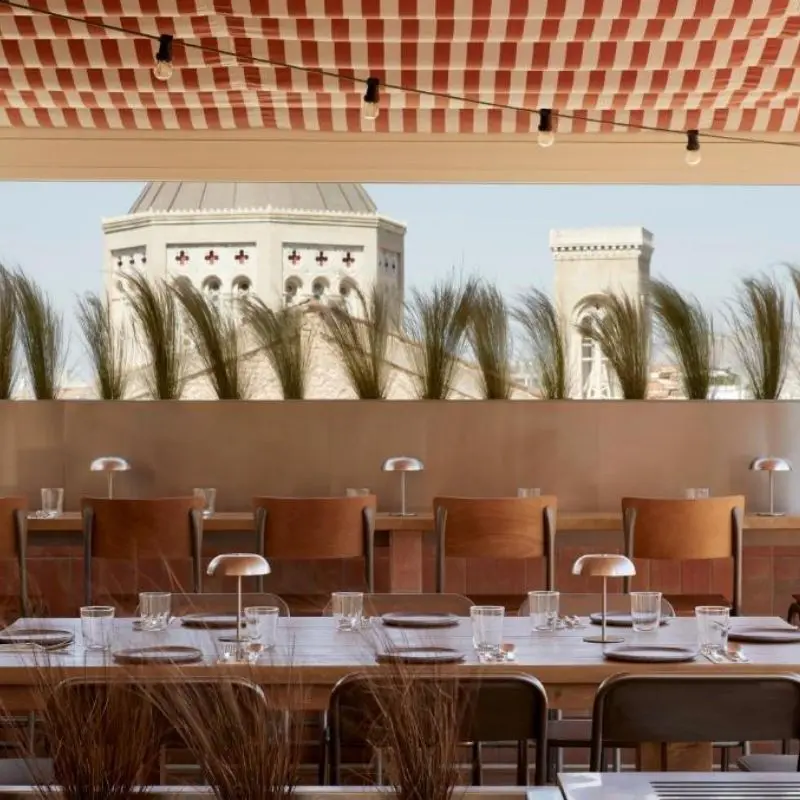
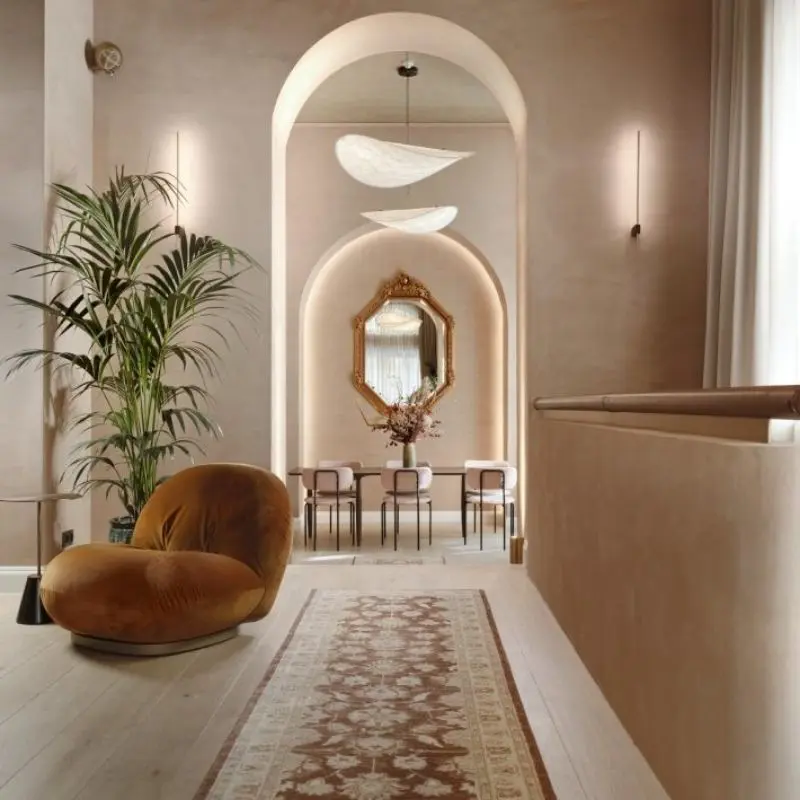
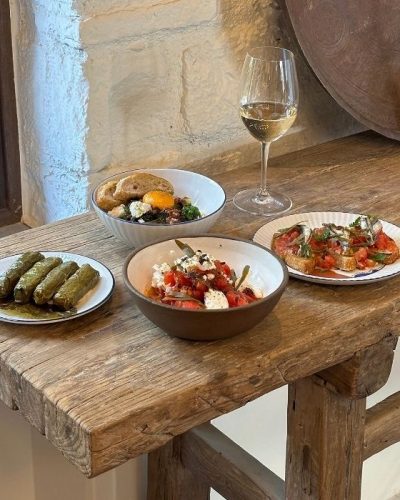
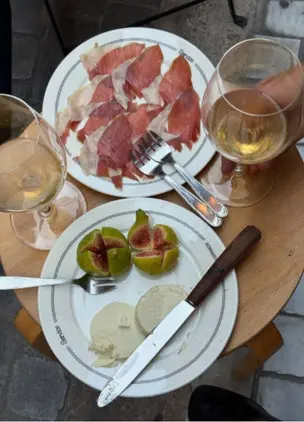
Eating and drinking in Athens sits somewhere between tradition and something newer. Tavernas, wine bars, and smaller dining rooms all hold their place, with cooking that stays close to the ingredient, flame, simple plates, strong flavours, and Greek wine poured without much ceremony. These are the places that reflect that balance, where the room matters as much as the food, and where everything feels part of the city rather than set apart from it.

Areas to Know in Athens

Athens doesn’t organise itself in obvious ways. Neighbourhoods shift quickly, quieter streets giving way to busier ones without much separation. Some sit higher and more contained, others stay closer to the noise and movement, but all of them feel connected. You understand the city better by moving through these differences, not by trying to define them too clearly.

Athens Travel Guide

Kolonaki

Kolonaki sits slightly above the rest of the city, both in position and in pace. Streets feel more ordered, cafés spill out under shade, and people tend to stay longer once they sit down. It’s polished, but still grounded, with a rhythm that holds steady through the day rather than shifting too much between morning and evening.

PLAKA

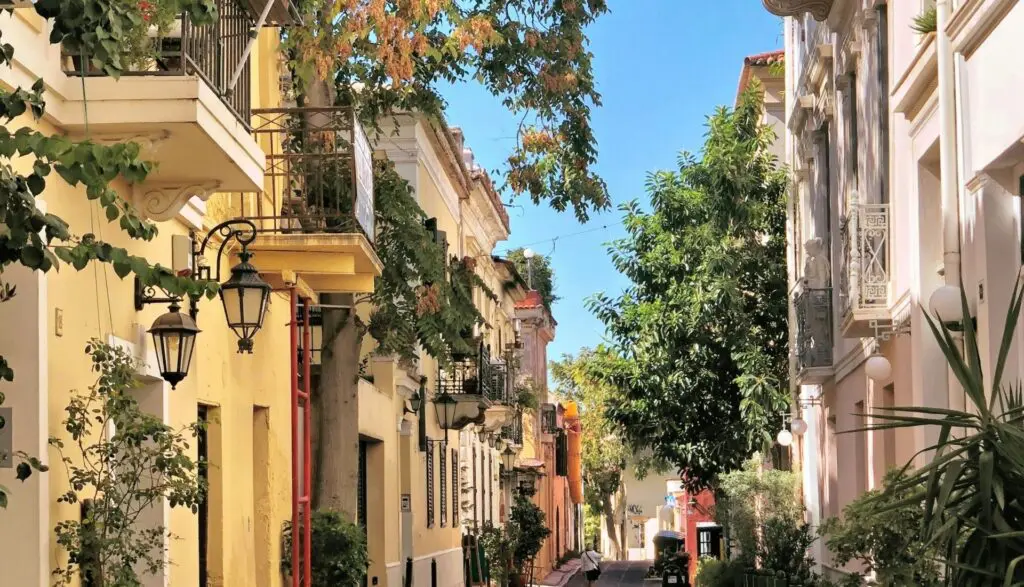
Plaka moves differently depending on the time of day. Early on, it feels quieter, narrow streets, stone, and small corners sitting just below the Acropolis. Later, it fills quickly. The best way to see it is before that happens, when the scale of it still feels intact and you can move through it without interruption.

Athens Travel Guide
Athens Travel Guide

Exarchia

Exarchia holds a different kind of energy. It’s less controlled, more direct, shaped by its politics, its creative scene, and the people who spend time there. Cafés, bars, and studios sit side by side, and the streets feel lived in rather than curated. It’s one of the clearest expressions of the city as it is now, not polished, but fully its own.

More destinations

Crete Travel Guide

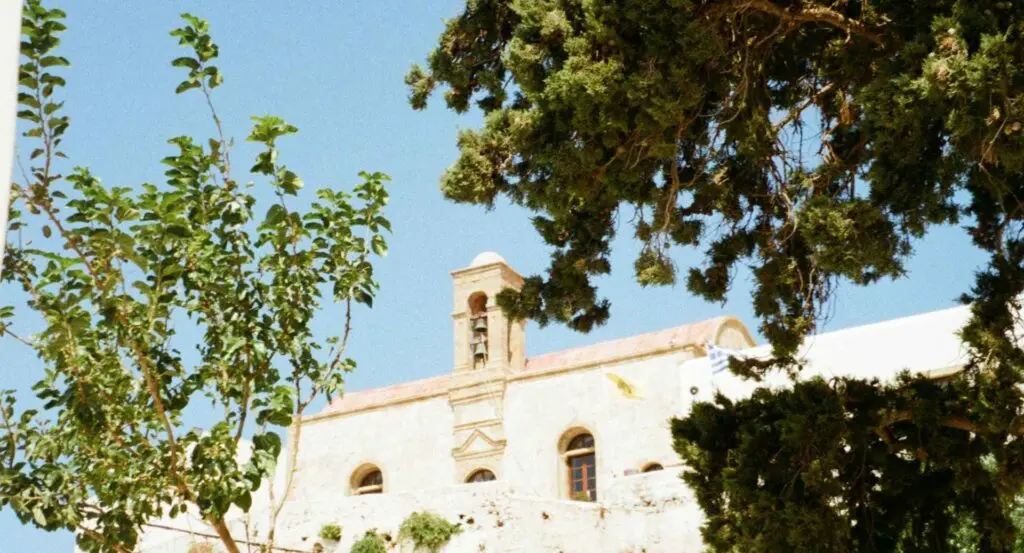
Crete feels expansive and deeply grounded, shaped by mountains, wind, and a coastline that never repeats itself. Villages sit among olive groves, meals follow the season, and days move at the land’s pace. Slow down here, and the island reveals its quiet strength.

Rome Travel Guide

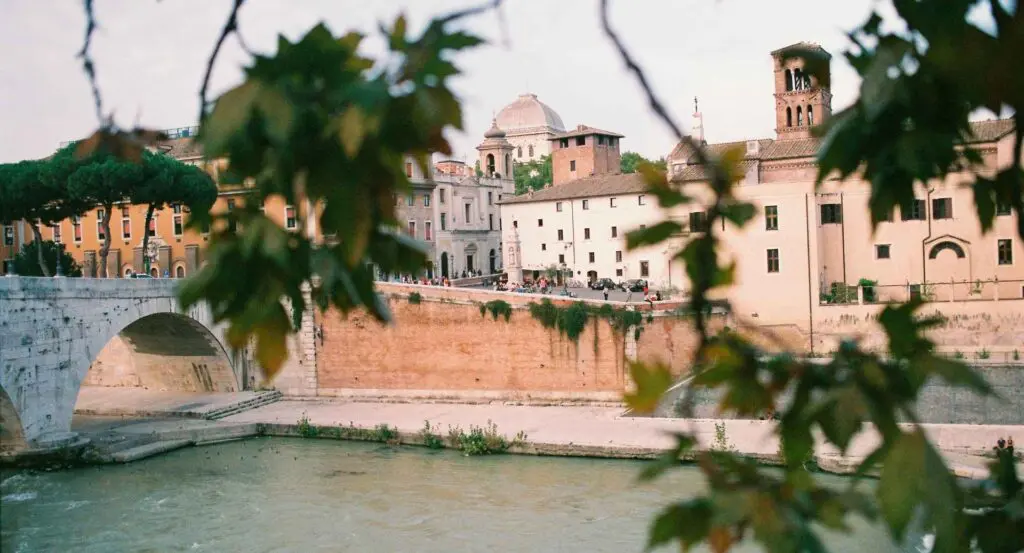
You’ll love Rome if you want a city that lives inside its history rather than around it. Days unfold between espresso bars, markets, and long lunches, with beauty built into the everyday. It’s layered, generous, and deeply human, a place where wandering always leads somewhere meaningful.

Puglia Travel Guide

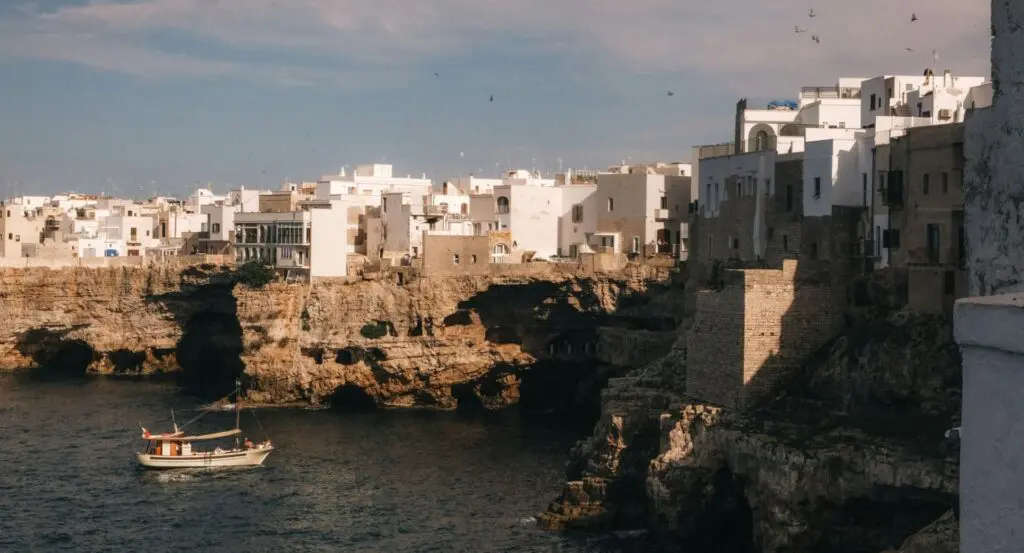
Puglia is slow living in its purest form. Days follow the sun, not the clock. Olive groves stretch endlessly, meals come from nearby fields and seas, and time softens around long lunches, quiet villages, and stone homes built for lingering rather than rushing.

Lisbon Travel Guide

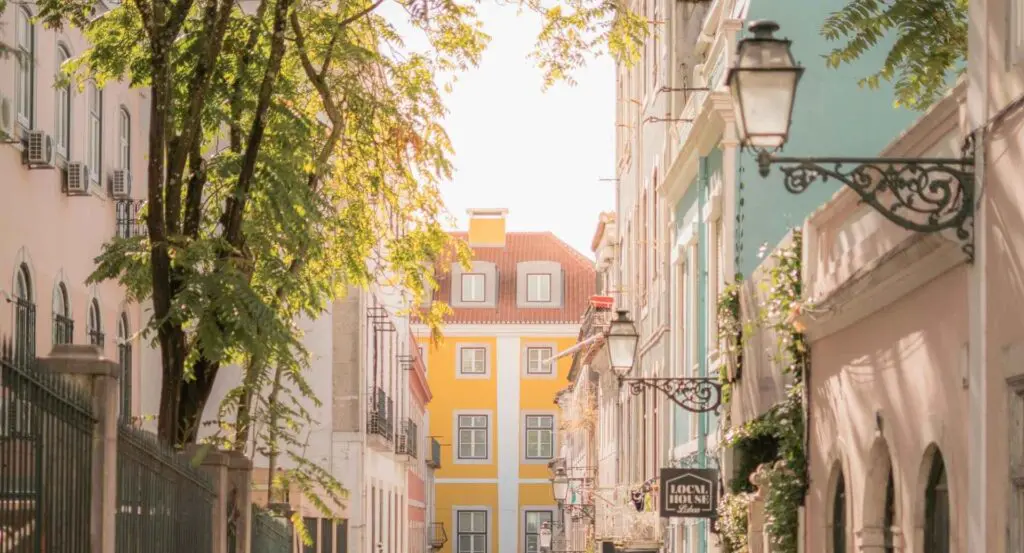
Lisbon moves on its own terms. Days stretch across hills, tiled streets, and sun-warmed terraces, shaped by seafood lunches and slow afternoons. There’s creativity everywhere, but it never feels forced. It’s warm, soulful, and easy to settle into without trying.

Staying In Athens

FAQ: Athens Travel Guide

When is the best time to visit Athens?

Athens shines year-round. Spring and autumn bring warm light and easy weather, perfect for walking and long terrace lunches. Summer hums with rooftop bars and open-air cinema, while winter feels intimate and local. Every season shows a different rhythm of the city.

Yes. The centre of Athens is made for walking, especially areas like Plaka, Psyrri, and Kolonaki. Streets are full of cafés, small shops, and street art. Exploring on foot lets you feel the city’s pulse and see how ancient and modern life blend naturally.

Stay near the centre to feel connected. Kolonaki offers elegance, Plaka brings heritage, and Exarchia shows Athens’ creative side. Each neighbourhood has its own rhythm but all share the same warmth and light.

Athens’ hotels blend history and heart. Many sit in restored neoclassical homes or modern spaces with Acropolis views. Expect textured design, rooftop bars, and the open hospitality Greece is known for.

Three days covers the highlights; five or more lets you linger. Slow mornings, market walks, and late dinners reveal the city’s quieter beauty. Athens rewards time and curiosity.

Because life here moves with ease. Mornings start with coffee and sunlight, afternoons drift through markets and galleries, and evenings end with wine and conversation. Athens teaches you to slow down and feel where you are.