
Crete Travel Guide: Where to Stay, Eat and Explore with Ease

For travelers drawn to wild coastlines, small roads, and places with depth

Crete feels vast and deeply lived in, shaped by mountains, wind, and a coastline that changes with every turn. Life here moves with intention, steady and unforced. Villages sit between olive groves and hillsides, the sea shifts from quiet to wild, and the days unfold at a pace that belongs only to the island. This Crete travel guide shares where to stay in Crete, gathering the best hotels, restaurants, and regions that reflect the island’s true character, raw, warm, and rooted in tradition.

Crete is a place of contrasts. Mountain roads lead to coves you reach just as the heat breaks, old towns open into quiet backstreets, and meals are built around what is grown or caught that week. Nothing feels rushed. Bread, olive oil, tomatoes, fish, wine, stories passed across the table. The island rewards travelers who slow down, explore a little, rest a lot, and let the landscape set the rhythm. When you do, Crete reveals itself fully, one honest moment at a time.

Where to Stay in Crete

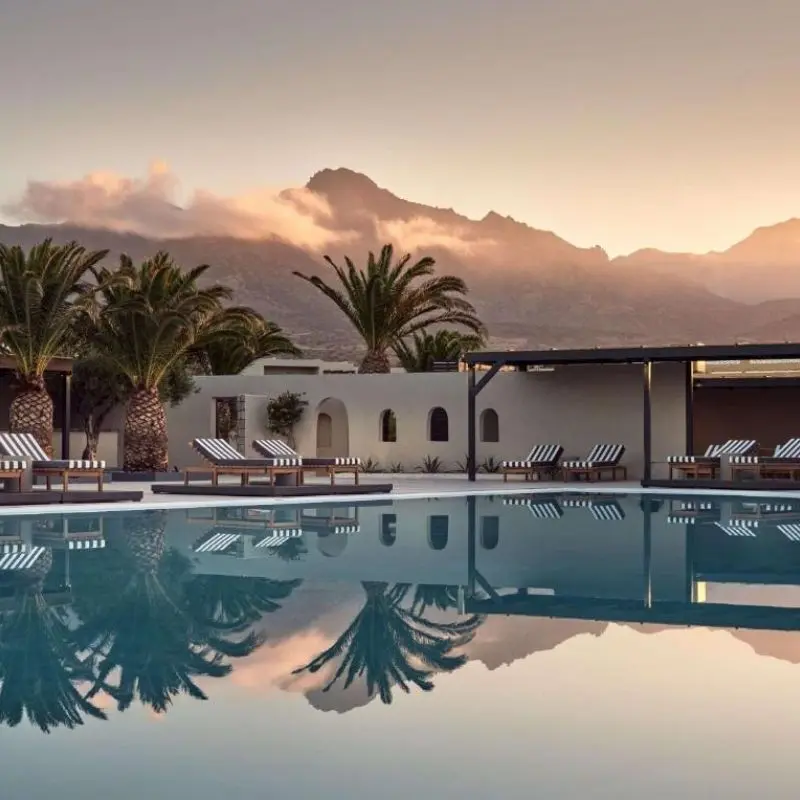
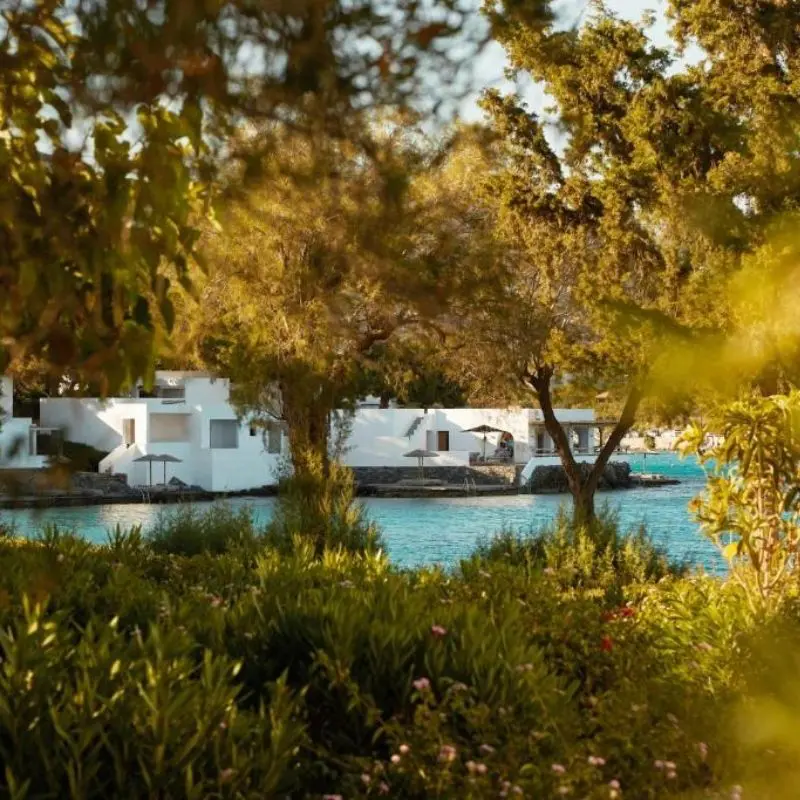
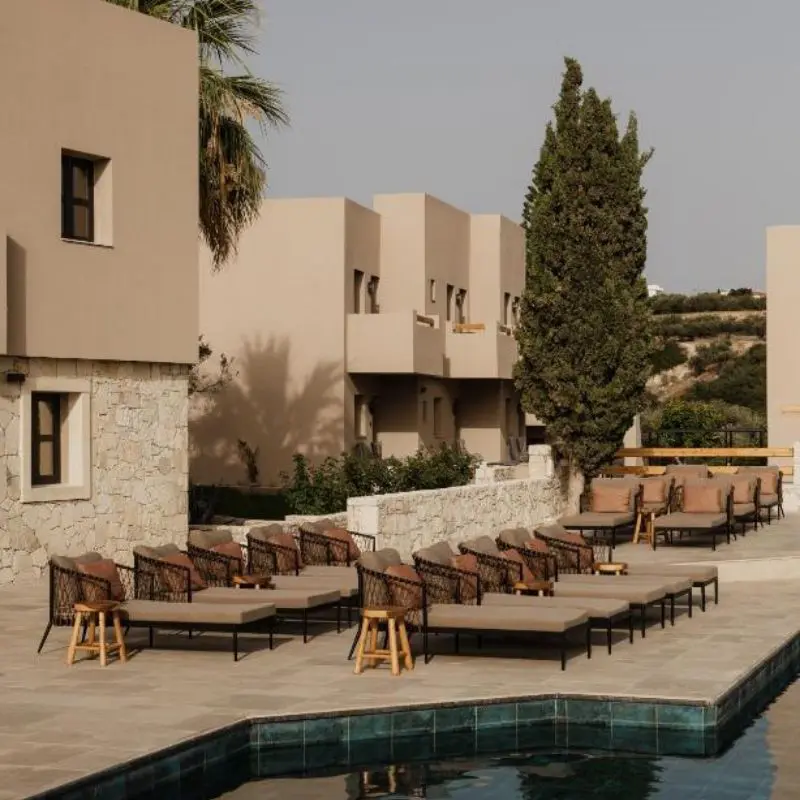
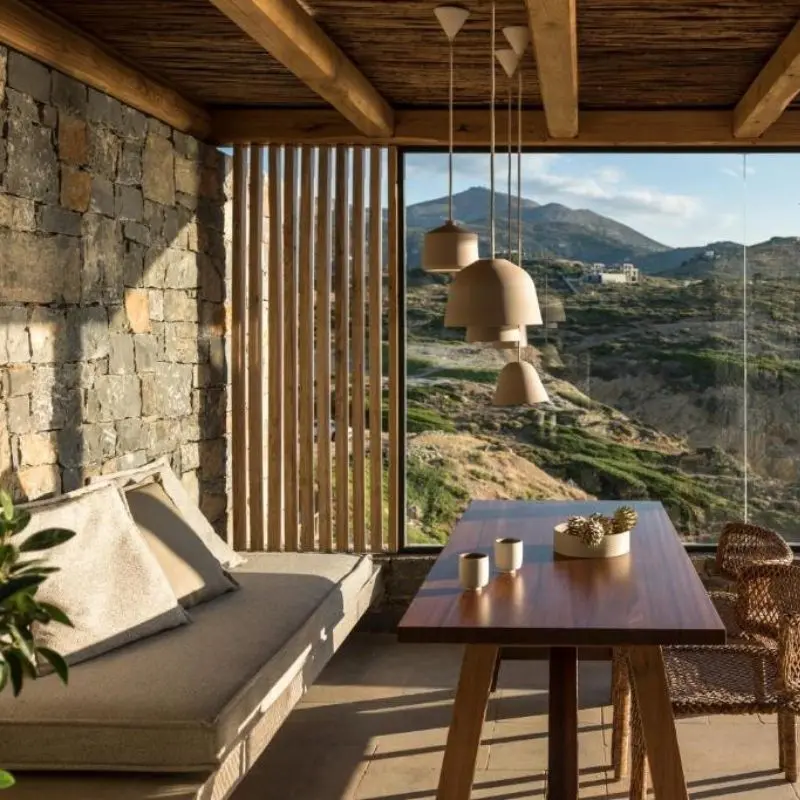
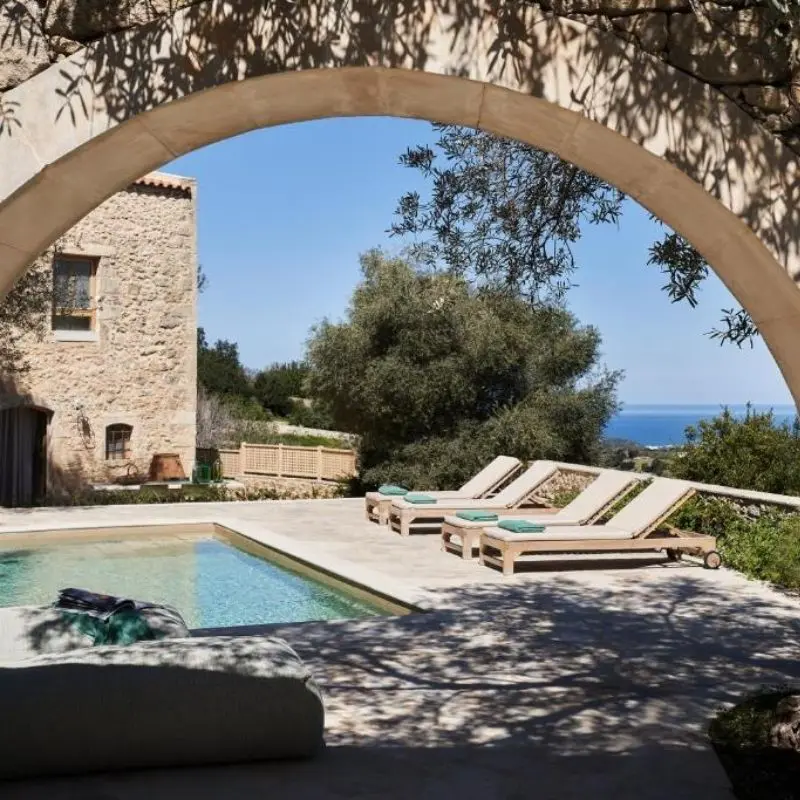
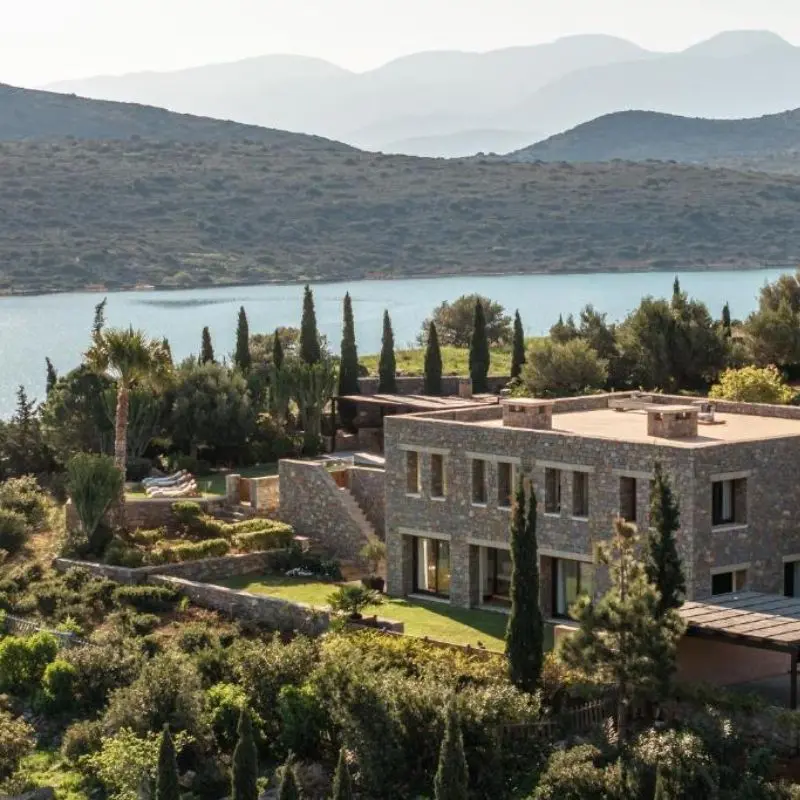
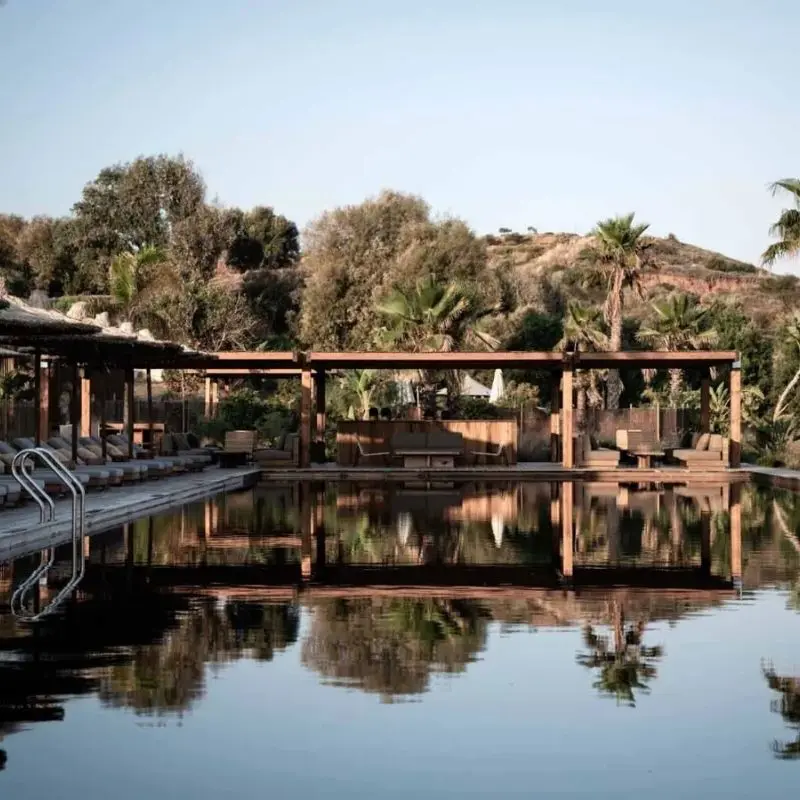
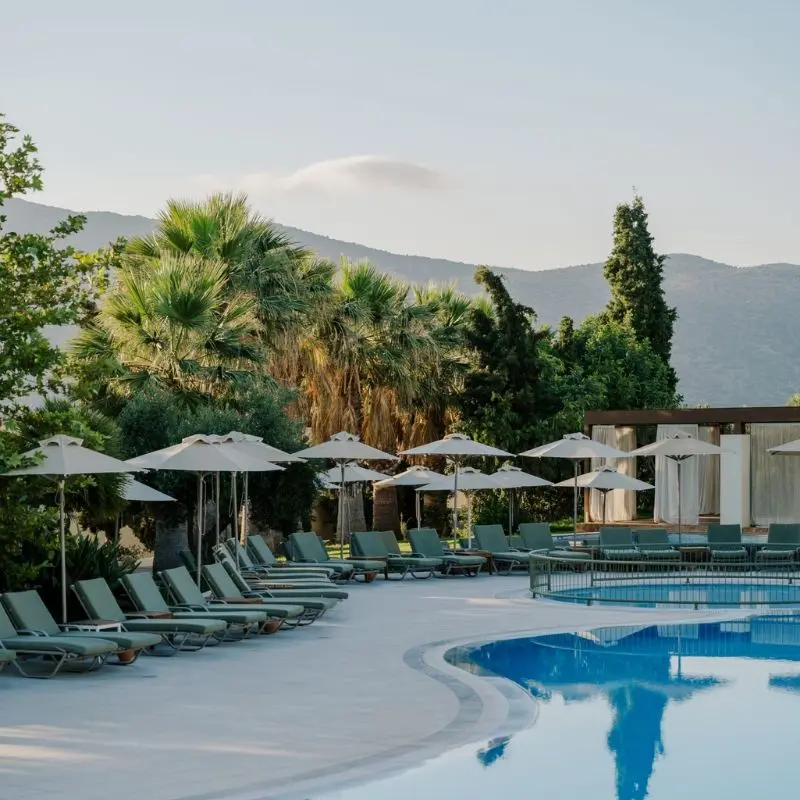
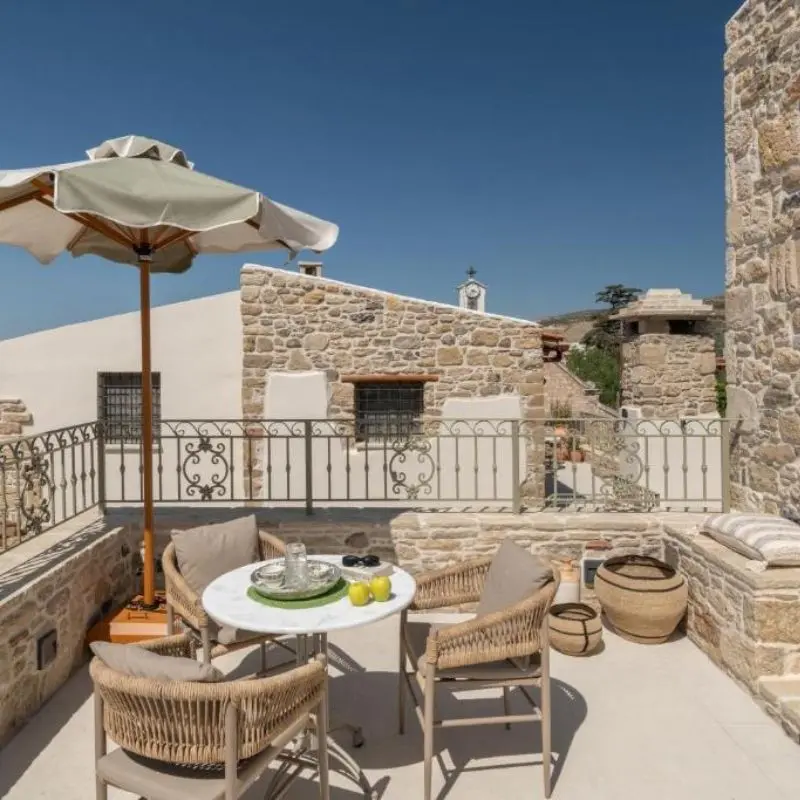
Our edit of the best Crete hotels is for travelers who look for places with soul rather than polish. These stays are shaped by the island’s deep roots, simple design, and everyday beauty. Some sit above quiet bays, others tuck into mountain villages or olive groves, but all share the same grounded rhythm. Expect local breakfasts, long swims, unfussy rooms, and food that reflects the land. This is Crete through The Revel Stay lens, thoughtful, warm, and made for travelers who like to move slowly and stay a little longer.

Our Edit: The Best Places to Eat in Crete

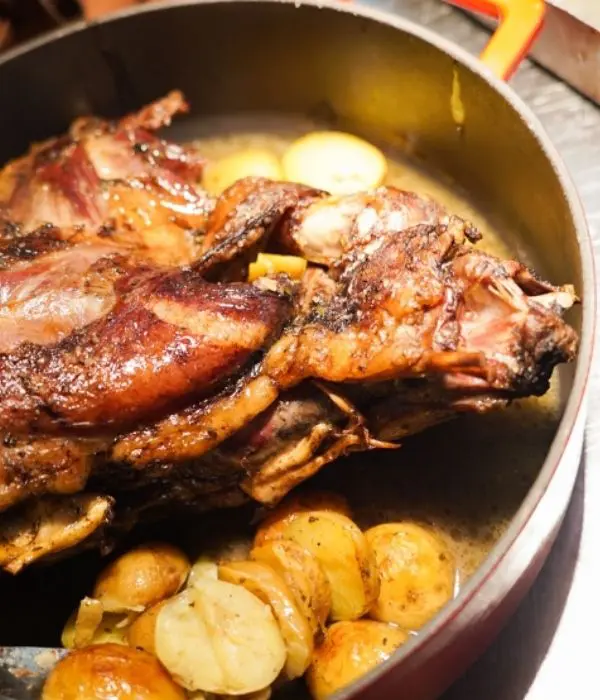
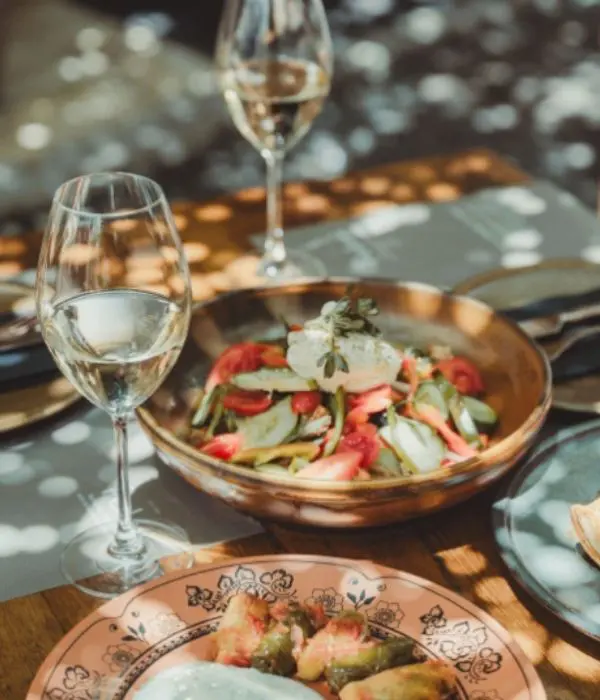
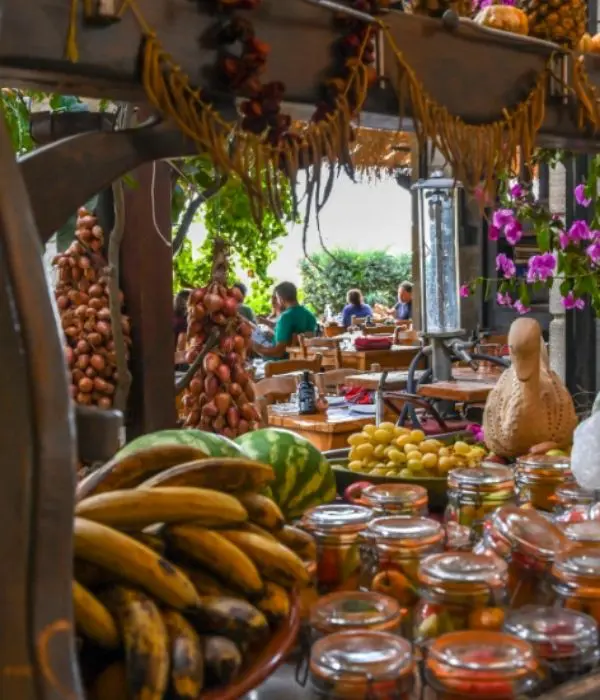
Crete cooks with memory and instinct. Food comes from the land, the sea, and the people who still work by feel rather than rules. Farmers harvest what is in season, fishermen bring in whatever the water offered that morning, and many kitchens still roll dough the way it has always been done. Meals are simple, generous, and rooted in place. Wild greens, fresh cheese, grilled meat, local olive oil, and dishes that change with the day. Alongside tradition, a new wave of growers and chefs is shaping Crete’s food culture with care, keeping the island’s past close while moving it forward quietly. This Crete travel guide highlights the restaurants where that honesty and depth come through clearly.

Crete Travel Guide Alibertos
@alibertoschania

01. Alibertos

Leof. El. Venizelou 91, Kounoupidiana 731 00

Alibertos feels like sitting at a friend’s table – if your friend knew every winemaker by name and cooked with real heart. A small, soulful spot where local food, wine, and warmth come first.

@peskesi

02. Peskesi Restaurant

Kapetan Haralampi 6-8, Heraklion 71202

Peskesi is a love letter to Crete – rooted in family recipes, farm-grown ingredients, and a deep respect for tradition. It’s the kind of place where the food tells a story and the welcome feels real.

Crete Travel Guide Gramvousa
@gramvousarestaurant

03. Gramvousa

Kaliviani 734 00, Kissamos,

At Gramvousa, the land leads. Everything on the table starts in the garden or the hills nearby, brought to life by people who cook the way their grandparents did- slowly, with care and pride. It’s the kind of place where lunch stretches long, and nothing feels rushed.

Crete Travel Guide Matzénta Kuzinadel Sol
@matzentakuzinadelsol

04. Matzénta Kuzinadel Sol

Giannikou Tzelepi 2, Chania 731 32

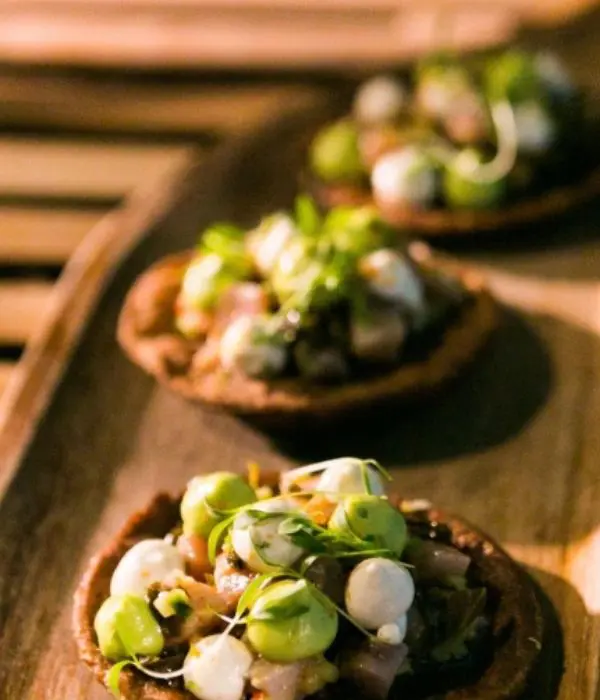
At Matzénta Kuzina del Sol, Cretan ingredients meet the soul of Oaxaca, Mexico. It’s all feeling and fire, hand-pressed tortillas, garden herbs, slow-roasted flavors, and a rhythm that feels more like memory than menu.

Exploring Crete: The Areas We Love

Crete asks for slow travel and open time. You will want a car, not for distance but for freedom: to follow winding roads through olive groves, along cliffs, and into small villages where nothing feels rushed. Days fall into an easy rhythm. A swim in the morning, a walk through a mountain town, a long lunch under trees where everything on the table comes from nearby. This is not an island you move through quickly. It is one you settle into. Crete gives back what you give it: attention, patience, and an appetite for the real.

Chania & the Western Coast

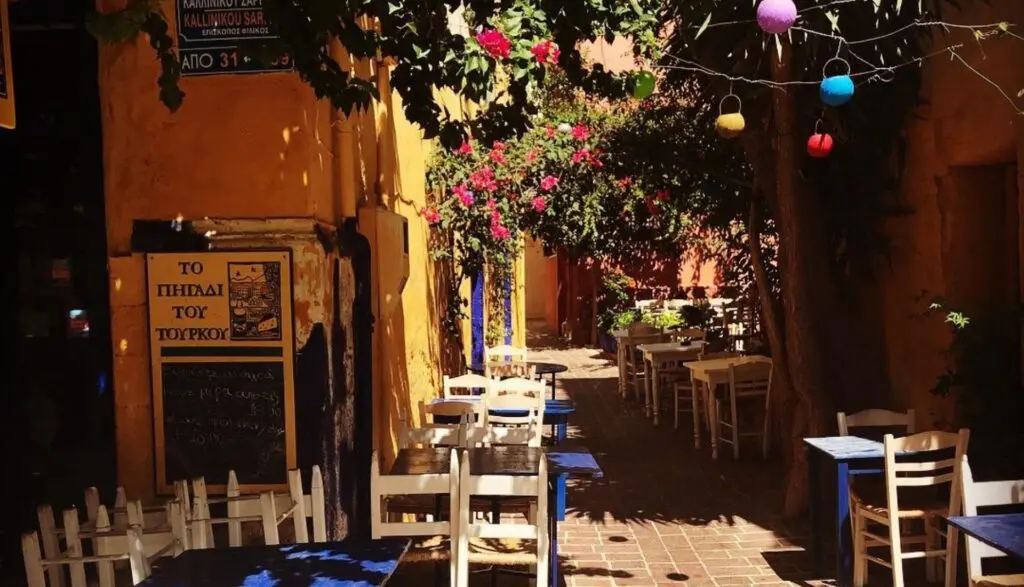
Chania has a natural rhythm. Mornings start quietly with bakery scents and sea air, afternoons stretch through shaded cafés, and evenings end in simple, family-run tavernas. Beyond the harbor, the western coast opens into villages, olive groves, and beaches that feel untouched. Some pockets get busy in August, but step just outside town and the pace softens. West of Chania, there is always space to breathe. Spring and late summer work best, when the heat eases and conversations linger a little longer.

Crete Travel Guide Chania
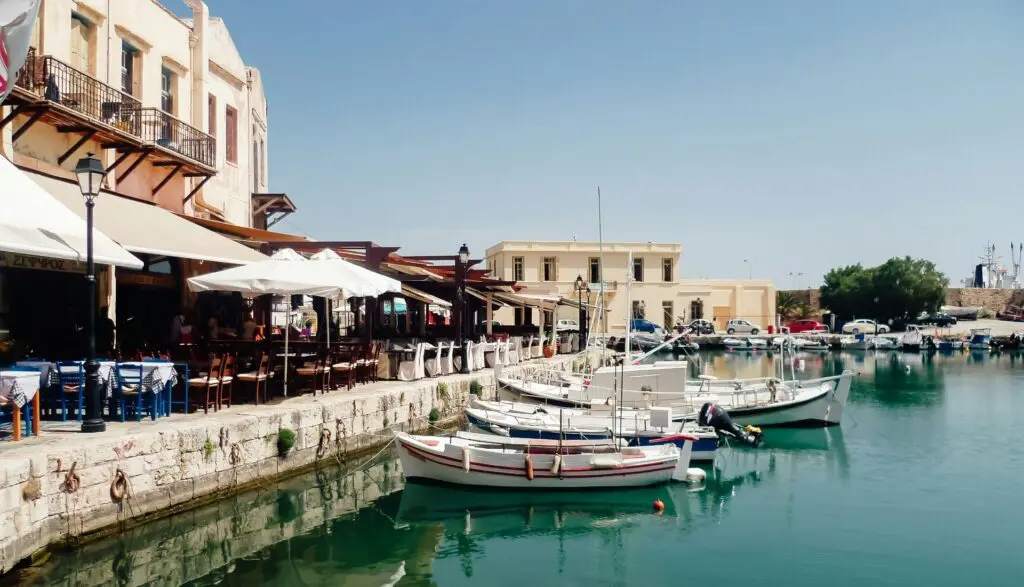
Crete Travel Guide Rethymno

Rethymno & the Central Highlands

Rethymno carries its history lightly. Stone lanes, market squares, and small workshops give the town a steady charm, but it is the highlands above that reveal Crete’s deeper character. Hill villages move slowly. Olive trees fill the slopes. Locals wave from porches or share a glass of raki without a rush. The central region is generous in ways that do not announce themselves. Visit in early autumn, when the air cools and the hills smell of herbs and woodfire.

Southern Crete & the Asterousia Foothills

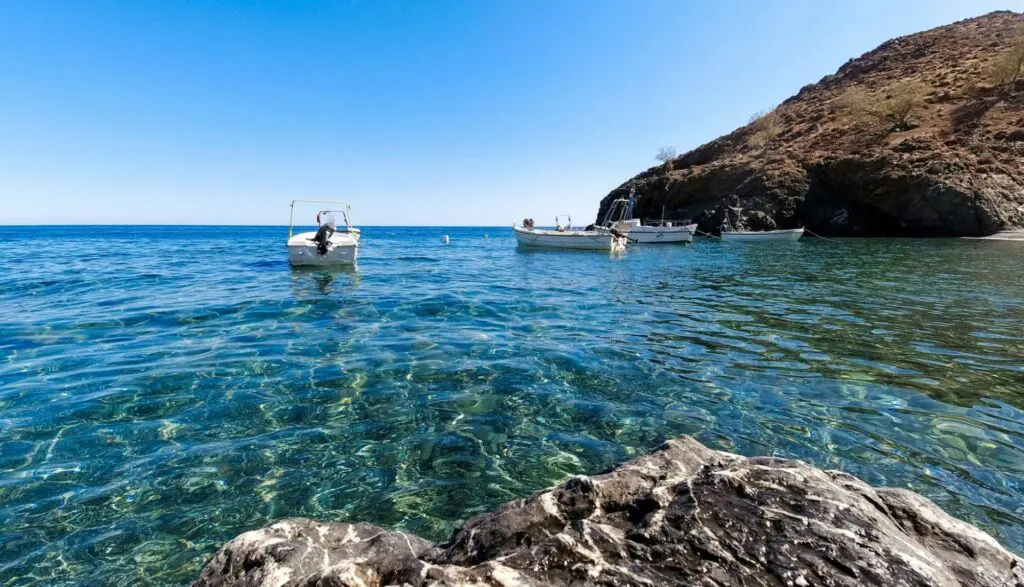
Southern Crete moves at its own pace. Roads curve through wide, empty stretches, broken by fig trees, small farms, and views that stop you without warning. Villages are sparse and self-reliant. Meals are straightforward and full, often without menus. The pace asks you to be present, nothing more. People welcome you like they have known you longer than they have. Early summer and late September suit this part of the island best, when the heat softens and the landscape feels open and unhurried.

Crete Travel Guide South crete

More destinations

Paros Travel Guide

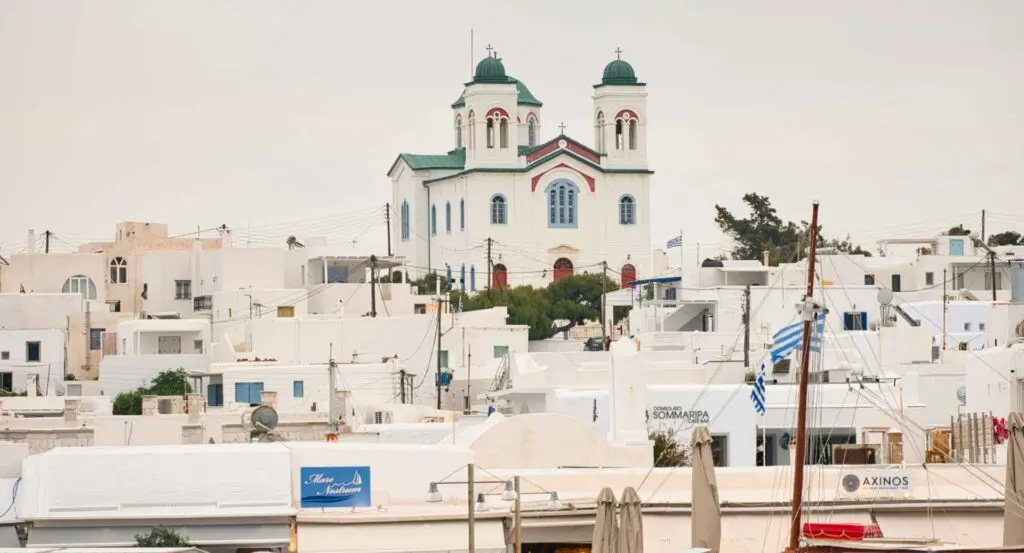
Paros is the kind of island that makes slowing down feel effortless. Days drift between swims, village walks, and long lunches by the sea. It’s Cycladic and calm, with good food, thoughtful places to stay, and a rhythm that invites you to linger.

Mallorca Travel Guide

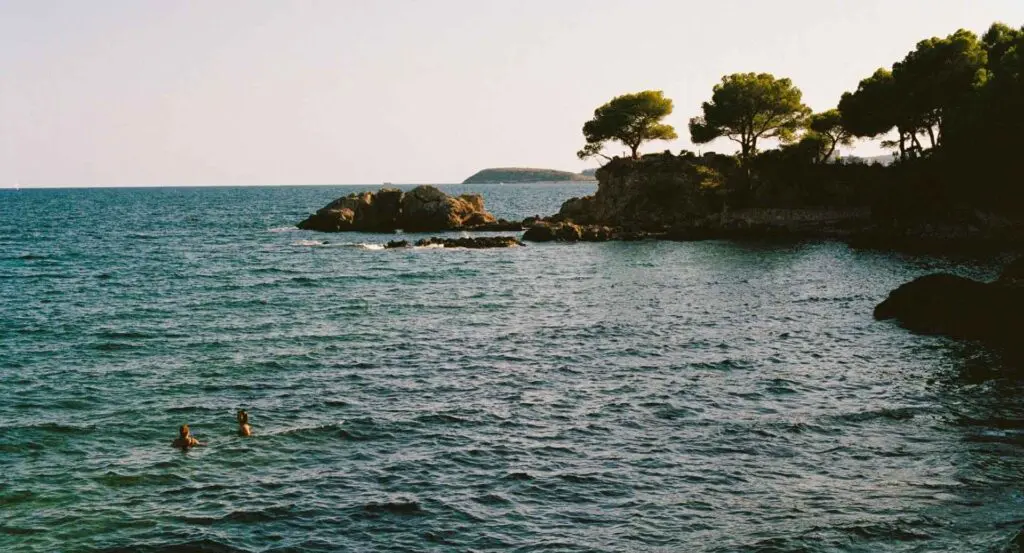
Mallorca is a place that gently resets you. Days follow the light, not the clock. You’ll find stone fincas, quiet coves, and food rooted in the land. It’s an island made for slow mornings, long lunches, and staying just a little longer than planned.

Athens Travel Guide

Athens feels real in the best way. History sits alongside modern kitchens, rooftop bars, and neighbourhood life that runs late. Food is generous, conversation flows easily, and the city’s energy feels raw, creative, and deeply rooted rather than polished or precious.

Central Portugal Travel Guide

Central Portugal feels like stepping back to a simpler time. Life moves gently here, shaped by forested hills, stone villages, and long Atlantic beaches. Days revolve around good food, fresh air, and unhurried moments that make slowing down feel natural rather than forced.

FAQ: Crete Travel Guide

Do you need a car in Crete?

Yes. Crete is large, spread out, and full of small roads that buses do not reach. A car makes it easy to explore beaches, mountain villages, and quieter parts of the island at your own pace.

At least a week if you want to slow down and settle into the island’s rhythm. Crete is large and spread out, and each region has its own character. Five days works if you stay in one area, but a full week or more gives you time for beaches, mountain villages, and unplanned days without feeling rushed.

Most travelers underestimate the size. Driving from west to east can take more than four hours. Choose one or two regions and explore them well rather than trying to cover the whole island.

The southwest and the far west have the most dramatic coastline. The north has easier access and calmer waters, while the south has wilder, less crowded spots reached by small roads or short hikes.

Yes. Crete has one of the strongest food cultures in Greece. Expect simple dishes built on local olive oil, wild greens, fresh cheese, tomatoes, herbs, and fish. Many restaurants cook what is available that day.

Main roads are straightforward. Mountain and village roads are narrow and winding but manageable if you take your time. Renting a small car helps with parking and tight turns.