Hotels in Canal Saint Martin Paris

Iron bridges, canal-side Sundays and the part of Paris that feels most like a village.

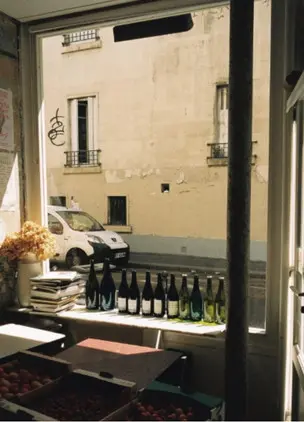
Canal Saint-Martin runs through the 10th arrondissement at its own pace. The iron footbridges, the lock gates, the Sunday crowds sitting on the quais with wine and nowhere specific to be. The streets around it, rue de Lancry, rue Beaurepaire, rue Yves Toudic, move between independent coffee shops, natural wine bars and concept stores in the kind of neighbourhood that takes a few visits to fully understand. It is younger and looser than Le Marais, less arranged than the Left Bank, and the part of Paris that people who live here tend to stay in for the long term. If you are looking for hotels in Canal Saint-Martin Paris, these are the stays worth knowing.

Best For:

  • Canal-side weekends and slower days
  • Natural wine bars and independent coffee shops
  • Travellers who want Paris without the tourist map
  • Creative stays in the 10th arrondissement

Skip if:

  • You want major landmarks on your doorstep
  • You prefer a busier, more central neighbourhood
  • You are visiting Paris for the first time

Nearby Alternative:

Le Marais
Denser, more layered and the part of Paris where everything happens at once

Pigalle
Nightlife, natural wine bars and the creative side of the Right Bank

Cool Hotels Paris
Design-led stays with a stronger point of view

Why Stay in Canal Saint-Martin?

Canal Saint-Martin is one of the few central Paris neighbourhoods that still feels shaped by daily life. The canal sets the pace, lock gates opening slowly, iron bridges crossing the water and groups gathering along the banks as the day winds down. Around it, cafés, wine bars, bakeries and independent shops create a neighbourhood people return to for reasons that have little to do with sightseeing. Younger than Saint-Germain, quieter than Pigalle and less polished than Le Marais, Canal Saint-Martin offers a more local rhythm of Paris.

The Best Hotels in Canal Saint-Martin Paris

These are the Canal Saint-Martin hotels we would book first, each chosen for how naturally they sit inside one of Paris’s most quietly compelling neighbourhoods.

Hôtel des Deux Gares

An abandoned railway hotel between two stations, reimagined by Luke Edward Hall into something more Parisian than Paris itself.

Why stay here

Adrien Gloaguen found the building vacant in a narrow alley between Paris’s two major stations and called Luke Edward Hall, whose first hotel project this became. Hall chose an anti-modern approach, emerald green reception walls, black and white chevron marble floors, Warhol and Hockney exhibition posters, geometric rugs à la David Hicks, candy-striped headboards and fringed yellow velvet chairs. The basement gym has a red and white checkerboard floor and Svenskt Tenn wallpaper. Café Les Deux Gares sits directly opposite, designed by Hall with the same decorative freedom. Canal Saint-Martin is a short walk behind the hotel.

Best For

Design-led stays and travellers who want a hotel that commits fully to its own point of view.

La Planque Hotel

A former sweet shop on rue Arthur Groussier, turned cabinet of curiosities with a patio and the canal five minutes away.

Why stay here

Desjeux Delaye transformed a former sweet shop and apartment building into something that feels less like a hotel and more like the home of someone who cannot stop collecting things. The lobby still has the original counter, now serving coffee. The dining room sits under a glass roof surrounded by antique objects and personal photographs. Vintage furniture from local flea markets runs through the 36 rooms alongside velvet headboards and rotary dial telephones. The green patio has midnight blue zellige tile floors and fairy lights. Homemade cake is available all day. Canal Saint-Martin is five minutes on foot.

Best For

Design-conscious stays and travellers who want Canal Saint-Martin at neighbourhood level.

Hôtel Ginette à la Folie & Spa

Named after a Moulin Rouge dancer, 46 rooms of pink elephants, leopard prints and a private Roman bath near Canal Saint-Martin.

Why stay here

The folie in the name refers to the extravagant private pleasure houses wealthy Parisians built for their mistresses in the 18th century. Ginette was a dancer at the Moulin Rouge whose lover built her one nearby. The hotel runs with that spirit. Pink elephants, exotic florals and leopard prints move through the 46 rooms without apology. The rooftop has two fig trees. The private spa has a Roman bath and sauna available in 45-minute sessions. The honesty bar stays open late. Canal Saint-Martin is a few minutes walk.

Best For

Couples and travellers who want a hotel with genuine personality and a spa worth booking in advance.

Best Places To Eat In Paris Early June

Where to Eat Nearby

Early June

Early June keeps its kitchen in motion, inviting different chefs to take over throughout the year. Each residency brings a new menu and a subtle shift in perspective, while the room itself stays constant, compact, focused and quietly attentive. The kind of place people return to, curious to see what has changed.

Canal Saint-Martin or Le Marais?

Canal Saint-Martin and Le Marais attract a similar crowd, but the experience feels different once you arrive. Le Marais is denser, busier and more social, with galleries, fashion, restaurants and nightlife packed into a few streets. Canal Saint-Martin moves more slowly. The canal shapes the neighbourhood, mornings begin in cafés, afternoons drift along the water, and evenings settle into wine bars and small dining rooms. If you want Paris at its most energetic, stay in Le Marais. If you want a more local rhythm, Canal Saint-Martin makes the stronger base.

Stay Elsewhere in Paris

Le Marais
Fashion, galleries and one of Paris’s most layered neighbourhoods

Pigalle
Natural wine bars, late nights and the creative side of the Right Bank

Cool Hotels Paris
Design-led stays with a stronger point of view

Explore

Our perspective

Where you stay shapes how a place is experienced. Not through spectacle, but through atmosphere, detail, and the rhythm of daily life. Places that sit naturally within their surroundings, connected to food, people, and the way a day unfolds, where it feels easy to settle in and experience what is actually there.