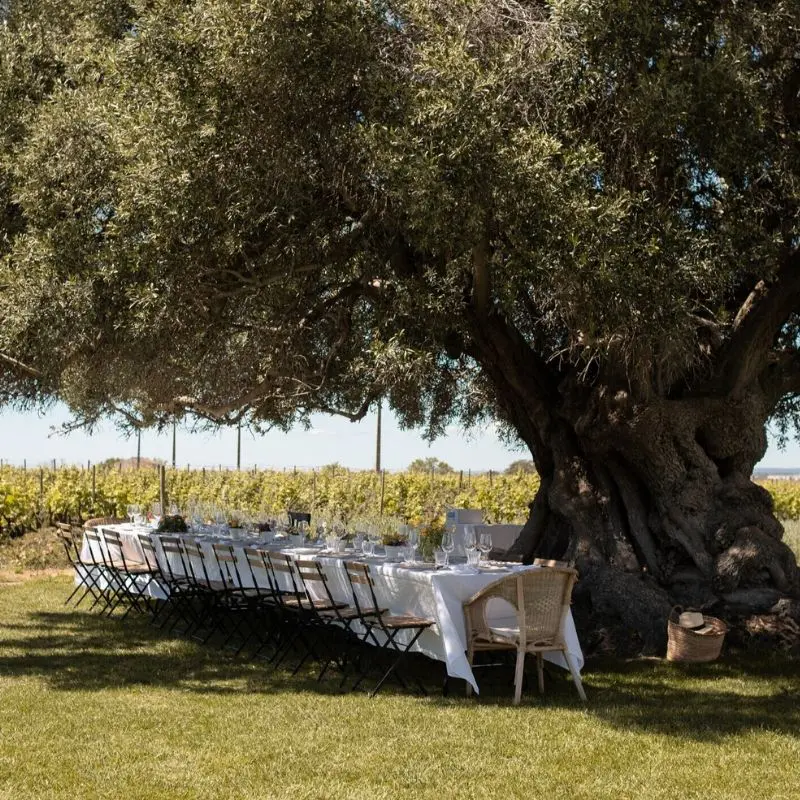
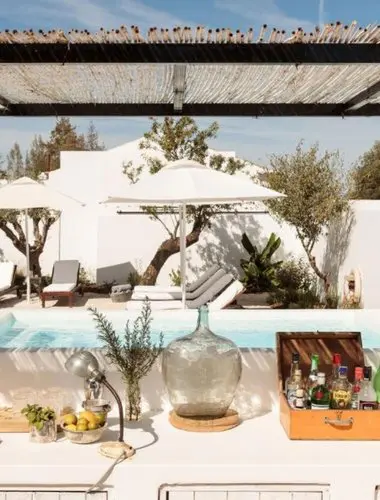
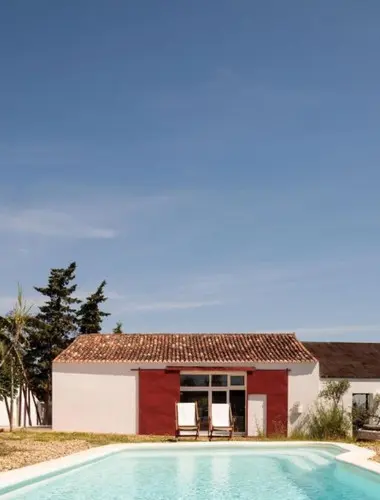
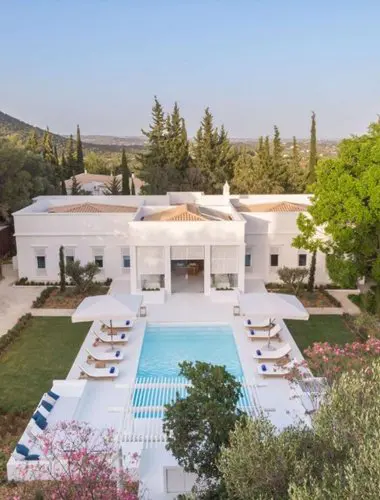
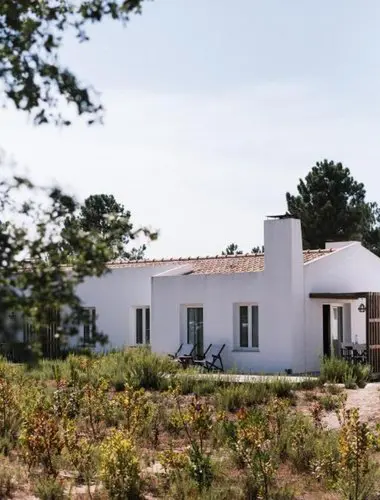
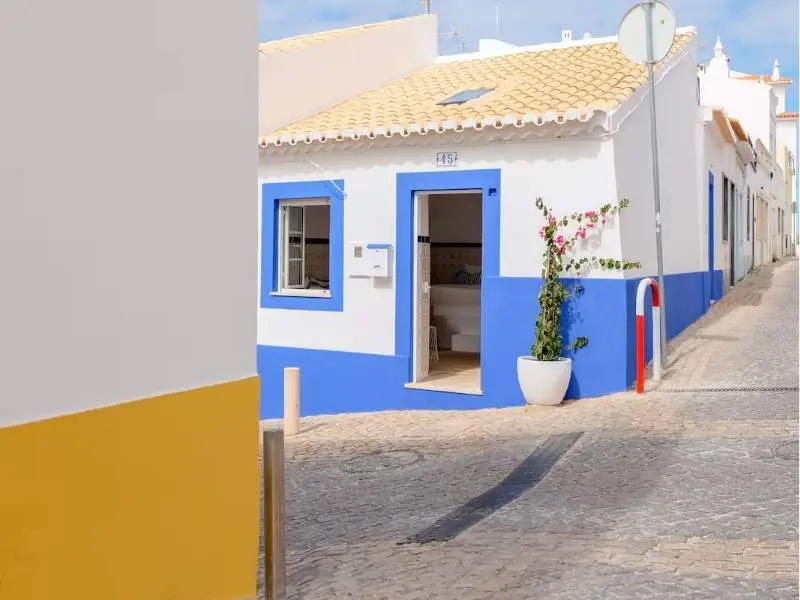
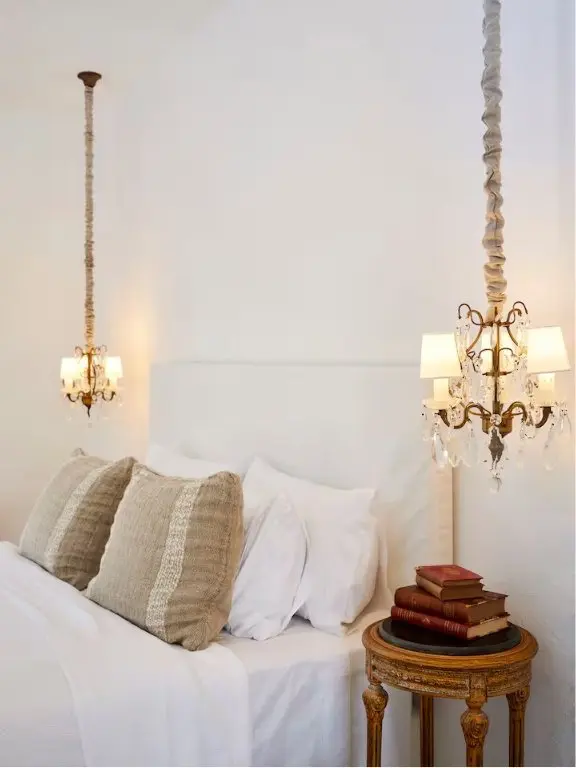
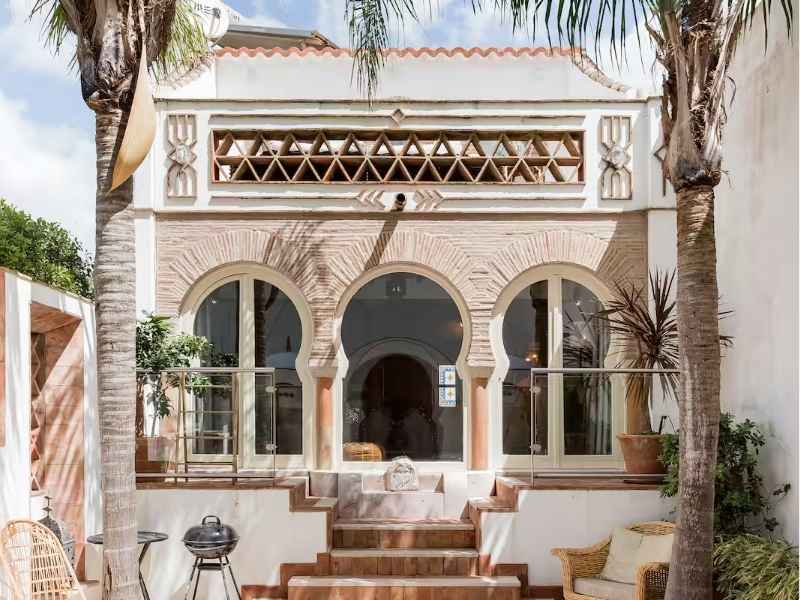
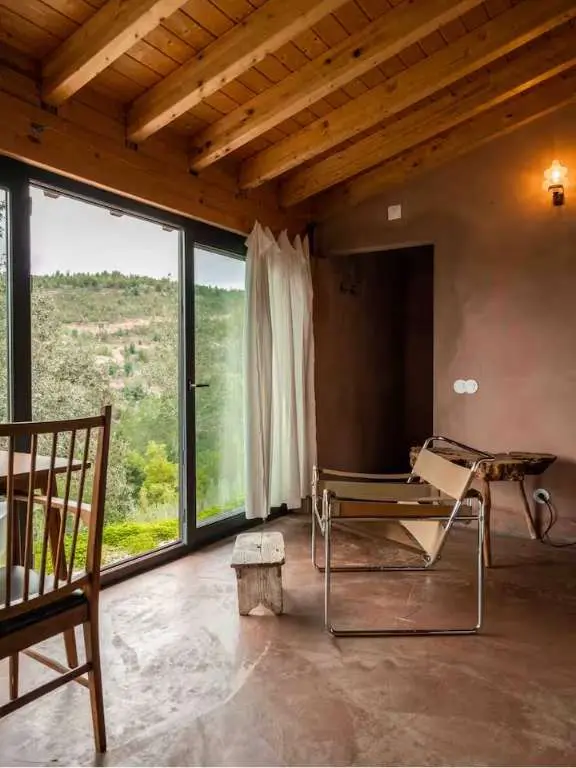
The Algarve divides cleanly once the resort coast drops away. East of Faro, tides and boat timetables govern the Ria Formosa; Tavira and Guadiana towns bring tiled streets, markets and citrus country. Turn west and the Atlantic takes over, colder and rougher along cliff roads. Inland quintas make a third case through old farm buildings, orchards and long tables. Hotels should commit to one of these landscapes; the region loses meaning as a single beach strip.

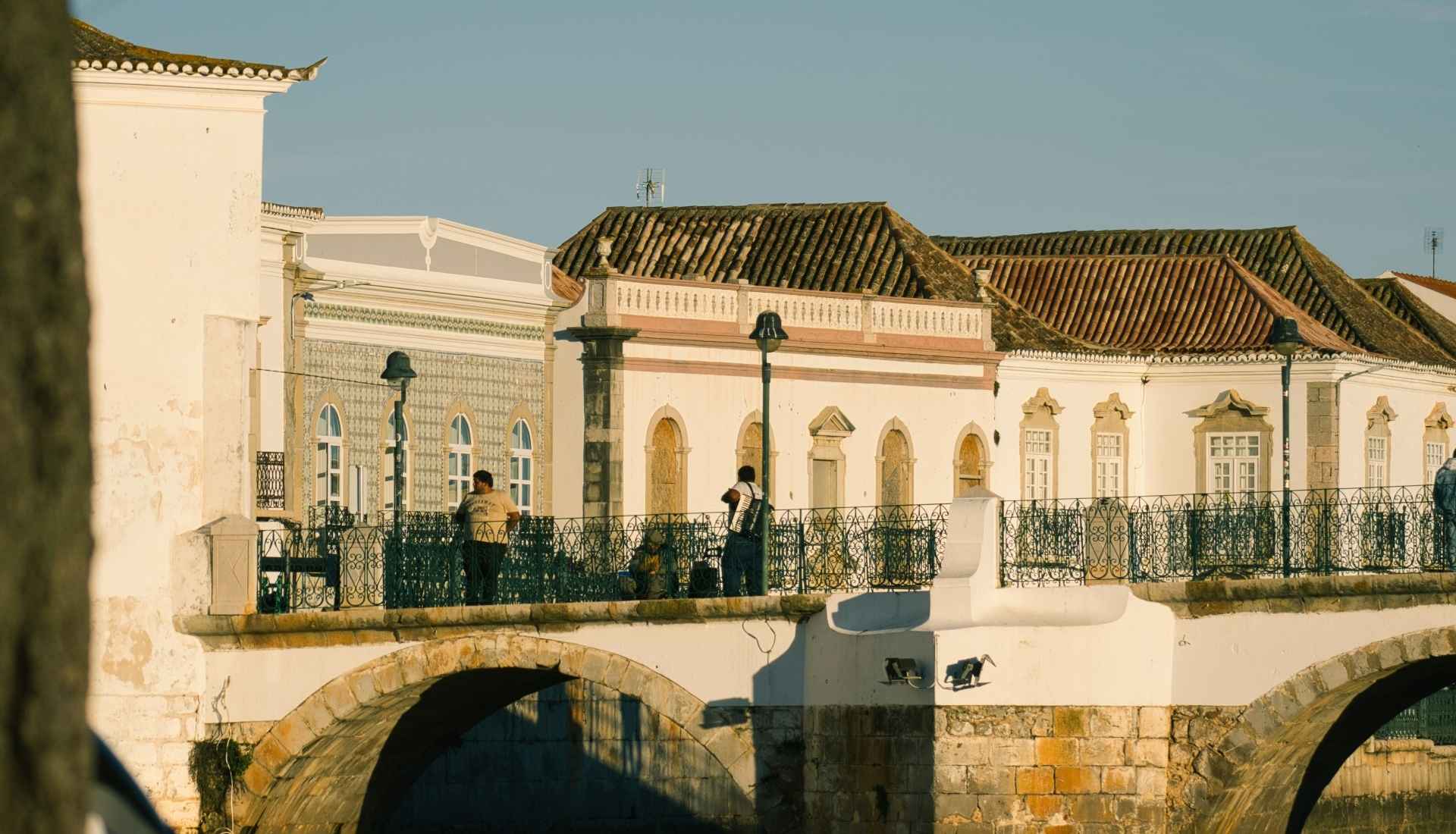
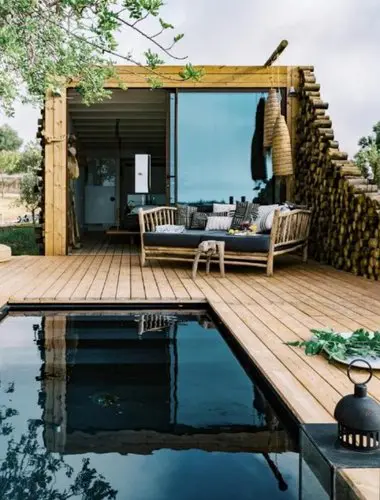
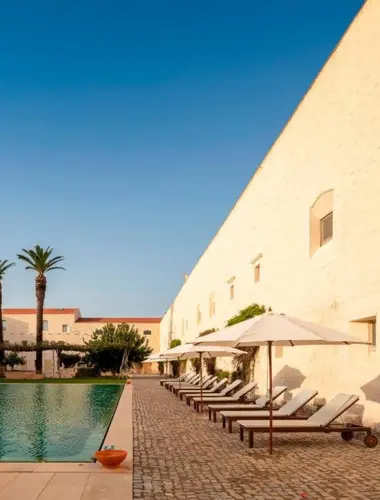
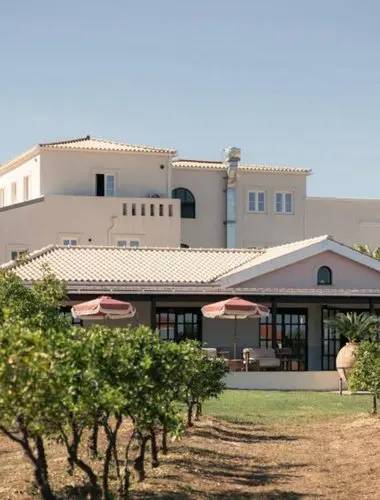
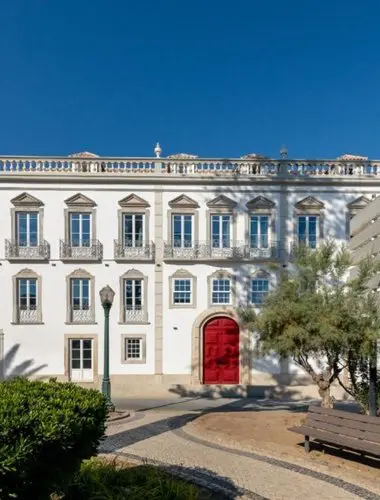
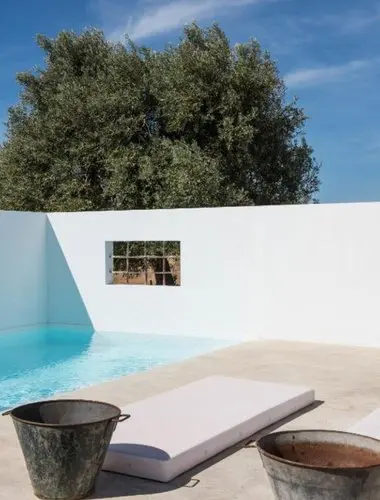
River towns, orange groves and an older version of the Algarve still visible between the lagoon and Spain.

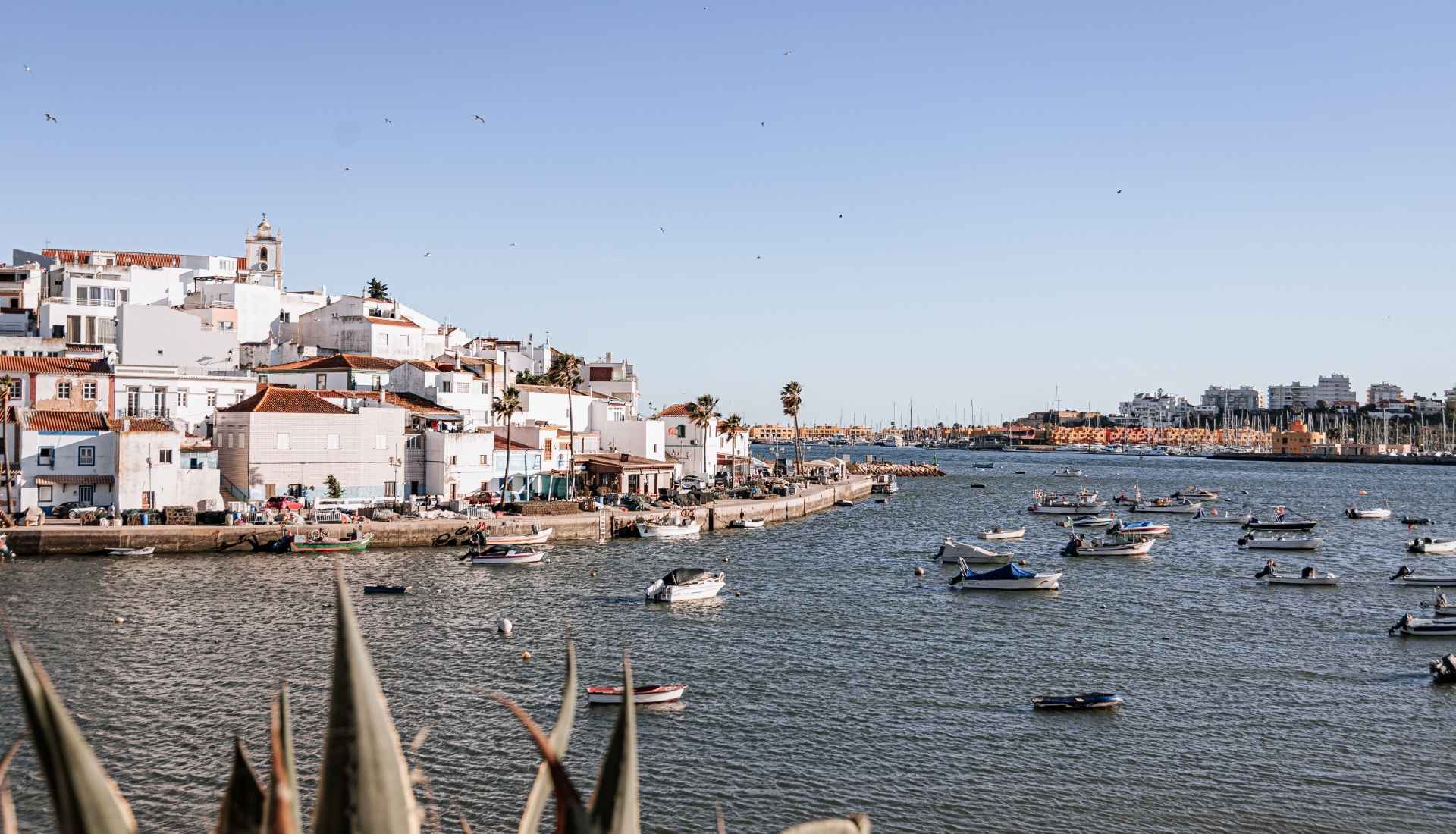
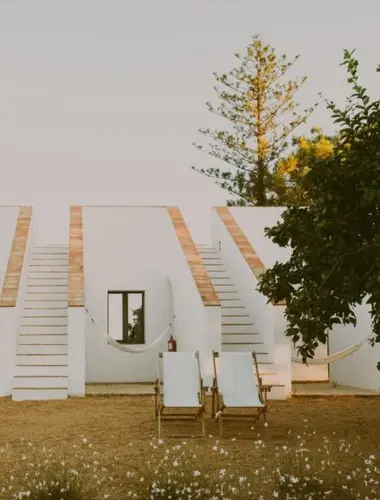
Salt pans, fishing towns and barrier islands reached at the pace of the tide.

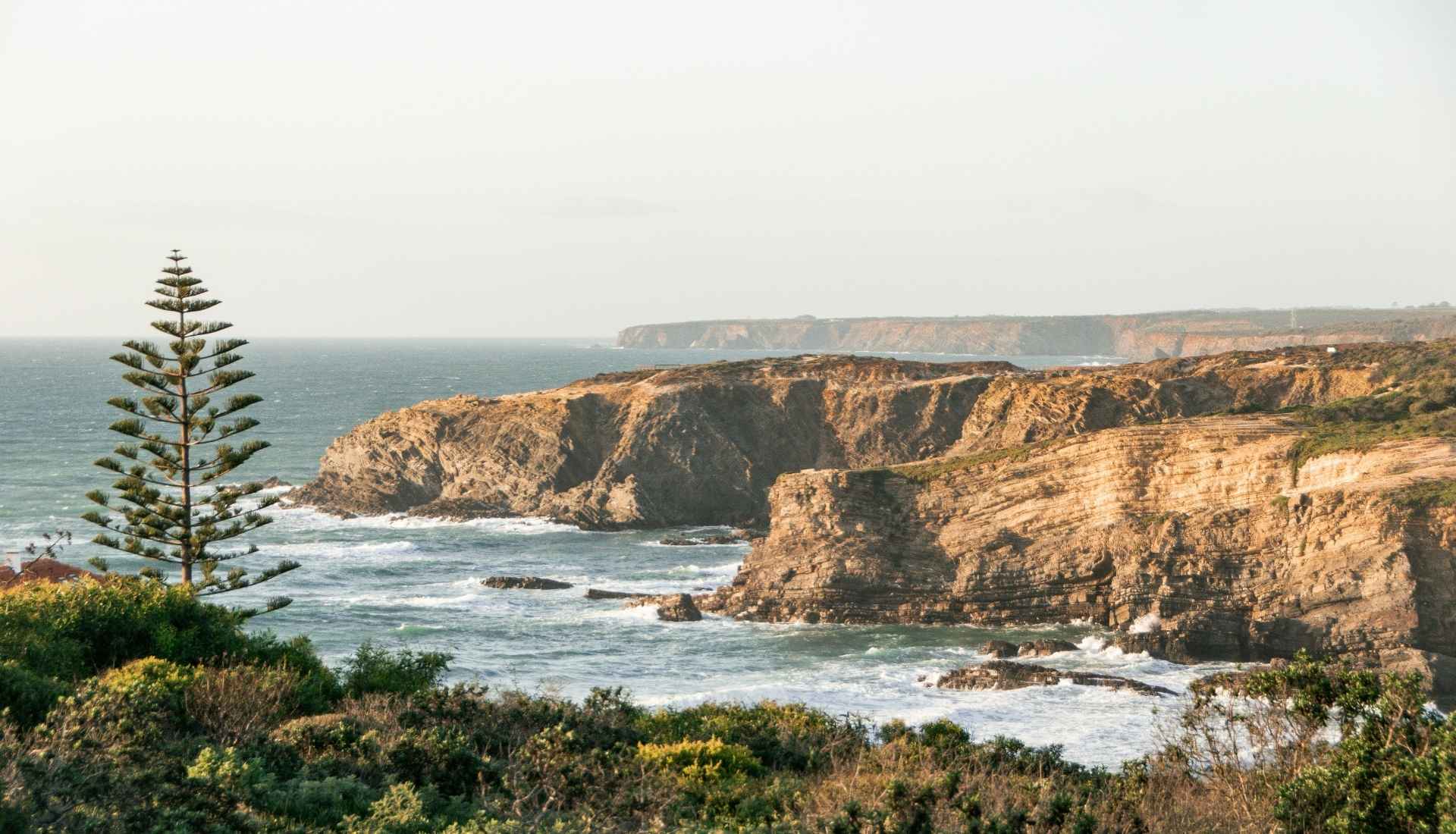
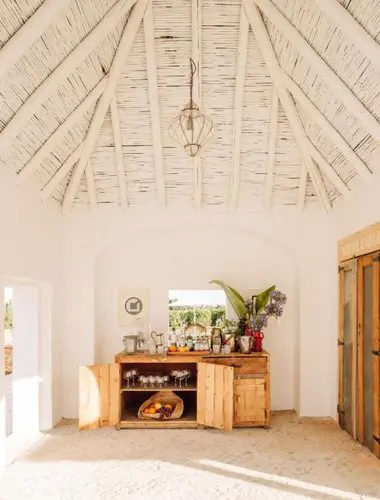
Atlantic roads, old surf towns and a coastline that still feels slightly beyond reach.
There is no single answer because the region changes substantially from east to west. Choose the Ria Formosa for fishing towns, market mornings and beaches reached by boat. The wider Eastern Algarve adds Tavira, Castro Marim, orange groves and the Guadiana borderlands. Stay in the west for surf, cliff walks and small hotels around Aljezur, Carrapateira and Odeceixe. The right base depends on whether you want town life, rural country or the Atlantic setting the pace.
The east is flatter, more inhabited and closely tied to the lagoon. Days move between historic towns, salt pans, working farms and ferries to the barrier islands. The west is more exposed, with colder water, stronger wind and longer roads between beaches. Choose the east for markets, old towns and boat-accessed sand. Choose the west for walking, surfing and a coastline that still feels governed by weather.
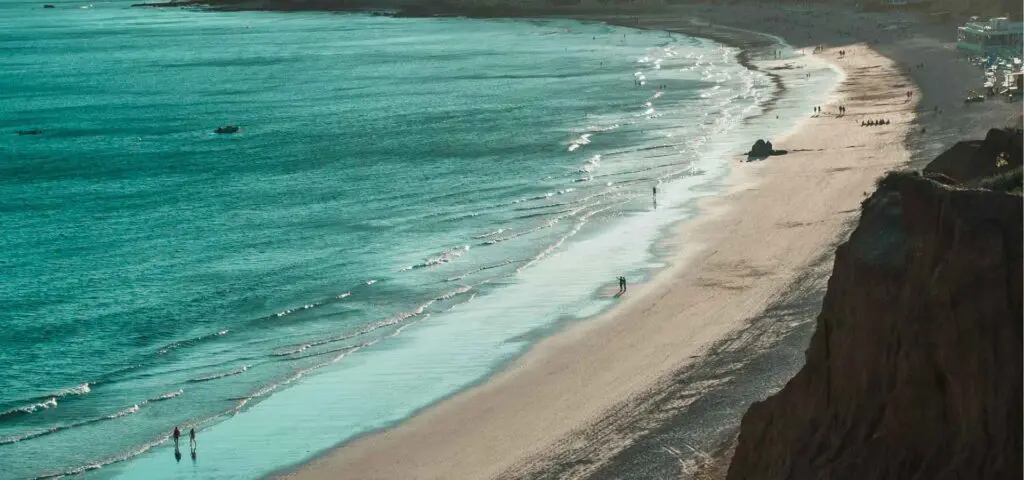
The mainland faces the lagoon, while the long Atlantic beaches sit beyond it on barrier islands. Boats leave Olhão for Armona, Culatra and Farol, while ferries connect Tavira with Ilha de Tavira. This means a beach day begins at the jetty rather than the hotel entrance. Check the return schedule, carry what you need and allow the crossing to become part of the day. The arrangement takes more effort than a conventional resort beach, but the sand is often far less developed.
Not always. Tavira and Olhão work well for a contained stay built around trains, walking and ferries. A car becomes much more useful once you choose a rural quinta, the countryside around Cacela Velha or the western coast. Around Aljezur and Carrapateira, beaches that appear close on the map can sit at the end of separate roads. Plan days by one section of coast rather than repeatedly driving from one end of the Algarve to the other.
Choose a beach hotel when access to the water should organise the stay, remembering that in the Ria Formosa this may involve a boat and in the west it may mean a path through the cliffs. A quinta makes more sense when land, agricultural history and the table matter as much as the coast. Private rentals offer kitchens, privacy and the freedom to stay somewhere with little hotel infrastructure. The best choice depends less on service level than on how you want each day to work.
Four nights are enough for one part of the region, provided you resist treating the entire coast as a checklist. A week allows time for the Ria Formosa and the Eastern Algarve, or for a slower route through Aljezur, Carrapateira and Odeceixe. Allow eight to ten nights if you want to combine east and west. Changing hotels once is usually more rewarding than losing several days to cross-region driving.
May, June, September and early October offer the strongest balance of beach weather, open restaurants and manageable roads. July and August bring greater pressure to ferry routes, parking areas and the best-known beaches. The western coast remains windy and the Atlantic stays cool even in summer, which is part of its character. Spring and autumn are particularly good for the Rota Vicentina, while winter suits town stays, farm hotels and spa retreats better than a trip built entirely around swimming.
For collaborations and enquiries
We use cookies to improve your experience and understand how the site is used. You can accept or manage your preferences at any time.