Boutique Hotels in Rome

Rome lends itself particularly well to the boutique hotel. Old palazzi rarely follow predictable plans, centuries of alteration leave their mark on rooms and courtyards, and some of the most convincing stays are those that resist smoothing those irregularities away. The hotels selected here range from ten-room townhouses to more social neighbourhood addresses, but each feels authored rather than standardised. Frescoes, mid-century furniture, private gardens and rooftop terraces become part of the experience without turning Rome into a decorative theme. If you are looking for boutique hotels in Rome, these are the places we would choose first for character, intimacy and a clear relationship with the city outside.

Best Hotels In Rome

best for

• Smaller hotels with individual character
• Historic buildings and considered design
• Neighbourhood-led city breaks
• Travellers who notice the details

skip if

• Large luxury hotels suit you better
• Extensive facilities matter most
• Predictable rooms feel reassuring
• The hotel is simply somewhere to sleep

Why Book a Boutique Hotel in Rome?

Rome rewards hotels that work with what is already there. A seventeenth-century townhouse may bring uneven floors and faded frescoes. A former school might revolve around a courtyard rather than a conventional lobby. Smaller hotels can preserve those peculiarities more easily, allowing the building to determine the experience rather than forcing every room into the same mould. The strongest also have a life beyond their bedrooms: a wine bar used by locals, breakfast beneath old ceilings or a terrace that changes character after dark. Boutique hotels make sense here because Rome itself is layered, irregular and difficult to standardise.

Hotels

Hotel De’ Ricci

Eight suites, serious wine and the atmosphere of a private apartment in Regola.

Why stay here

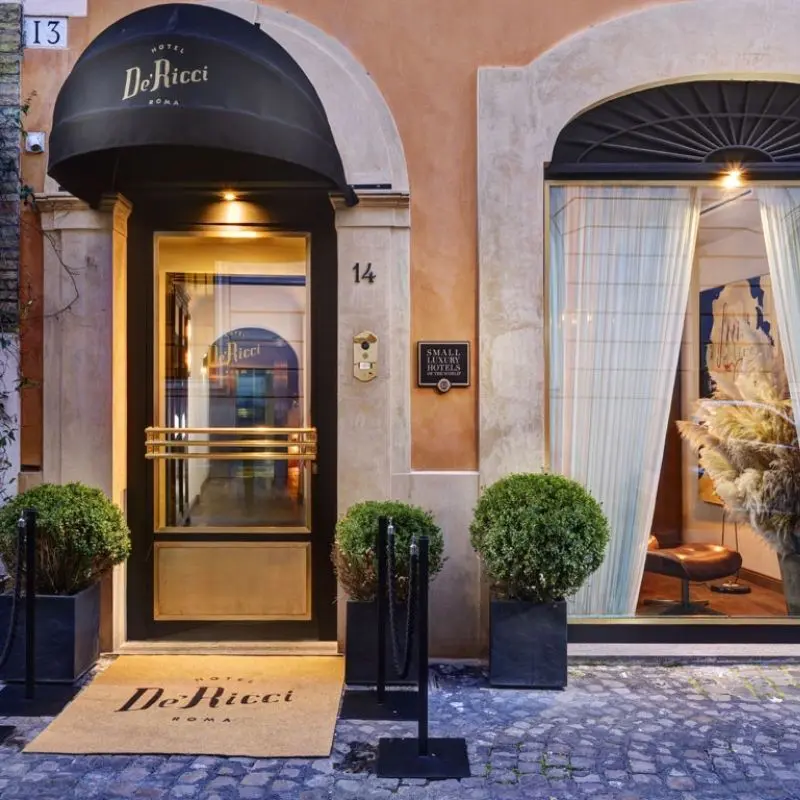
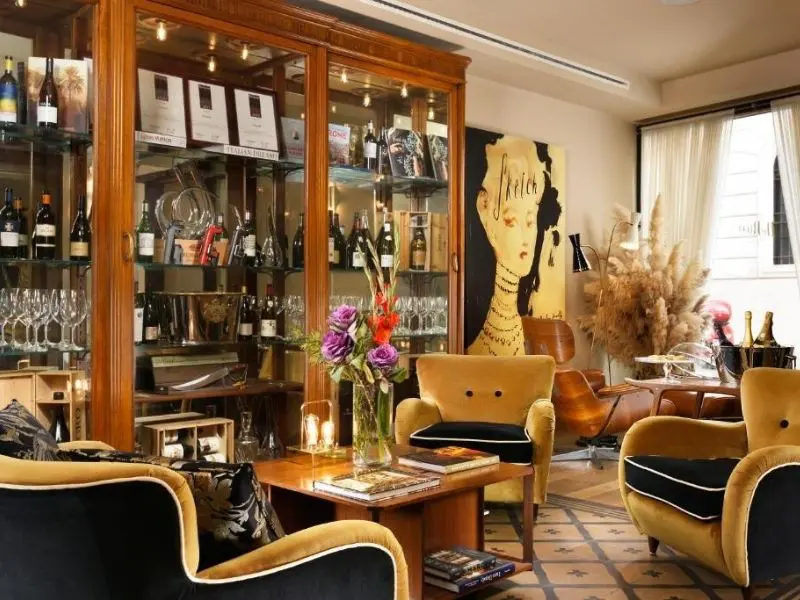
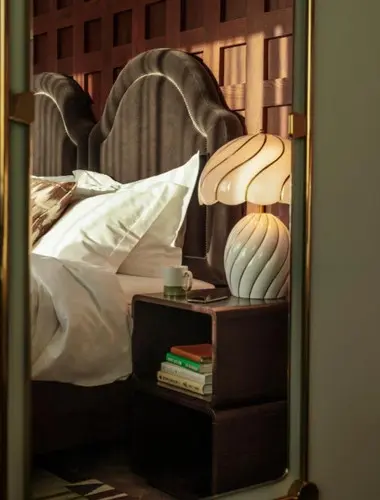
De' Ricci builds the experience around a very specific pleasure: opening a good bottle and having nowhere urgent to be. Each of the eight suites has its own wine cellar, while Andrea Ferolla's illustrations, tobacco tones and velvet give the rooms the warmth of a well-used private residence. The scale matters. Staff can talk confidently about the bottles downstairs, Charade Bar settles into jazz and low light after dark, and the hotel never needs to manufacture activity around itself. Regola places Campo de' Fiori and the Tiber nearby, but evenings here make a persuasive case for staying in.

Best for

Wine-led weekends, slower evenings and couples who enjoy lingering at the hotel.
Rome Travel Guide
Hotel De’ Ricci, Lobby bar, Rome

The Hoxton Rome

A larger neighbourhood hotel where mid-century references and an active lobby bring contemporary Rome indoors.

Why stay here

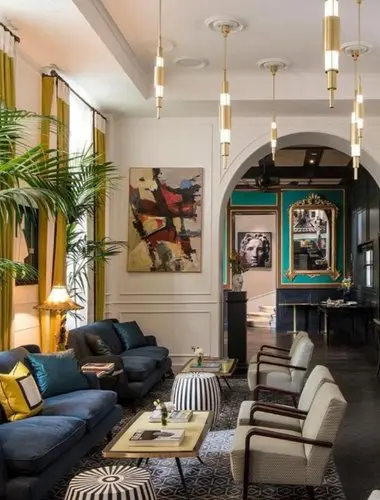
The Hoxton stretches the usual definition of boutique through scale, but its Parioli setting and strong interior identity give it a place in this edit. Parquet, lacquered timber, local stone and 1950s and 60s references bring warmth to the rooms, while the lobby remains deliberately social from morning coffee through dinner. Parioli changes the experience as much as the design. This is not Rome with the Pantheon outside the door; museums, apartment buildings and neighbourhood restaurants establish a more residential rhythm. For return visitors in particular, that distance from the historic centre can become part of the attraction.

Best for

Return visits, social stays and guests curious about Rome beyond the centre.
Stylish guest room at The Hoxton Rome, a design-led hotel in Rome’s Parioli neighbourhood
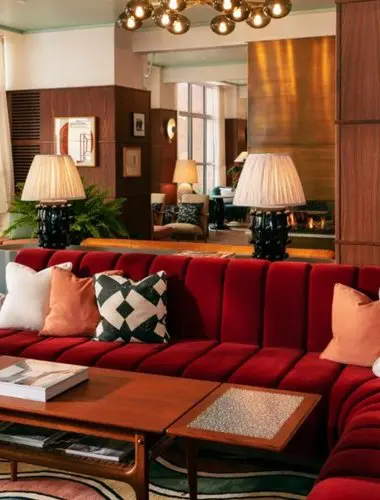
Vibrant lounge at The Hoxton Rome, where locals and travellers gather throughout the day

Numa Rome Condotti

A contemporary, apartment-like stay that brings a quieter design language to historic central Rome.

Why stay here

Numa Rome Condotti strips things back in a part of Rome usually associated with ornament. Clean lines, pale surfaces and carefully chosen furniture give the rooms a quieter character, with several layouts offering the space and independence of a small apartment. That restraint provides a useful counterpoint to the streets outside, where Via Condotti, the Spanish Steps and layers of historic Rome are within easy walking distance. There is less ceremony here than at the city's palazzo hotels, and that is precisely the appeal. It suits guests who want design and privacy without making the hotel itself the centre of the trip.

Best for

Independent stays, contemporary interiors and guests who prefer privacy over hotel ceremony.
Contemporary apartment-style interior at Numa Rome Condotti, a design-focused stay in Centro Storico Rome
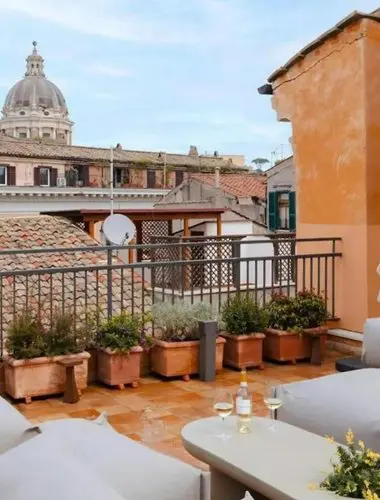
Private terrace at Numa Rome Condotti with rooftop views across historic Rome

Hotel dei Barbieri

Fourteen rooms inside an old palazzo, pared back enough for the building and central Rome to do the work.

Why stay here

Hotel dei Barbieri takes a quieter position than most hotels in the historic centre. Original architectural details remain, but stone, pale walls and restrained furniture keep the rooms light rather than ceremonial. That simplicity becomes useful after hours spent in the surrounding streets. Largo di Torre Argentina, the Pantheon, Campo de' Fiori and Piazza Navona are all close, yet the hotel itself asks relatively little of the guest. There is no elaborate concept to decode. The pleasure comes from an old building handled calmly and a location that allows much of Rome to be reached without planning the day around transport.

Best for

First visits, long days outside and guests who prefer understatement in the centre.
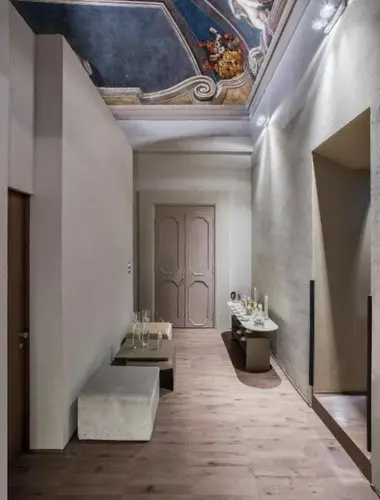
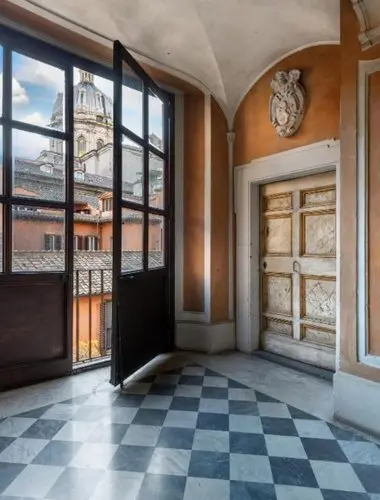
Elegant hallway beneath original frescoed ceilings at Hotel Dei Barbieri, a historic hotel in Centro Storico Rome
Light-filled interior with views over Rome’s historic rooftops at Hotel Dei Barbieri

Palazzo Roma

Painted ceilings, marble and accumulated history inside a Roman residence that refuses to become a museum.

Why stay here

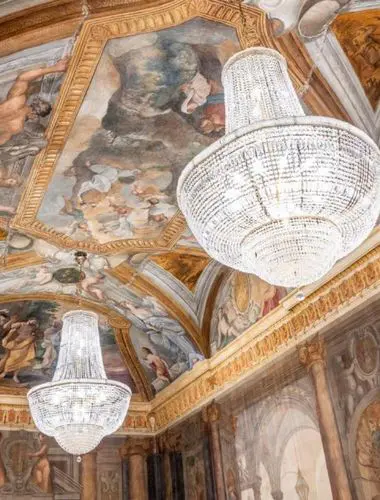
Palazzo Roma allows the building to carry much of the drama. Frescoes, chandeliers, marble floors and richly decorated ceilings remain unapologetically present, but contemporary furniture and less formal details prevent the interiors from slipping into period recreation. Rooms differ because the palazzo does, and that irregularity makes the experience more convincing. Via del Corso brings much of central Rome within walking distance, though the generous scale indoors creates some distance from the street. It is grander than many boutique hotels, but still feels governed by one building and one very particular interpretation of it.

Best for

Frescoed interiors, central walks and guests drawn to Rome's more theatrical side.
Frescoed ceiling and crystal chandeliers inside Palazzo Roma’s restored historic interiors
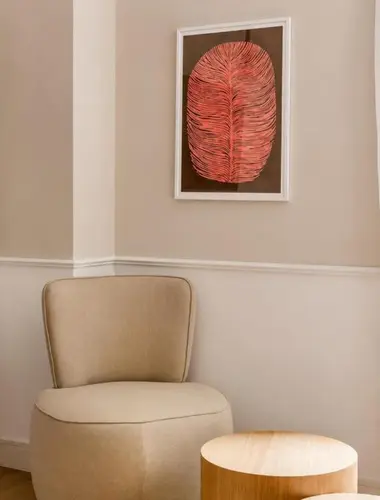
Refined sitting area at Palazzo Roma combining aristocratic Roman heritage with contemporary comfort

Hotel Vilòn

Eighteen rooms hidden beside Palazzo Borghese, with a private garden almost nobody else in Rome gets to see.

Why stay here

Vilòn begins with discretion. An understated entrance on Via dell'Arancio opens into a former annex of Palazzo Borghese, where colour, marble, velvet and Art Deco references are handled with a lighter touch than the surrounding address might suggest. Several rooms look across the Borghese family's private garden, giving the hotel an unusually secluded outlook for somewhere this central. Adelaide and the courtyard provide enough life downstairs without turning the hotel outward. The Spanish Steps and Via Condotti are close, yet returning through the door feels like leaving that version of Rome behind.

Best for

Private weekends, garden views and couples who prefer quiet to spectacle.
Sophisticated guest room at Hotel Vilòn, a luxury boutique hotel hidden in the heart of Rome
Elegant lounge at Hotel Vilòn overlooking one of Rome’s most exclusive private gardens

Palazzo Talìa

A former school where frescoes, colour and contemporary design give an old institution an unexpected second life.

Why stay here

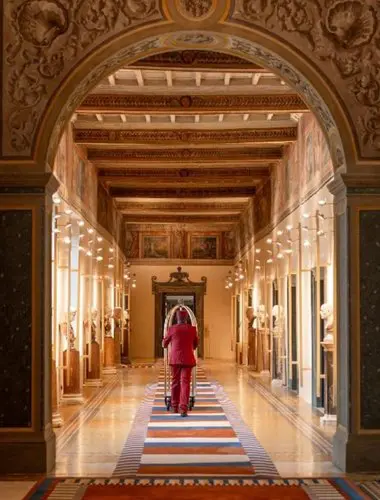
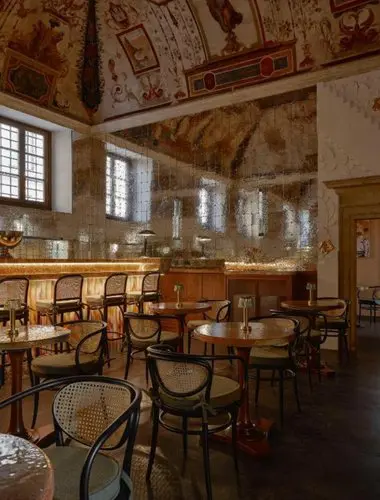
Palazzo Talìa spent centuries as the Collegio Nazareno, and the building still carries the proportions of an institution: monumental stairs, vaulted rooms and a courtyard protected from the streets around it. Studio Luca Guadagnino approaches those spaces with colour, pattern, ceramics and furniture that feel intentionally contemporary rather than deferential. Older frescoes remain visible beside the new work, allowing the tension between the two to stay intact. With only 26 rooms, the scale becomes surprisingly intimate once upstairs. Bar della Musa and the garden give evenings somewhere to settle without pulling attention away from the building itself.

Best for

Creative interiors, courtyard evenings and guests who like history with friction.
Grand corridor with vaulted ceilings and theatrical design at Palazzo Talìa
Atmospheric bar and lounge space inside Palazzo Talìa’s restored sixteenth-century palazzo

G-Rough

Ten suites where peeling plaster, Italian modernism and a seventeenth-century townhouse remain deliberately unresolved.

Why stay here

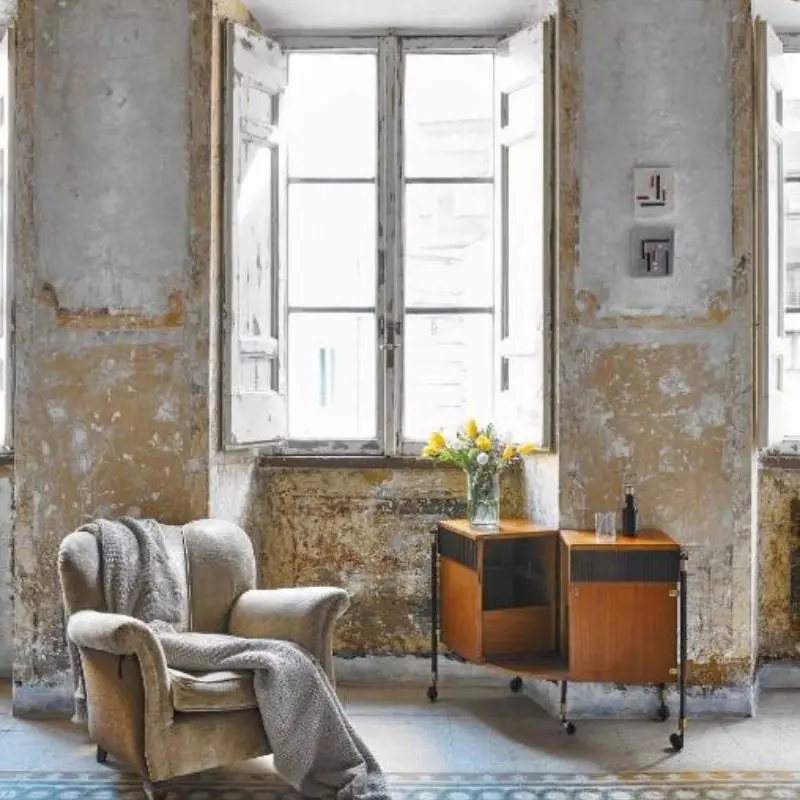
G-Rough makes a virtue of everything another restoration might have removed. Worn tiles, old plaster and fragments of fresco remain visible beside Italian furniture from the 1930s through the 1970s, allowing different periods to occupy the same room without being reconciled. The effect feels closer to a collector's apartment than a polished hotel suite. Downstairs, the bar gives the building a social life that spills naturally into Piazza di Pasquino. Its central location could easily have produced something conventional. Instead, G-Rough keeps the rough edges that make an old Roman building interesting in the first place.

Best for

Italian design, late drinks and guests who prefer patina to perfection.
G-Rough, Interior Shot, Boutique Hotels In Rome
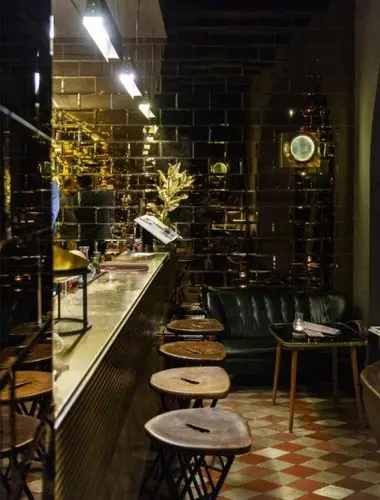
Atmospheric cocktail bar at G-Rough, a design-led boutique hotel in the heart of Rome

Orient Express La Minerva

A seventeenth-century palazzo beside the Pantheon, reworked with the confidence of a great travelling hotel.

Why stay here

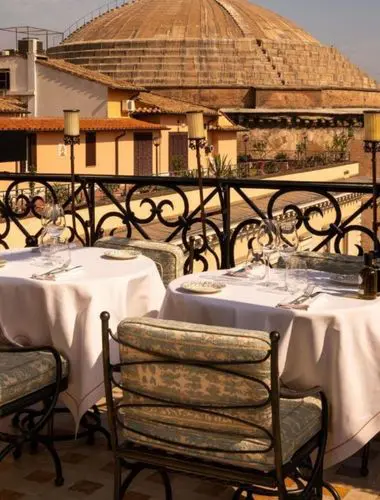
La Minerva has the scale of a grand hotel, but much of its appeal comes from the specificity of Palazzo Fonseca. Hugo Toro lets painted ceilings, marble, deep colour and handcrafted detail establish the mood without turning the building into a historical exercise. References to the golden age of rail travel appear quietly rather than literally, giving the interiors another layer without competing with Rome outside. The rooftop opens across domes and terracotta roofs, while the Pantheon sits almost immediately beyond the door. It feels composed, but not overly resolved; old Rome remains visible beneath the transformation.

Best for

Architecture, rooftop evenings and travellers who still enjoy a sense of arrival.
Rooftop dining terrace at Orient Express La Minerva with views toward the Pantheon and Rome’s domes
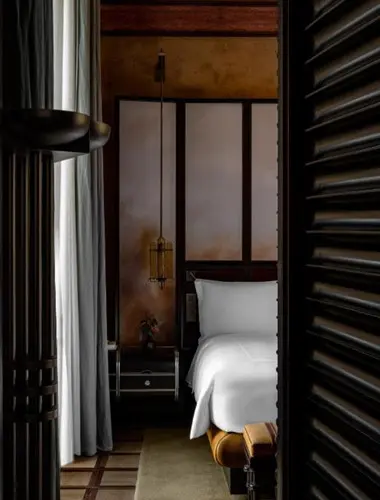
Elegant guest room at Orient Express La Minerva, one of the most anticipated cool hotels in Rome

Casa Monti Roma

An eighteenth-century Monti palazzo filled with colour, craft and the looseness of an artist's home.

Why stay here

Casa Monti feels noticeably less solemn than many historic Roman hotels. Laura Gonzalez fills the building with painted surfaces, patterned fabrics, ceramics, vintage references and artwork, giving the rooms the impression of having accumulated rather than arrived fully styled. That generosity suits Monti. Via Panisperna puts neighbourhood restaurants, wine bars and small shops outside, while the rooftop lifts the experience above the tighter streets at the end of the day. The hotel is expressive without becoming detached from where it is. Rome feels present as a creative city, not simply a historical one.

Best for

Monti weekends, rooftop drinks and guests who prefer colour to restraint.
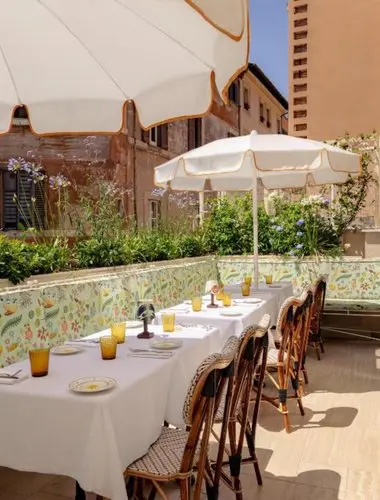
Sunny terrace restaurant at Casa Monti, a design-led hotel in Rome’s creative Monti neighbourhood
Vibrant guest room at Casa Monti blending contemporary style with classic Roman character
Rome Travel Guide

Where to Eat Nearby

SantoPalato

SantoPalato is one of the restaurants chefs and food writers quietly recommend when Roman cooking comes up. It’s a place that treats tradition seriously without turning it into theatre. Sarah Cicolini cooks the classics with precision, from carbonara to offal dishes many kitchens no longer attempt. The room stays lively and young, which keeps the whole place feeling current.

Boutique Hotels or Cool Hotels in Rome?

Boutique hotels are defined here by individuality: a particular building, smaller scale, personal authorship and rooms that resist feeling standardised. Cool hotels make a stronger cultural argument. Their identity may come through art, nightlife, food, music or an idea that reaches beyond the room itself. Rome has plenty of overlap, particularly at G-Rough, Casa Monti and Palazzo Talìa. Choose boutique when intimacy, architecture and the texture of the stay matter most. Start with the cool-hotels edit when you want a hotel with a more assertive point of view.