Rome

Where to Stay, Eat, and Spend Time Properly

Romantic Hotels in Rome
Stone, routine, and a city that reveals itself slowly.

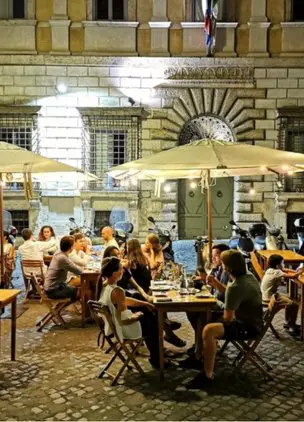
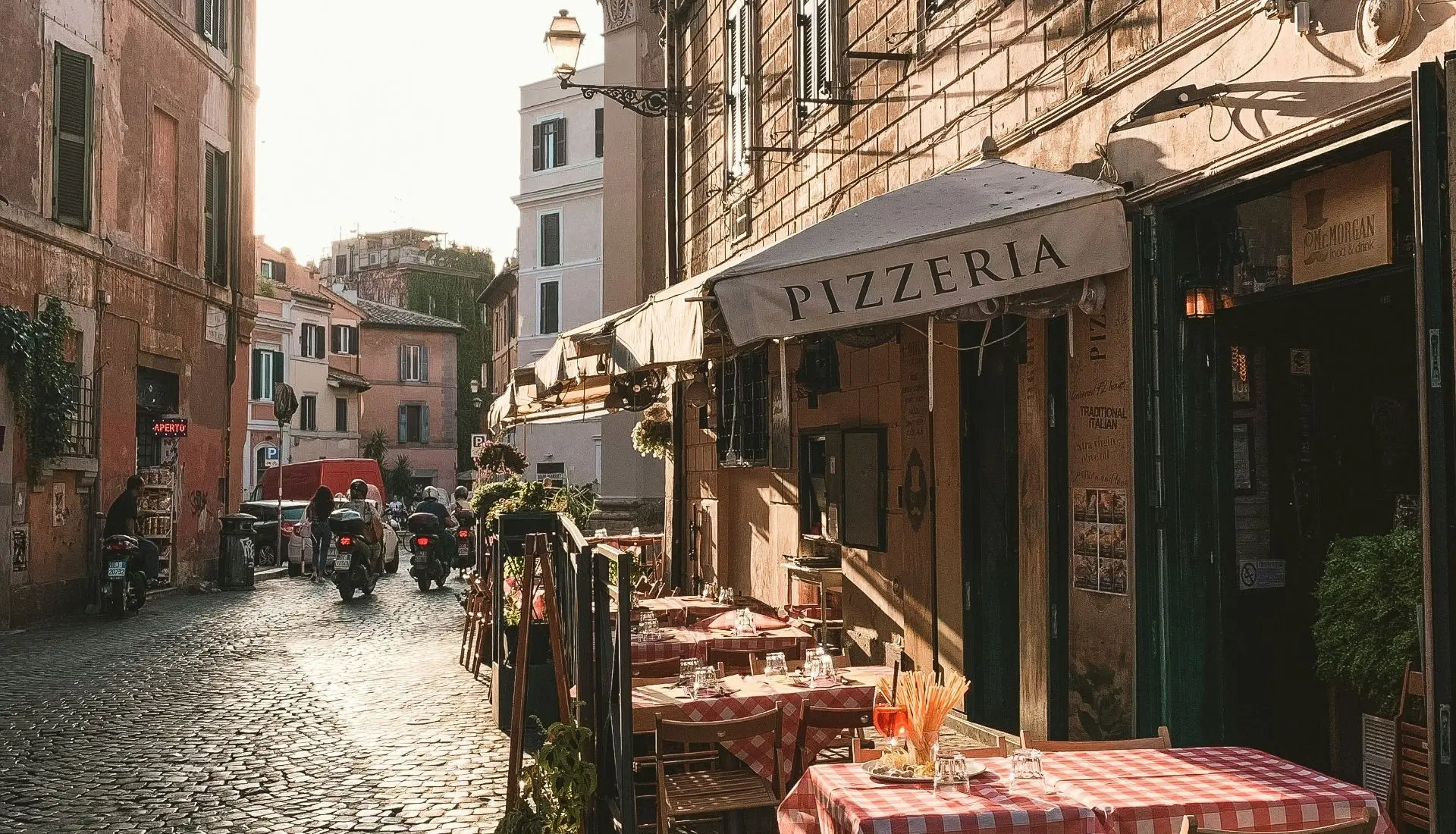
Rome doesn’t change quickly, and it doesn’t need to. Streets are used the same way they’ve always been, buildings hold their weight, and the places that matter tend to stay that way. You don’t take it in all at once. It comes through repetition, returning to the same streets, the same cafés, the same tables. This Rome travel guide shares where to stay in Rome, along with the best hotels, restaurants, and neighbourhoods shaped by that slower, more settled way of moving.

The day follows a familiar pattern. Mornings are brief, coffee taken standing, the city already in motion. Afternoons stretch, slower and warmer, before everything resets again in the evening. Tables fill late, meals run longer than expected, and the same places carry through night after night. Rome isn’t about finding something new each time. It’s about finding somewhere that works, and going back to it.

Neighbourhoods

Hotels in Monti Rome

Monti

The neighbourhood where contemporary Rome meets ancient streets.

Hotels in Centro Storico Rome

Centro Storico

The Rome people imagine before they arrive.

Where to stay

Where you stay in Rome matters more than it might seem. The city doesn’t shift quickly, so a good hotel gives you a way into it, somewhere that feels settled from the start. The best ones work with the buildings they’re in, older structures, heavier materials, rooms that stay cool and quiet against the street. Get it right and everything slows into place around you.
rome-travel-guide-02 copy
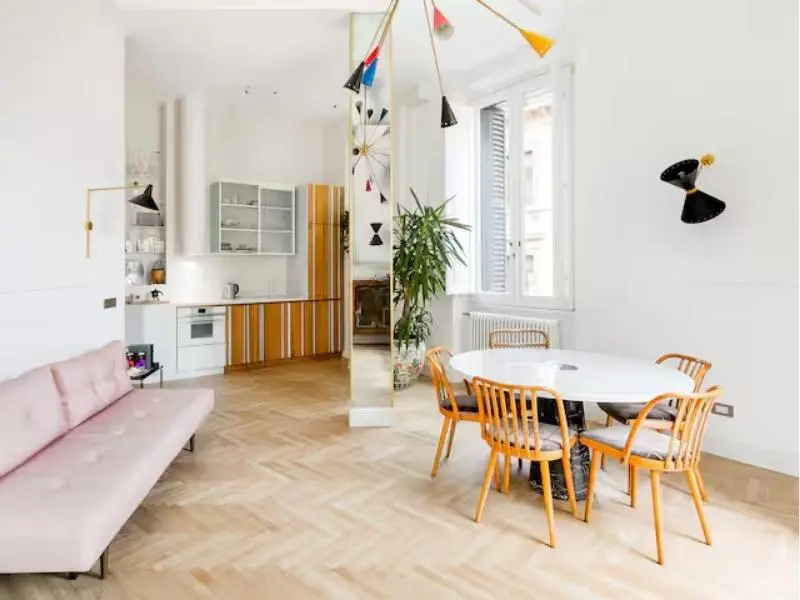
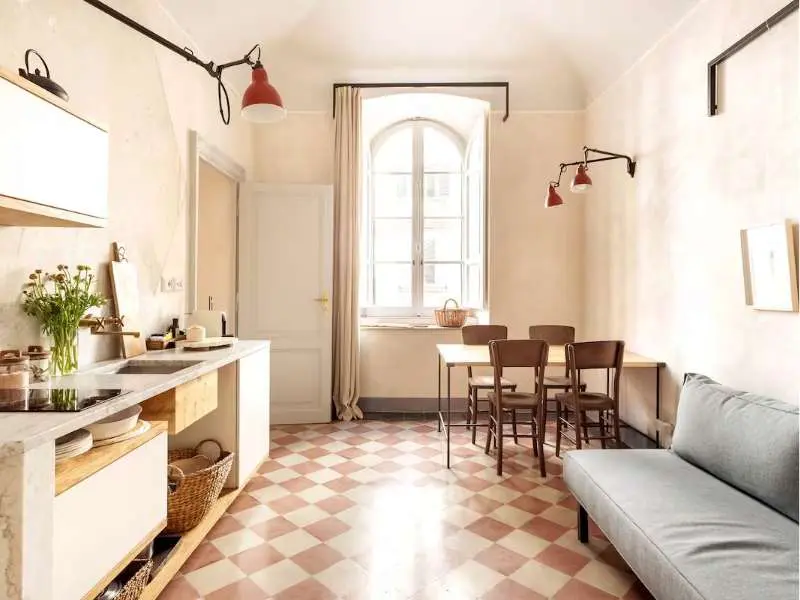
Best Airbnbs in Rome A Treasure in the Heart of Roman History, Lounge and Kitchen Rome

A Treasure in the Heart of Roman History

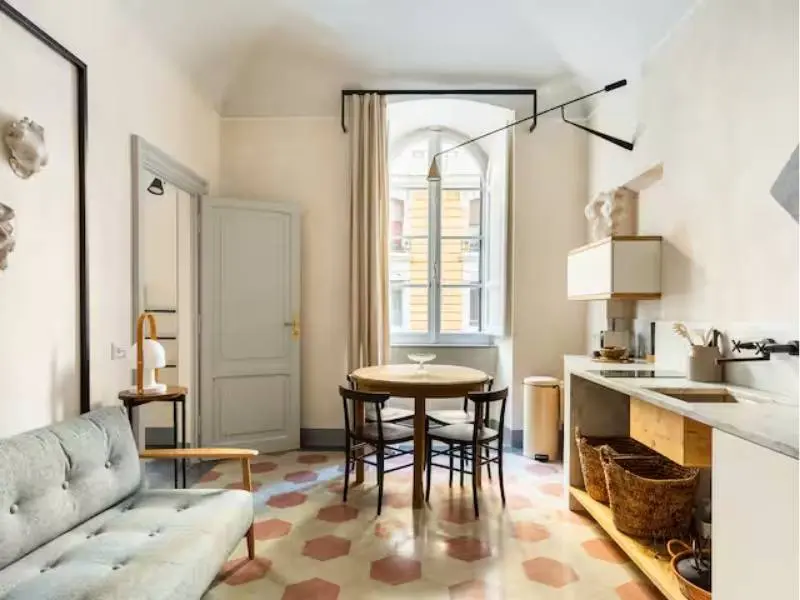
Vuotopieno Casa Grey Rome, Kitchen tile floors, Rome

Vuotopieno Casa Grey Rome

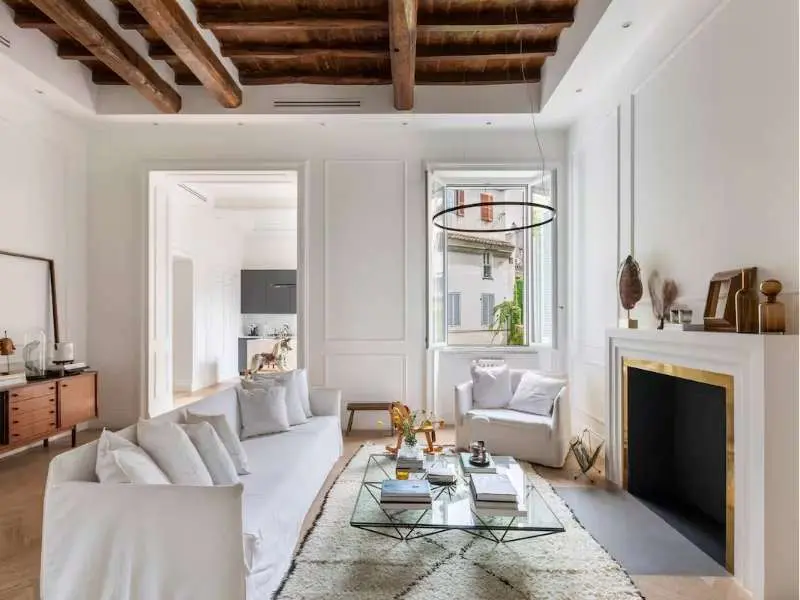
La Casetta Al Mattonato, Living Rome, Rome

La Casetta Al Mattonato

Vuotopieno Casa Sand Rome, Lounge, Tiled Floor, Rome

Vuotopieno Casa Sand Rome

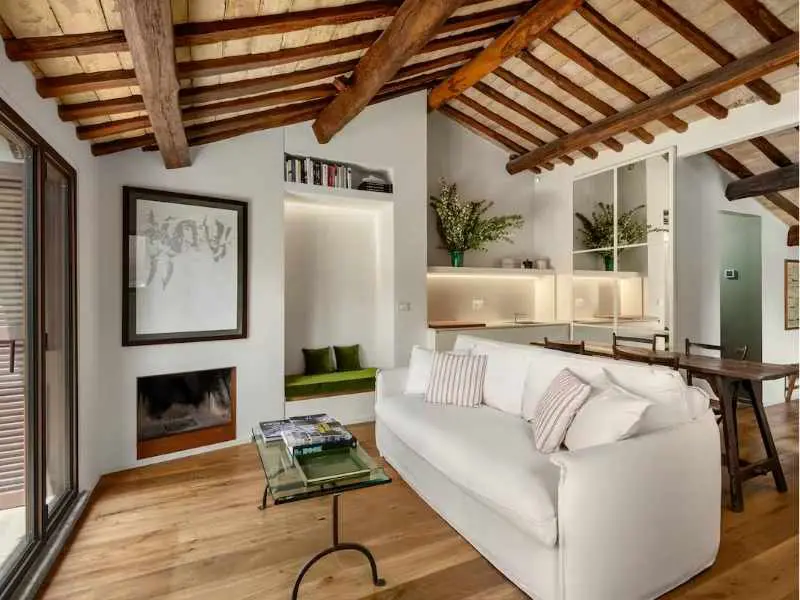
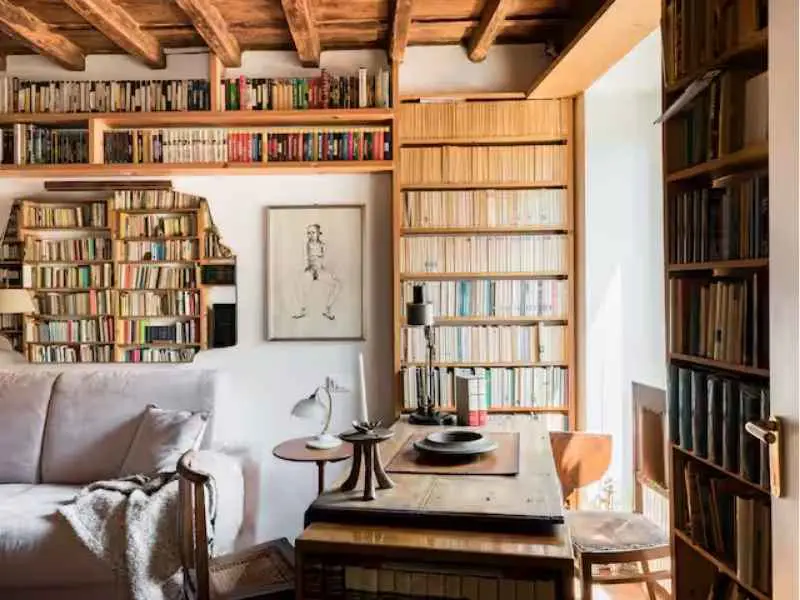
Book & Art-Filled Apartment, Living room with bookshelf, Rome

Book & Art-Filled Apartment

Where to Eat and Drink

Best Wine Bars In Rome Enoteca Il Piccolo

Enoteca Il Piccolo

Wine Bars
Enoteca Il Piccolo is famously tiny, with just a handful of stools spilling onto the cobbled street outside. The owner pours thoughtful Italian wines by the glass while guests crowd together in easy conversation. It is casual, lively, and unmistakably Roman. It captures the city’s relaxed drinking culture without needing to explain it.
Best Wine Bars In Rome Il Goccetto

Il Goccetto

Wine Bars
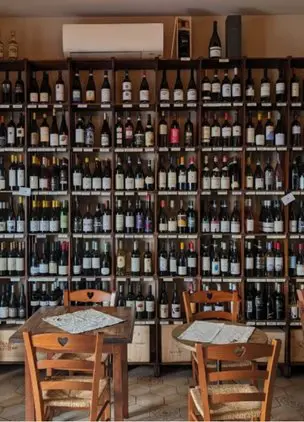
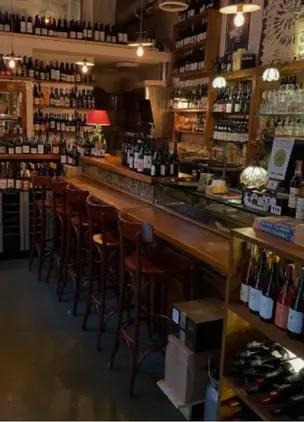
Il Goccetto It is often the first name mentioned when talking about the best wine bars in Rome. Inside the narrow room, bottles cover every wall and staff pour Italian wines with real knowledge. Guests lean against the bar or gather at small wooden tables, ordering glasses alongside cheese and salumi. It feels timeless and deeply Roman.
Best Wine Bars In Rome L’angolo Divino

L’Angolo Divino

Wine Bars
Just steps from Piazza Navona, L’Angolo Divino carries the charm of old Rome. The tiny interior is lined with bottles, photographs, and shelves that feel collected over decades. Guests stop in for regional wines and simple plates of cured meats before drifting back into the street. It remains one of the more characterful stops in the city.
Best Wine Bars In Rome Latteria Trastevere

Latteria Trastevere

Wine Bars
Tucked into a quieter street of Trastevere, Latteria feels more like a small neighbourhood dining room than a typical bar. The kitchen cooks thoughtful seasonal plates while the wine list leans toward interesting Italian producers. Dinner often turns into a long evening over a bottle. Latteria stands out for combining serious food with a relaxed atmosphere.
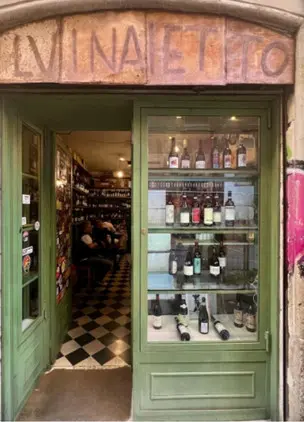
Traditional storefront of Vinaietto, one of the most authentic wine bars in Rome’s Monti neighbourhood

Vinaietto

Wine Bars
Vinaietto feels like a classic Roman enoteca that has never needed to reinvent itself. Locals stand outside with a glass while simple plates of cheese and salumi move between the narrow tables. Bottles lean heavily Italian and the mood stays relaxed. It is exactly the sort of place people imagine when talking about Roman wine bars.
Best places to eat in Rome Concreto

Concreto

Best Places to Eat
Concreto brings a younger energy to the Roman dining scene without losing the thread of Italian cooking. Seasonal ingredients drive the menu and the kitchen uses modern technique without making the food feel complicated. It has become part of the conversation around where to eat in Rome. The room stays lively and draws a crowd that enjoys serious food without the formality.
Rome Travel Guide

SantoPalato

Best Places to Eat
SantoPalato is one of the restaurants chefs and food writers quietly recommend when Roman cooking comes up. It’s a place that treats tradition seriously without turning it into theatre. Sarah Cicolini cooks the classics with precision, from carbonara to offal dishes many kitchens no longer attempt. The room stays lively and young, which keeps the whole place feeling current.
Best places to eat in Rome Angelineria

Angelineria

Best Places to Eat
Angelineria is a dining room with a little more life to it. The kitchen keeps things simple with Roman dishes and good ingredients, but the atmosphere shifts once the music starts. Live performances often fill the room in the evening, and dinner easily turns into a longer night of food, wine, and conversation.
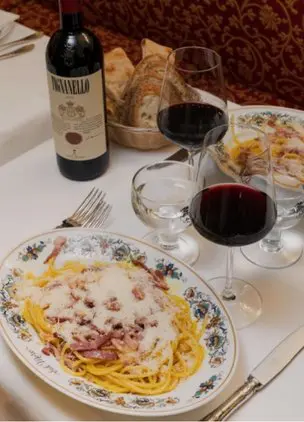
Traditional Roman pasta and red wine at Trattoria al Moro, one of the classic restaurants in Centro Storico Rome

Trattoria al Moro

Best Places to Eat
Trattoria al Moro has been part of Rome’s dining culture for decades and still carries that old-school rhythm. Near the Trevi Fountain, the room keeps white tablecloths, proper service, and classic Roman pasta dishes at the centre of the experience. The cooking remains faithful to the city’s traditions, which is exactly why it still holds its place.
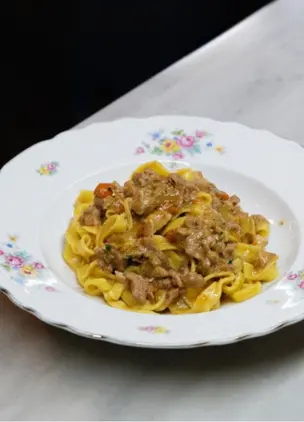
Plate of handmade pasta at Trecca, one of the most respected neighbourhood restaurants in Rome

Trecca – Roma

Best Places to Eat
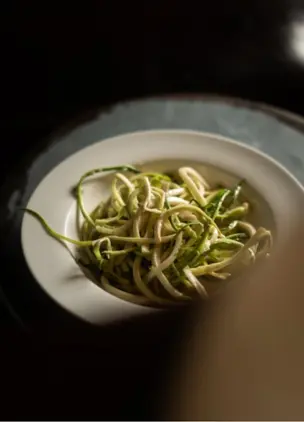
Trecca feels like a Roman restaurant that understands why the city’s food matters. It has quietly become a place people return to for traditional dishes cooked with care but served in a relaxed room. Pasta leads the menu and the ingredients are treated seriously. The atmosphere stays neighbourhood-focused rather than formal.
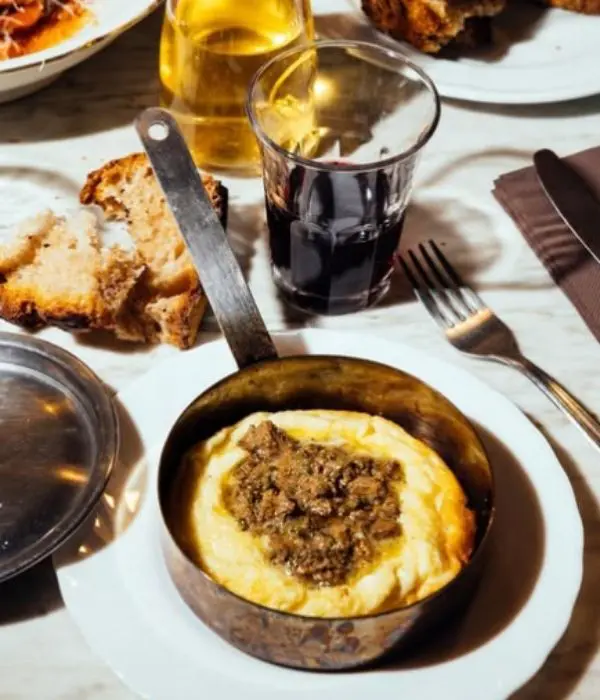
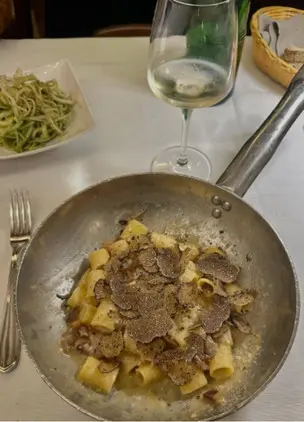
Traditional Roman pasta served in a metal pan at Taverna Trilussa, one of Trastevere’s most famous trattorias

Taverna Trilussa

Best Places to Eat
In Trastevere, Taverna Trilussa has built its reputation around Roman pasta served the traditional way, often finished in the pan. The room is lively most evenings and the cooking stays generous and familiar. It’s the sort of place people return to when they want the full trattoria experience.
Best places to eat in Rome Osteria Chiari

Osteria Chiari

Best Places to Eat
Osteria Chiari is one of those places where Roman cooking shifts slightly once fire enters the kitchen. Much of the menu passes through the grill or hearth, giving vegetables, meats, and pasta dishes a deeper flavour. The dining room feels warm and quietly confident. It respects tradition without repeating it exactly.
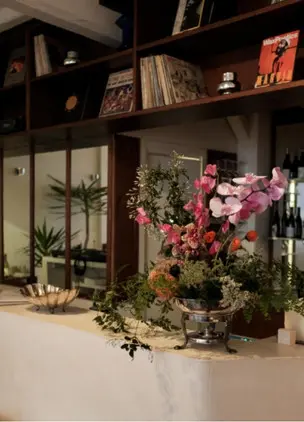
Floral display and record-lined interior at 33 Giri, one of Rome’s most atmospheric places to eat and drink

33 Giri

Best Places to Eat, Wine Bars
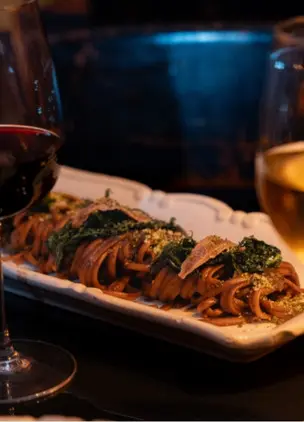
At 33 Giri, records spin behind the bar while plates and glasses move steadily across the tables. It works as both a listening bar and a restaurant, with natural wines and thoughtful small dishes guiding the evening. Music shapes the room without dominating it. For diners looking for something with a more creative edge, this one feels refreshingly different.
Best places to eat in Rome Pastificio San Lorenzo

Pastificio San Lorenzo

Best Places to Eat
Pastificio San Lorenzo sits inside what was once the neighbourhood’s historic pasta factory, which explains the kitchen’s clear focus. Handmade pasta shapes change with the seasons and the cooking stays rooted in Roman ingredients. Restaurants like this quietly define how the city eats. The room itself feels warm and neighbourhood-driven, the sort of place where dinner stretches into another bottle.

Areas to Know

Rome becomes clearer once you move beyond the obvious. The landmarks stay where they are, but the city opens up in the spaces around them, quieter streets, smaller squares, and places that still follow their own pace. You don’t need to go far. It’s about where you stop, how long you stay, and the parts of the city that settle in gradually.

Hotels in Monti Rome

Monti

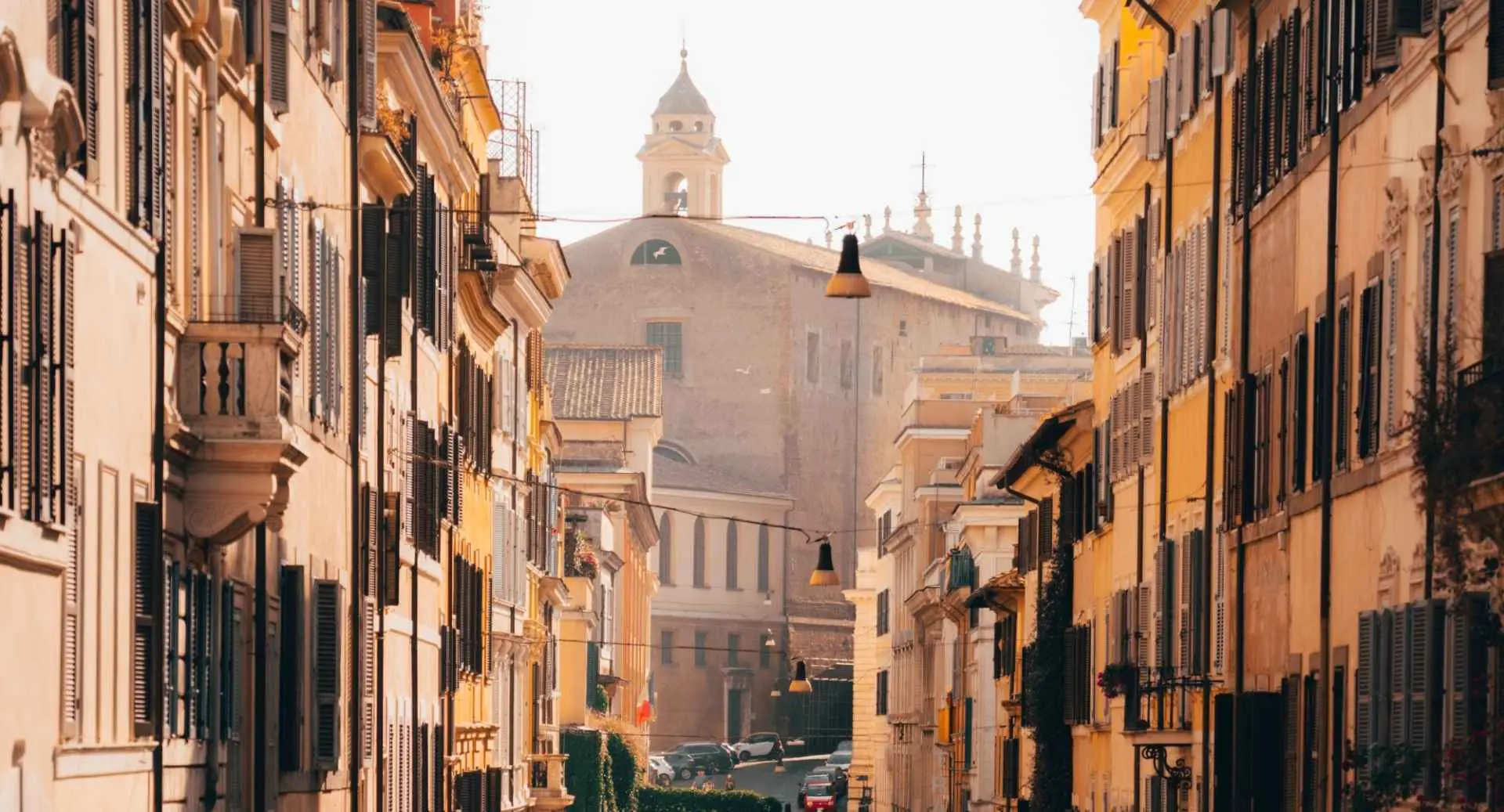
Monti sits between some of Rome’s busiest landmarks, but doesn’t move at the same pace. Streets feel slightly removed, mornings slower, shutters lifting gradually as the day begins. The neighbourhood leans creative, with smaller shops, wine bars, and trattorias where lunch often runs longer than planned. It holds onto its position quietly, and people tend to come back without needing a reason.

Trastevere

Trastevere shifts with the time of day. Early on, it stays quieter, streets opening slowly, the first tables taken without much noise. By evening, it fills quickly. Move a few streets back and the pace settles again, smaller trattorias, open windows, and people staying out later than expected. It’s not always consistent, but when it works, it feels exactly right.

Rome Travel Guide
Rome Travel Guide

Giardino degli Aranci (Orange Garden)

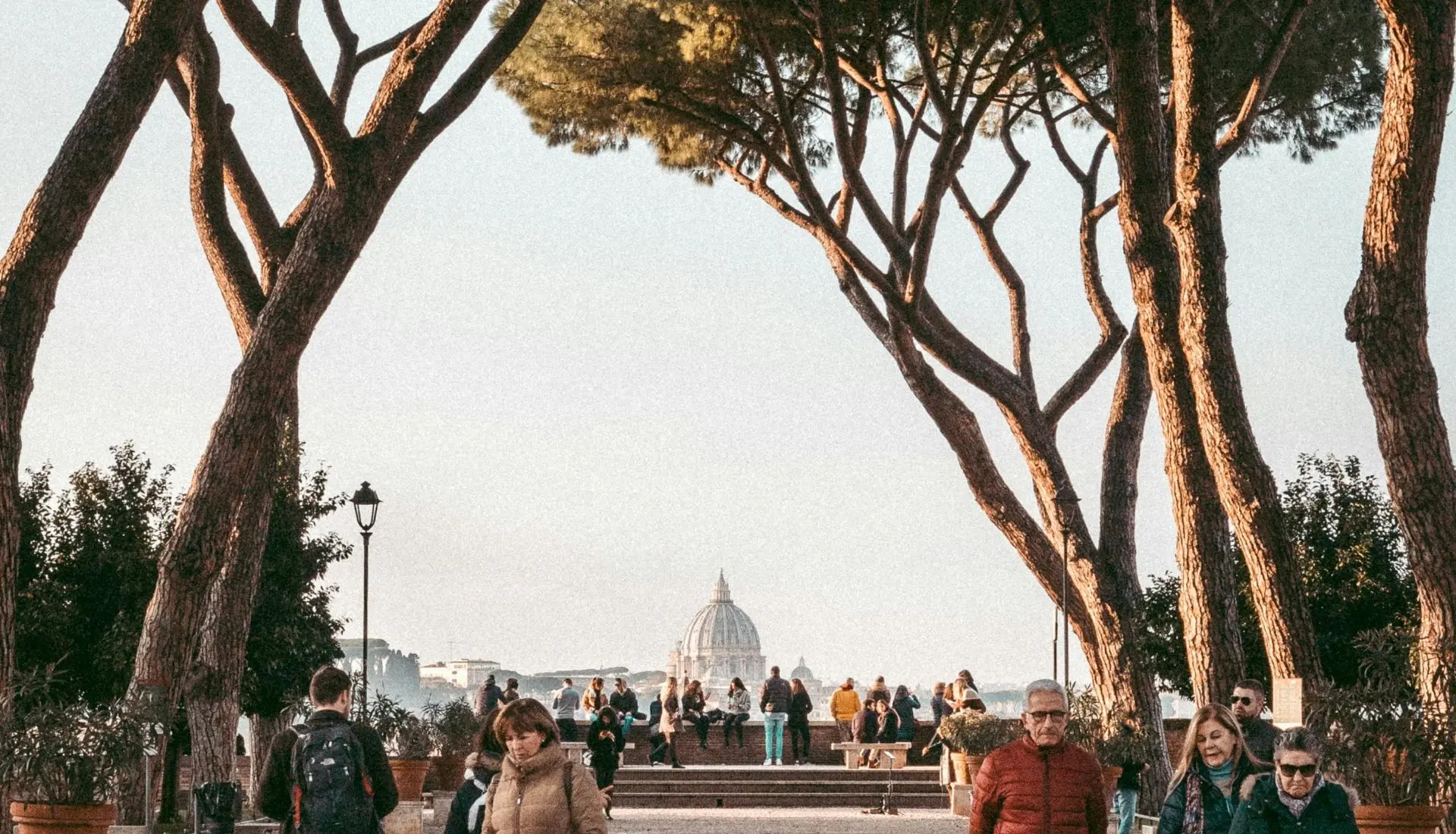
Set above the city on the Aventine Hill, the Orange Garden offers a different pace entirely. It’s contained, quieter, and slightly removed from everything below. The view opens across the Tiber, but it’s the stillness that holds you there. People come, sit for a while, then leave again, not much more to it than that.

Explore More City Escape Destinations

How many days do you need in Rome?
Four to five days is ideal. It gives you time to see the landmarks, explore neighbourhoods like Monti and Trastevere, and still move at an easy pace. Spend your mornings with espresso and your afternoons with art and wine.
Spring and autumn are perfect. The light is soft, the weather warm, and the crowds lighter. Summer brings long days and energy but can be hot, especially in the afternoons. Winter feels calmer and more local.
Yes, but best for the adventurous. The streets rise, twist, and open into views that reward the effort. For a true local experience, rent a Vespa and ride through the city’s rhythm, from quiet morning streets to golden-hour piazzas.
A beautiful mix of tradition and creativity. Some days call for the classics such as carbonara, cacio e pepe, or fried artichokes done the Roman way. Other nights belong to a new wave of chefs reimagining the city’s flavours with bold, modern touches. Either way, it always feels authentic and generous.
Stay central to feel the city’s rhythm. Monti offers calm and creativity, Trastevere brings soul and late evenings, and the historic centre keeps you close to everything. The best hotels combine heritage with quiet, effortless style.
Yes. Rome is welcoming and relaxed. Use the same awareness you would in any big city, especially in crowded spots, but overall the atmosphere is friendly and open.