Lisbon

Where to Stay, Eat, and Move Through the City

Lisbon Travel Guide
A city of shifting streets, worn tiles, and views that come and go.

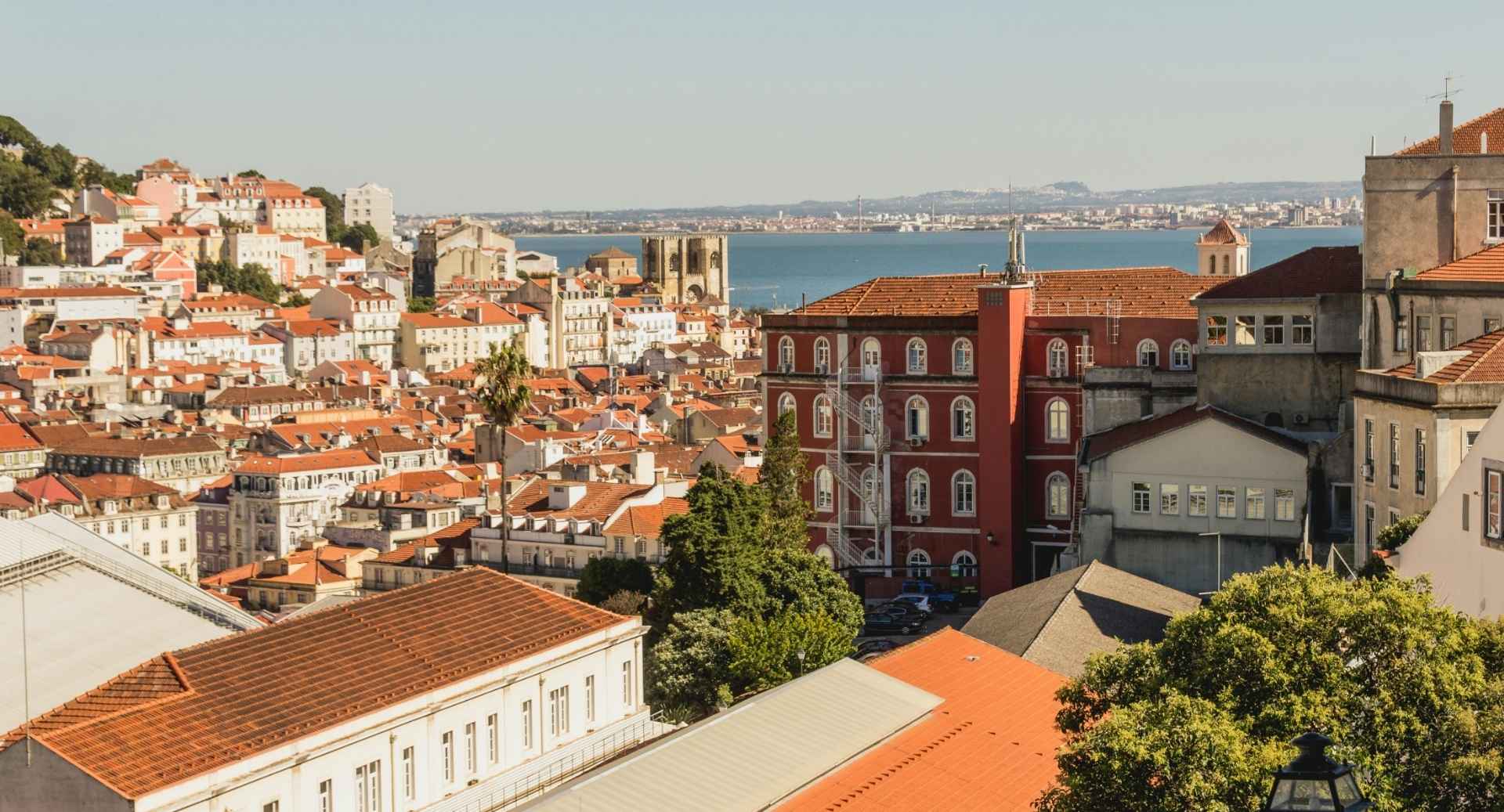
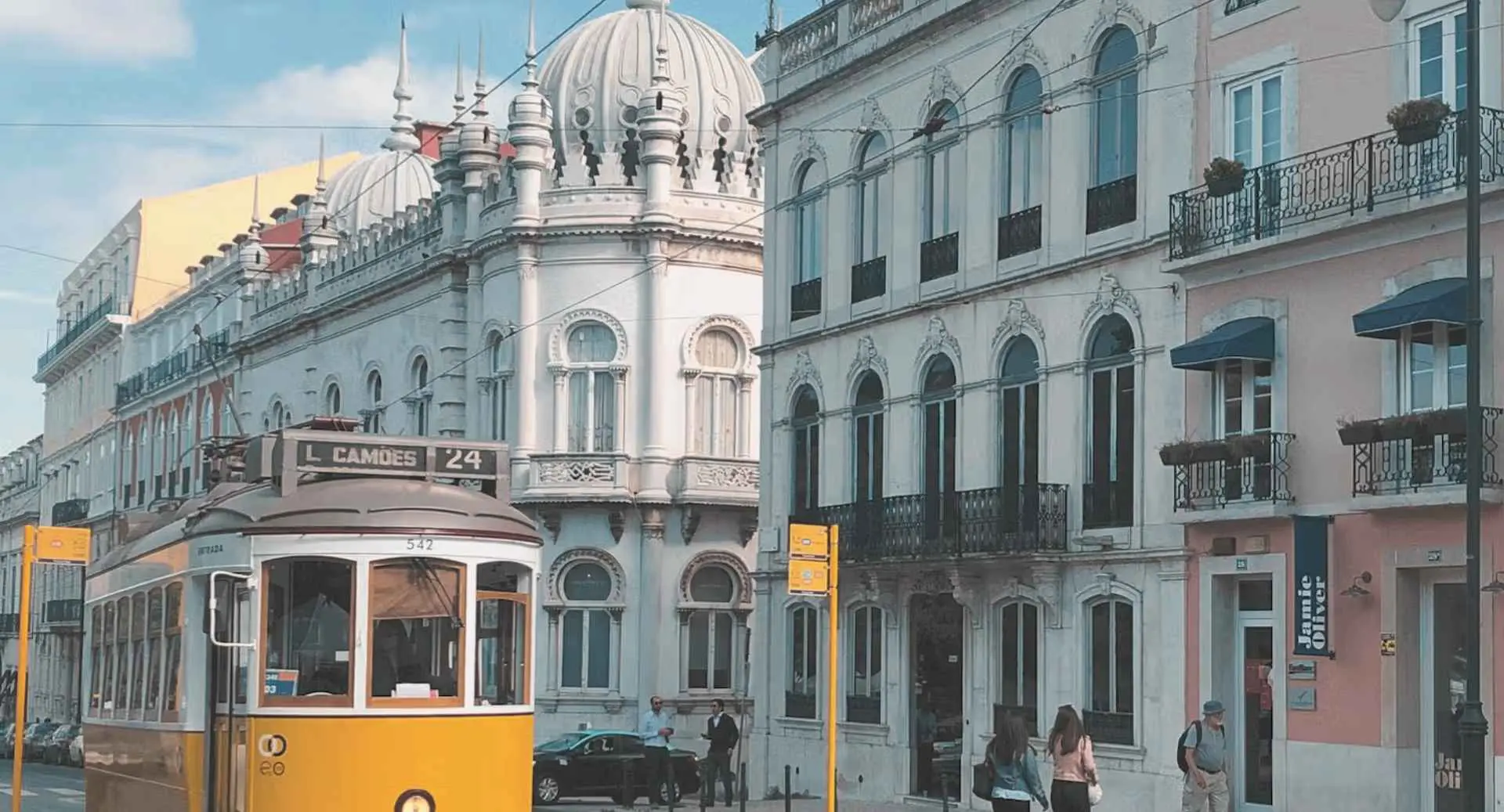
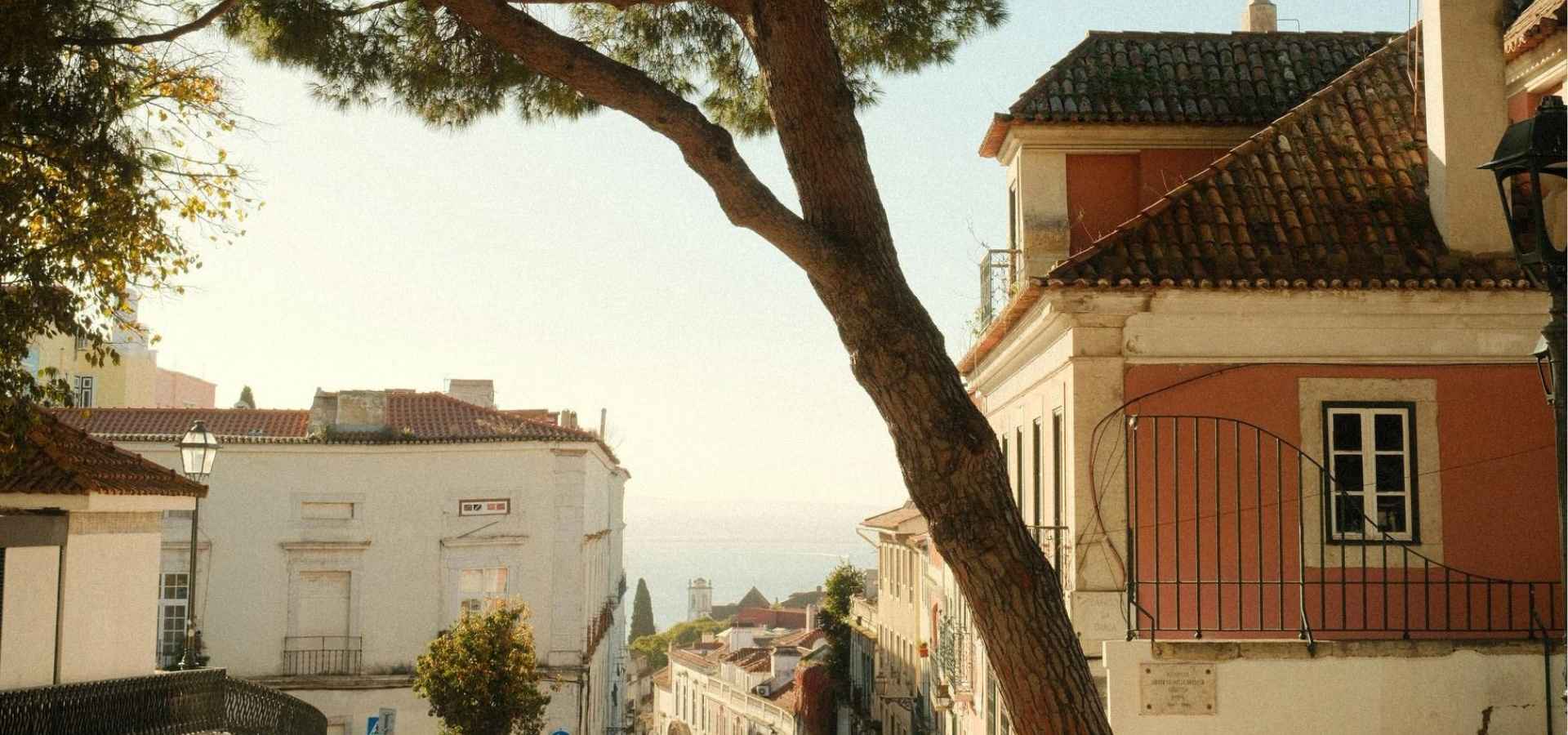
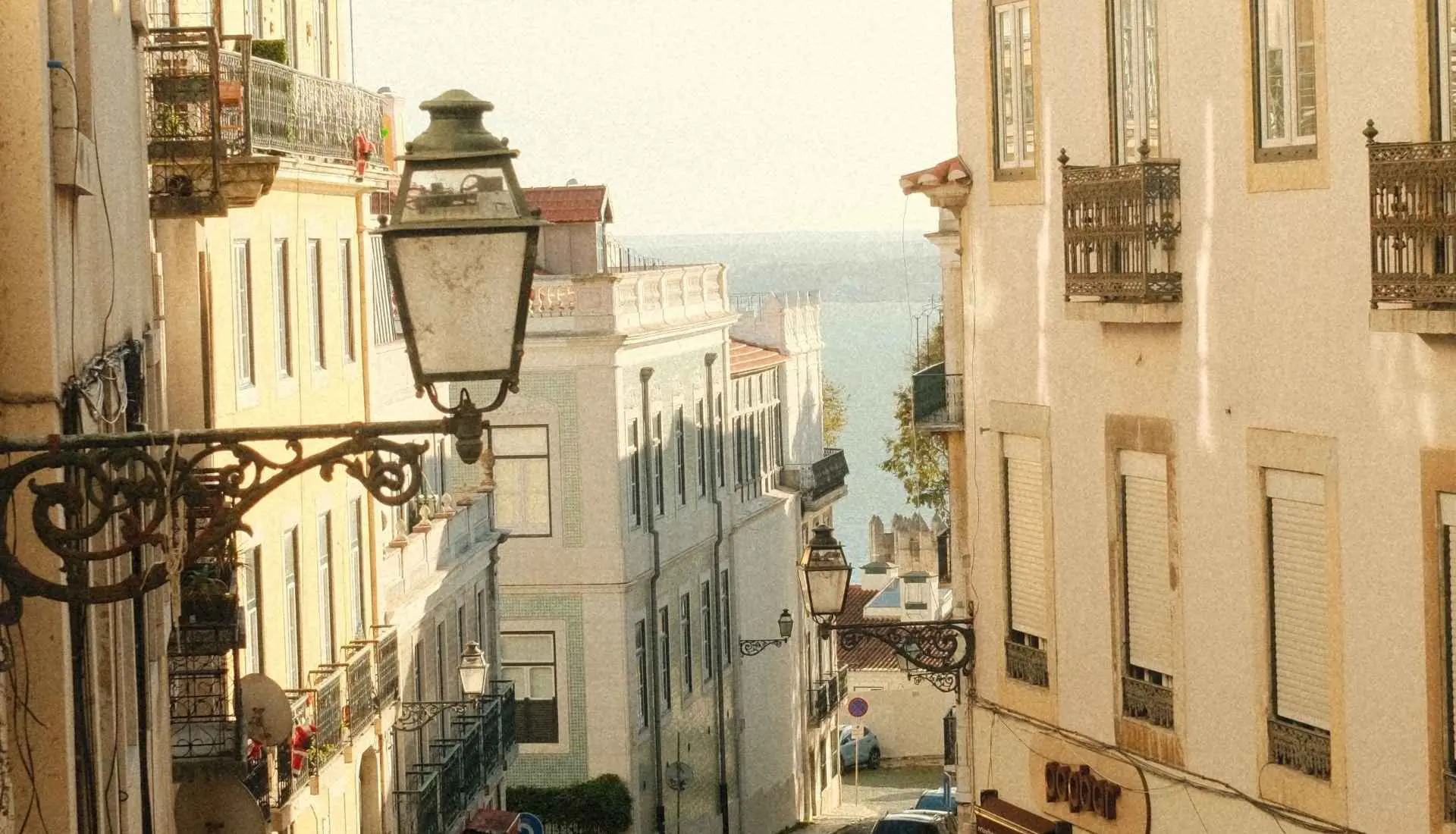
Lisbon doesn’t settle into one rhythm. Streets rise and fall, views open up and disappear again, and the city shifts quickly depending on where you are. Some parts feel worn, others more considered, but most sit somewhere in between. You don’t take it in all at once. It comes through moving, climbing, stopping, and letting the pace change as you go. This Lisbon travel guide shares where to stay in Lisbon, along with the best hotels, restaurants, and neighbourhoods shaped by that movement.

The day doesn’t follow a strict pattern. Mornings begin slowly, coffee taken standing or at a small table, before the streets start to fill. Afternoons stretch between viewpoints and quieter corners, and by evening the city gathers itself again, tables filling without much structure. Lisbon isn’t fully resolved, and that’s part of what makes it work.

Neighbourhoods

Hotels in Avenida

Avenida & Amoreiras

Broad avenues, less foot traffic, and a city that doesnt perform for visitors

Best Hotels in Chiado

Chiado & Baixa

The most visited part of the city, and still the easiest place to understand why people come.

Hotels in Santos Lisbon

São Bento & Santos

Two neighbourhoods, one shaped by politics and antiques, the other by the river and the night.

Príncipe Real Hotels Lisbon

Príncipe Real

Where old palaces became something new, and the neighbourhood stayed its own.

Where to stay

Where you stay in Lisbon changes how you move through it. The city isn’t level, and neither are its hotels. Some sit higher, with wider views and more distance from the street, others stay closer to the ground, more connected to the everyday rhythm. The best ones work within that, older buildings with texture, spaces that feel slightly worn but well considered, and newer places that bring something lighter without losing that sense of place.
lisbon-travel-guide-18
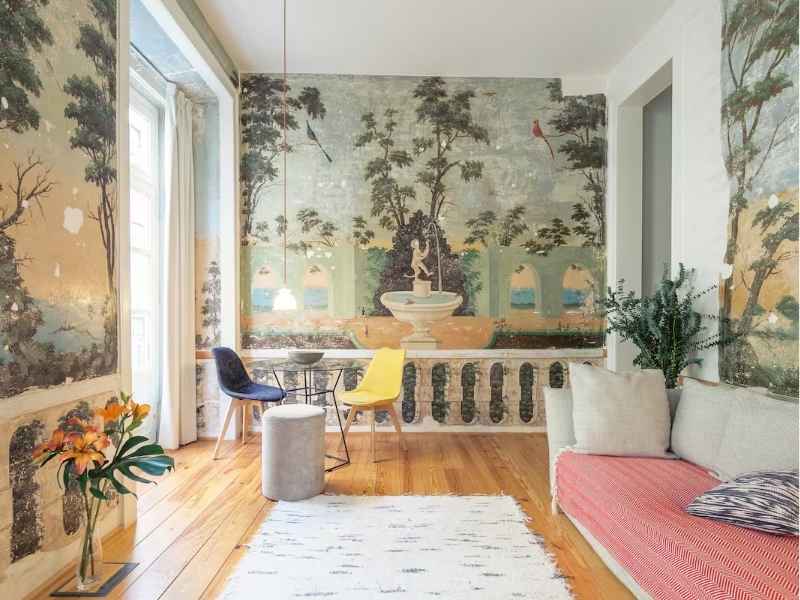
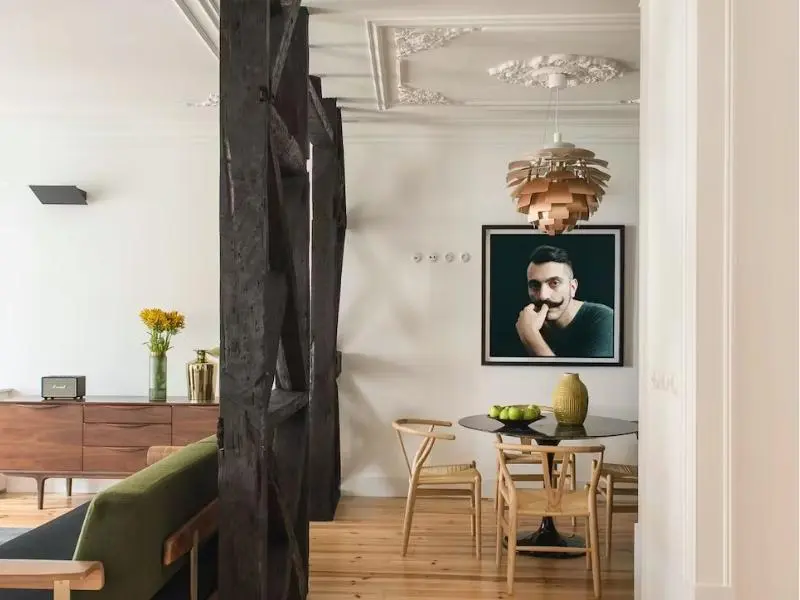
Antiga Casa Pessoa – Fountain Fresco Apartment, Lounge with Fresco wallpaper, Lisbon

Antiga Casa Pessoa

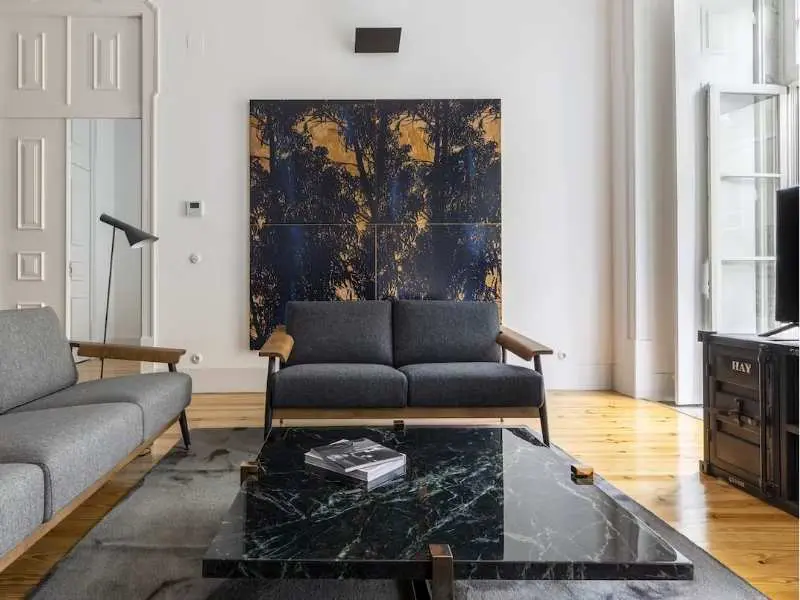
Leaves Of Grass, Lounge and Dining Room with Artwork

Leaves Of Grass

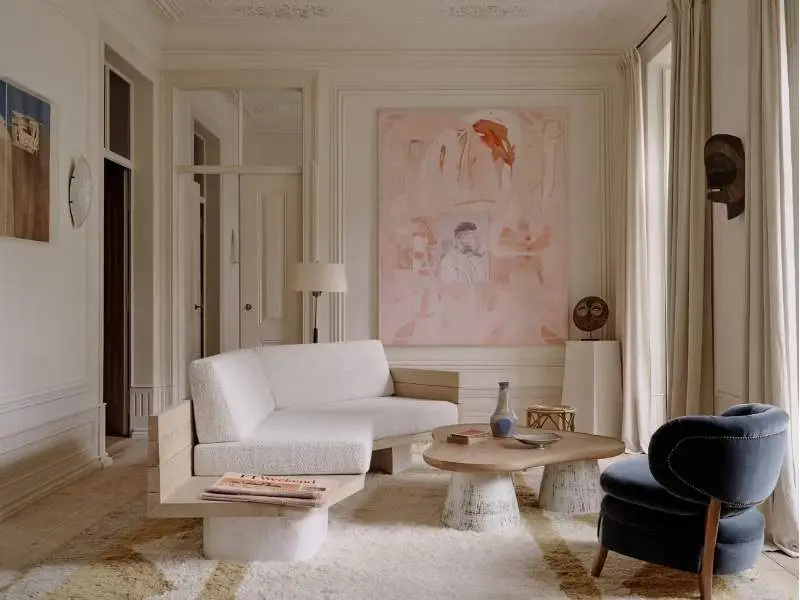
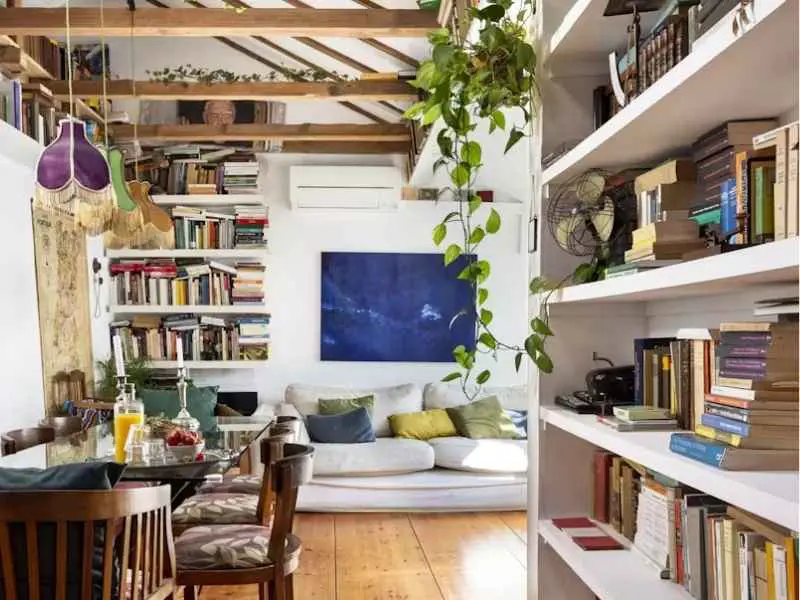
Pombaline Dream, Living room with Large Artwork

Pombaline Dream

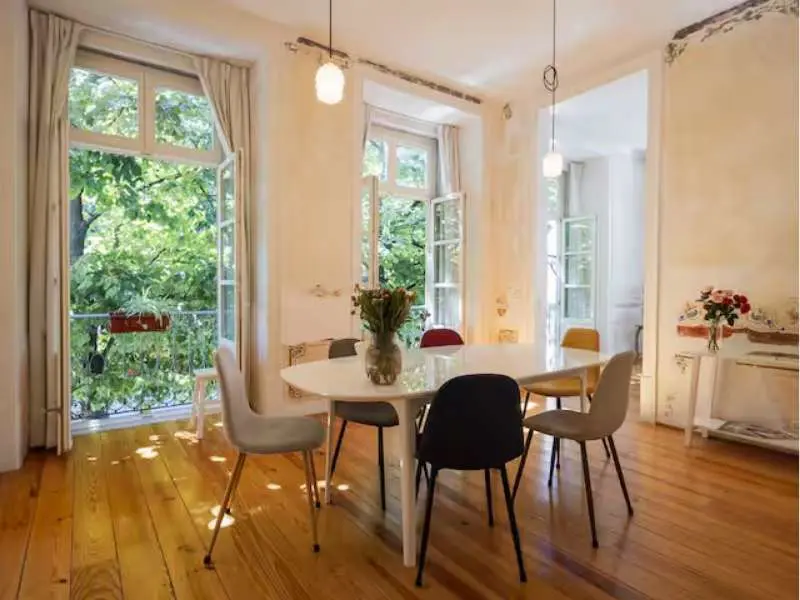
Old Casa Pessoa – Linden Trees Apartment, Dining Table, Open windows with View

Old Casa Pessoa

Where to Eat and Drink

heim-cafe-pancacks-espresso

Heim Cafe

Cafe
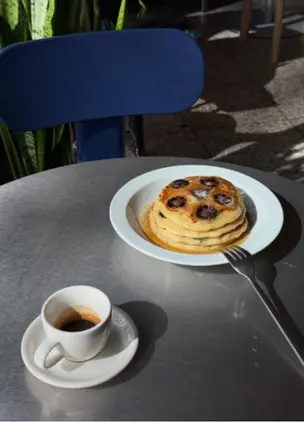
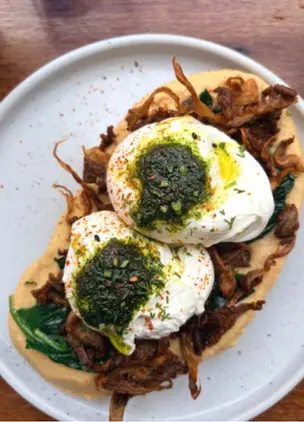
In Santos, Heim was one of the earlier cafés to push Lisbon’s brunch culture forward. Opened by Ukrainian owners, it helped shape the area before all-day breakfast became standard across the city. The room is compact, the kitchen runs steadily, and the menu is built around breakfasts that carry as much weight as the coffee.
the-mill-coffee-brunch

The mill

Cafe
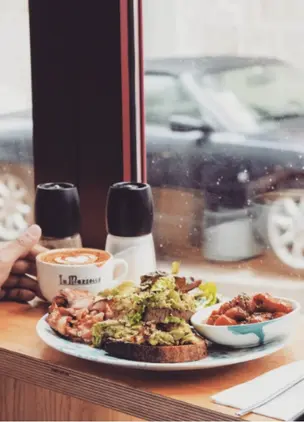
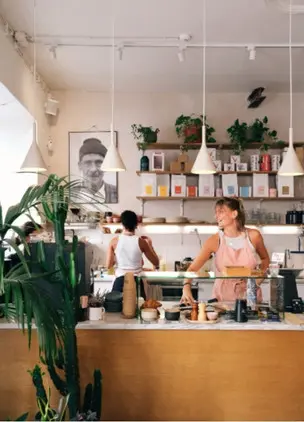
On Rua do Poço dos Negros, The Mill was one of the earlier cafés to bring a more Australian-style breakfast culture into Lisbon. Coffee sits at the centre, with local roasters and a menu that leans heavier than most, eggs, toast, and plates built to start the day properly. The room stays busy, tables close, with a steady mix of locals and visitors. One of the places that helped shape the city’s newer café scene.
comobå-exterior

COMOBÅ

Cafe
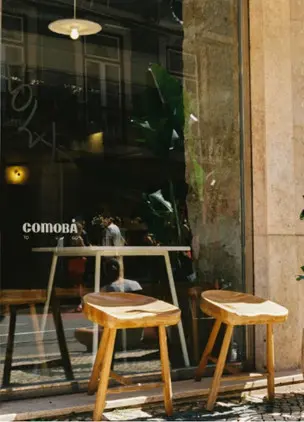
On Rua da Boavista, COMOBÅ sits in a former pharmacy, and the room still carries that structure, tiled walls, long counters, everything laid out with purpose. Coffee and food sit evenly here, with breakfasts, house-made almond milk, and a kitchen that keeps the room moving. Part of Lisbon’s newer café scene, but still tied closely to the neighbourhood around it.
café-da-garagem-view

Café da Garagem

Cafe
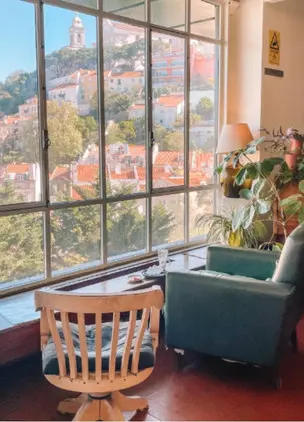
Inside Teatro da Garagem, Café da Garagem works as much as a cultural stop as it does a café. Alongside coffee, there’s wine, small plates, books, and a terrace that opens directly across the city. The theatre setting gives it a different pace to most cafés in Lisbon, less built around routine, more around where you are in the day. One of the better stops when moving through Castelo.
neighbourhood-coffee-brunch

Neighbourhood Coffee

Cafe
Australian-owned and now firmly part of Lisbon’s café scene, Neighbourhood brought a more direct brunch and coffee format into the city when it opened. The Graça site sits just above Alfama, close to the flea market and viewpoints, with specialty coffee, bigger breakfast plates, and a room that stays busy from early on. It carries that Australian café culture well, but sits naturally within the area around it.
hello-kristof-cafe-interior

Hello, Kristof

Cafe
In São Bento, Hello, Kristof is one of the stronger all-round cafés in Lisbon, coffee roasted in-house, breakfasts done properly, and shelves lined with magazines and books that give the room more shape than most. It’s not built around one thing alone, which is part of why it works. Coffee holds up, food does too, and the space feels used rather than styled.
seagull-method-cafe-brunch-matcha

Seagull Method Cafe

Cafe
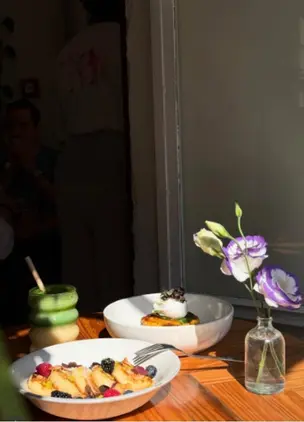
In Príncipe Real, Seagull Method helped shape Lisbon’s brunch culture before the city was full of it. Opened by the team behind Heim, the menu carries Ukrainian influence through dishes like syrniki alongside strong coffee and breakfast done properly. It runs more like a restaurant than a café, with tables turning steadily through the morning.
Dramático

Dramático

Cafe
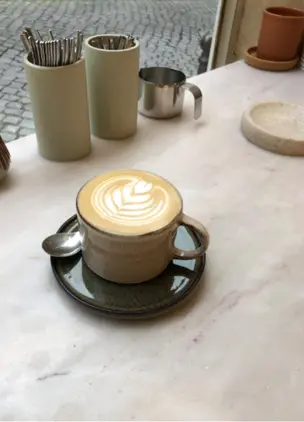
On Rua da Alegria, Dramático is one of Lisbon’s smaller coffee rooms, built around coffee and pastry rather than full breakfasts. The space is tight, with La Cabra beans at the centre and a shorter menu that keeps things focused. It feels deliberate, more a stop for coffee than a place to settle for half the day.
Wine Bars In Lisbon The Kissaten

The Kissaten

Listening Bar
The Kissaten is a listening bar built around music rather than wine. Guests settle into a calm room where records spin through a carefully tuned sound system. Conversation stays low while drinks circulate quietly across the tables. It’s a place that reflects Lisbon’s slower nightlife rhythm, where evenings revolve around sound rather than noise.

Wine Bars In Lisbon O Pif

O Pif

Wine Bars
O Pif is a compact neighbourhood spot where wine and small bites carry the evening. The kitchen sends out simple seasonal plates designed to sit easily beside a glass or two. The room is lively and fills early most nights. It’s the sort of place people often mention when talking about wine bars in Lisbon.

Wine Bars In Lisbon pinot.bar

Pinot.bar

Wine Bars
pinot.bar is calm, focused, and built for people who enjoy discovering bottles. Shelves line the walls while the bar fills with quiet conversation and slowly opened wines. A short menu of simple plates keeps things moving through the evening. Among wine bars in Lisbon, pinot.bar leans more thoughtful than loud.
Wine Bars In Lisbon Insaciável

Insaciável

Wine Bars
Insaciável balances a cosy interior with a small terrace that fills quickly on warm Lisbon evenings. Inside, the room feels intimate, with shelves of bottles and a short menu of thoughtful plates. Guests move easily between inside tables and the terrace outside. It’s the kind of spot that shows why wine bars in Lisbon work so well in this city.
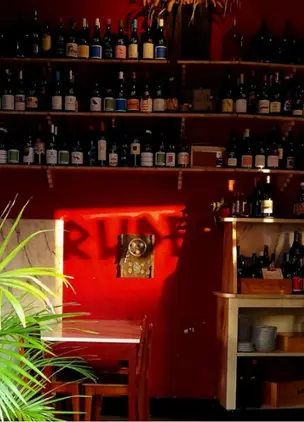
Wine Bars In Lisbon Rude

Rude

Wine Bars
Rude is a small, lively room where Lisbon’s wine crowd gathers for good bottles and easy evenings. Music plays softly while plates and glasses move steadily across the bar. The energy builds quickly once the room fills. It’s social, a little noisy, and built for conversation over a few good bottles.
Places To Eat In Lisbon o frade lisbon

O frade lisbon

Best Places to Eat
O Frade is built around a counter where chefs cook Alentejo dishes in full view. Guests sit close, watching traditional recipes take shape with a lighter hand. Conversation moves easily between kitchen and table. It’s direct, personal, and full of character.
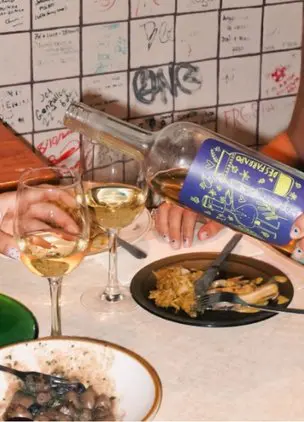
Table at O Velho Eurico Lisbon with wine glasses and shared plates

O Velho Eurico

Best Places to Eat
O Velho Eurico carries Lisbon’s energy from the moment you step inside. The room fills quickly, conversation rising as generous Portuguese dishes move across the tables. The pace builds fast, but never feels forced. A place shaped by its crowd as much as its kitchen.
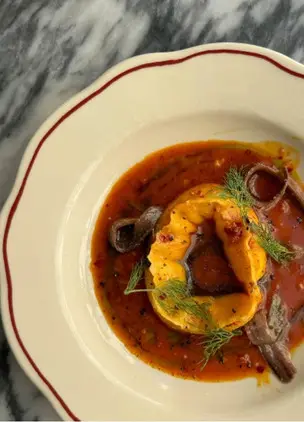
Dish at Leonetta restaurant Príncipe Real Lisbon on marble surface

Leonetta

Best Places to Eat
Leonetta is a calm, well-composed dining room where Italian cooking meets Lisbon’s slower rhythm. Fresh pasta and seasonal plates arrive at an easy pace, with wines chosen to match the kitchen. The atmosphere stays warm and understated throughout the evening.
Parra Wine Bistro Lisbon interior with red stools and marble table

Parra Wine Bistro

Best Places to Eat
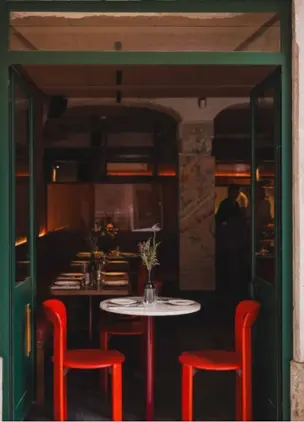
Parra Wine Bistro feels like the kind of place that settles into the neighbourhood quickly. Shelves of bottles frame the room, while the kitchen serves seasonal dishes that pair naturally with the list. Staff guide without over-explaining. The night moves slowly here, and comfortably.
Places To Eat In Lisbon Bar Alimentar

Bar Alimentar

Best Places to Eat
Bar Alimentar is a compact neighbourhood spot where food, wine, and music move easily together. The kitchen sends out simple seasonal plates while bottles circulate across the bar. The room fills quickly, and the evening tends to stretch. Relaxed, social, and easy to return to.
Places To Eat In Lisbon DA NOI

DA NOI

Best Places to Eat
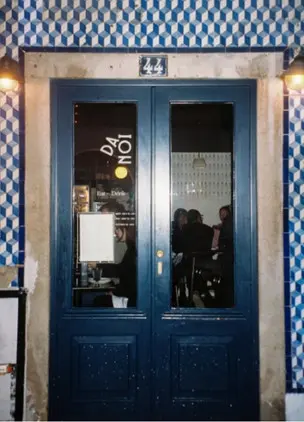
Da Noi brings a stylish but relaxed energy to the Lisbon dining scene. The kitchen focuses on Italian cooking, with fresh pasta and seasonal plates built for long dinners. The room fills steadily with a creative local crowd, the atmosphere building without ever tipping into noise.
Places To Eat In Lisbon Sem

SEM

Best Places to Eat
SEM is a small, thoughtful restaurant where the kitchen works closely with seasonal produce. Plates arrive carefully composed but never overworked, supported by a wine list that shifts often. The dining room stays calm and intimate through the evening. It shows Lisbon’s quieter, more ingredient-led side.
Places To Eat In Lisbon Santa Joana

Santa Joana

Best Places to Eat
Santa Joana sits inside a former convent, giving the dining room a quiet sense of scale that’s rare in Lisbon. The kitchen focuses on modern Portuguese cooking, building refined plates around seasonal ingredients. Service moves unhurriedly, encouraging longer dinners. A more composed side of the city, held without feeling formal.
Boavista Social Club Lisbon with vinyl record shelves and warm low light

Boavista social club

Best Places to Eat
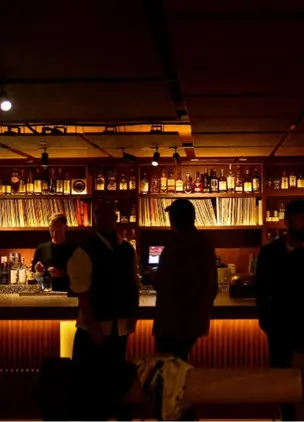
Boavista Social Club sits close to Cais do Sodré, bringing records, modern Portuguese cooking, and a lively crowd into one room. Music carries through the evening while the kitchen sends out seasonal plates built around bold flavours. Tables settle in with wine as the energy builds. It’s the kind of place where the night takes shape without much effort.

Areas to Know

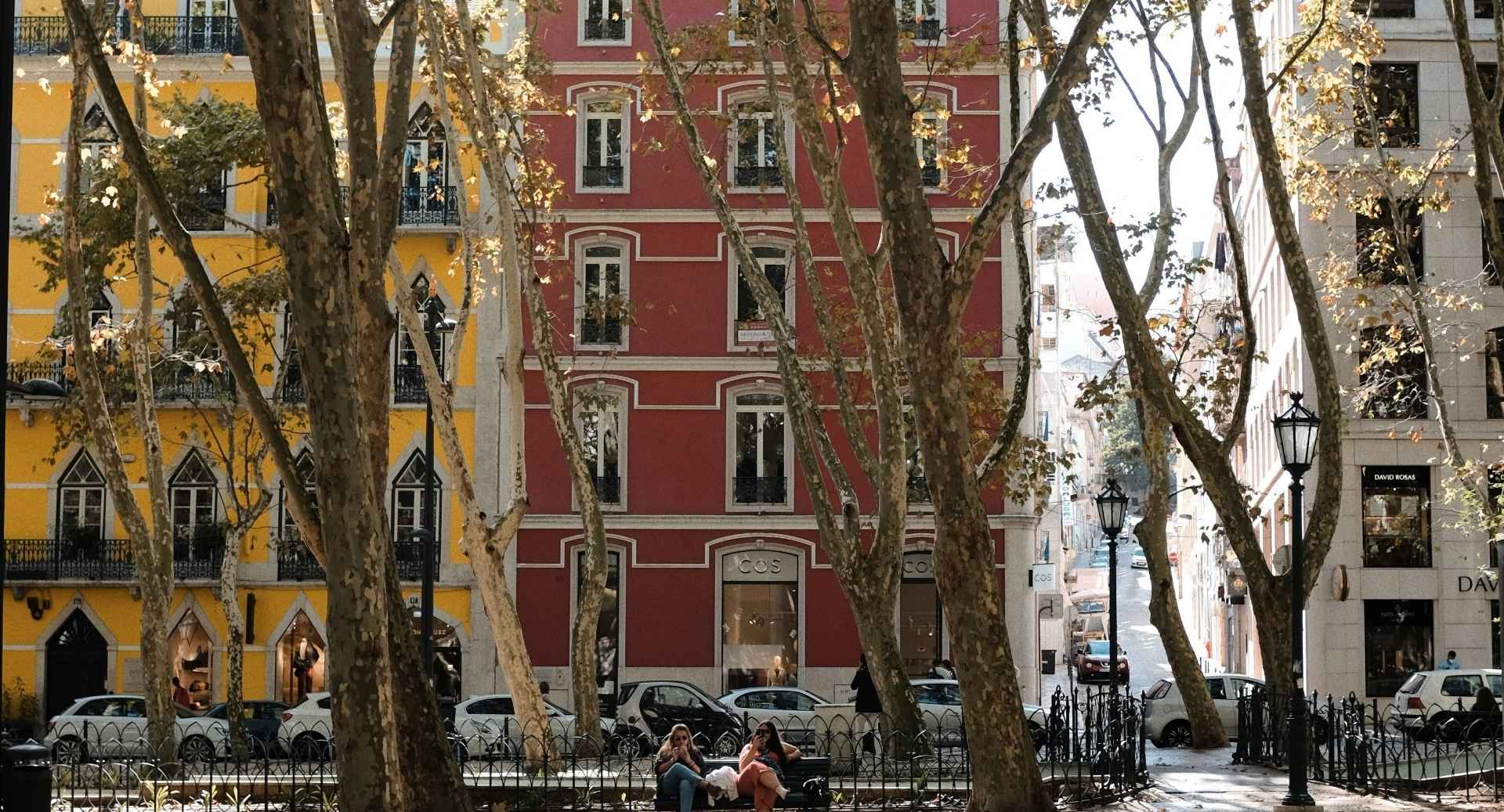
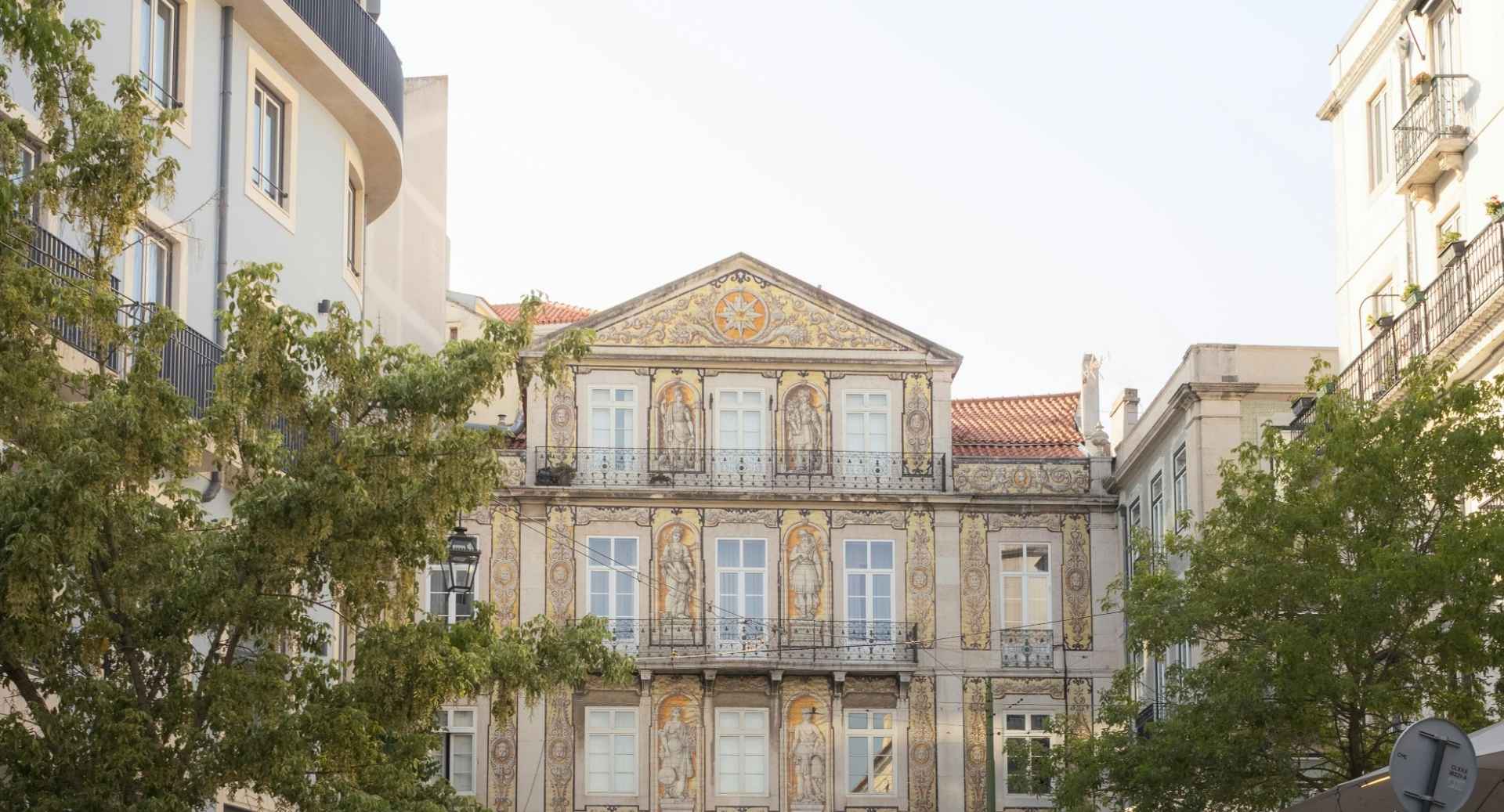
Lisbon is felt in the surfaces. Tiled walls, worn stone, painted façades that haven’t been fully restored. Some streets feel rough, others more considered, and often they sit side by side. In certain areas, it’s one restaurant after another, tables close together, doors open, people moving between them without much planning. Then it opens out again, a quieter stretch, a view, somewhere to stop for a while. That contrast is what holds the city together.

Hotels in Santos Lisbon

Santos

Santos sits closer to the river, where the streets open slightly and the pace loosens. Older buildings, tiled fronts, and newer spaces sit next to each other without much separation. There’s a steady flow of cafés, restaurants, and smaller spots that fill gradually through the afternoon. It’s easy to move through, and just as easy to stay longer than planned.

Alfama

Alfama is tighter and more uneven. Steps, narrow streets, walls that carry age. It can feel crowded, but the rhythm changes quickly once you move a little further in. Small taverns, open windows, and viewpoints appear without much warning. It’s one of the few areas that hasn’t been smoothed out too much, and that’s what gives it weight.

lisbon-travel-guide-alfama
Príncipe Real Hotels Lisbon

Principe Real

Príncipe Real sits higher, with more space between things. Gardens, shops, and cafés spread across the hill, with restaurants and wine bars holding the ground floor. It feels more considered, but not overly polished. The detail is still there, tiles, balconies, older façades, just handled with a lighter touch. It’s where the newer side of Lisbon feels more settled.

Explore More City Escape Destinations

How many days do you need in Lisbon?
Three to four days is a sweet spot. Long enough to wander the main neighbourhoods, ride the trams, and catch a few sunsets over the Tagus. If you stay five days or more, the city slows down for you, with mornings in cafés, afternoons by the river, and evenings filled with good food and fado.
Yes, but beautifully so. Lisbon is built across seven hills, which means climbs, views, and plenty of character. The cobbles can be steep, but that is part of the charm. Comfortable shoes, time, and a few tram rides make exploring easy and rewarding.
Lisbon rarely makes you work too hard for a good view. Miradouro de Santa Catarina looks across the Tagus, São Pedro de Alcântara opens over the rooftops towards the castle, while Graça and Senhora do Monte take in more of the city. Go towards sunset, when the light catches the tiled roofs and Lisbon starts to soften.
Abundant and full of life. Lisbon is a city that loves to eat, and it shows. Fresh seafood from the Atlantic, grilled sardines, and custard tarts warm from the oven fill every corner of the city. Its food scene is vast and ever-evolving, from old taverns serving timeless recipes to new kitchens where chefs cook with heart and creativity.
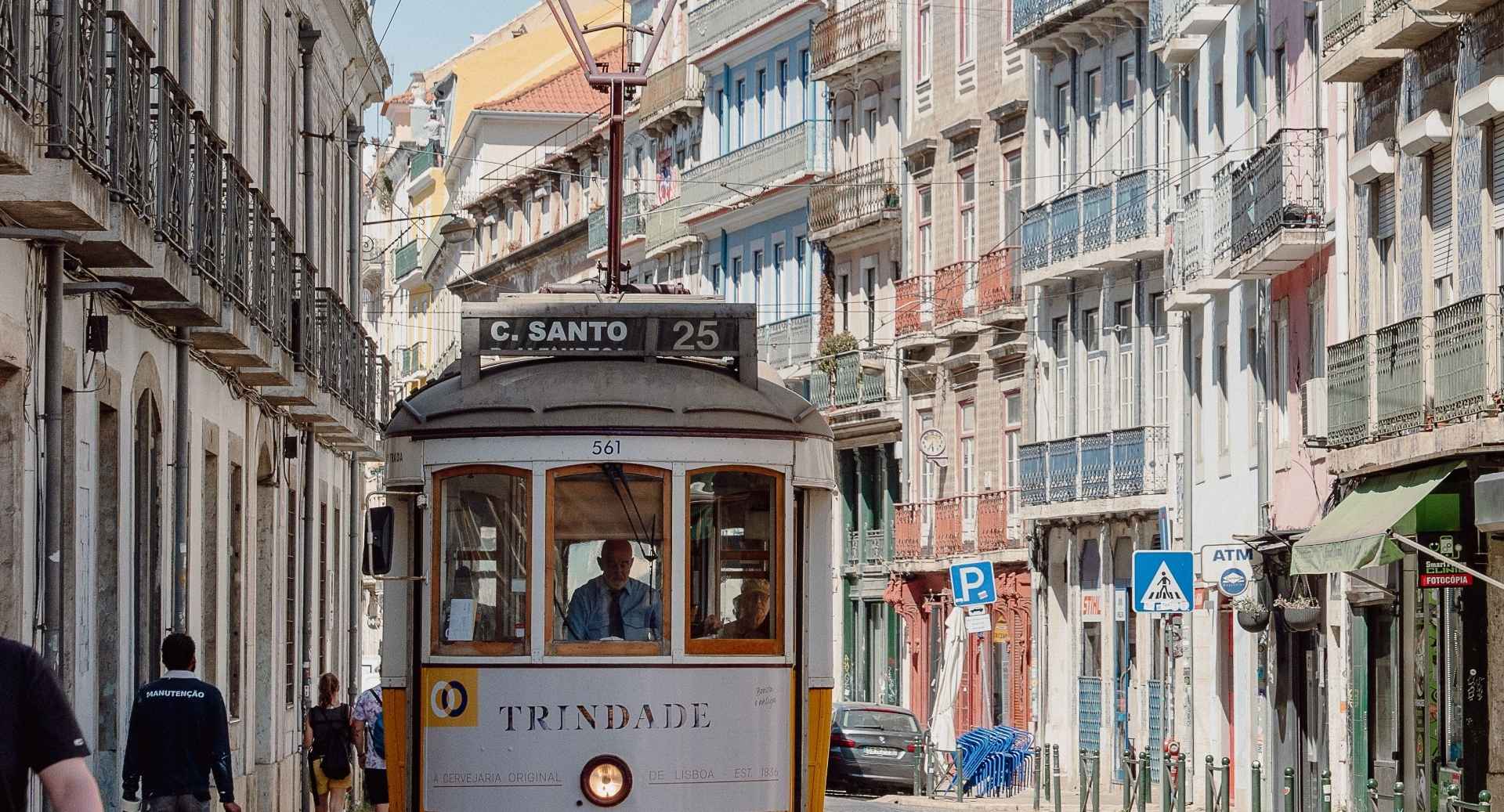
Walking is best for feeling the city, but trams, tuk-tuks, and elevators help with the hills. The metro is clean and easy, and taxis or rideshares are affordable for longer routes. Lisbon moves at its own pace, and so should you.
Very. Lisbon is welcoming and relaxed, with a strong sense of community. As in any major city, stay aware in crowded areas, but most streets feel calm and comfortable to explore both day and night.