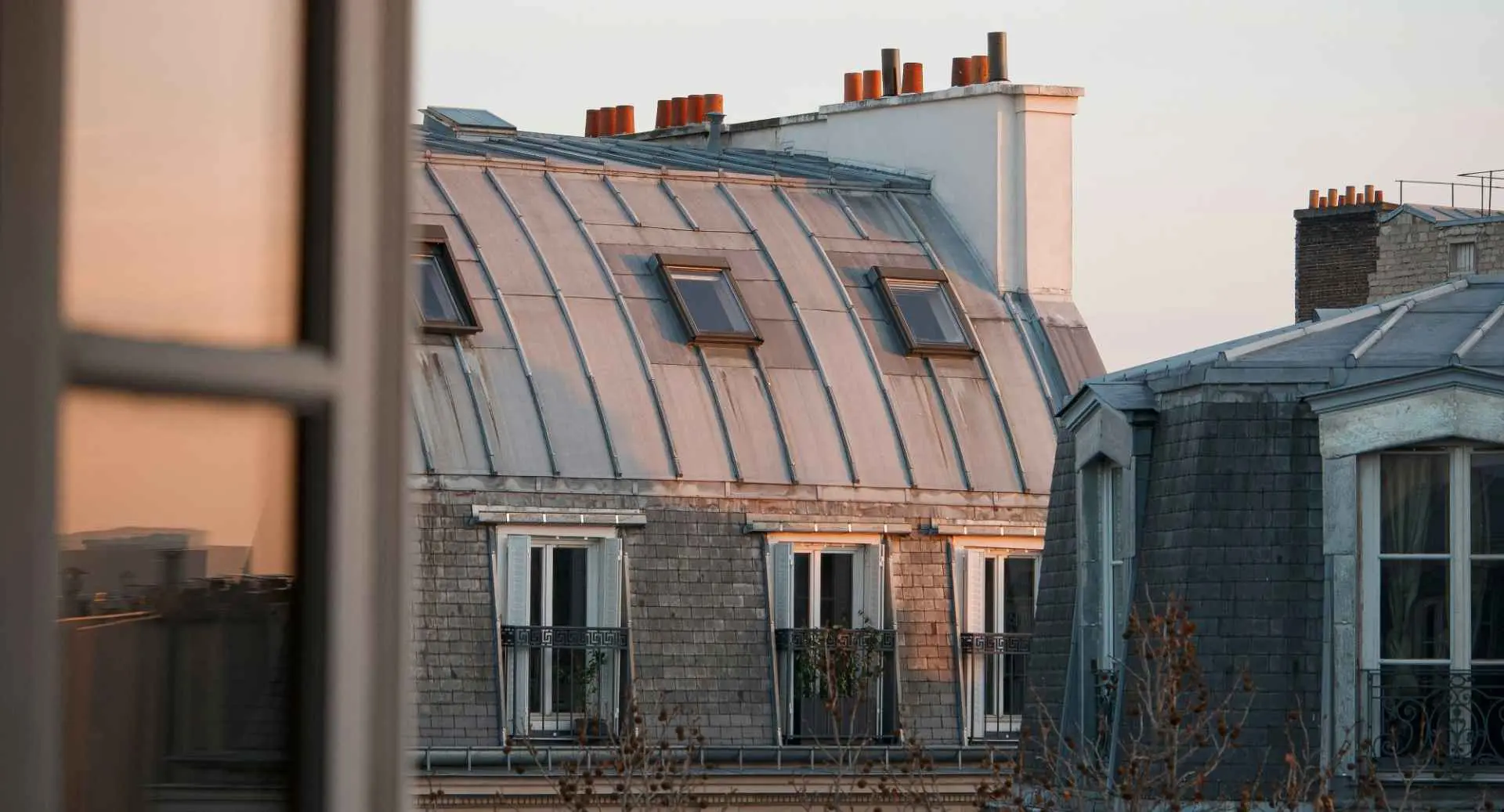
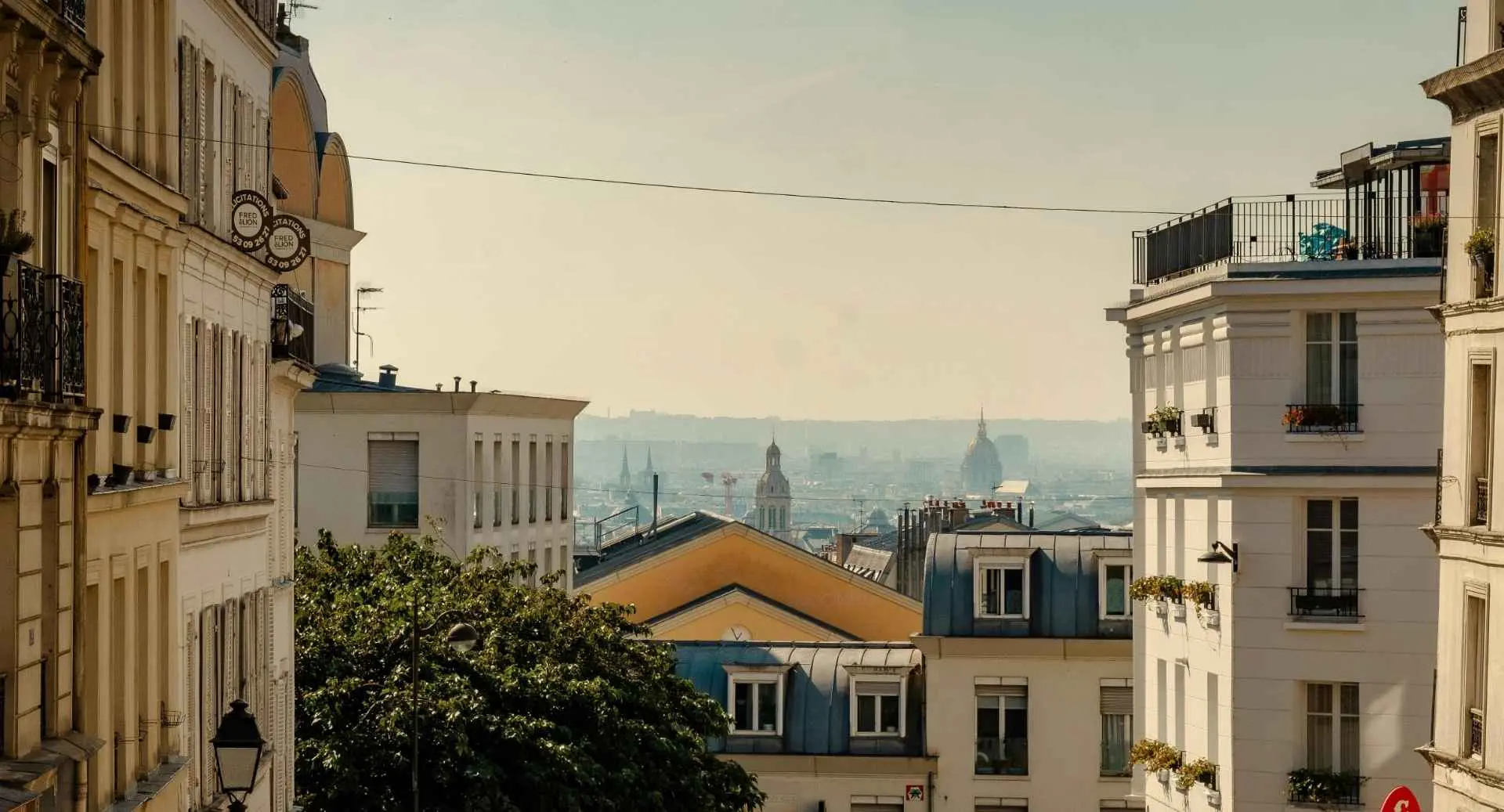
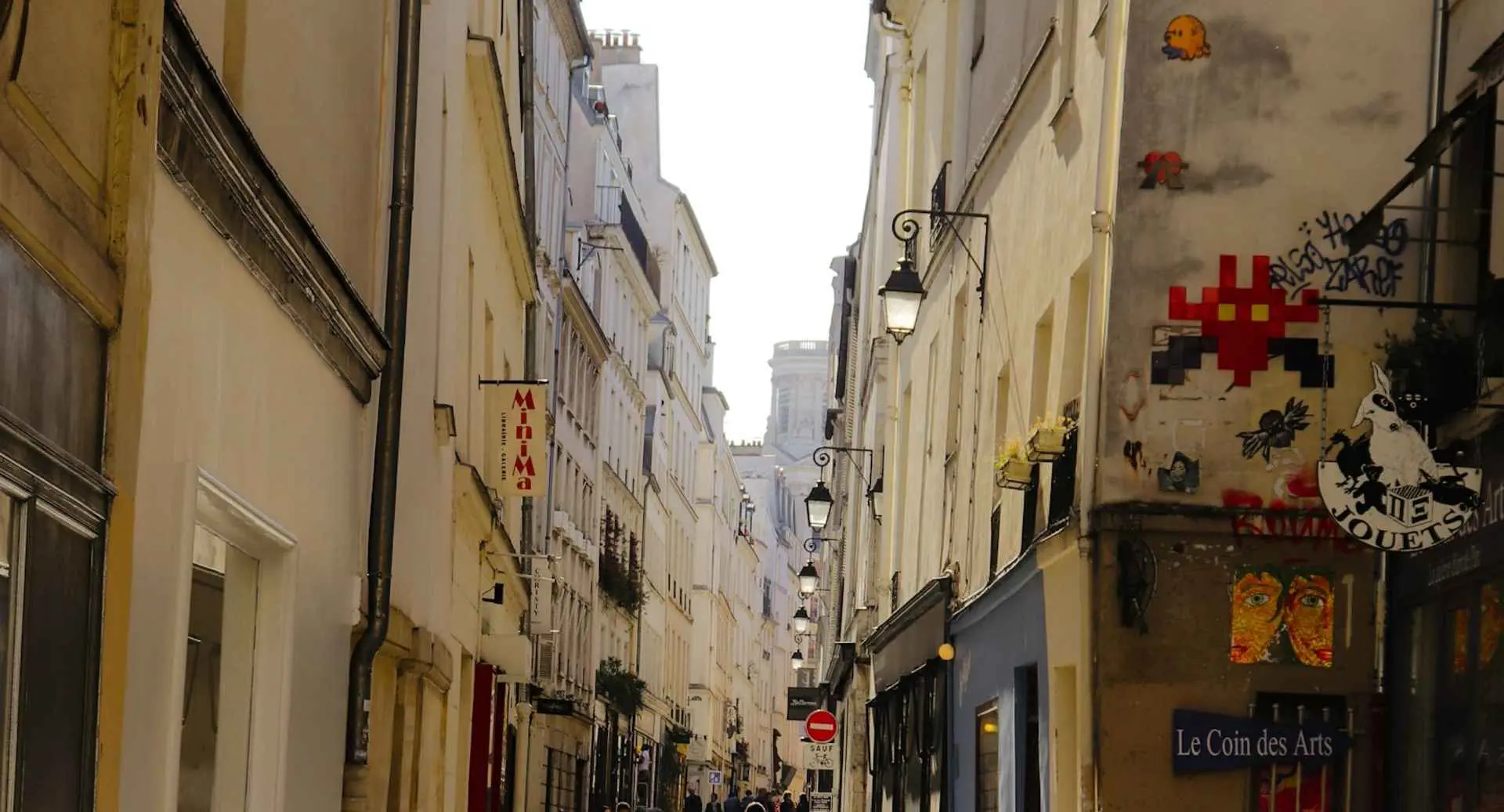
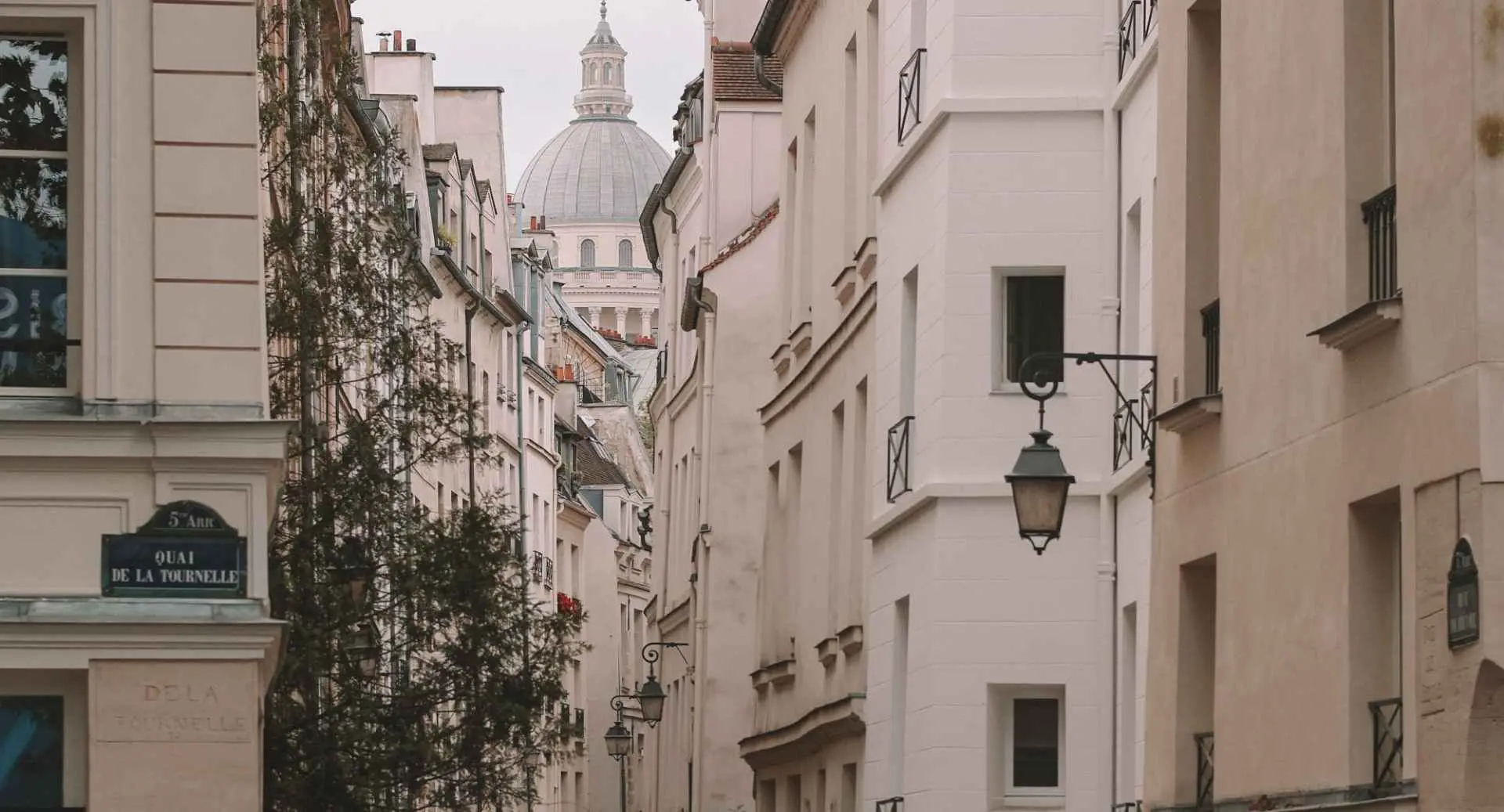
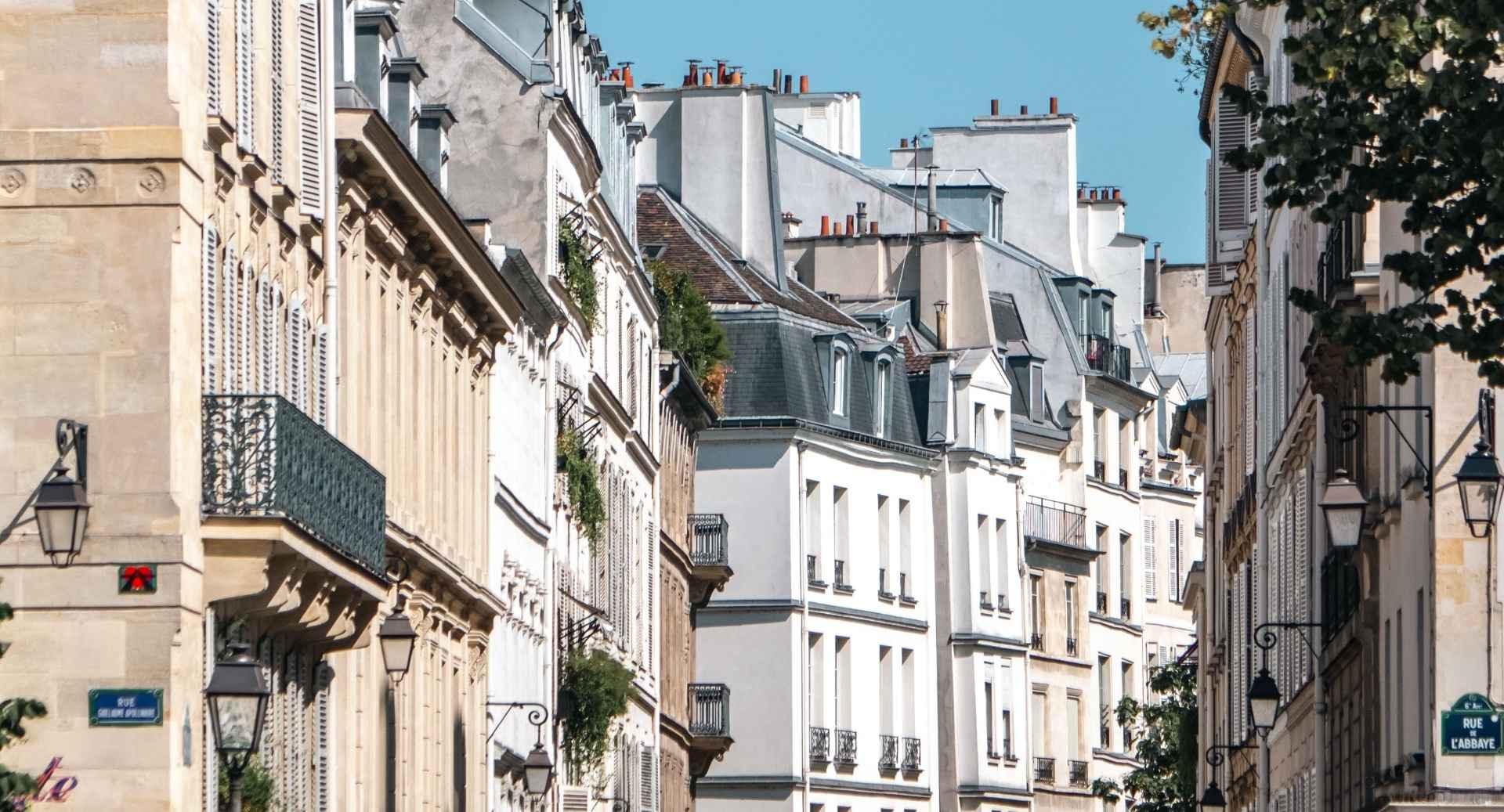
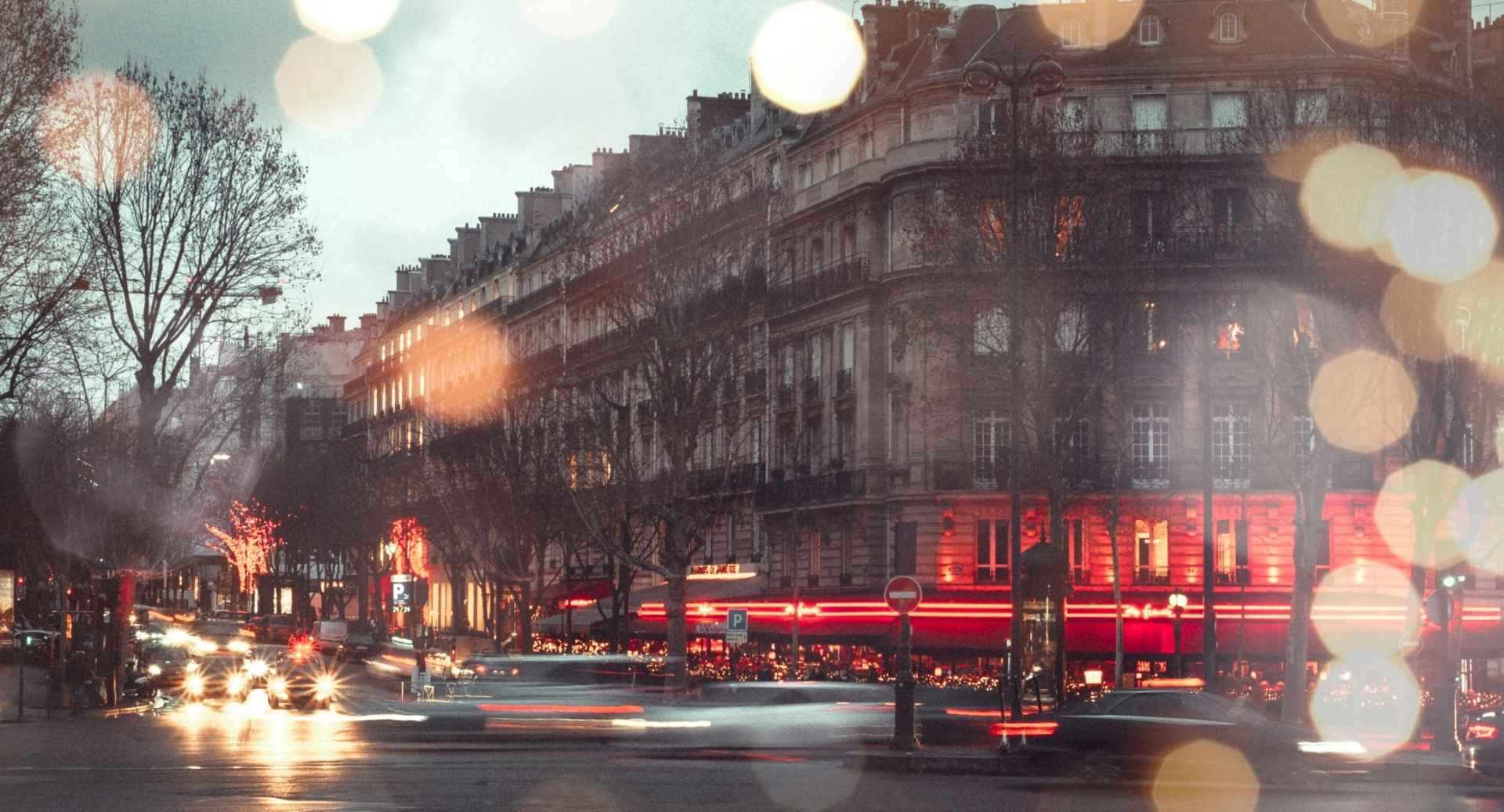
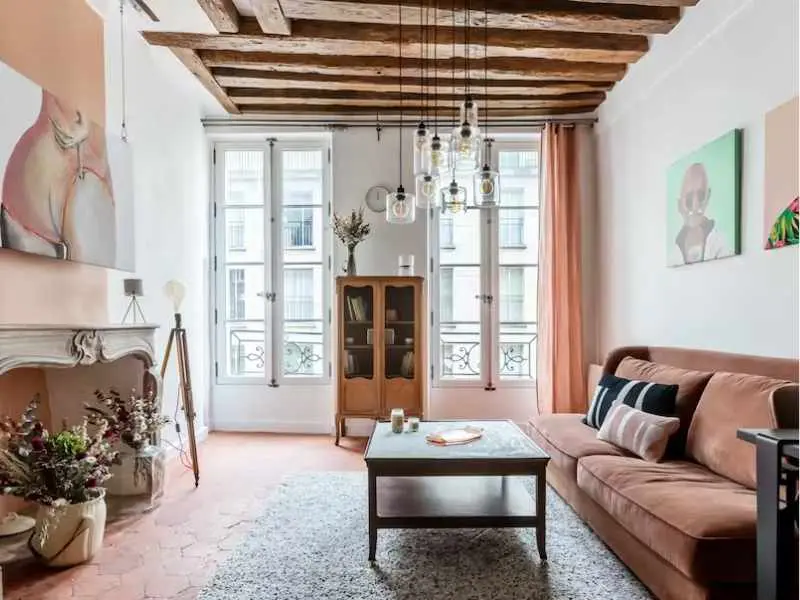
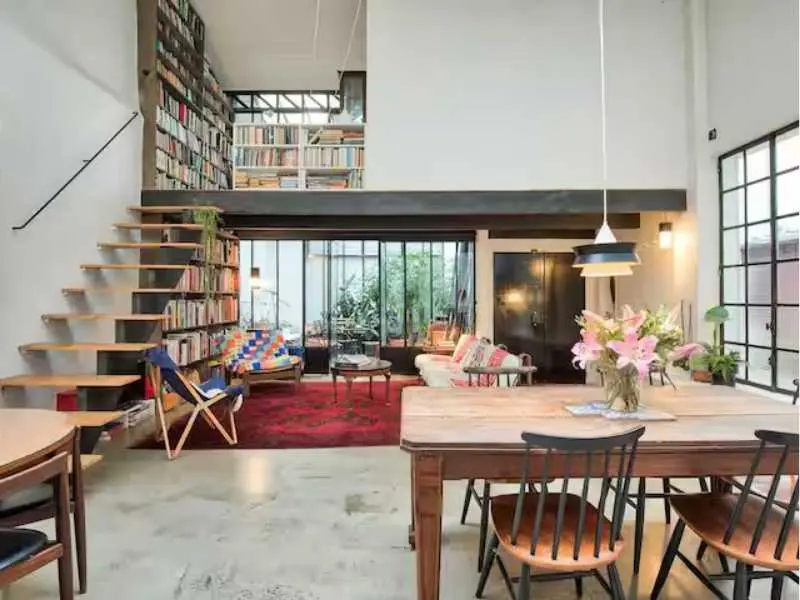
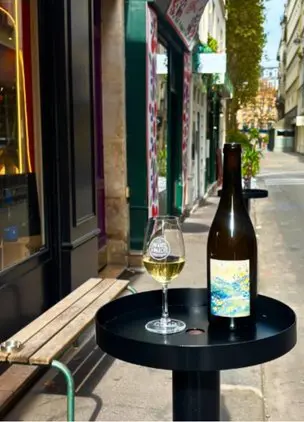
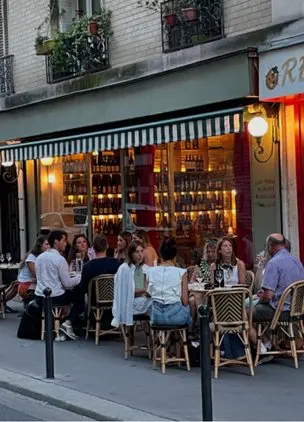
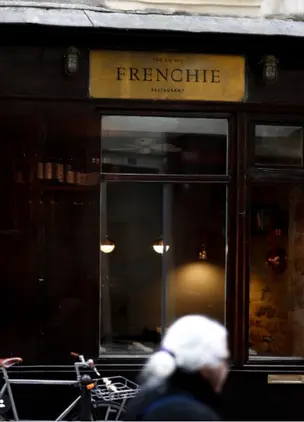
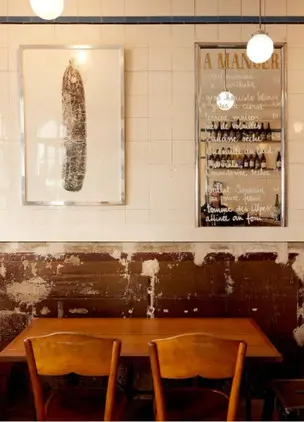
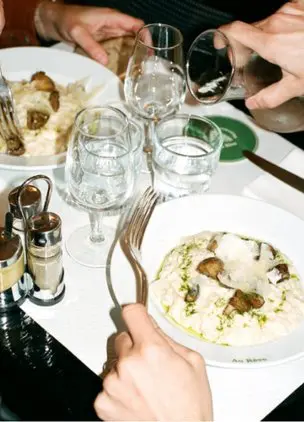
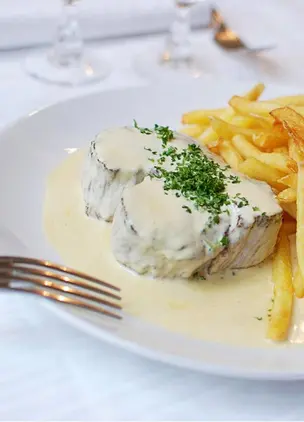
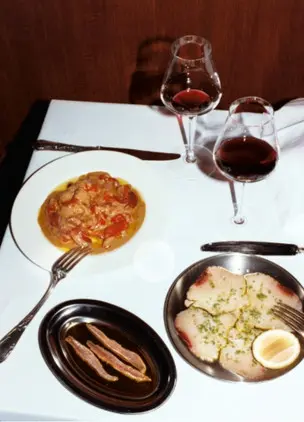
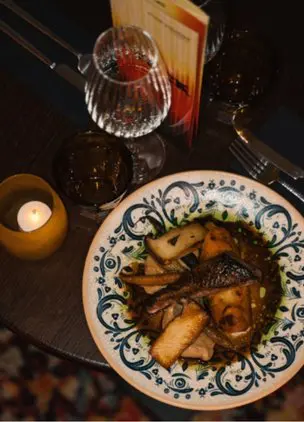
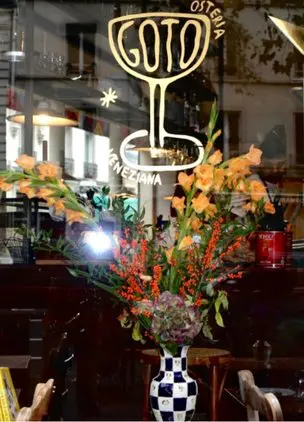
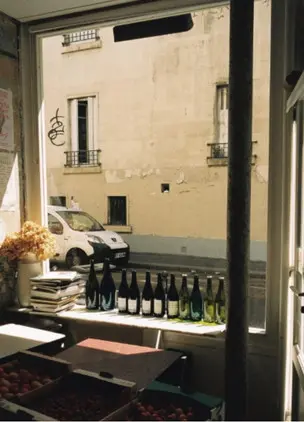
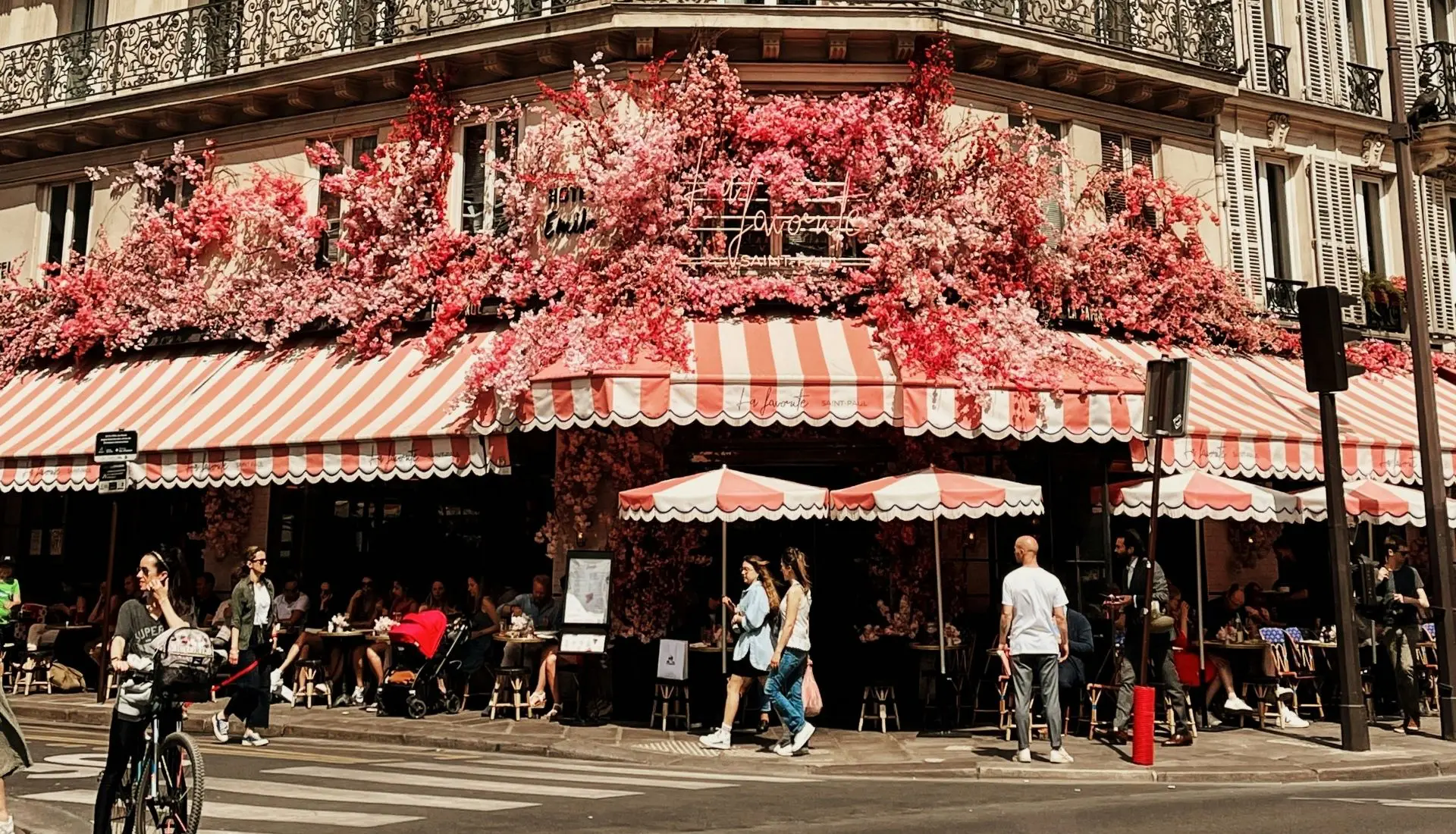
Paris holds its structure, but it never feels fixed. The foundations are there, cafés, bistros, shops that have been doing things properly for years, but around them the city keeps moving. New ideas settle in quietly, sharper, more considered, without needing to disrupt what already works. You don’t take it in all at once. It comes through returning to the same streets, noticing what’s changed, and what hasn’t.
The rhythm is steady, but not static. Mornings begin slowly, coffee taken without much ceremony, before the day opens up. Afternoons stretch, and by evening the city shifts again, dining rooms filling, bars carrying a different kind of energy. Paris isn’t about choosing between old and new. It’s about how easily the two sit alongside each other.

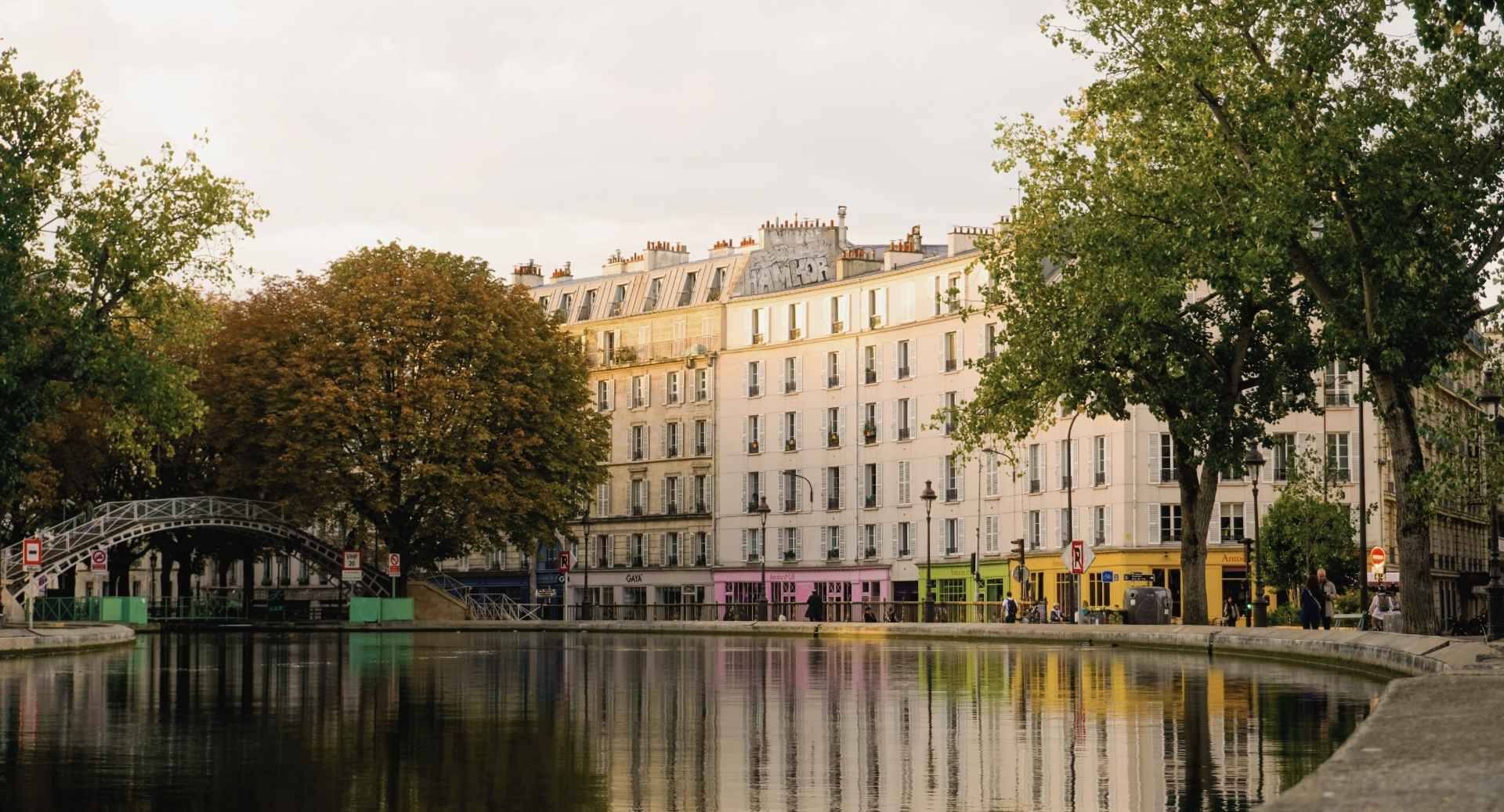
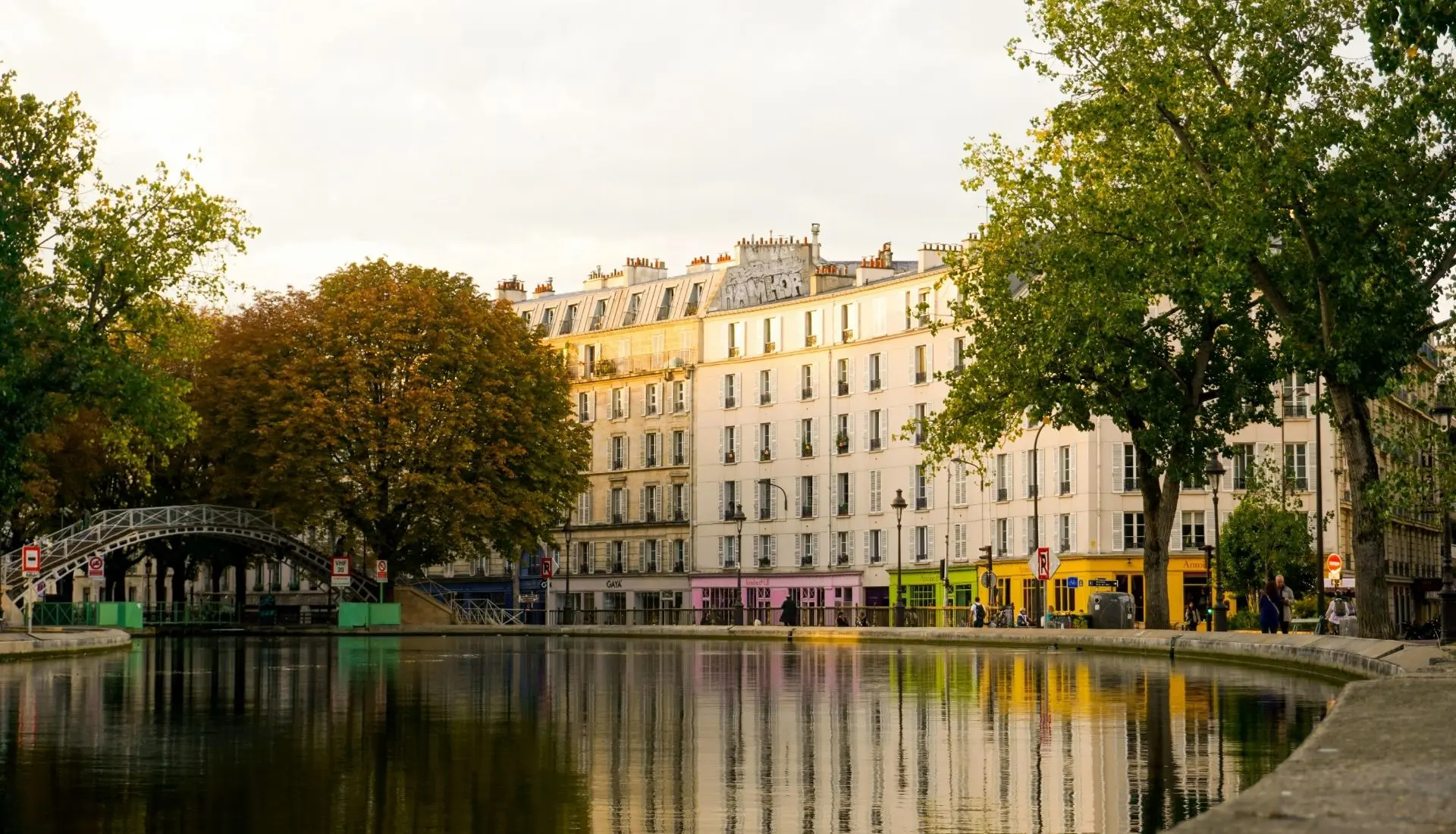
Iron bridges, canal-side Sundays and the part of Paris that feels most like a village.

Bookshops, garden walks and one of the most lived-in corners of the Left Bank.


Paris doesn’t separate itself in obvious ways. One street can feel polished, the next more lived-in, and the shift happens quickly without much warning. Neighbourhoods carry their own pace, but they’re closely tied together, cafés, shops, and dining rooms all sitting within the same rhythm. You don’t need to go far to feel the difference. It’s less about covering ground, and more about noticing how the city changes as you move through it.

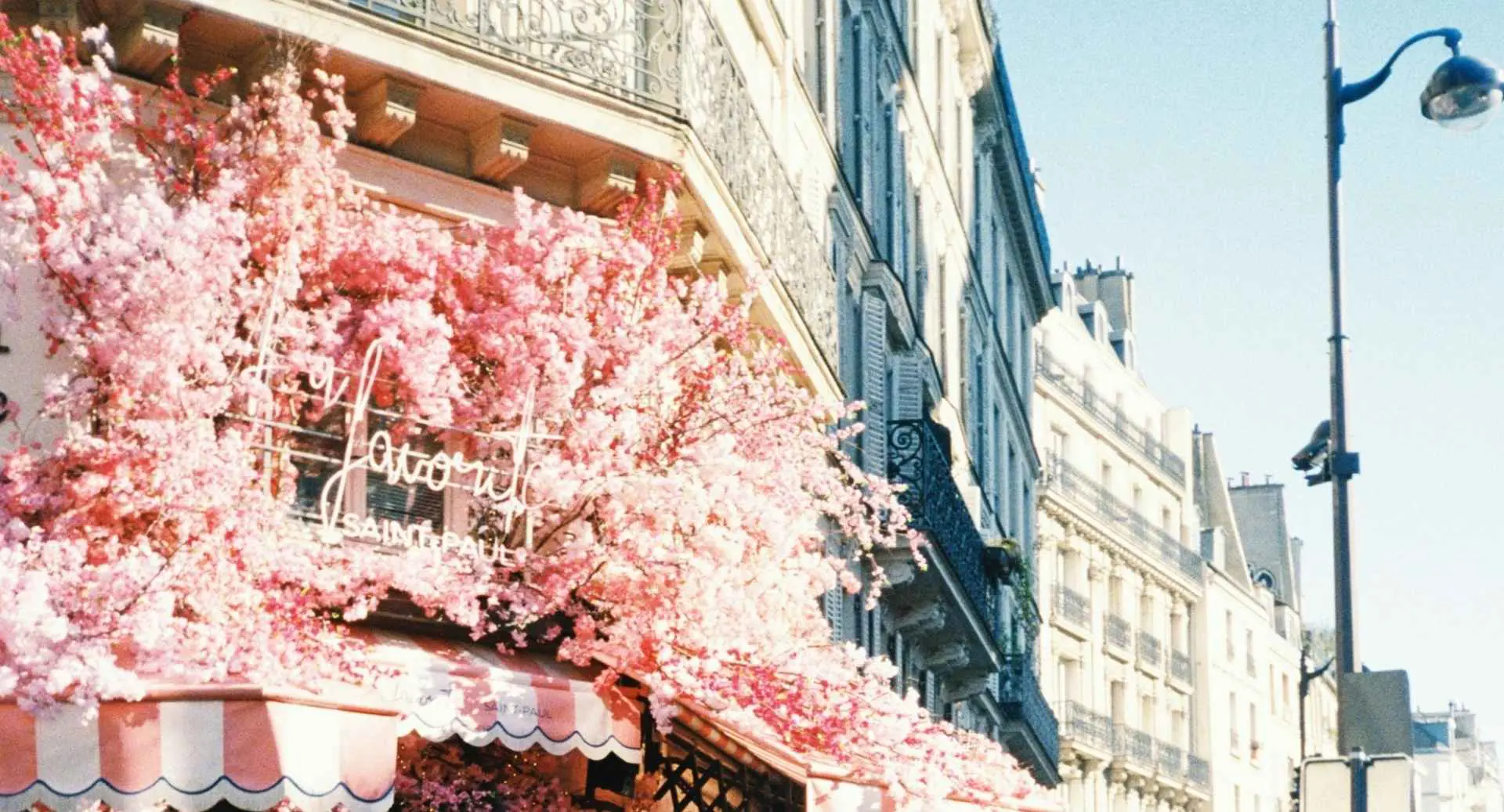
Le Marais carries a certain polish, but it doesn’t feel fixed. Streets move between galleries, shops, and smaller cafés that sit just out of view. It’s in the in-between moments where it settles, a table taken without planning, a quiet courtyard, a street that slows unexpectedly. Come earlier in the day or midweek when the pace softens. It holds more when you’re not trying to see everything at once.
Canal Saint-Martin moves more loosely. Mornings begin slowly along the water, boulangeries opening, people taking their time. The streets carry a mix of older shopfronts, wine bars, and smaller spaces that feel slightly less resolved. It doesn’t try too hard, and that’s what makes it work. You don’t need a plan here, just time to move through it properly.


The Left Bank keeps a different rhythm. Less immediate, more settled, shaped by routine rather than movement. Bookshops, cafés, and quieter streets sit alongside each other without much need to change. Move beyond the main routes and it softens further, small squares, older façades, places that feel unchanged. It suits slower days, when you’re not looking for much beyond somewhere to sit and stay.
For collaborations and enquiries
We use cookies to improve your experience and understand how the site is used. You can accept or manage your preferences at any time.