Affordable Hotels in London

London makes affordability complicated. Room rates climb quickly, central addresses often charge heavily for very little space, and paying more does not necessarily produce a more interesting stay. The strongest affordable hotels find value elsewhere: a small room in a well-restored building, a neighbourhood worth exploring, useful communal spaces or enough character to make compromises in size feel worthwhile. Some sit centrally, others make a case for staying further out and using London differently. If you are looking for affordable hotels in London, these are the places we would choose first for value, character and what they give you beyond the room.

Affordable Hotels In London

best for

• Good design without luxury pricing
• Smaller rooms in useful locations
• Neighbourhood-led London weekends
• Travellers who spend days outside

skip if

• Large bedrooms matter most
• Full-service hotels feel essential
• Central landmarks must be walkable
• Price matters more than character

Why Book an Affordable Hotel in London?

Affordable hotels in London usually involve choosing the compromise you care about least. A smaller bedroom can make sense when Paddington Station is around the corner. Staying further east or west becomes worthwhile when the neighbourhood gives you restaurants, pubs and enough local life to stop commuting back into Soho every evening. Apartment facilities may matter more on a five-night stay than a staffed lobby ever would. The strongest affordable hotels understand those trade-offs and give something meaningful in return: better design, more independence, a useful ground floor or an address that changes how you experience the city. Value in London is rarely about finding the cheapest room. It is about paying for the parts of the stay you will actually use.

Hotels

The Hoxton Shepherd's Bush

A larger Hoxton that makes moving west worthwhile through social spaces, useful rates and neighbourhood energy.

Why stay here

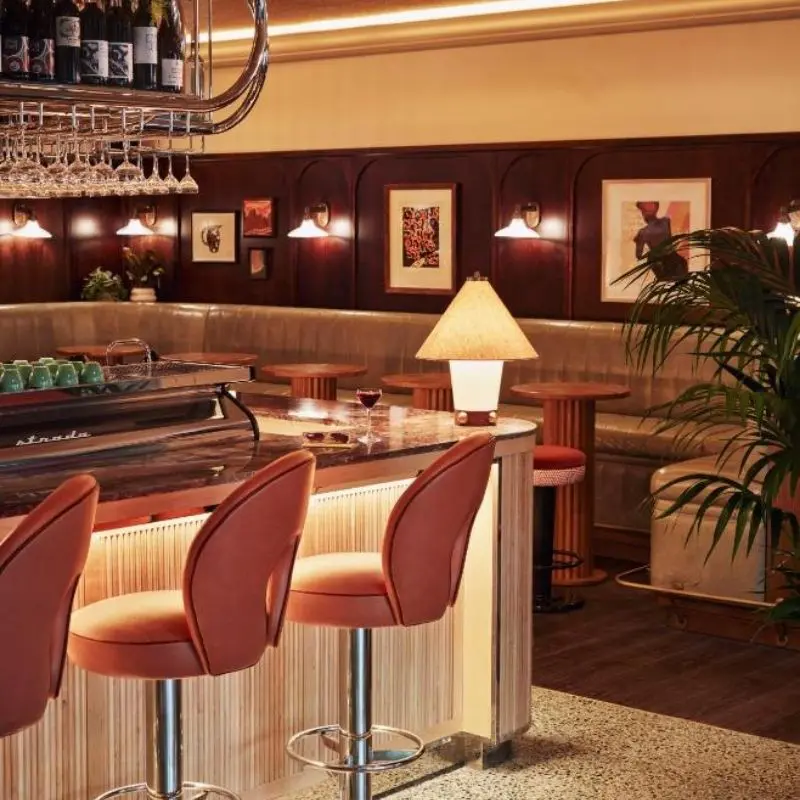
The Hoxton Shepherd’s Bush offers a different value proposition from the smaller hotels on this page. With more than 200 rooms, the experience is less intimate, but the lively ground floor gives guests somewhere genuinely useful beyond the bedroom. Warm timber, patterned textiles and vintage references keep the familiar Hoxton language intact, while Chet’s and the lobby remain active from morning into the evening. The trade-off is location. Shepherd’s Bush sits well west of the centre, though the Central line and nearby transport connections make that manageable. For travellers who do not need Soho outside the door, the extra distance can produce considerably more hotel for the money.

Best for

West London trips, social stays and guests willing to travel for better value.
The Hoxton, Shepherd's Bush, Bar downstairs, London
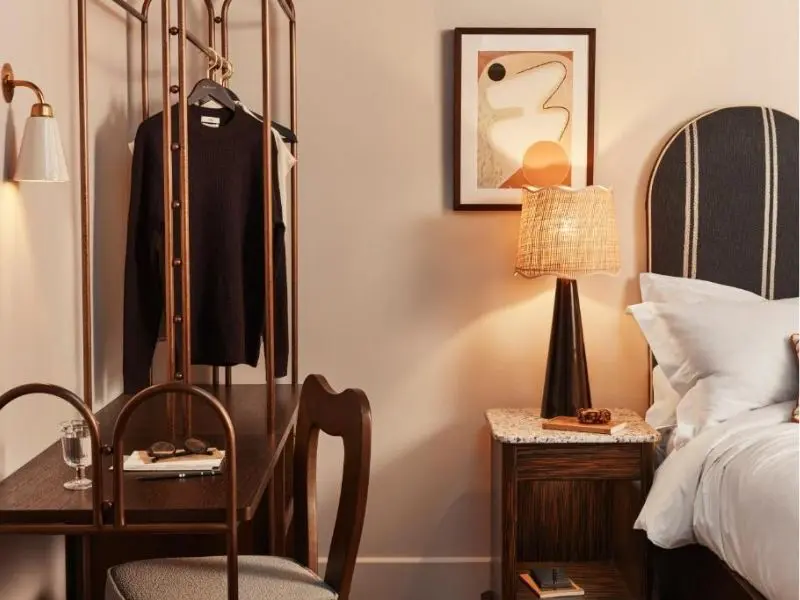
The Hoxton, Shepherd's Bush, Bedroom Interior Details

Staycity Dalston

Apartment-style rooms in East London for stays where a kitchen matters more than hotel ceremony.

Why stay here

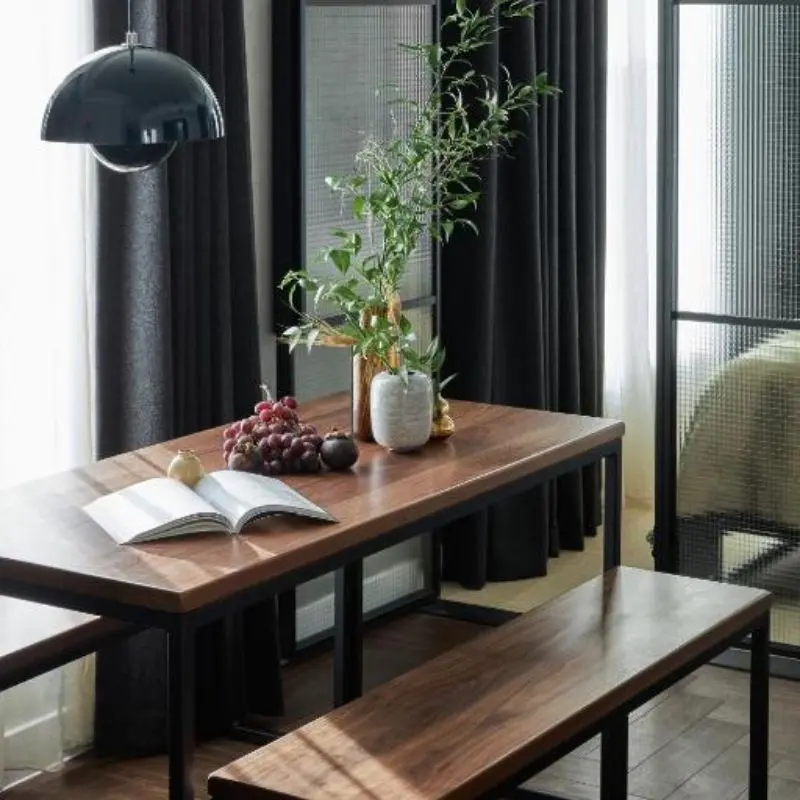
Staycity Dalston makes its case through practicality. Studios and apartments add kitchen facilities and more usable living space than many similarly priced London hotel rooms, making the property particularly useful once a stay stretches beyond a weekend. Interiors remain straightforward, with timber, softer textiles and industrial references giving the spaces enough warmth without pretending to be something more elaborate. Kingsland High Street places Dalston’s restaurants, markets, pubs and music venues immediately outside, while Overground connections make moving through East London straightforward. It lacks the individuality of the smaller hotels here, but the extra independence can represent better value for longer stays.

Best for

Longer stays, East London weekends and guests who want a kitchen and extra independence.
London Travel Guide Staycity Dalston
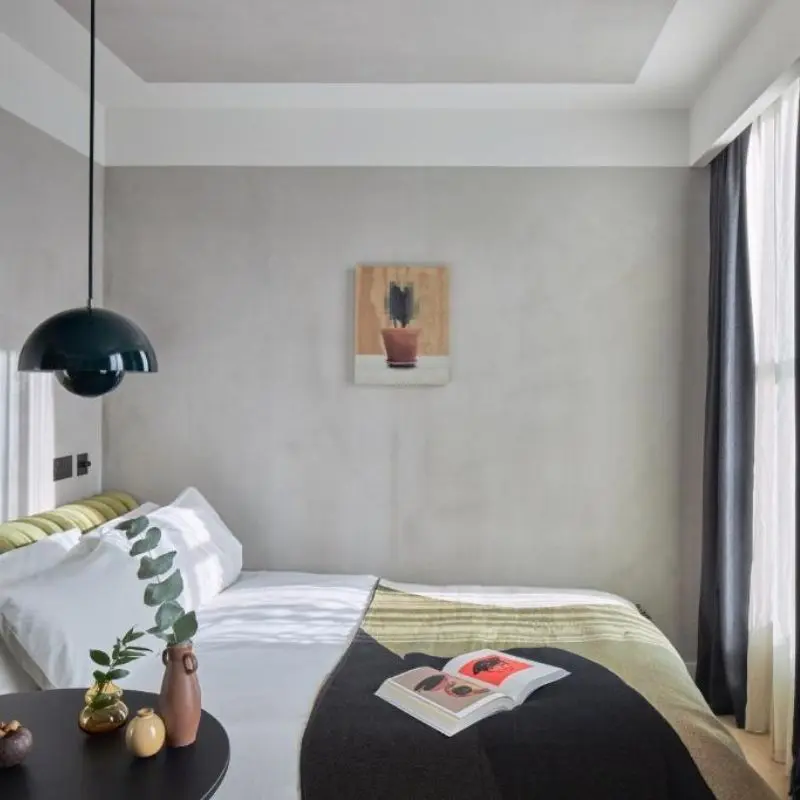
Staycity Dalston, Bedroom Details

Room Mate Lime Tree

Two Georgian townhouses, a small garden and a surprisingly approachable way to stay in Belgravia.

Why stay here

Room Mate Lime Tree occupies two joined Georgian houses on Ebury Street, retaining the high ceilings, cornices and residential proportions that make this part of Belgravia distinctive. The interiors are lighter and less formal than the address suggests, with colour, timber and simple contemporary furniture keeping the rooms approachable. The Buttery opens onto a walled garden behind the building, giving breakfast and slower mornings somewhere to settle. Victoria is nearby for transport, while Chelsea, Pimlico and Buckingham Palace can all be reached on foot. Rooms remain relatively compact, but the neighbourhood and townhouse setting make the compromise easier to accept.

Best for

Belgravia weekends, first visits and guests who want central London without grand-hotel prices.
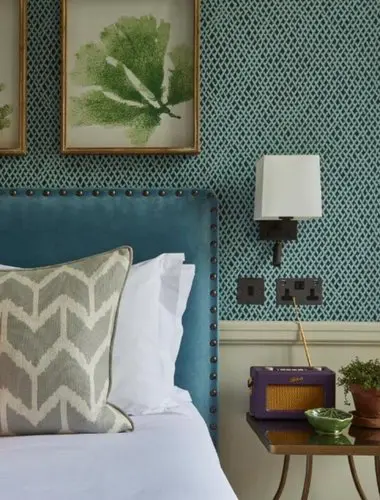
Guest room at Room Mate Lime Tree Belgravia with teal wallpaper and linen pillows
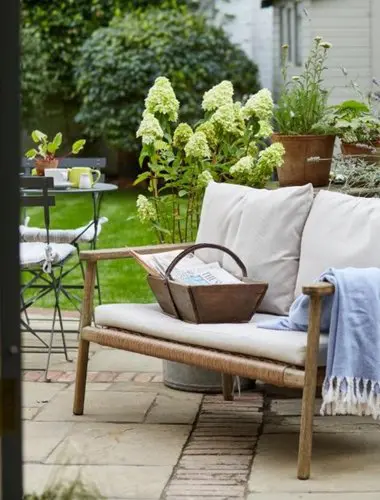
Walled garden at Room Mate Lime Tree hotel London

Artist Residence London

Ten rooms above a Pimlico neighbourhood restaurant, with enough personality to make the small scale count.

Why stay here

Artist Residence occupies a former Victorian pub on Cambridge Street, where ten individually designed rooms sit above the restaurant and bar. Reclaimed timber, exposed brick, vintage furniture and original art give each room a slightly different character, avoiding the uniformity common at this end of London’s hotel market. The scale keeps the experience personal, while Pimlico provides a quieter setting than nearby Victoria. Tate Britain and the Thames are within walking distance, and much of central London remains easy to reach. Rates can rise at weekends, but the smallest rooms often offer a convincing way into a genuinely individual London hotel.

Best for

Couples, quieter weekends and guests who want character without moving far from central London.
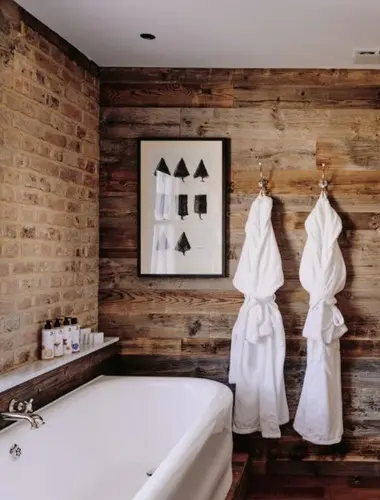
Bathroom at Artist Residence Pimlico London with reclaimed brick wall
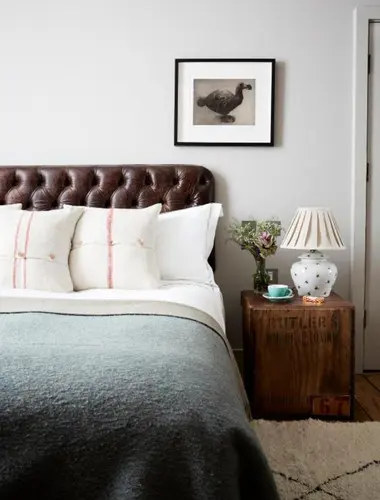
Guest room at Artist Residence London with leather headboard and grey linen

The Pilgrm

A restored Victorian railway hotel where compact rooms make Paddington considerably more interesting.

Why stay here

The Pilgrm took a former railway hotel and kept much of what decades of renovation would normally remove. Old mahogany parquet, reclaimed timber, restored staircases and salvaged fittings give the building texture without turning its history into decoration. Rooms are deliberately compact, and some are genuinely small, but the trade-off is a considered hotel within minutes of Paddington Station. The first-floor lounge adds somewhere useful to spend time outside the bedroom, moving from coffee and breakfast into drinks later in the day. Hyde Park and Little Venice are close, while the Elizabeth line makes the location particularly practical for shorter London stays.

Best for

Short trips, Paddington connections and guests happy to trade room size for design.
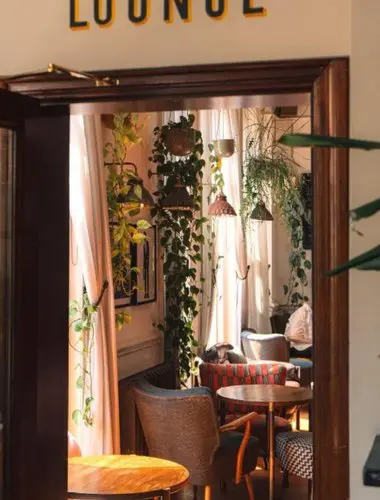
Lounge at The Pilgrm hotel London with plants and salvaged wood panelling
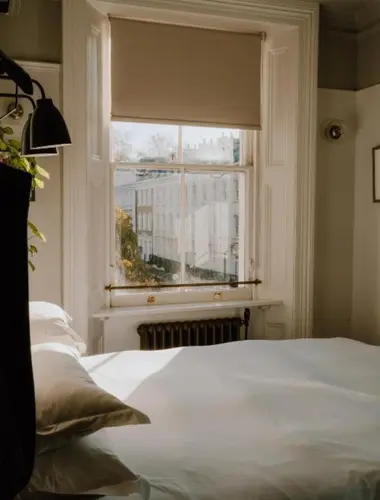
Guest room at The Pilgrm quiet hotel in London with white linen and sash windows

The Culpeper

Five rooms above a Commercial Street pub, putting the experience of East London ahead of hotel facilities.

Why stay here

The Culpeper is barely a hotel in the conventional sense, and that is part of its appeal. Five rooms sit above the pub and restaurant on Commercial Street, keeping the experience closely tied to the building’s daily life. Exposed plaster, timber, simple furniture and white linen give the bedrooms character without unnecessary polish. Downstairs remains the real centre of things, while the rooftop garden adds another reason to stay when London cooperates with the weather. Spitalfields, Brick Lane and Shoreditch are all within walking distance. There are few facilities and little separation from the pub below, but guests booking it are unlikely to want either.

Best for

East London weekends, pub evenings and guests who prefer atmosphere to hotel facilities.
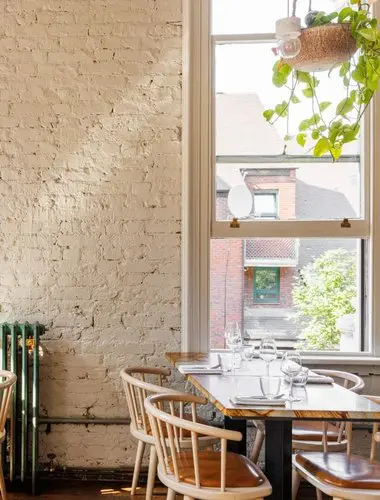
Exposed brick dining room at The Culpeper Shoreditch London
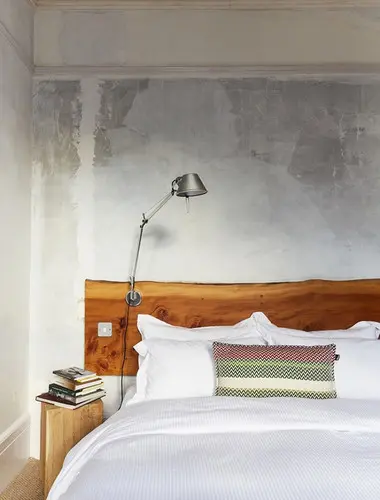
Guest room at The Culpeper London with timber headboard and white linen
Batch Baby, Coffee

Where to Eat Nearby

Batch Baby

Just off the edge of London Fields in De Beauvoir, Batch Baby draws a more local, creative crowd. The space is small and focused, with people coming in knowing exactly why they’re there. It leans more contemporary than most nearby cafés, but doesn’t lose the neighbourhood feel. It’s the kind of place you walk to deliberately, rather than passing through on the way somewhere else.

Affordable Hotels or Boutique Hotels in London?

Affordable and boutique hotels overlap more than their labels suggest. A small independent hotel can belong to both edits when strong design and individual character come at a relatively accessible rate. The difference is what leads the decision. Affordable hotels are selected around value, accepting compromises in room size, location or facilities when the overall stay still makes sense. Boutique hotels are chosen primarily for authorship, architecture and individuality, even when the rate climbs considerably higher. Choose affordable when budget is shaping the trip and you want to spend intelligently around it. Start with the boutique-hotels edit when the hotel itself is worth allocating more of the budget to.