Big, layered, and best understood one neighbourhood at a time.
London holds more than it shows at first. Streets change quickly, older buildings sitting beside something newer, each part of the city moving at its own pace. You don’t take it in all at once. It comes together gradually, depending on where you spend your time, often moving between neighbourhoods that feel entirely different from one another. This London travel guide shares where to stay in London, along with the best hotels, restaurants, and neighbourhoods shaped by how the city actually works.
The day builds in stages. Mornings start quietly, coffee, a slower pace before everything opens up. By afternoon, the city is in motion, moving between neighbourhoods, shops, and long lunches that don’t rush. Then the evening takes over, restaurants and bars filling with their own rhythm. The best hotels follow that same logic, shaped by their buildings and their streets, helping you settle into the city rather than just pass through it.
Where you stay in London sets the pace early. The city is spread out, each area moving differently, and that shift matters once you arrive. A good hotel doesn’t try to smooth that out. It works with it, shaped by its building, its street, and the people around it. Get it right and the city opens up properly, not all at once, but in a way that holds.
5 Star // 91 Rooms
28 Bow St, London
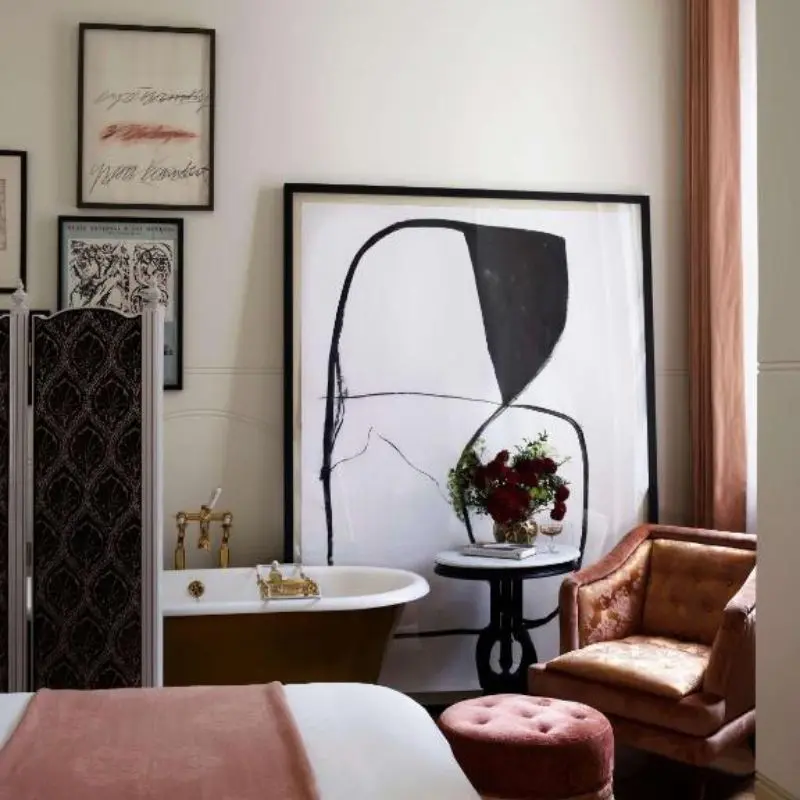
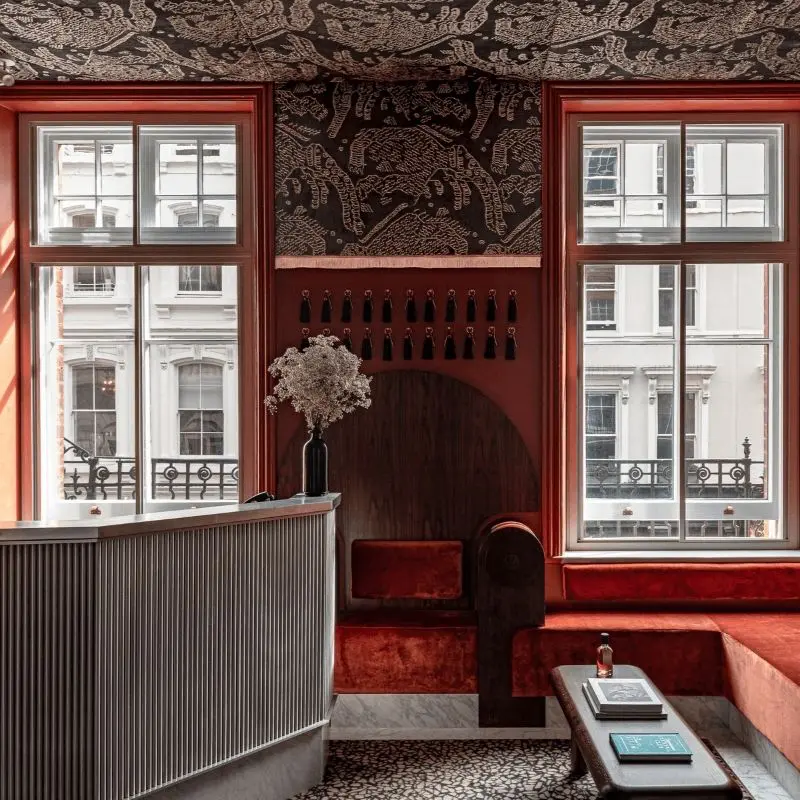
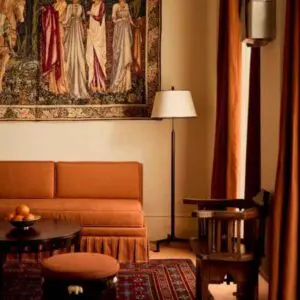
Velvet, mood, and Covent Garden magic – NoMad London is where layered storytelling meets rich design.
5 Star // 252 Rooms
27 Poultry, London
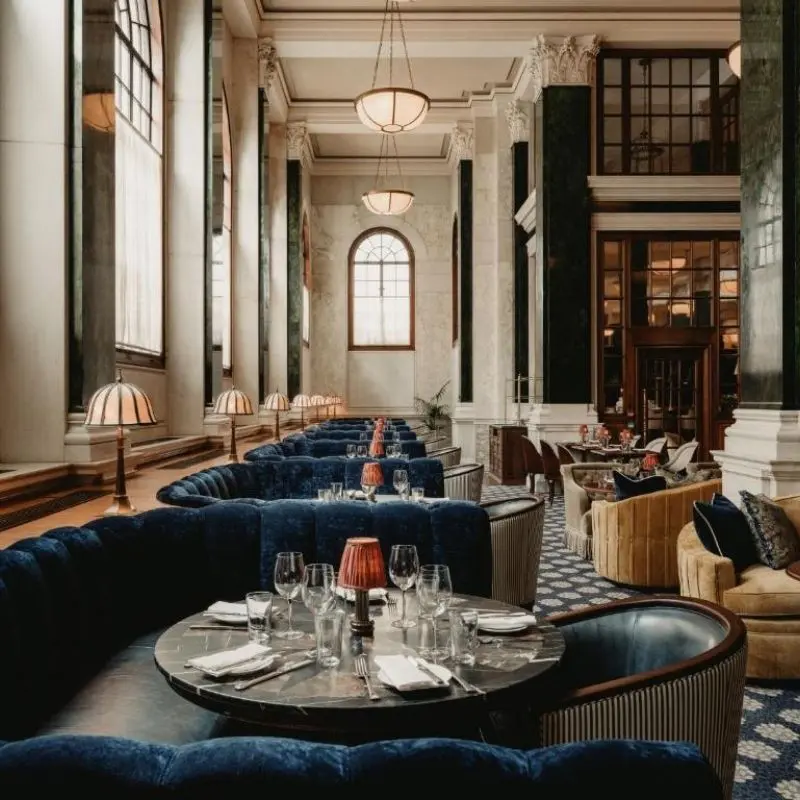
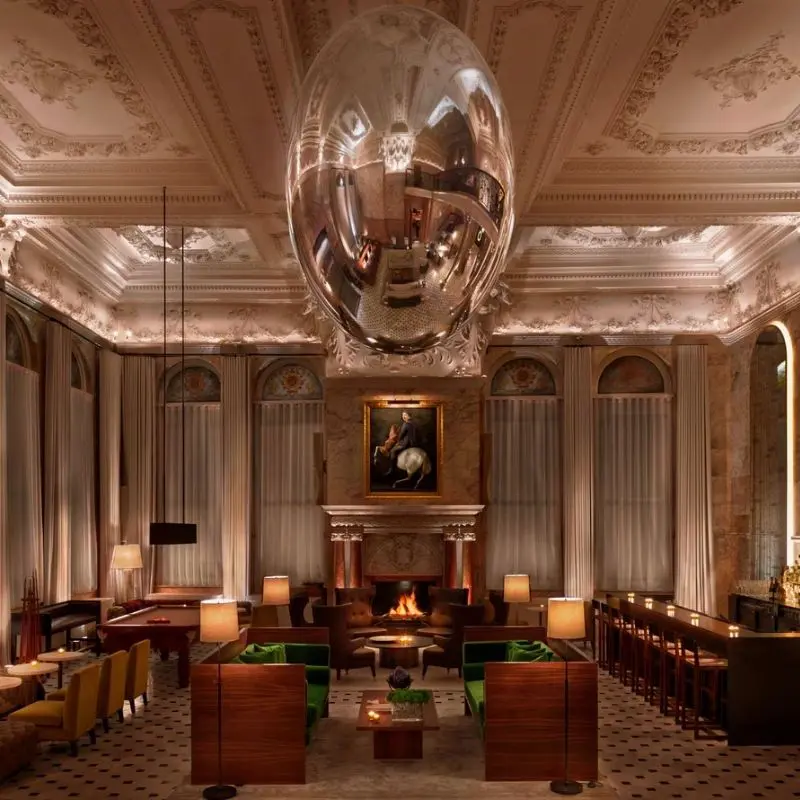
The Ned is a world of its own, all-day buzz, vintage glamour, and city views with serious flair.
4 Star // 51 Rooms
8 Pembridge Gardens
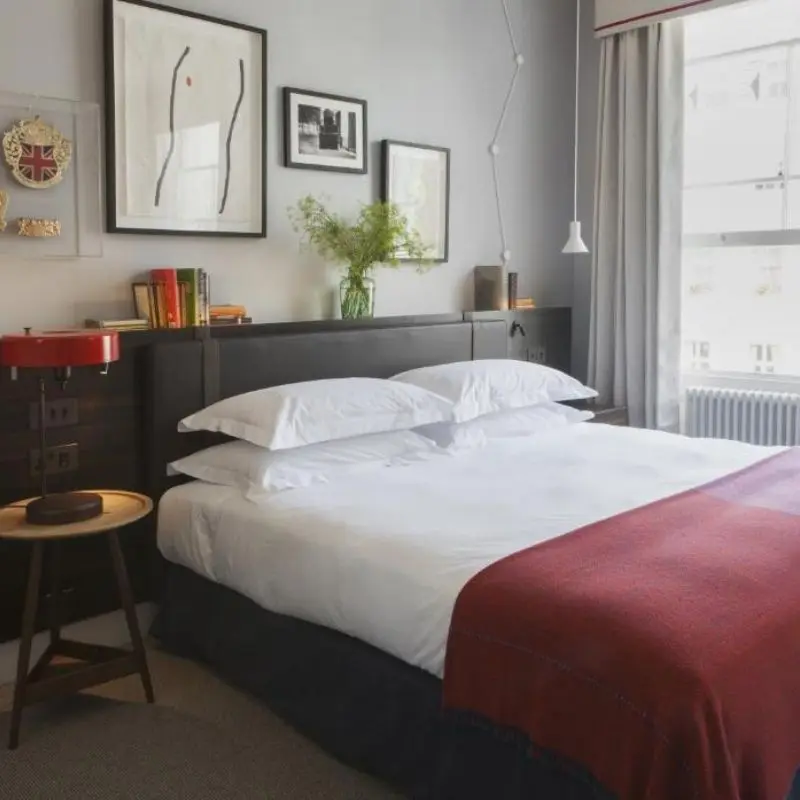
A local gem in Notting Hill, The Laslett blends cultured design with low-key London sophistication.
5 Star // 334 Rooms
1-8 Russell Sq
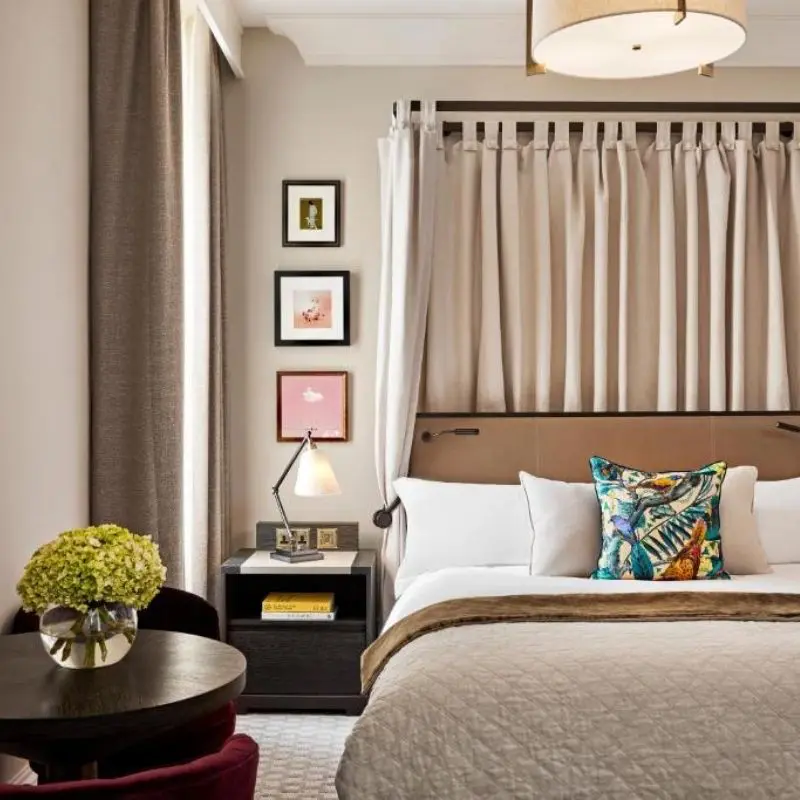
Victorian glamour reimagined with bold design, Kimpton Fitzroy is Bloomsbury elegance with a modern soul.
4 Star // 40 Rooms
14-15 Henrietta St
A boutique escape with 70s flair, nestled in the heart of Covent Garden’s culture, charm, and colour.
5 Star // 173 Rooms
10 Berners St
Design-led luxury in Fitzrovia, where Georgian architecture meets bold interiors and standout dining.
4 Star // 203 Rooms
7 Gracechurch St
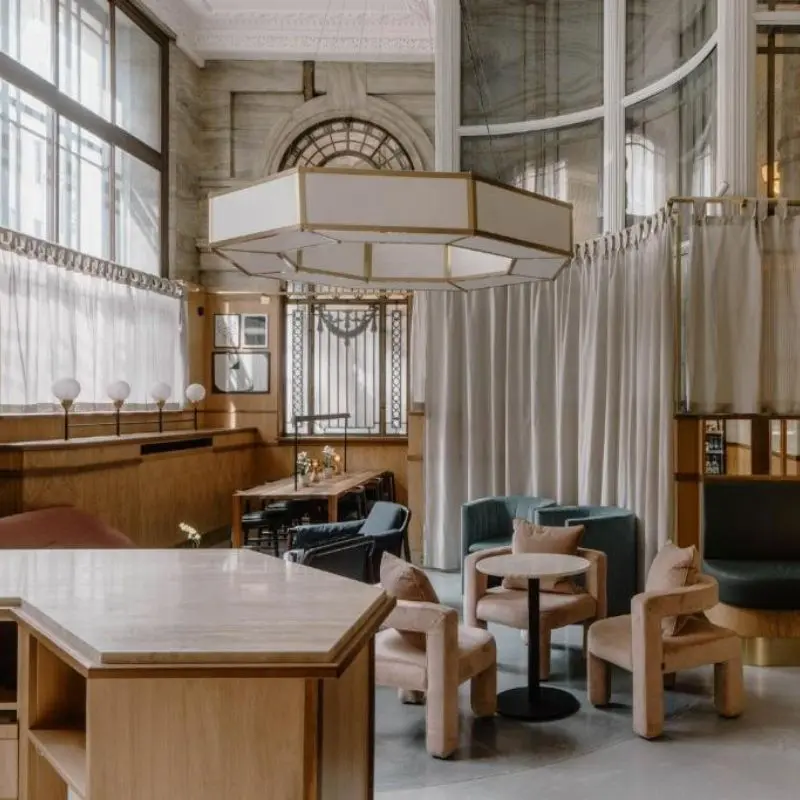
A smart, soulful stay blending Beaux-Arts beauty with today’s comforts in London’s historic core.
5 Star // 57 Rooms
20 Broadwick St
A flamboyant Soho hideaway where Italian glamour, English eccentricity, and bold design meet in effortless harmony.
5 Star // 120 Rooms
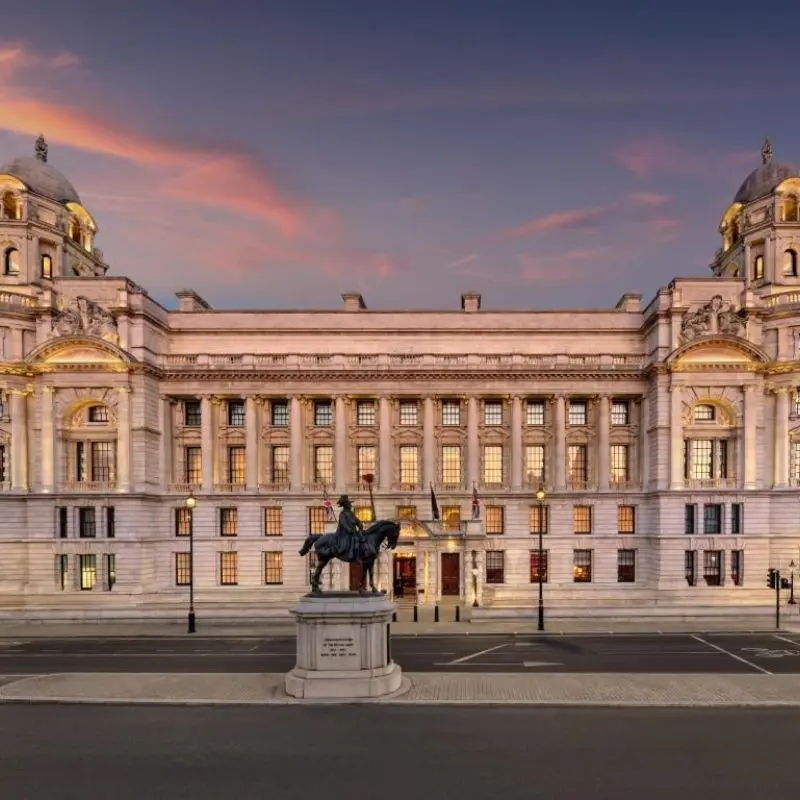
57 Whitehall
Design-forward aparthotel in Dalston with local energy, smart studios, and serious style.
4 Star // 60 Rooms
60 Norfolk Square, Paddington
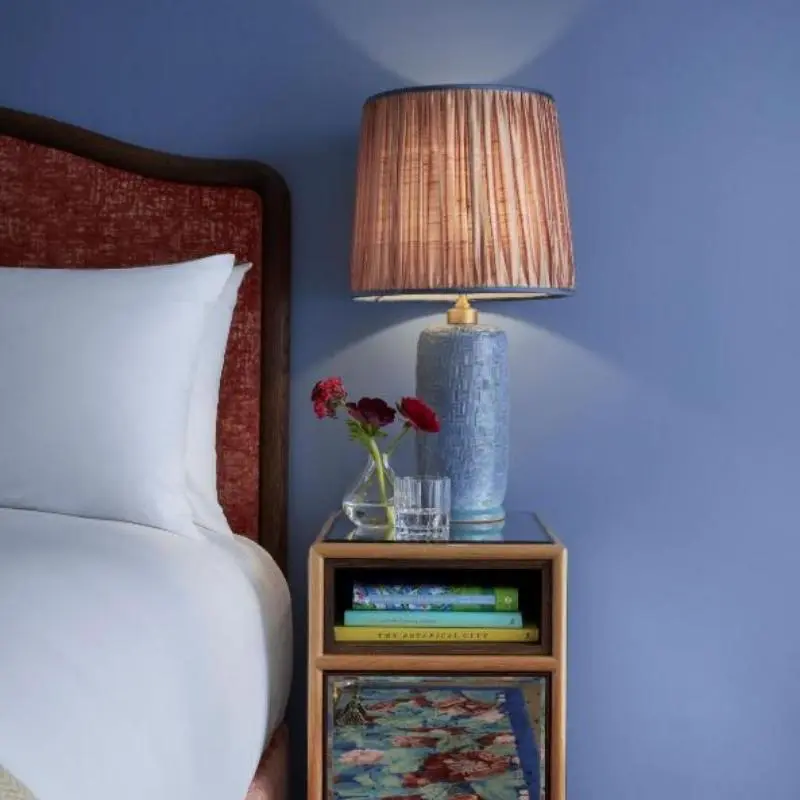
A design-led London hideaway where bespoke craftsmanship, soft colour, and intimate charm shape every stay.
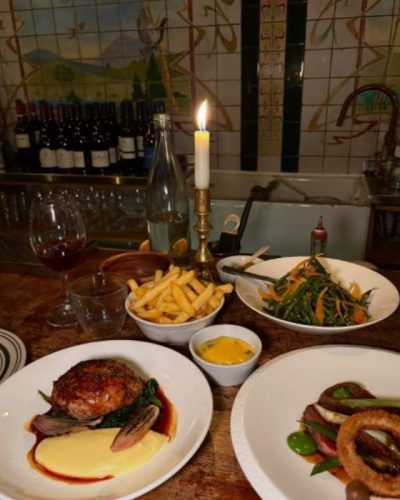
Eating and drinking in London isn’t built around one way of doing things. It moves between comfort and something more considered, a pub that’s always there, a smaller room upstairs, a place that leans further into an idea. The range is what defines it. What matters is how naturally each place sits within its surroundings, restaurants and bars that feel resolved, where the room holds its own and the food follows through.
Up a narrow stair in Shoreditch, BRAT hums with warmth and woodsmoke. Turbot hits the grill, glasses clink, and the room glows. This is fire cooking with soul, meant for sharing and staying awhile.
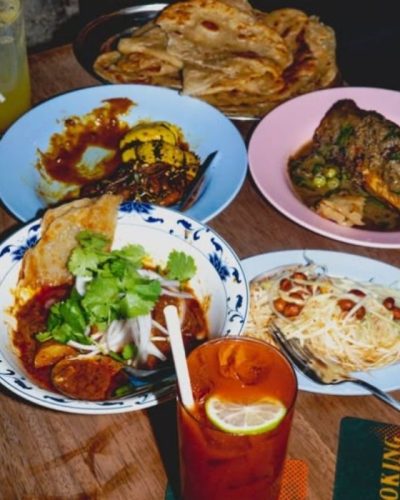
An East London establishment built on big flavour, Smoking Goat serves Thai drinking food with fire, funk, and soul. Loud tables, smoky air, and hands-on eating make it feel alive in all the right ways.
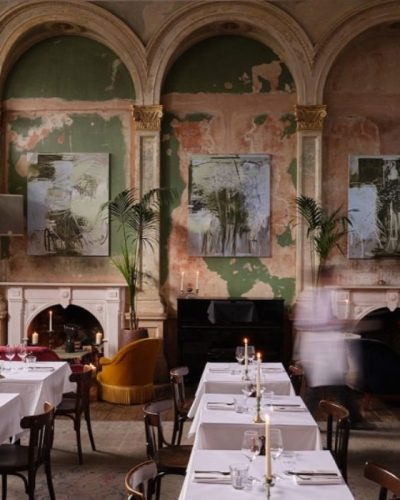
Sessions Arts Club is part dining room, part dream. Tucked into a faded courthouse high above Clerkenwell, it’s candlelight, velvet, and food that’s thoughtful without trying too hard. Come hungry, dressed up, and ready to stay late.
Blanchette is a proper Soho bistro with Paris in its bones. Small plates made for sharing, French wines poured generously, and a room that fills quickly with noise, warmth, and regulars who know why they’re here.
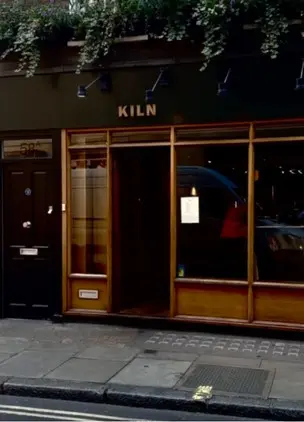
On Brewer Street, Kiln builds the room around a counter and open fire, where clay pots, charcoal and chilli move through the kitchen constantly. The menu is Thai, the pace is loud, and the room fills fast. One of the better reasons to eat in Soho.
London becomes clearer once you move beyond the centre. Each area holds its own pace, some quieter and more residential, others busier and more immediate. You don’t take it in all at once. It comes through where you spend time and how long you stay, the city shifting depending on where you are.
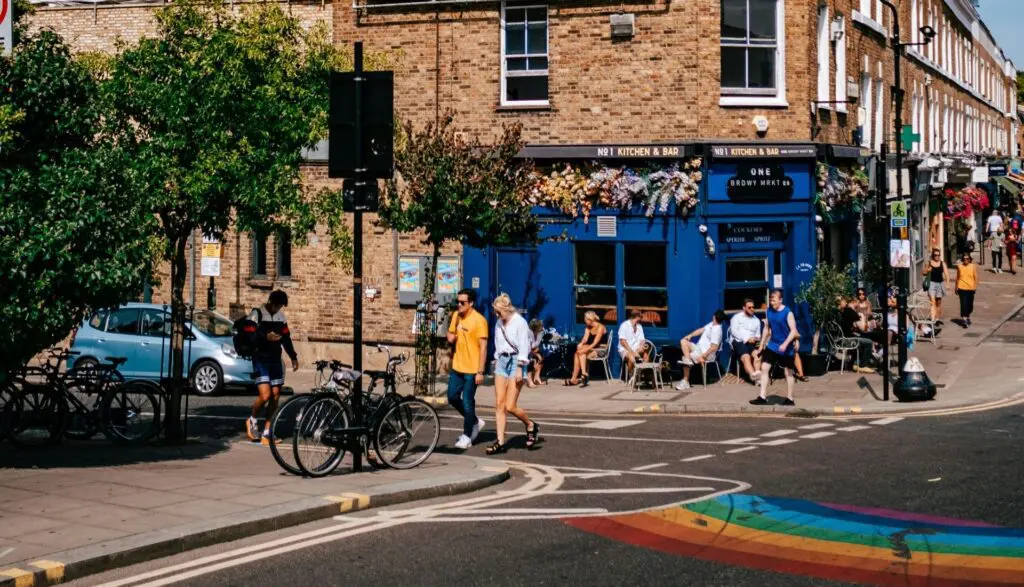
Broadway Market feels lived-in in the best way. Weekdays are calm: dogs, papers, coffee outside, vintage next to bakeries, and pubs built for slow afternoons. Weekends shift the pace. Stalls line the street, bread and coffee scent the air, and the canal pulls you along. People come for lunch and stay for wine. It holds its own without needing to do much.
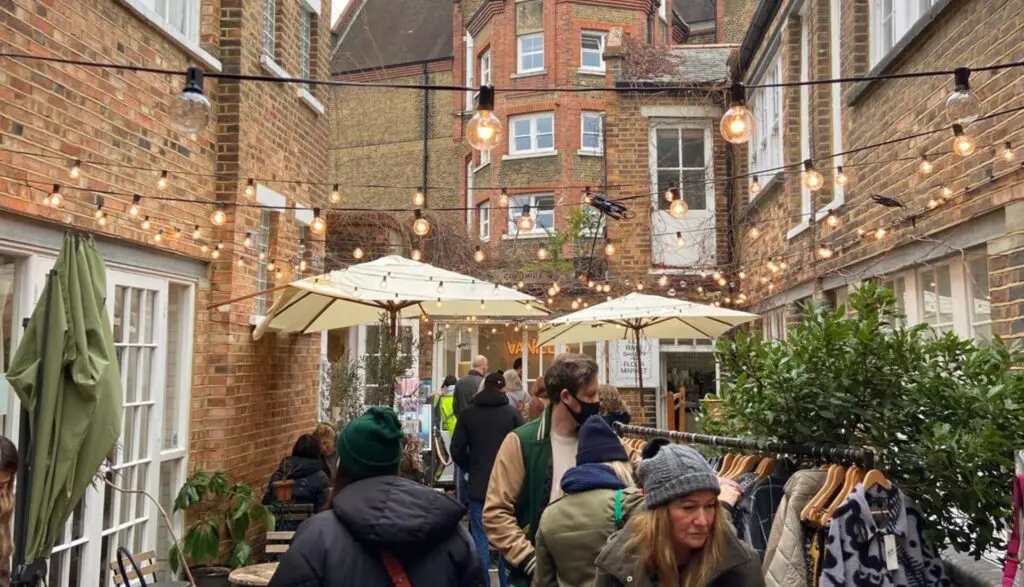
On Sundays Columbia Road is busier, more immediate, arms full of flowers and music in the air. Step off the main stretch and it quiets. Tiled shopfronts hold galleries, bookshops, and unfussy stores that feel personal. Pubs sit on most corners, and many are good. Come for the market if you like, but you do not need it. Columbia Road works any day, especially if you are in no rush.
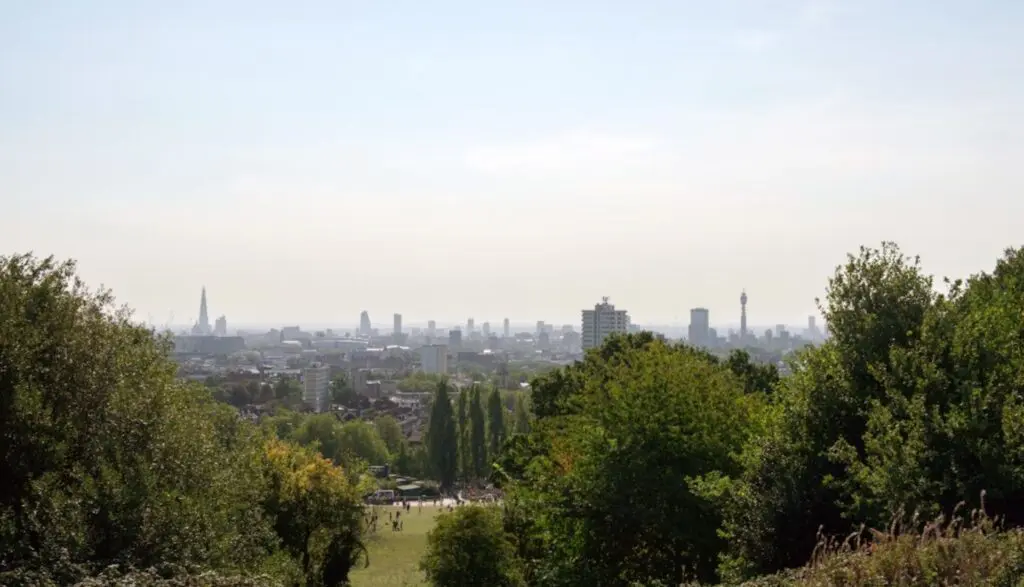
Hampstead Heath feels like space. Open, green, a little wild around the edges. You walk without thinking, swim without planning, and sit without checking the time. The city pulls back just enough. Nearby, Hampstead moves at its own pace: a good bakery, a quiet bookshop, a pub that keeps you longer than planned. The charm is in the stillness and the stretch of sky. You do not come to do much. You come to feel it.
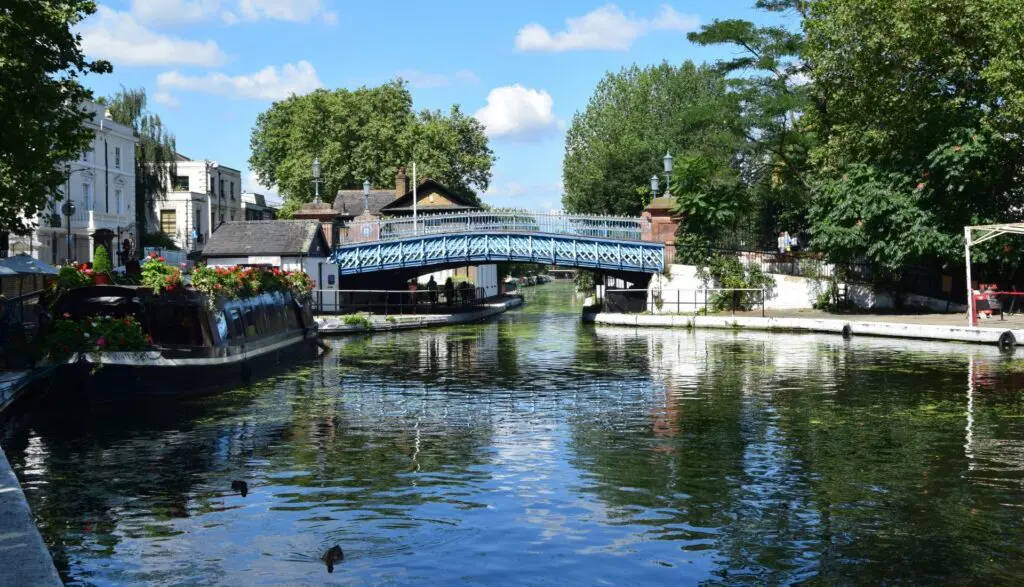
Little Venice is London with the volume turned down. The canal moves slowly between narrowboats and leafy paths, with cafés where mornings stretch into early afternoon. It’s not trying to stand out, which is part of the charm. Small galleries, neighbourhood pubs, and benches invite you to sit for no reason at all. Spring suits it best, when the trees turn green and light plays on the water. Take the long way and let the pace soften as you go.
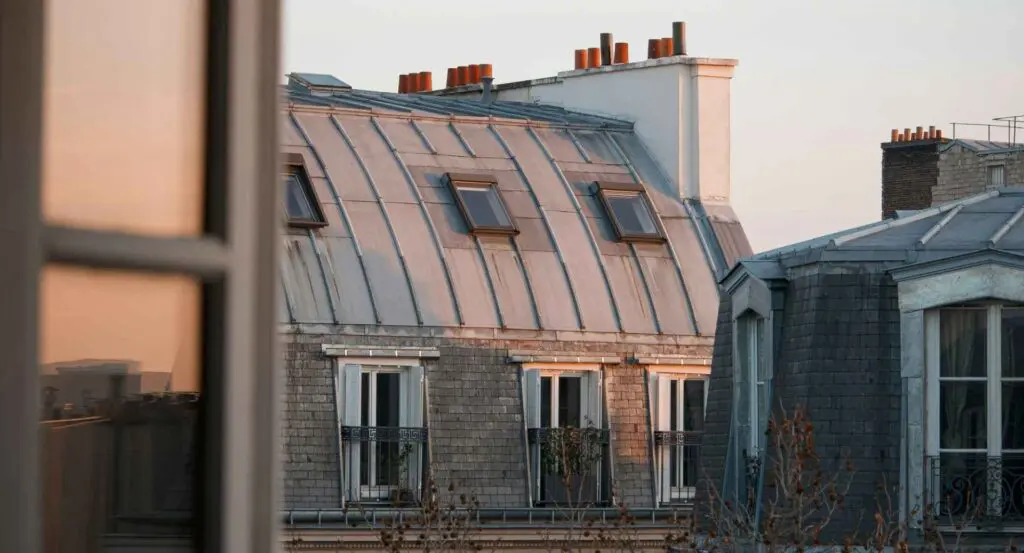
We love Paris for everything that happens between the highlights. The neighbourhood cafés, late dinners, galleries down side streets, and design that feels effortless rather than styled. It’s creative, romantic without trying, and full of moments that stay with you long after you leave.
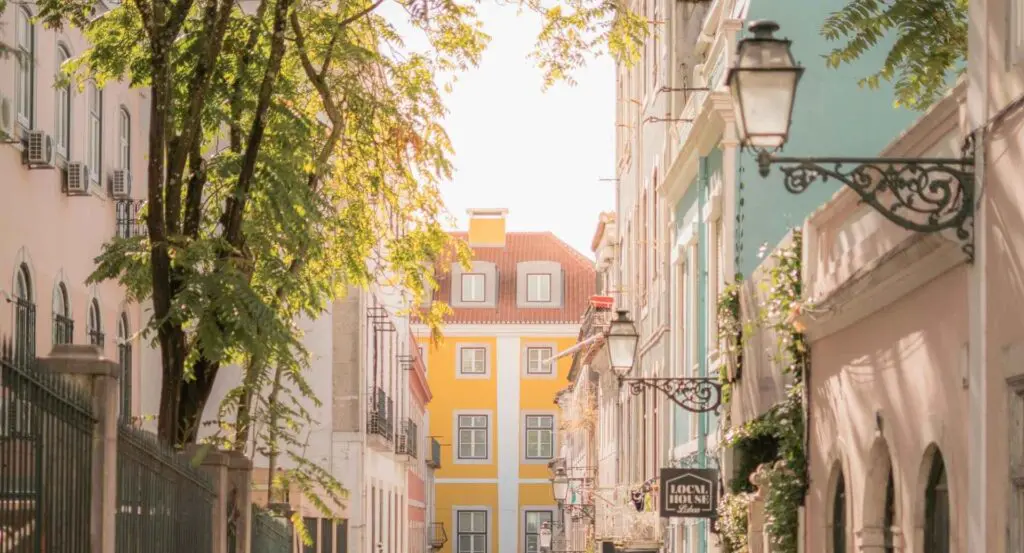
Lisbon moves on its own terms. Days stretch across hills, tiled streets, and sun-warmed terraces, shaped by seafood lunches and slow afternoons. There’s creativity everywhere, but it never feels forced. It’s warm, soulful, and easy to settle into without trying.
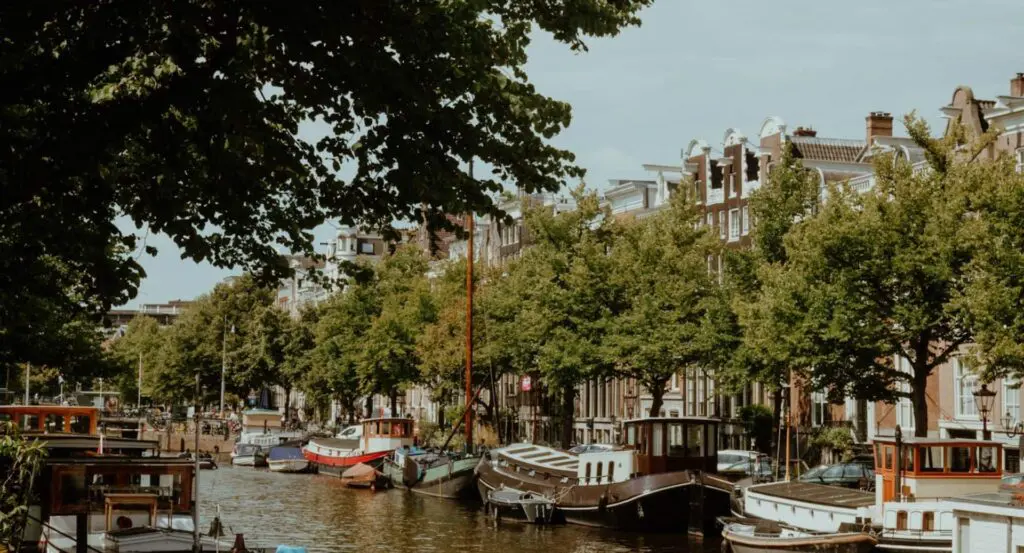
You’ll love Amsterdam if you want a city escape with soul. It moves to its own rhythm: bicycles gliding past canals, mornings shaped by good coffee, an evolving food scene, and art and music woven naturally into everyday wandering. Amsterdam is the kind of place to discover slowly
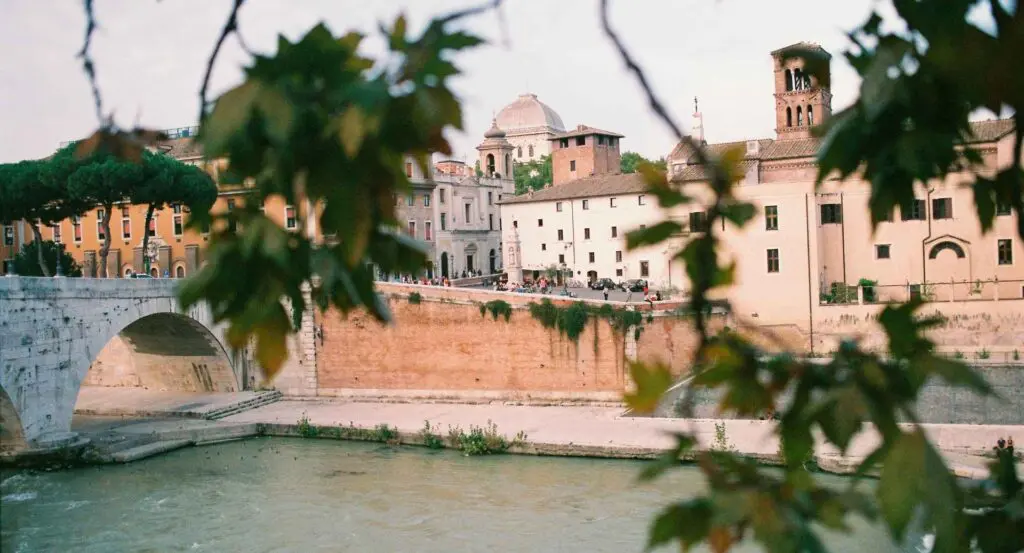
You’ll love Rome if you want a city that lives inside its history rather than around it. Days unfold between espresso bars, markets, and long lunches, with beauty built into the everyday. It’s layered, generous, and deeply human, a place where wandering always leads somewhere meaningful.
Staying In London
You do not need a car. The Underground, buses, and trains connect the whole city, and walking shows you more than driving ever could. The Tube is fast, black cabs are easy to find, and buses give the best street-level view. For a slower pace, rent a bike or take the riverboat. It gives the city a different rhythm.
Spring and autumn are ideal. The weather is mild, parks are at their best, and the city feels alive without the summer crowds. Winter has its charm too, with lights, theatre, and slower evenings in pubs.
Four or five days is a good start, but a week lets you explore beyond the landmarks. Spend time in different neighbourhoods, each with its own rhythm and reason to linger.
It can be. Hotels and restaurants vary widely, but great food and design-led stays exist at every price. Markets, galleries, and public museums are mostly free, which helps balance things out.
Diverse, confident, and always changing. From old pubs and family-run curry houses to chef-led restaurants redefining British cooking, London’s food culture is built on character and choice.
Yes. London is generally safe and easy to navigate. Like any large city, stay aware of your surroundings and keep an eye on belongings in busy areas or on public transport. Most neighbourhoods are welcoming, and walking feels comfortable day and night, especially in central and residential areas.
For collaborations and enquiries
We use cookies to improve your experience and understand how the site is used. You can accept or manage your preferences at any time.