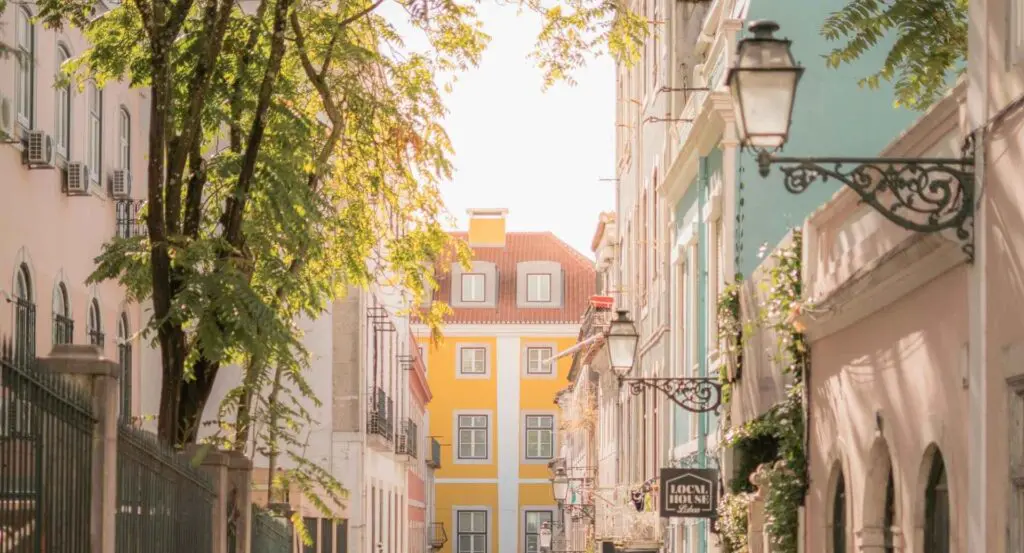
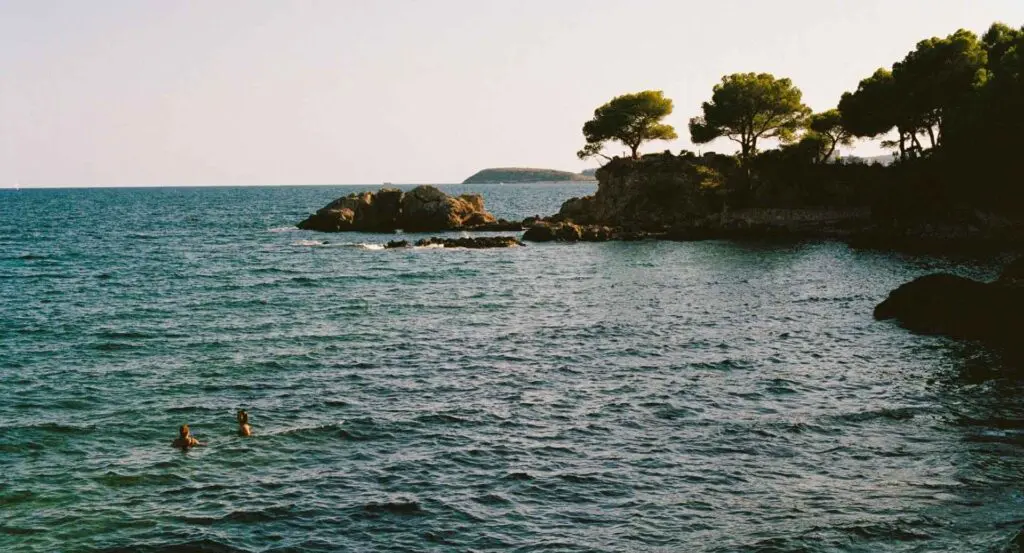
Salt air, dry earth, and days that stretch a little longer.
The Algarve changes once you leave the main road. The coastline breaks into smaller beaches, fishing villages, and long cliff edges where the Atlantic keeps its own rhythm. Inland, the ground dries out, orange groves thicken, and whitewashed towns sit quietly in the heat. The region holds both at once, sea and soil, movement and stillness, and the best parts of it are usually found somewhere between the two.
This Algarve travel guide brings those parts together. Hotels shaped by the land around them, houses that make staying in feel worthwhile, tables built around what came from the sea that morning, and vineyards where the afternoon tends to stretch. The Algarve makes more sense when you settle into it slowly, and let the day take its shape from there.
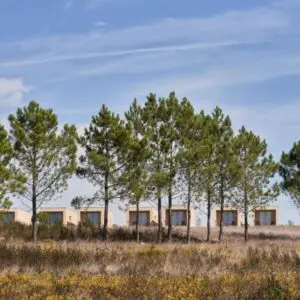
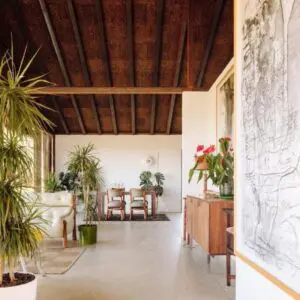
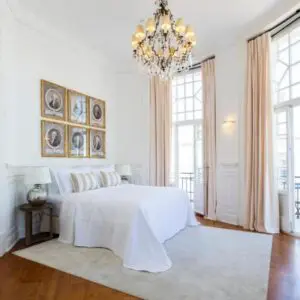
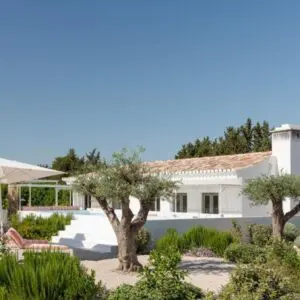
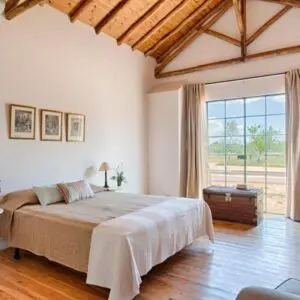
Where you stay in the Algarve changes how the region opens up. Some places sit close to the coast, where salt air moves through open windows and the Atlantic stays in view. Others pull further inland, into orchards, vineyards, and old farmhouses where the ground feels drier and the days stretch differently. The best hotels in the Algarve hold onto that difference. Rooted in place, shaped by the land around them, and built for staying longer than planned.
5 Star // 56 Rooms
Praia do Canal, Vale dos Homens, Aljezur 8670-156
Minimalist stazzo retreat with garden-sourced meals, sea views, artistic ethos, and coastal stillness in Sant’Anna Arresi.
3 Star // 7 Rooms
Muxima, Apartado 48, 8670-909 Aljezur,
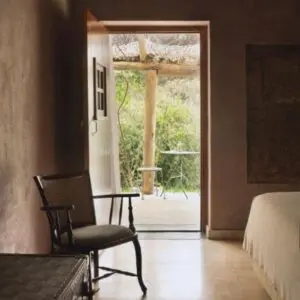
Soulful forest stay near Aljezur, with earth-built rooms, thoughtful design, and warmth that feels genuine.
4 Star // 5 Rooms
Estrada da Cumeada 1043Z, 8800-160 Tavira, Algarve,
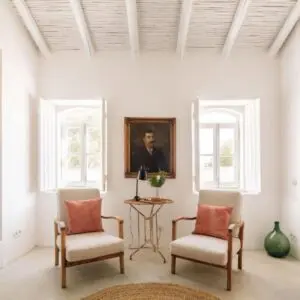
Once a village tavern, now a quiet stay with timeless design, citrus trees, and a deep local soul.
4 Star // 9 Rooms
São Bartolomeu, 8950-191 Castro Marim, Algarve
Organic farm stay with raw beauty, nourishing food, and a hamam that slows you to a stop.
5 Star // 26 Rooms
Avenida da República 171, 8900-203 Vila Real de Santo António
Restored riverside mansion with period charm, soulful food, and thoughtful spaces that feel personal and quietly elegant.
4 Star // 9 Rooms
Quinta de Cima, 8900-067 Vila Nova de Cacela, Algarve
Family estate turned boutique stay, with orchard views, spacious houses, and farm-grown breakfasts worth waking up for.
4 Star // 4 Rooms
Morgado do Quintão, 8400-421 Lagoa, Algarve
Vineyard retreat in inland Algarve, with family-built houses, shared meals, and wines that tell a story.
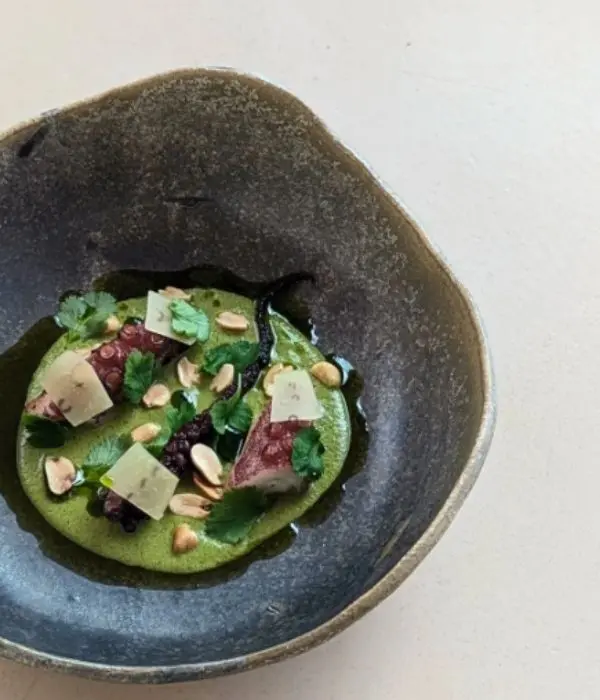
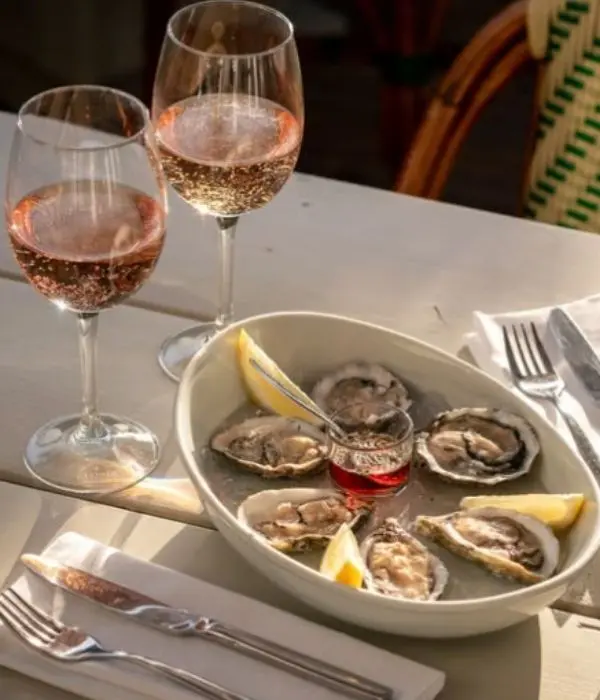
The Algarve cooks the way it lives, with patience and without much excess. Meals follow the sea, the season, and whatever the garden offers that week. Grilled fish, citrus, olive oil, and recipes carried through generations still anchor most tables, while a newer wave of chefs and growers are working with the same ingredients in quieter, sharper ways. From beachside kitchens to vineyard tables and inland restaurants, eating here stays closely tied to the land around it.
R. Cristóvão Pires Norte, 8135-117 Almancil
Austa feels like a kitchen with a point of view. The food is seasonal, unfussy, and full of care. You come for a meal, but leave feeling part of something thoughtful
R. do Pestana Golf Resort 1, 8400-049 Estômbar
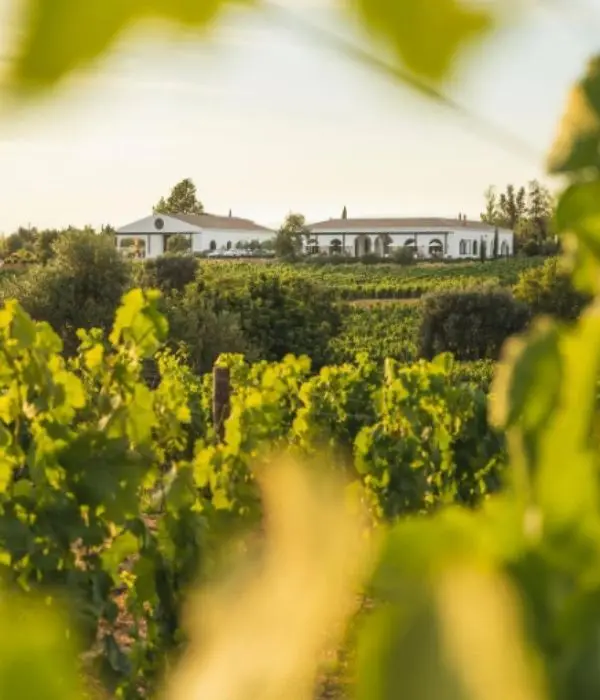
Quinta dos Santos feels like a slow afternoon done right. You eat overlooking the vines, sip something made on-site, and move between stone walls and open sky. It’s food, place, and rhythm all at once.
Praia da, Ilha do Farol, 8000-554 Faro
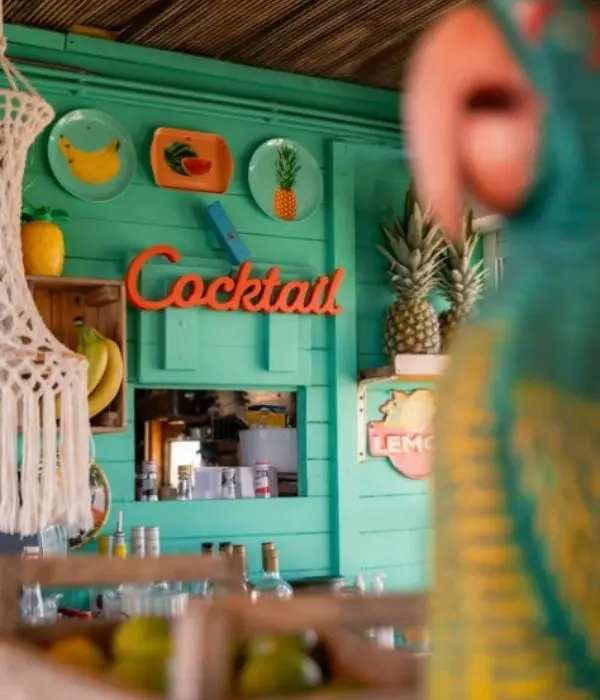
Maramais Farol is bohemian in the best way. Sea views, live music, cold drinks, and a sun-faded rhythm that makes it hard to tell where the afternoon ends.
Estrada Vale das Éguas, número 26, Almancil
Brava feels like a local secret told quietly. Tucked behind Almancil, it’s all shade-dappled tables, shareable plates, and a garden atmosphere that makes even a quick lunch feel like a little escape.
The Algarve changes depending on where you are standing. On the coast, the Atlantic keeps everything moving: tides, fishing boats, tables filling late into the afternoon. Further inland, the roads narrow, the ground dries out, and the day takes on a different pace. Orange groves, vineyards, market towns, long lunches that stretch without much effort. The region works best when you move between both, letting one part lead you into the next.
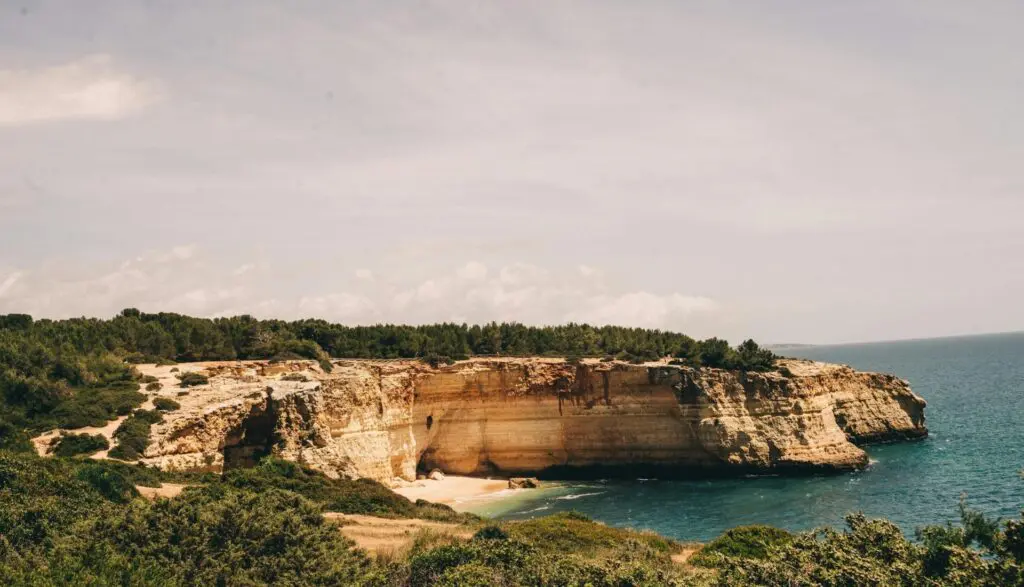
This stretch holds both sides of the Algarve well. Up above the cliffs, Lagoa stays practical and grounded, with bakeries, wineries, and smaller local places that still stop for lunch. Down by the water, Carvoeiro opens out into sea caves, hidden coves, and the kind of coastline that keeps pulling you further along it. The best days here usually start inland and end by the Atlantic.
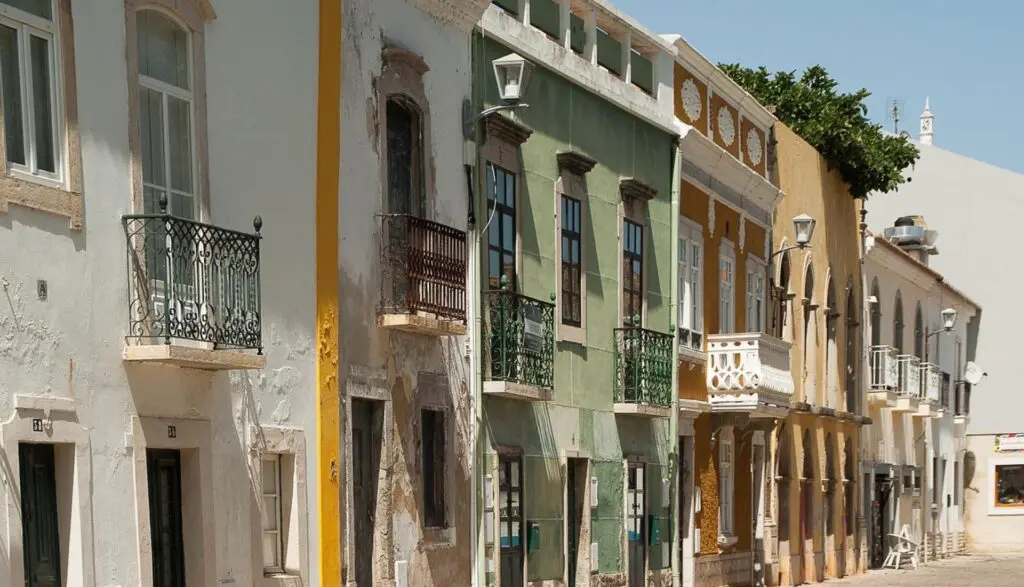
The eastern side of the region feels older. Tavira moves at its own pace, tiled facades, river crossings, small cafés, and fish markets already working by early morning. The beaches sit offshore, reached by ferry, which keeps a little distance between the town and the sea. By evening, tables fill with grilled fish, octopus, and wine poured without much discussion. Not much has changed here, which is part of the appeal.
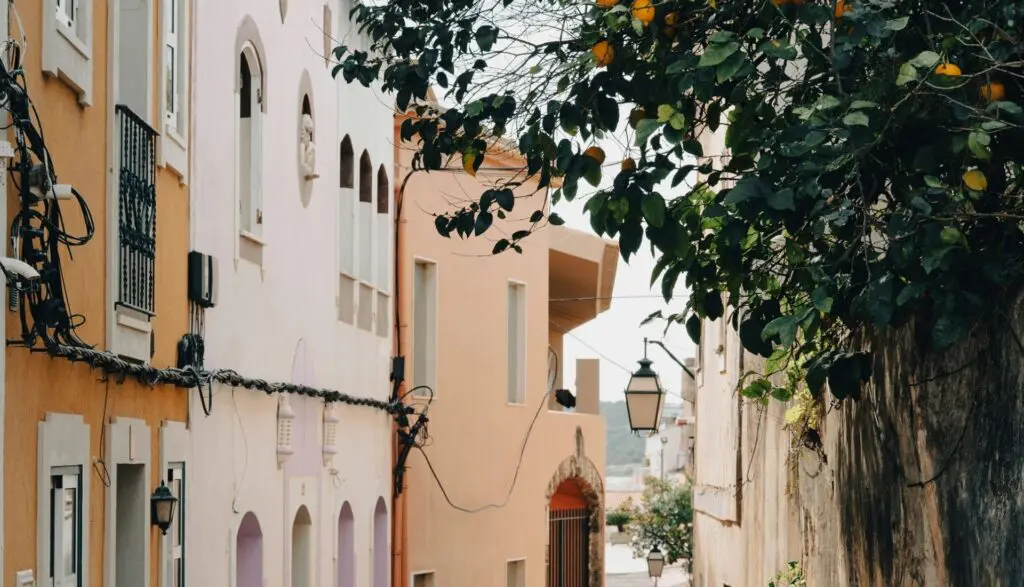
Silves sits further back, where the Algarve feels more agricultural than coastal. Orange groves line the roads, fig trees break up the fields, and the smell of eucalyptus catches in the heat. The town still holds its older Moorish shape, but daily life stays simple: morning markets, long lunches, slower afternoons. Just outside town, vineyards and farm tables stretch into the hills, and the day tends to follow them.
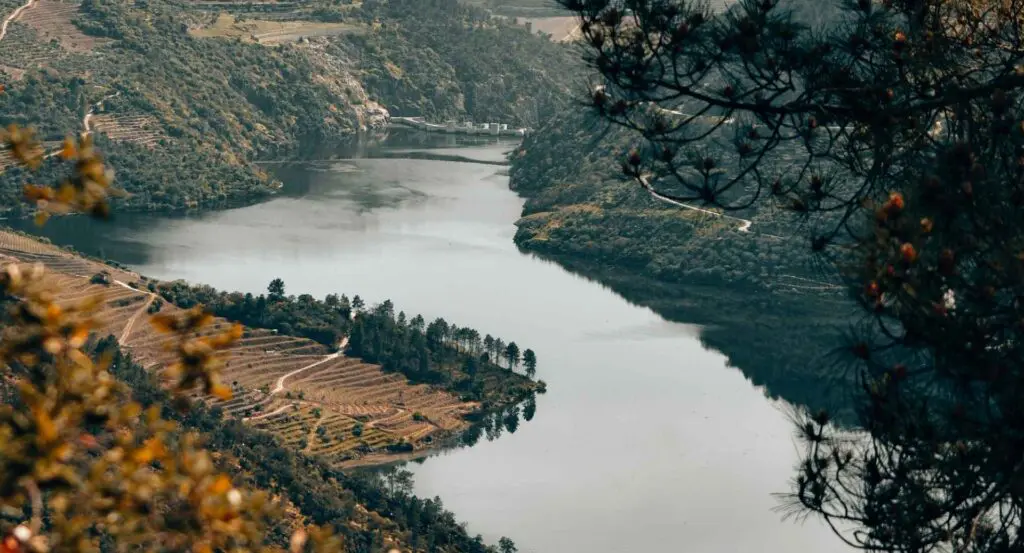
North Portugal invites you to slow your pace without asking. River valleys, terraced vineyards, and stone villages set the rhythm, shaped by food, wine, and long-held traditions. It’s a place for unplanned moments, generous tables, and stays that feel quietly rooted in the land.
Central Portugal feels like stepping back to a simpler time. Life moves gently here, shaped by forested hills, stone villages, and long Atlantic beaches. Days revolve around good food, fresh air, and unhurried moments that make slowing down feel natural rather than forced.
Lisbon moves on its own terms. Days stretch across hills, tiled streets, and sun-warmed terraces, shaped by seafood lunches and slow afternoons. There’s creativity everywhere, but it never feels forced. It’s warm, soulful, and easy to settle into without trying.
Mallorca is a place that gently resets you. Days follow the light, not the clock. You’ll find stone fincas, quiet coves, and food rooted in the land. It’s an island made for slow mornings, long lunches, and staying just a little longer than planned.
Yes. Towns and beaches are spread out, and public transport is limited once you leave the main hubs. A car makes it easy to reach quieter coves, inland villages, and viewpoints without relying on fixed routes or long waits.
May, June, late September, and early October. The weather is warm, the water is comfortable, and the coastline is easier to enjoy without peak-summer crowds. July and August are busy but still manageable if you plan your days around the heat.
For dramatic cliffs and coves, stay near Carvoeiro, Lagoa, or Lagos. For long, open shorelines and fewer people, head east toward Tavira and Cabanas.
Choose the Silves countryside or the hills near Monchique. Both offer calm days, traditional food, and easy drives to the coast without being in the crowds.
Fish and seafood. Look for clams, octopus, grilled whole fish, cataplana, and citrus-led desserts. Inland, expect heartier dishes and local wine.
At least five days if you are pairing it with Lisbon or North Portugal. A week or more is ideal if you want time to explore both the coast and the countryside, visit a few beaches, and settle into a slower rhythm.
For collaborations and enquiries
We use cookies to improve your experience and understand how the site is used. You can accept or manage your preferences at any time.