Algarve Travel Guide: Where to Stay, Eat and Explore with Ease

For those drawn to quiet coastlines, warm light, and days that unfold gently

The Algarve is quieter than people expect. Beyond the resorts and busy towns, the region opens into wild cliffs, small fishing villages, and long stretches of coastline where the only sound is the Atlantic. Inland, hills roll into citrus groves and whitewashed towns that still move at their own pace. This Algarve travel guide shares where to stay in the Algarve, gathering the best hotels, restaurants, and coastal areas that reflect the region’s calmer side, shaped by sea, land, and a steady rhythm.

The days here unfold simply. A swim before breakfast. A drive through quiet roads. Lunch built around what came from the water that morning. Evenings stretch over grilled fish and local wine, often with nothing planned after. The Algarve is not about rushing from beach to beach. It is about settling in, choosing a few places that feel right, and letting the coastline slow you down. When you move with the region rather than through it, everything starts to make sense.


where to stay in the Algarve

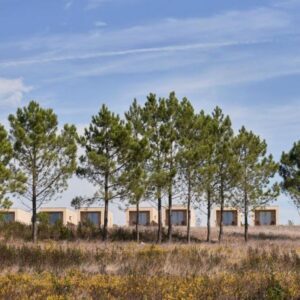
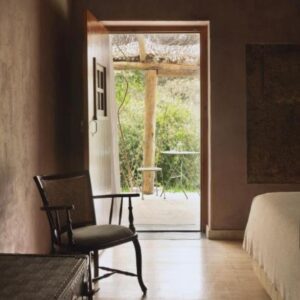
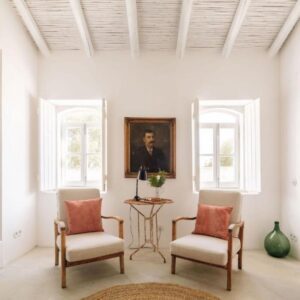
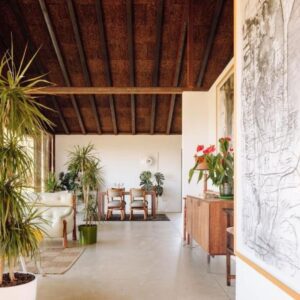
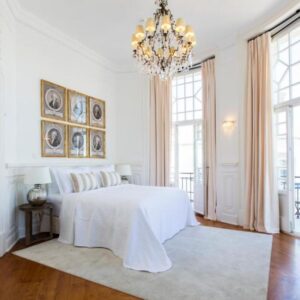
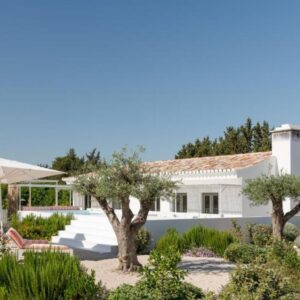
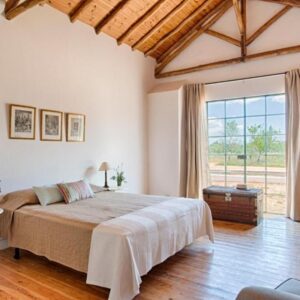
Our curated edit of the best Algarve hotels is for travelers who move slowly and care about how a place feels. These stays are shaped by sun, soil, and the Atlantic, from whitewashed farmhouses to small coastal retreats where design is thoughtful and hospitality feels personal. Expect handmade details, shared meals outdoors, citrus-scented gardens, and food rooted in the region. This is the Algarve through The Revel Stay lens, warm, grounded, and quietly unforgettable.

Our Edit: The Best Places to Eat in the Algarve

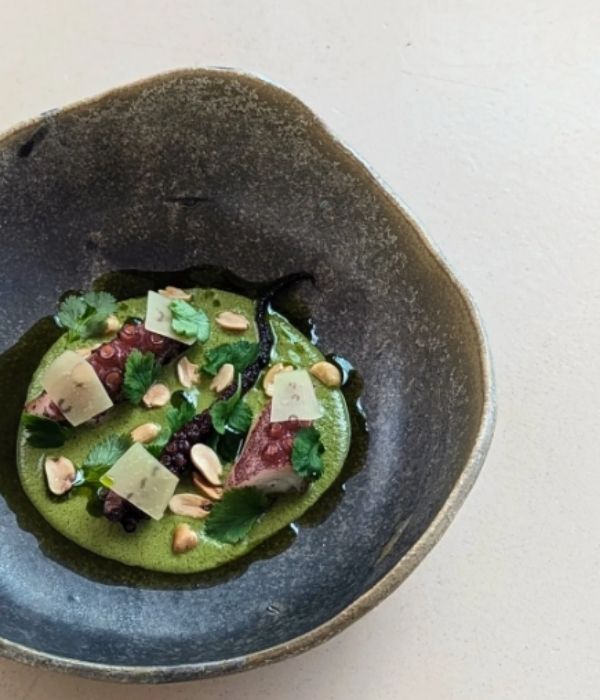
The Algarve cooks the way it lives, slowly and with intention. Meals follow the sea, the season, and whatever the garden offers. Grilled fish, citrus, olive oil, and handed-down recipes still anchor most tables, but there is a quiet shift underway. Young chefs, growers, and small producers are reworking tradition without losing what makes it honest. From simple beach cafés to countryside kitchens and vineyard restaurants, flavour here stays close to the land. This Algarve travel guide highlights the places where that spirit feels clear and true.

Algarve Travel Guide Austa
@austa_resta

01. Austa

R. CristĂłvĂŁo Pires Norte, 8135-117 Almancil

Austa feels like a kitchen with a point of view. The food is seasonal, unfussy, and full of care. You come for a meal, but leave feeling part of something thoughtful

Algarve Travel Guide Quinta dos Santos
@quinta.dos.santos

02. Quinta Dos Santos

R. do Pestana Golf Resort 1, 8400-049 EstĂ´mbar

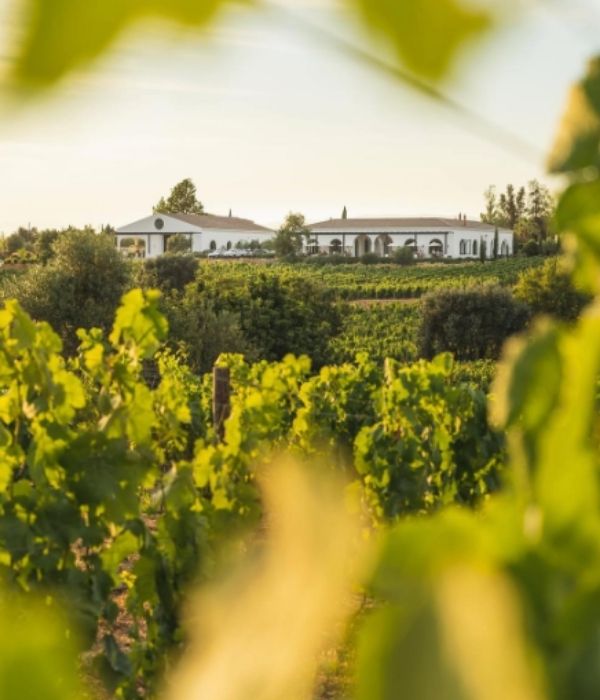
Quinta dos Santos feels like a slow afternoon done right. You eat overlooking the vines, sip something made on-site, and move between stone walls and open sky. It’s food, place, and rhythm all at once.

Algarve Travel Guide Maramais Farol
@maramais_farol

03. maramais farol

Praia da, Ilha do Farol, 8000-554 Faro

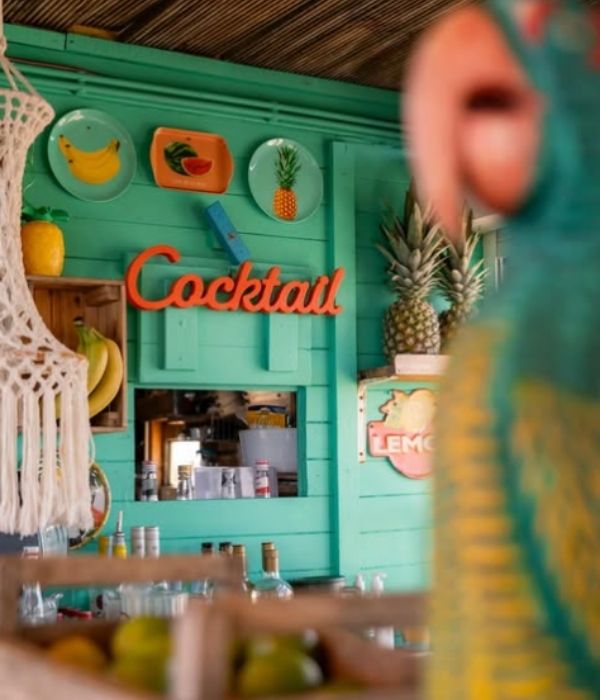
Maramais Farol is bohemian in the best way. Sea views, live music, cold drinks, and a sun-faded rhythm that makes it hard to tell where the afternoon ends.

Algarve Travel Guide brava
@restaurante_brava

04. Brava

Estrada Vale das Éguas, número 26, Almancil

Brava feels like a local secret told quietly. Tucked behind Almancil, it’s all shade-dappled tables, shareable plates, and a garden atmosphere that makes even a quick lunch feel like a little escape.

Exploring the Algarve: The Areas We Love

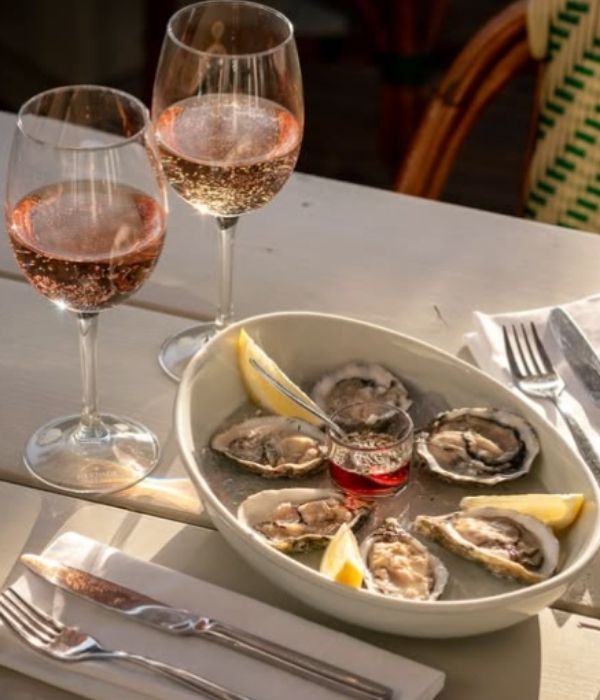
The Algarve asks for slowness and space. It is a region made for soft days, with cliffside roads, empty beaches, and small towns where time bends gently. The best days begin without a plan. Drive through citrus groves, stop for oysters by the water, follow an unmarked road just to see where it goes. Inland, markets still matter. By the coast, meals stay simple and fresh. Wine is poured without explanation. Conversations last. The Algarve is not a destination to tick off. It is a rhythm you ease into, quietly and completely.

Algarve Travel Guide lagoa

Lagoa & Carvoeiro Coastline

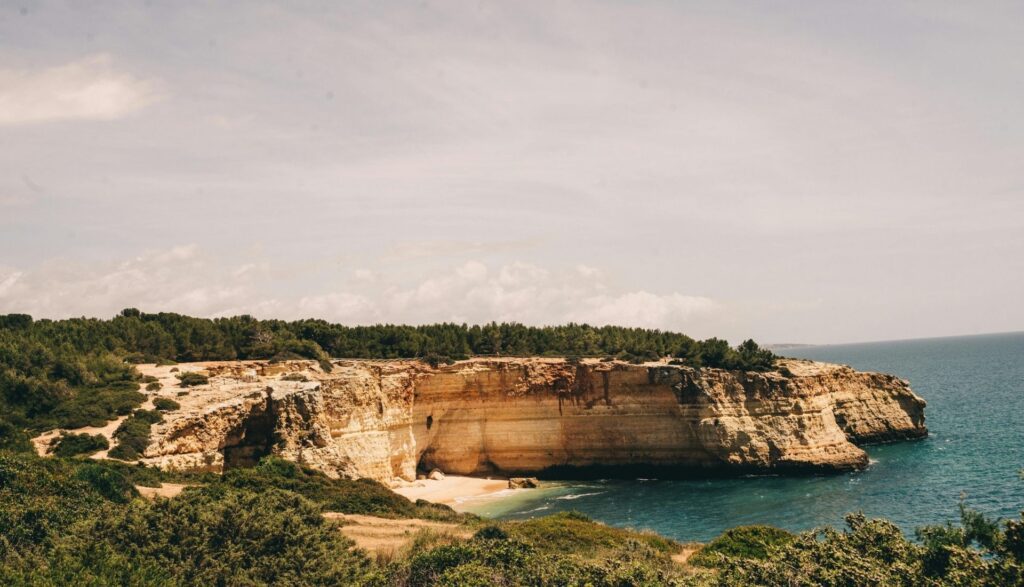
The stretch between Lagoa and Carvoeiro carries two rhythms. Inland, life stays steady with small wineries, local bakeries, and streets that pause for lunch. Down by the cliffs, the coast takes over with sea stacks, hidden coves, and paths that end in wide Atlantic views. The food slips between both worlds, from grilled sardines and natural wine to quiet kitchens working with care. Summer can be busy near the water, but look just beyond and the pace softens. May and late September feel right, with warm days and calmer paths.

Eastern Algarve

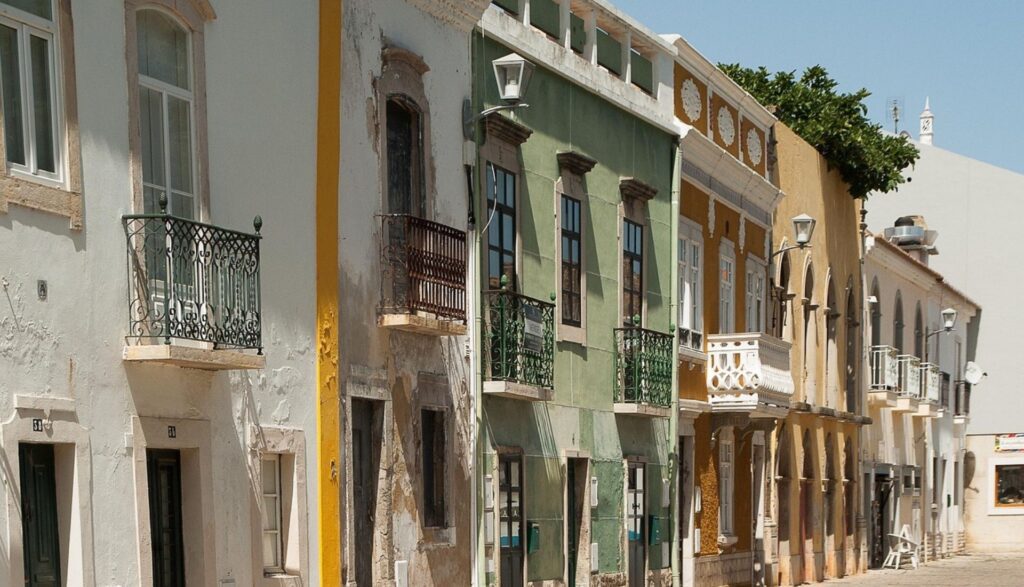
The Eastern Algarve feels older and slower. Tavira moves at walking pace, with tiled façades, bell towers, and cafés serving simple breakfasts. Ferries glide across the river to island beaches where the sand is pale and the crowds come later. Evenings lean toward grilled octopus, local wine, and restaurants that still cook from memory. Laundry hangs from balconies. Fish markets open early. Nothing feels rushed. Spring and late autumn bring soft light and a rhythm that suits the region.

Algarve Travel Guide Tavira
Algarve Travel Guide Silves

Silves & the Surrounding Countryside

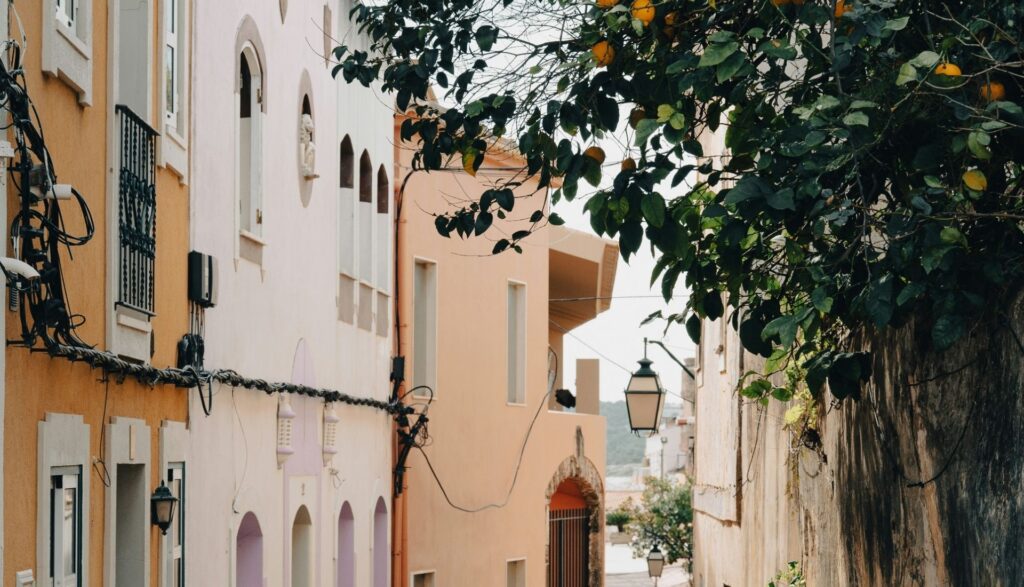
Silves sits quietly above the river, surrounded by orange groves and the scent of eucalyptus. Life here leans rural. Markets hum in the morning, streets stay warm long after sunset, and lunch is never hurried. The town holds its layers — Moorish walls, red stone, slow conversation. Just outside, the countryside opens into farms, fig trees, and family-run vineyards. Nothing is showy, and that is the charm. It rarely feels crowded, especially midweek or in shoulder seasons. It is the kind of place where you lose track of time in the best way.

More destinations

North Portugal Travel Guide

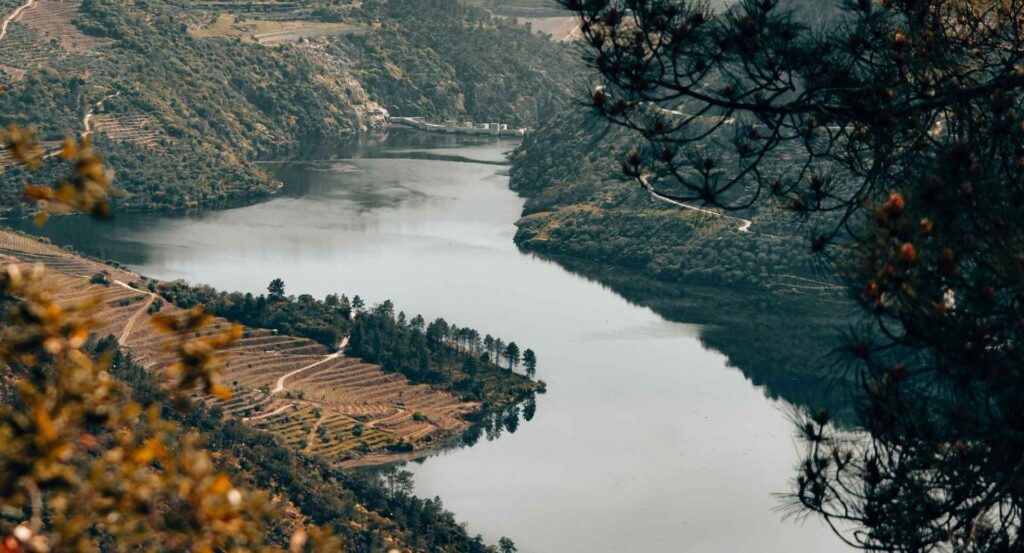
North Portugal invites you to slow your pace without asking. River valleys, terraced vineyards, and stone villages set the rhythm, shaped by food, wine, and long-held traditions. It’s a place for unplanned moments, generous tables, and stays that feel quietly rooted in the land.

Central Portugal Travel Guide

Central Portugal feels like stepping back to a simpler time. Life moves gently here, shaped by forested hills, stone villages, and long Atlantic beaches. Days revolve around good food, fresh air, and unhurried moments that make slowing down feel natural rather than forced.

Lisbon Travel Guide

Lisbon moves on its own terms. Days stretch across hills, tiled streets, and sun-warmed terraces, shaped by seafood lunches and slow afternoons. There’s creativity everywhere, but it never feels forced. It’s warm, soulful, and easy to settle into without trying.

Mallorca Travel Guide

Mallorca is a place that gently resets you. Days follow the light, not the clock. You’ll find stone fincas, quiet coves, and food rooted in the land. It’s an island made for slow mornings, long lunches, and staying just a little longer than planned.

FAQ: Algarve Travel Guide

Do you need a car in the Algarve?

Yes. Towns and beaches are spread out, and public transport is limited once you leave the main hubs. A car makes it easy to reach quieter coves, inland villages, and viewpoints without relying on fixed routes or long waits.

May, June, late September, and early October. The weather is warm, the water is comfortable, and the coastline is easier to enjoy without peak-summer crowds. July and August are busy but still manageable if you plan your days around the heat.

For dramatic cliffs and coves, stay near Carvoeiro, Lagoa, or Lagos. For long, open shorelines and fewer people, head east toward Tavira and Cabanas.

Choose the Silves countryside or the hills near Monchique. Both offer calm days, traditional food, and easy drives to the coast without being in the crowds.

Fish and seafood. Look for clams, octopus, grilled whole fish, cataplana, and citrus-led desserts. Inland, expect heartier dishes and local wine.

At least five days if you are pairing it with Lisbon or North Portugal. A week or more is ideal if you want time to explore both the coast and the countryside, visit a few beaches, and settle into a slower rhythm.