Hotels in the Jordaan Amsterdam

Canals, corner cafes and the Amsterdam that keeps its own pace.

The Jordaan is one of Amsterdam’s oldest neighbourhoods, built in the seventeenth century and still carrying much of that structure today. Its narrow canals, brick houses and tight street grid give this part of the city a different sense of scale, less formal than the Canal Belt, more embedded in daily life. Staying here means being closer to the Amsterdam that formed around trade, craft and neighbourhood life. If you are looking for hotels in the Jordaan Amsterdam, these are the stays that reflect that history best, smaller in scale, rooted in place, and shaped by the streets around them.

Best For:

  • Walkable city stays
  • First-time Amsterdam visits
  • Neighbourhood restaurants and wine bars
  • Travellers who prefer quieter streets

Skip if:

  • You want nightlife at your doorstep
  • You prefer larger hotels and full-service stays
  • You want Amsterdam at its most polished

Nearby Alternative:

Canal Belt
Grand canal houses, calmer streets

De Pijp
Busier streets, stronger food scene

Why stay in the Jordaan?

The Jordaan suits a different kind of stay. Less polished than the Canal Belt and less outward-facing than De Pijp, it holds onto a stronger sense of neighbourhood life. Its streets were built for workers and makers in the seventeenth century, and that tighter scale still shapes how the area feels today. Restaurants sit close to the pavement, bars stay small, and most of the neighbourhood is best understood on foot. If where you stay shapes how you experience a city, the Jordaan gives you one of Amsterdam’s most grounded versions of it.

The Best Hotels in the Jordaan Amsterdam

These Jordaan hotels in Amsterdam are the stays we would book first, each selected for how they reflect the neighbourhood around them.

Hotel Mercier

Hotel Mercier carries the Jordaan’s creative spirit forward through craft, colour and rooms with real weight to them.

Why stay here

Set inside a former community house on Rozenstraat, Hotel Mercier feels aligned with the Jordaan from the outset. This part of Amsterdam has long drawn artists and independent minds, and the hotel holds onto that sensibility. Claes Iversen tapestries run through the rooms, burgundy tiles line the bathrooms, and vintage furniture gives the spaces texture without excess. Rich in detail, but composed. Downstairs, Bonboon’s plant-led kitchen and low-lit bar keep the building connected to neighbourhood life.

BEST FOR

Design-led stays, slower evenings, and travellers who want the Jordaan close at hand.

hotel calisto

Calisto works with the scale of the Jordaan rather than against it. Ten rooms, a trattoria downstairs, and a building that has been welcoming guests since the seventeenth century.

Why stay here

Set inside a narrow seventeenth-century house on Haarlemmerdijk, Calisto keeps its original proportions intact, which gives the whole stay a different pace. Rooms are compact, warm and simply put together, with timber, natural materials and a light-touch renovation that respects the building rather than reshaping it. Downstairs, the trattoria remains central to the experience, seasonal pasta, low-intervention wines, and the kind of neighbourhood restaurant you would use even if you were not staying upstairs. For the Jordaan, and at this price point, it feels unusually grounded.

BEST FOR

Affordable stays, good food downstairs, and travellers who care more about character than square metres.

Mr. Jordaan

Mr. Jordaan feels inseparable from its address. Set on the Bloemgracht, one of the Jordaan’s quieter canals, it carries the neighbourhood’s softer rhythm well.

Why stay here

Bloemgracht, or Flower Canal, sits on the calmer side of the Jordaan, where mornings begin with bicycles, water and very little noise. Mr. Jordaan keeps close to that scale. Rooms are compact, with exposed brick, timber headboards and vintage radios, typewriters and furniture that feel collected over time rather than placed all at once. Its history began in the 1960s with a single couch rented to passing travellers, and that informality still shapes the place. Affordable, well located, and close enough to feel like part of the canal itself.

BEST FOR

Affordable canal stays, first-time Amsterdam visits, and travellers who want the Jordaan outside their window.

Morgan & Mees Amsterdam

Morgan & Mees gives you the Jordaan within reach, but with a more residential footing.

Why stay here

Set inside a former nineteenth-century building on the edge of the Jordaan, Morgan & Mees keeps much of its original structure intact. Oak floors, mouldings and woodwork give the rooms a sense of permanence, while split-level layouts make good use of height and light. With only nine rooms, the scale stays personal. The restaurant downstairs keeps the building active from morning through evening, but the mood stays local rather than polished. For travellers wanting Amsterdam at neighbourhood level, it is one of the more grounded places to stay.

BEST FOR

Longer weekends, local stays, and travellers who want the Jordaan nearby without staying in the middle of it.

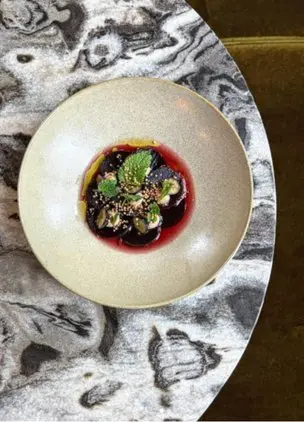
Best Places to Eat In Amsterdam de Willem

Where to Eat Nearby

de Willem

Set inside the old Haarlemmerpoort, De Willem makes good use of the building it occupies. A café below, dining room above, wine cellar underneath. The cooking stays seasonal and precise, built on good produce and strong technique. Close enough to the Jordaan to feel part of the stay, and one of the stronger tables within walking distance.

Jordaan or De Pijp?

The Jordaan and De Pijp offer two very different versions of Amsterdam. The Jordaan is older, quieter, and more rooted in the city’s history, with canals, narrow streets and a pace that rewards walking without much agenda. De Pijp feels looser and more outward-facing, built around markets, longer nights and a stronger food scene that stretches well beyond Dutch cooking. If you want Amsterdam at its most residential, stay in the Jordaan. If you want more movement, more noise and more places to eat late into the evening, De Pijp makes the stronger case.

Stay Elsewhere in Amsterdam

Canal Belt
Wider canals, taller houses and Amsterdam at its most composed

De Pijp
More local, food-led, and built around a faster street rhythm

Museum Quarter 
Leafier streets, grand old buildings and the city’s cultural centre close at hand

Explore

Our perspective

Where you stay shapes how a place is experienced. Not through spectacle, but through atmosphere, detail, and the rhythm of daily life. Places that sit naturally within their surroundings, connected to food, people, and the way a day unfolds, where it feels easy to settle in and experience what is actually there.