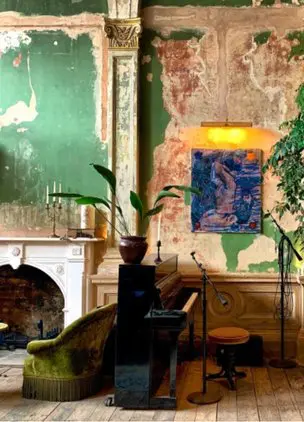
Softer light, better materials and spaces designed to make the city feel far away.
There is a version of London that exists in the imagination before you arrive. Candlelit rooms, rain on the window, a bar that feels like a secret. The best romantic hotels in London make that version feel real. They do it through attention to detail, the quality of the light, the weight of the fabric, the way a space settles around you in the evening. Romance here is not a category. It is a standard of care, a hotel that has thought about how every room and every space makes you feel, and got it right.
Quiet Hotels
Calmer stays and a slower pace
Heritage Hotels
Buildings that still carry traces of their original life
Covent Garden
Theatre streets, late dinners and West End pace
London is easy to rush through. The right hotel makes that harder. These are the stays where the light is softer, the fabrics are heavier and every space has been considered carefully enough to make the city feel like a choice rather than a constant. Romance here is not a category reserved for couples or occasions. It is a standard of care. A hotel that has thought about how every room and bar and corridor feels at nine in the evening, and got it right.
Each chosen for atmosphere, detail and the way the whole hotel holds together.
Cascading lanterns, marble fireplaces and a restaurant built where prisoners were once delivered to court.
Roman and Williams built the restaurant in what was once the yard used to deliver prisoners to the court. Now it sits beneath a glass ceiling with Art Nouveau lanterns hanging through three floors, freestanding trees wrapping around Edwardian columns and a room that feels lit for an evening that should go slowly. The reception lobby arrives first, dimly lit, tapestries on the walls, potted plants and a chandelier overhead. Upstairs the rooms carry marble fireplaces, gilded tracery wardrobes and velvets that give every surface something worth touching. The whole hotel feels considered in the same key.
Special occasion stays, long evenings and travellers who want a hotel where every space rewards attention.
A Lutyens bank in the City of London, designed after the great ocean liners of the 1930s and still feeling like it.
The designers took their brief from the great ships of the era, the Normandie, the Orient Express, and it shows in the weight of every material. Brass, mahogany, crystal chandeliers, hand-knotted rugs and richly patterned upholstery run through the 250 bedrooms and the spaces connecting them. The Library Bar sits behind a sweeping jacquard curtain. The Vault in the basement still has its original stainless steel safety deposit boxes lining the walls. The heritage rooms on the fifth floor keep Lutyens’ original features intact. Few buildings in London give you this many different spaces to move through in an evening.
Special occasions, longer stays and travellers who want grandeur that feels inhabited rather than staged.
Behind the terracotta facade on Russell Square, Fitz’s Bar hides behind a side door dripping in velvet and Victorian curiosities.
The building announces itself from Russell Square with terracotta, four British queens above the entrance and a Pyrenean marble staircase visible from the lobby. Then Fitz’s Bar arrives through a side door, a deliberately concealed room of velvet sofas, a roaring fireplace, an oversized mirrorball and ostrich feathers that makes the hotel feel like it has been keeping secrets. The Palm Court serves afternoon tea under a glass roof. The 334 rooms are all different in layout and proportion. The original Zodiac mosaic is still on the lobby floor.
Special occasion stays, afternoon tea and travellers who want a building ornate enough to make any evening feel considered.
Two Covent Garden townhouses where the rear rooms look over a hidden garden most Londoners have never found.
The building on Henrietta Street was formerly the publishing house of Victor Gollancz, who published George Orwell and John Le Carré. Jane Austen stayed two doors up while visiting her publisher. Dorothée Meilichzon’s interiors take their cues from the market arches of Covent Garden, terracotta walls, botanical prints, 1970s rounded furniture and hand-built bedheads upholstered in Rubelli fabrics. Brass lighting is sealed directly into the bedside tables. The rear rooms look over the garden of St Paul’s Church, a quiet green space most Londoners have never found.
Romantic city stays, later evenings and travellers who want Covent Garden with more intimacy behind it.
Ten rooms in a former Pimlico pub, each with its own art, its own character and a brick fireplace that earns its place.
The building on Cambridge Street was a Victorian pub before Justin Salisbury and Charlotte Newey spent two years restoring it into a ten-room hotel. Each room is different in layout, proportion and art, collected rather than curated, with reclaimed wooden floors, brick fireplaces and Egyptian cotton linen on the beds. The Club Room cocktail bar sits in the basement. Cambridge Street Kitchen runs from breakfast through dinner on the ground floor with copper pendant lights above. Pimlico is quiet outside and the river is a short walk south.
Intimate city stays, quieter weekends and travellers who want somewhere that feels genuinely personal.
Three Georgian townhouses on Frith Street where arriving feels like being let into somewhere private.
The houses date from 1718 and the owners have restored them to reflect how they would have looked then. Fireplaces, oil paintings, four-poster beds, heavy curtains and rooms lit by lamps rather than overhead light give every space a warmth that takes a moment to adjust to. There is no signage outside. The honesty bar stays open at all hours. JK Rowling has left signed first editions on the library shelves. The rooms are named after Georgian characters who lived here or nearby. William Hazlitt died in the building in 1830 and has a blue plaque on the wall.
Literary stays, quieter Soho weekends and travellers who want London without any of the hotel feeling.
Through an unmarked red door in Clerkenwell, a lift takes you to the fourth floor of an 18th century courthouse. Peeling plaster walls, arched windows and Victorian gaslights set the tone. Florence Knight’s kitchen builds each dish around a single ingredient, nothing more than it needs. One of the most romantic dining rooms in London.
Both are about stepping away from the ordinary, but they do it differently. Spa hotels build the retreat into the programme, treatments, pools and wellness spaces that slow you down deliberately. Romantic hotels work through atmosphere, the quality of the room, the light in the bar, the feeling of being somewhere that has been properly considered. One schedules the indulgence. The other lets it happen around you. Both are worth knowing. The choice depends on whether you want the day structured or left open.
Quiet Hotels
Calmer stays and a slower pace
Heritage Hotels
Buildings that still carry traces of their original life
Notting Hill
Quieter streets, old pubs and the slower side of West London
Our perspective
For collaborations and enquiries
We use cookies to improve your experience and understand how the site is used. You can accept or manage your preferences at any time.