Slow Sundays, late nights and the part of London that still feels slightly unfinished.
Shoreditch became the part of London where old warehouses filled with coffee roasteries, fashion labels, natural wine bars and people who somehow always know where to eat before everyone else does. The neighbourhood still carries the grit of the East End underneath it, railway arches, graffiti-covered shutters, late-night kebab shops and streets that feel rough around the edges beside some of the city’s best design stores and restaurants. Around Redchurch Street, Brick Lane and London Fields, days move slowly between cafés, vintage stores, galleries and long afternoons outside before the evenings spill back into crowded bars and dining rooms again. If you are looking for Shoreditch hotels London, these are the stays that feel most connected to the creative, restless energy that still defines this side of East London.
You want classic central London
You prefer quieter residential streets
You want London built around museums and theatres
Soho
Later nights, tighter streets and central London energy
Notting Hill
Leafier streets, cafés and a calmer residential pace
Cool Hotels in London
Design-led stays with architecture and atmosphere
Shoreditch feels different to much of central London because the neighbourhood still moves more around local rhythm than landmarks. The days begin slowly here, coffee shops filling early, galleries and vintage stores opening gradually, before the evenings shift toward wine bars, restaurants and crowded pubs that spill back onto the street. Much of the appeal comes from the mix itself, old warehouse buildings beside newer studios, rough edges beside expensive restaurants, quieter residential corners only a few streets from some of London’s busiest dining rooms. If you want London with more independence and less formality, Shoreditch makes a strong case.
These are the Shoreditch hotels we would book first, each chosen for how naturally they fit the rhythm of East London around them.
Redchurch Townhouse belongs to the Shoreditch of long coffees, late reservations and Redchurch Street slowly filling through the day.
There is very little separation between the hotel and the neighbourhood around it, which is largely why it works. Downstairs, Cecconi’s pulls people in from morning onwards, while outside the street shifts steadily between cafés, galleries, fashion stores and wine bars as the day moves on. The rooms feel calmer by comparison, warmer tones, softer textures and just enough distance from the noise outside without losing the East London atmosphere underneath it. By evening, much of Shoreditch sits within walking distance, though this stretch of Redchurch Street still feels like the centre of it.
Weekend stays built around restaurants, slower mornings and staying close to Shoreditch’s social side.
The Culpeper feels tied to an older version of Shoreditch, pub downstairs, rooms upstairs and long evenings stretching onto the rooftop.
Set on Commercial Street near Spitalfields and Brick Lane, The Culpeper keeps much of its focus downstairs around the pub, bistro and rooftop garden that fills quickly once the weather turns. The rooms above stay simple and slightly rough around the edges in the right way, exposed plaster, timber, textiles and just enough comfort without overworking the design. Much of the appeal comes from how naturally the building folds into East London life around it. Lunch downstairs, wine on the roof by evening, Brick Lane still busy outside long after dark. Few places around here still feel this local.
Summer weekends, slower evenings and travellers who want East London with more character than polish.
Batty Langley’s sits behind Spitalfields on a street where East London suddenly feels older, quieter and far less exposed.
Folgate Street changes the pace almost immediately. The glass towers around Liverpool Street fade out, the roads narrow, and the neighbourhood shifts back toward brick townhouses, iron railings and cobbled pavement. Inside, Batty Langley’s follows the same mood through antique desks, oil paintings, fireplaces and rooms lit more by lamps than overhead light. Shoreditch, Brick Lane and Spitalfields Market still sit within walking distance, but returning here at night feels far quieter than the streets outside. The whole building feels slightly removed from the rest of East London around it.
Slower weekends, winter stays and travellers who prefer old London over modern minimalism.
Hart Shoreditch brings a more polished read of East London, shaped by craft, warmer materials and the neighbourhood’s industrial past.
Hart sits on the more composed side of Shoreditch, closer to Great Eastern Street than the rougher edges around Brick Lane. The interiors take their cues from local craft and the area’s workshop history, with timber, leather, metal detailing and generous windows giving the rooms a warmer, more finished feel than many nearby stays. Downstairs, UBA keeps things social in the evening, cocktails, music and Pan-Asian cooking pulling people in before the night moves further into Shoreditch. It suits travellers who want East London with some polish, without losing the neighbourhood outside.
Design-conscious weekends, later dinners and travellers who want Shoreditch with a softer edge.
Virgin leans into the louder, more social side of Shoreditch, rooftop drinks, vinyl sessions and a hotel that stays active well after dark.
Set near Old Street, Virgin Hotels London-Shoreditch pulls together many of the things modern Shoreditch now revolves around, music, cocktails, rooftop bars and the hotel stays busy long after most guests have checked in. The interiors balance exposed brick, deeper colours and softer lighting against larger windows and a more playful approach to the rooms than most East London stays. Hidden Grooves downstairs gives the hotel much of its identity, a listening bar shaped around vinyl culture and late-night cocktails that feels naturally tied to Shoreditch rather than dropped into it. Bigger and busier than most nearby hotels, but that movement is part of the appeal here.
Late weekends, rooftop evenings and travellers who want Shoreditch at full volume.
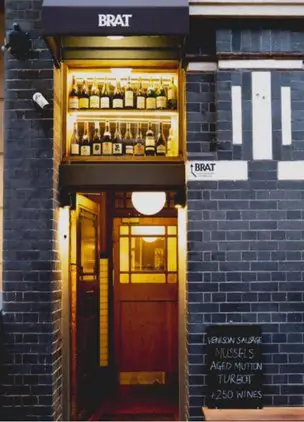
Above Shoreditch High Street, Brat builds much of the room around the wood grill at its centre. Whole fish and Basque-influenced cooking move steadily through the open kitchen while the dining room holds a slower, lower-lit rhythm into the evening. One of the restaurants that helped give modern Shoreditch a more serious food scene.
Shoreditch and Soho are both tied to London’s creative life, but the atmosphere changes quickly between them. Soho feels denser and more immediate, restaurants, bars and music venues packed tightly into a few busy streets in the centre of the city. Shoreditch moves at a looser pace, shaped more by warehouse buildings, cafés, galleries and the slower rhythm of East London weekends. If you want later nights and central London energy, Soho makes the stronger base. If you want London with more space, more independence and a rougher edge underneath it, stay in Shoreditch.
Soho
Music, restaurants and central London after dark
Cool Hotels in London
Design-led stays with architecture and atmosphere
Notting Hill
Leafier streets, quieter cafés and a slower side of London
Our perspective
For collaborations and enquiries
We use cookies to improve your experience and understand how the site is used. You can accept or manage your preferences at any time.