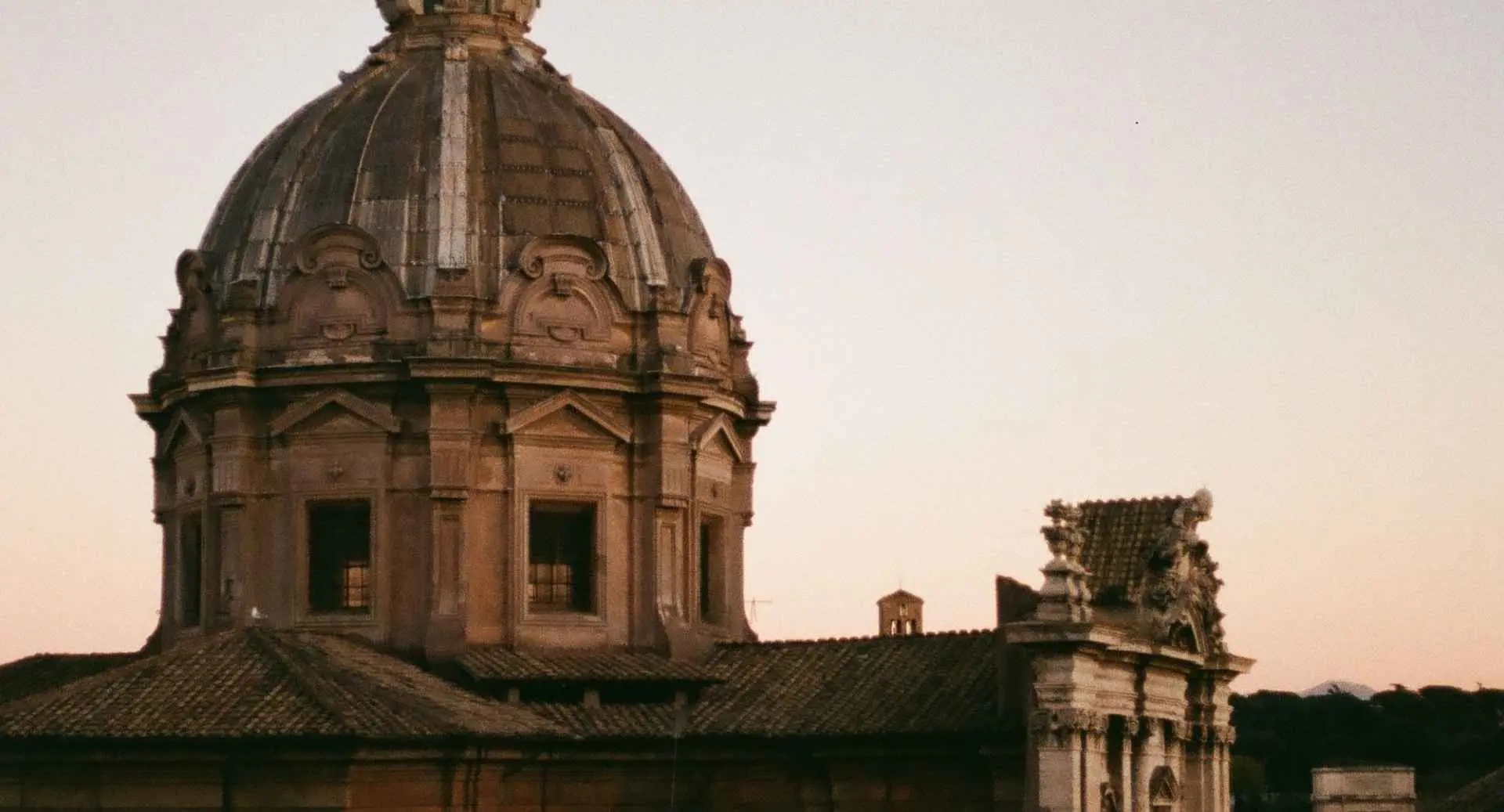
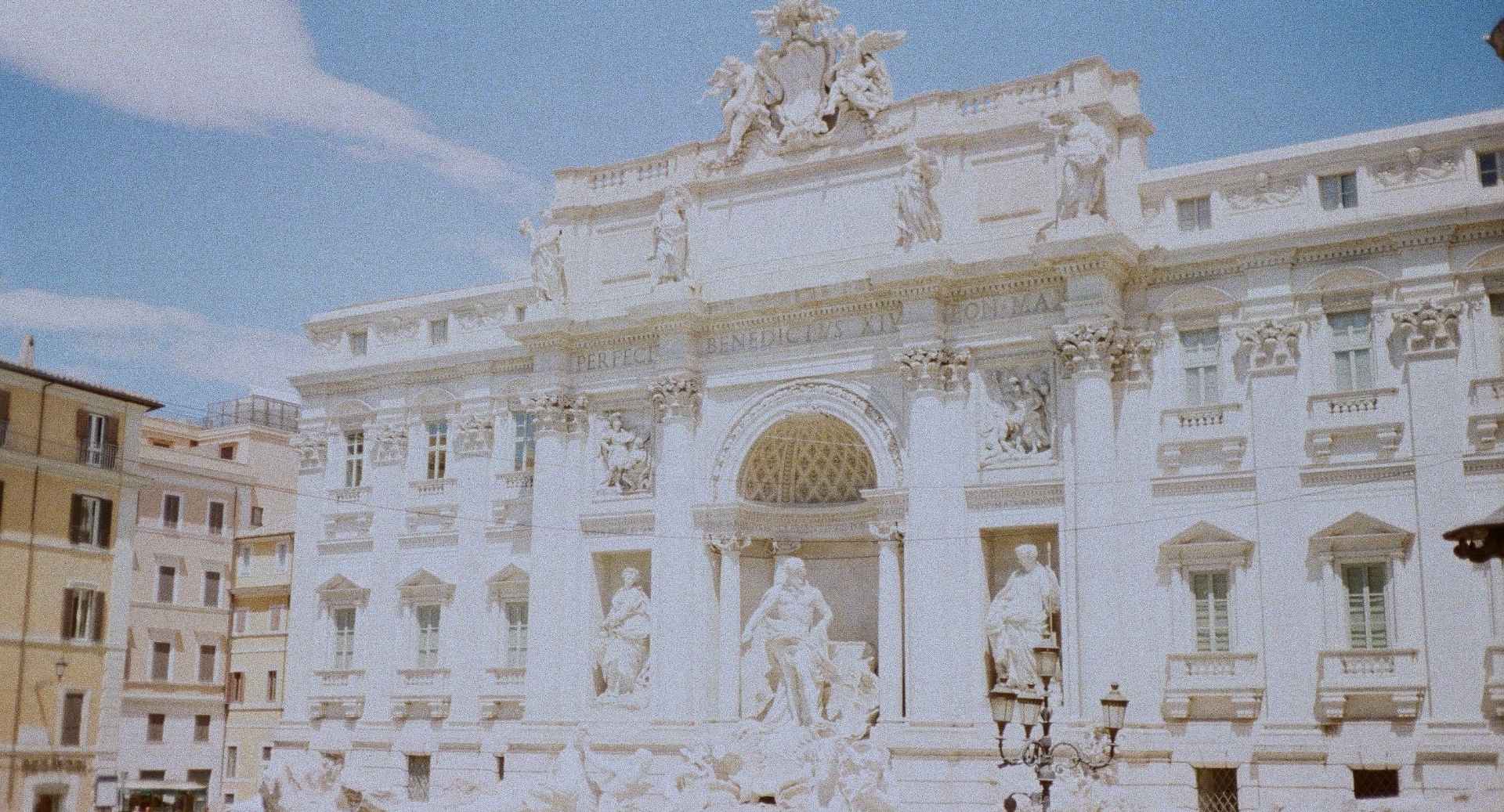
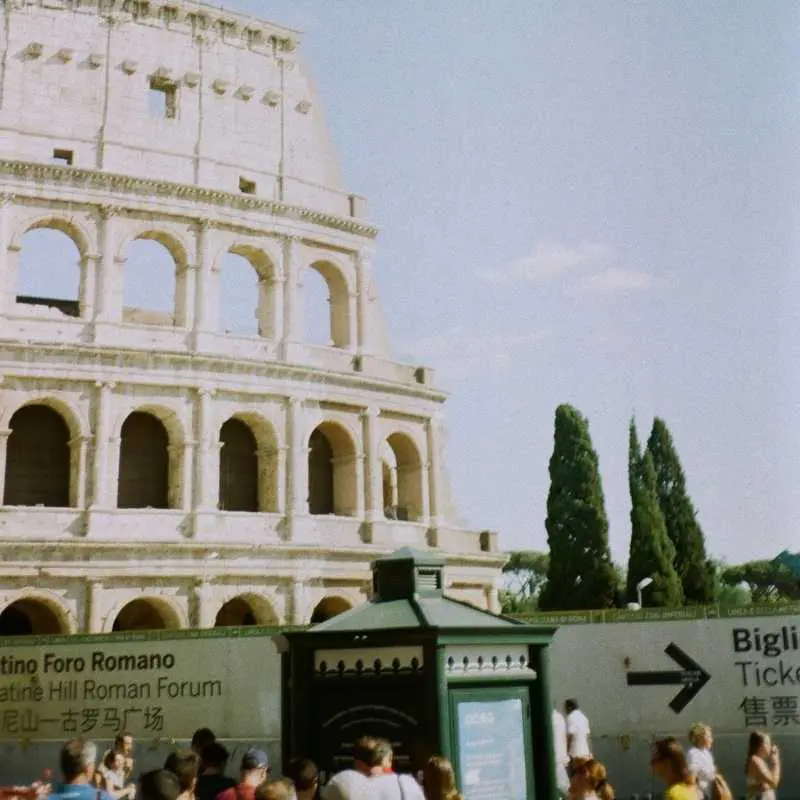
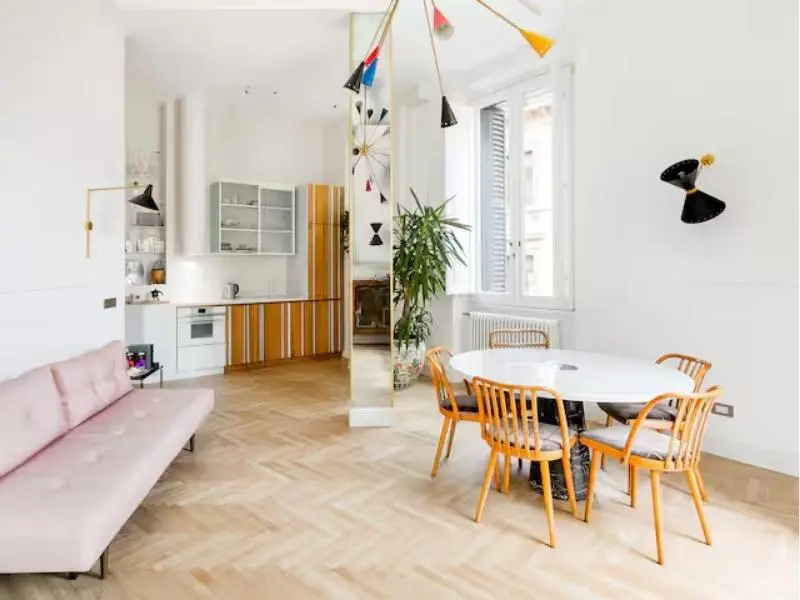
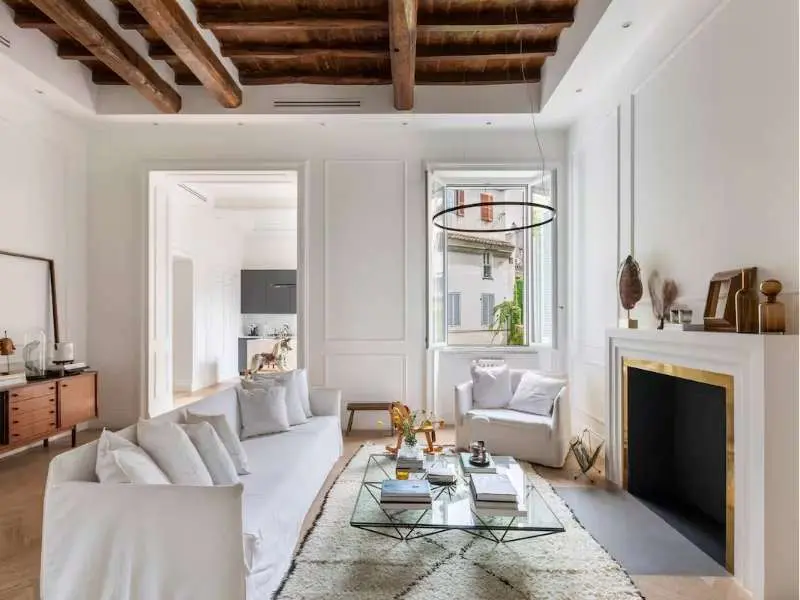
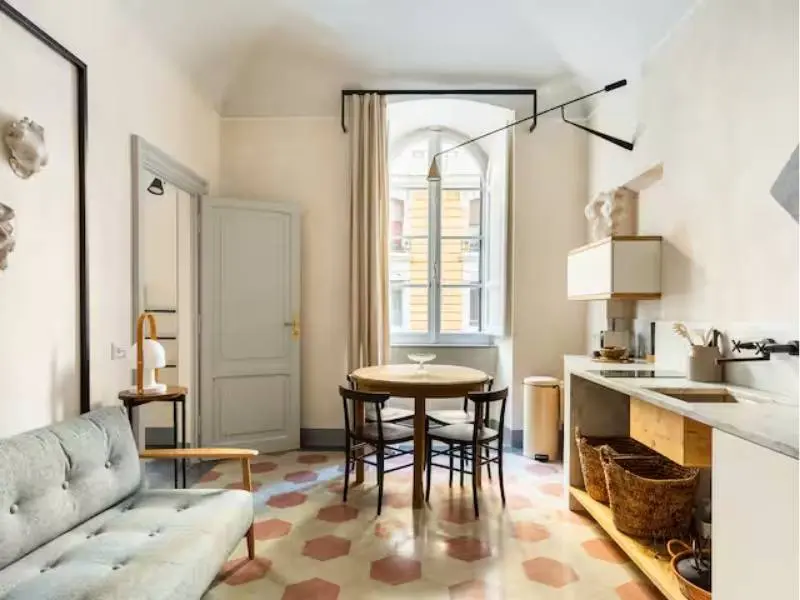
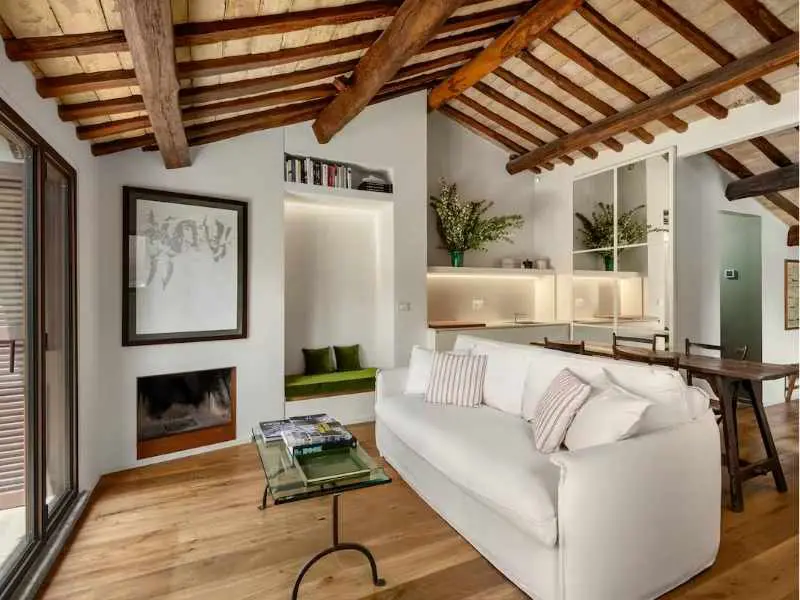
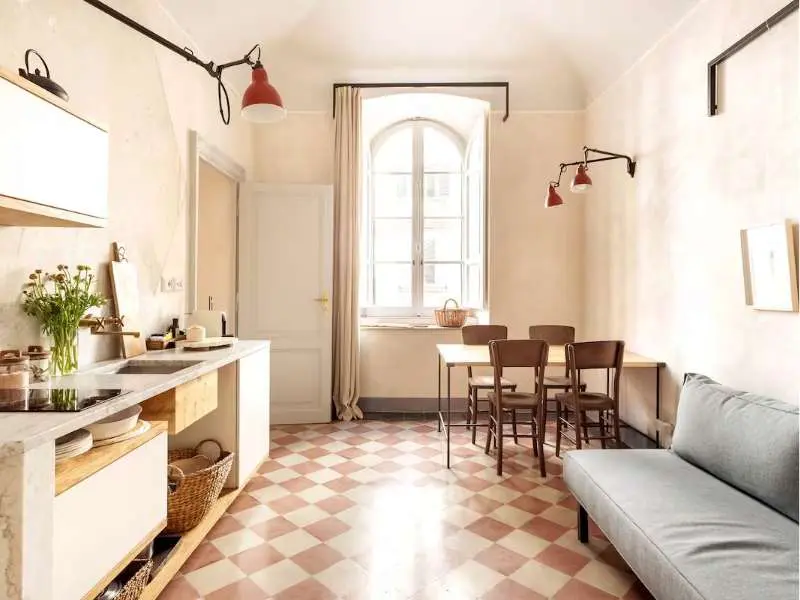
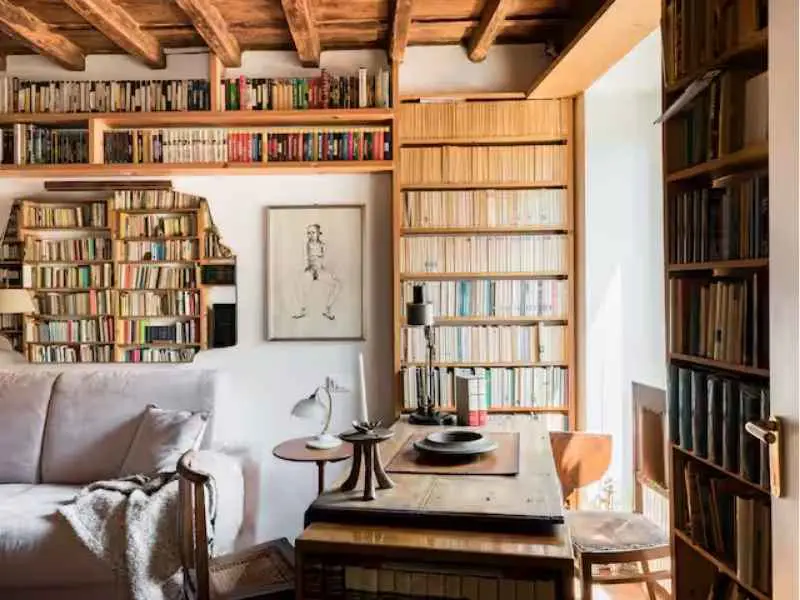
Rome doesn’t change quickly, and it doesn’t need to. Streets are used the same way they’ve always been, buildings hold their weight, and the places that matter tend to stay that way. You don’t take it in all at once. It comes through repetition, returning to the same streets, the same cafés, the same tables. This Rome travel guide shares where to stay in Rome, along with the best hotels, restaurants, and neighbourhoods shaped by that slower, more settled way of moving.
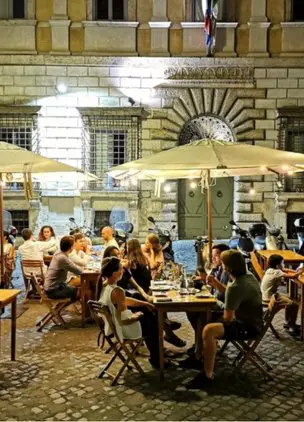
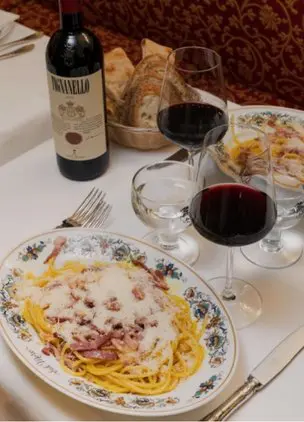
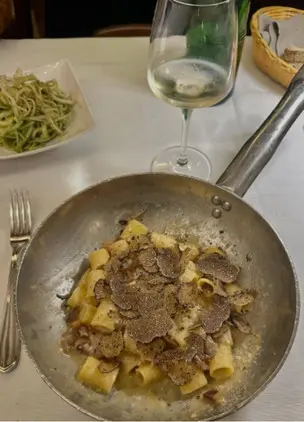
The day follows a familiar pattern. Mornings are brief, coffee taken standing, the city already in motion. Afternoons stretch, slower and warmer, before everything resets again in the evening. Tables fill late, meals run longer than expected, and the same places carry through night after night. Rome isn’t about finding something new each time. It’s about finding somewhere that works, and going back to it.


Rome becomes clearer once you move beyond the obvious. The landmarks stay where they are, but the city opens up in the spaces around them, quieter streets, smaller squares, and places that still follow their own pace. You don’t need to go far. It’s about where you stop, how long you stay, and the parts of the city that settle in gradually.

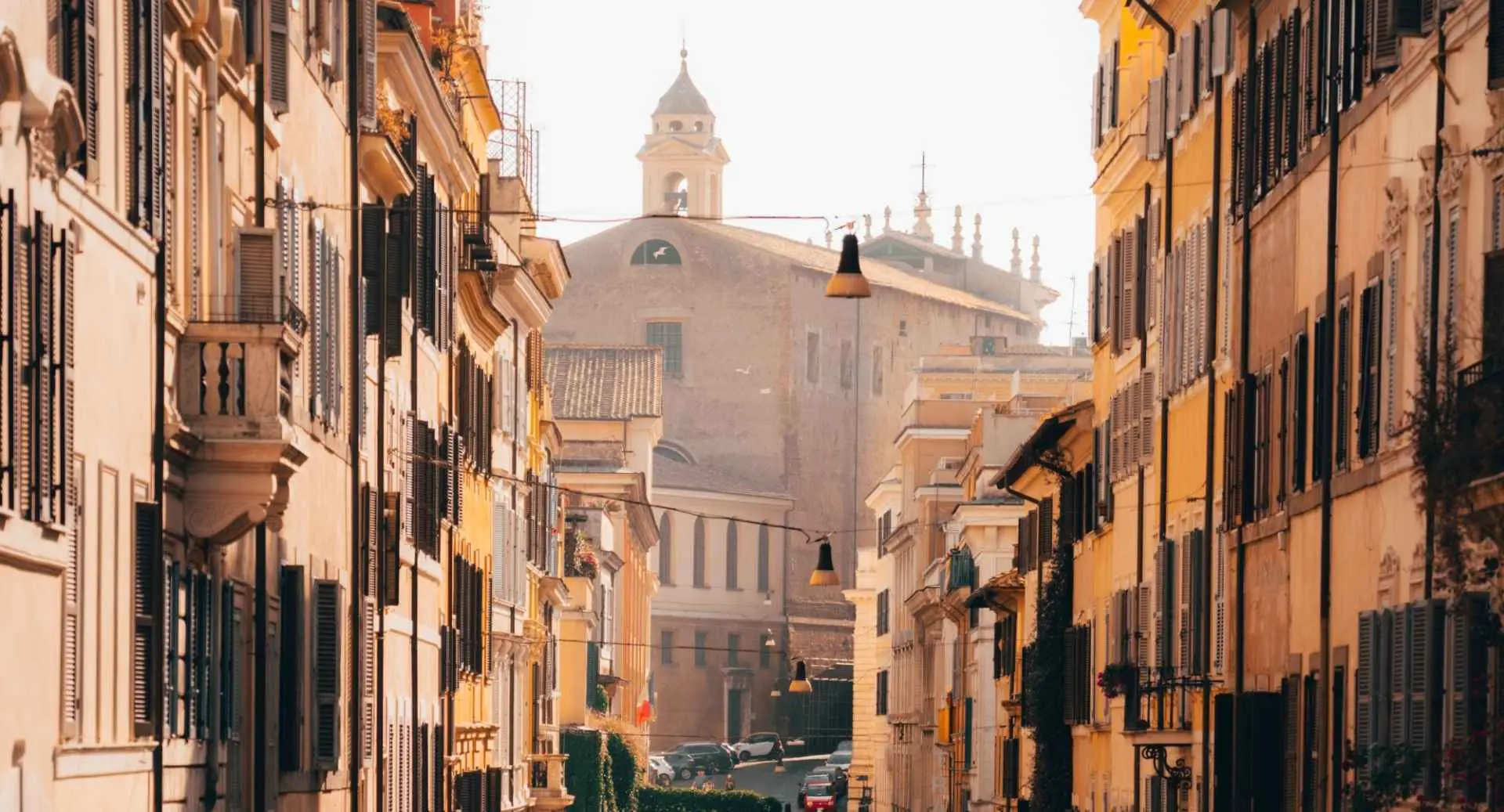
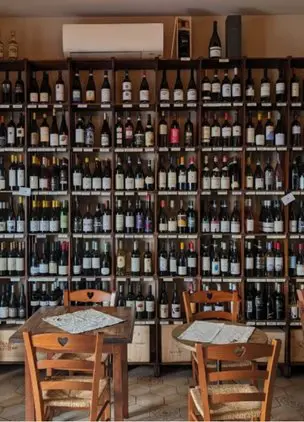
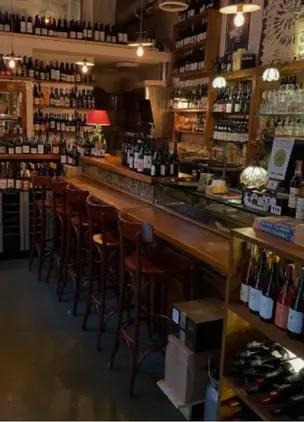
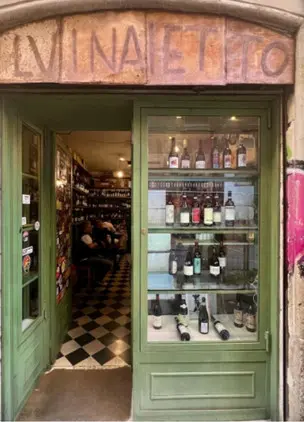
Monti sits between some of Rome’s busiest landmarks, but doesn’t move at the same pace. Streets feel slightly removed, mornings slower, shutters lifting gradually as the day begins. The neighbourhood leans creative, with smaller shops, wine bars, and trattorias where lunch often runs longer than planned. It holds onto its position quietly, and people tend to come back without needing a reason.
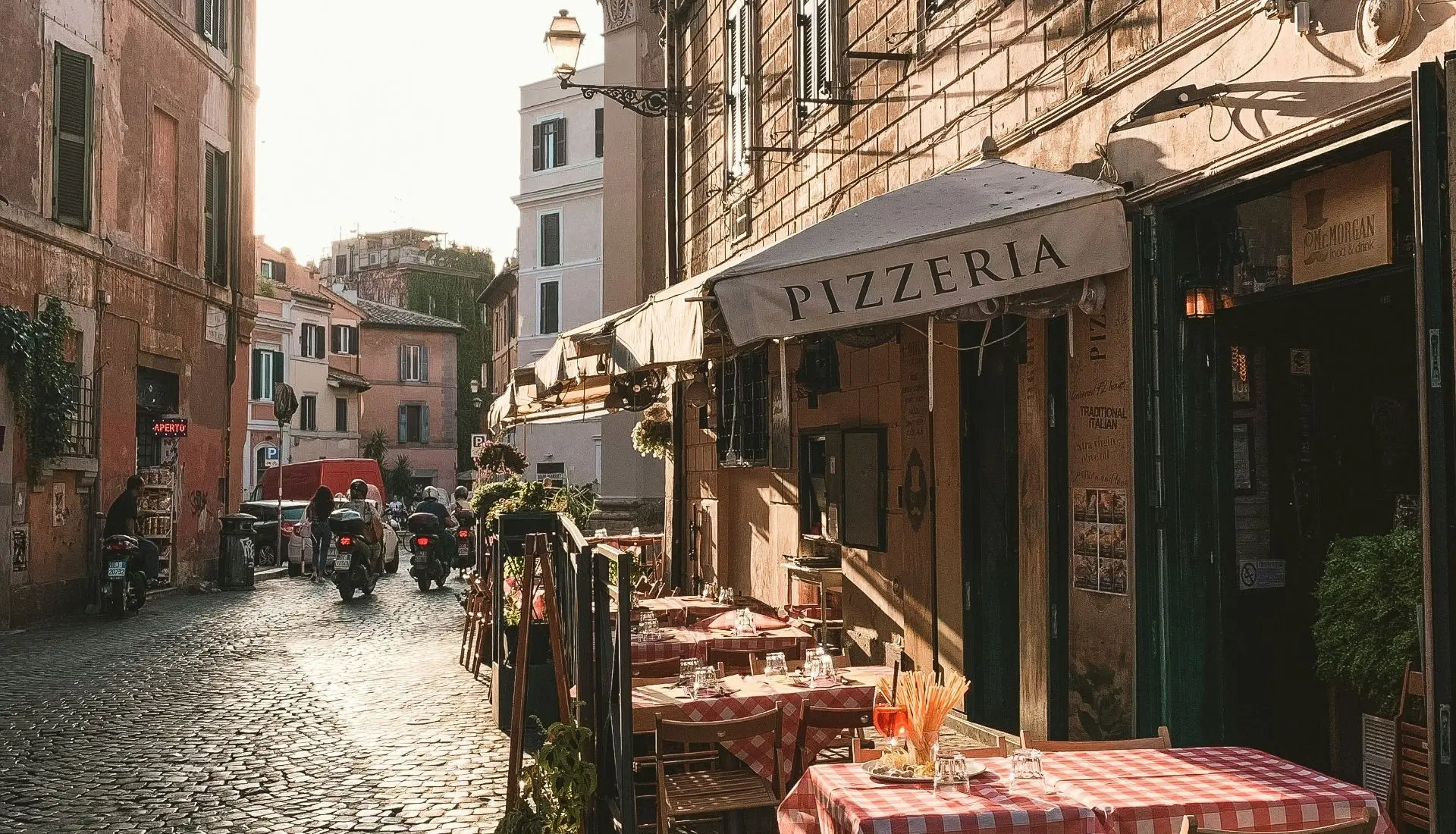
Trastevere shifts with the time of day. Early on, it stays quieter, streets opening slowly, the first tables taken without much noise. By evening, it fills quickly. Move a few streets back and the pace settles again, smaller trattorias, open windows, and people staying out later than expected. It’s not always consistent, but when it works, it feels exactly right.


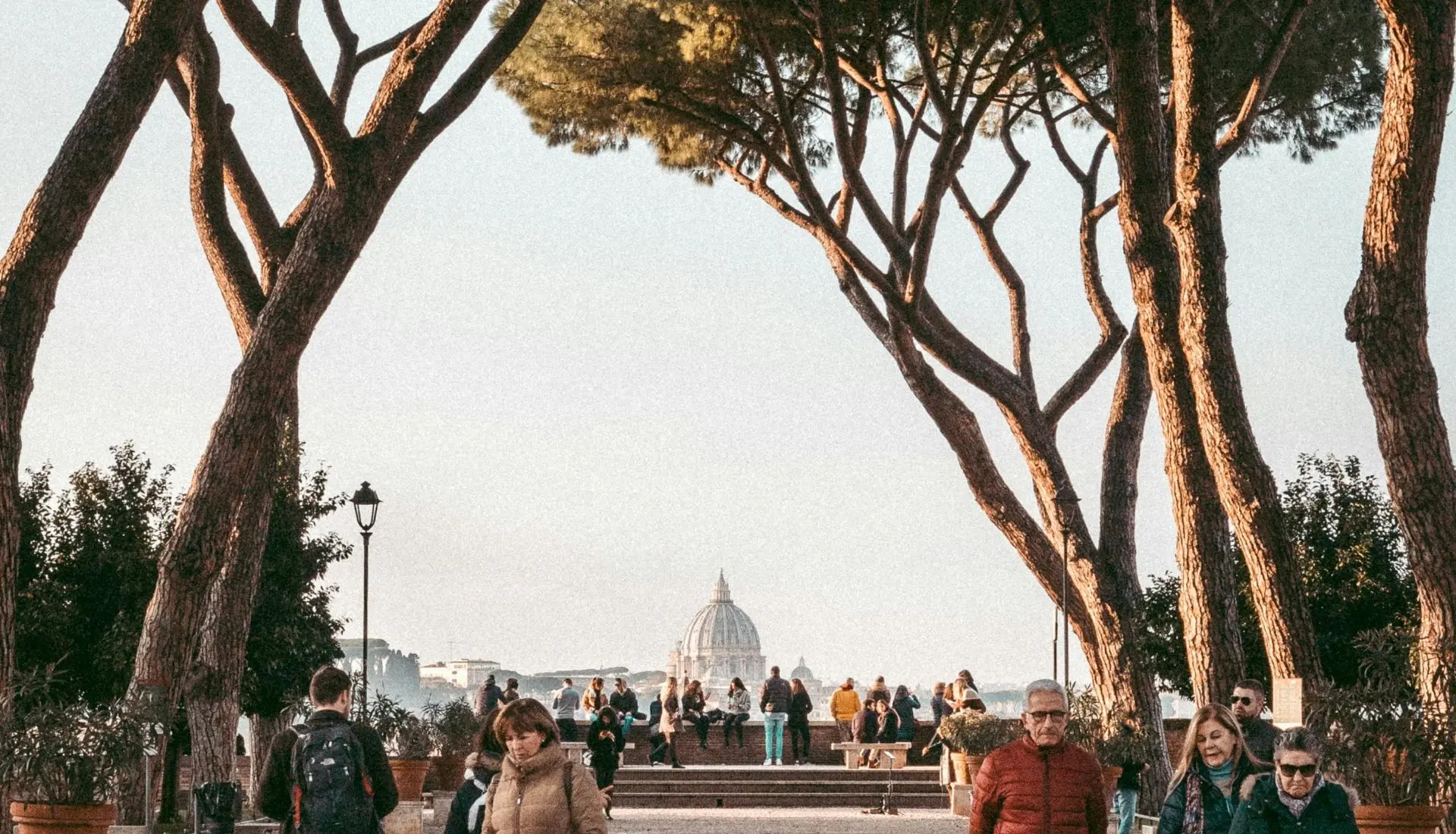
Set above the city on the Aventine Hill, the Orange Garden offers a different pace entirely. It’s contained, quieter, and slightly removed from everything below. The view opens across the Tiber, but it’s the stillness that holds you there. People come, sit for a while, then leave again, not much more to it than that.
For collaborations and enquiries
We use cookies to improve your experience and understand how the site is used. You can accept or manage your preferences at any time.