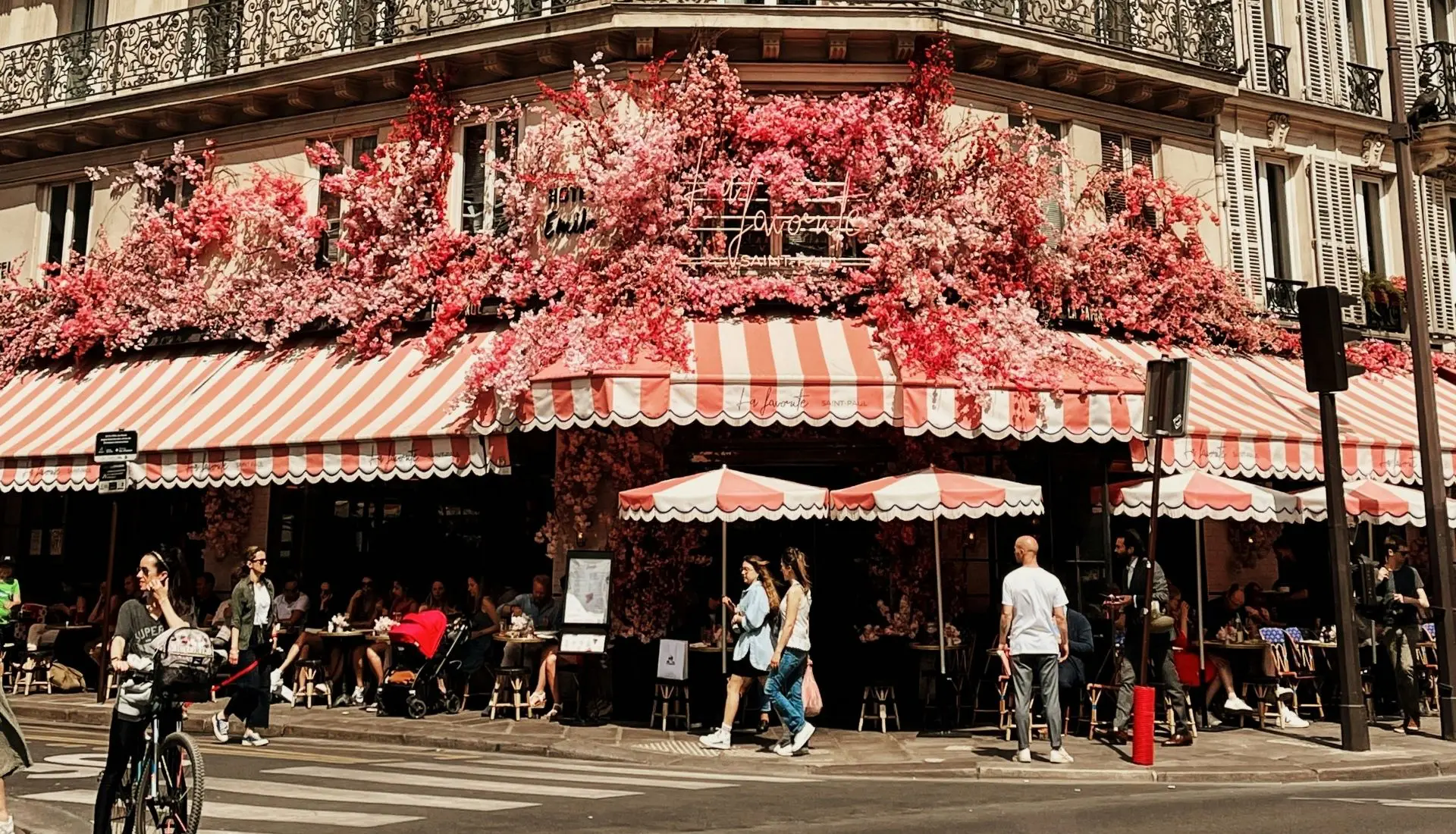
Paris

Where to Stay, Eat, and Spend Time Properly

Paris Travel Guide
A city of detail, good tables, and corners that stay with you.

Paris holds its structure, but it never feels fixed. The foundations are there, cafés, bistros, shops that have been doing things properly for years, but around them the city keeps moving. New ideas settle in quietly, sharper, more considered, without needing to disrupt what already works. You don’t take it in all at once. It comes through returning to the same streets, noticing what’s changed, and what hasn’t.

The rhythm is steady, but not static. Mornings begin slowly, coffee taken without much ceremony, before the day opens up. Afternoons stretch, and by evening the city shifts again, dining rooms filling, bars carrying a different kind of energy. Paris isn’t about choosing between old and new. It’s about how easily the two sit alongside each other.

Neighbourhoods

Pigalle Hotels Paris

Pigalle

Natural wine bars, music history and Paris after dark.

Hotels in Canal Saint Martin Paris

Canal Saint Martin

Iron bridges, canal-side Sundays and the part of Paris that feels most like a village.

Hotels in Le Marais Paris

Le Marais

Layered streets, galleries, late nights and the most social side of Paris.

Hotels in Latin Quarter Paris

Latin Quarter

Bookshops, garden walks and one of the most lived-in corners of the Left Bank.

Hotels in Paris St-Germain area

Saint-Germain

Bookshops, galleries and the quieter confidence of the Left Bank.

Hotels in Paris left bank

Left Bank

A more thoughtful side of Paris, shaped by culture and daily life.

Where to stay

Where you stay in Paris shapes how the city settles around you. The best hotels don’t try to stand out too much. They work because everything is already in place, buildings with history, rooms that feel resolved, and details that have been thought through properly. Around them, a newer generation has found its footing, sharper, more design-led, but still grounded in how Paris works. Get it right and the city opens up in a way that feels natural.
Where to Stay In Paris
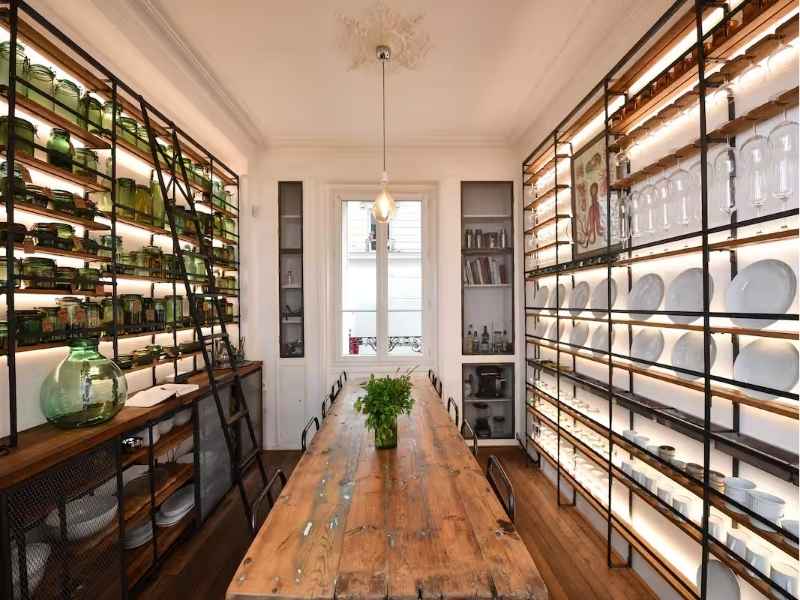
Kai's Kitchen Paris, Dining Room, Interior, Paris

Kai’s Kitchen

The Gallerist, Lounge, Interior Details

The Gallerist

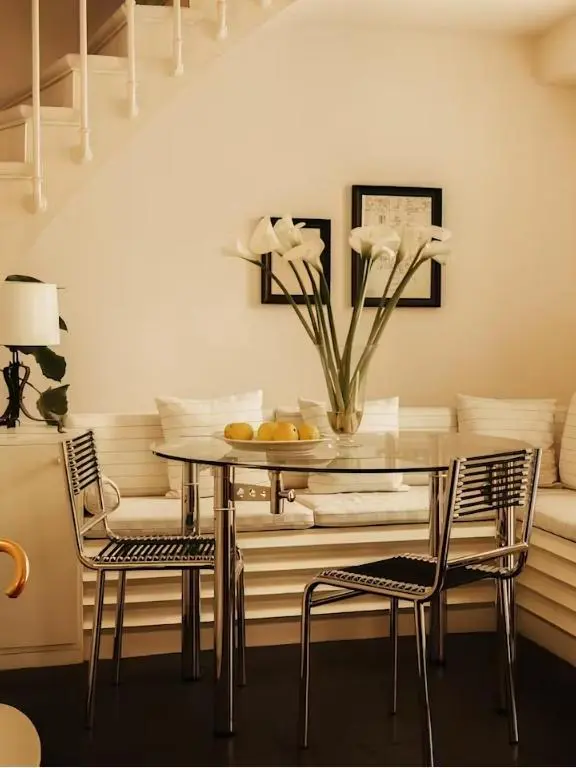
Flowers of Paris, Table with Flowers, Paris

Flowers of Paris

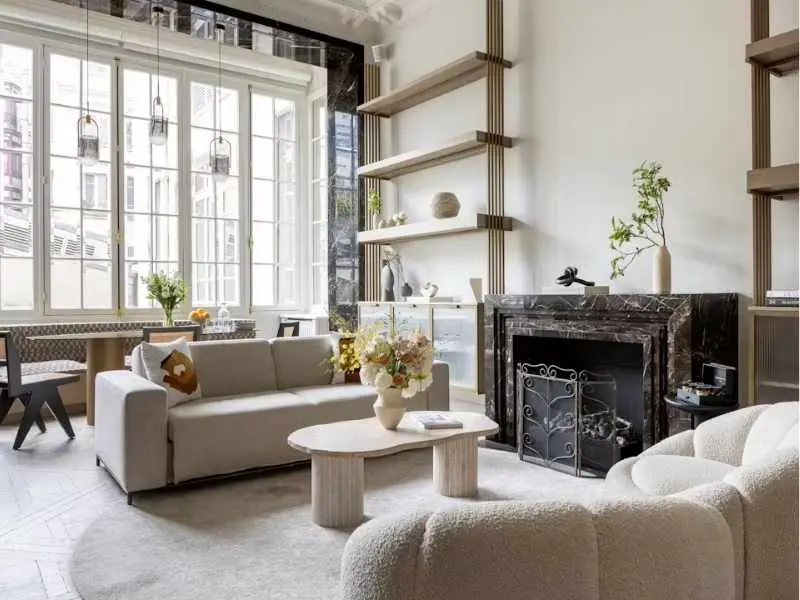
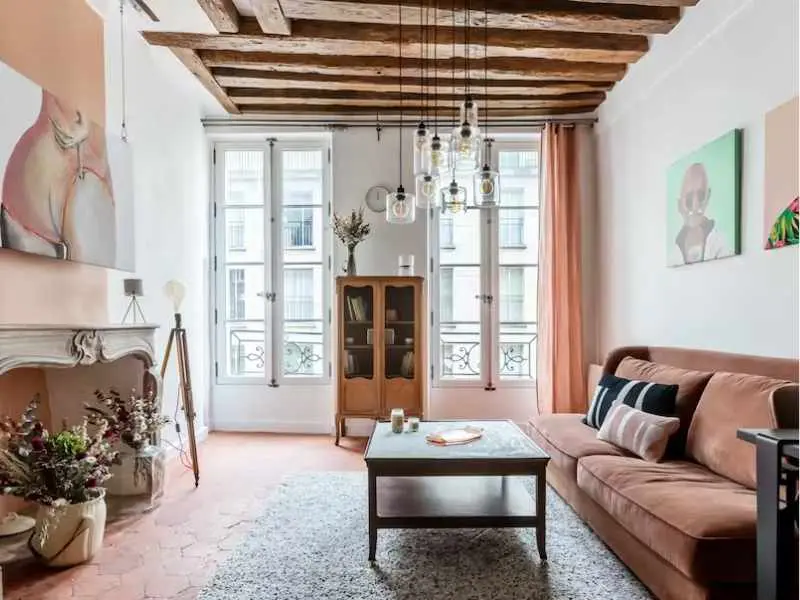
Louvre Actually, Lounge, Fireplace, Paris

Louvre Actually

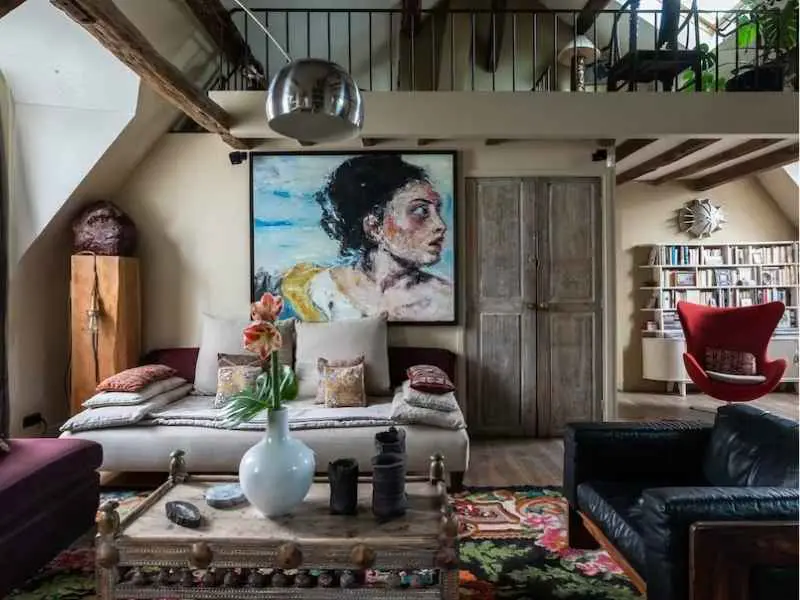
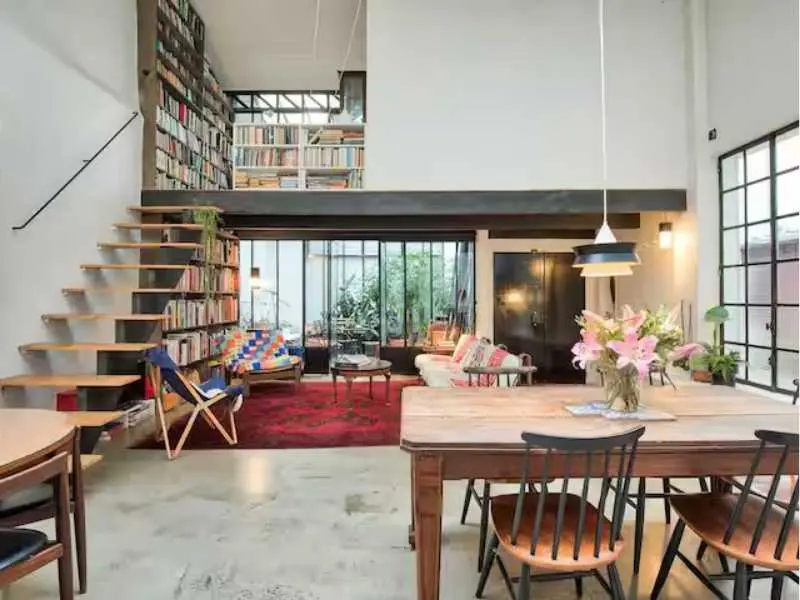
Artist Loft in Montmartre Paris Eurostar, Interior Shot

Artist Loft in Montmartre

Where to Eat and Drink

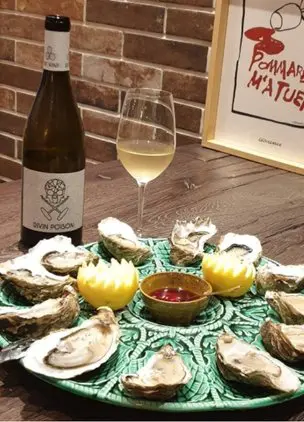
Paris Wine Bars Les Darons

Les Darons

Wine Bars
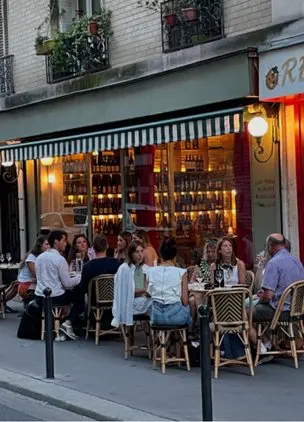
Les Darons carries the warmth that keeps neighbourhood rooms full. The space is compact and lively, bottles lining the walls and small French dishes moving steadily from the kitchen. The team knows the list well, guiding without over-explaining, and the evening settles into something easy and continuous.
Paris Wine Bars Les Enfants Du Marché

Les Enfants Du Marché

Wine Bars
Inside the Marché des Enfants Rouges, Les Enfants du Marché builds its energy quickly. People gather at the counter while the kitchen works through whatever the market has delivered that day. Plates arrive in rhythm, wine follows easily, and the whole place carries a kind of momentum that makes it easy to stay longer than planned.
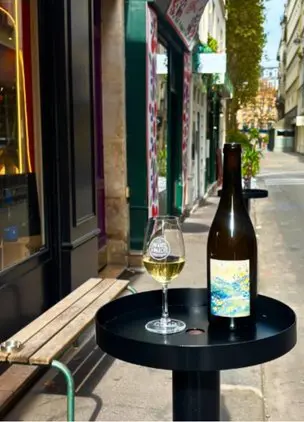
Paris Wine Bars Loustic Cave & Buvette

Loustic Cave & Buvette

Wine Bars
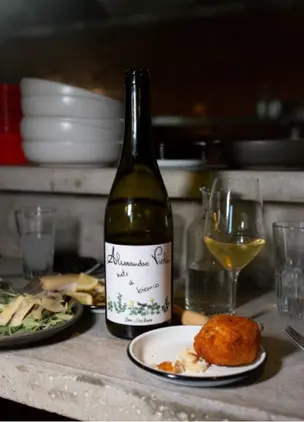
Loustic Cave & Buvette keeps things simple in the way good neighbourhood spots often do. The space is small, relaxed, and lined with bottles, with staff guiding rather than directing. Plates are straightforward, built for grazing, and the room moves at an easy pace where one glass becomes another without much notice.
Paris Wine Bars Bambino

Bambino

Listening Bar, Wine Bars
Bambino sits somewhere between a wine bar, a listening bar, and a late-night room that doesn’t fully settle. Vinyl spins while bottles move across crowded tables, and the pace builds as the evening stretches on. It leans louder and younger, but still holds onto a sense of balance that keeps it from tipping too far.
Paris Wine Bars Frenchie Bar à Vins

Frenchie Bar à Vins

Wine Bars
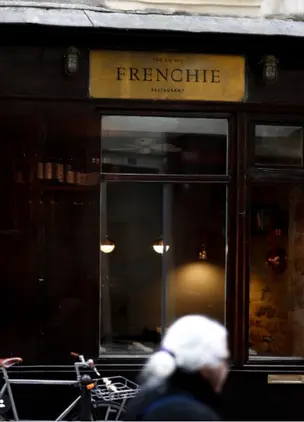
Frenchie Bar à Vins helped shift the tone of smaller wine rooms in Paris. The space is tight and always moving, with a focused menu of plates and a wine list that goes well beyond the expected. People gather around the counter, glasses appear quickly, and the energy builds without losing its sense of control.
Paris Wine Bars La Buvette

La Buvette

Wine Bars
La Buvette feels alive the moment you step in. The room is tiny, bottles stacked behind the counter, people leaning in with glasses already in hand. French wines lead, with simple plates of charcuterie, cheese, and small bites moving between the bar and the tables. It’s informal, a little crowded, and built on that close, shared energy that defines evenings here.
Best Places To Eat In Paris Vivant 2

Vivant 2

Best Places to Eat
Vivant 2 is a small, energetic dining room where the kitchen works with real freedom. The menu shifts constantly, guided by the seasons and whatever feels right in the moment. There’s a looseness to the room, but it never feels unconsidered, with good wine moving easily between tables and a crowd that settles in quickly. It’s the kind of place where everything comes together without needing to be explained.
Best Places To Eat In Paris Au Rêve

Au Rêve

Best Places to Eat
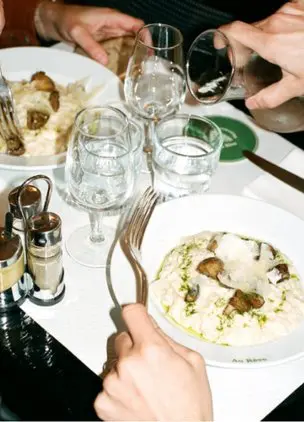
Au Rêve leans into classic French cooking with a younger crowd filling the room. It’s lively and close-packed, the kind of place where glasses are topped up and the evening stretches without much notice. The kitchen stays rooted in tradition, while the atmosphere shifts around it, giving the whole place a sense of movement that feels very current.
Best Places To Eat In Paris Chez Georges

Chez Georges

Best Places to Eat
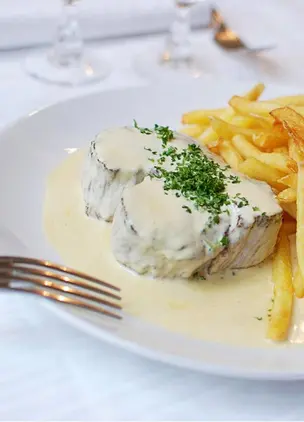
Chez Georges feels unchanged in the best way. Upstairs above the Bourse, the room is tight, traditional, and full of character, white tablecloths, rich sauces, steak au poivre, proper desserts. It holds onto a version of Paris that still carries weight, where the experience is built on consistency rather than reinvention.
Best Places To Eat In Paris Café les deux Gares

Café les deux Gares

Best Places to Eat
Café Les Deux Gares brings a sharper edge to classic bistro cooking. The room is lively, slightly crowded, and always in motion, with tables turning quickly and the atmosphere building as the evening settles in. The menu leans traditional, but the execution stays precise, and the wine list keeps things moving well beyond dinner.
Best Places To Eat In Paris Arcane 17

Arcane 17

Best Places to Eat
Arcane 17 is a small, focused restaurant where attention stays firmly on the food. The tasting menu moves through the seasons with precision and care, but the room never becomes overly formal. There’s a quiet confidence to it, where detail does the work without drawing attention to itself. It suits those who prefer something more measured, where the experience builds gradually.
Best Places To Eat In Paris Stock

Stock

Best Places to Eat
Le Stock sits just steps from the Bourse and moves easily between relaxed lunches and livelier evenings. The kitchen leans Mediterranean, working with seasonal produce and fuller flavours, while the room shifts gradually as the night builds. Music comes up, tables fill, but the balance holds. It’s a place that carries both sides of the day without needing to separate them.
Best Places To Eat In Paris Osteria Goto

Osteria Goto

Best Places to Eat
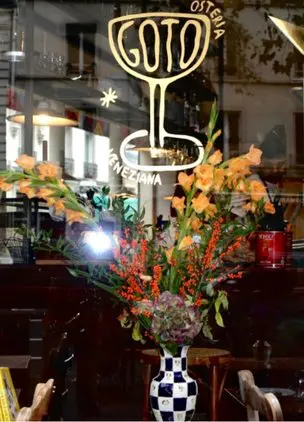
Osteria Góto feels like a neighbourhood room you arrive at naturally. Inspired by Venetian cicchetti, the menu moves through small plates, natural wines, and Italian classics handled with a lighter touch. Lunch stays simple and seasonal, while evenings stretch into longer meals built around sharing and conversation. It holds a steady rhythm that feels easy to settle into.
Best Places To Eat In Paris Early June

Early June

Best Places to Eat
Early June keeps its kitchen in motion, handing it over to different chefs throughout the year. Each residency brings a new menu and a subtle shift in energy, but the room itself remains consistent, compact, focused, and quietly attentive. It’s a place people return to, not for familiarity, but for the sense that something has changed just enough.
Best Places To Eat In Paris OTTO

OTTO

Best Places to Eat
OTTO is a smaller, low-lit room where French cooking meets Japanese influence with restraint. The space stays tight and controlled, with much of the menu coming from the charcoal grill and built for sharing. Music sits low in the background, never pushing the room, just holding it. The overall effect is quiet but deliberate, a place that reveals itself more the longer you stay.

Areas to Know

Paris doesn’t separate itself in obvious ways. One street can feel polished, the next more lived-in, and the shift happens quickly without much warning. Neighbourhoods carry their own pace, but they’re closely tied together, cafés, shops, and dining rooms all sitting within the same rhythm. You don’t need to go far to feel the difference. It’s less about covering ground, and more about noticing how the city changes as you move through it.

Paris Travel Guide Le Marais

Le Marais (3rd/4th Arr.)

Le Marais carries a certain polish, but it doesn’t feel fixed. Streets move between galleries, shops, and smaller cafés that sit just out of view. It’s in the in-between moments where it settles, a table taken without planning, a quiet courtyard, a street that slows unexpectedly. Come earlier in the day or midweek when the pace softens. It holds more when you’re not trying to see everything at once.

Canal Saint-Martin (10th Arr.)

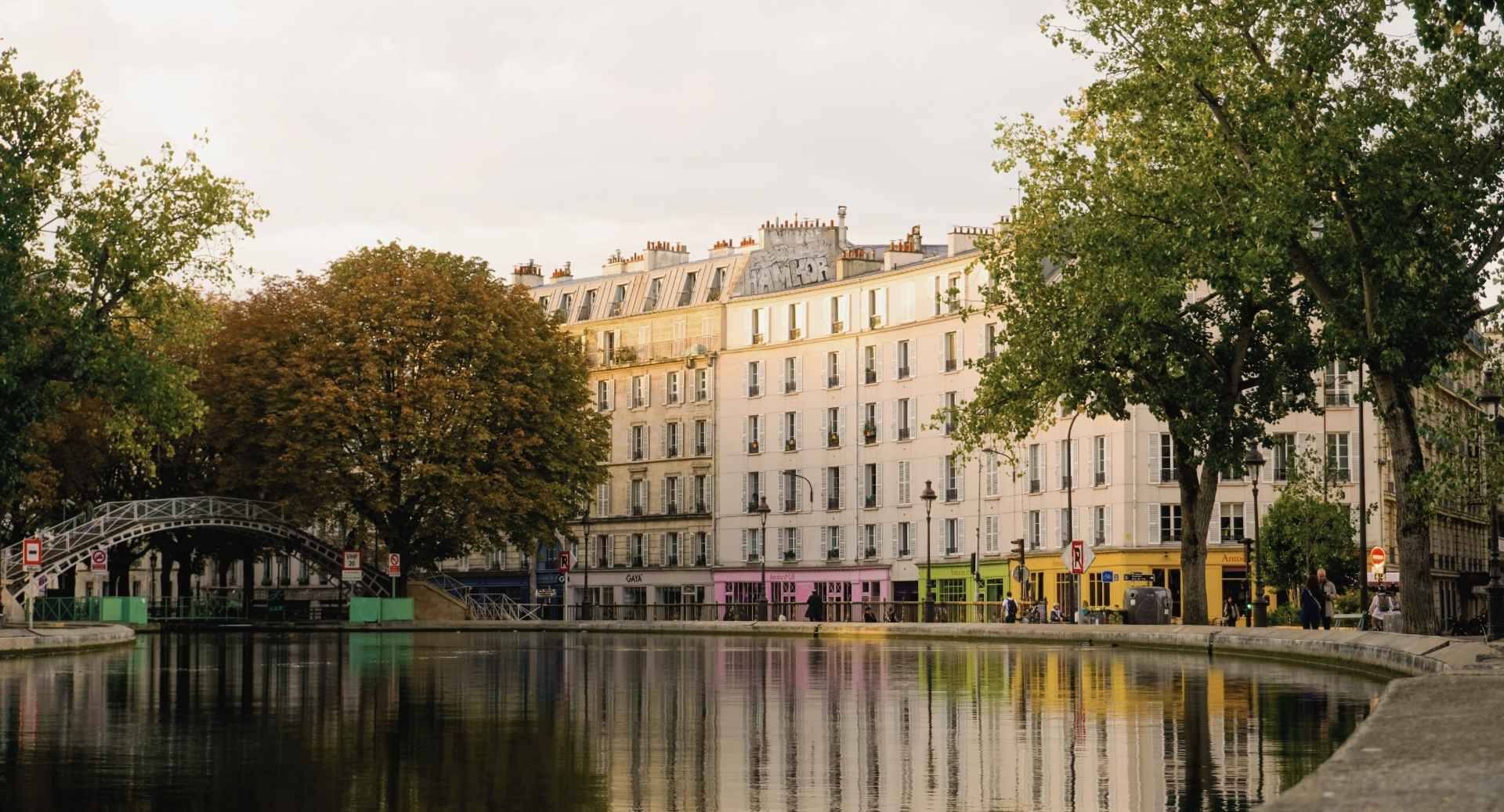
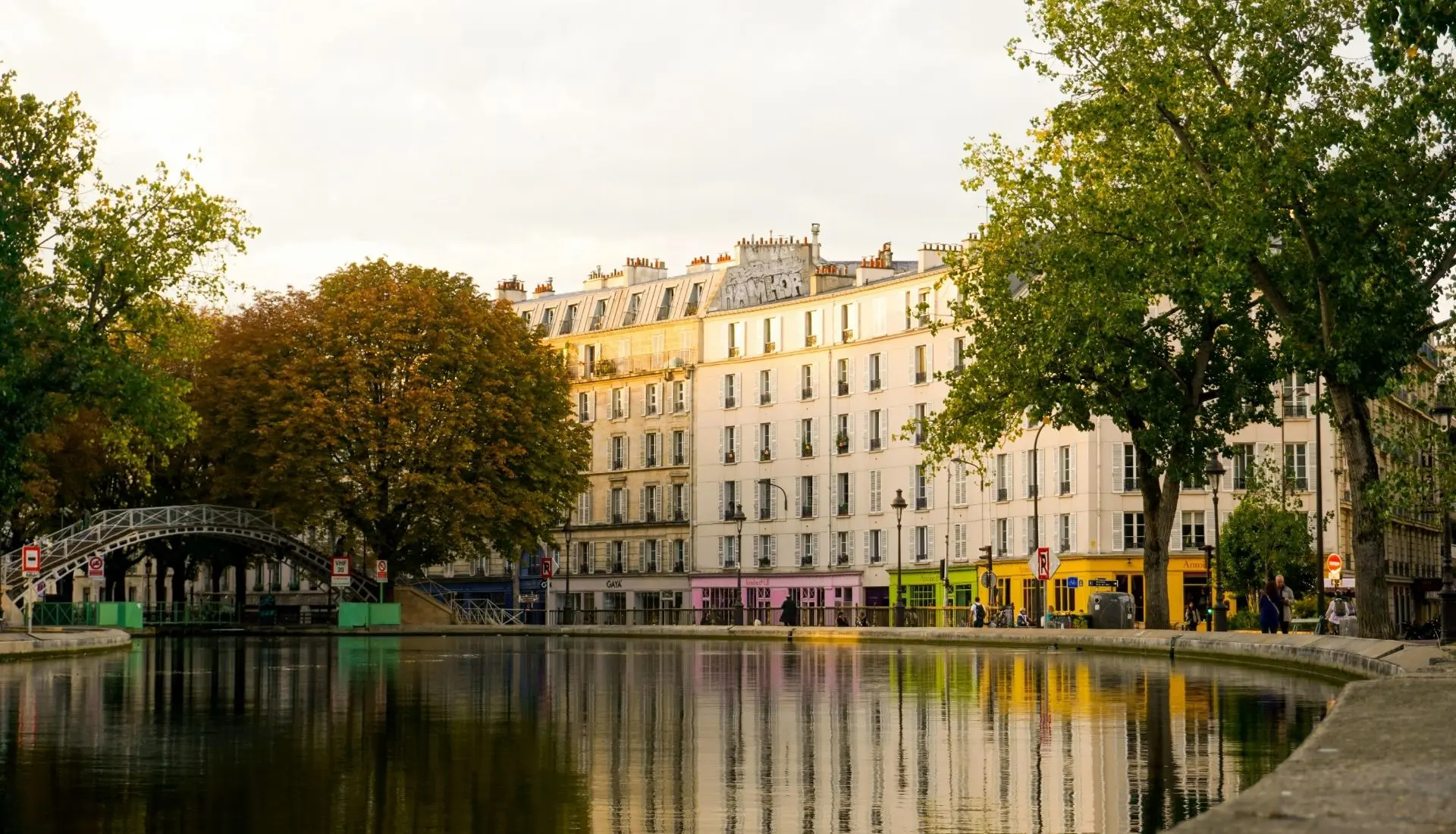
Canal Saint-Martin moves more loosely. Mornings begin slowly along the water, boulangeries opening, people taking their time. The streets carry a mix of older shopfronts, wine bars, and smaller spaces that feel slightly less resolved. It doesn’t try too hard, and that’s what makes it work. You don’t need a plan here, just time to move through it properly.

Paris Travel Guide Canal Saint-Martin
Hotels in Paris left bank

Left Bank

The Left Bank keeps a different rhythm. Less immediate, more settled, shaped by routine rather than movement. Bookshops, cafés, and quieter streets sit alongside each other without much need to change. Move beyond the main routes and it softens further, small squares, older façades, places that feel unchanged. It suits slower days, when you’re not looking for much beyond somewhere to sit and stay.

Explore More City Escape Destinations

How do you get around Paris?
Paris is easy to explore without a car. The Metro connects almost everywhere, and walking often reveals more than any route map can. Buses and bikes make short trips simple, and taxis or rideshares are easy to find when you need them.
Spring and autumn are ideal. The weather is mild, parks are in bloom or turning golden, and the city feels alive without the summer crowds. Winter brings soft light, long dinners, and fewer visitors.
Three or four days gives a good first impression, but a week or more lets you settle in and see the city’s rhythm. Paris rewards time, mornings in cafés, afternoons that drift, and evenings that stretch into conversation.
For classic Paris, stay in Saint-Germain-des-Prés or Le Marais. For creativity and edge, try South Pigalle or Canal Saint-Martin. The Left Bank offers calm elegance, while the Right Bank brings energy and modern design.
It can be, but it depends where you look. You can find great food, style, and hospitality at every level. Bistro menus, local wine bars, and small design hotels often feel more special than the luxury spots.
Varied and full of character. Traditional bistros still thrive alongside natural wine bars, chef-led spots, and neighbourhood bakeries that define daily life. Paris cooks with confidence, not trend.