The Revel Stay Logo

Amsterdam Travel Guide: Hotels, Restaurants, and Neighbourhoods

A city of bikes, boats, and time that moves differently

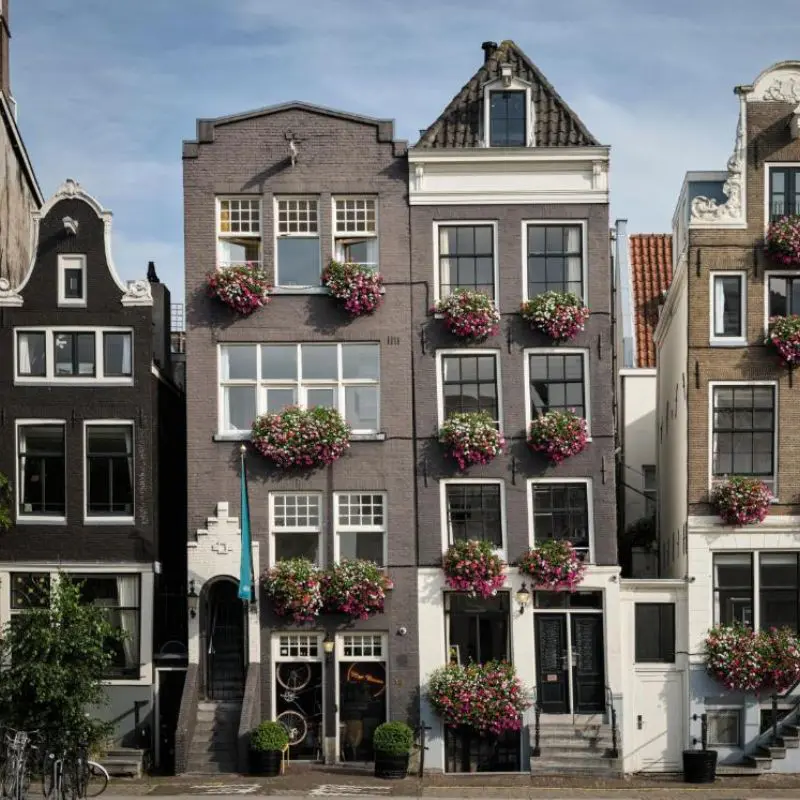
Amsterdam has a rhythm that finds you before you find it. Bicycles move constantly through the streets, people heading somewhere, while boats pass steadily along the canals and terraces fill whenever the light allows it. The city is easy to enter but takes longer to understand. This Amsterdam travel guide shares where to stay in Amsterdam, along with the best hotels, restaurants, and neighbourhoods, each chosen for how they connect to that rhythm, local, consistent, and shaped by everyday life.

Mornings start early, coffee, bread, the first movement through the streets. By afternoon, the city opens up, terraces fill, and the pace shifts. Evenings don’t build dramatically, they extend. Amsterdam isn’t about chasing moments. It’s about settling into them and staying longer than planned.

where to stay in amsterdam

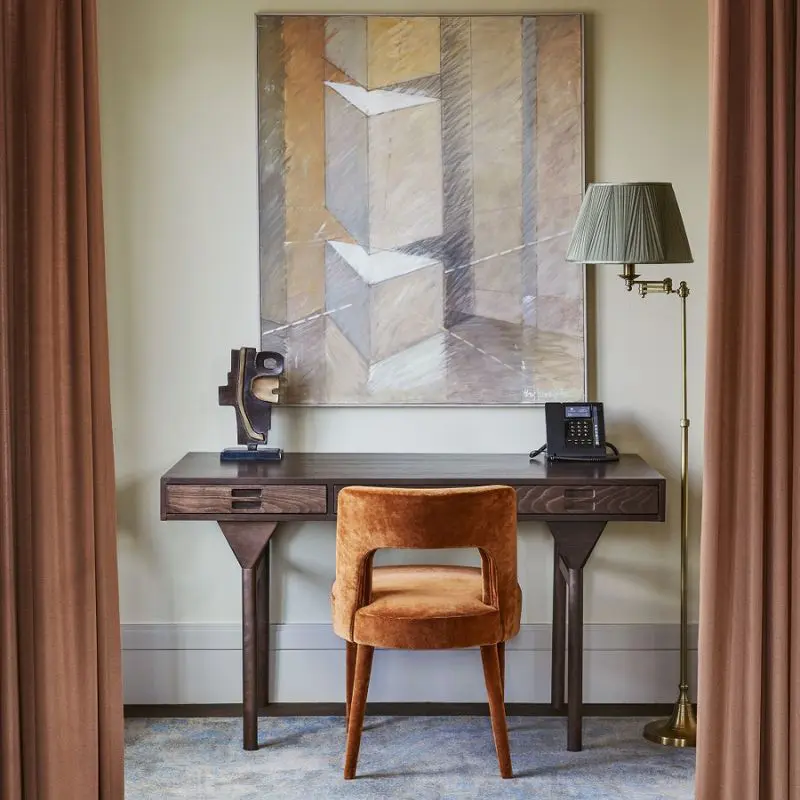
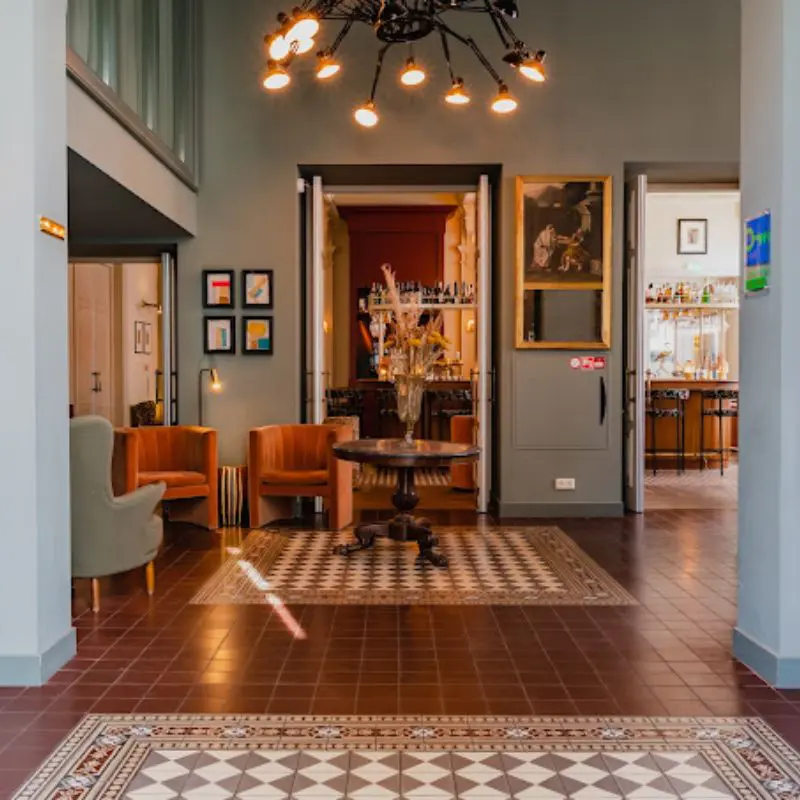
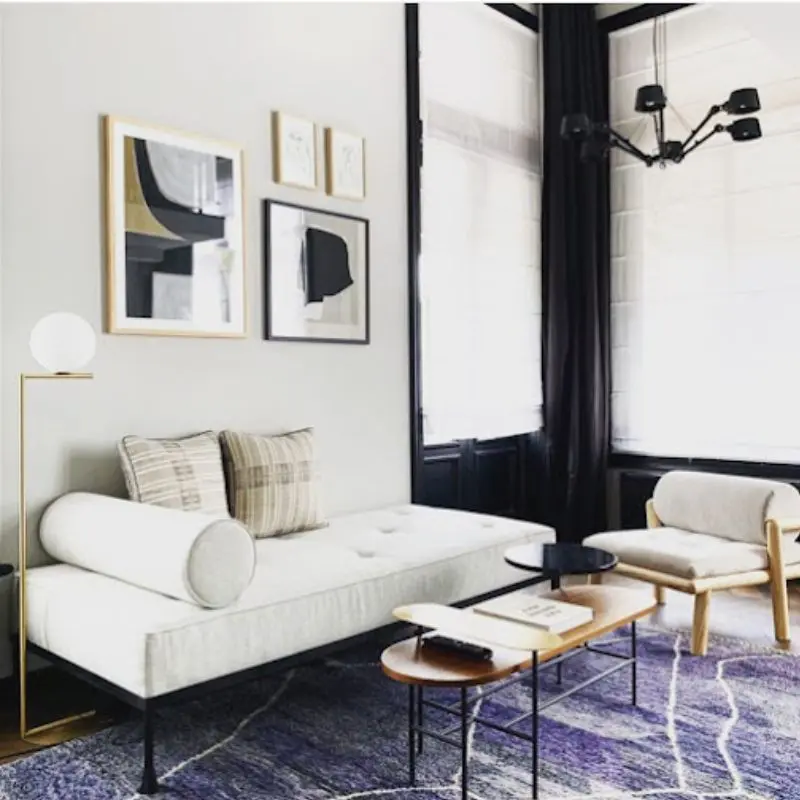
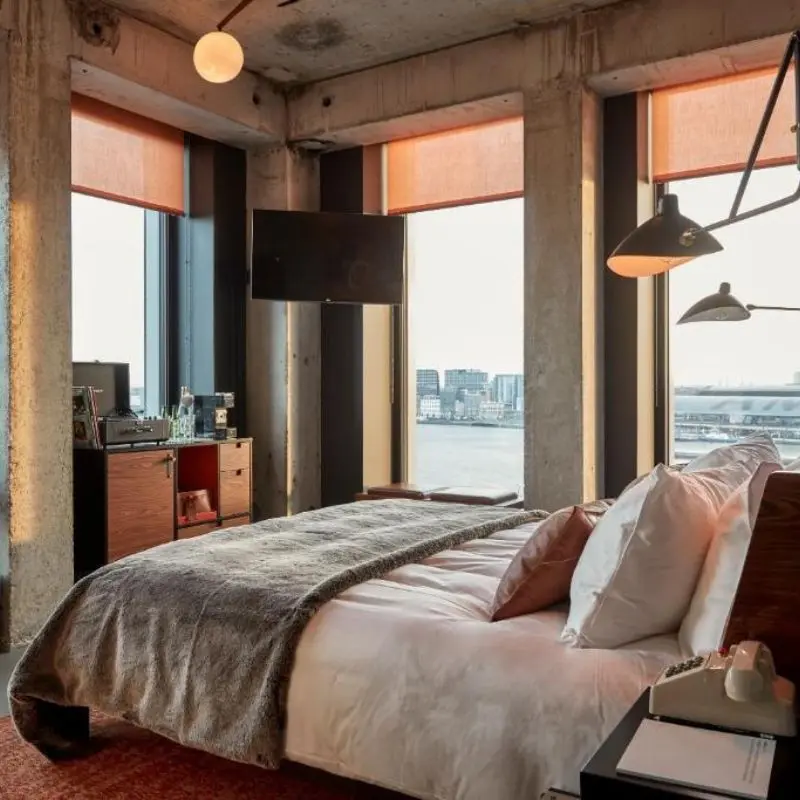
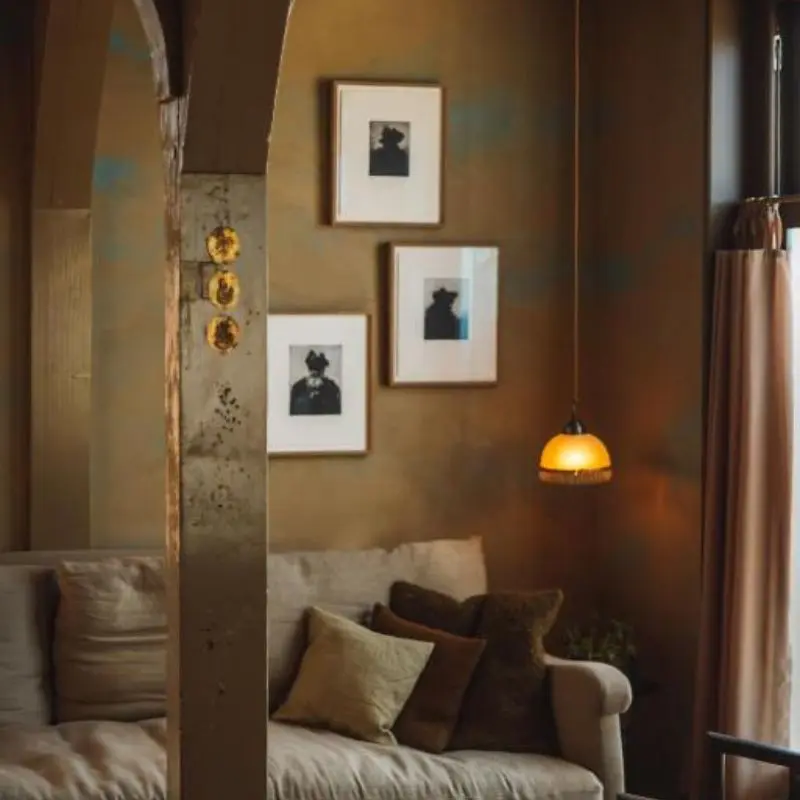
Where you stay in Amsterdam shapes how the city opens up. Some areas move constantly, others settle into a slower, more local rhythm. The best hotels in Amsterdam understand that difference. They are shaped by their surroundings, by light, material, and how the neighbourhood actually functions, not set apart from it. Choose well and the city feels easy to move through. Choose poorly and you spend your time working against it.

Where to Eat and Drink in Amsterdam

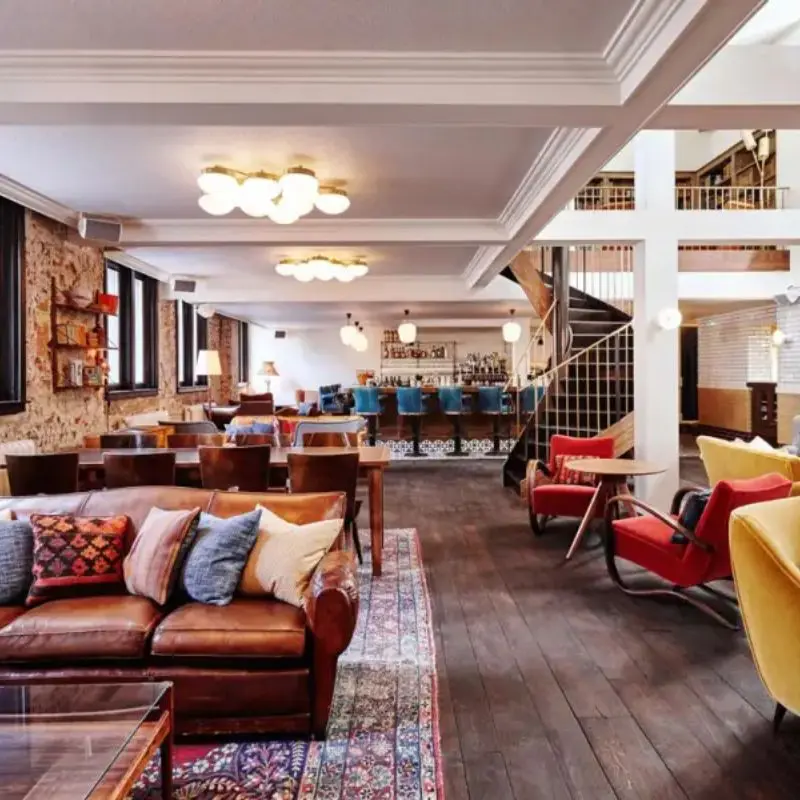
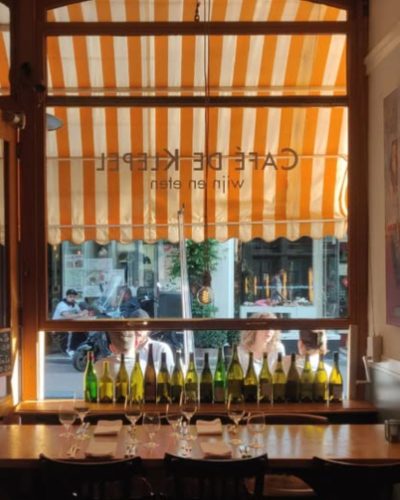
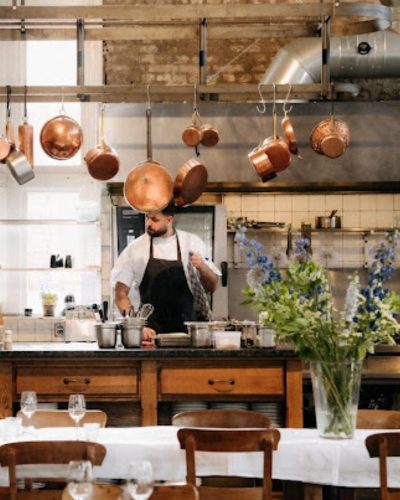
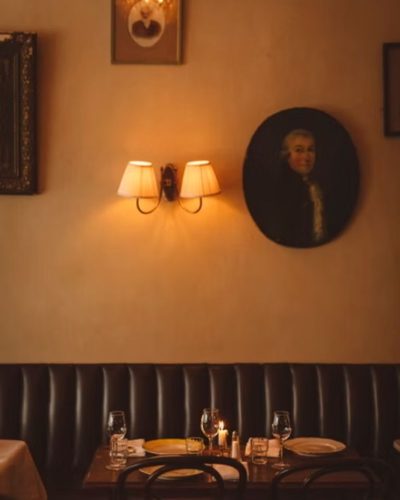
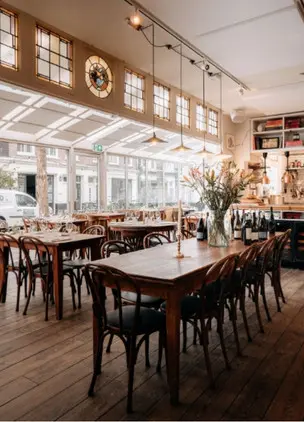
Amsterdam’s food scene is as creative and soulful as the city itself. From neighborhood favorites to destination dining rooms, the best restaurants in Amsterdam balance craft, atmosphere, and a quiet kind of confidence. Local ingredients meet global inspiration, dishes follow the seasons and place, and every table holds its own rhythm. These are the spots that define how the city eats, considered, connected, and always full of character.

Areas to Know in Amsterdam

The best neighbourhoods in Amsterdam each reveal a different side of the city. From the cultural pull of Westerpark to the industrial edge of NDSM and the quieter rhythm of the Nine Streets, every area carries its own pace while still feeling part of the same whole. Cafés, galleries, and canals sit close together, forming a city that reveals itself gradually through where you choose to spend your time.

Amsterdam Travel Guide

Westerpark

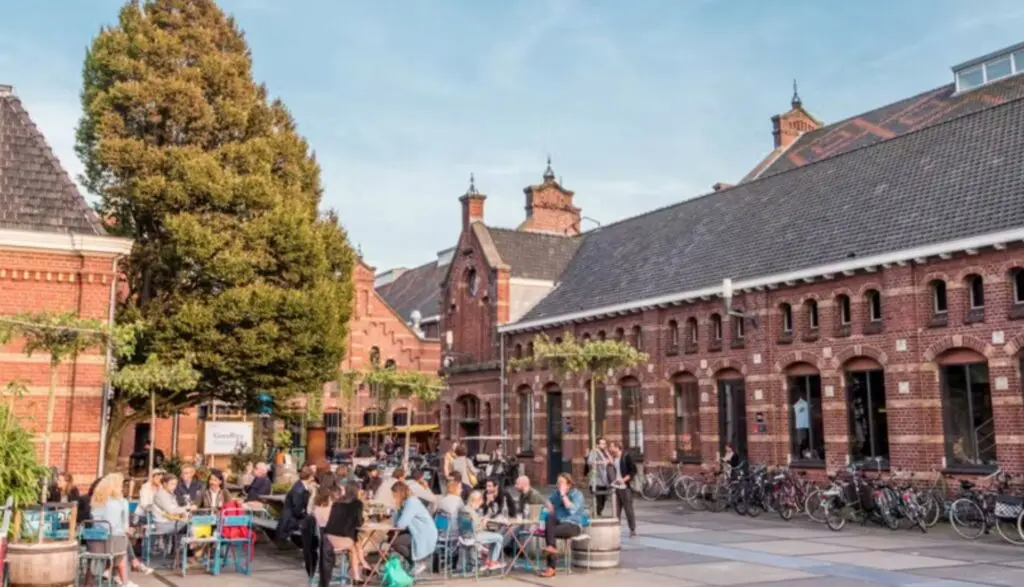
Westerpark captures Amsterdam’s creative pulse. Once an industrial quarter, now a haven for designers, makers, and dreamers, it is where the city’s modern rhythm takes shape. Converted warehouses hum with cafés and studios, while the park hosts open-air markets, installations, and food gatherings that feel both local and alive. Mornings begin with coffee by the water; evenings stretch into golden hours spent with friends beneath string lights. It is a neighbourhood that embodies what Amsterdam does best: community, creativity, and effortless cool.

NDSM Wharf

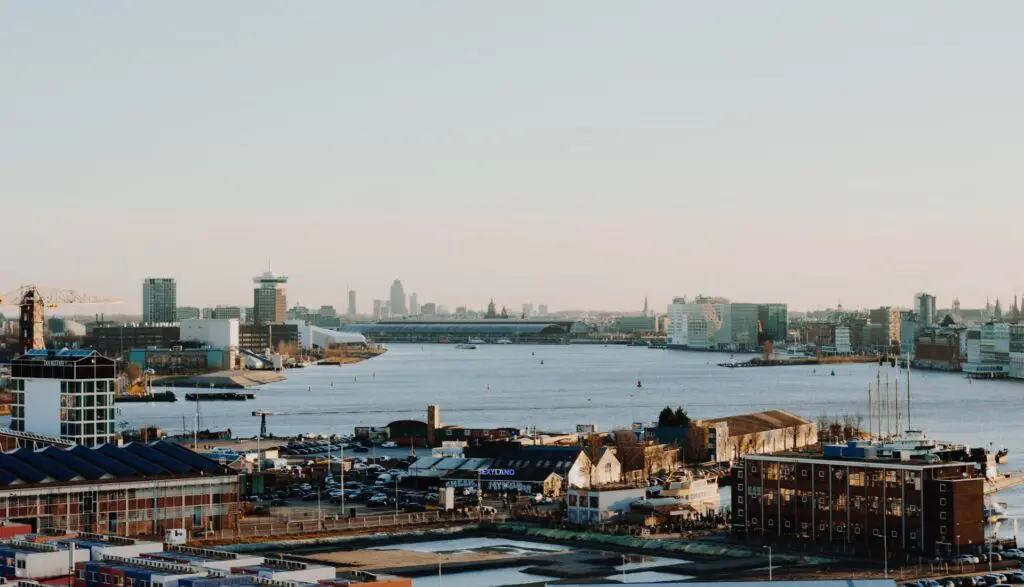
Across the IJ River, NDSM Wharf reflects Amsterdam’s fearless side, raw, artistic, and full of invention. Once a shipyard, it is now a creative playground where street art covers steel walls and studios spill onto the waterfront. The ferry ride over sets the tone, a moment of pause before entering a world of murals, pop-up restaurants, and open-air events. Here, the city’s experimental spirit thrives, bold and unapologetically local, the kind of place that keeps Amsterdam moving forward without losing its soul.

Amsterdam Travel Guide

Negen streets (the nine streets)

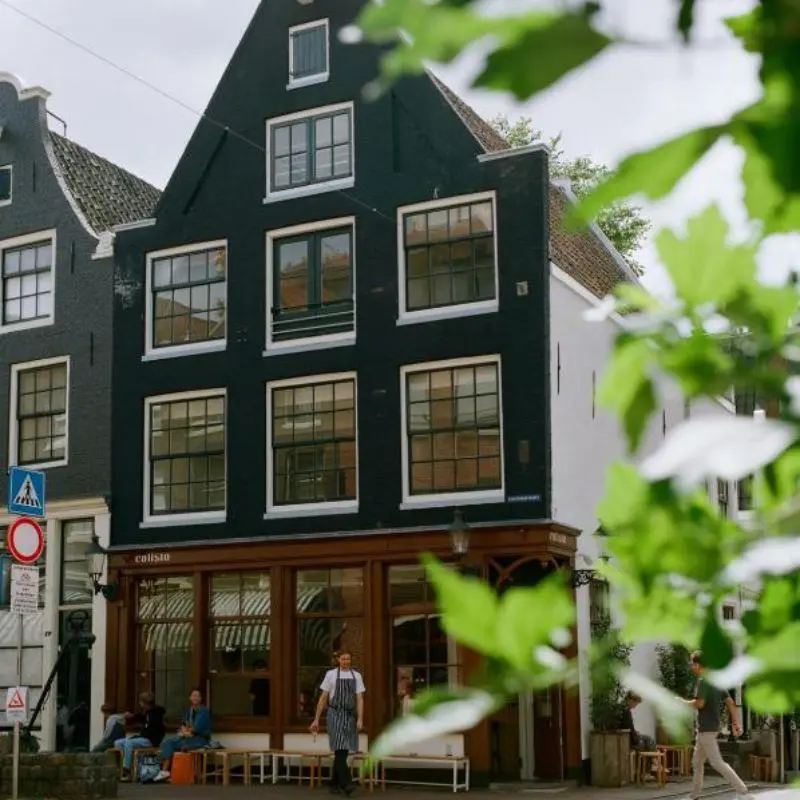
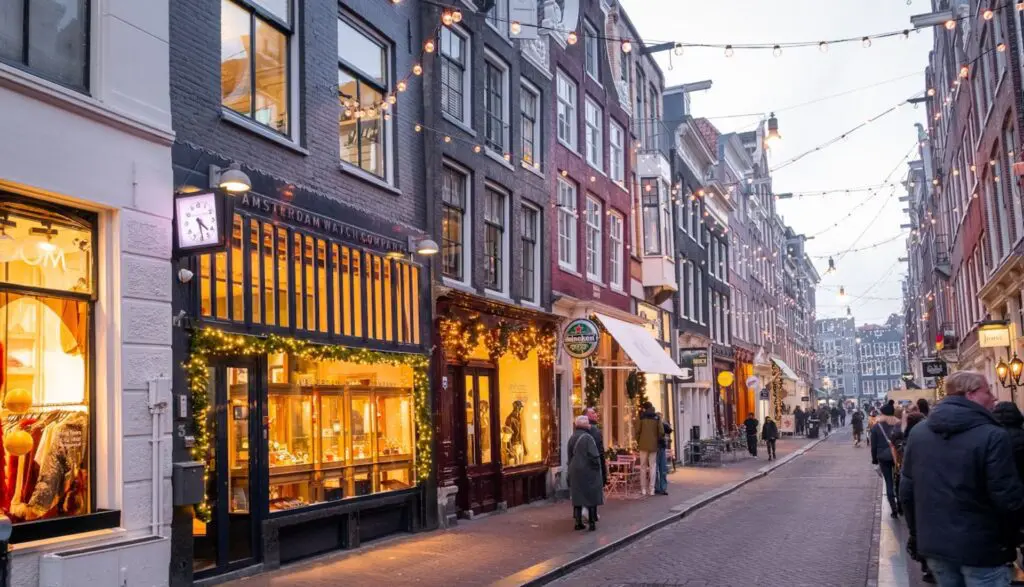
The Nine Streets distil everything we love about Amsterdam: intimate, design-minded, and quietly stylish. Between the historic canals, cobbled lanes weave through boutiques, ateliers, and corner cafés, each one a small story of craftsmanship and care. It is a neighbourhood made for wandering, where espresso breaks turn into slow afternoons and window displays feel like art. The Nine Streets hold the essence of the city itself, beautiful, human, and always in rhythm with the everyday.

More destinations

PARIS TRAVEL GUIDE

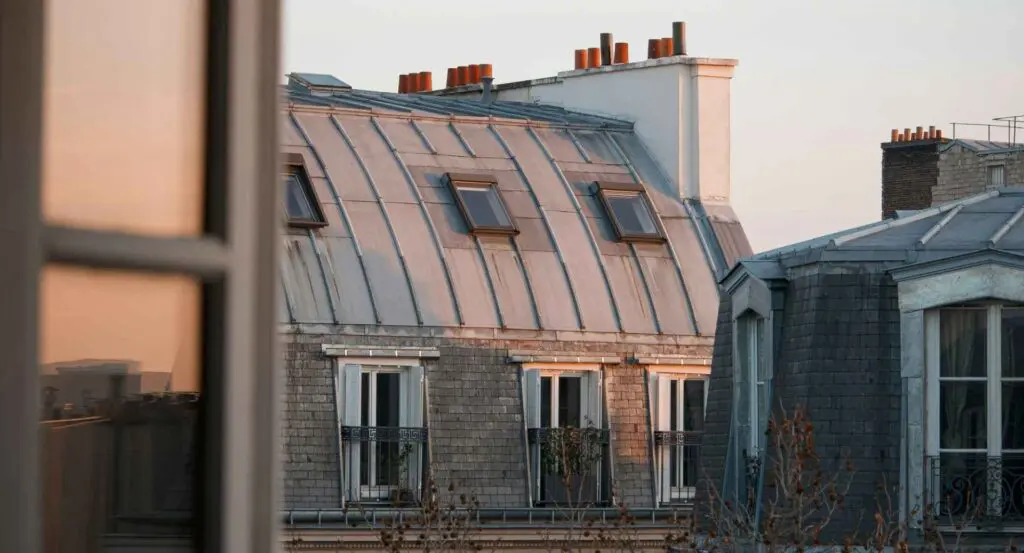
We love Paris for everything that happens between the highlights. The neighbourhood cafés, late dinners, galleries down side streets, and design that feels effortless rather than styled. It’s creative, romantic without trying, and full of moments that stay with you long after you leave.

LONDON TRAVEL GUIDE

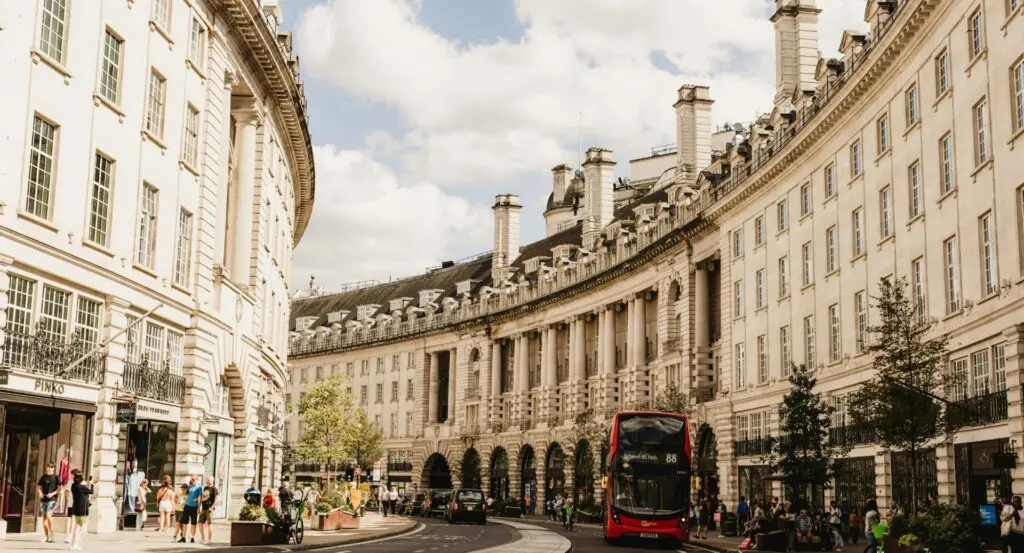
London rewards curiosity. Each area has its own mood, from local pubs and wine bars to small restaurants doing exciting things quietly. It’s a city of substance as much as style, where design, food, and culture feel thoughtful, layered, and constantly evolving.

ROME TRAVEL GUIDE

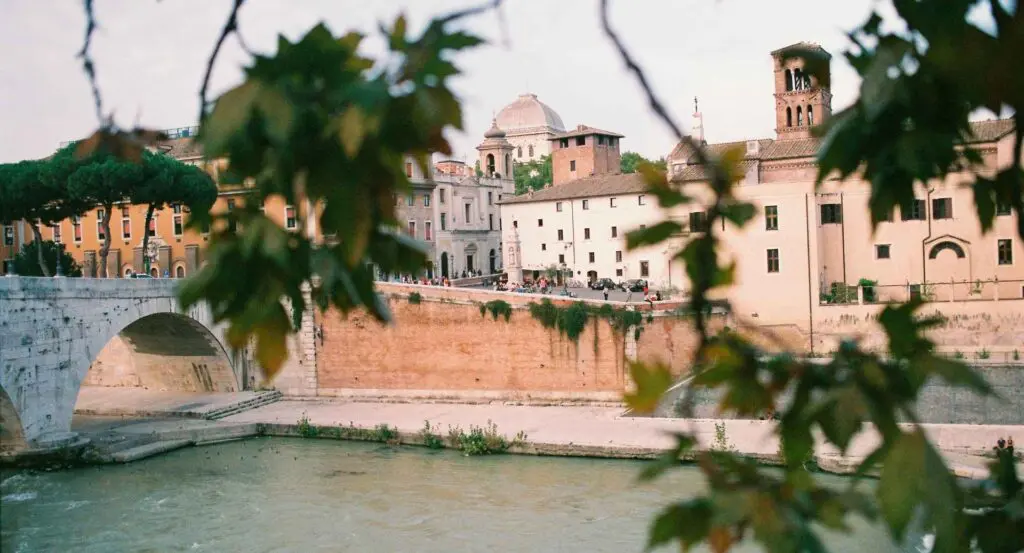
You’ll love Rome if you want a city that lives inside its history rather than around it. Days unfold between espresso bars, markets, and long lunches, with beauty built into the everyday. It’s layered, generous, and deeply human, a place where wandering always leads somewhere meaningful.

Lisbon Travel GUide

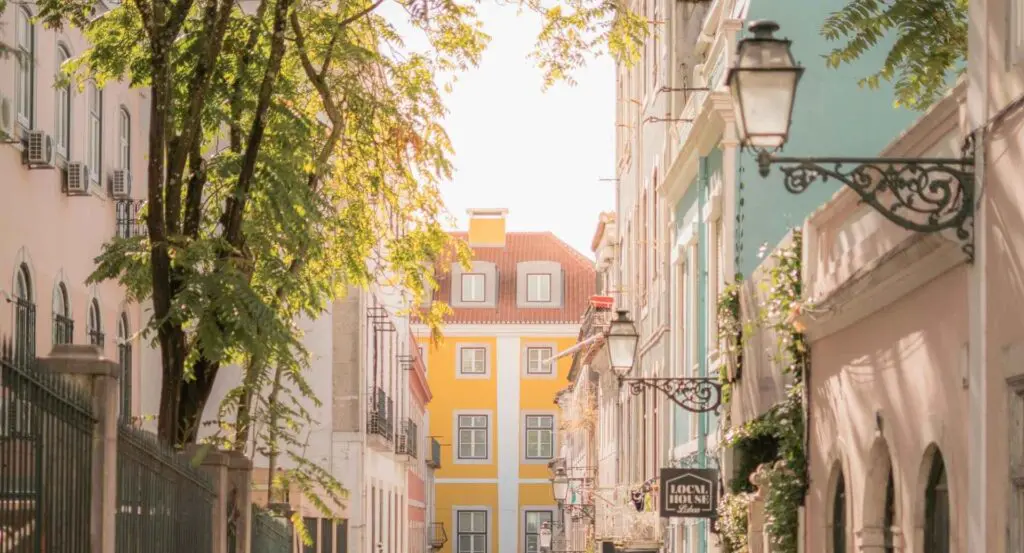
Lisbon moves on its own terms. Days stretch across hills, tiled streets, and sun-warmed terraces, shaped by seafood lunches and slow afternoons. There’s creativity everywhere, but it never feels forced. It’s warm, soulful, and easy to settle into without trying.

Staying In Amsterdam

FAQ: Amsterdam Travel Guide

When is the best time to visit Amsterdam?

Amsterdam is beautiful in every season. Spring brings tulips and new light, summer fills the canals with boats and long golden evenings, and autumn turns the trees to amber along the water. Winter feels intimate, all candlelit cafés and quiet streets reflected in the canals. Each season has its own rhythm; none are wrong.

Completely. The city is built for wandering, with bike paths and canals connecting every neighbourhood. Skip the car and explore on foot or by bike. It is the best way to experience Amsterdam’s calm, local pace.

For canal views and heritage, stay near the Nine Streets or Jordaan. For something more creative and local, explore De Pijp, Oud-West, or Amsterdam North. Each area has its own rhythm, full of small cafés, design shops, and moments of quiet away from the crowds.

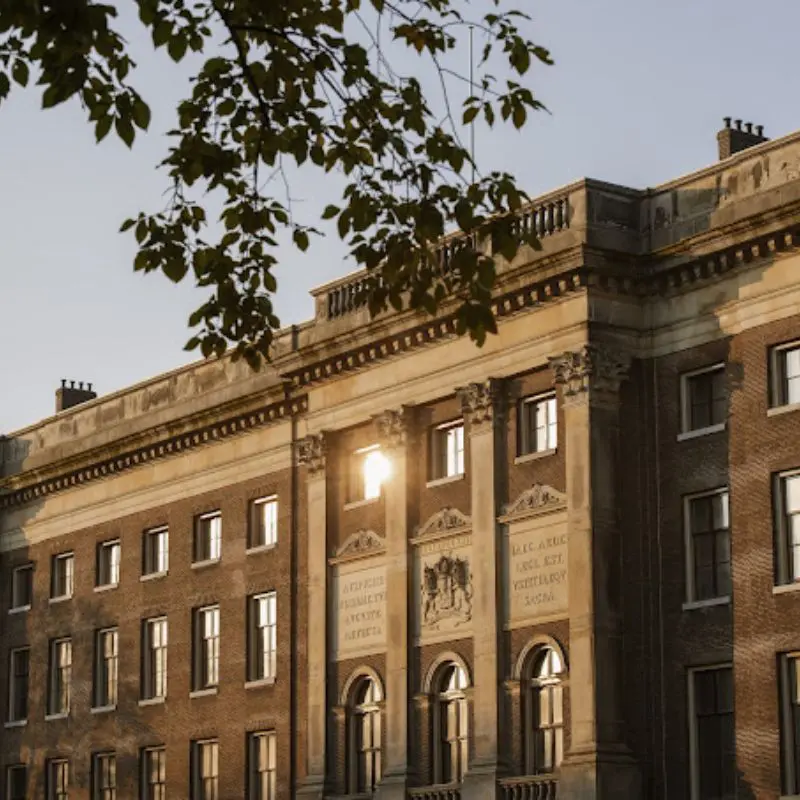
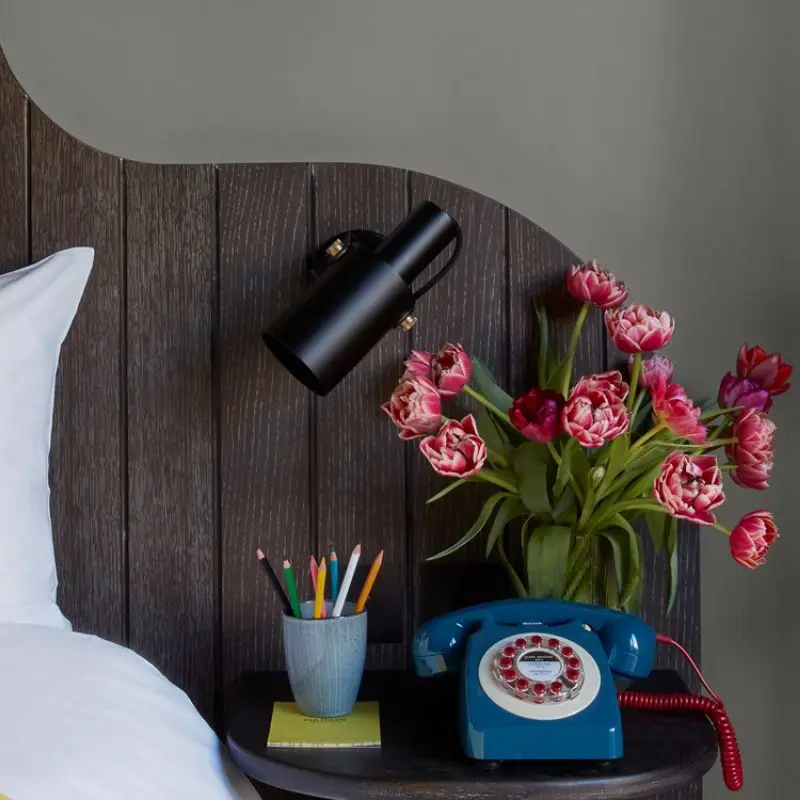
Amsterdam’s hotels blend design and soul. Many are housed in restored canal buildings where heritage meets understated modernity. Expect soft light, crafted spaces, and that distinct Dutch ease where comfort feels effortless and beauty feels natural.

Three days is ideal for a first visit, enough to see the city’s highlights and feel its pace. Stay longer if you can. With five days or more, you start to live like a local, lingering in neighbourhood cafés, exploring smaller museums, and finding your own rhythm by the water.

Because the city itself moves slowly. Mornings begin by the canals with coffee and quiet conversation. Afternoons drift through galleries and markets, and evenings settle into simple pleasures of good food, soft light, and time unhurried. Amsterdam invites you to pause, not rush.