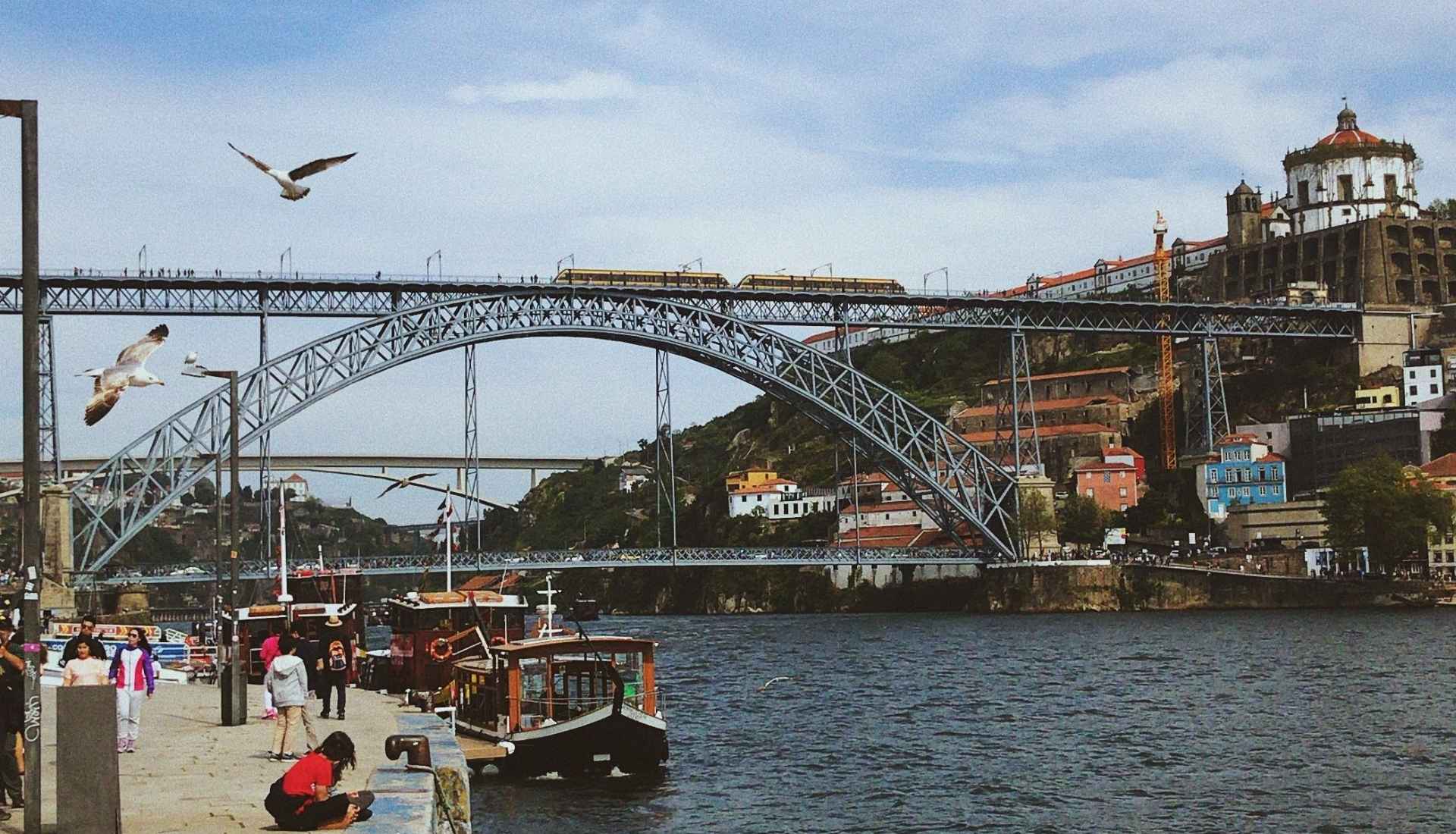
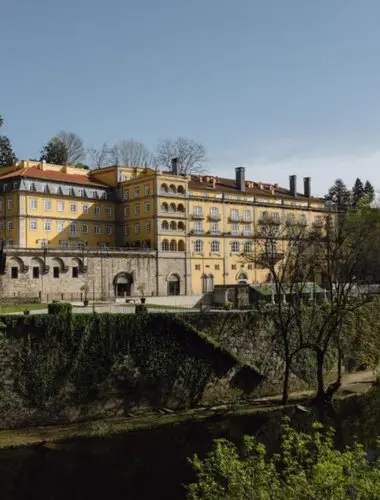
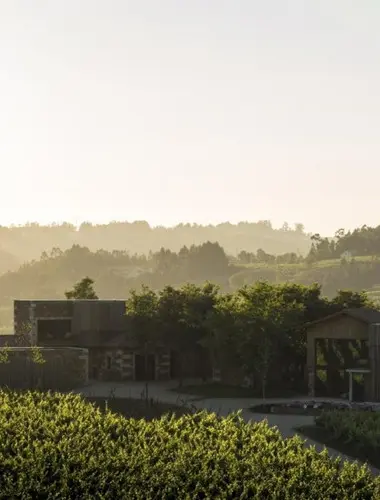
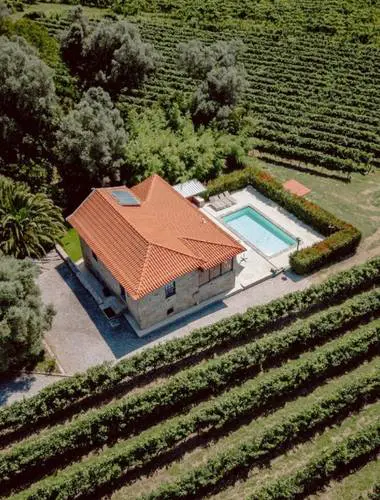
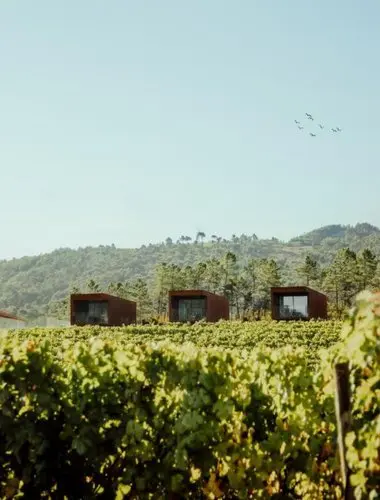
The Douro gives North Portugal its route, from Porto’s granite banks to schist vineyards inland. Stay in the city for galleries, old shops and steep walks to dinner. Move upriver when the quinta, cellar and landscape should fill whole days. Minho is wetter and greener, with vinho verde houses and granite farms around Braga and Ponte de Lima; Amarante provides a smaller river-town pause between them. Two or three bases allow each landscape to remain distinct.

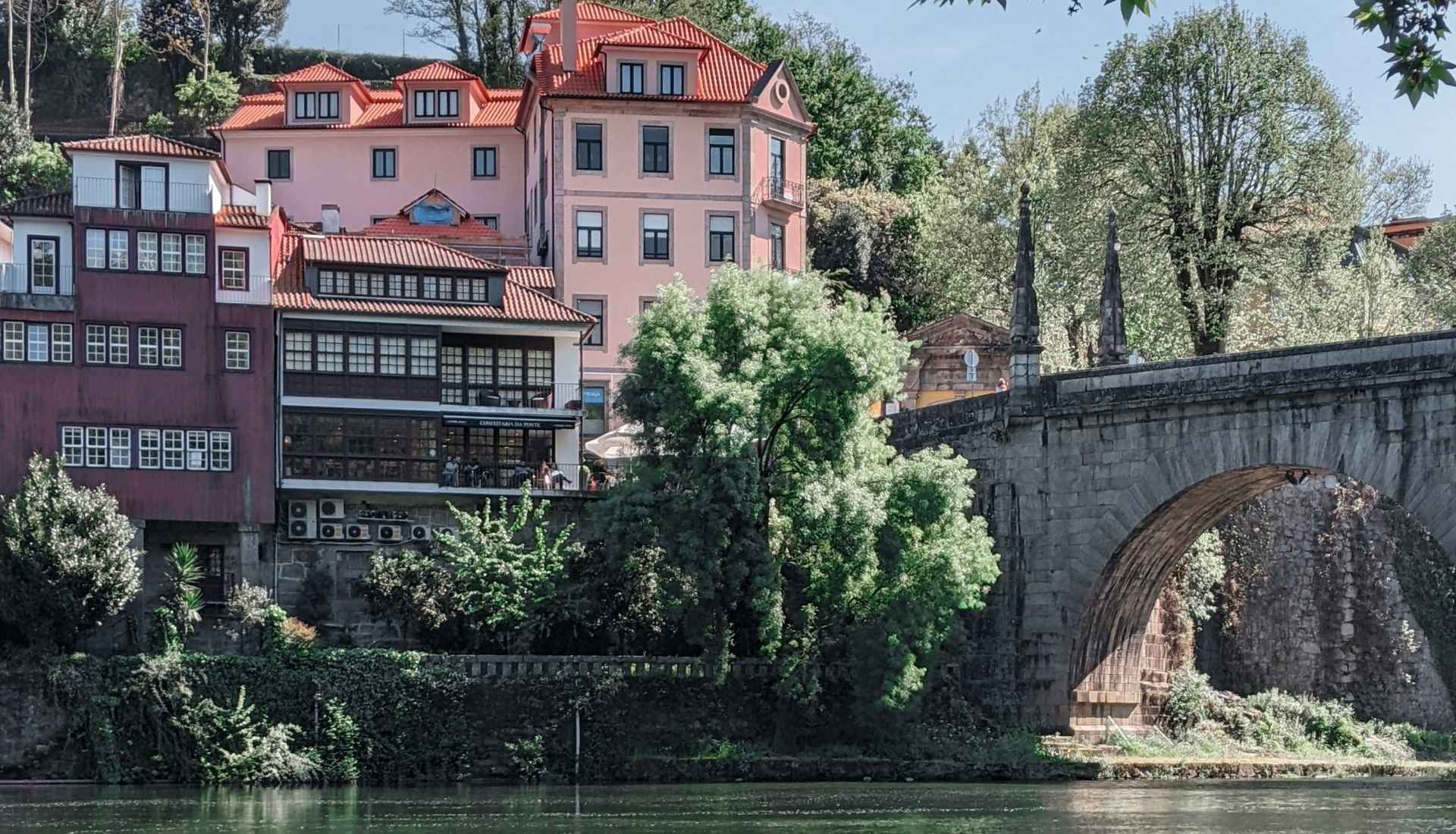
A river town of stone bridges, old confectioneries and vinho verde country within easy reach of Porto.

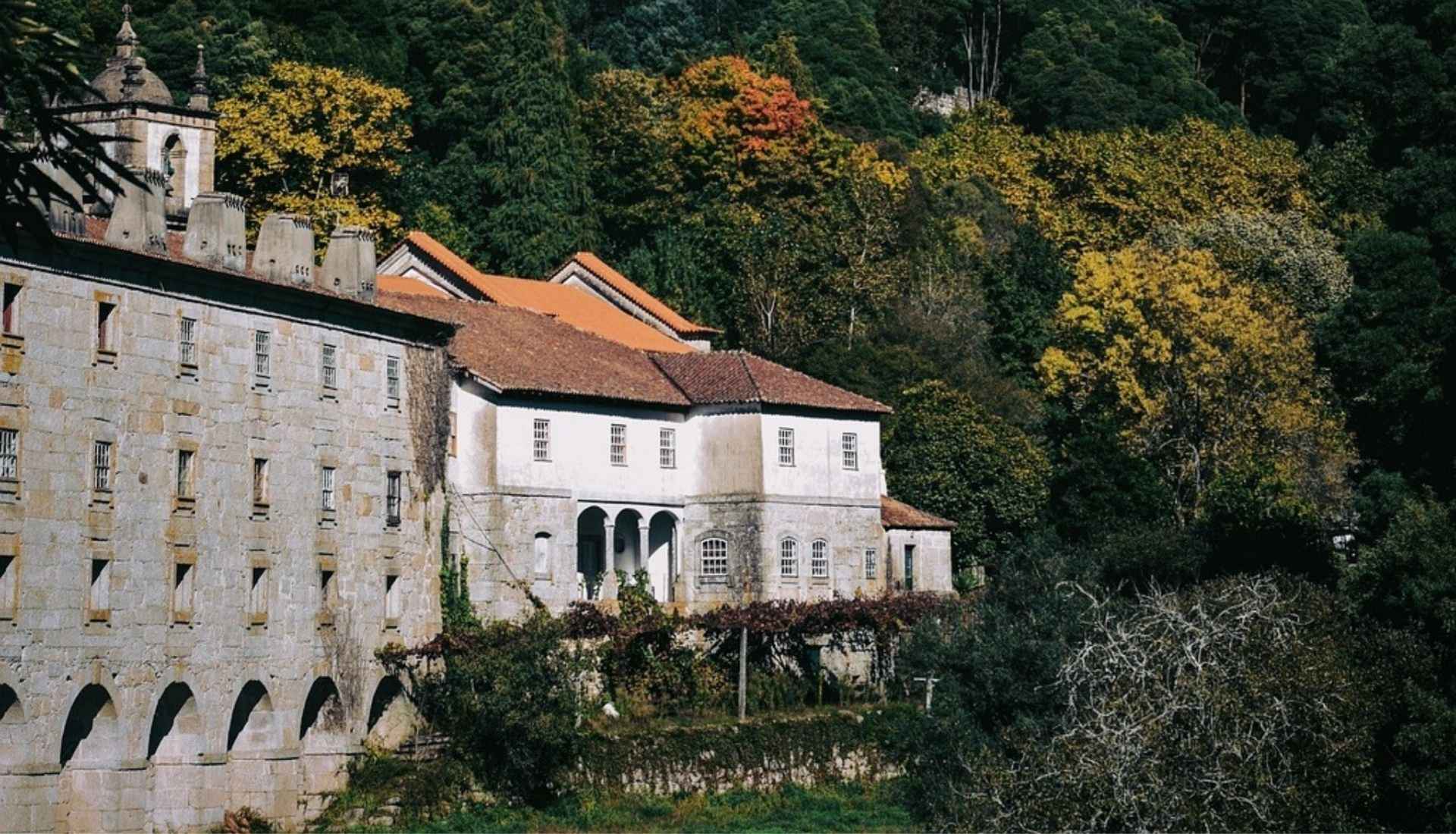
Granite farmhouses, vinho verde and a green northern landscape shaped by rain as much as sun.

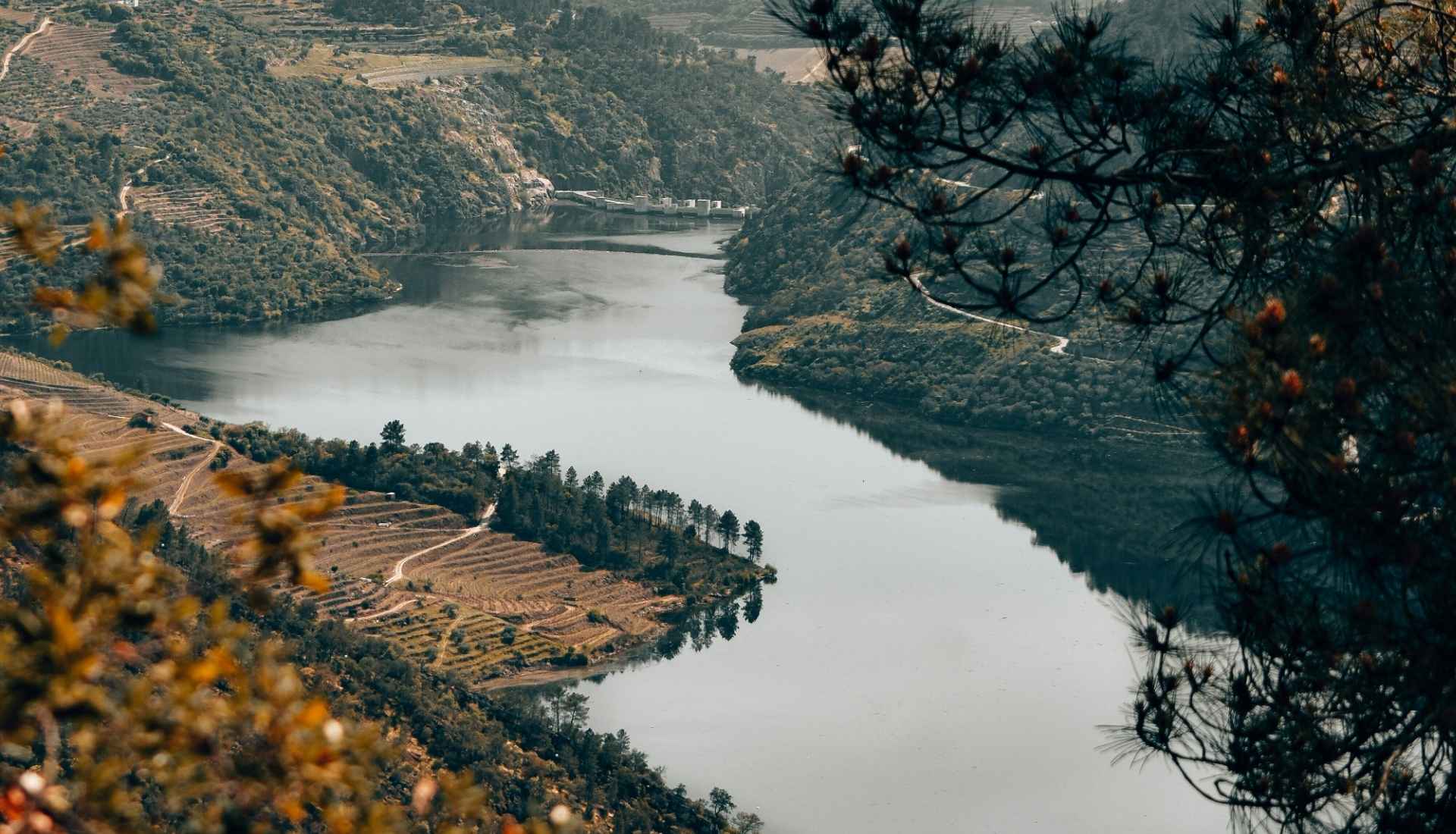
Schist terraces, working quintas and a river landscape built through generations of difficult labour.

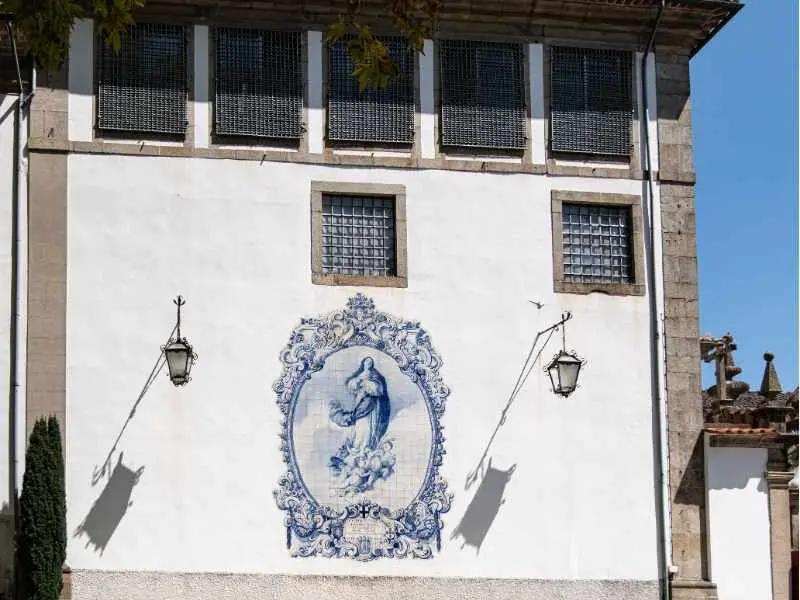
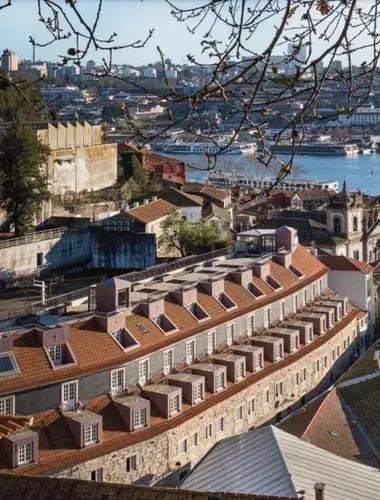
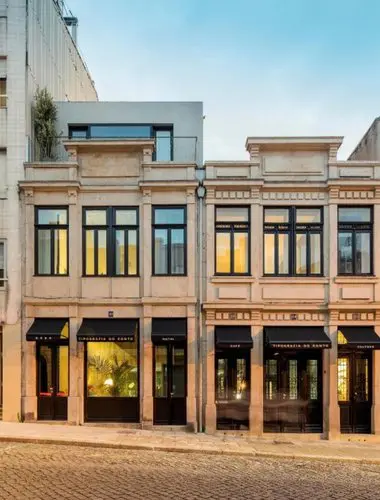
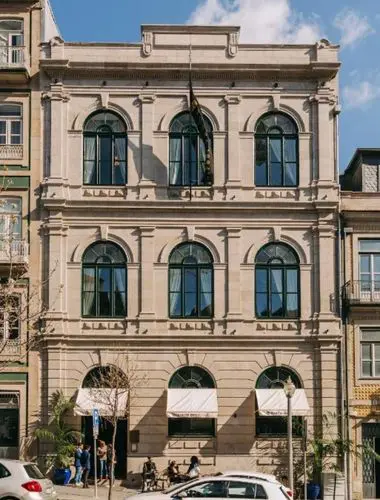
Granite streets, tiled façades and a river city built on trade, wine and difficult hills.
Begin with Porto if you want architecture, restaurants, galleries and several days without driving. Follow the river inland to the Douro when wine estates, cultivated landscape and time at the hotel should take over. Amarante offers a smaller town between those two worlds, while Minho opens a greener route through Braga, Ponte de Lima and vinho verde country. North Portugal works better as a sequence of distinct stays than as a region explored from one base.
A day trip shows you the river and a tasting room. Staying overnight reveals why the valley deserves more. Early mornings bring cooler vineyard walks, dinner can follow the wine produced outside and the terraces change completely once the day visitors leave. Two nights is enough to slow the journey down; three allows time for an estate, a river journey and somewhere such as Lamego. The Douro should feel like a destination, not the scenic section between Porto and lunch.
Porto is easier without one. In the Douro, the train follows the river beautifully but cannot solve the final climb to many quintas, which sit high above the line. A car provides greater freedom through Minho, Amarante and the vineyard roads, but those roads are narrow and demanding after dark. For wine-focused days, arrange a driver or stay somewhere offering tastings and dinner on the estate. The best route often combines rail, transfers and a car rather than depending entirely on one.
A quinta is the complete agricultural estate: house, cellar, vineyard terraces, olive groves, workers’ buildings and sometimes access to the river. The Best Quintas in the Douro Valley edit considers how that whole property is experienced through walking, food, architecture and time outdoors. Winery Hotels in the Douro Valley places greater weight on production, cellar access, structured tastings and the people making the wine. There is overlap, but one begins with the estate while the other begins with the bottle.
Choose Amarante for a compact river town with old confectioneries, historic hotels and vinho verde estates within easy reach. It works particularly well as a slower stop between Porto and the Douro. Minho requires more movement. Braga, Ponte de Lima, Peneda-Gerês and small vineyard houses are spread across a green landscape shaped by granite and rain. Amarante suits a short town stay. Minho deserves several days, a car and an interest in the north beyond its most famous river.
Five nights allows Porto and the Douro without reducing either to a rushed stop. Seven to ten creates room for Amarante or Minho, with fewer hotel changes and more time inside the estates themselves. Three nights in Porto followed by two or three in the Douro makes a strong first route. Add Minho when you can give it enough time for vineyard country, market towns and the road towards Peneda-Gerês. Trying to see the entire north through day trips from Porto misses most of what makes it distinct.
May, June, September and October offer the strongest conditions for combining cities, vineyards and time outdoors. September brings harvest activity to the Douro and vinho verde country, although working estates become busier. July and August can be intensely hot on the Douro’s exposed schist slopes, while Minho remains greener and less predictable. Cooler months suit Porto, manor hotels and spa stays, but shorter days and reduced vineyard activity make the countryside a quieter, more self-contained proposition.
For collaborations and enquiries
We use cookies to improve your experience and understand how the site is used. You can accept or manage your preferences at any time.