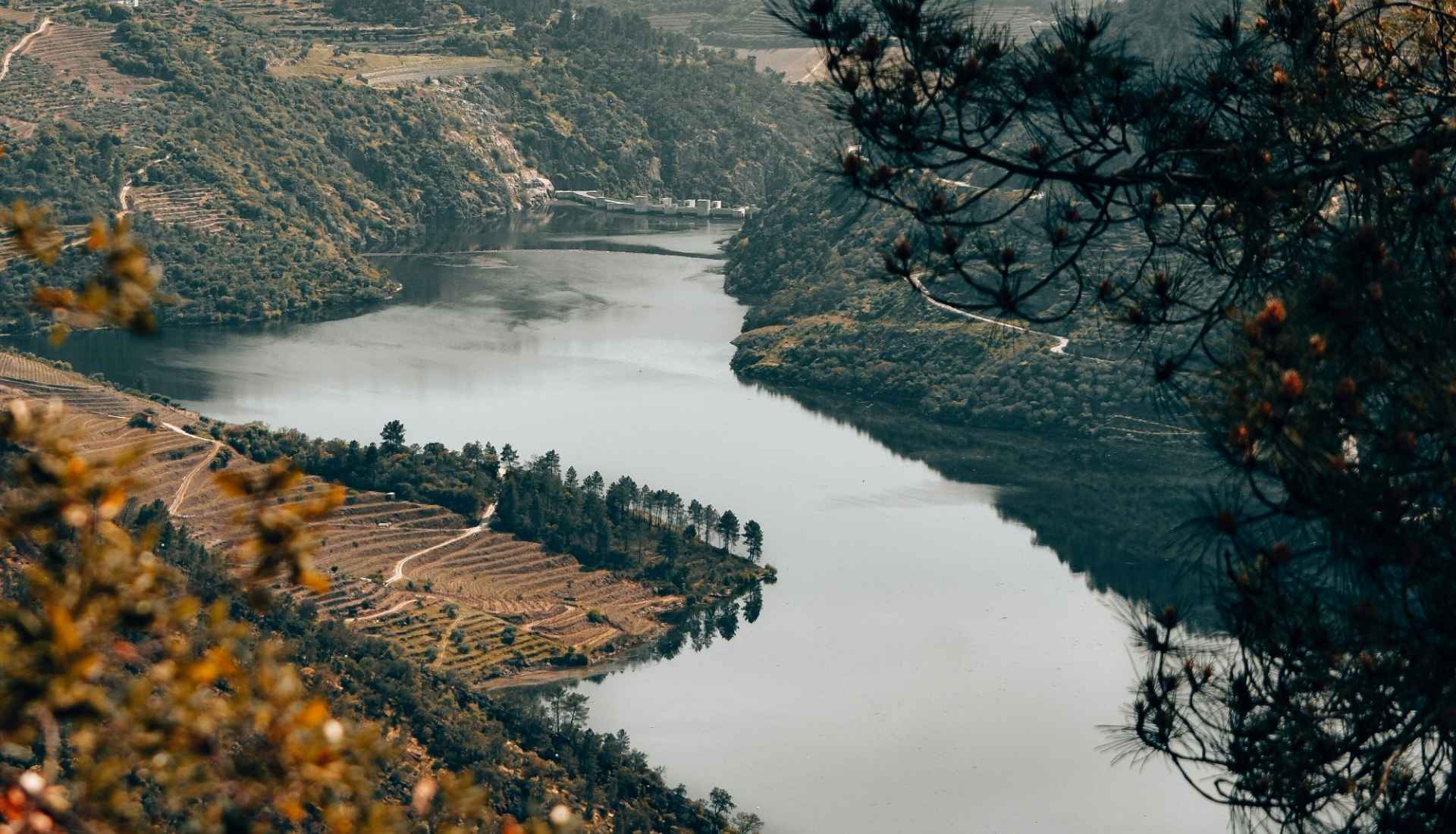
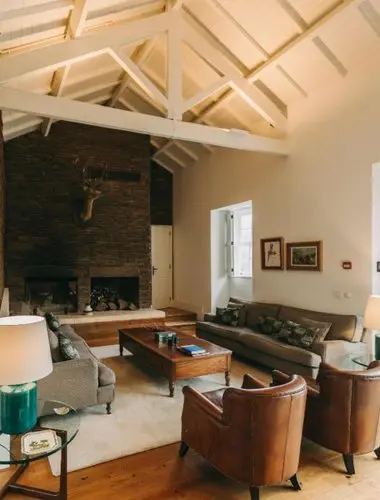
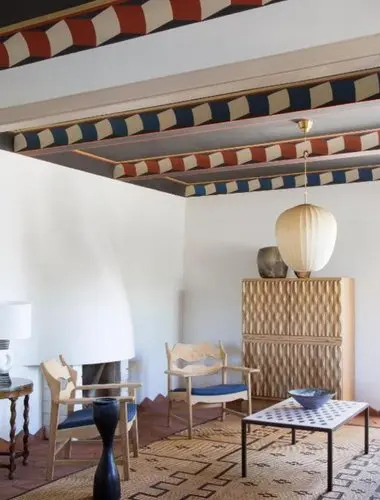
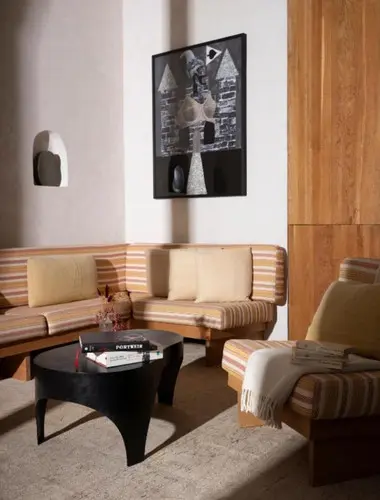
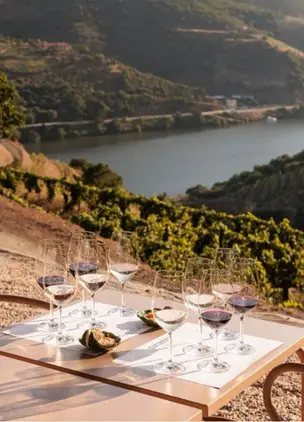
The Douro Valley is beautiful because it has been worked so intensely. Vines climb slopes that appear too steep for farming, held by kilometres of stone terraces and narrow roads that turn every short journey into a commitment. The river once carried barrels towards Porto in rabelo boats; today, trains, roads and hotel boats follow the same bends inland. Wine remains the organising force, but the valley is more than a tasting itinerary. Olive groves, market towns, manor houses and converted farm buildings give it depth beyond the cellar. Stay long enough to walk the estates, understand the land and see how dramatically the light changes across the schist.
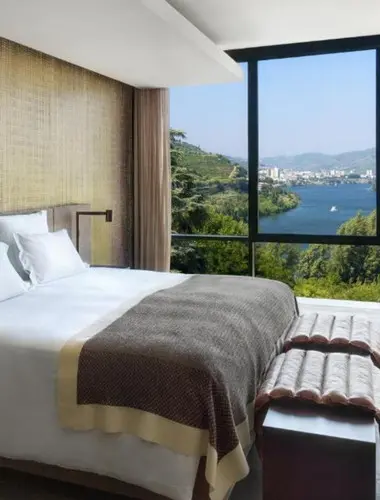
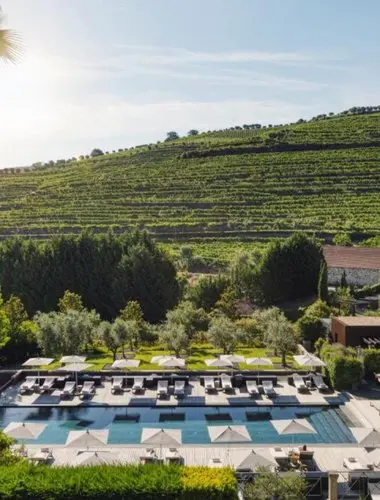
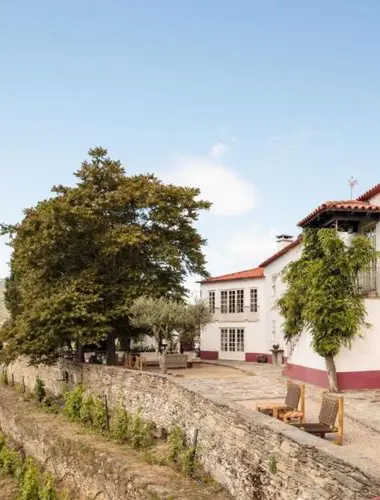
A day trip from Porto can show you the river, but it cannot explain the valley’s pace. Staying overnight allows the tour groups to leave, the heat to settle and dinner to unfold with the wine produced outside. The best hotels range from small working quintas to full-service spa retreats, giving travellers several ways to engage with the region. Some place the cellar and harvest at the centre; others use walking trails, regional cooking or nearby towns such as Lamego to broaden the experience. There is an older feeling to travelling here, particularly by train or river, but the landscape is not preserved scenery. It remains agricultural, productive and physically demanding.

Why stay here
Best for


Why stay here
Best for


Why stay here
Best for


Why stay here
Best for


Why stay here
Best for


Quinta Nova has more layers to it, vineyards, cellars, a small museum, different parts of the estate unfolding as you go. It’s been worked for generations, and you get a sense of that over time rather than all at once. It’s one of the best wineries in Douro Valley if you want a fuller picture of how the region operates.
The Douro Valley places wine, estates and cultivated landscape at the centre of the trip. Evenings are quieter, distances are greater and much of the experience takes place within the hotel or quinta. The Revel Stay guide to Porto follows the river back to the city, where galleries, restaurants, granite streets and the port lodges of Gaia provide more movement and variety. Choose the valley for vineyard time and slower days. Choose Porto for culture and evenings on foot. Combining both reveals how the river connects the place where the wine is grown with the city that carried it into the world.

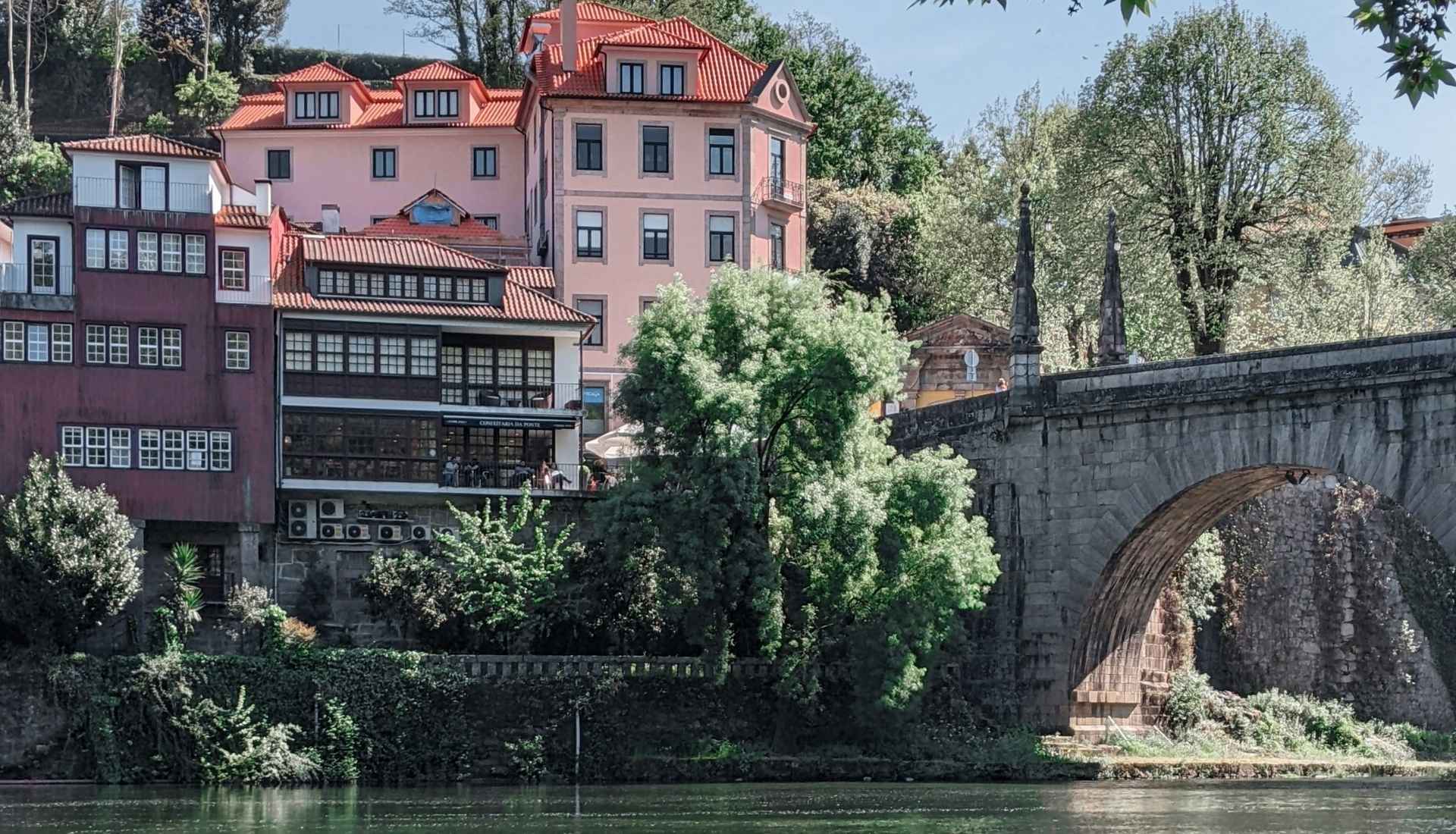
A river town of stone bridges, old confectioneries and vinho verde country within easy reach of Porto.

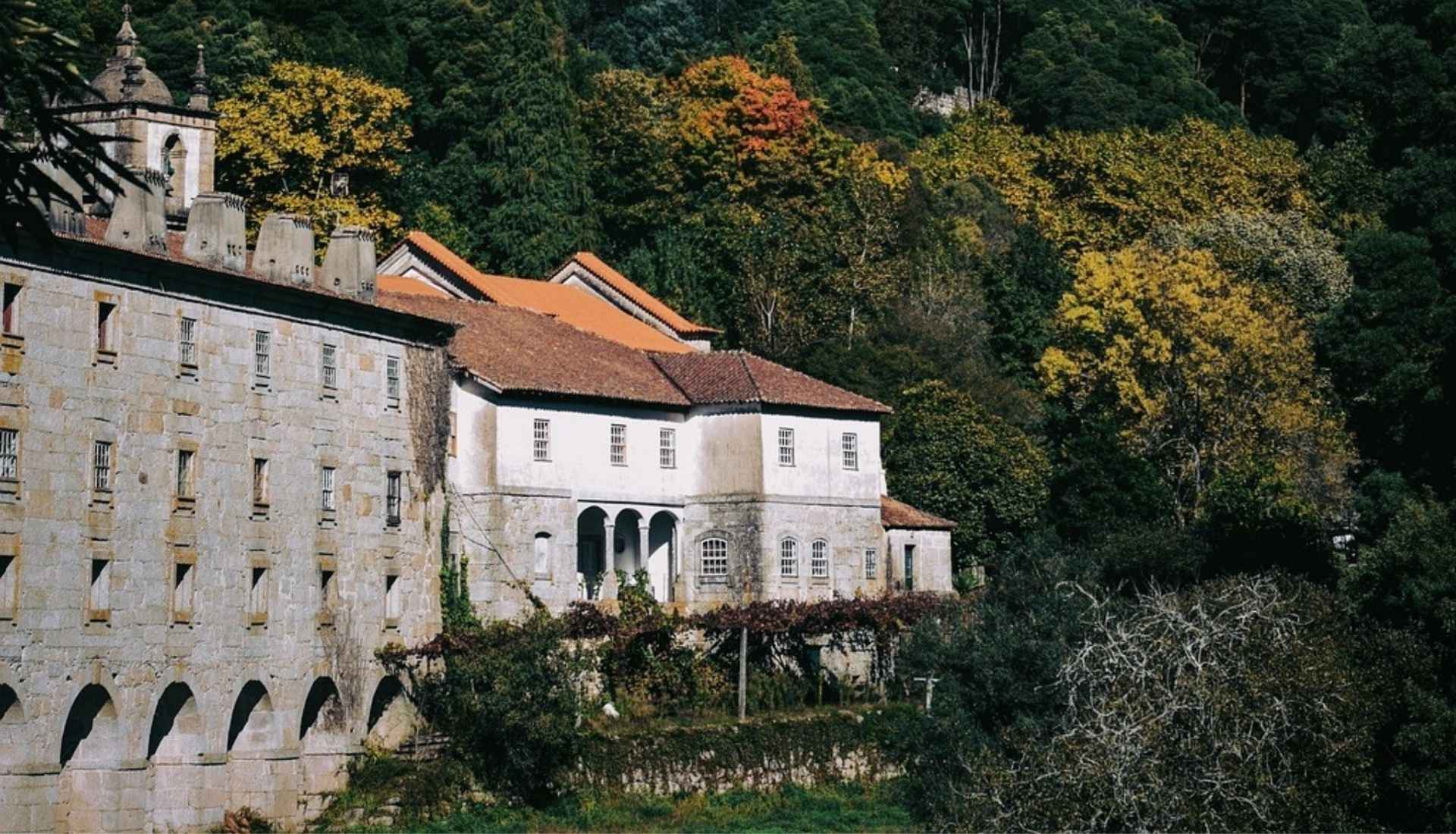
Granite farmhouses, vinho verde and a green northern landscape shaped by rain as much as sun.

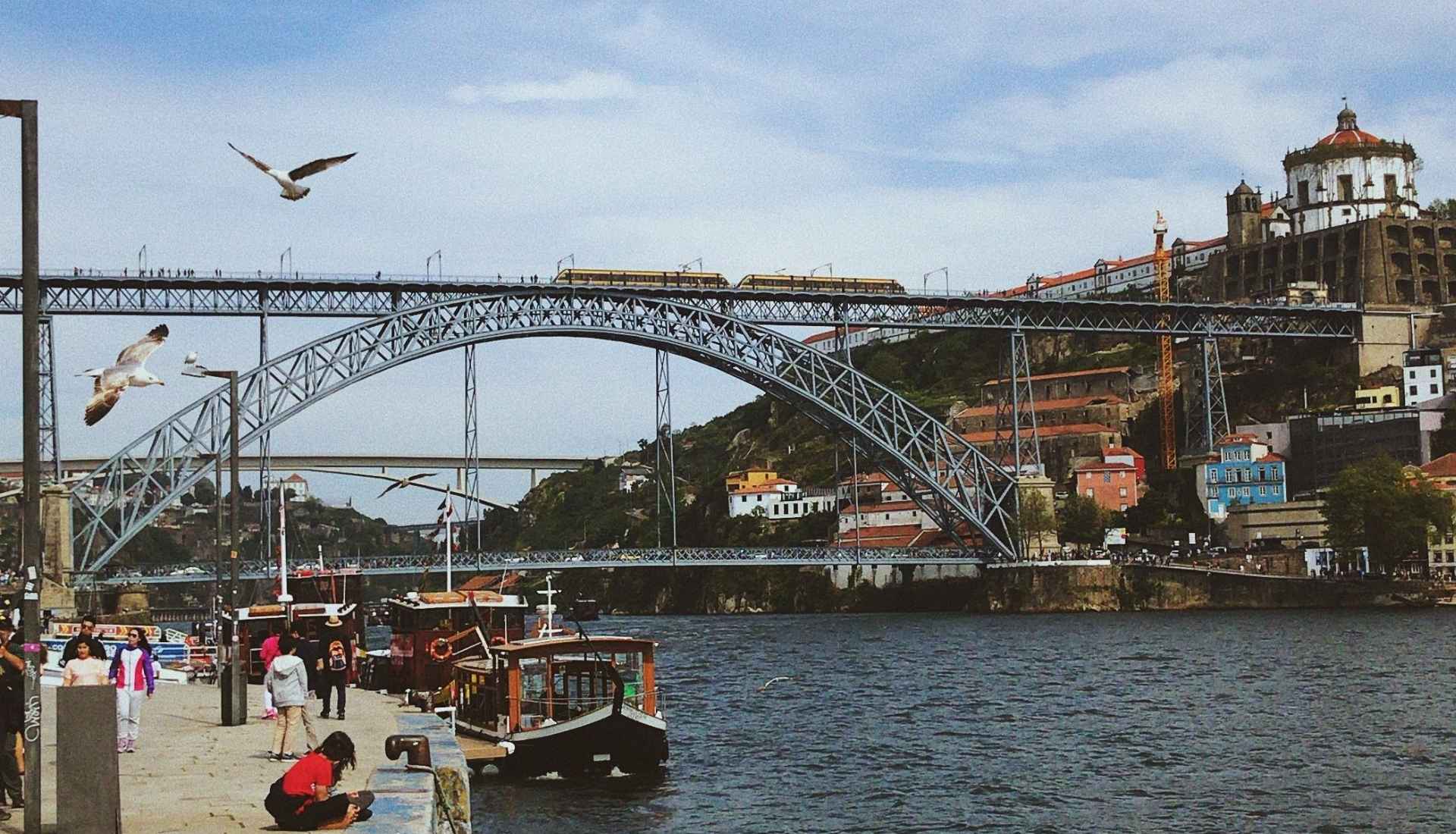
Granite streets, tiled façades and a river city built on trade, wine and difficult hills.
For collaborations and enquiries
We use cookies to improve your experience and understand how the site is used. You can accept or manage your preferences at any time.