Tuscany

Where to Stay, Eat and Explore the Heart of Italy

tuscany-travel-guide-25
For souls that savour stillness, garden-grown meals, and countryside rhythm

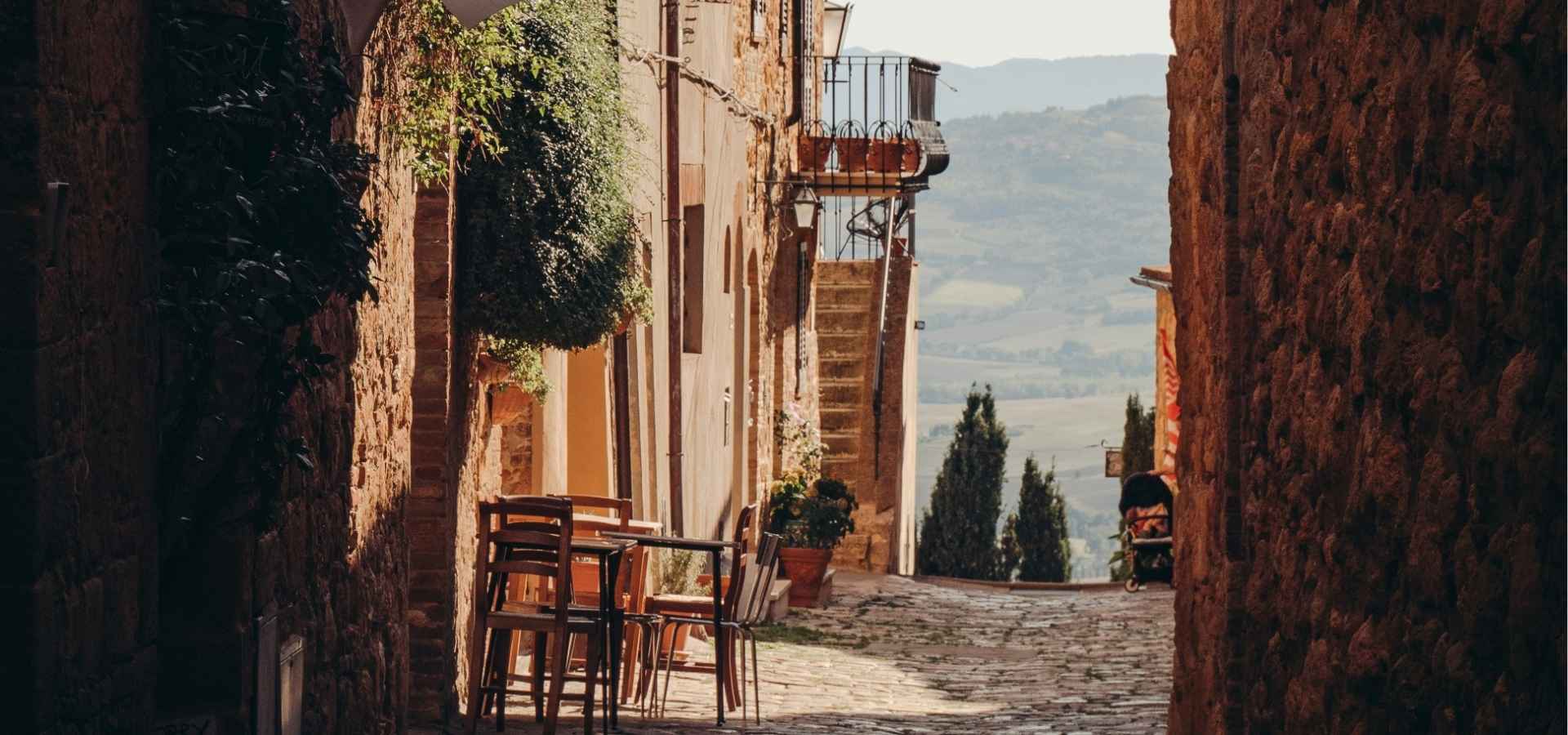
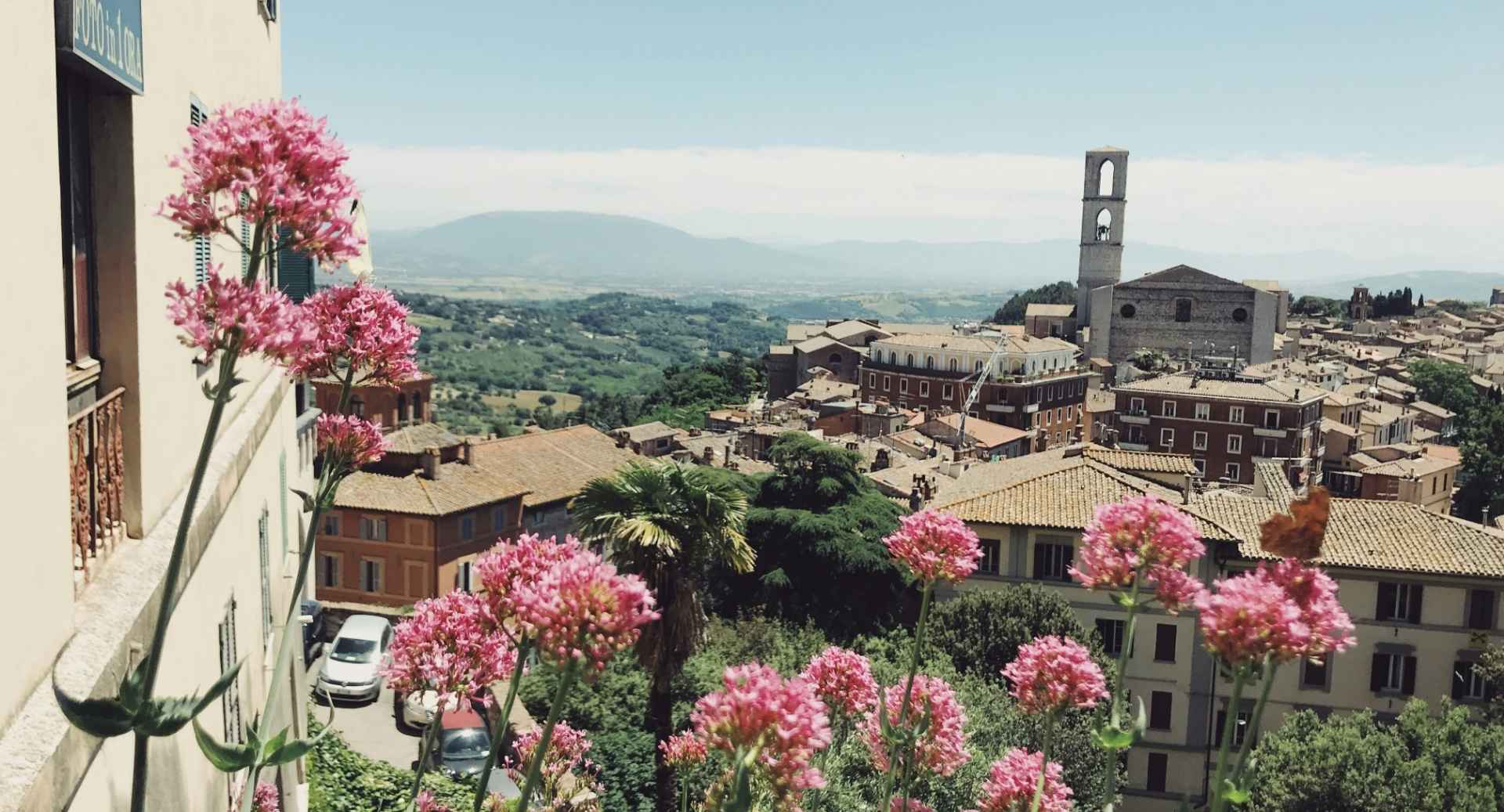
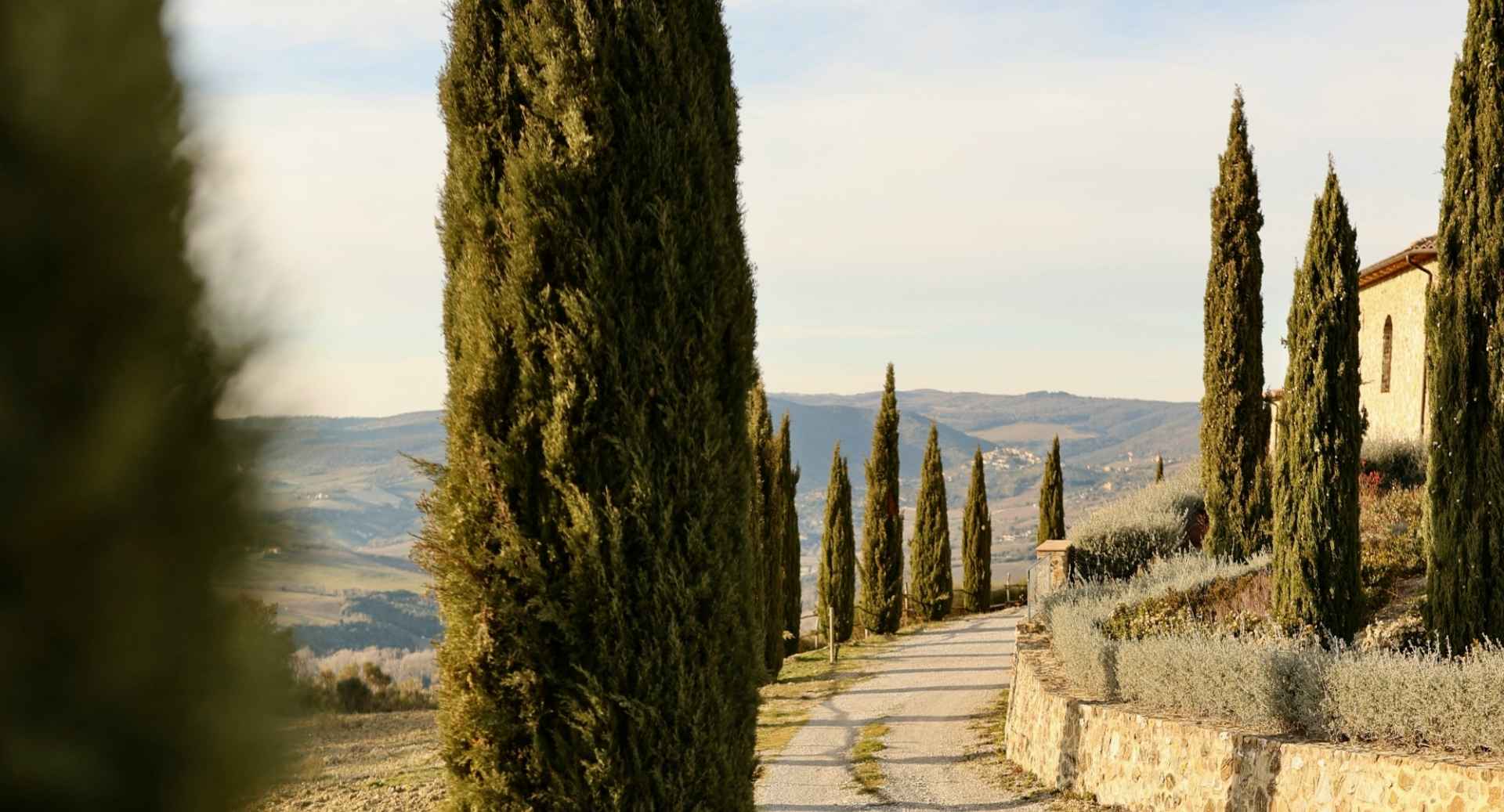
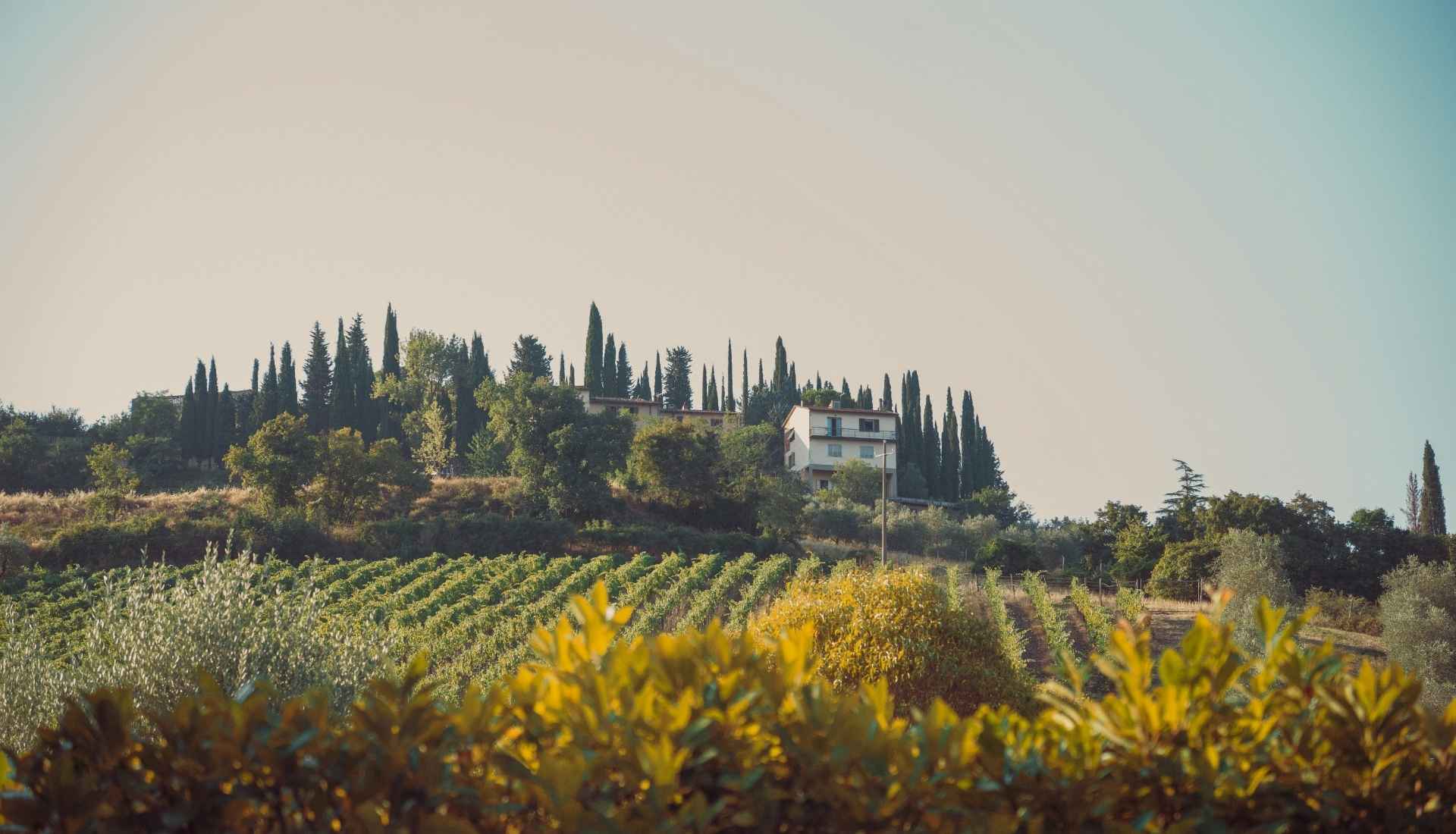
Tuscany is made for the unhurried. A place where time expands and days unfold gently among olive trees, vineyard paths, and sun-warmed stone. It invites a kind of presence that feels increasingly rare, the chance to move with the rhythm of the land instead of the clock. This Tuscany travel guide shares where to stay in Tuscany, along with the best hotels, restaurants, and countryside escapes that capture its depth and quiet grace.

For those who travel by feel, Tuscany offers space to slow down and see differently. Morning light through linen curtains. A long lunch that turns into a late afternoon. Conversations over garden wine with nothing pulling you elsewhere. It is not about doing more; it is about noticing more. A region shaped by soil, tradition, and soul, where each stay feels personal and each plate tells a story. Tuscany does not ask for your attention. It earns it, softly and completely.

Areas

Hotels In Montepulciano

Montepulciano

Vino Nobile cellars, steep stone streets and a hill town that keeps wine close to everyday life.

Affordable Hotels In Tuscany

Val d'Orcia

Brunello vineyards, thermal water and long roads between some of southern Tuscany’s smallest towns.

hotels-in-chianti-2

Chianti

Working cellars, white roads and wine estates stretched between Florence and Siena.

hotels-in-florence-1

Florence

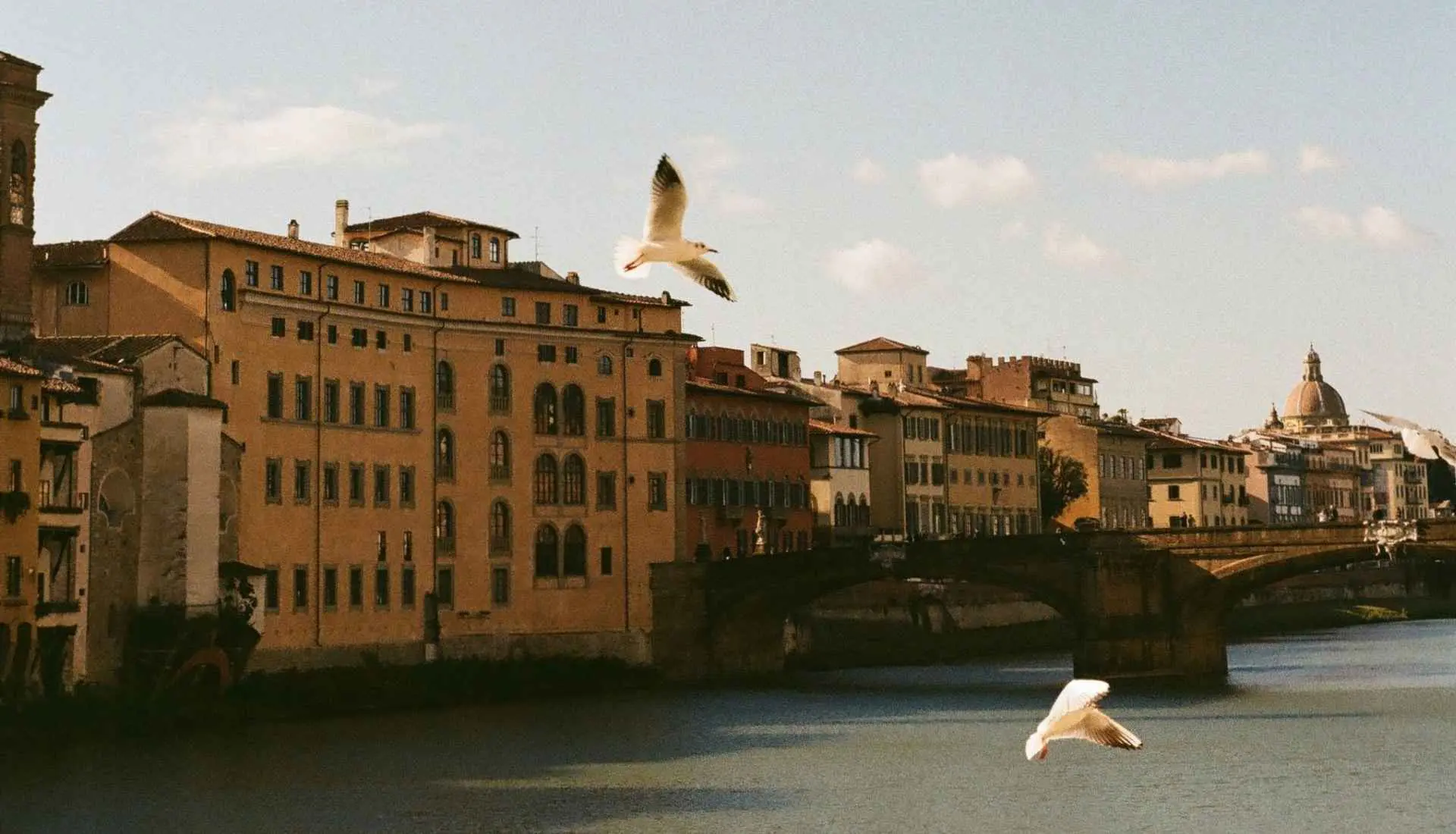
Renaissance streets, working markets and country estates that keep the city within reach.

Where to stay

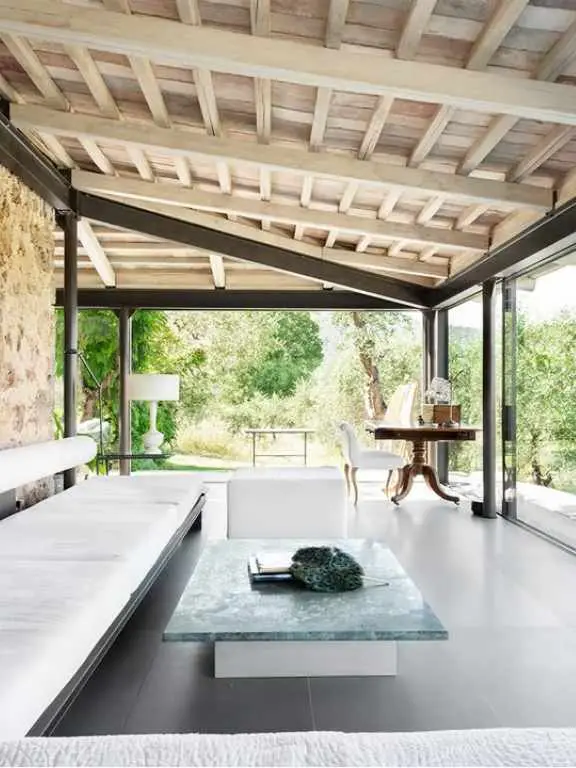
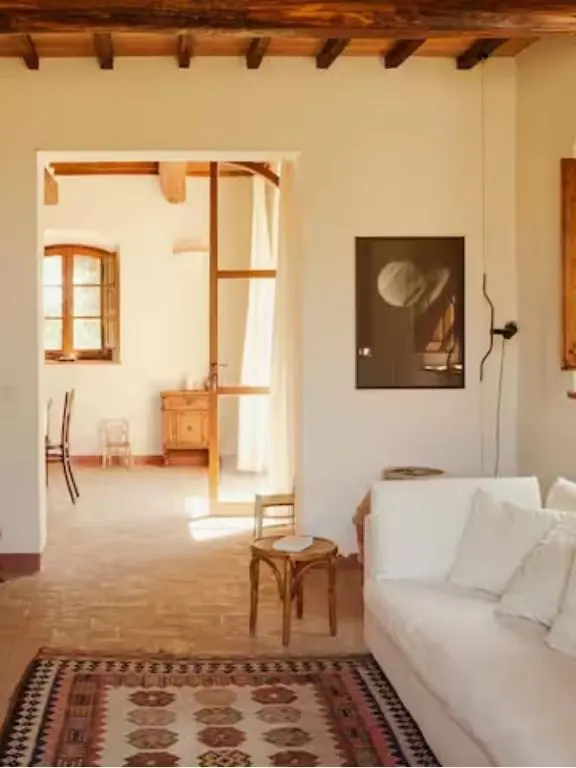
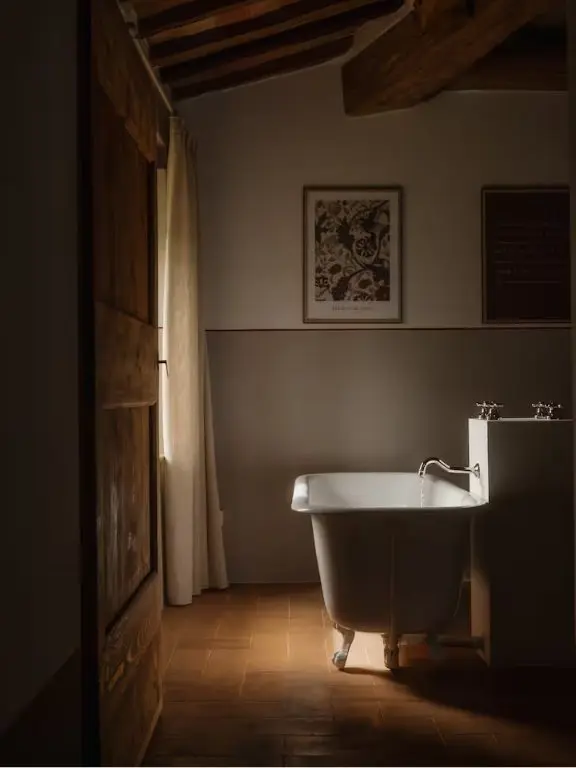
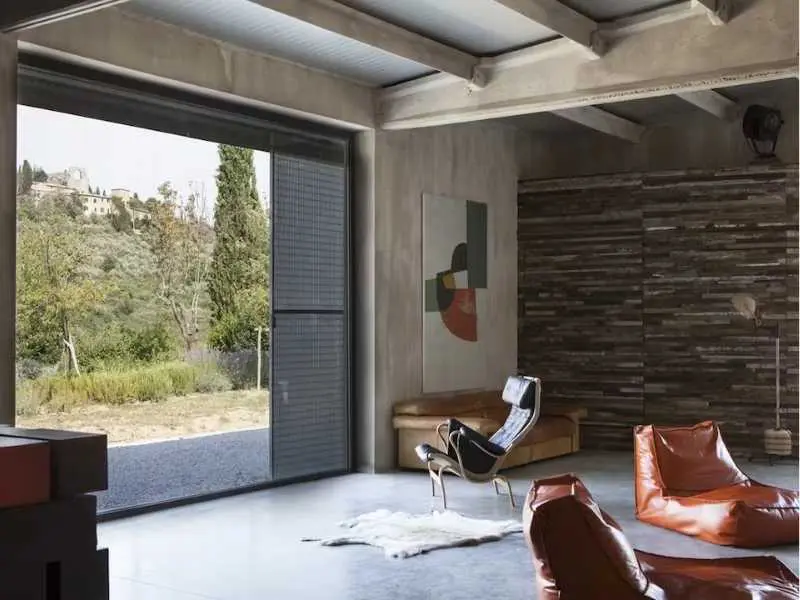
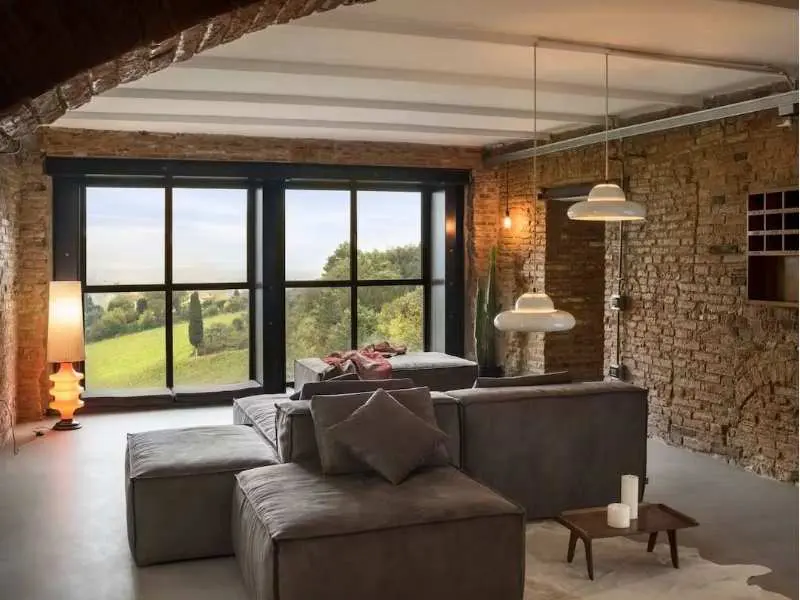
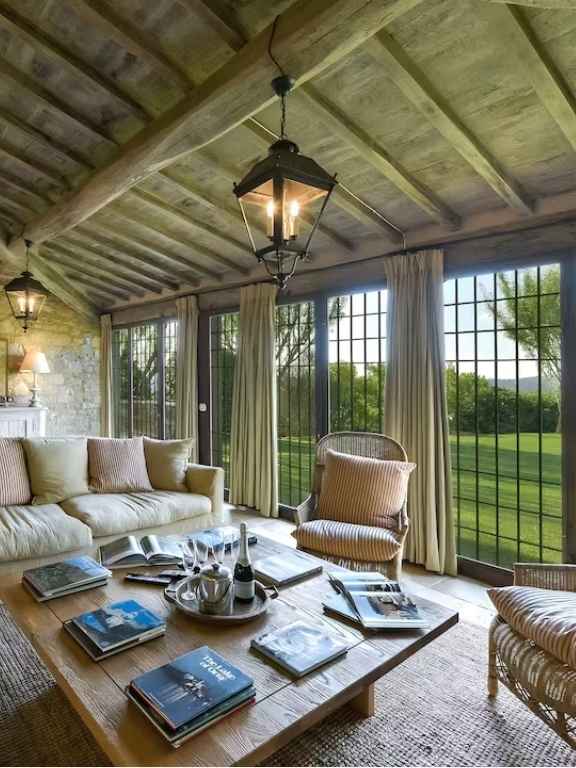
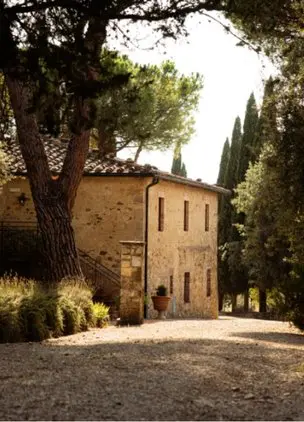
Our curated edit of the best hotels in Tuscany is shaped by slow rhythms, thoughtful design, and a deep connection to the land. Each stay reflects the region’s warmth and character, from restored farmhouses to vineyard retreats surrounded by olive groves. Expect terracotta floors, garden-grown meals, and views that shift with the light. These are places made for slowing down, for staying close to what matters. This is Tuscany through The Revel Stay lens, calm, rooted, and timeless.
Where to Stay in Tuscany
Best Vacation Rentals in Tuscany Beautiful tuscan country house

Beautiful tuscan country house

Best Vacation Rentals in Tuscany Podere la Piscina Termale – RestArt

Podere la Piscina Termale

Best Vacation Rentals in Tuscany Architectural Narrative

Architectural Narrative

Best Vacation Rentals in Tuscany The Olive Tint

The Olive Tint

Where to Eat and Drink

Best Tuscan Wineries Borgo Vescine

Borgo Vescine

Wineries
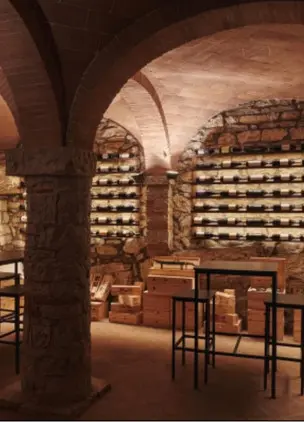
Set within a restored medieval village in Chianti Classico, Borgo Vescine combines a working winery with a place to stay. Vineyards surround the borgo, and tastings are often paired with long lunches or dinners on site. The wines reflect the region, structured and balanced. It’s easy to see why it’s included among the best Tuscan wineries for the overall experience.
Best Tuscan Wineries Fattoria di Sammontana

Fattoria di Sammontana

Wineries
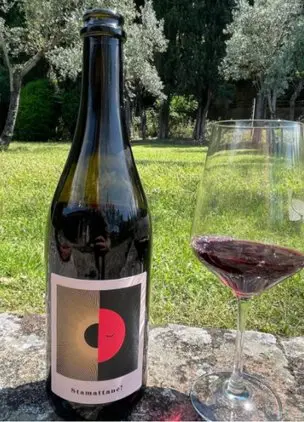
Fattoria di Sammontana feels less like a formal winery and more like a place you’re welcomed into. Production stays small, with a focus on traditional Tuscan varieties and straightforward methods. Visits are often guided by those who know the estate personally. Among the best Tuscan wineries, it stands out for its scale and the sense of being shown something rather than sold to.
Best Tuscan Wineries Montechiaro Organic Winery

Montechiaro Organic Winery

Wineries
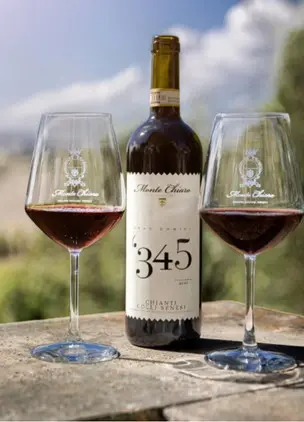
Just outside Siena, Montechiaro sits within a large working estate where vines, olive trees, and farmland exist side by side. The wines follow organic principles, with minimal intervention and a focus on Sangiovese. Tastings often happen overlooking the hills. It’s one of the best Tuscan wineries if you’re looking for something quieter and more closely tied to its landscape.
Best Tuscan Wineries Ruffino 1877

Ruffino 1877

Wineries
Ruffino is not a single estate but a historic Tuscan wine house with vineyards spread across the region, from Chianti Classico to Montalcino. Founded in 1877, it offers a broader view of Tuscan wine than most visits. Tastings often reflect that range. When talking about the best Tuscan wineries, Ruffino represents the scale and legacy behind the region’s reputation.
Best Tuscan Wineries Avignonesi

Avignonesi

Wineries
Near Montepulciano, Avignonesi has quietly become one of the leading biodynamic estates in the region. Vineyards are worked without chemicals, and the wines, especially Vino Nobile, feel precise but still shaped by the soil they come from. Tastings move slowly through the estate. Among the best Tuscan wineries, this is one where the philosophy behind the wine really shows.
Best Tuscan Wineries Fattoria Corzano e Paterno

Fattoria Corzano e Paterno

Wineries
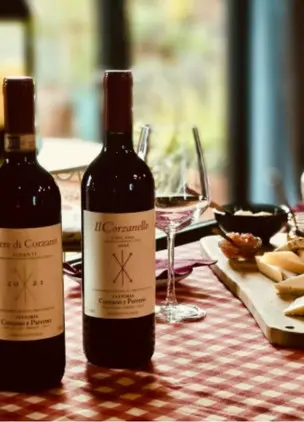
In the hills south of Florence, Corzano e Paterno still feels like a working farm rather than a polished winery. The Corsini family produce Chianti alongside pecorino made from their own sheep, often tasted together at the table. Visits are simple and personal. It’s easy to understand why it’s considered among the best Tuscan wineries for something genuinely rooted.
Places To Eat In Tuscany Osteria Le Logge

Osteria Le Logge

Best Places to Eat
Inside Siena’s old streets, Osteria Le Logge blends the character of a traditional osteria with a slightly more thoughtful kitchen. Fresh pasta, Tuscan meats, and seasonal vegetables move across the menu with care. The room stays lively but relaxed. Among the many places to eat in Tuscany, it’s a restaurant people return to again and again.
Places To Eat In Tuscany Trattoria di Sor Paolo

Trattoria di Sor Paolo

Best Places to Eat
In the hill town of Anghiari, Trattoria di Sor Paolo has the warmth of a place that has been feeding locals for years. Plates of handmade pasta, wild boar ragù, and slow-cooked meats arrive without fuss. The dining room fills quickly with conversation. It remains one of those places to eat in Tuscany that people remember long after the meal.
Places To Eat In Tuscany Il Borgo Machiavelli

Il Borgo Machiavelli

Best Places to Eat
At Il Borgo Machiavelli just outside Florence, history sits quietly in the background. The estate once belonged to Niccolò Machiavelli, and today tables look across vineyards and olive groves that still shape the landscape. Tuscan dishes arrive simply, grilled meats, pasta, local wine. Among places to eat in Tuscany, the setting here carries just as much weight as the food.
Places To Eat In Tuscany Casa Masi

Casa Masi

Best Places to Eat
Finding Casa Masi means driving a little deeper into the Tuscan countryside. The reward is a farmhouse kitchen where plates arrive generous and familiar, handmade pasta, grilled meats, vegetables gathered close by. Lunch often drifts into the afternoon with wine on the table. It’s the sort of place to eat in Tuscany that feels discovered rather than planned.
Places To Eat In Tuscany Osteria Miranda

Osteria Miranda

Best Places to Eat
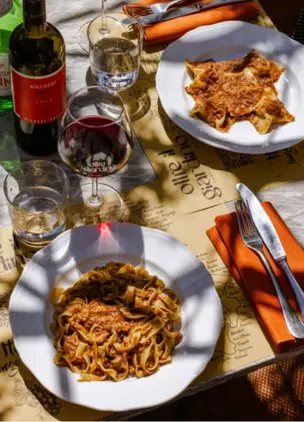
In the small hill town of Montisi, Osteria Miranda keeps things grounded in the cooking people know here. Pici pasta with ragù, slow-braised meats, and vegetables from nearby farms appear on a menu that moves with the seasons. The room is small and lively most evenings. Among places to eat in Tuscany, it feels firmly rooted in village life.
Places To Eat In Tuscany Oltre il Giardino

Oltre il Giardino

Best Places to Eat
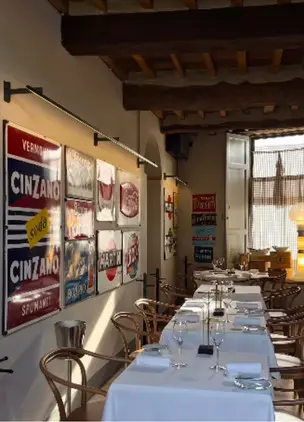
Just beyond Siena’s busy streets, Oltre il Giardino feels like a quiet pause from the city. Tables sit among greenery while the kitchen sends out Tuscan favourites, fresh pasta, grilled meats, vegetables dressed simply with olive oil. Dinner tends to stretch late into the evening. It’s the kind of place to eat in Tuscany where locals settle in and stay awhile.
Places To Eat In Tuscany Podere il Casale

Podere Il Casale

Best Places to Eat
High above the Val d’Orcia outside Pienza, Podere Il Casale looks across rolling fields where the farm’s sheep still graze. Much of the meal begins there, pecorino made on site, vegetables from the garden, olive oil pressed nearby. Lunch unfolds slowly on the terrace with wide valley views. Among places to eat in Tuscany, few feel this connected to the land.

Areas to Know

Tuscany was made for slow travel. Every part of it moves gently, from the vineyard-lined roads of Chianti to the golden hills of Val d’Orcia and the quiet, pine-scented coast. Food is seasonal because that is how it has always been. You eat what is nearby, drink what is made down the road, and stay longer than you meant to. It is less about what to do and more about how it feels to be there. Wake up with the sun, swim before lunch, sit under trees in the afternoon. In Tuscany, time expands, and that is the point.

Tuscany Travel Guide Val d’Orcia

Val d’Orcia

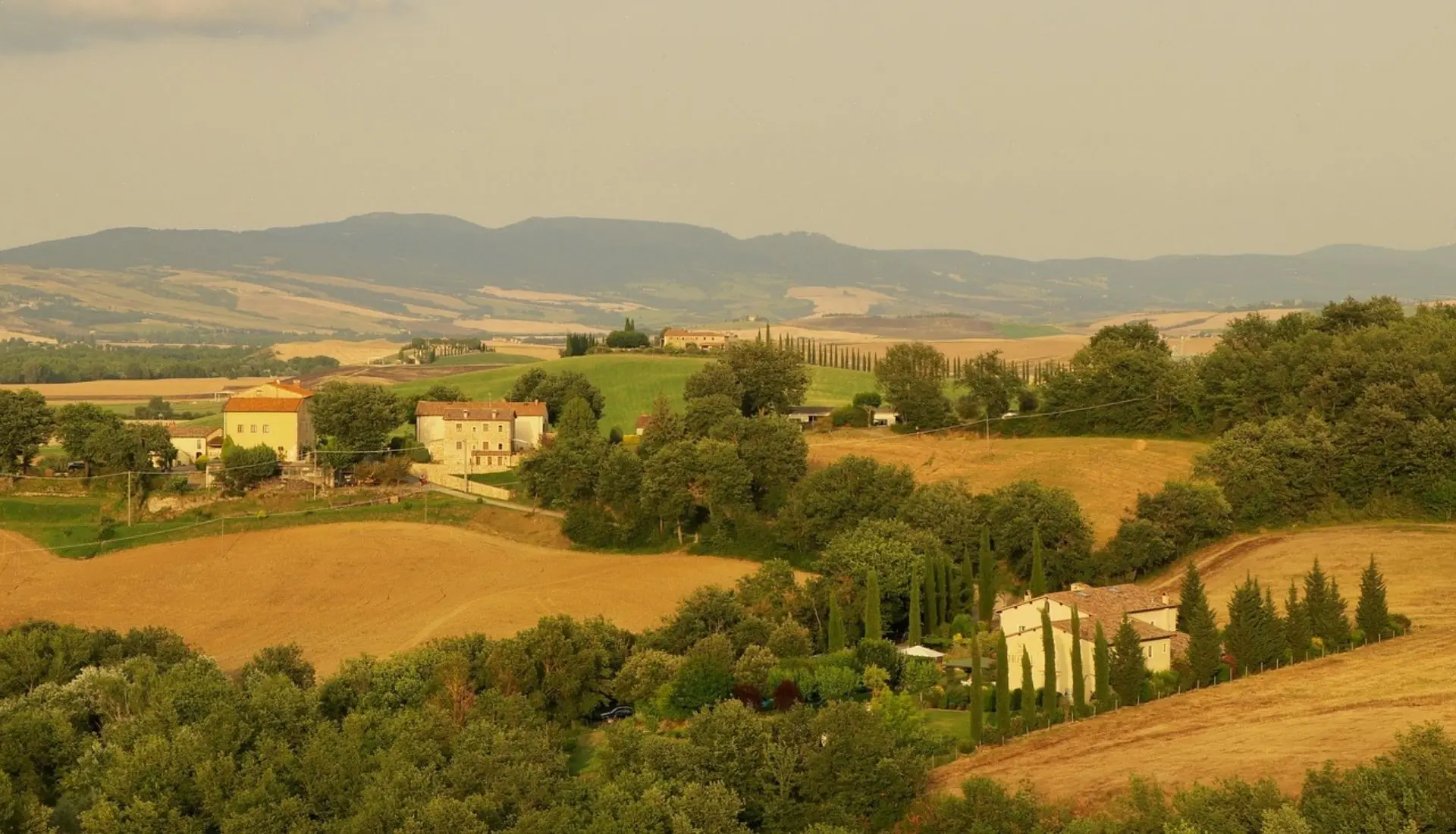
Val d’Orcia feels wide and generous. Roads curve through golden fields, cypress trees stand still, and every view looks like a painting that forgot to be precious. Towns like Pienza and San Quirico d’Orcia offer long lunches and stone piazzas that ask you to stay a little longer. There is space to breathe here: thermal baths, hilltop churches, and old farms turned into slow-living stays. You do not come to do much, just to feel the land, the light, and the deep hush that settles over the valley when the day begins to cool. It is Tuscany at its most rooted.

Montepulciano

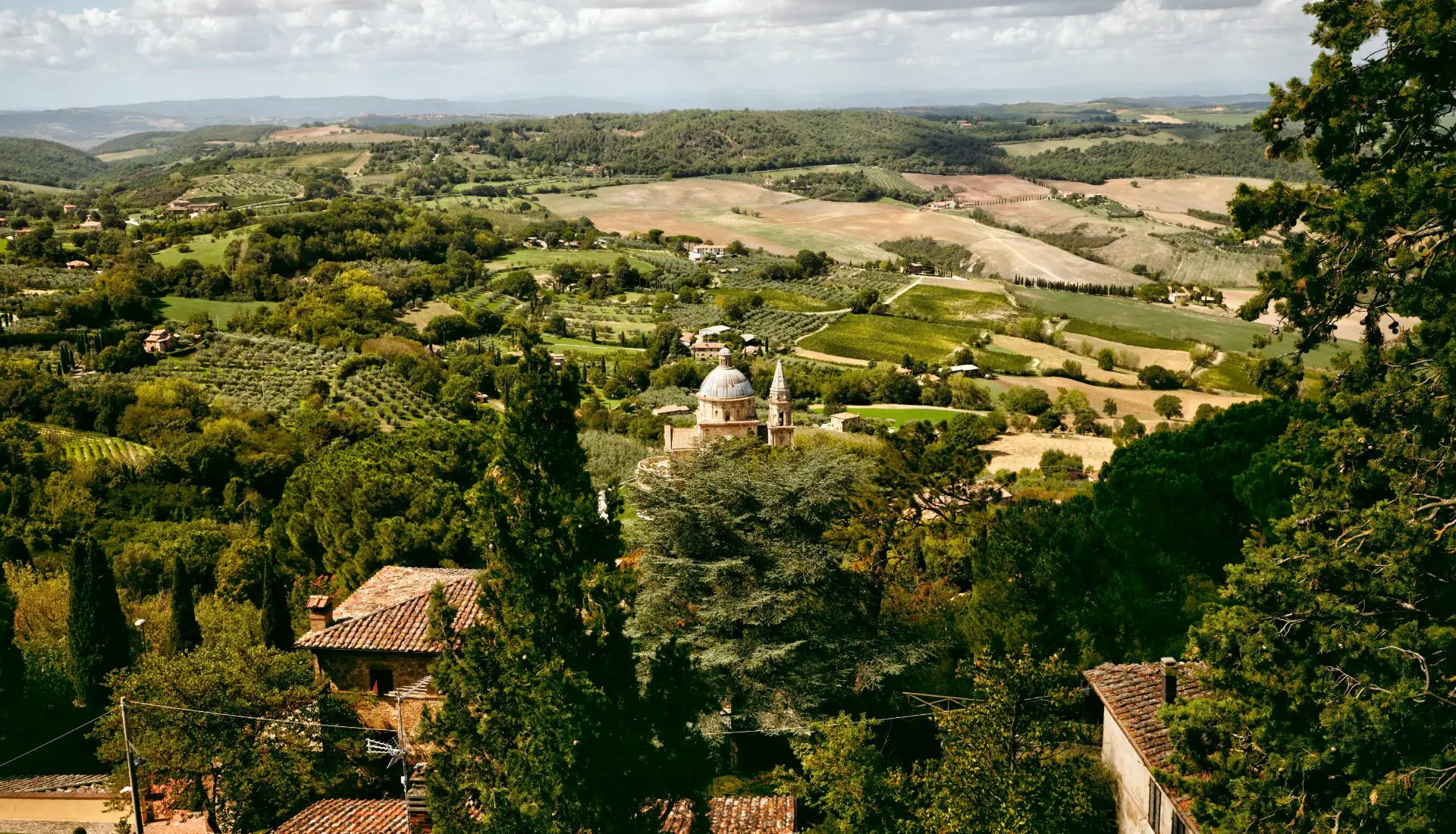
Montepulciano moves at its own pace. Cobbled streets stretch uphill, lined with cellars that still pour slowly and trattorias that serve what is in season without ceremony. Vino Nobile is part of the town’s rhythm, poured in ancient cantinas and best enjoyed with views of the Val di Chiana below. It sees its share of visitors, but step out early or wander in the evening and it softens. Pici, pecorino, a glass of something red. Montepulciano is a place for small rituals and open time, best in spring or early autumn when the light stays long and the streets quiet again.

Tuscany Travel Guide Montepulciano
Lucca 2

Lucca & Surrounding Hills

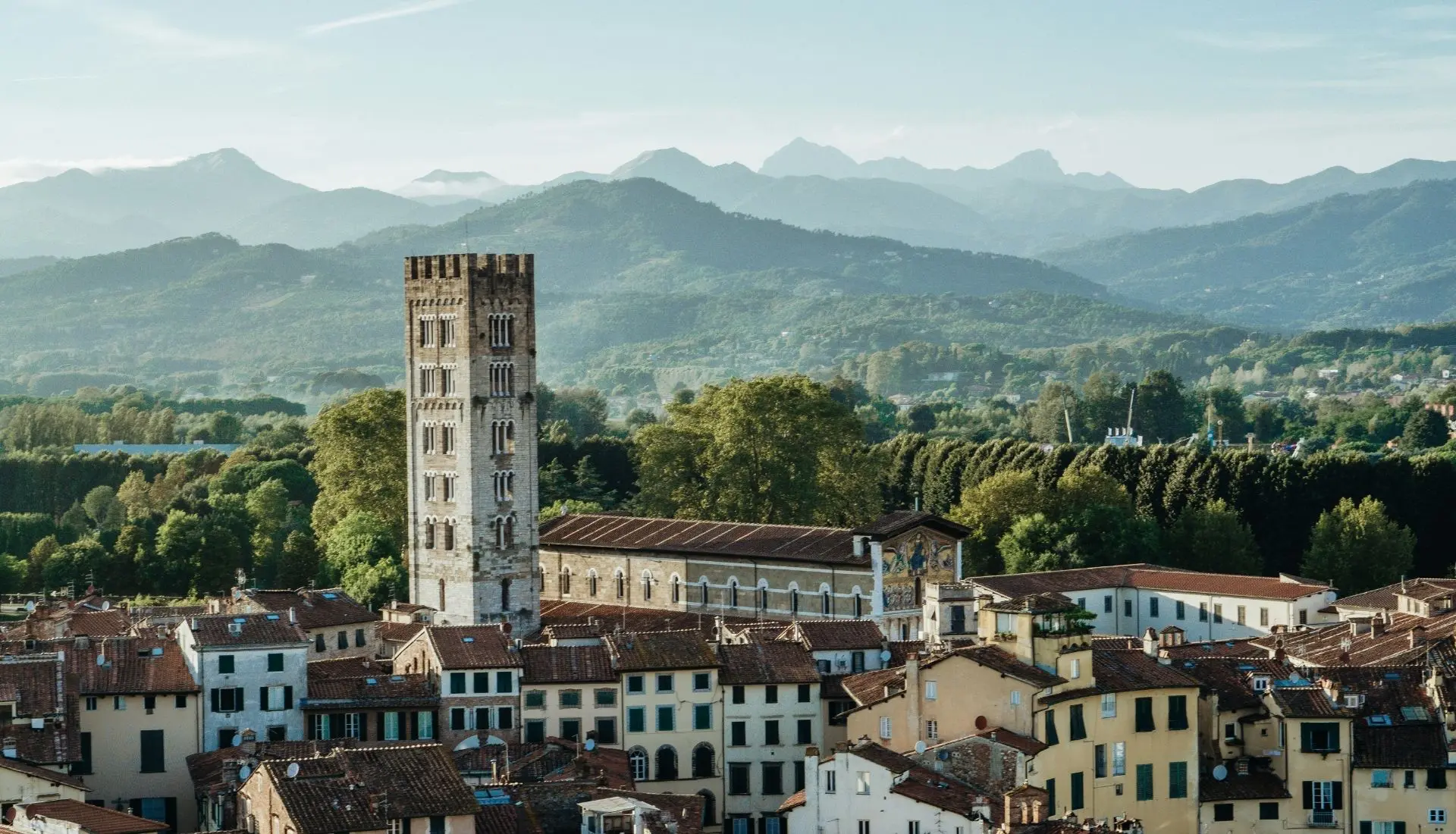
Lucca has a softness to it. Enclosed by stone walls, the town moves gently with morning bike rides, coffee in shaded courtyards, and afternoons that drift across quiet piazzas. The food leans rustic and seasonal, and the pace lets you taste it properly. Just beyond, the hills open into vineyards, olive groves, and old villas that make you want to unpack for a while. It is not showy, and that is the charm. Come in spring or early autumn when the air is cool and the city feels like it belongs to you. It is a place for calm, culture, and quiet pleasures.

Porto Venere
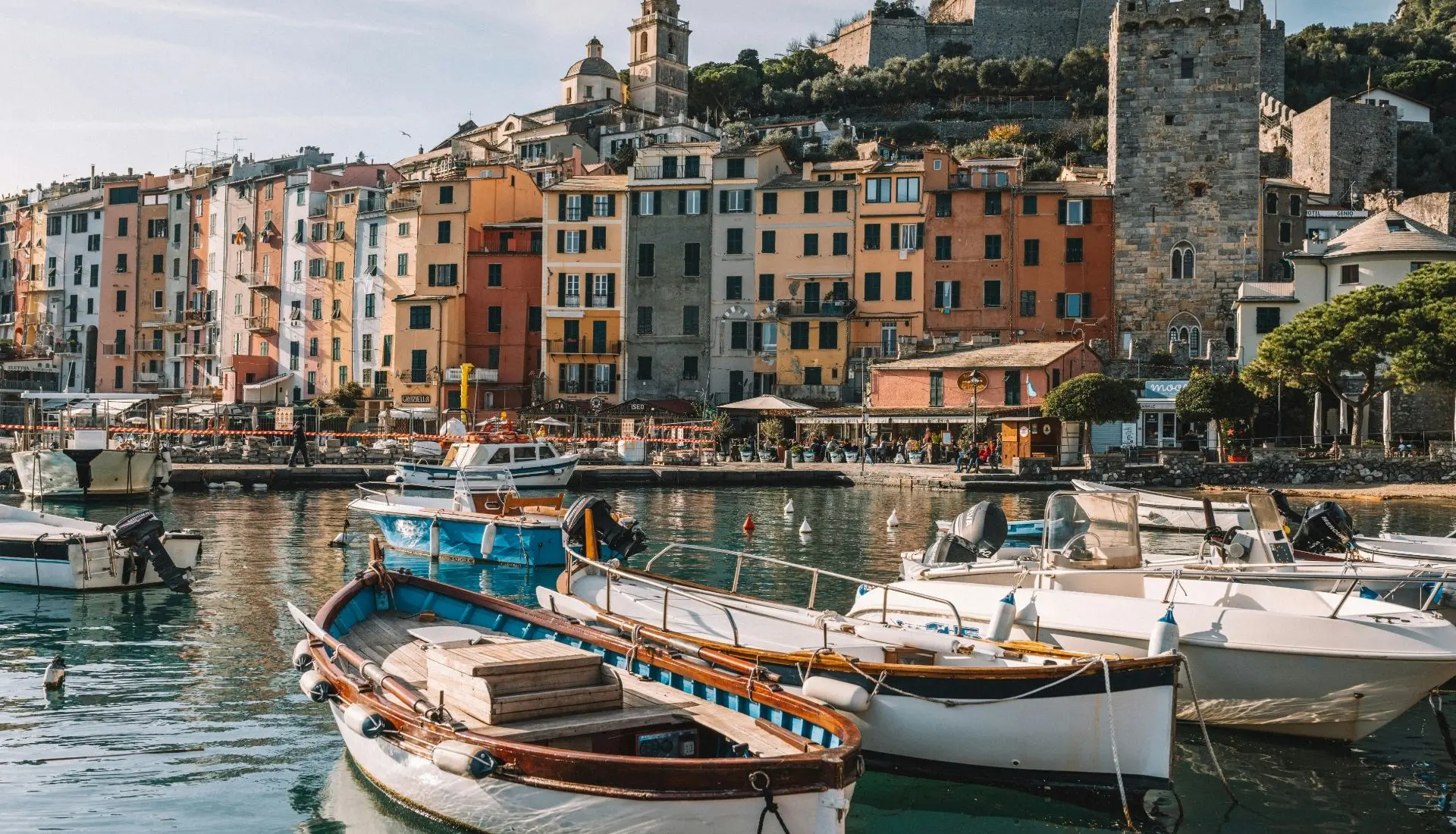
Porto Venere is not in Tuscany, but if you are nearby with a car and time, it is worth the detour. Just over the border in Liguria, this coastal village offers the kind of quiet beauty that stays with you. Mornings are still, afternoons are built for wine and grilled fish by the water. Walk the narrow lanes, sit on the sea wall, and let the pace shift. It is softer than Cinque Terre, less staged, and more lived in. Late spring or early autumn suits it best, when the sun is warm and the days stretch without asking much of you.
Tuscany Travel Guide Porto Venere

Explore More Slow Travel Destinations

Do you need a car in Tuscany?
Yes. Distances between towns are long, and the best parts of Tuscany often sit off the main roads. A car gives you freedom to stop for a roadside view, a farmhouse lunch, or a glass of wine on the way back from somewhere unplanned.
Late spring and early autumn feel right. The days are warm, the air smells of rosemary and pine, and the light has a softness that suits the landscape. Summer is lively but hot. Winter is quiet, all fireplaces and local markets.
At least a week. Tuscany is best when you let it breathe, long mornings, slow drives, late dinners. A few days shows you the sights; a week lets you find the rhythm of the place.
We love an agriturismo, the kind of stay where the olive oil is made on-site and dinner comes straight from the garden. It is Tuscany at its truest, food grown on the farm, shared around the table, surrounded by quiet and open sky.
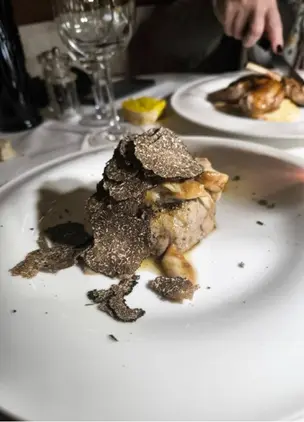
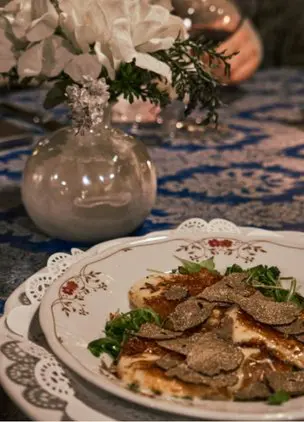
Honest and full of depth. Bread without salt, soup thick with beans, olive oil so fresh it bites. Food here follows the season: porcini and truffle in autumn, tomatoes and basil in summer. Everything tastes of where it came from.
It depends on how you do it. You can find luxury in simplicity, a view, a bottle of wine, a meal cooked by hand. Boutique hotels and agriturismos share the same respect for craft. Quality here is not about price, it is about care.