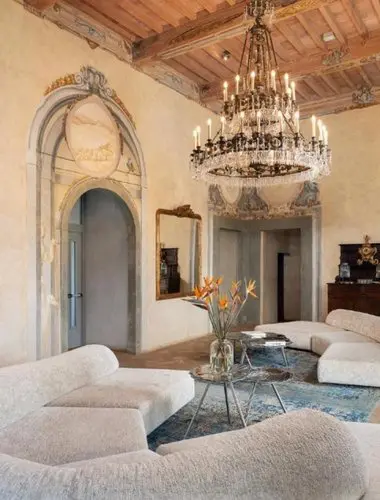
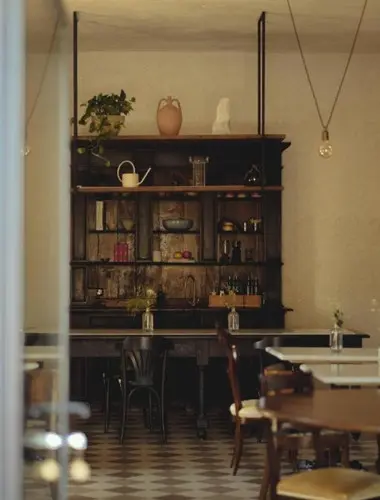
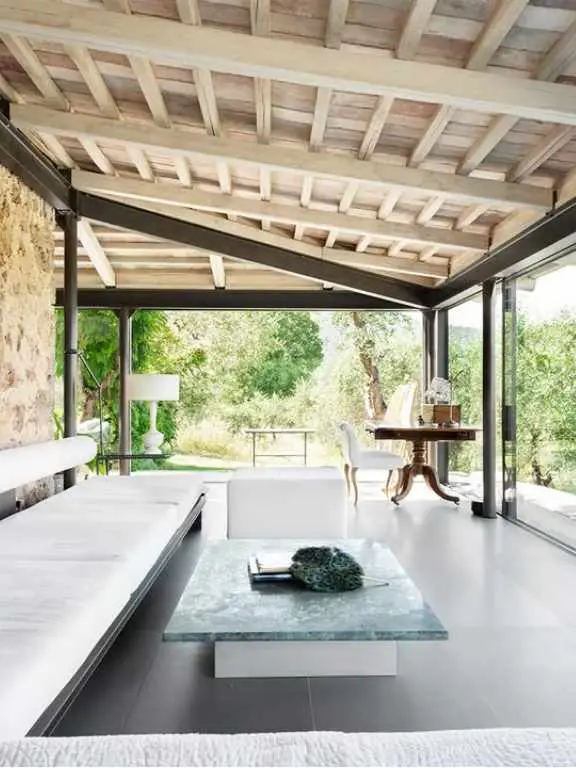
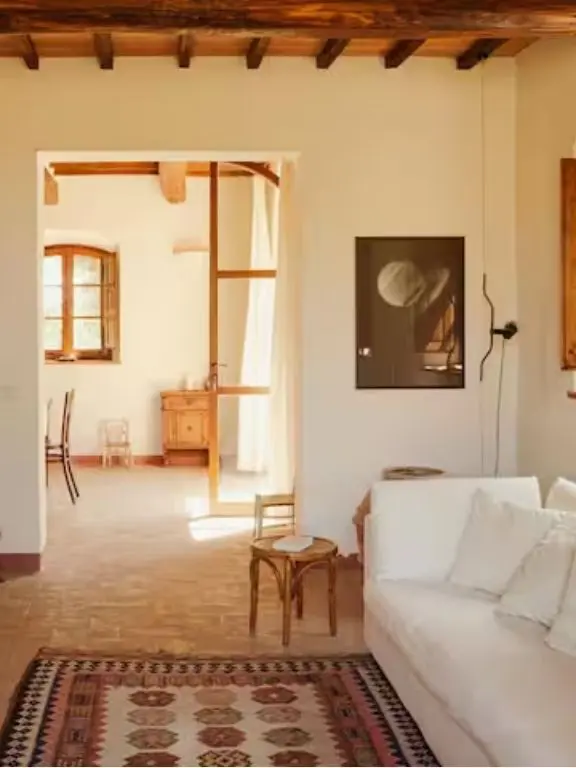
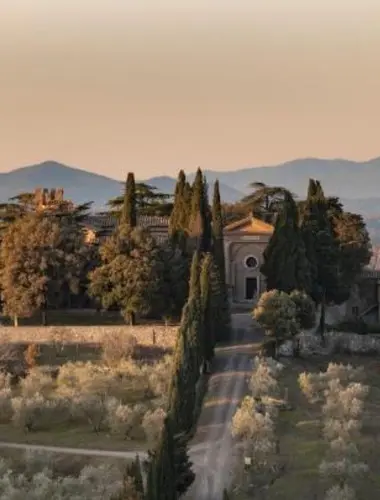
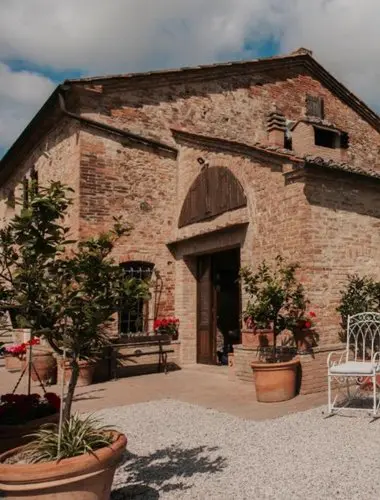
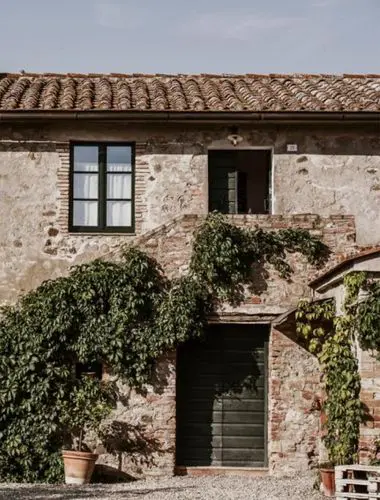
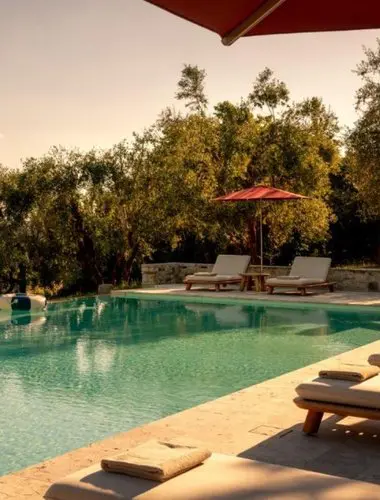
The useful map of Tuscany begins with wine, roads and dinner. Florence works on foot, with palazzi, markets and museums carrying the day. Chianti belongs to the car, its estates and villages spread along gravel roads between Florence and Siena. Farther south, Montepulciano keeps Vino Nobile cellars close to town, while the Val d’Orcia opens towards Brunello, pecorino and thermal water. Stay in town for streets; choose a farm, vineyard or fortified estate when the landscape should provide the itinerary.

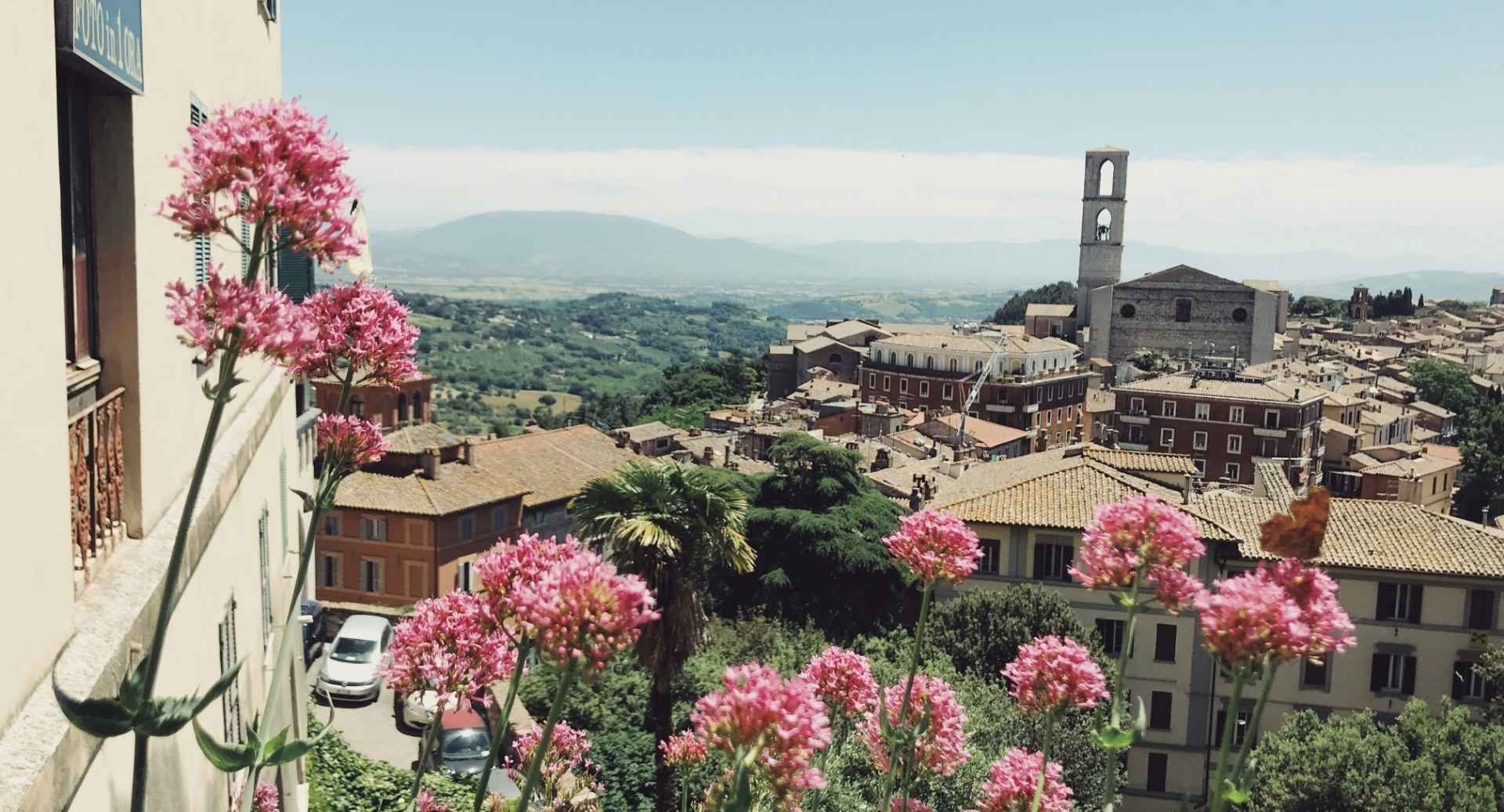
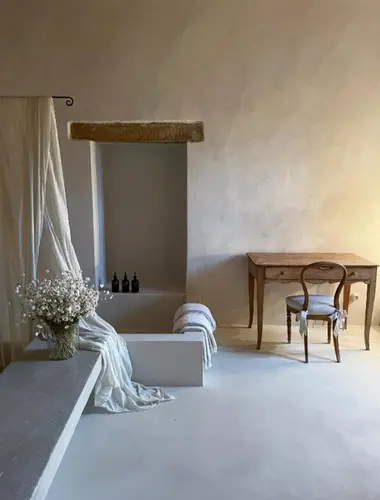
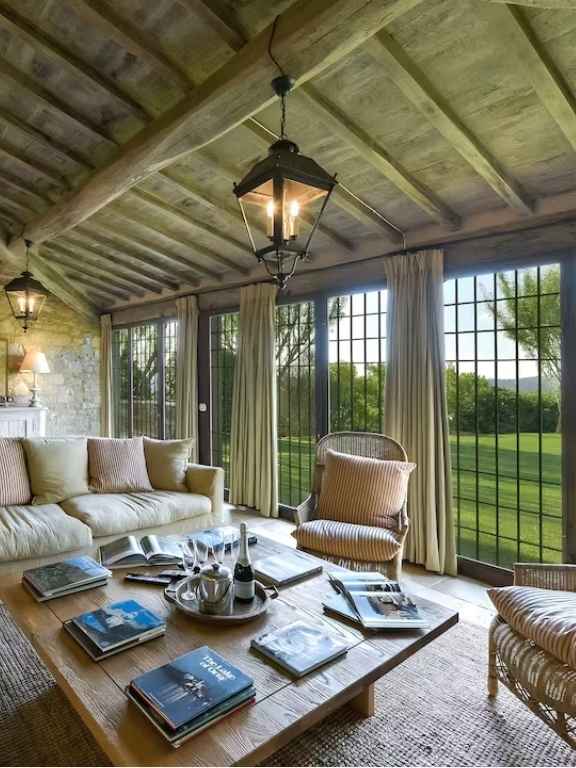
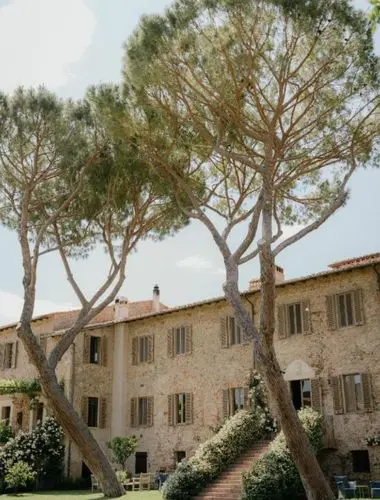
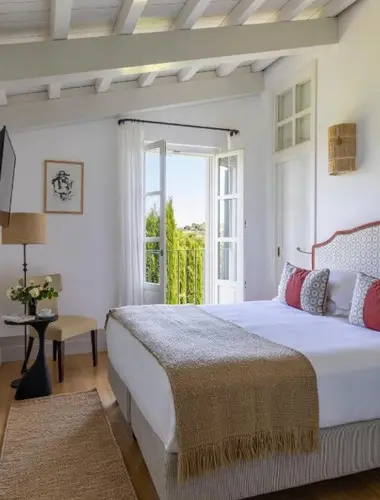
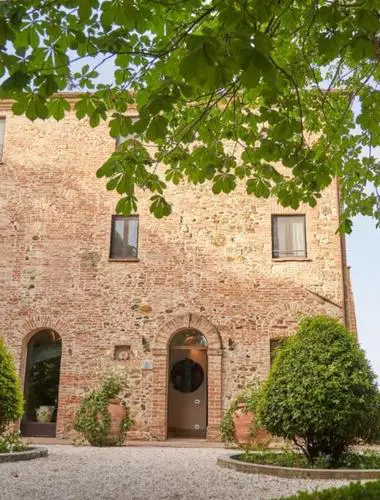
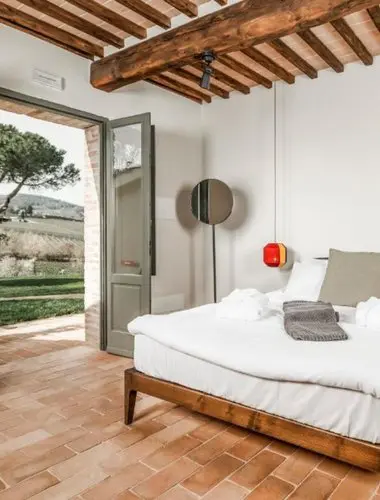
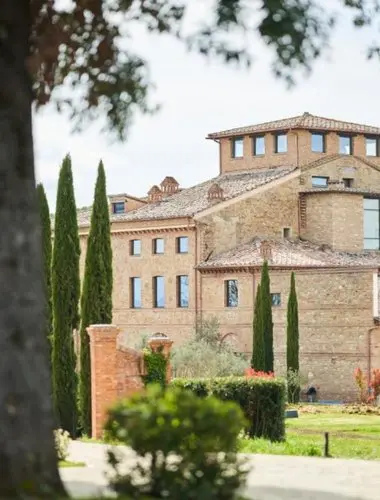
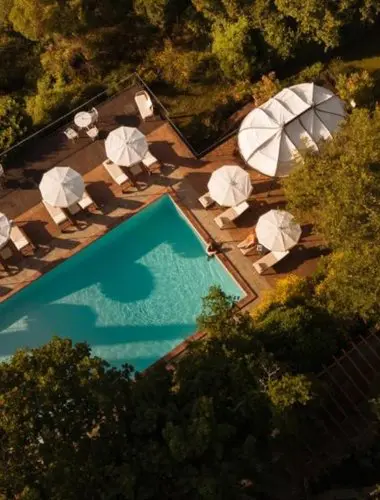
Vino Nobile cellars, steep stone streets and a hill town that keeps wine close to everyday life.

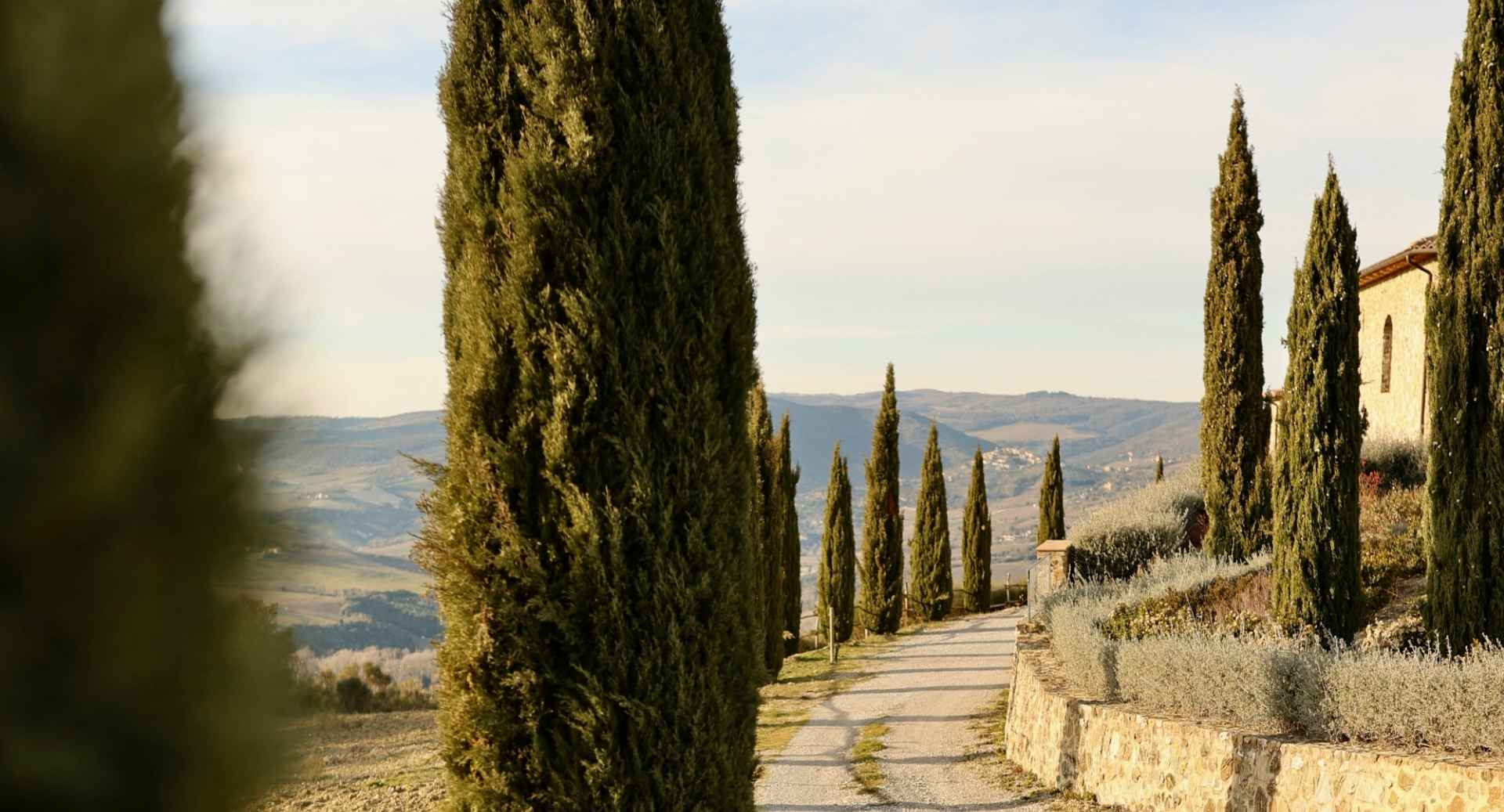
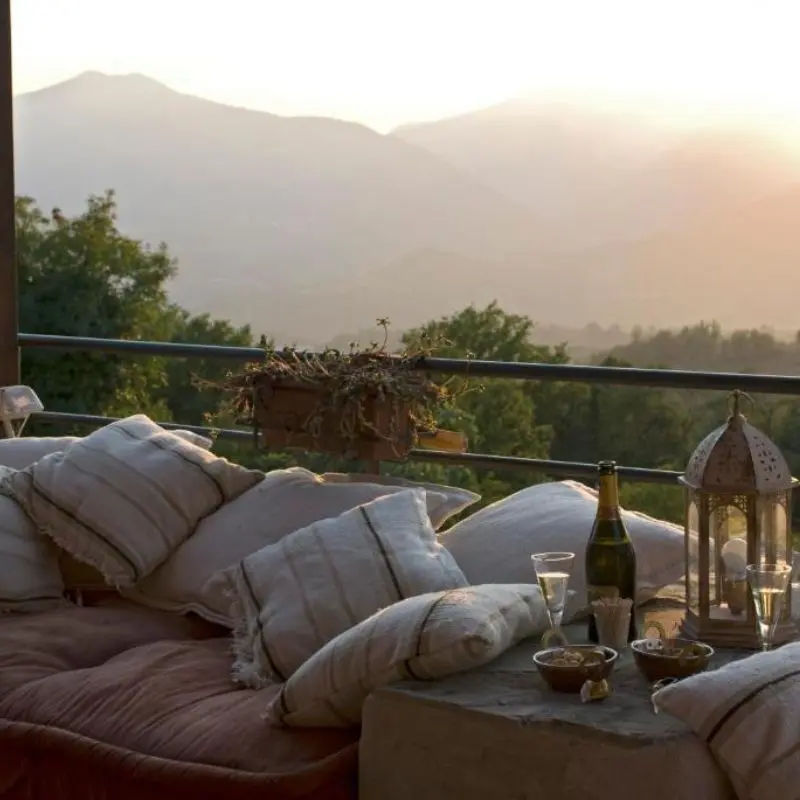
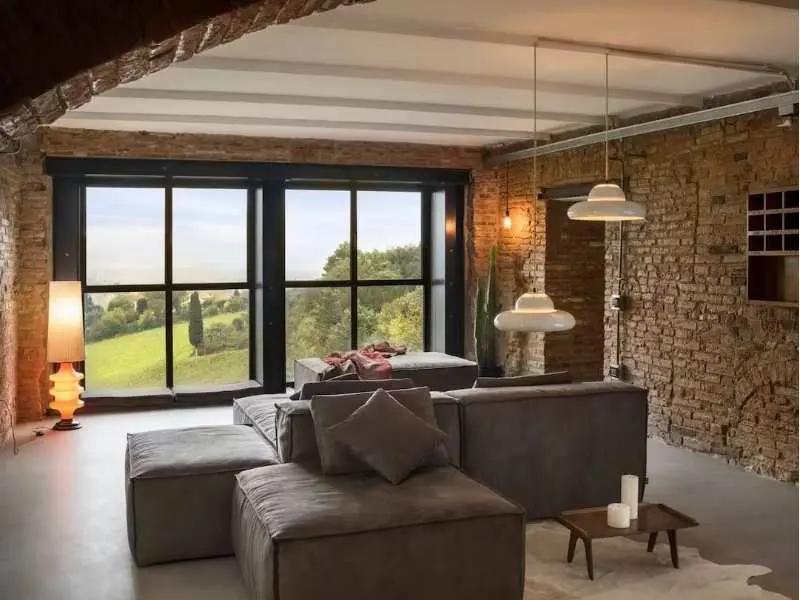
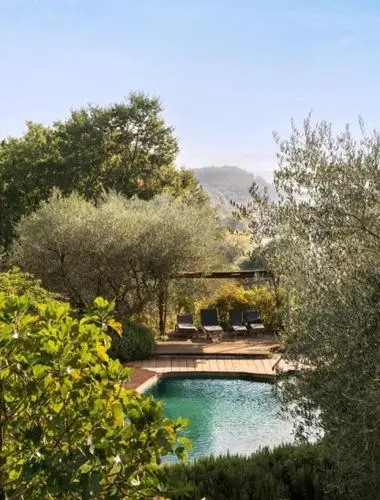
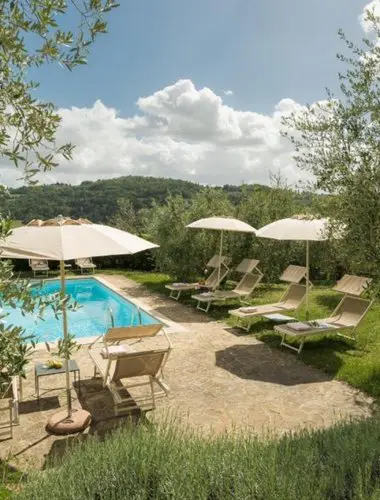
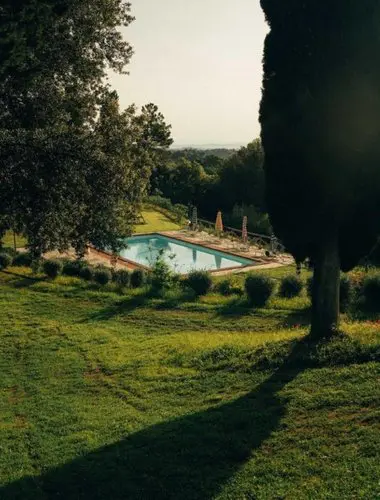
Brunello vineyards, thermal water and long roads between some of southern Tuscany’s smallest towns.
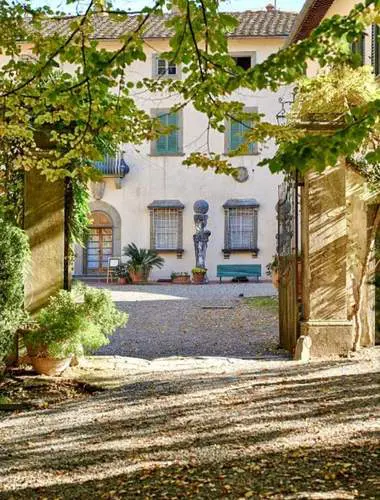
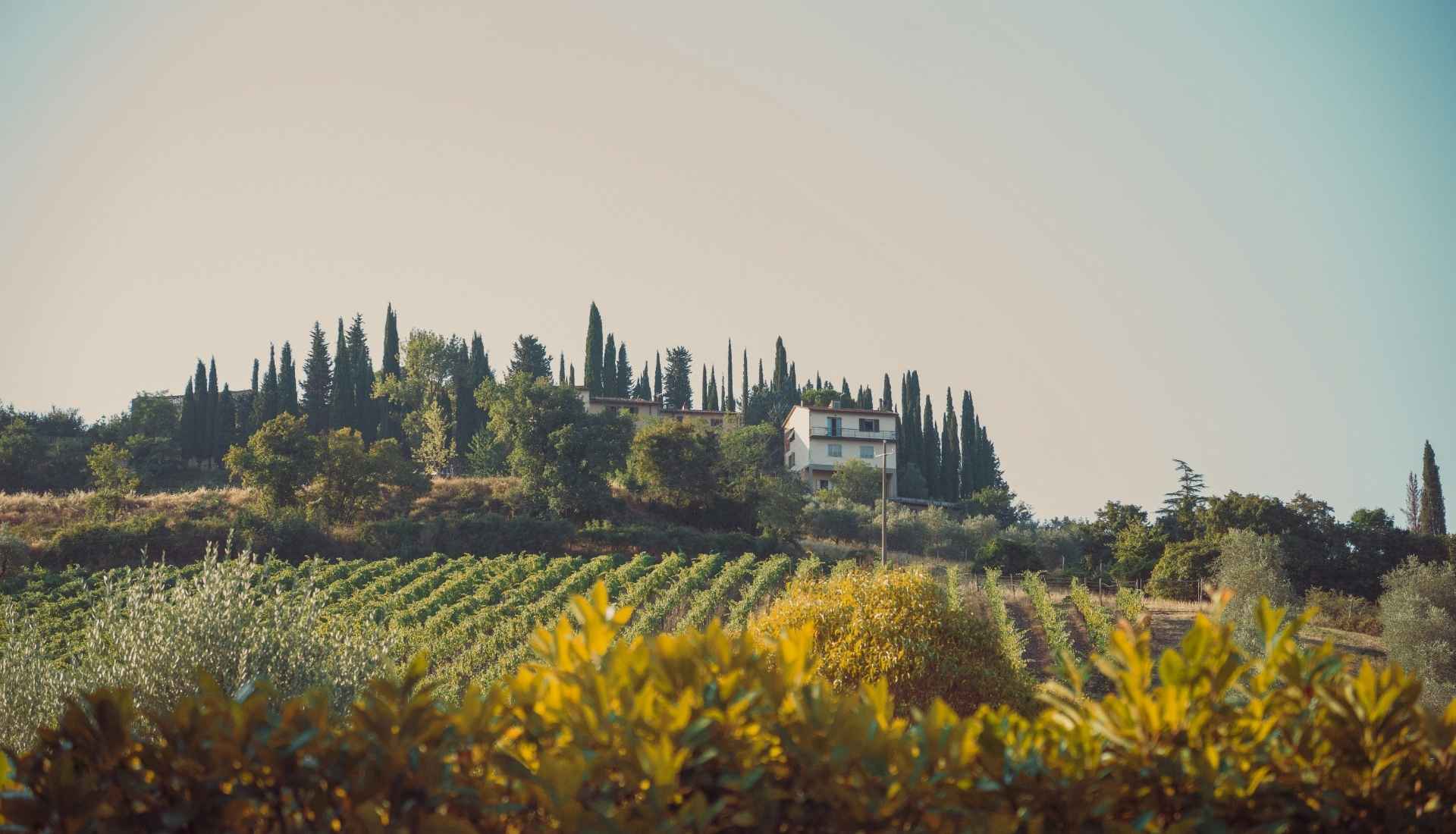
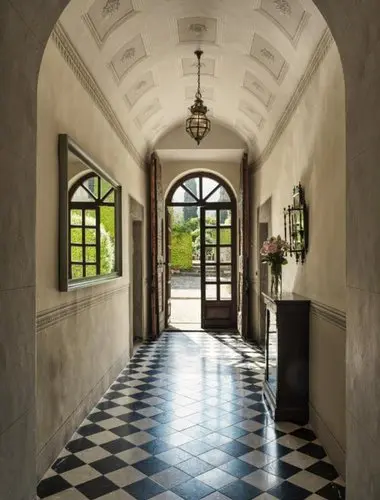
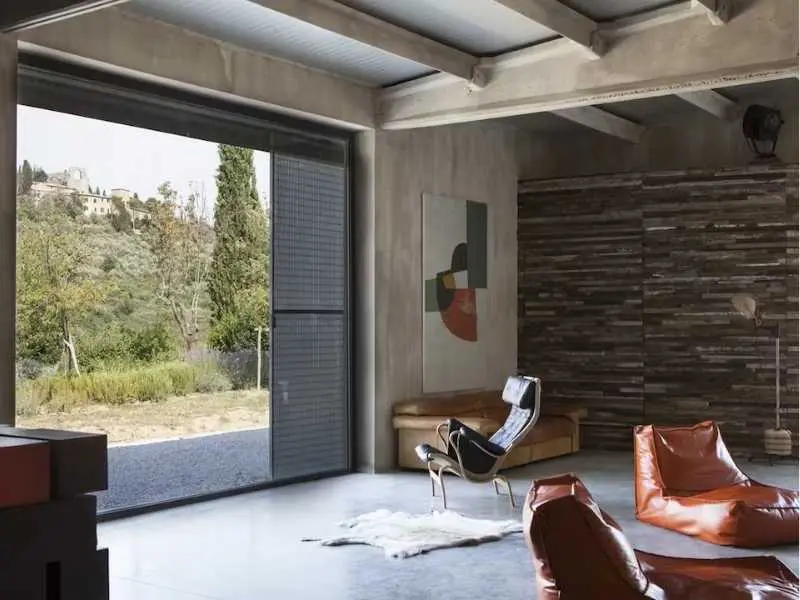
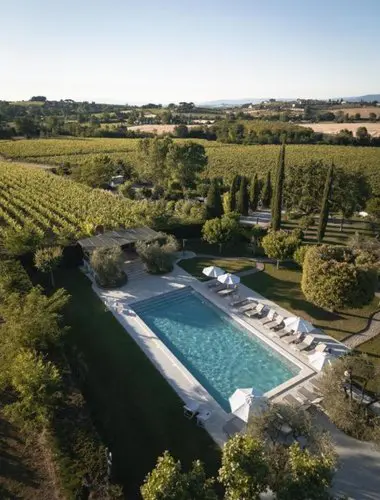
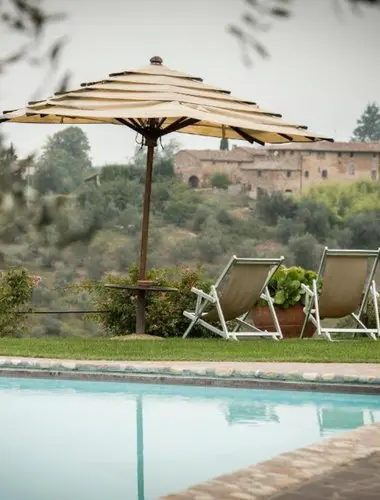
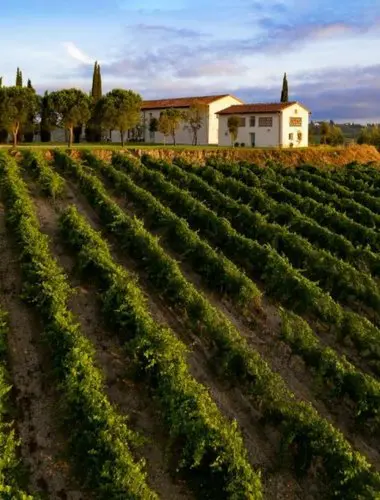
Working cellars, white roads and wine estates stretched between Florence and Siena.

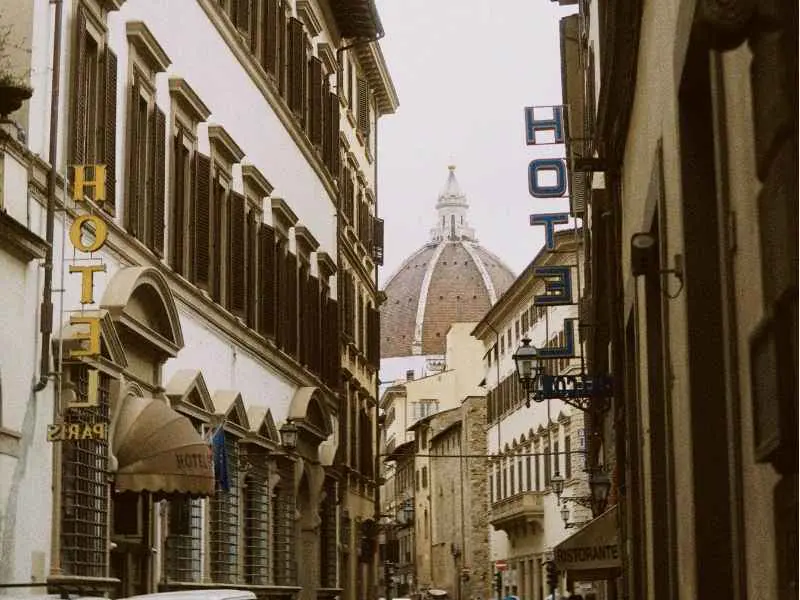
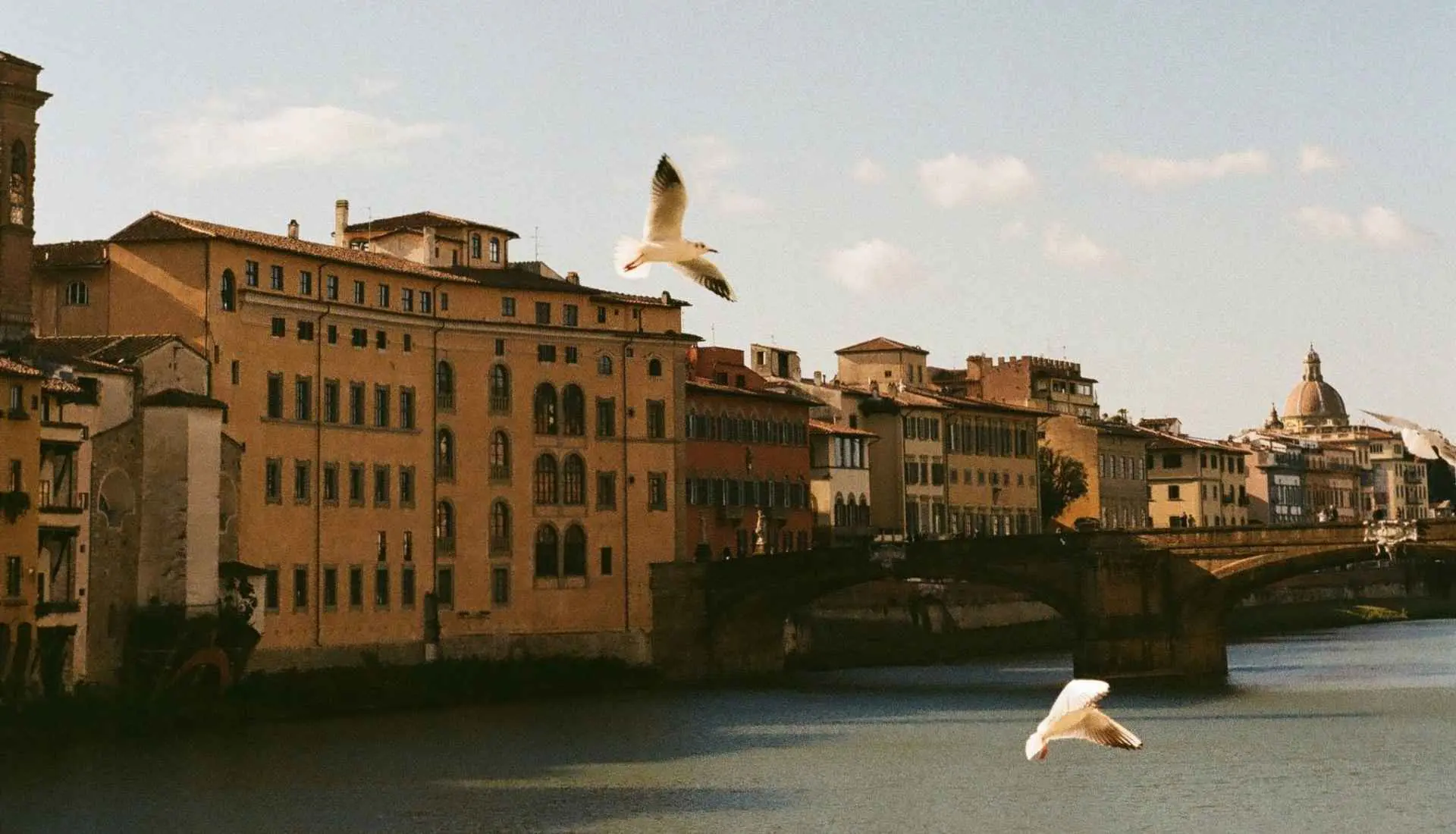
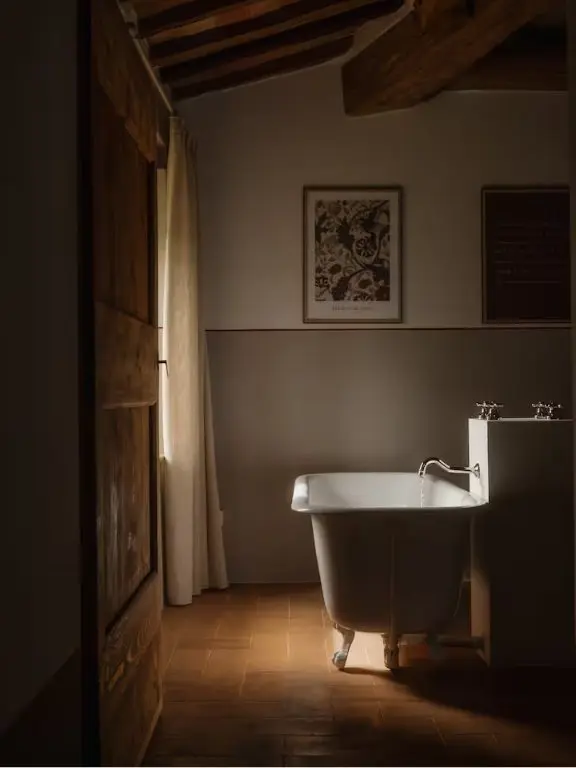
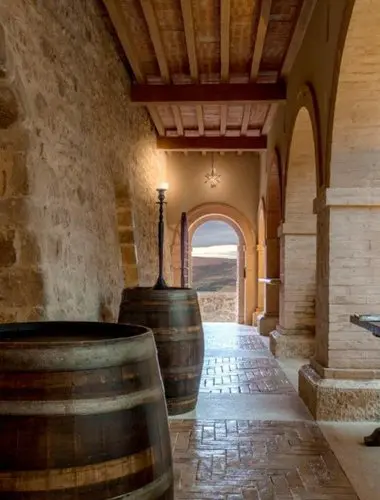
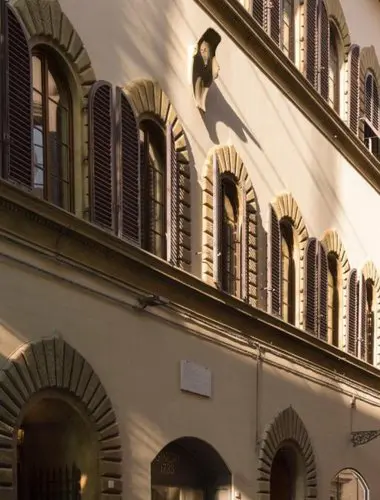
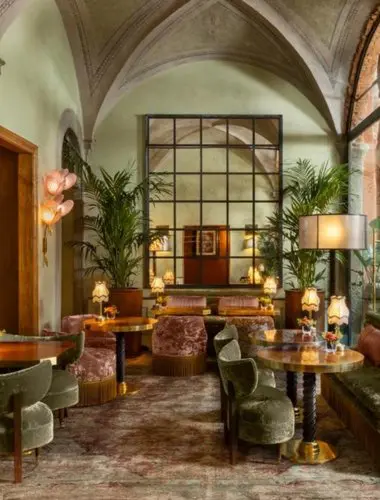
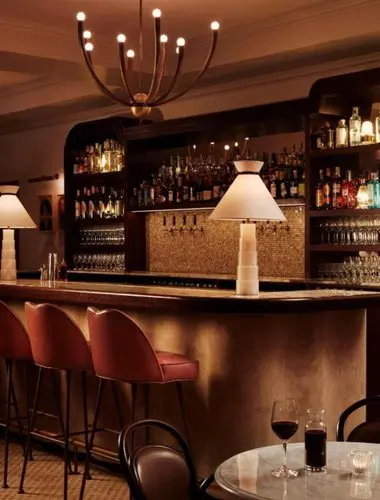
Renaissance streets, working markets and country estates that keep the city within reach.
Chianti is the easiest introduction, particularly when the trip also includes Florence or Siena. Montepulciano gives you a substantial hill town, Vino Nobile cellars and countryside that begins beneath the walls. The Val d’Orcia is broader and more isolated, with Brunello vineyards, thermal water and long roads between Pienza, Montalcino and Bagno Vignoni. Choose according to how you want to spend the day, not which landscape looks most familiar.
Florence works when museums, markets, restaurants and moving through the day on foot matter most. The countryside replaces spontaneity with space, quieter evenings and hotels that can become part of the trip. Trying to experience both from one base usually means unnecessary driving. If time allows, spend a few nights in Florence before collecting a car and moving into Chianti, Montepulciano or the Val d’Orcia.
Chianti offers the greatest concentration of estates between Florence and Siena, with Chianti Classico, working cellars and traditional wine relais. Montepulciano is more contained, making it easier to combine Vino Nobile tastings with evenings in town. Montalcino and the Val d’Orcia suit travellers prepared to drive further for Brunello, fortified estates and a more dramatic landscape. Bolgheri belongs to a separate western route, where serious wine can be combined with the coast.
Not in Florence. Almost everywhere else covered by this guide becomes easier with one. Trains reach useful towns such as Chiusi, but vineyards, agriturismi and country hotels rarely sit beside the station. Collect the car after leaving Florence, check whether the hotel is reached by gravel road and take restricted traffic zones seriously. An estate with dinner is worth considering when the alternative is another dark rural drive after a bottle of wine.
Choose an agriturismo when farming, local food and the people working the land should remain visible. A vineyard hotel places wine closer to the centre, often through cellar visits, tastings and estate dinners. Vacation rentals provide kitchens, private pools and space for a longer stay, but groceries, driving and practical decisions remain yours. Luxury hotels remove more of that work. The right format depends on whether you want hospitality, access or independence.
Four nights is enough for Florence or one rural territory, but not both properly. Seven to ten days allows the trip to move through two distinct bases without becoming a daily exercise in packing and parking. Florence followed by Chianti works naturally. Montepulciano can cover Vino Nobile country and parts of the Val d’Orcia from one address. Avoid using a single hotel to reach every famous town. Tuscany looks compact on a map and travels slowly on the road.
May, June, September and early October offer the strongest balance of warm days, active vineyards and countryside that still feels usable beyond the pool. July and August bring heat, higher prices and crowded hill towns, though they suit trips built around swimming and long afternoons at the hotel. Cooler months favour Florence, thermal water and spa stays, but many rural pools close and daylight shortens. The best season depends on whether the trip begins with art, wine, walking or doing very little.
For collaborations and enquiries
We use cookies to improve your experience and understand how the site is used. You can accept or manage your preferences at any time.