Florence

Renaissance streets, working markets and country estates that keep the city within reach.

hotels-in-florence-1

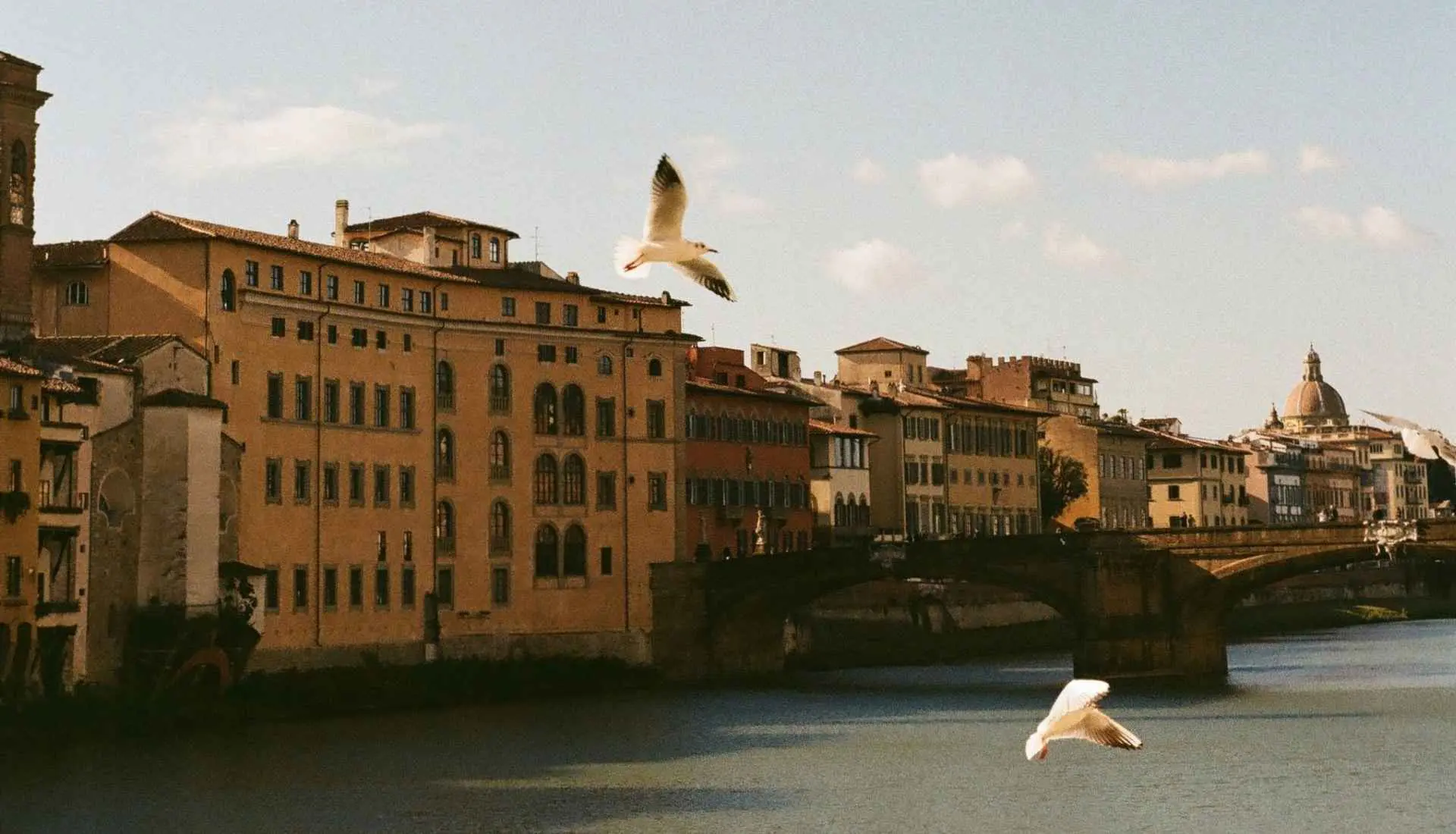
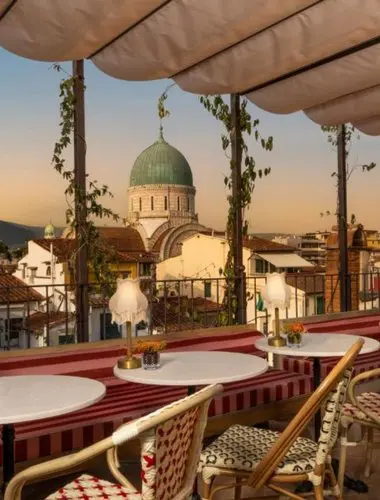
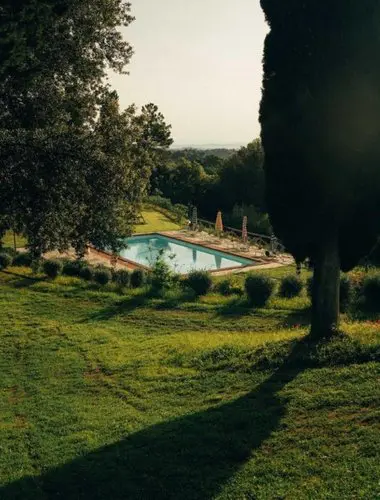
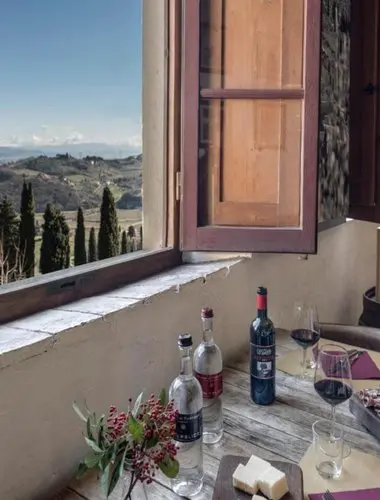
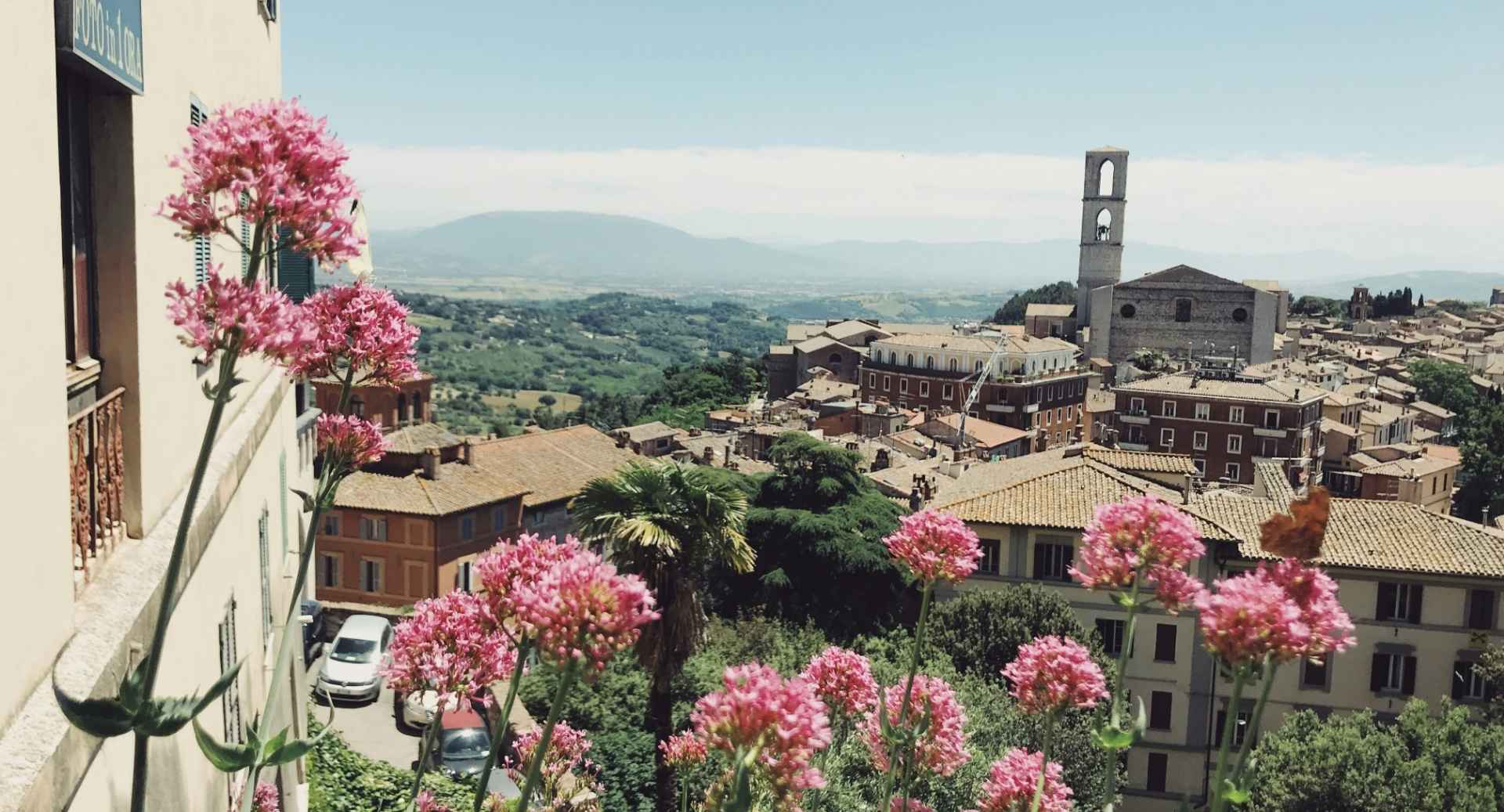
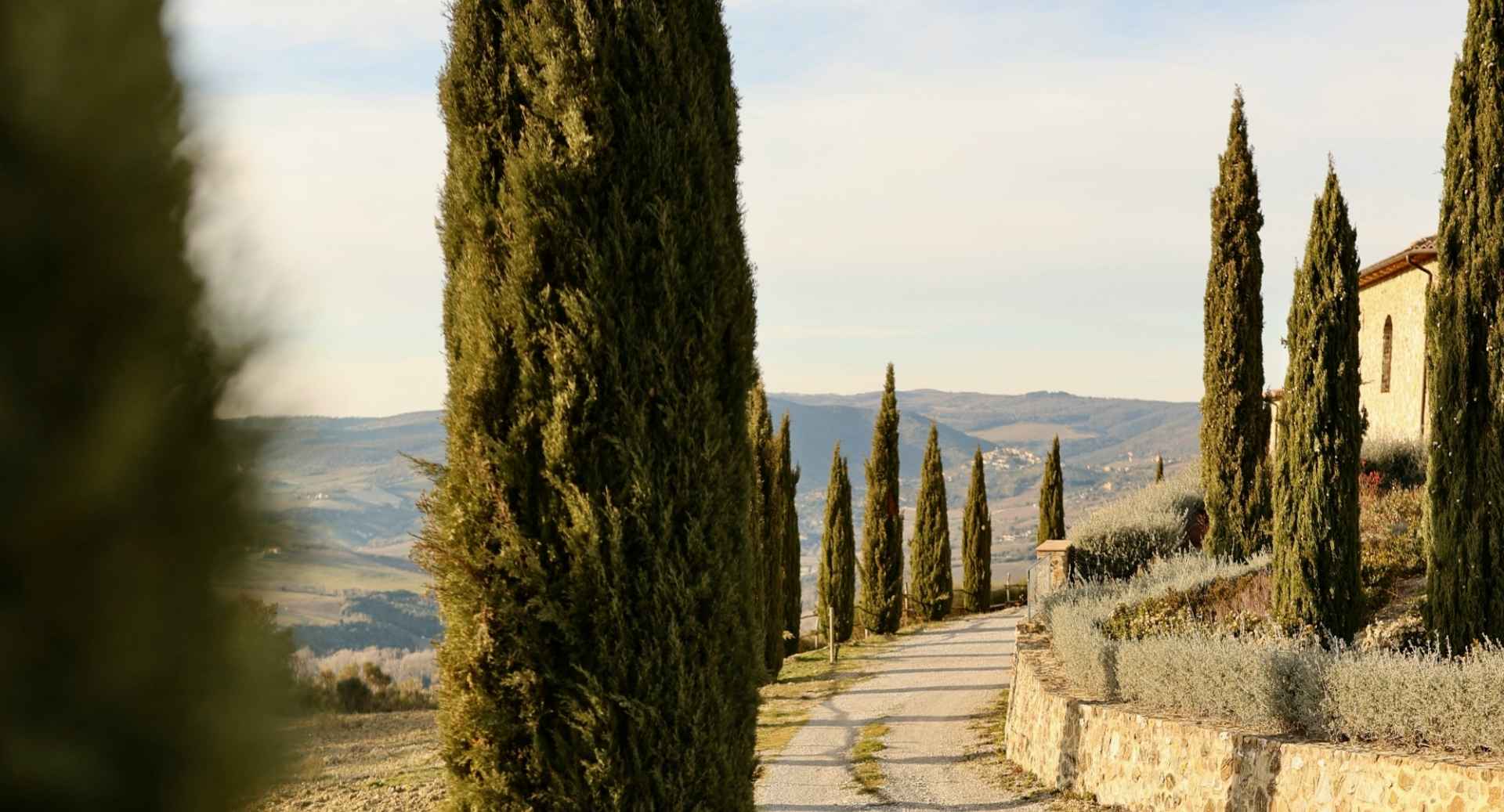
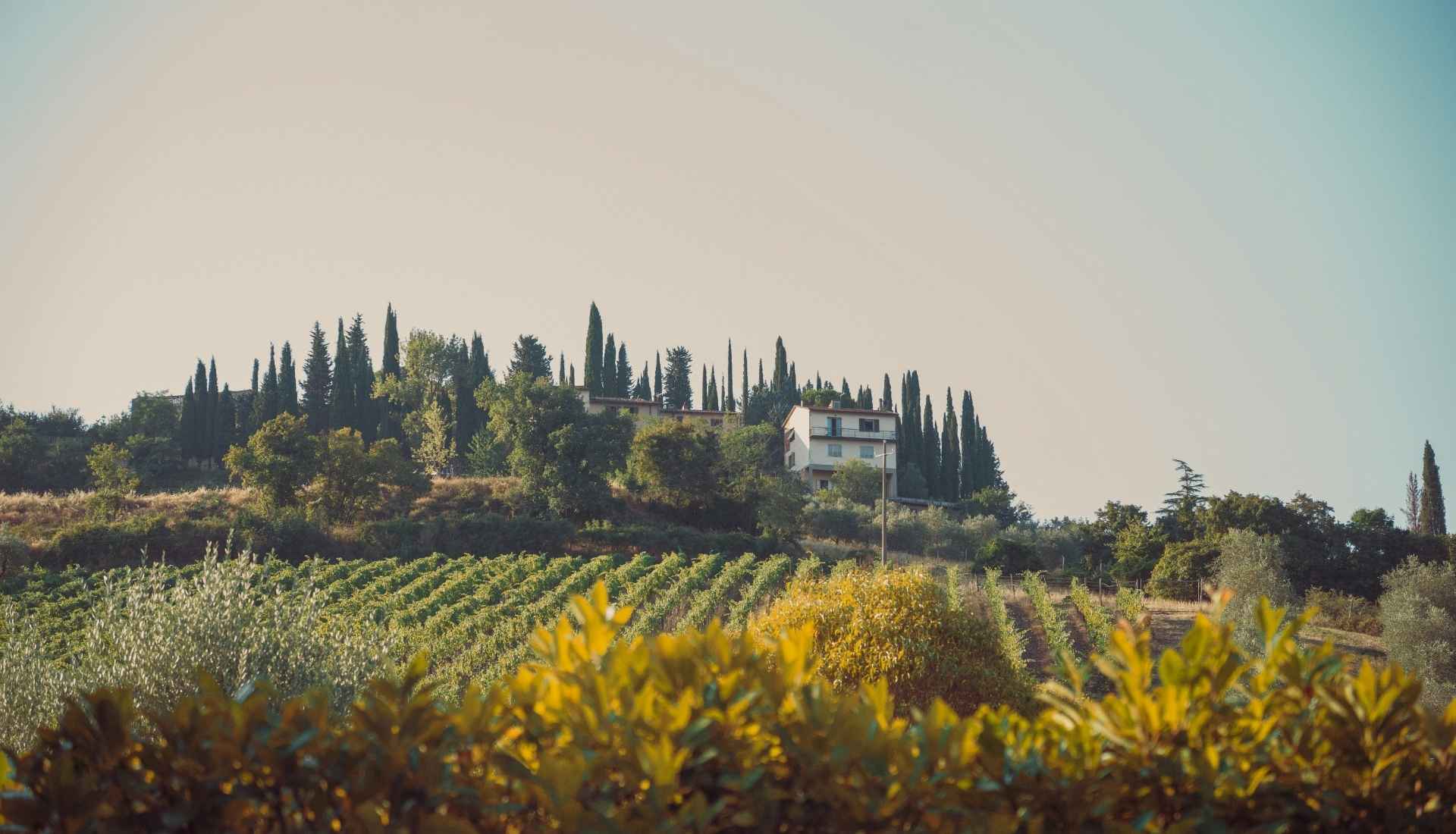
Florence can support two different kinds of stay. In the centre, hotels occupy former convents, merchant palazzi and buildings tied to the city’s long history of craft. Museums, markets and restaurants are reached on foot, with the Arno providing the easiest line through the city. Beyond it, the Florentine countryside offers vineyards, olive estates and old villas from which the city becomes a deliberate day trip. This edit includes both. Stay centrally when art and street life should fill most of the day. Move into the surrounding hills when you want Florence’s cultural weight without spending every evening inside its busiest streets.

best for

• Renaissance art and architecture
• Markets, restaurants and days on foot
• Design hotels inside historic buildings
• Combining the city with nearby wine country

skip if

• Crowded museums quickly exhaust you
• You want silence directly outside
• Your priority is remote rural Tuscany
• You expect to drive easily in the centre

Why stay in Florence?

Florence rewards staying beyond a single museum-heavy day. Early mornings reveal Sant’Ambrogio and the streets around the Duomo before tour groups arrive, while evenings leave time for neighbourhood restaurants and walks beside the Arno. A central hotel removes the need to drive and makes short returns between galleries entirely practical. The surrounding countryside offers another approach. Estates near Carmignano, Vinci and Palaia provide vineyards, pools and working farms with Florence still close enough for a planned visit. Do not treat those locations as interchangeable. A city address gives spontaneity; a rural one gives space. The strongest trip may divide time between both.

hotels-in-florence-1

Hotels

Casa G. Firenze

A former Ginori address pared back into fifteen rooms that lower the volume of central Florence.

Why stay here

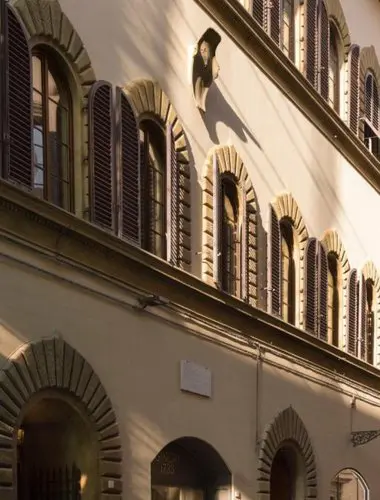
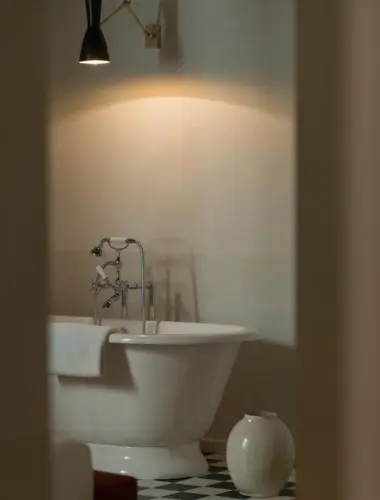
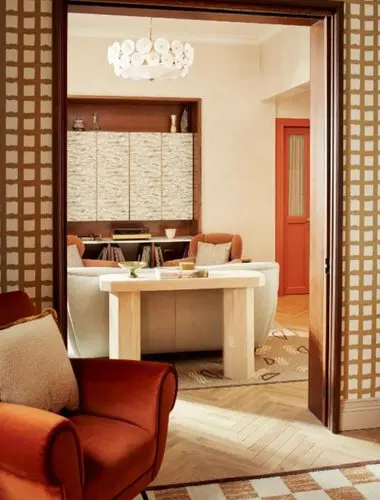
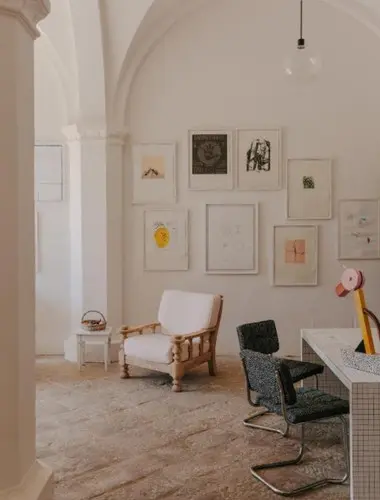
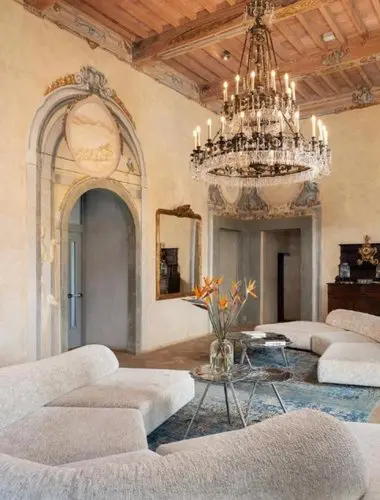
Casa G. occupies the eighteenth-century palazzo where Ginori porcelain once kept its headquarters. Architect Cecilia Pantaleo and owner Filippo Montani approached that history with restraint, using pale timber, white walls, brass and a small number of antiques rather than filling every surface. Frescoed ceilings remain upstairs, where the suites carry more of the original building. Fifteen rooms over two floors keep the scale quiet. After a day of churches, stone facades and museum rooms, the absence of visual noise feels deliberate. Florence supplies the ornament. Casa G. knows when to stop adding more.

Best for

Design-conscious travellers who want central Florence followed by a quieter visual register.
tuscany-hotels-casa-g-firenze-01
tuscany-hotels-casa-g-firenze-02

The James Suite Hotel Firenze 1564

Fourteen artisan-made suites in a former convent at the market end of central Florence.

Why stay here

The date is carved into the palazzo: 1564, the year Michelangelo died and Galileo was born. Its former life as a convent remains in the barrel vaults, plain facade and enclosed courtyard, while Florentine designer James Cavagnari brought local artisans into every suite. Hand-painted frescoes and custom furniture give the restoration a distinctly local hand. Sant'Ambrogio market is nearby, keeping mornings tied to traders and neighbourhood shopping before the centre gathers pace. The James feels most convincing in that first hour of the day, when Renaissance Florence still behaves like somewhere people live.

Best for

Travellers who want artisan detail, market mornings and the historic centre on foot.
tuscany-hotels-the-james-suite-hotel-firenze-1564-01
tuscany-hotels-the-james-suite-hotel-firenze-1564-02

The Hoxton, Florence

A Renaissance palazzo where Florence loses the hush and gains a properly social ground floor.

Why stay here

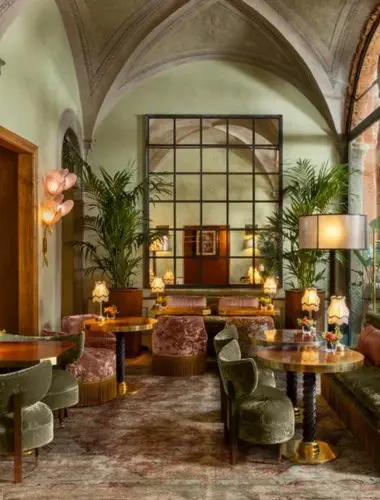
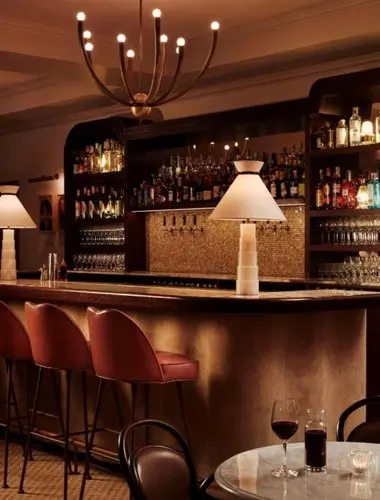
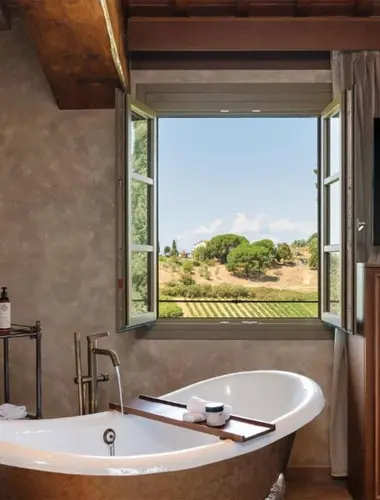
The Hoxton joins a sixteenth-century Ricasoli palazzo to an unapologetically 1980s neighbour, allowing old Florence and a less formal version of hotel life to occupy the same address. AIME Studios kept the frescoes and vaulted arcade, then filled the ground floor with worktables, long opening hours and people who may never see a bedroom. The 161 rooms range from compact to terrace suites with outdoor baths. It is larger and livelier than most hotels on this page. That difference earns its place. Renaissance architecture works surprisingly well when nobody asks the lobby to whisper.

Best for

Longer city stays, sociable evenings and travellers who actually use the hotel lobby.
tuscany-hotels-the-hoxton-florence-02
tuscany-hotels-the-hoxton-florence-01

Villa Lena

A Palaia estate where working artists give the Tuscan villa a cultural life of its own.

Why stay here

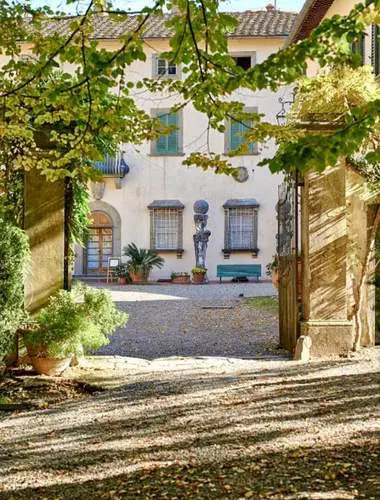
Villa Lena shares its grounds with an artist residency, which changes the conversation around the pool and the work hanging on the walls. Studios occupy the outbuildings. Residents eat alongside guests. Exhibitions often begin with something made a field away. The nineteenth-century villa, organic gardens and olive groves supply the familiar Tuscan setting, yet the atmosphere comes from people actively making things inside it. Florence and Pisa are each about an hour away, although both can begin to feel secondary after a few days. This is the countryside with a studio practice humming through it.

Best for

Creative stays shaped by shared tables, working studios and time away from the city.
tuscany-hotels-villa-lena-01
tuscany-hotels-villa-lena-02

Colle Alberti Country House

A family wine estate in the Medici hills, priced for staying longer than planned.

Why stay here

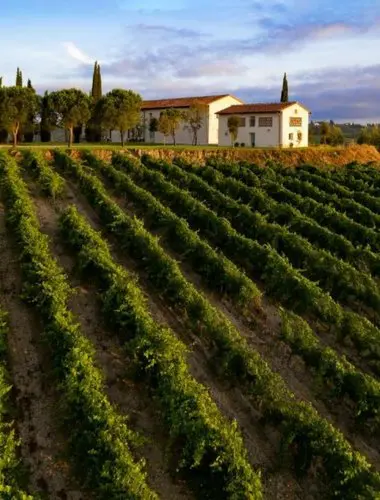
Colle Alberti occupies land once used by the Medici as a hunting estate, although the present-day pleasure is considerably less grand. Eighteen rooms and a cottage sit above family vineyards, with a pool facing the rows and guided tastings held in seventeenth-century cellars built by the Strozzi. Vinci and Cerreto Guidi are close enough for an unplanned morning out. Florence takes under an hour. The scale keeps everything easy, from breakfast to the bill, and the surrounding towns still feel lived in. A practical base with enough history to make the drive back interesting.

Best for

Longer Florence stays where family wine, quiet hills and sensible prices matter.
tuscany-hotels-colle-alberti-country-house-01
tuscany-hotels-colle-alberti-country-house-02

Agriturismo La Fattoria di Capezzana

Twelve centuries of Carmignano wine, with simple rooms and Florence half an hour away.

Why stay here

Capezzana has produced wine and olive oil since at least 804, and the remarkable part is how little that history needs explaining once you arrive. The cellar, vinsantaia, vineyards and enoteca-osteria still move to the agricultural year, giving guests a place inside the estate instead of a view of it. Rooms are simple. The days gather weight elsewhere, over a Carmignano tasting, a cooking lesson or lunch that quietly takes over the afternoon. Florence is thirty minutes away, yet Capezzana rewards staying put. The farm has been here long enough to deserve the extra day.

Best for

Wine-led stays where the working estate matters more than conventional hotel polish.
tuscany-hotels-agriturismo-la-fattoria-di-capezzana-01
tuscany-hotels-agriturismo-la-fattoria-di-capezzana-02

Villa Petriolo

A Florence country stay where the farm determines the menu, the day and the mood.

Why stay here

Villa Petriolo begins with the farm. Across 170 organic hectares, the morning's picking list travels into two restaurants, while regenerative agriculture, renewable energy and water recovery shape how the estate works. The sixteenth-century villa sits inside that system, its polished rooms, MATER spa and botanical bar surrounded by land in active use. Days tend to settle around the fields, the kitchen and the low hills near Vinci. Florence is forty-five minutes east, close enough for museums without controlling the whole stay. Here, Florence becomes the day trip.

Best for

Travellers who want Florence within reach and the farm setting the daily rhythm.
tuscany-hotels-villa-petriolo-01
tuscany-hotels-villa-petriolo-02
Places To Eat In Tuscany Il Borgo Machiavelli

Where to Eat Nearby

Il Borgo Machiavelli

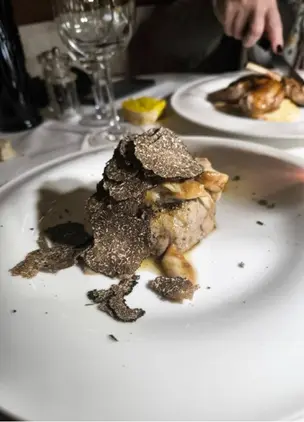
At Il Borgo Machiavelli just outside Florence, history sits quietly in the background. The estate once belonged to Niccolò Machiavelli, and today tables look across vineyards and olive groves that still shape the landscape. Tuscan dishes arrive simply, grilled meats, pasta, local wine. Among places to eat in Tuscany, the setting here carries just as much weight as the food.

Florence or Chianti?

Florence concentrates art, architecture, markets and restaurants within a city best explored on foot. It suits travellers who want cultural access and the freedom to change plans without getting into a car. The Revel Stay guide to Chianti moves the emphasis towards vineyards, estate dinners and country roads between small villages. Choose Florence when museums, street life and urban craft should lead the trip. Choose Chianti when the cellar, farmhouse and landscape matter more than daily sightseeing. For a longer stay, several nights in each provide a more convincing balance than repeatedly driving between them.

Explore Other Neighbourhoods

Hotels In Montepulciano

Montepulciano

Vino Nobile cellars, steep stone streets and a hill town that keeps wine close to everyday life.

Affordable Hotels In Tuscany

Val d'Orcia

Brunello vineyards, thermal water and long roads between some of southern Tuscany’s smallest towns.

hotels-in-chianti-2

Chianti

Working cellars, white roads and wine estates stretched between Florence and Siena.