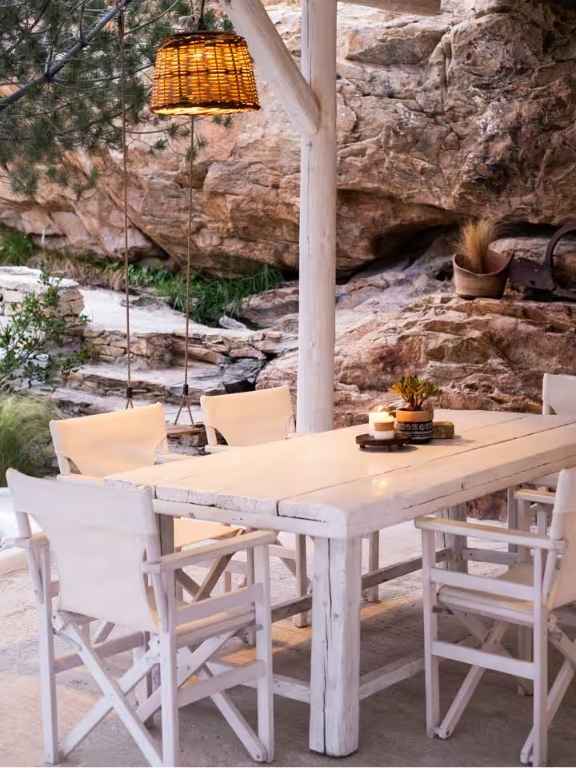
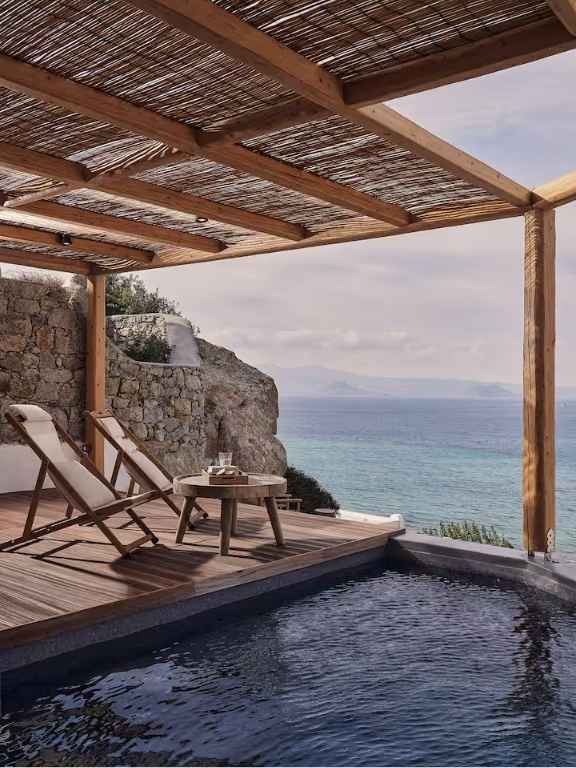
Naxos feels steady and unforced, an island shaped by farmland, mountain villages, and long beaches that never seem in a hurry. Life here follows simple rhythms. Olive trees, local cheeses, quiet roads, and towns where people still greet each other by name. It has the Cycladic light, but not the rush. This Naxos travel guide shares where to stay in Naxos, bringing together the best hotels, restaurants, and areas that reflect the island’s grounded, generous character.
Days unfold easily. A swim before breakfast. A drive inland to a village where lunch comes from the farm next door. An afternoon walking through alleys that feel lived in rather than styled. Evenings settle into good wine and food made with care. Naxos rewards travelers who slow down and choose depth over speed. Give it time, and the island reveals a calm that stays with you.

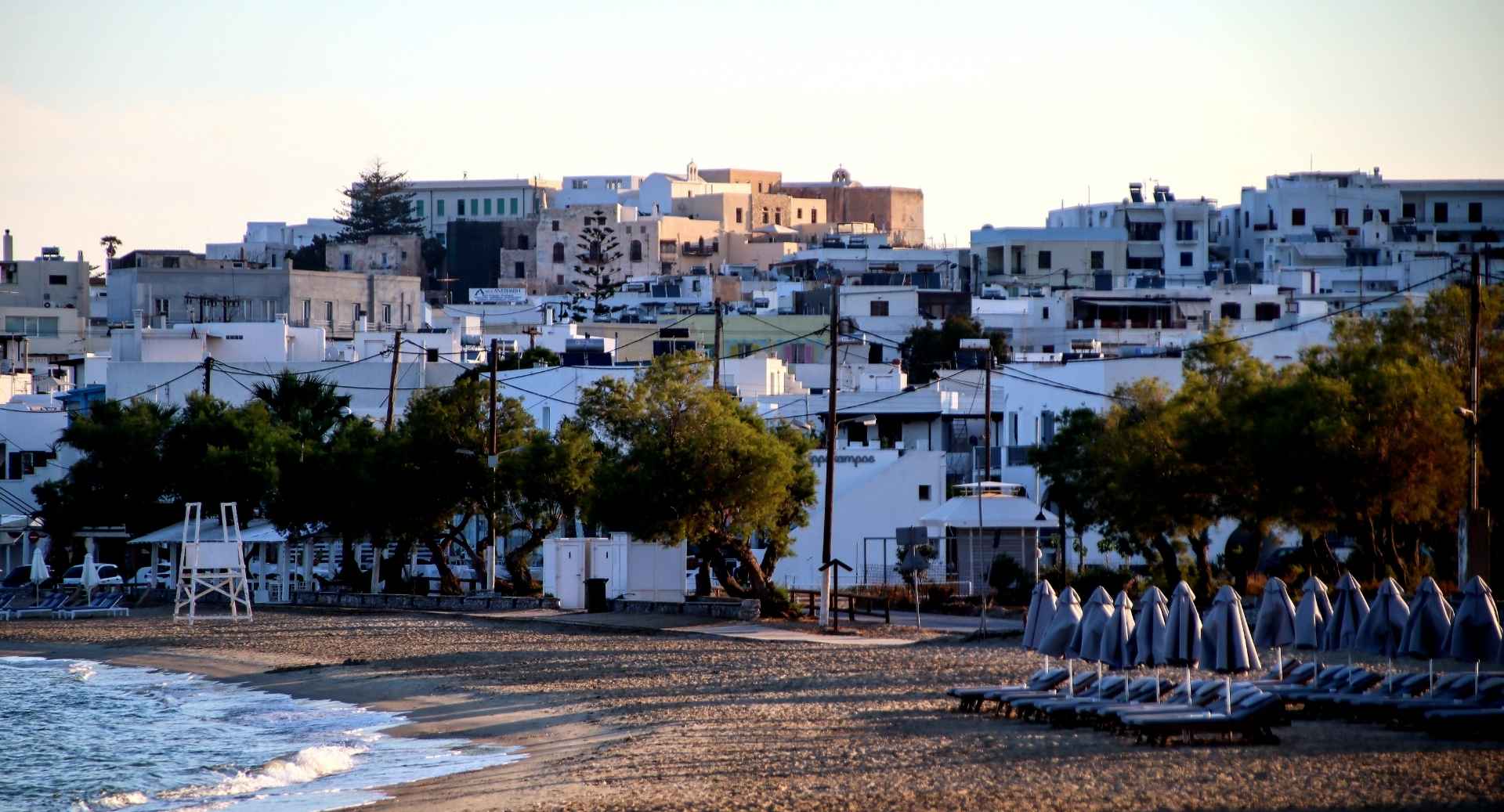
Long sand, stronger wind and the south-west coast of Naxos at its least complicated.

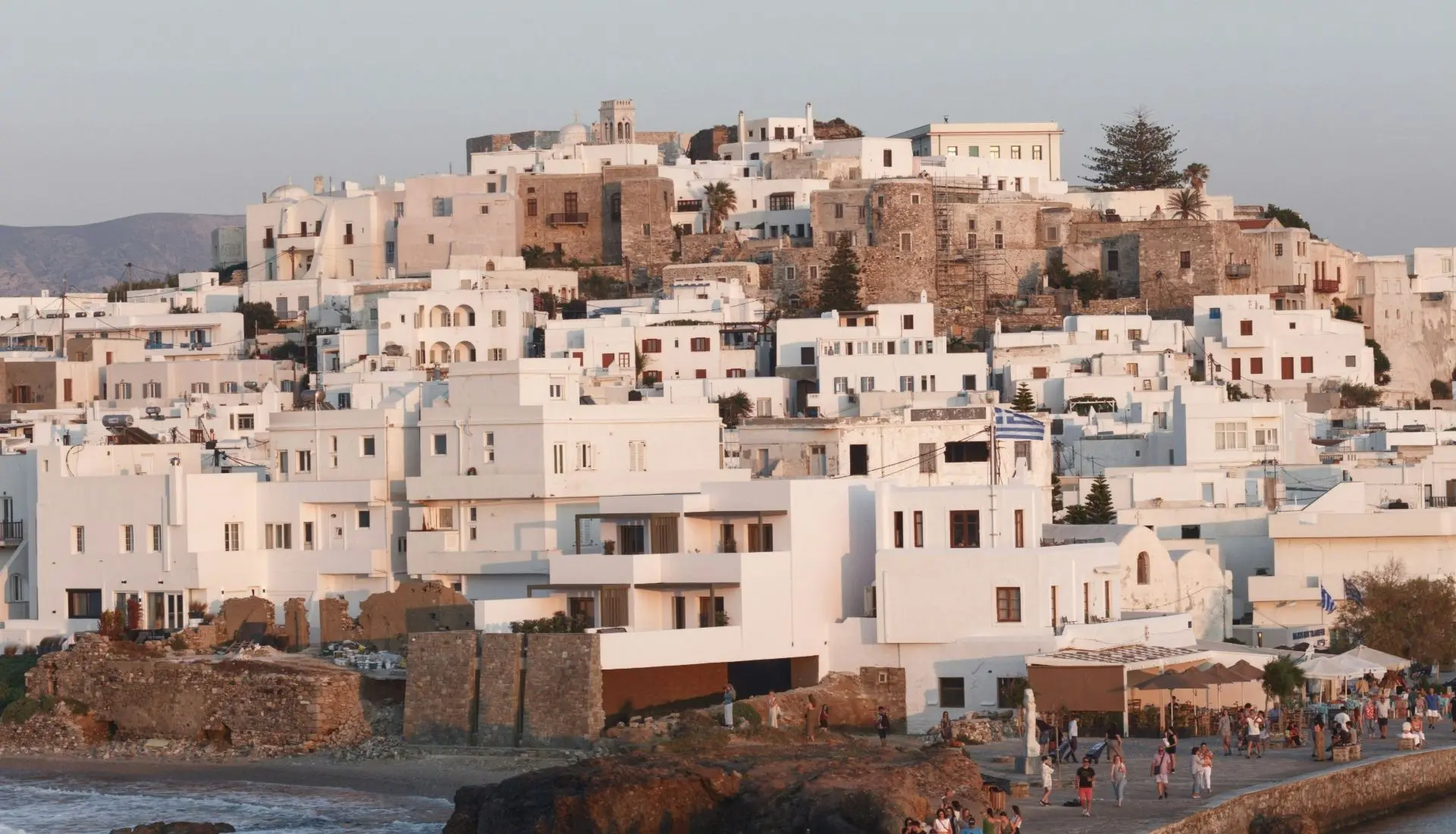
A working port, a Venetian hill town and the easiest place to experience Naxos without organising every day around a car.


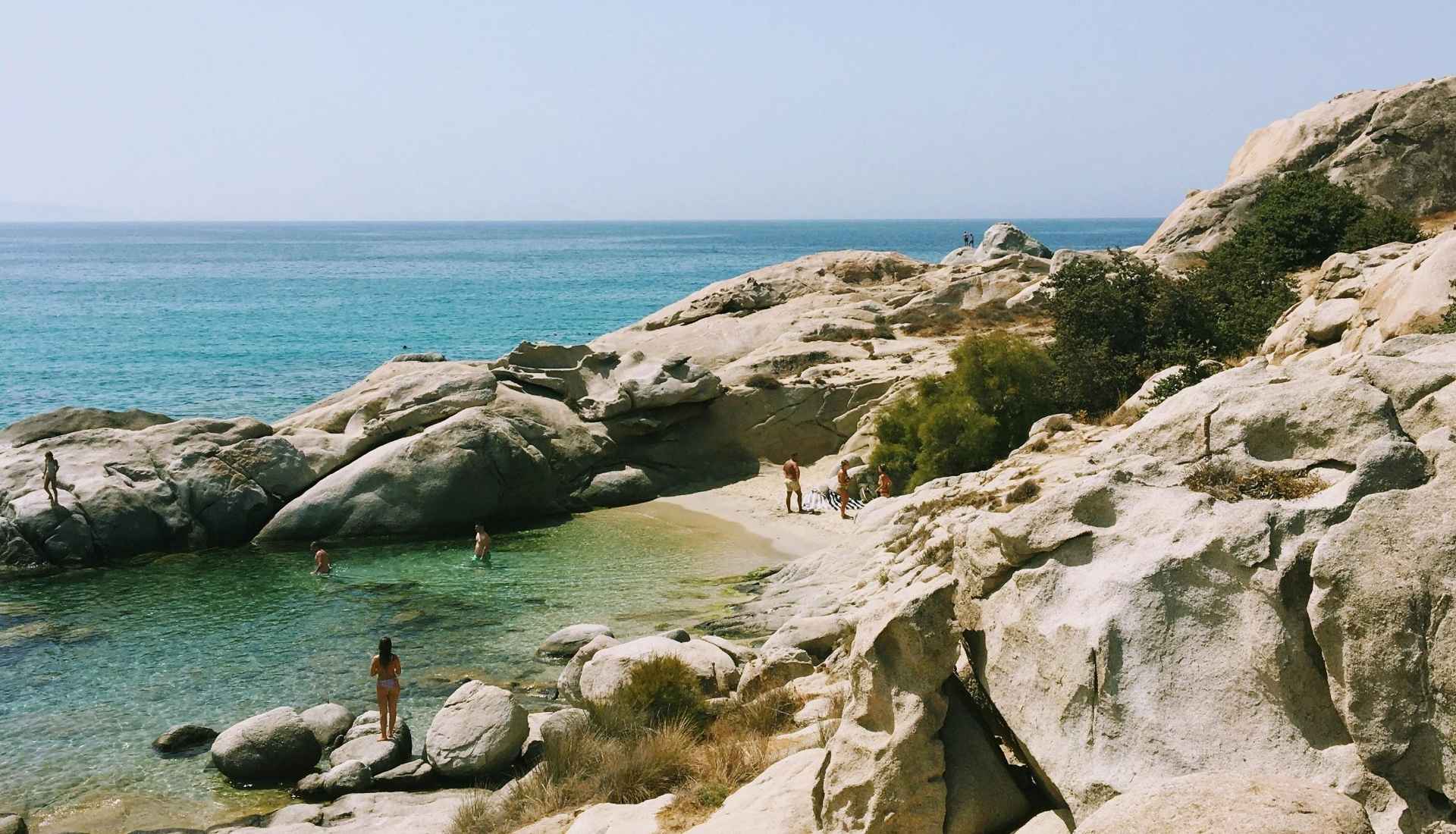
Naxos works best when you take it slow. Stay just outside the main town and let the day unfold with a swim, a quiet drive, or a stop in a village where lunch comes from nearby farms. Evenings lean toward simple seafood by the beach or small tavernas inland. The island does not need much explaining. It is steady, local, and easy to settle into. The more time you give it, the better it feels.

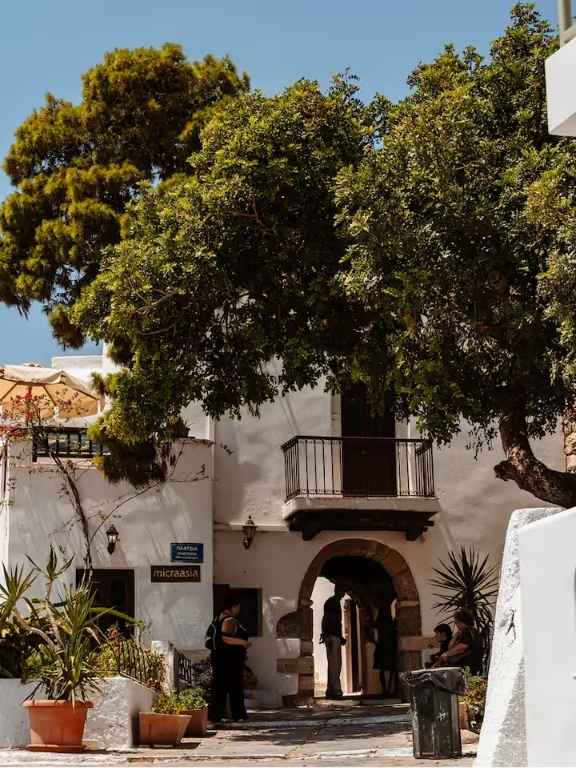
Chora reveals itself gradually. At first, it is ferries and people passing through, but a few turns off the main streets change everything. Small shops open late. Tables are laid early. A rooftop bar sits above it all with a view you do not expect. Backstreets feel lived in, not staged. Meals stretch longer here, and regular spots find you naturally. Even in high season, there are corners that stay calm. Let yourself wander. Chora does not try to impress. It is more real than that.
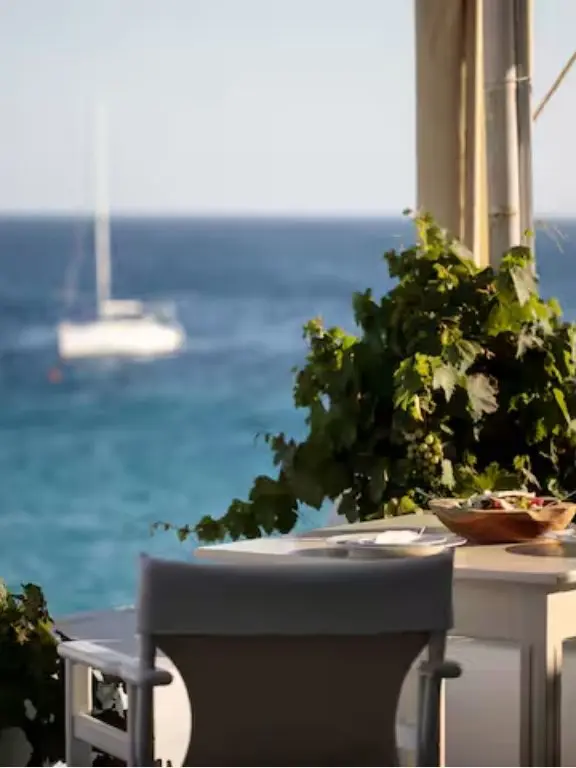
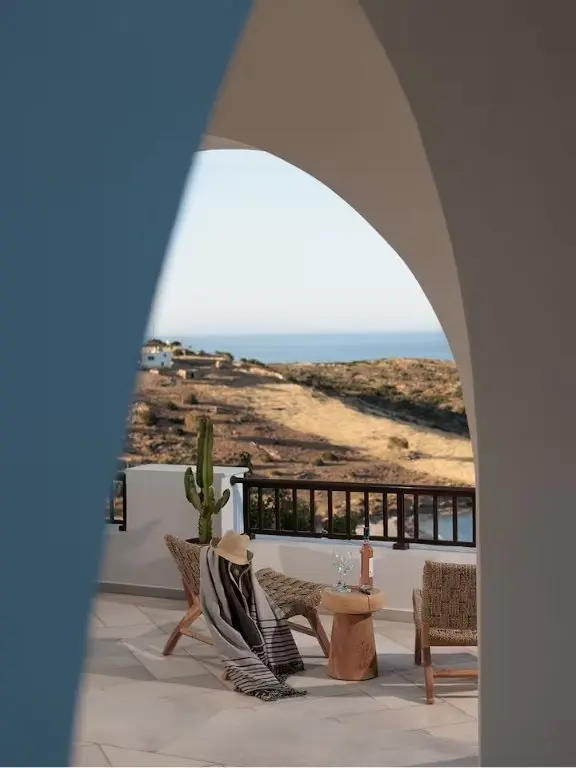
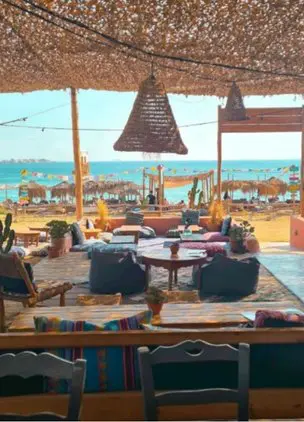
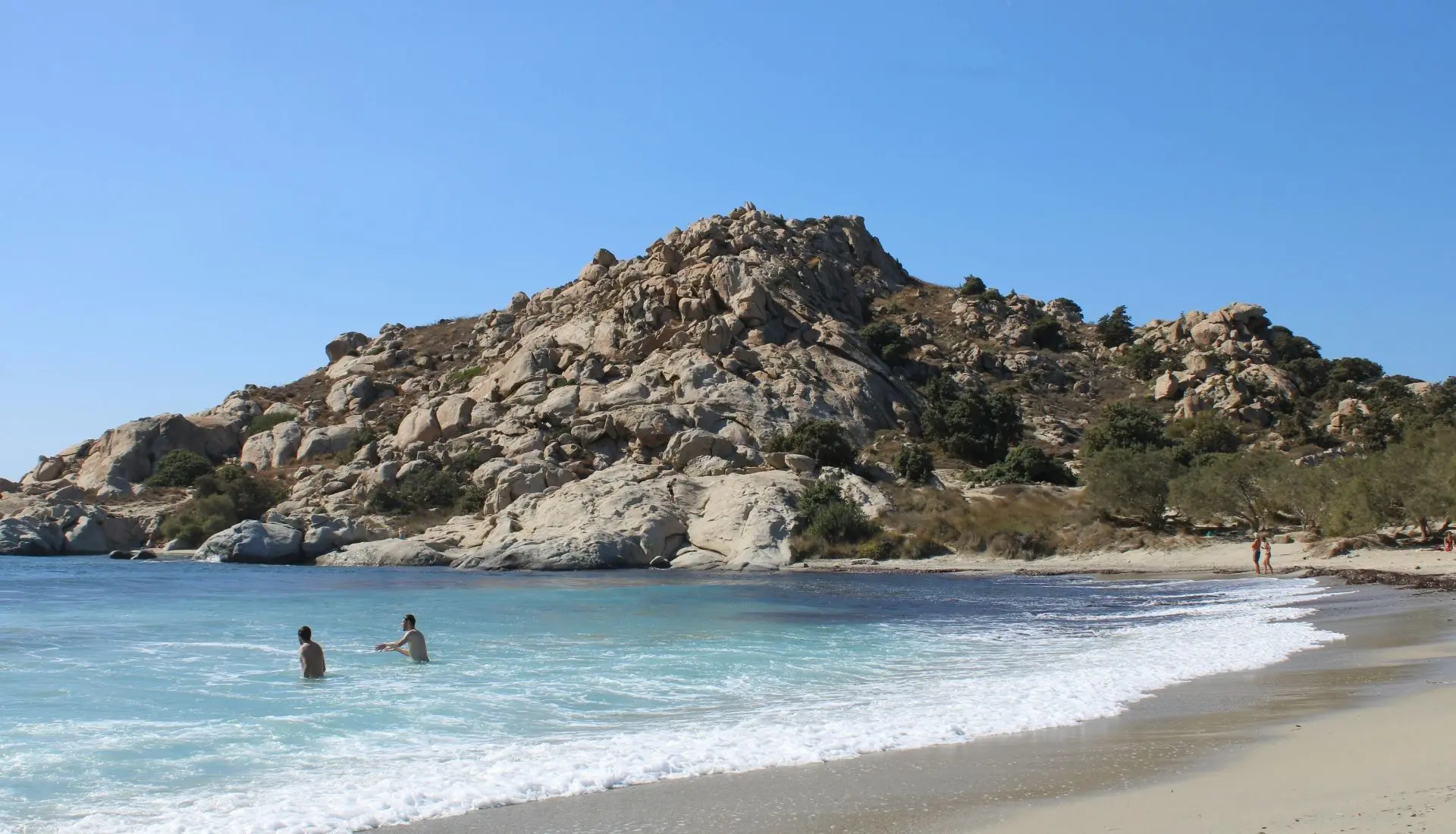
Mikri Vigla has two sides. One is bright and breezy, with kites in the air and long afternoons watching the water shift. The other is quieter, with calm sand, shallow water, and a stillness that settles slowly. A few tavernas lean into the beach, serving fish without fuss. Not much is built up here, which is exactly why it works. Even in summer, there is space. Come in June or September for softer winds and quieter days.


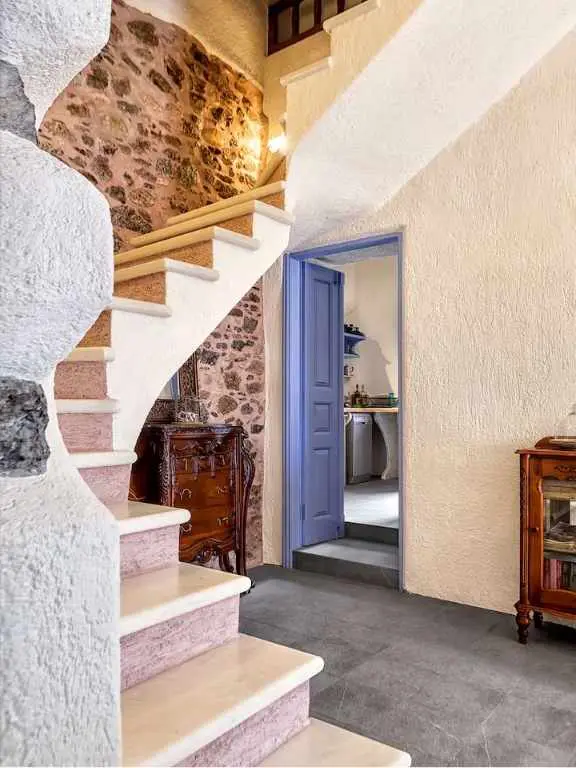
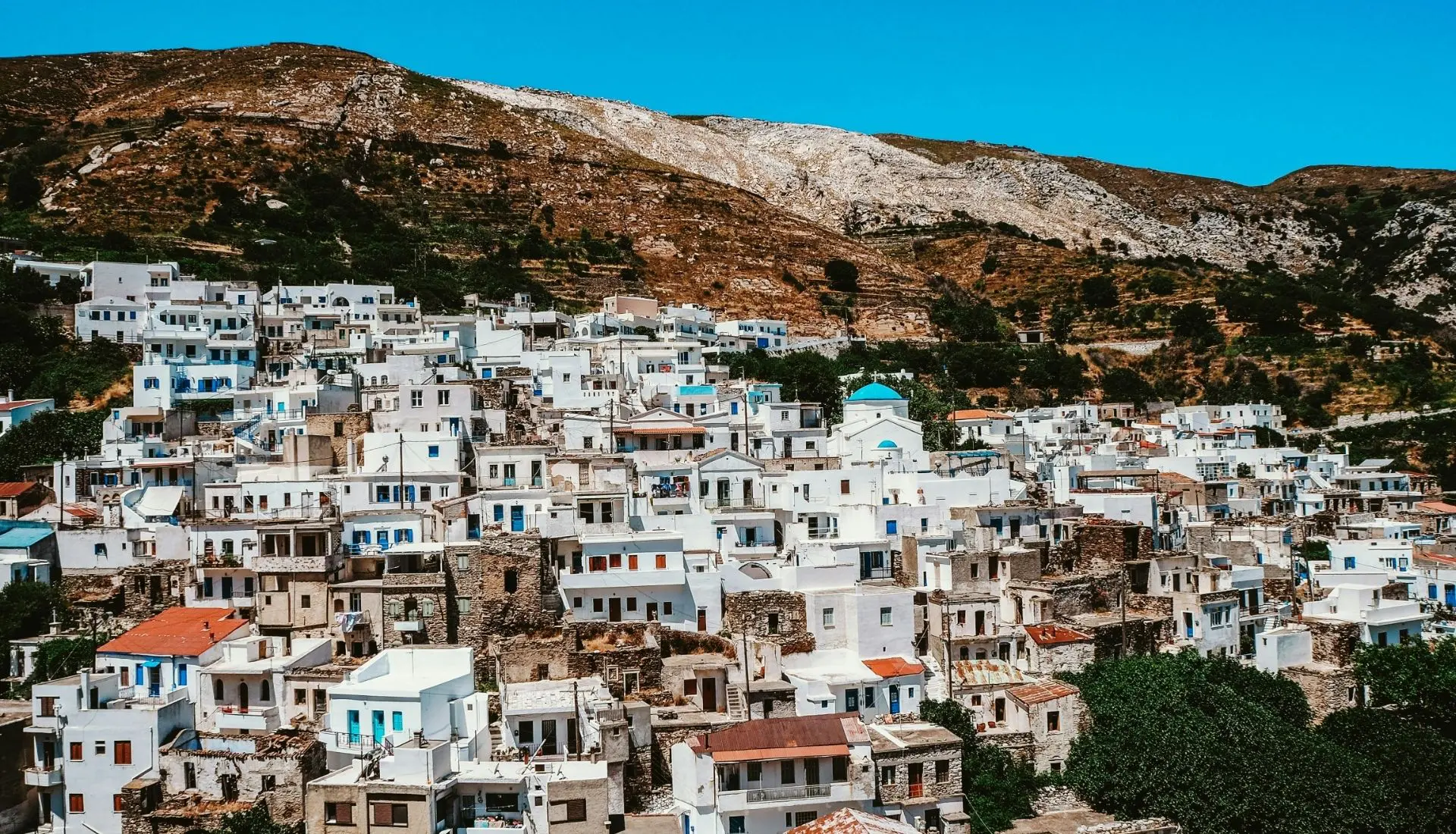
Koronos moves at its own pace. The village climbs the hillside with stone paths, rooflines, and corners that take time to learn. One house shuttered, the next open with someone cooking. It is not shaped for visitors, and that is why it stays with you. There is a small café in the square, and if you sit long enough, someone will say hello. You do not need a plan here. Just time. Koronos will meet you in its own way.
For collaborations and enquiries
We use cookies to improve your experience and understand how the site is used. You can accept or manage your preferences at any time.