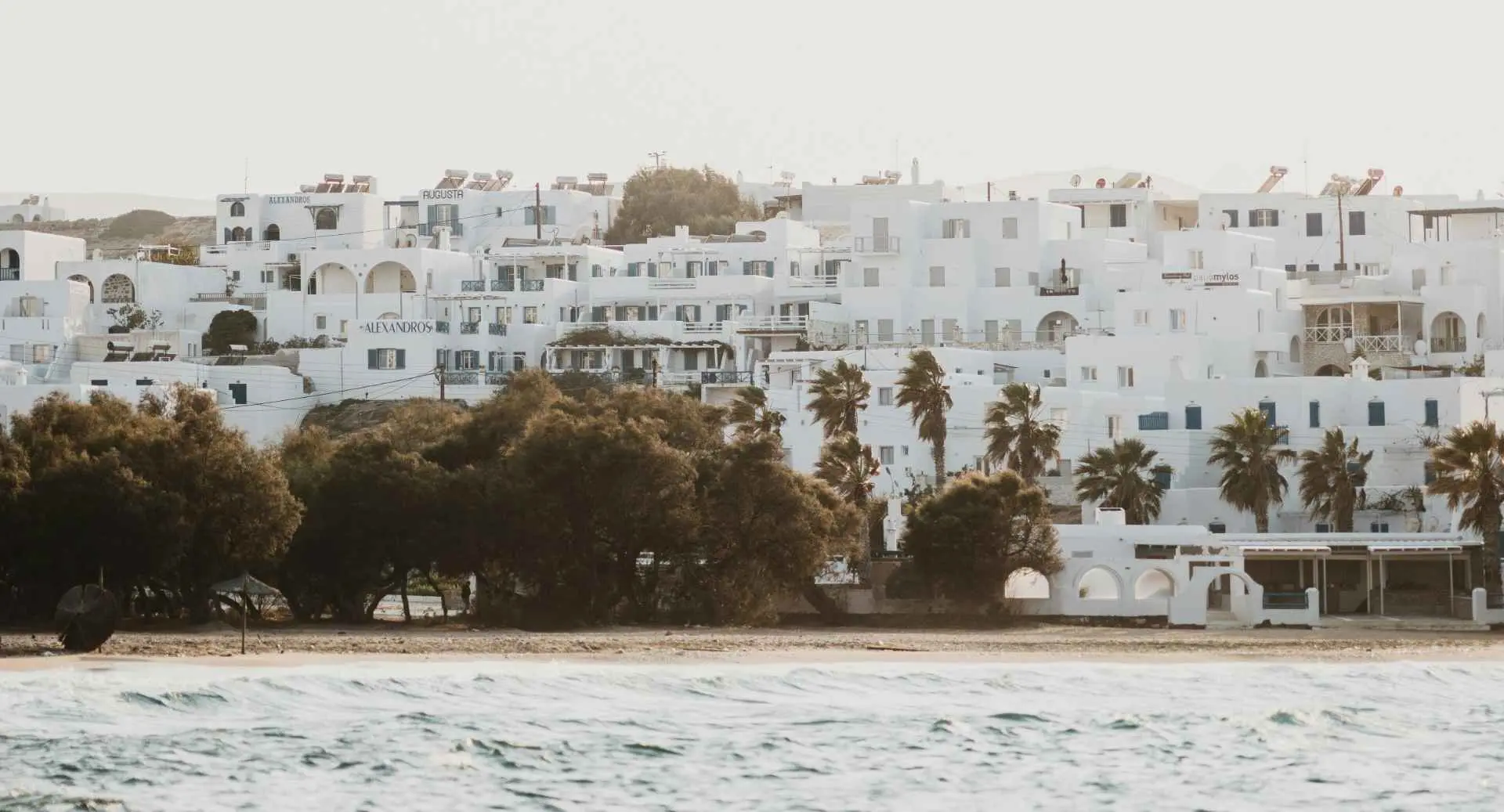
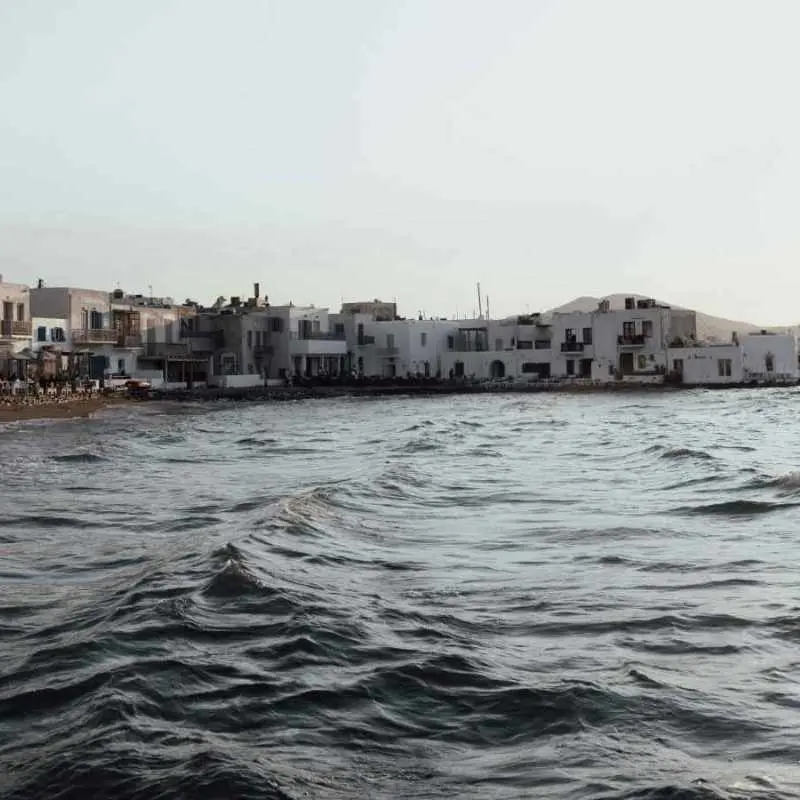
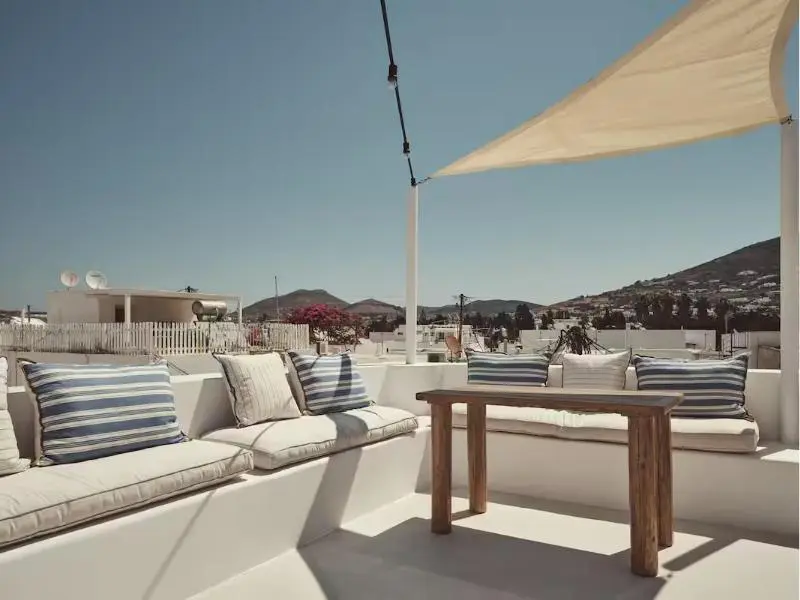
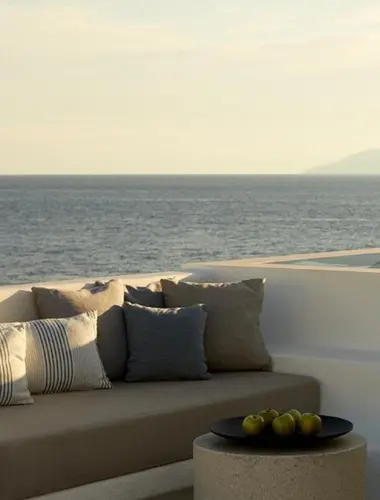
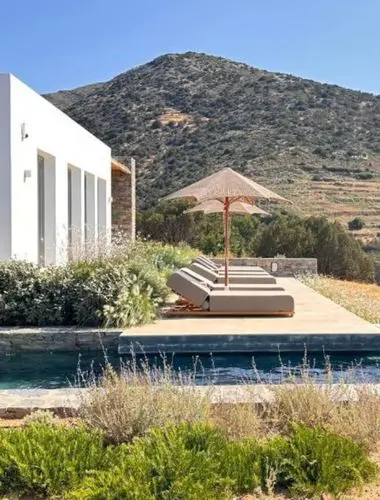
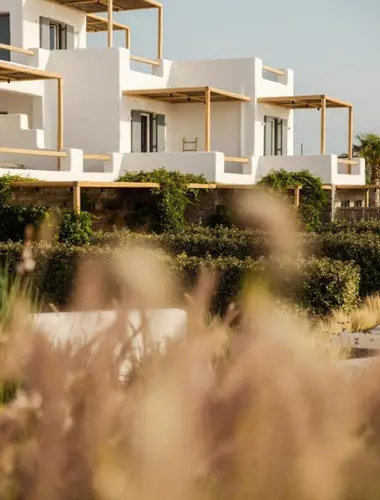
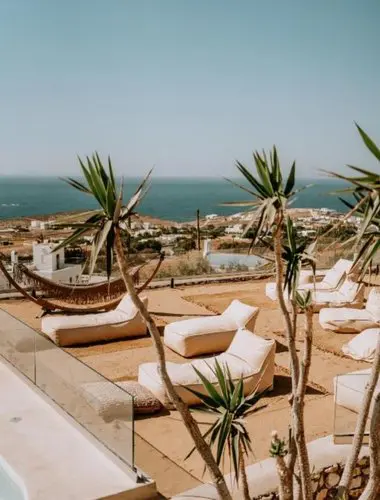
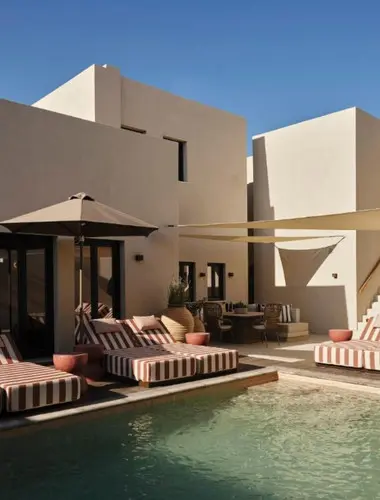
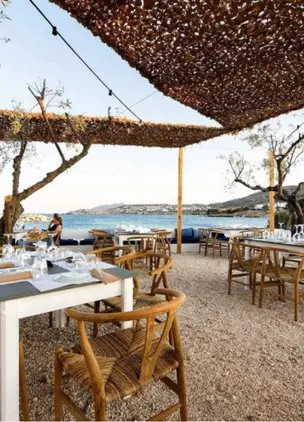
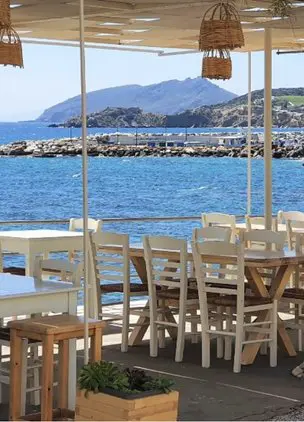
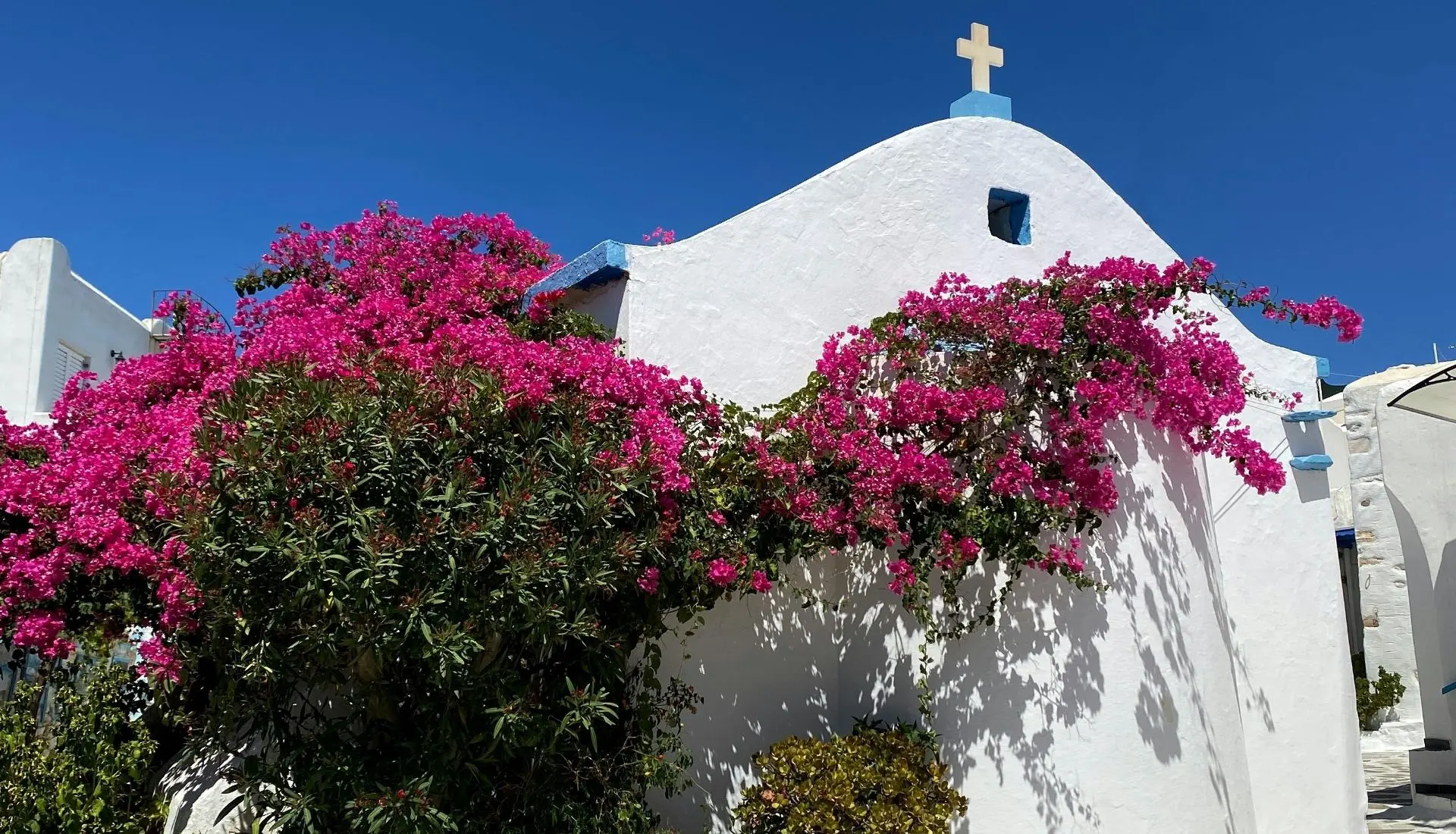
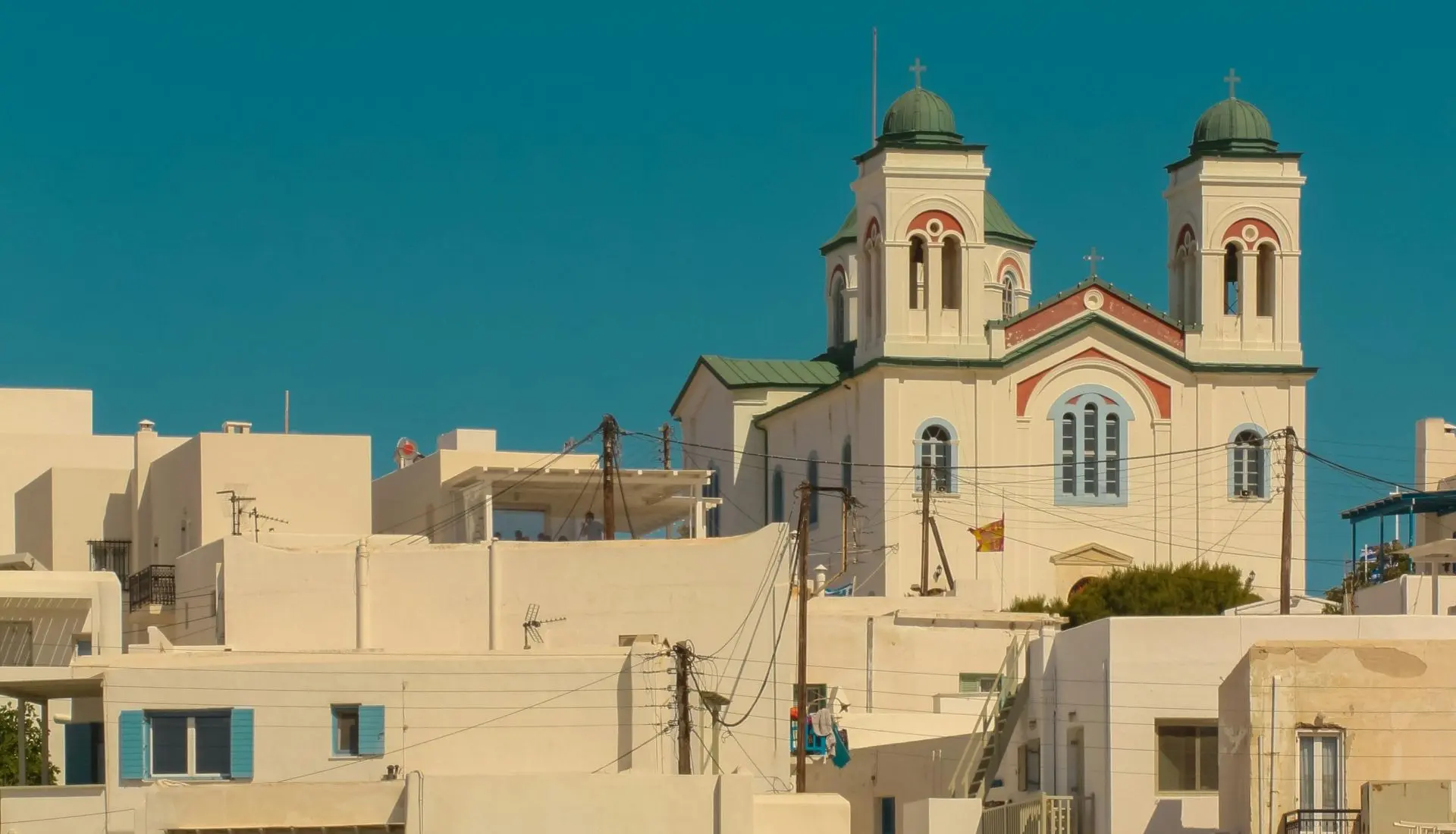
Paros has an ease to it. The island moves lightly, shaped by long beaches, whitewashed villages, and roads that drift between the coast and the hills. It feels more polished than its neighbours but still grounded, with a rhythm that suits unhurried days. This Paros travel guide shares where to stay in Paros, highlighting the best hotels, restaurants, and areas that capture the island’s calm, sunlit character.
Life here settles into a simple flow. Swim in the morning, wander through a village at midday, find a taverna where lunch stretches a little longer than planned. Evenings fade into good wine, small plates, and quiet streets that feel safe to walk without direction. Paros rewards travellers who balance beach time with exploring, and who let the island set the pace. Give it space, and it becomes somewhere easy to return to.

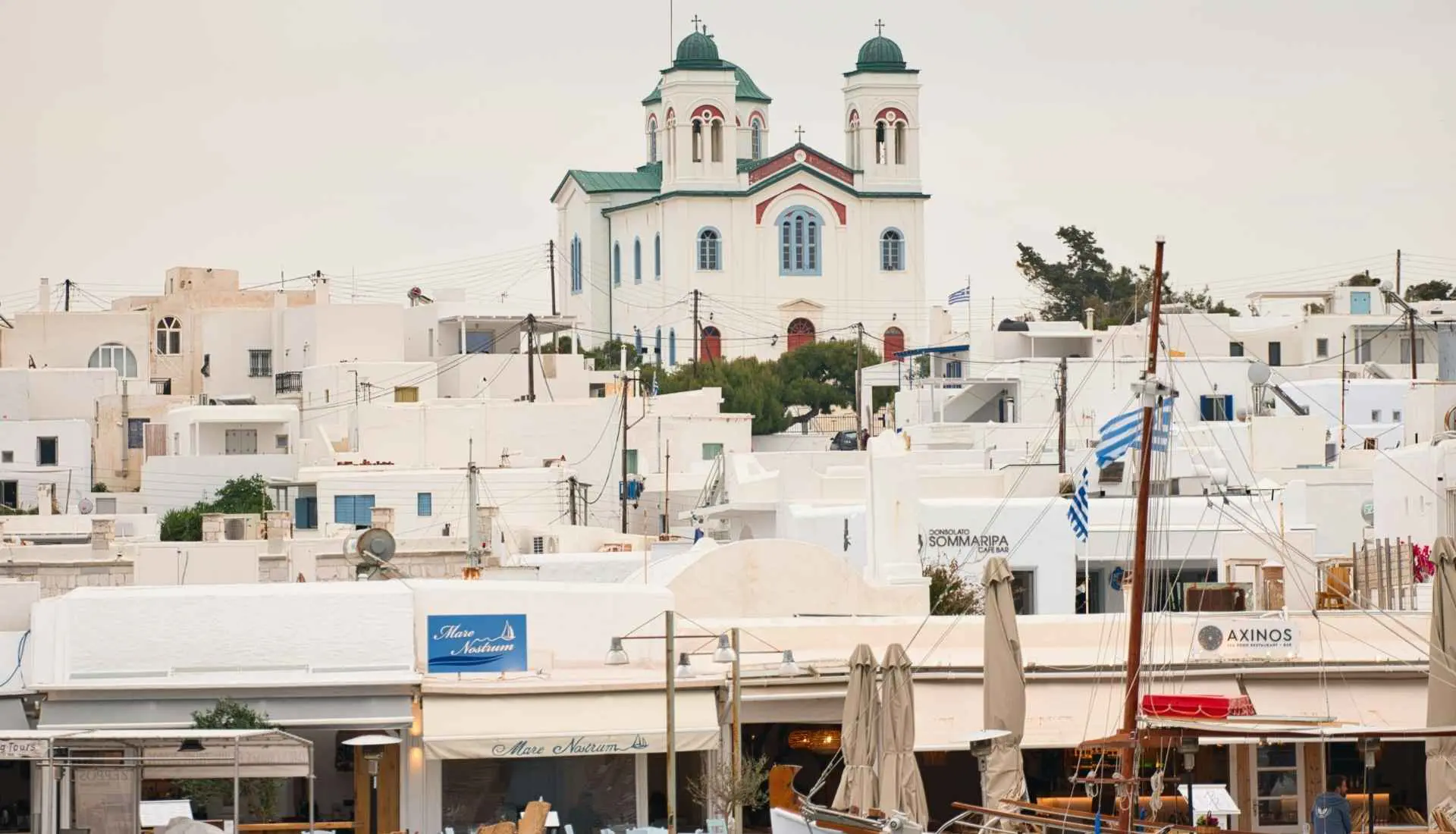
Port-town life, Antiparos crossings and a western coast that saves its best argument for evening.

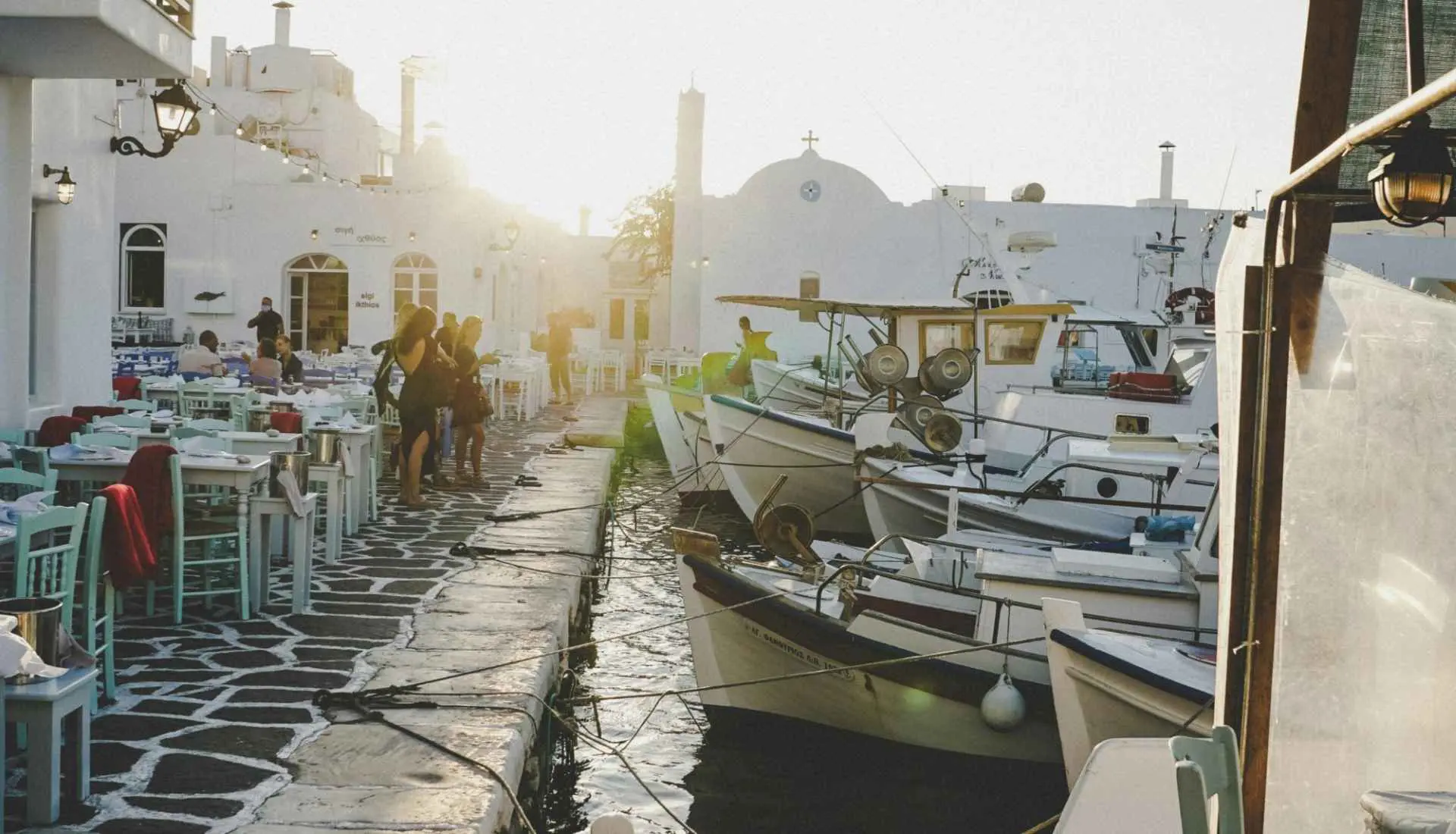
Fishing boats, late tables and the part of Paros most confident about being watched.


Paros is easy to move through if you let it be. Take the smaller roads, stop when something catches your eye, and the island gives you moments rather than must-sees. A long lunch in the shade. A swim with no one around. A quiet walk through a village where the shutters stay closed through the afternoon heat. Some places feel made for sitting still, others for wandering without a plan. The pace is slow but not sleepy. It feels lived in and familiar, like a place that has nothing to prove. That ease is what makes Paros work.

Parikia is always moving. It is the port, the crossing point, the place most people land before going anywhere else. But step a few streets off the main road and the tone shifts. Small shops open late. Courtyards stay quiet in the heat. A bakery door swings open and someone’s laundry moves in the breeze. It is simple, real, and far less rushed than it first seems. Early mornings feel local. Evenings settle into an easy rhythm. Outside the peak weeks, the pace softens and Parikia feels more like itself.
Marpissa moves slowly and steadily. There is no central square to tell you where to sit, no big landmark asking for attention. Just low houses, stone lanes, and the sound of someone’s radio behind a shutter. You might pass a carpenter’s workshop open to the street or someone tending a garden in the afternoon sun. People nod as you walk by. You will want to nod back. Come midweek, come without a list of things to see, and Marpissa will meet you at its own pace.


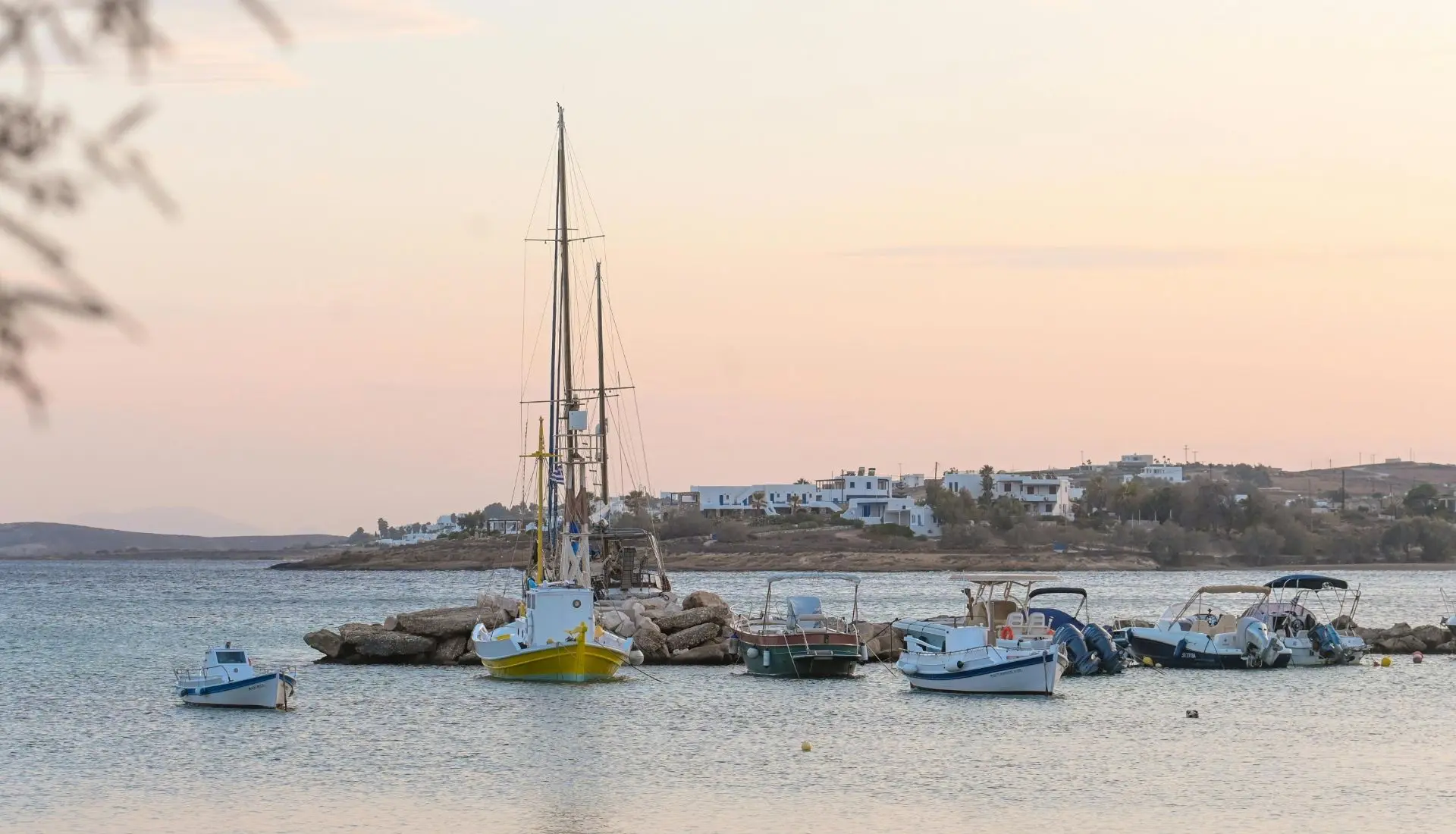
Aliki is easy to settle into. The harbor is small, the sea is close, and nothing pushes for your time. A few boats, a few tavernas, and quiet streets that fill slowly as the evening comes in. You might see a fisherman working on a net or kids running between tables. It stays manageable even in summer, but in June or September the calm comes forward. Aliki is simple, steady, and exactly what many travelers hope Paros will be.
For collaborations and enquiries
We use cookies to improve your experience and understand how the site is used. You can accept or manage your preferences at any time.