Agriturismo In Tuscany

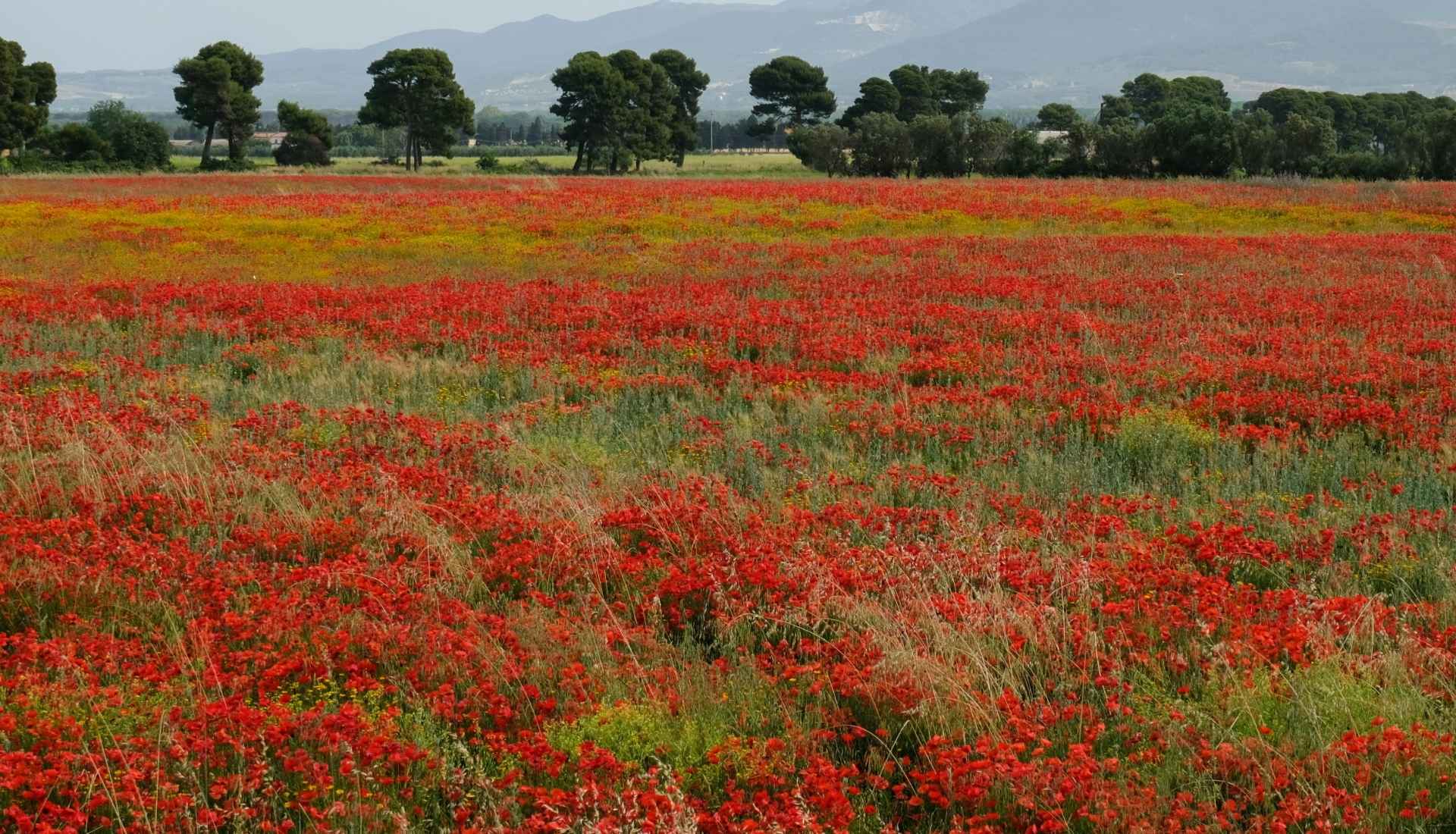
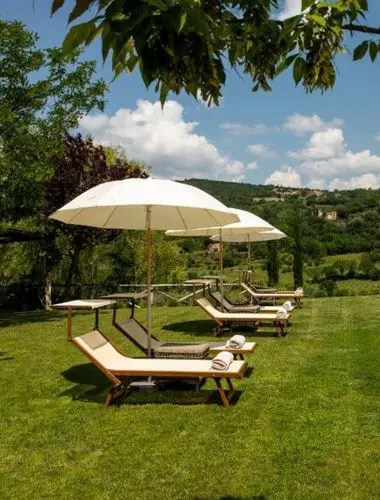
Agriturismo is often used loosely for any Tuscan hotel with stone walls and a few olive trees. The properties in this edit make a stronger case. They grow vegetables, press oil, produce wine, raise animals or work directly with the farms feeding their kitchens. The accommodation ranges from ten simple rooms above a restaurant to polished villas with spas and carefully restored interiors. That variation is useful. A farm stay can be affordable and slightly rough around the edges, or expensive enough to compete with a country resort. What matters is whether agricultural work still gives the property a reason to exist beyond hosting guests.

hotels-in-tuscany-02

best for

• Farm cooking and estate-grown produce
• Owner-led stays with local knowledge
• Longer trips through rural Tuscany
• Travellers curious about how the land is used

skip if

• You want formal, full-service hospitality
• Rural sounds and working farms bother you
• You plan to explore without a car
• You expect every agriturismo to be inexpensive

Why book an agriturismo in Tuscany?

An agriturismo can bring the region’s food and landscape into the same daily experience. Breakfast may include oil pressed on the farm, dinner can follow what came from the garden, and harvest or cellar work continues whether guests watch or not. The category still demands careful reading. Some properties remain straightforward farms with comfortable rooms; others have evolved into design hotels whose agricultural origins are harder to see. Neither is automatically better. Decide whether you want direct production, family hosting, strong cooking or boutique comfort. The best stays are clear about that exchange and do not use farming merely as scenery around the pool.

Hotels

Agriturismo San Martino

An ecological farm under Montepulciano where the swimming pool is planted rather than chlorinated.

Why stay here

San Martino's natural pool makes its approach visible before anyone explains it. Freshwater plants filter the water, organic gardens feed the vegetarian kitchen and natural materials run through the farmhouse rooms. Montepulciano rises above the fields, around fifteen minutes away on foot, turning the hill town into part of the everyday view. Breakfast and dinner give the farm its strongest voice, with vegetables treated as the centre of the meal. The place remains small, personal and slightly homespun. Its principles are felt most clearly in the way a day here is put together.

Best for

Ecological farm stays with vegetarian cooking and Montepulciano within walking distance.
tuscany-hotels-agriturismo-san-martino-01
tuscany-hotels-agriturismo-san-martino-02

Agriturismo Percenna

Ten simple rooms above a farm restaurant, close enough to walk into medieval Buonconvento.

Why stay here

Percenna retains the unvarnished form of a Tuscan farm stay. Ten rooms sit above a country restaurant, organic fields spread around the buildings and Buonconvento's brick centre waits less than a kilometre downhill. The Via Francigena and Eroica bring walkers and cyclists through the same roads, giving the dining room a natural turnover of tired, hungry people. Nothing appears arranged for a photograph. The kitchen cooks, the farm produces and the rooms provide somewhere comfortable to stop. In a category increasingly filled with boutique conversions, Percenna keeps the original proposition visible.

Best for

Walkers, cyclists and travellers looking for agriturismo without the boutique overlay.
tuscany-hotels-agriturismo-percenna-01
tuscany-hotels-agriturismo-percenna-02

Locanda in Tuscany

A nine-room country house translating the farms of the Val d'Orcia into dinner, quiet and care.

Why stay here

Locanda in Tuscany sits at the polished edge of the agriturismo category. The property is a seventeenth-century country house rather than a large production farm, yet its kitchen and cellar remain closely tied to growers across the Val d'Orcia. Nine rooms let the owners host personally, and dinner becomes the point where those relationships reach the table. Stone, timber and linen keep the building grounded in the valley. This is the choice for travellers drawn to farm country who would happily exchange direct production for a better mattress and a host who remembers the morning coffee.

Best for

Hosted country stays where local farms are encountered most clearly around the table.
tuscany-hotels-locanda-in-tuscany-01
tuscany-hotels-locanda-in-tuscany-02

Salvadonica

A veteran Chianti farm stay where more than twenty-five years of hosting show in the smallest routines.

Why stay here

Salvadonica has welcomed guests for more than a generation, and that experience appears as ease rather than performance. Beatrice and Francesca Baccetti run rooms and apartments through the courtyards of a fourteenth-century borgo, with Chianti Classico and olive oil produced on the surrounding land. Harvest still sets the autumn rhythm, and the frantoio becomes part of daily life when the olives arrive. The pool looks across the same slopes. Florence is close enough to interrupt the countryside for a day. Salvadonica makes staying on a farm feel less like a concept than a habit already established.

Best for

Relaxed family hospitality with a working Chianti estate carrying the week.
tuscany-hotels-salvadonica-01
tuscany-hotels-salvadonica-02

Colle Alberti Country House

A family-run wine farm that makes agriturismo feel easy, affordable and immediately understandable.

Why stay here

Colle Alberti follows the classic agriturismo pattern with unusual clarity. The family produces Chianti-appellation wine, leads tastings in seventeenth-century cellars and hosts guests in eighteen rooms and a cottage above the vineyards. A pool occupies the quiet middle of the afternoon. Cerreto Guidi and Vinci are minutes away, with Florence still manageable for a day out. The former Medici hunting land gives the estate a deeper story, although daily life remains grounded in vines, breakfast and family hospitality. For a first farm stay in Tuscany, almost everything falls naturally into place.

Best for

First-time agriturismo stays with family wine, accessible prices and Florence nearby.
tuscany-hotels-colle-alberti-country-house-01
tuscany-hotels-colle-alberti-country-house-02

Agriturismo La Fattoria di Capezzana

A farm documented since 804, where harvest and cellar work still organise the guest experience.

Why stay here

Agriturismo is a recent word for something Capezzana has practised for centuries. Wine and olive oil have been made on this land since at least 804, and guests now sleep inside the same agricultural cycle. Harvest, pressing and ageing remain visible across the estate. Tastings enter the historic cellar, cooking classes bring local produce onto the board and the enoteca-osteria keeps lunch close to its source. The rooms stay simple, which feels correct. Capezzana's luxury lies in access to a farm with twelve centuries of accumulated knowledge and very little interest in pretending to be a resort.

Best for

Travellers who value agricultural lineage, working cellars and substance over styling.
tuscany-hotels-agriturismo-la-fattoria-di-capezzana-01
tuscany-hotels-agriturismo-la-fattoria-di-capezzana-02

Villa Petriolo

A regenerative farm economy with a sixteenth-century villa attached to its fields and kitchens.

Why stay here

Petriolo operates at a scale few Tuscan agriturismi attempt. Across 170 certified-organic hectares, animals, orchards, vegetables, vines and olive groves feed two restaurants and give the estate a working calendar beyond guest arrivals. Renewable energy and water recovery sit inside the same regenerative system. Visitors can follow that production through field walks, tastings and menus that change with the harvest. The sixteenth-century villa and MATER spa bring considerable comfort, but the agriculture keeps the stay from floating free of its setting. This is agriturismo with actual agronomy behind it.

Best for

Farm stays where production, sustainability and serious cooking carry equal weight.
tuscany-hotels-villa-petriolo-01
tuscany-hotels-villa-petriolo-02

Lupaia

A 1622 farmstead showing how far agriturismo can evolve without losing its agricultural shape.

Why stay here

Lupaia's five houses once kept goats on the ground floor and farming families above. The restoration preserves that arrangement in the thick walls, exposed brick and paths between buildings, while twelve rooms bring the comfort firmly into the present. Dinner still feels connected to the countryside, served beneath the pergola with produce drawn from regional farms. The pool faces Montepulciano across the valley. Lupaia sits at the romantic, expensive edge of agriturismo, yet the old farm remains legible throughout. Polish has reached every surface without erasing what the buildings were made to do.

Best for

Travellers seeking boutique comfort inside a farmstead that still reads as one.
tuscany-hotels-lupaia-01
tuscany-hotels-lupaia-02

Agriturismo I Pini

A fully vegan San Gimignano farm where the cellar, kitchen and eleven-room house follow one idea.

Why stay here

I Pini carries its principles through the entire estate. The restaurant, winery, shop and eleven-room country house are fully vegan and organic, with kitchen gardens, olive groves and vines more than fifty years old providing much of what reaches the table. A 2018 renovation used local materials to bring the sixteenth-century building into a more efficient present. San Gimignano's towers stand across the valley, visible beyond the pool and vineyards. The conviction is the memorable part. Even travellers with no intention of changing how they eat tend to understand the argument by dinner.

Best for

Plant-led stays where the farm, cellar and kitchen operate with complete consistency.
tuscany-hotels-agriturismo-i-pini-02
tuscany-hotels-agriturismo-i-pini-01
Places To Eat In Tuscany Osteria Le Logge

Where to Eat Nearby

Osteria Le Logge

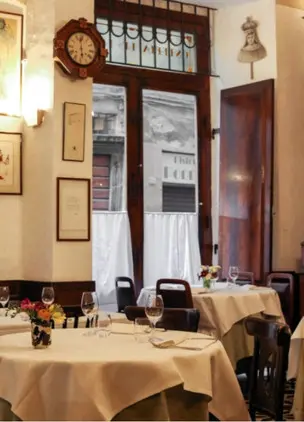
Inside Siena’s old streets, Osteria Le Logge blends the character of a traditional osteria with a slightly more thoughtful kitchen. Fresh pasta, Tuscan meats, and seasonal vegetables move across the menu with care. The room stays lively but relaxed. Among the many places to eat in Tuscany, it’s a restaurant people return to again and again.

Agriturismo or vineyard hotels in Tuscany?

Agriturismo covers a wider agricultural world: vegetables, animals, olive oil, orchards, wine and the meals that connect them. The experience often centres on the farm as a whole, with simpler rooms and more direct contact with owners or producers. The Revel Stay edit of Vineyard Hotels in Tuscany is more specifically organised around wine, placing cellar access, tastings and particular denominations at the centre of the stay. Choose an agriturismo when food production and farm life matter broadly. Choose a vineyard hotel when the bottle, producer and territory are the main reasons for travelling.