Vineyard Hotels Tuscany

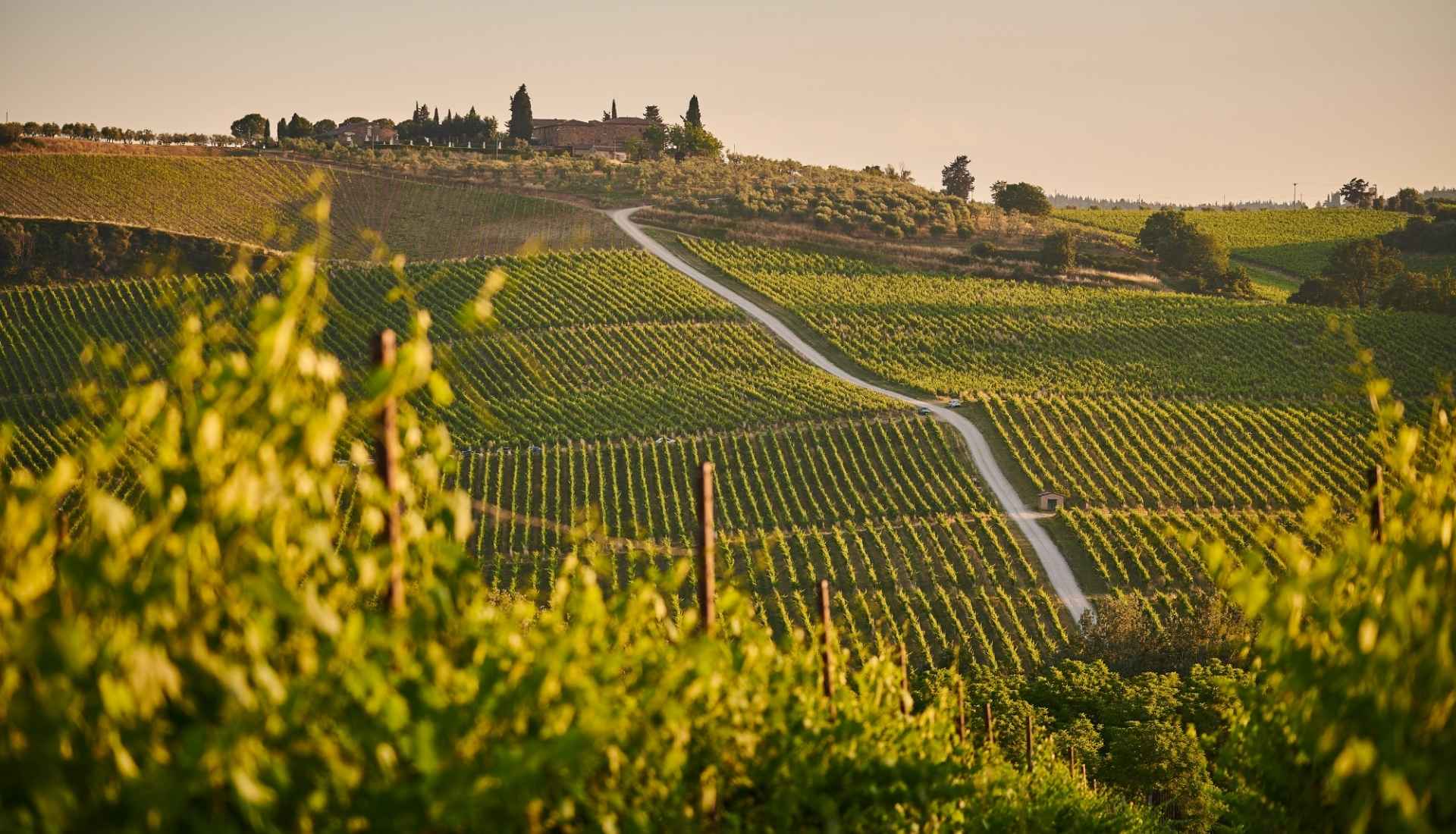
Tuscany is not one wine territory. Bolgheri runs towards the coast, Chianti occupies the hills between Florence and Siena, Vino Nobile surrounds Montepulciano, and Brunello belongs to the slopes around Montalcino. A good vineyard hotel helps make those differences legible. Some place guests directly inside a working winery, with cellar activity continuing across the courtyard. Others provide access to several producers or attach serious accommodation to a historic estate. This edit favours properties where wine affects the location, kitchen and daily experience, not hotels that happen to face a few decorative rows of vines.

hotels-in-tuscany-03

best for

• Cellar visits and producer-led tastings
• Learning Tuscany through its wine regions
• Estate dinners without driving afterwards
• Travellers planning several nights around wine

skip if

• Wine is a minor part of the trip
• You want towns and nightlife outside
• You prefer completely unstructured days
• Rural driving limits your enjoyment

Why book a vineyard hotel in Tuscany?

Staying among the vines removes the gap between tasting wine and understanding where it comes from. The cellar, soil, harvest and people responsible remain visible after the formal tour ends. At the most direct properties, rooms sit within a working winery and production continues nearby. Elsewhere, knowledgeable hosts arrange introductions across an appellation, helping guests compare producers rather than collecting disconnected tastings. The style of stay varies considerably. A Brunello fortress with thermal pools serves a different traveller from a modest Chianti relais above its own osteria. Choose the wine territory first, then decide how much comfort, education and cellar access you actually want.

Hotels

Relais Sant'Elena

A resident base for Bolgheri, with local knowledge opening a coast of otherwise separate cellars.

Why stay here

Sant'Elena approaches the vineyard stay from the surrounding appellation. Its own agricultural speciality is olive oil, with eleven varieties pressed on the estate, while the hotel team builds wine days across Bolgheri. Ornellaia, Le Macchiole and Castello di Bolgheri all sit within ten minutes, and introductions are arranged with the confidence of a local address. Sixteen rooms, a pool and farm cooking provide somewhere calm to return to. For travellers mapping Tuscany by wine, this is the western station that makes the coast coherent rather than a collection of appointments.

Best for

Bolgheri itineraries where cellar access and local organisation matter most.
tuscany-hotels-relais-santelena-01
tuscany-hotels-relais-santelena-02

Salcheto WineHouse

A winery with nine bedrooms, where the cellar sits closer than the swimming pool.

Why stay here

Salcheto is the most literal vineyard stay on this page. Nine rooms occupy a thirteenth-century farmhouse across the courtyard from the cellar, with organic Vino Nobile rows beginning outside the windows. Tastings, production tours and harvest days unfold as part of estate life rather than scheduled entertainment. The off-grid winery provides the intellectual weight, using independent energy and water systems and pioneering the first certified carbon footprint for a wine bottle. Wood-fired hot tubs wait in the garden. Sleep, vines and cellar remain within a few minutes of one another throughout the stay.

Best for

Travellers who want to stay at a working winery rather than near one.
tuscany-hotels-salcheto-winehouse-01
tuscany-hotels-salcheto-winehouse-02

Borgo San Vincenzo

A Vino Nobile hotel built for learning the landscape one producer at a time.

Why stay here

Borgo San Vincenzo acts as an editor of Montepulciano wine country. The hotel stands among Vino Nobile vineyards but looks beyond its immediate rows, arranging producer-led tastings, cellar visits and dinners across the appellation. Scott and Shannon Kircher give those experiences a clear sequence, helping guests understand how one slope, cellar or winemaker differs from another. Twenty-one studios and suites maintain proper hotel comfort between visits. Other vineyard stays place guests inside a single estate. San Vincenzo earns its place by teaching the wider territory and making the introductions needed to read it well.

Best for

Learning-led wine trips covering multiple producers across the Vino Nobile appellation.
tuscany-hotels-borgo-san-vincenzo-01
tuscany-hotels-borgo-san-vincenzo-02

Castello di Velona

Estate Brunello below an eleventh-century fortress, with thermal water waiting above the vines.

Why stay here

Castello di Velona gives the vineyard stay a sense of theatre grounded in the hill itself. Brunello di Montalcino and organic olive oil are produced on the slopes beneath the fortress, while natural thermal water rises into pools on the terraces above. Tastings therefore sit inside a larger understanding of the land, moving from vineyard geology to heat from the same ground. The castle's old watchtower keeps the history visible and the Val d'Orcia fills the horizon. For travellers who want the hotel to match the drama of the wine, Velona closes the argument decisively.

Best for

Celebratory Brunello stays combining estate wine, fortress architecture and thermal pools.
tuscany-hotels-castello-di-velona-resort-01
tuscany-hotels-castello-di-velona-resort-02

Tenuta CastelGiocondo

Seven rooms inside the Frescobaldi estate that helped establish Brunello in the nineteenth century.

Why stay here

CastelGiocondo puts guests inside one of Brunello's defining estates at an unusually intimate scale. Seven rooms occupy the fortified hamlet above vineyards that helped shape the wine in the nineteenth century. The people encountered through the day work for the estate, giving cellar visits a continuity that larger wine tourism rarely achieves. Breakfast comes from the hamlet ovens and a small spa looks directly across the rows. Montalcino rises beyond them. Brunello can easily become a sequence of tasting rooms. Here, the wine remains attached to a working place and the people responsible for it.

Best for

Brunello travellers who want historic vineyards, serious cellars and very few bedrooms.
tuscany-hotels-tenuta-castelgiocondo-01
tuscany-hotels-tenuta-castelgiocondo-02

Relais Poggio Borgoni

A modest Chianti relais where the house pour is grown beyond the garden and served downstairs.

Why stay here

Poggio Borgoni follows the vineyard-hotel promise in a single, direct line. The estate produces Chianti Classico and olive oil, Osteria del Poggio serves both and tastings happen when guests ask for them. Fifteenth-century buildings, terracotta floors and antique furniture maintain a traditional mood, while the pool faces the vines. Its position on the old Florence-to-Siena road gives the property a useful role at either end of a wine itinerary. Nothing tries to turn the estate into a destination resort. The attraction is sleeping where the bottle on the table was made.

Best for

Straightforward vineyard stays with an osteria, estate wine and Florence within reach.
tuscany-hotels-relais-poggio-borgoni-01
tuscany-hotels-relais-poggio-borgoni-02

Salvadonica

A family Chianti estate where the wine feels like part of dinner rather than a programme.

Why stay here

Salvadonica keeps wine hospitality uncomplicated. Chianti Classico grows around the fourteenth-century borgo, appears at the table and returns in tastings led by a family that has hosted here for more than twenty-five years. There is no elaborate cellar theatre. Guests see the vineyard from the pool, watch the frantoio work during olive harvest and drink the estate wine where it grew. Florence remains twenty minutes north, useful for the first or final stop on a longer route. This is the vineyard stay for people who want context without turning every glass into a lesson.

Best for

Relaxed Chianti stays where family wine accompanies the trip instead of directing it.
tuscany-hotels-salvadonica-01
tuscany-hotels-salvadonica-02

Agriturismo La Fattoria di Capezzana

A Carmignano estate where twelve documented centuries give every tasting a longer finish.

Why stay here

Capezzana offers the deepest timeline among Tuscany's vineyard hotels. Wine and olive oil have been recorded here since 804, while the Contini Bonacossi family helped return Carmignano to its proper status as a distinct denomination. Guests stay simply, then spend their attention on the working cellar, vineyard walks, the vinsantaia and a cooking school rooted in the estate. The enoteca-osteria provides the natural end to a tasting. Newer wine resorts make production look effortless. Capezzana shows the accumulated work behind it, harvest after harvest, family after family.

Best for

Wine travellers drawn to historic estates, traditional cellars and Carmignano's distinct identity.
tuscany-hotels-agriturismo-la-fattoria-di-capezzana-01
tuscany-hotels-agriturismo-la-fattoria-di-capezzana-02
Best Tuscan Wineries Ruffino 1877

Where to Eat Nearby

Ruffino 1877

Ruffino is not a single estate but a historic Tuscan wine house with vineyards spread across the region, from Chianti Classico to Montalcino. Founded in 1877, it offers a broader view of Tuscan wine than most visits. Tastings often reflect that range. When talking about the best Tuscan wineries, Ruffino represents the scale and legacy behind the region’s reputation.

Vineyard hotels or agriturismo in Tuscany?

Vineyard hotels place wine at the centre of the stay, whether through an estate cellar, structured tastings or access to producers across a denomination. The Revel Stay edit of Agriturismo in Tuscany takes a wider view of agriculture, including vegetable farms, olive production, animals, orchards and kitchens shaped by what grows nearby. Choose a vineyard hotel when bottles, cellars and the differences between Tuscan wine regions are the main interest. Choose an agriturismo when you want food and farm life more broadly, with wine present as one part of the agricultural picture rather than the entire reason for booking.