Amarante

A river town of stone bridges, old confectioneries and vinho verde country within easy reach of Porto.

hotels-in-amarante-02

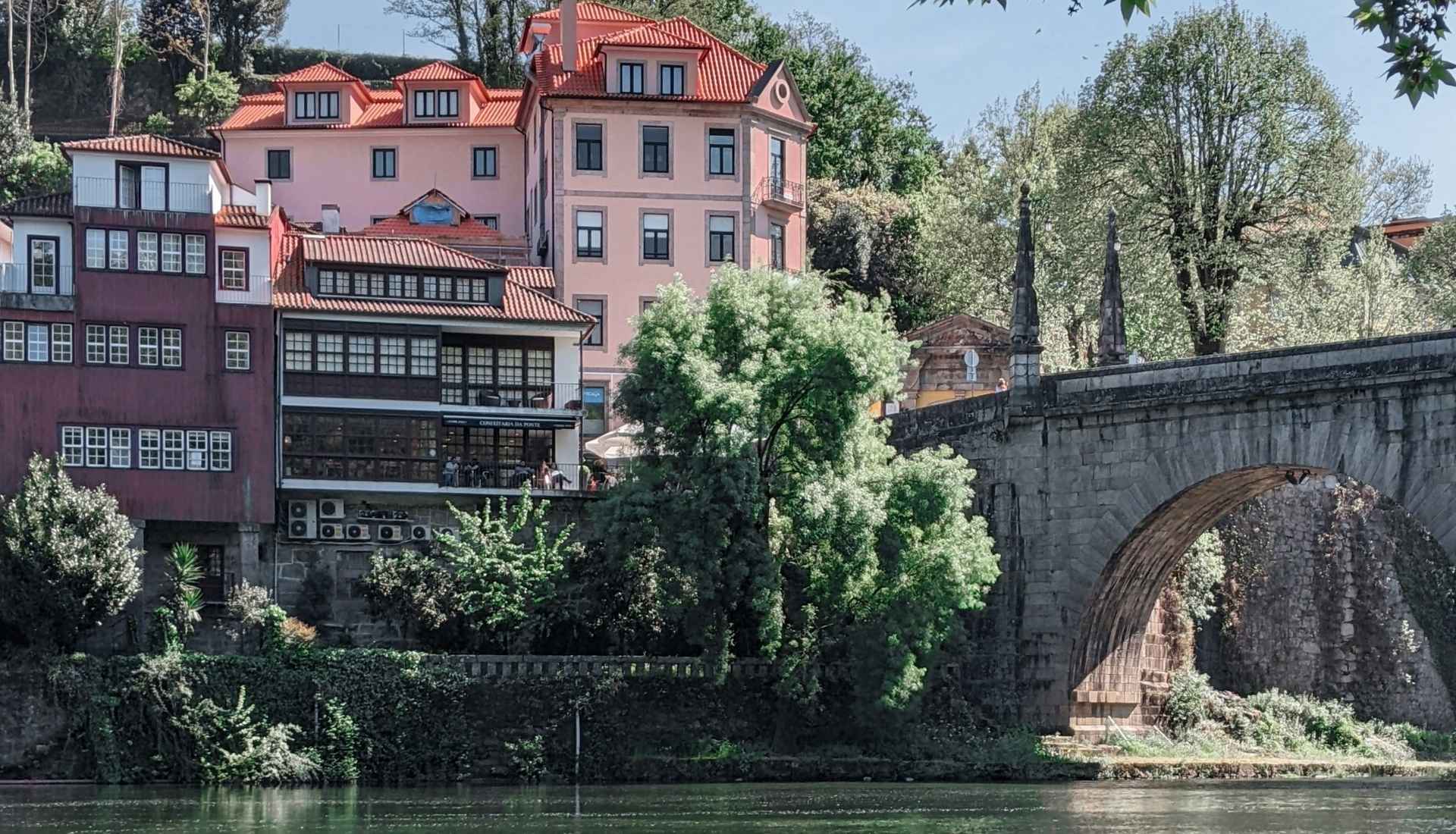
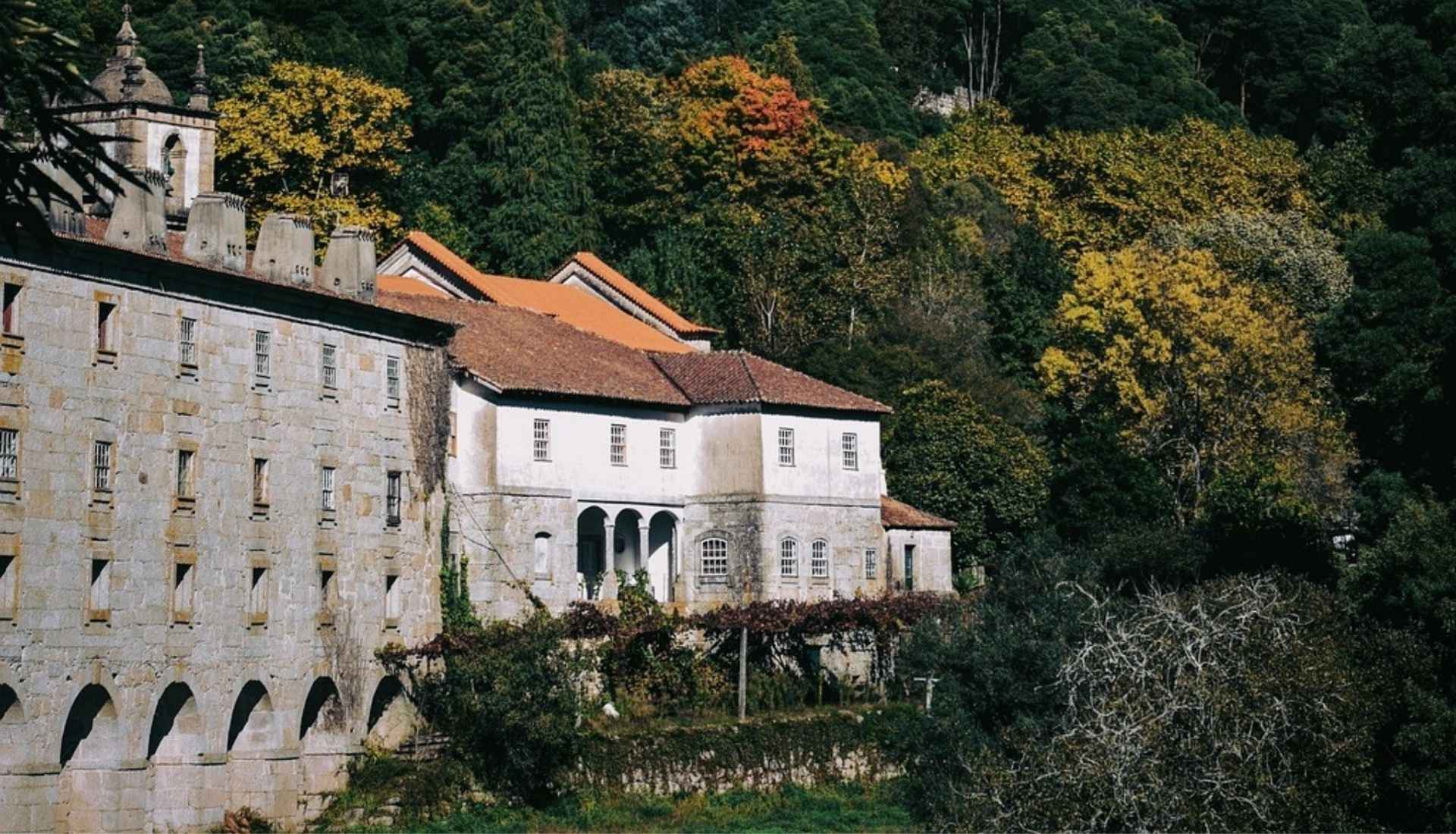
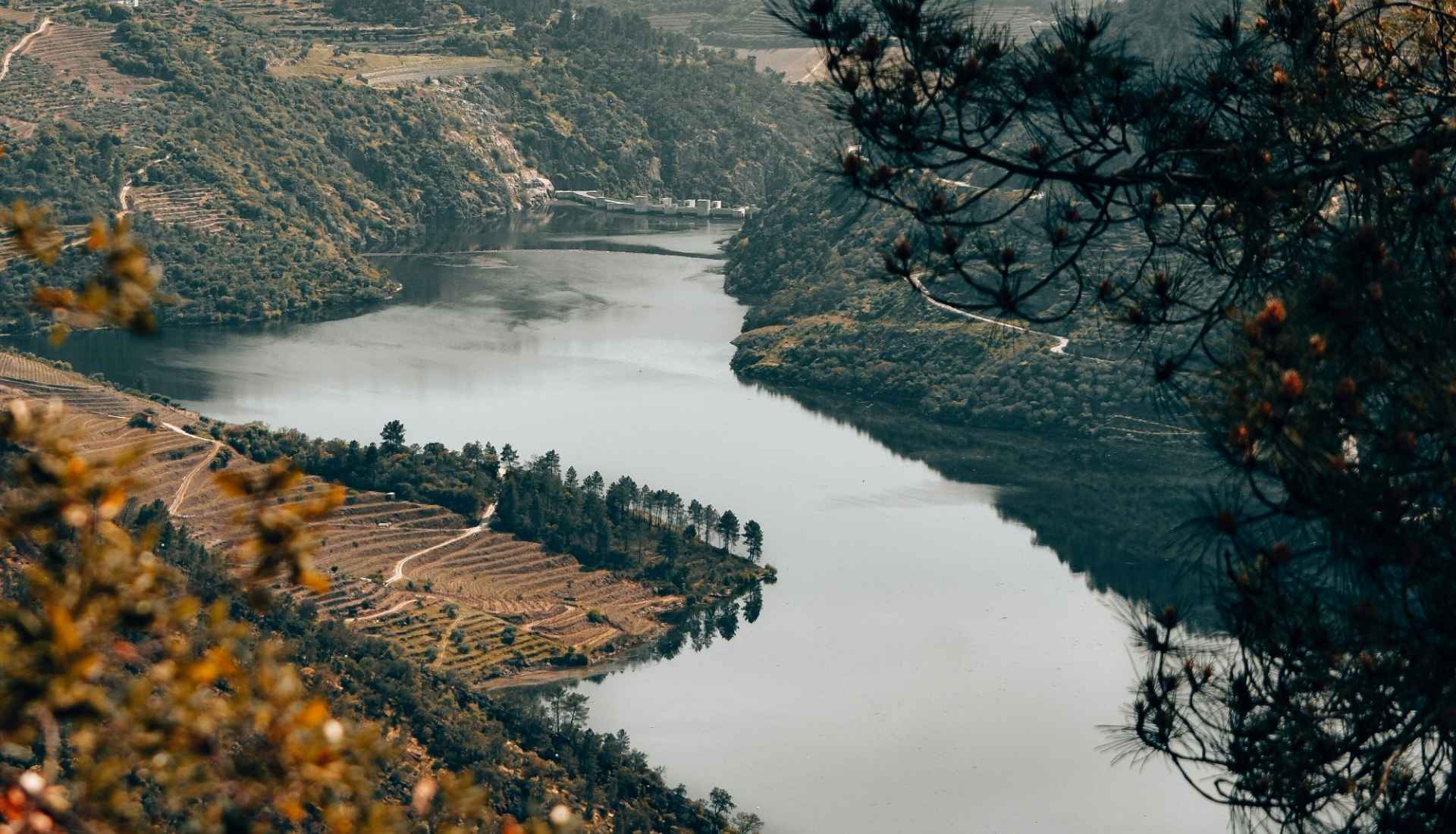
Amarante gathers around the Tâmega, where the church of São Gonçalo and its stone bridge hold the centre of town together. Arcaded streets, tiled façades and pastry shops give it an atmosphere that feels inherited rather than arranged for visitors. Beyond the river, vineyards and olive trees begin quickly, placing rural houses and wine estates within a short drive of the historic centre. Amarante works particularly well as a slower stop between Porto, Minho and the Douro. It has enough history, food and evening life to justify several nights, but remains compact enough for the river and surrounding countryside to set the pace.

best for

• River walks and historic town life
• Pastry shops and regional food
• Vinho verde estates nearby
• Slower stops between Porto and the Douro

skip if

• You want a large-city itinerary
• Nightlife is essential
• The coast is the main priority
• You prefer staying inside a remote estate

Why stay in Amarante?

Amarante offers a useful middle ground between city and countryside. The centre is walkable, with São Gonçalo, the bridge, old confectioneries and riverside restaurants providing a natural shape to the day. A few kilometres outside town, vineyards and small farms bring the green landscape of northern Portugal into view. The hotels reflect that range. You can sleep in a former pastry workshop, a sixteenth-century palace or a self-contained house among vines and olive trees. There is nostalgia in the town’s shopfronts and grand buildings, but Amarante remains practical and lived in. Locals still cross the same bridge, buy sweets from long-established counters and use the riverbanks as part of daily life.

hotels-in-amarante-02

Hotels

Oliveiras Village - Agroturismo

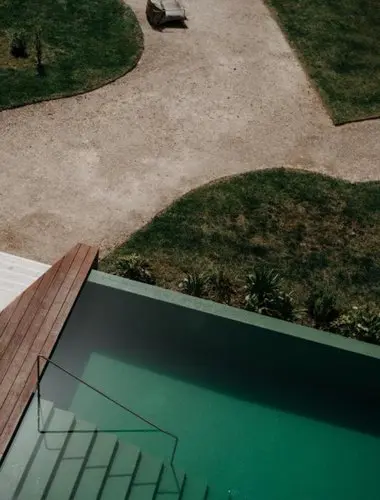
Seven olive-named houses, breakfast baskets and an infinity pool above the Amarante valley.

Why stay here

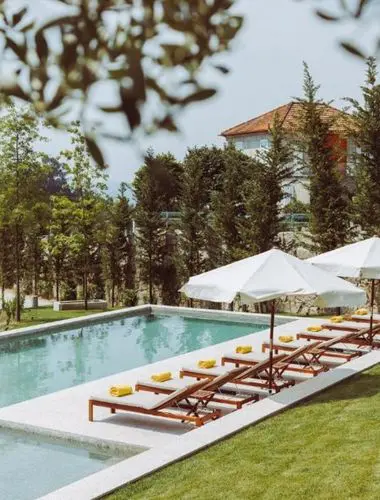
Oliveiras Village arranges seven self-contained houses among vines and olive trees outside Amarante, each named for a different olive variety. Kitchenettes and balconies support independent family days, while breakfast arrives at the door in a basket of homemade food. The infinity pool provides the shared centre, looking across the valley, and walking, cycling and canoeing can begin nearby. Amarante is around fifteen minutes away when town life is wanted. It belongs here as the slow rural counterpoint to the palace, making the region practical for families and travellers who prefer their own front door.

Best for

Families, self-catering and travellers wanting a small farm base near Amarante.
north-portugal-hotels-oliveiras-village-agroturismo-01
north-portugal-hotels-oliveiras-village-agroturismo-02

Casa das Lérias

A 1930s town confectionery transformed into a calm guesthouse beside the Tâmega.

Why stay here

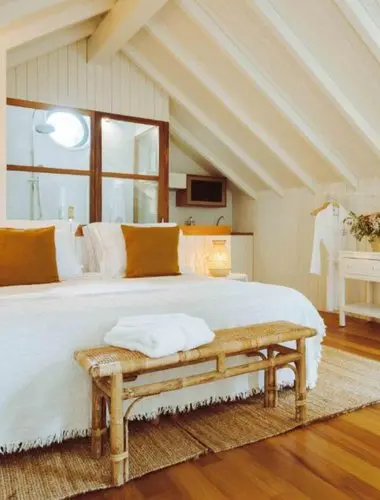
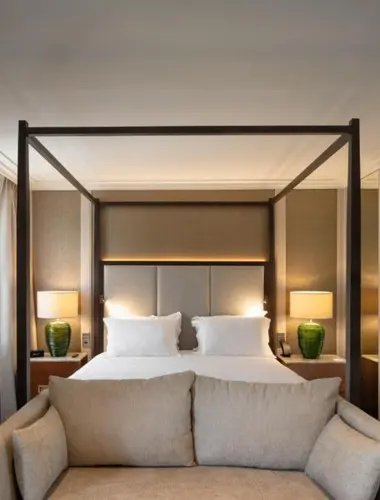
Casa das Lérias began as the Confeitaria Amarantina, combining family home, pastry workshop and shop in one 1930s building. Its Art Deco curves survive the conversion, while interiors now use pale green, polished pine and clean lines to create a quieter atmosphere. Some rooms face the river, others the town. Outside are São Gonçalo, willow-lined walks and the confectionery tradition the building once helped sustain. It belongs here because Amarante’s famous sweetness is embedded in the structure itself, offering a backstory more personal than any decorative theme and at a refreshingly approachable scale.

Best for

Good-value character, river walks and travellers interested in Amarante’s pastry history.
north-portugal-hotels-casa-das-lérias-01
north-portugal-hotels-casa-das-lérias-02

Casa da Calçada

A sixteenth-century count’s palace holding Amarante’s bridge and São Gonçalo in the view.

Why stay here

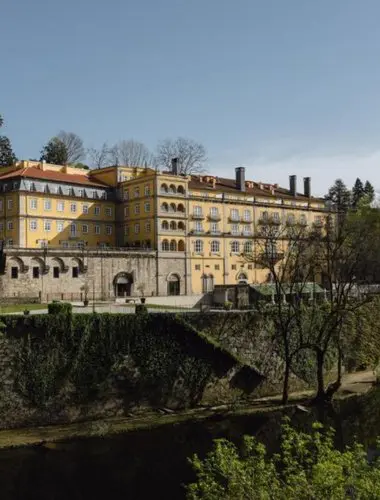
Casa da Calçada has watched over the Tâmega since the sixteenth century, built for the Count of Redondo and later used by allied troops during the Peninsular War. Restored as a 30-room hotel, it retains a confident baroque and neoclassical atmosphere under Relais & Châteaux service. The terrace and pool face Amarante’s stone bridge and the church of São Gonçalo, turning the town’s familiar postcard into the hotel’s daily outlook. It belongs here as Amarante’s grand address, not simply near the historic centre but physically part of the composition that makes the town memorable.

Best for

Old-world luxury, river views and travellers who want Amarante’s landmark hotel.
north-portugal-hotels-casa-da-calçada-01
north-portugal-hotels-casa-da-calçada-02

Monverde Wine Experience Hotel

A working vinho verde estate where guests can harvest, taste and sleep among the vines.

Why stay here

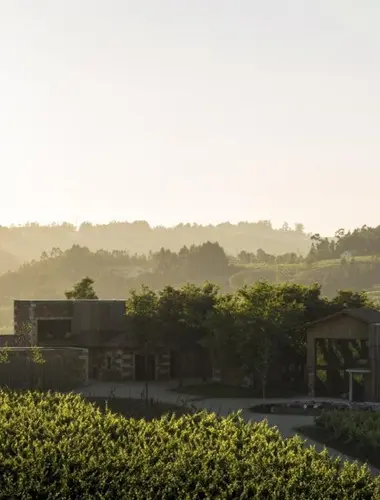
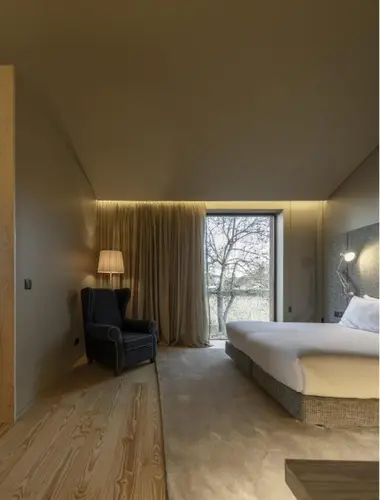
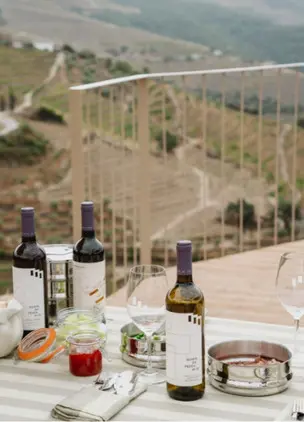
Monverde spreads through a 30-acre wine estate outside Amarante, with old Portuguese houses extended in stone and pine by designer Paulo Lobo. The experience is deliberately participatory: tastings, vineyard picnics, harvest work and even painting with wine bring guests into the estate’s production. Ten vast Wine Experience Suites add private gardens, fireplaces, cellars and solar-heated pools directly among the vines. Amarante’s bridge and convent lie fifteen minutes away. It belongs here as the area’s complete wine hotel, connecting the river town to the green, lightly sparkling landscape that surrounds it.

Best for

Vinho verde, private-pool suites and travellers who want wine tourism with real participation.
north-portugal-hotels-monverde-wine-experience-hotel-01
north-portugal-hotels-monverde-wine-experience-hotel-02
Best Wineries In Douro Valley Quinta da Pedra Alta

Where to Eat Nearby

Quinta da Pedra Alta

Pedra Alta sits higher up, where the valley opens out and everything feels a little more exposed. The team keep things tight, smaller production, direct involvement, nothing scaled beyond what they can manage well. Tastings are straightforward, often led by the people doing the work. It’s a winery in Douro Valley that feels measured and quietly confident.

Amarante or Porto?

Amarante is smaller, slower and more closely connected to the vineyards and farms surrounding it. The river, bridge and historic centre can be understood without a packed itinerary, while nearby wine estates make countryside days easy. The Revel Stay guide to Porto offers greater architectural range, stronger nightlife, galleries and a much deeper restaurant scene. Choose Amarante for river walks, vinho verde and the intimacy of a northern town. Choose Porto for urban energy and cultural depth. The two sit close enough to combine without reducing Amarante to a rushed day trip.

Explore Other Neighbourhoods

hotels-in-minho-02

Minho

Granite farmhouses, vinho verde and a green northern landscape shaped by rain as much as sun.

hotels-in-douro-valley-01

Douro Valley

Schist terraces, working quintas and a river landscape built through generations of difficult labour.

hotels-in-porto-01

Porto

Granite streets, tiled façades and a river city built on trade, wine and difficult hills.