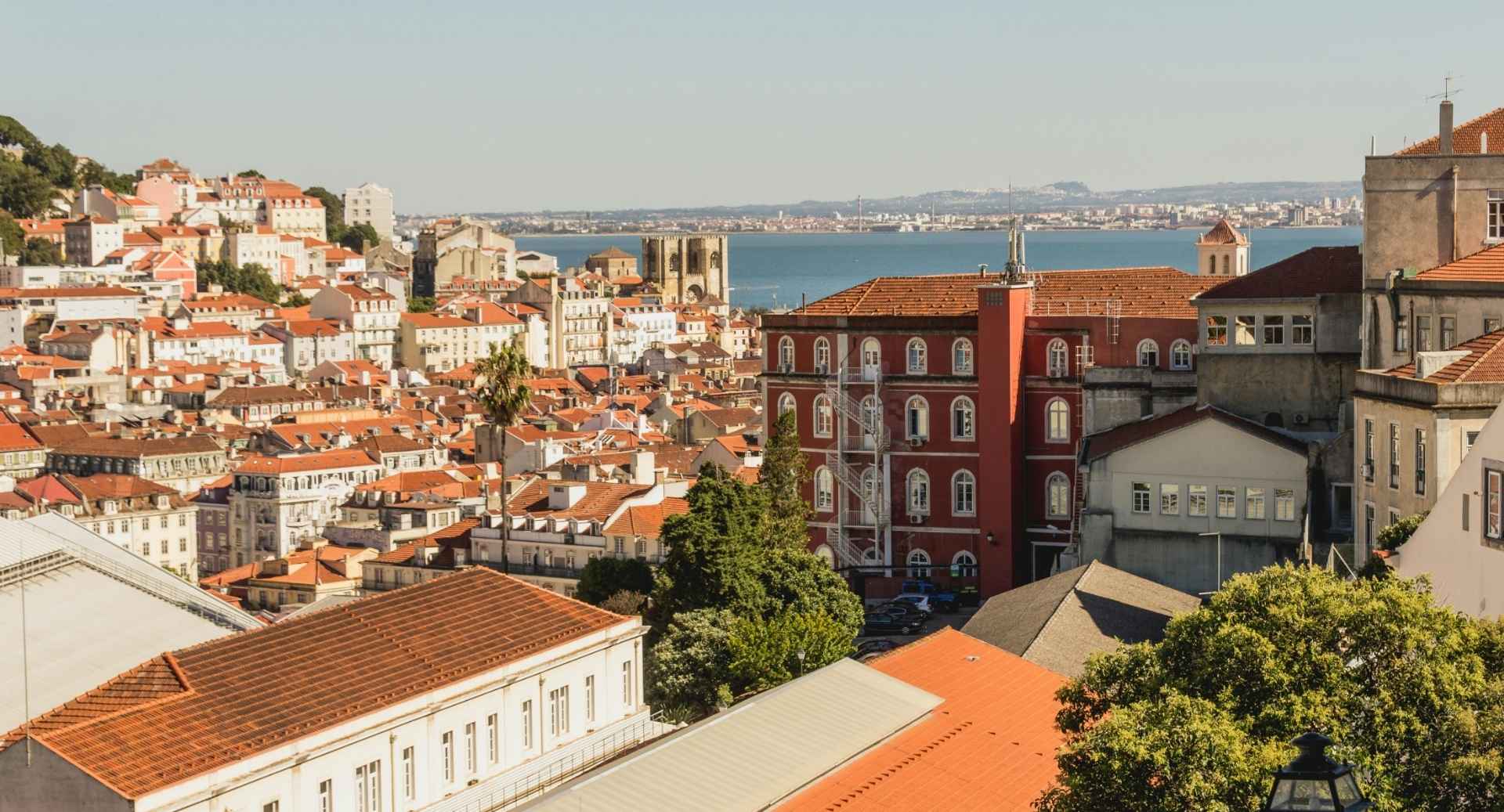
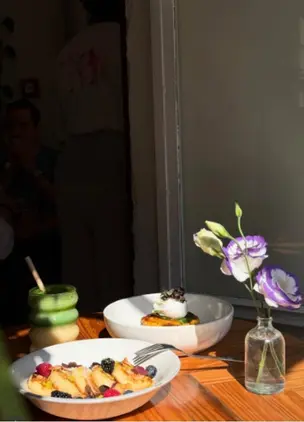
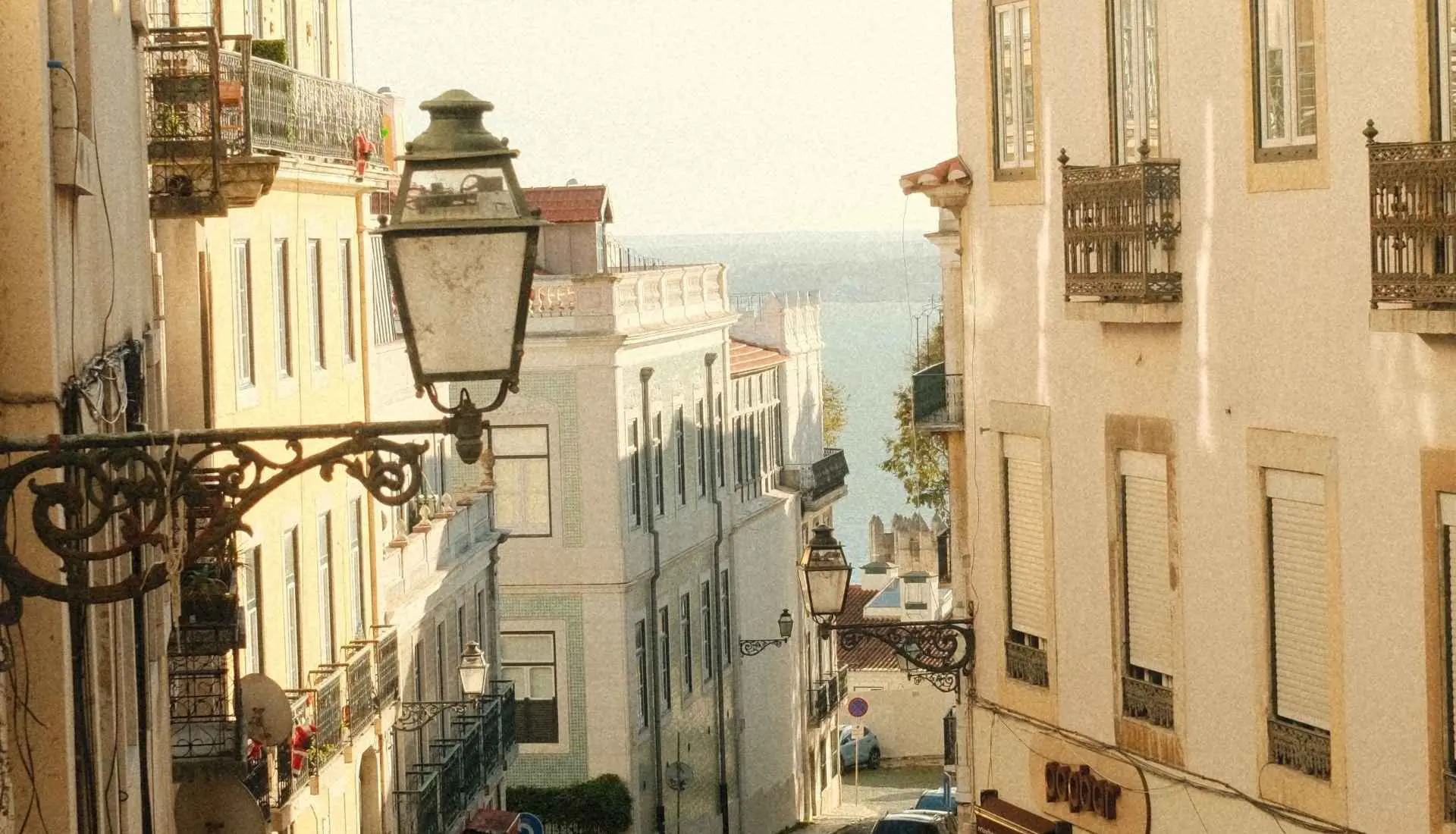
Lisbon doesn’t settle into one rhythm. Streets rise and fall, views open up and disappear again, and the city shifts quickly depending on where you are. Some parts feel worn, others more considered, but most sit somewhere in between. You don’t take it in all at once. It comes through moving, climbing, stopping, and letting the pace change as you go. This Lisbon travel guide shares where to stay in Lisbon, along with the best hotels, restaurants, and neighbourhoods shaped by that movement.
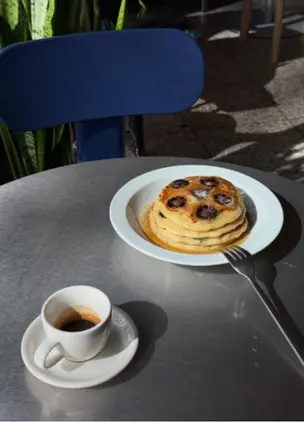
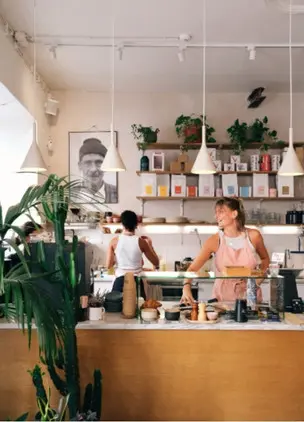
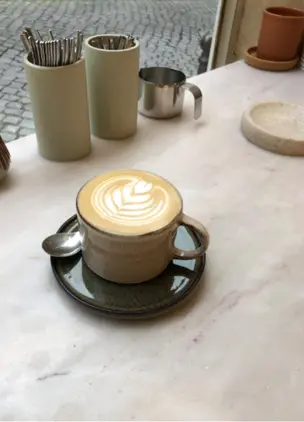
The day doesn’t follow a strict pattern. Mornings begin slowly, coffee taken standing or at a small table, before the streets start to fill. Afternoons stretch between viewpoints and quieter corners, and by evening the city gathers itself again, tables filling without much structure. Lisbon isn’t fully resolved, and that’s part of what makes it work.

Broad avenues, less foot traffic, and a city that doesnt perform for visitors

The most visited part of the city, and still the easiest place to understand why people come.

Two neighbourhoods, one shaped by politics and antiques, the other by the river and the night.

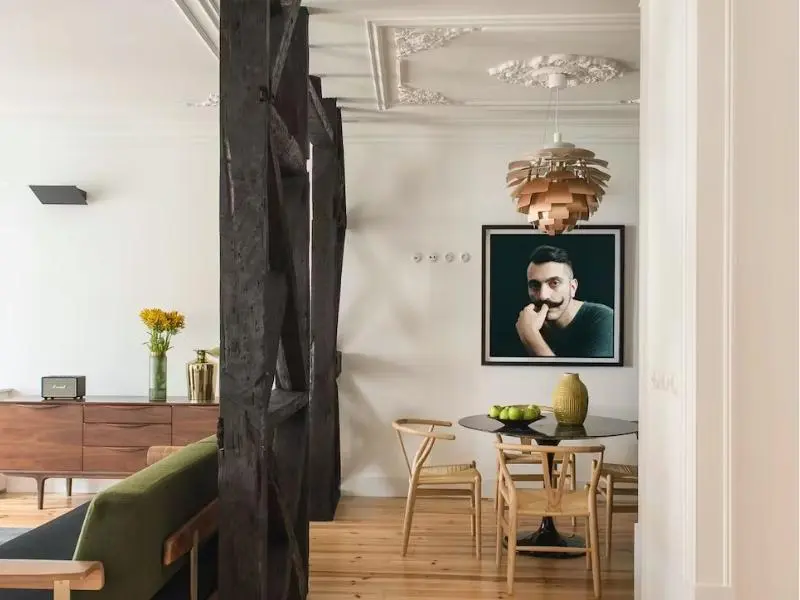
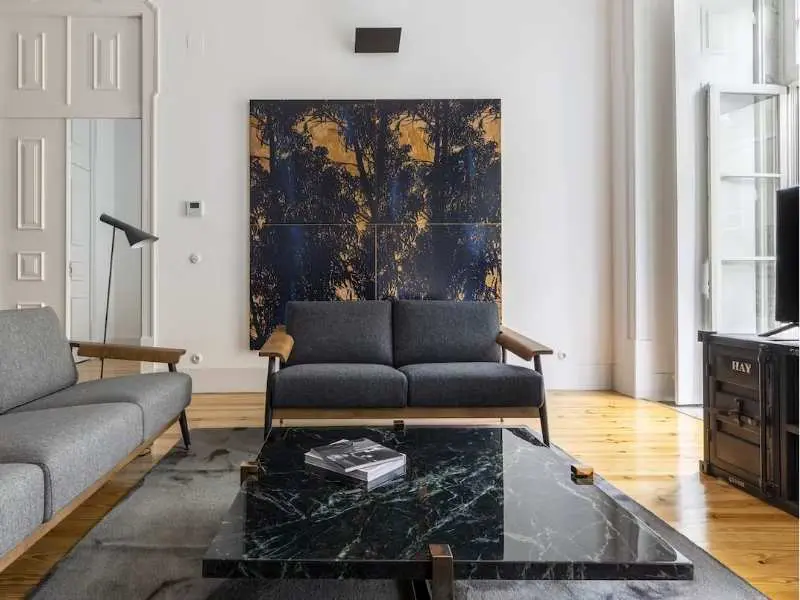
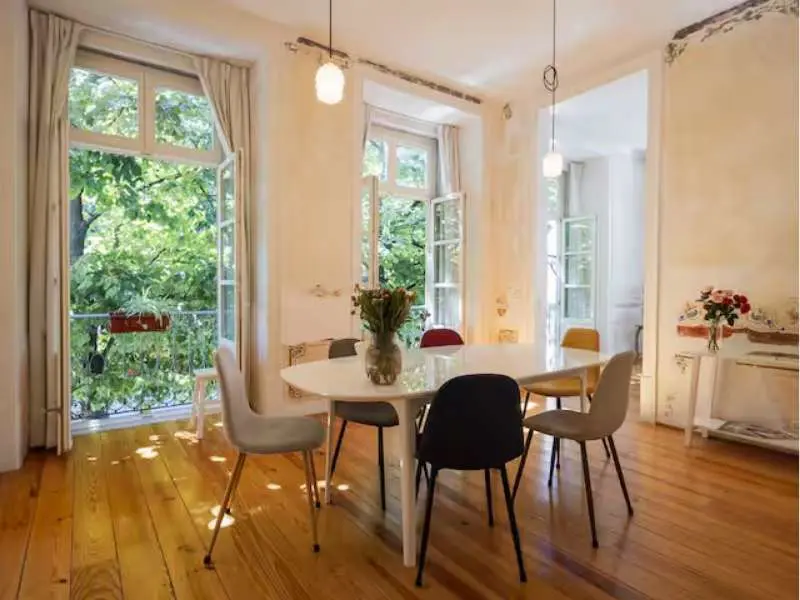
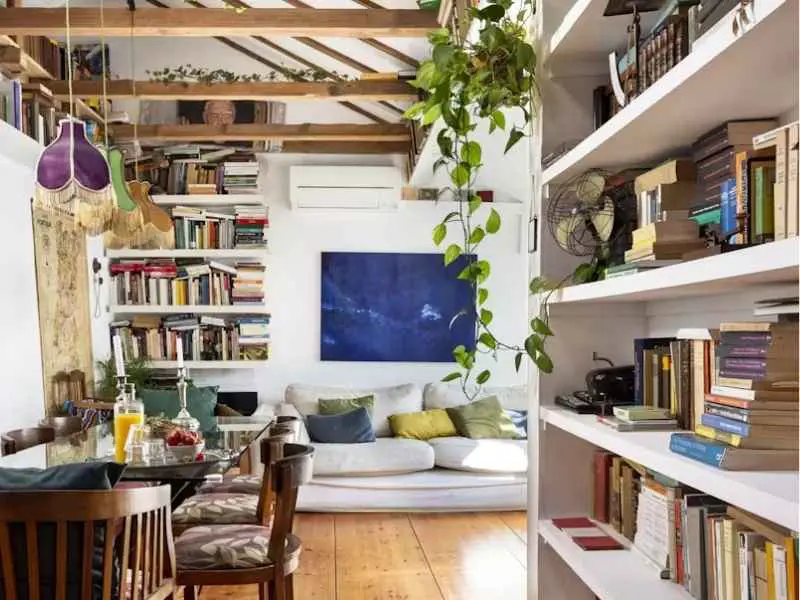
Where old palaces became something new, and the neighbourhood stayed its own.


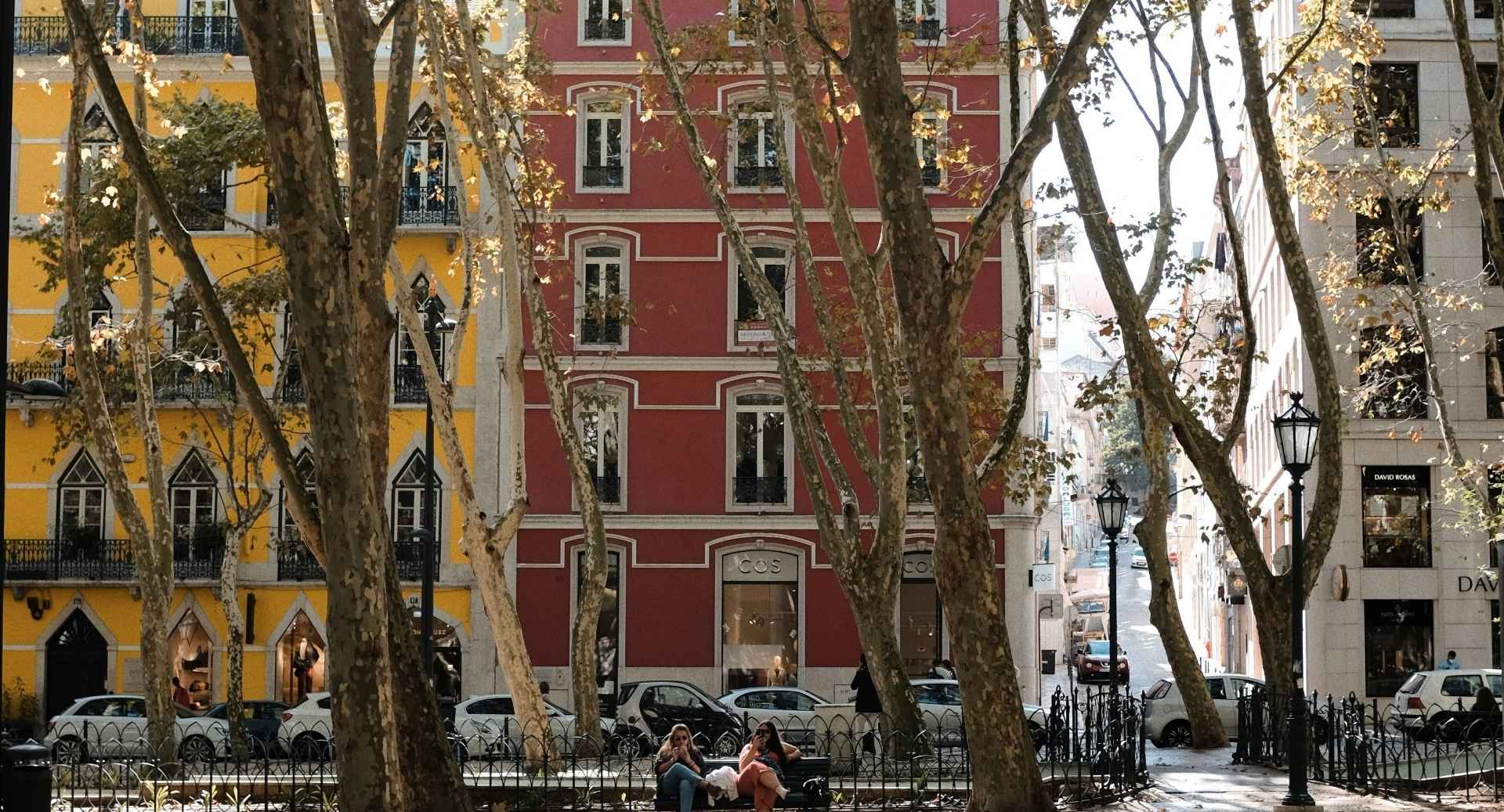
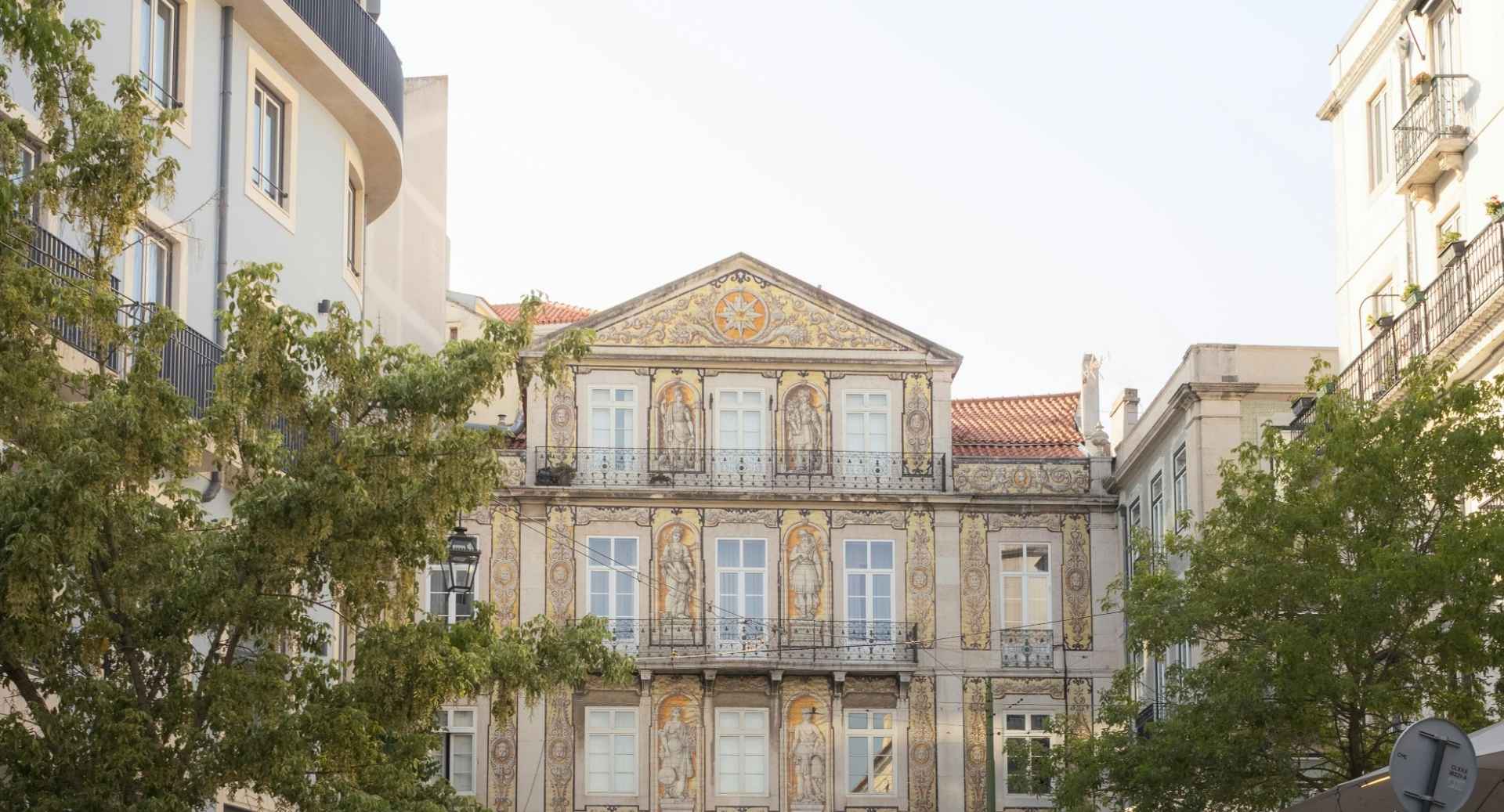
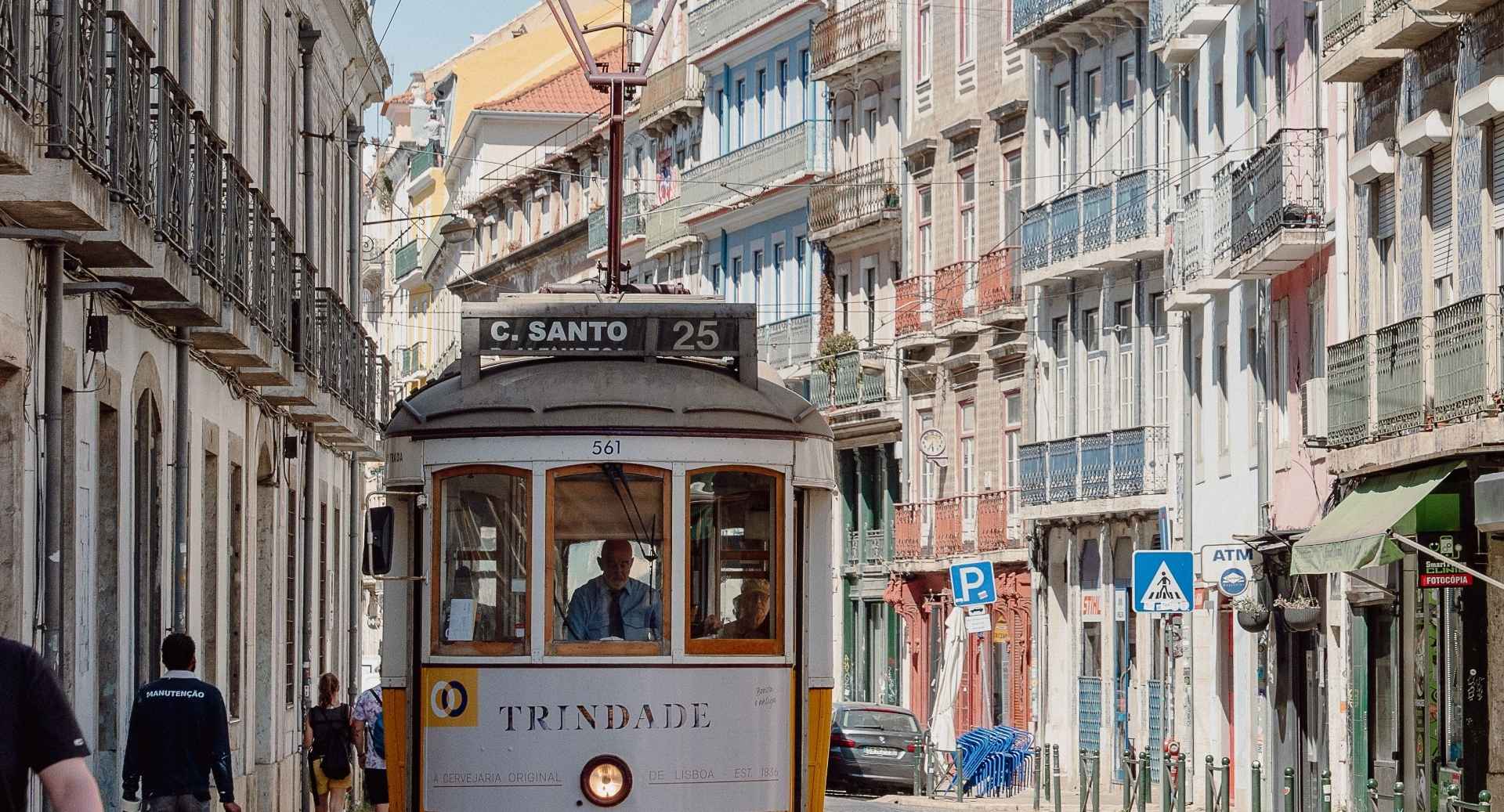
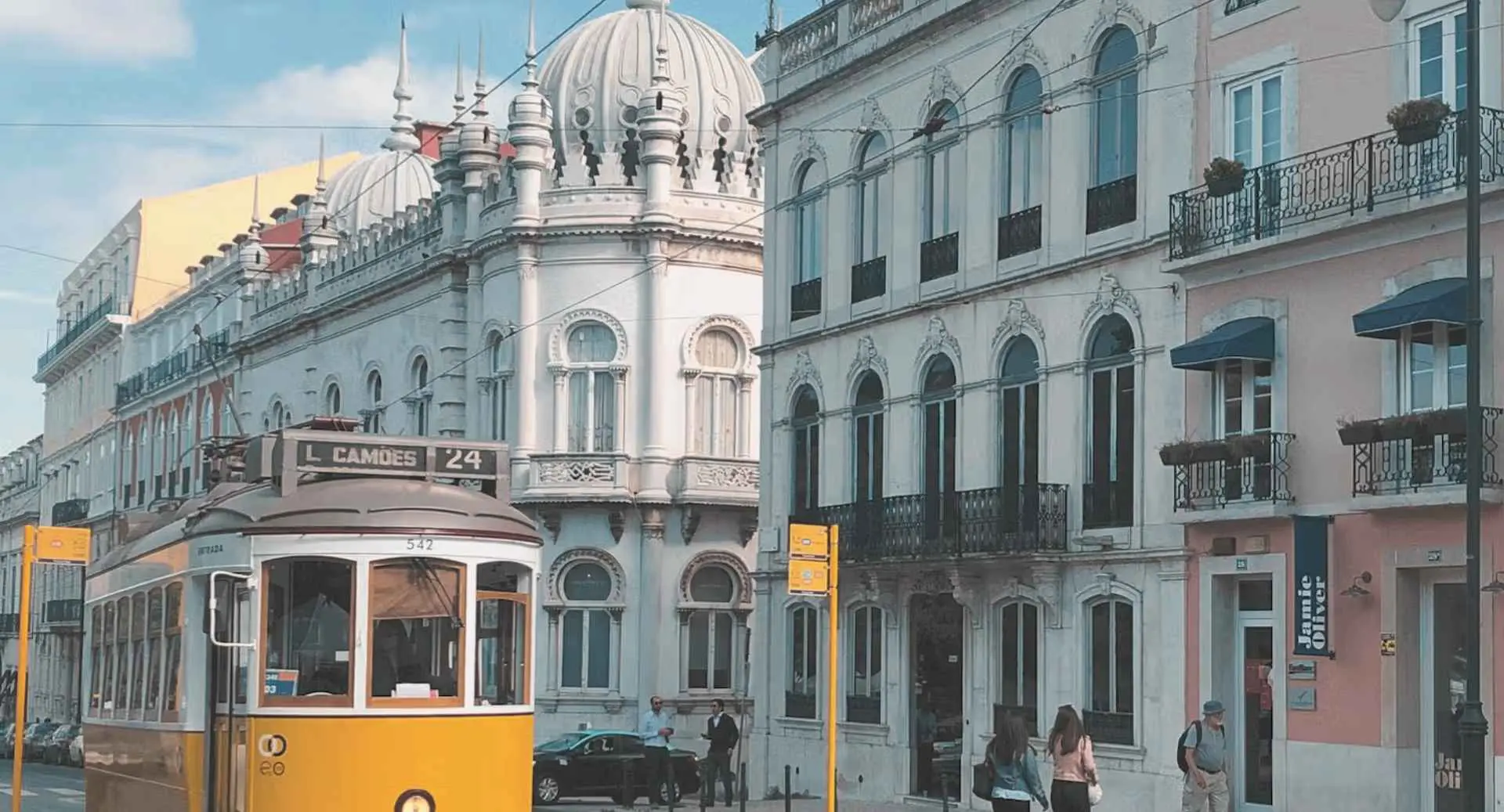
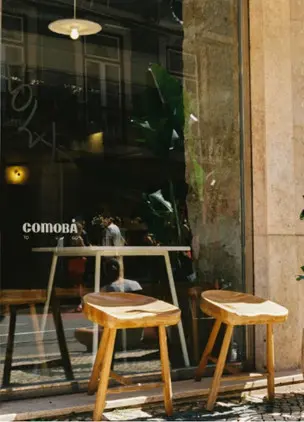
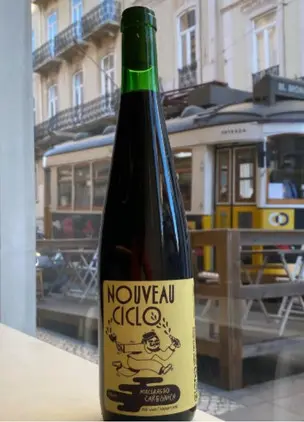
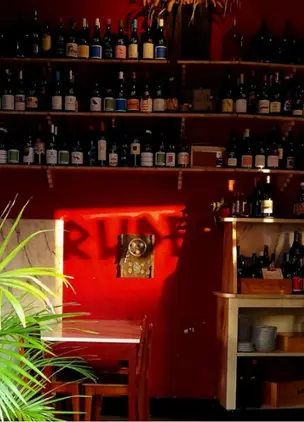
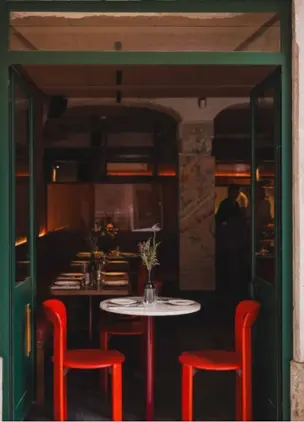
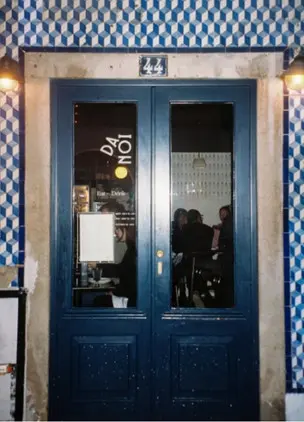
Lisbon is felt in the surfaces. Tiled walls, worn stone, painted façades that haven’t been fully restored. Some streets feel rough, others more considered, and often they sit side by side. In certain areas, it’s one restaurant after another, tables close together, doors open, people moving between them without much planning. Then it opens out again, a quieter stretch, a view, somewhere to stop for a while. That contrast is what holds the city together.

Santos sits closer to the river, where the streets open slightly and the pace loosens. Older buildings, tiled fronts, and newer spaces sit next to each other without much separation. There’s a steady flow of cafés, restaurants, and smaller spots that fill gradually through the afternoon. It’s easy to move through, and just as easy to stay longer than planned.

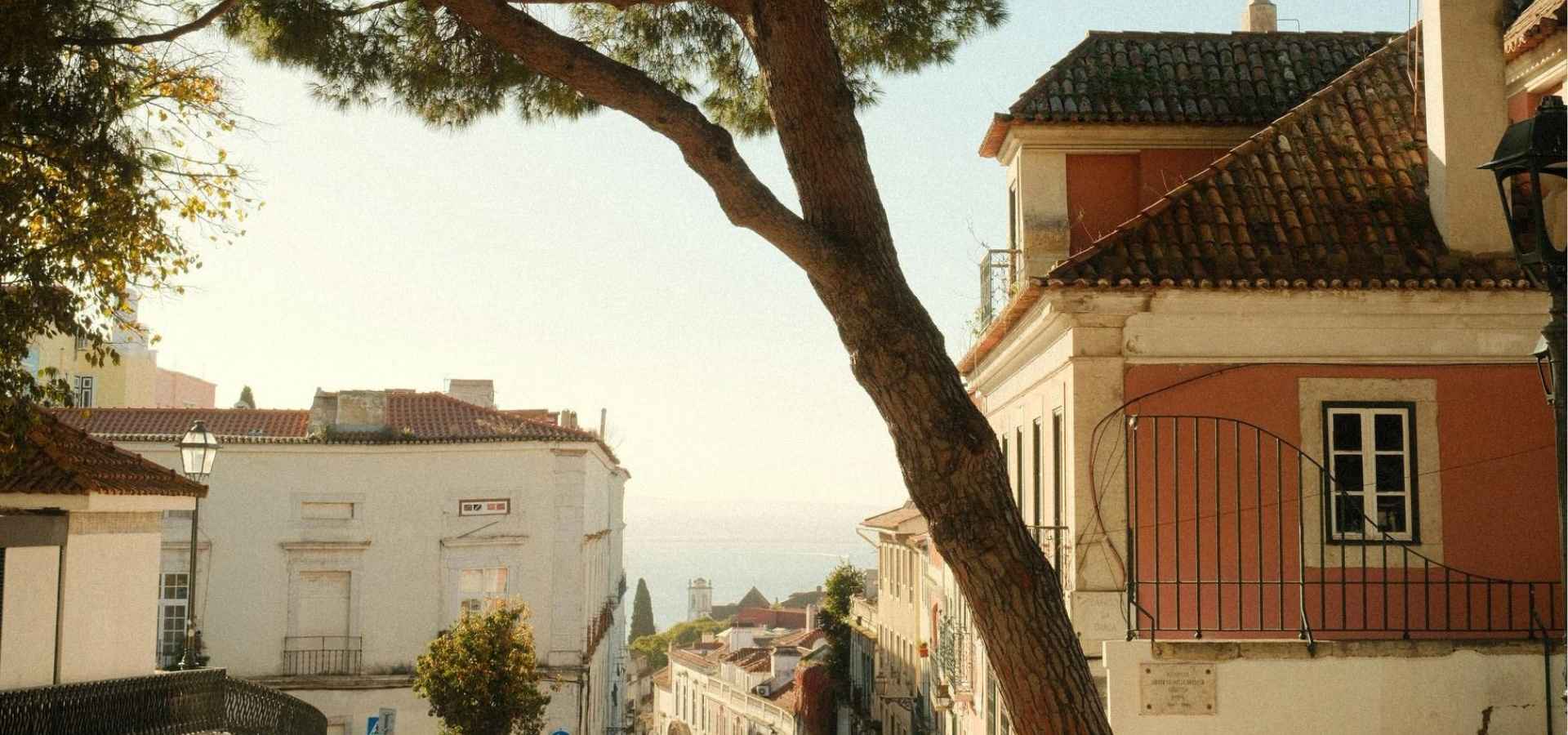
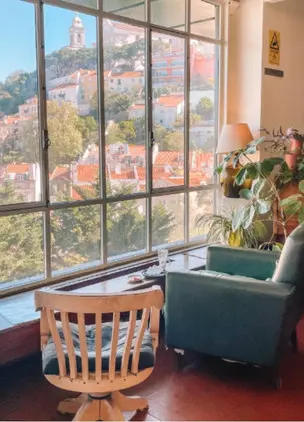
Alfama is tighter and more uneven. Steps, narrow streets, walls that carry age. It can feel crowded, but the rhythm changes quickly once you move a little further in. Small taverns, open windows, and viewpoints appear without much warning. It’s one of the few areas that hasn’t been smoothed out too much, and that’s what gives it weight.


Príncipe Real sits higher, with more space between things. Gardens, shops, and cafés spread across the hill, with restaurants and wine bars holding the ground floor. It feels more considered, but not overly polished. The detail is still there, tiles, balconies, older façades, just handled with a lighter touch. It’s where the newer side of Lisbon feels more settled.
For collaborations and enquiries
We use cookies to improve your experience and understand how the site is used. You can accept or manage your preferences at any time.