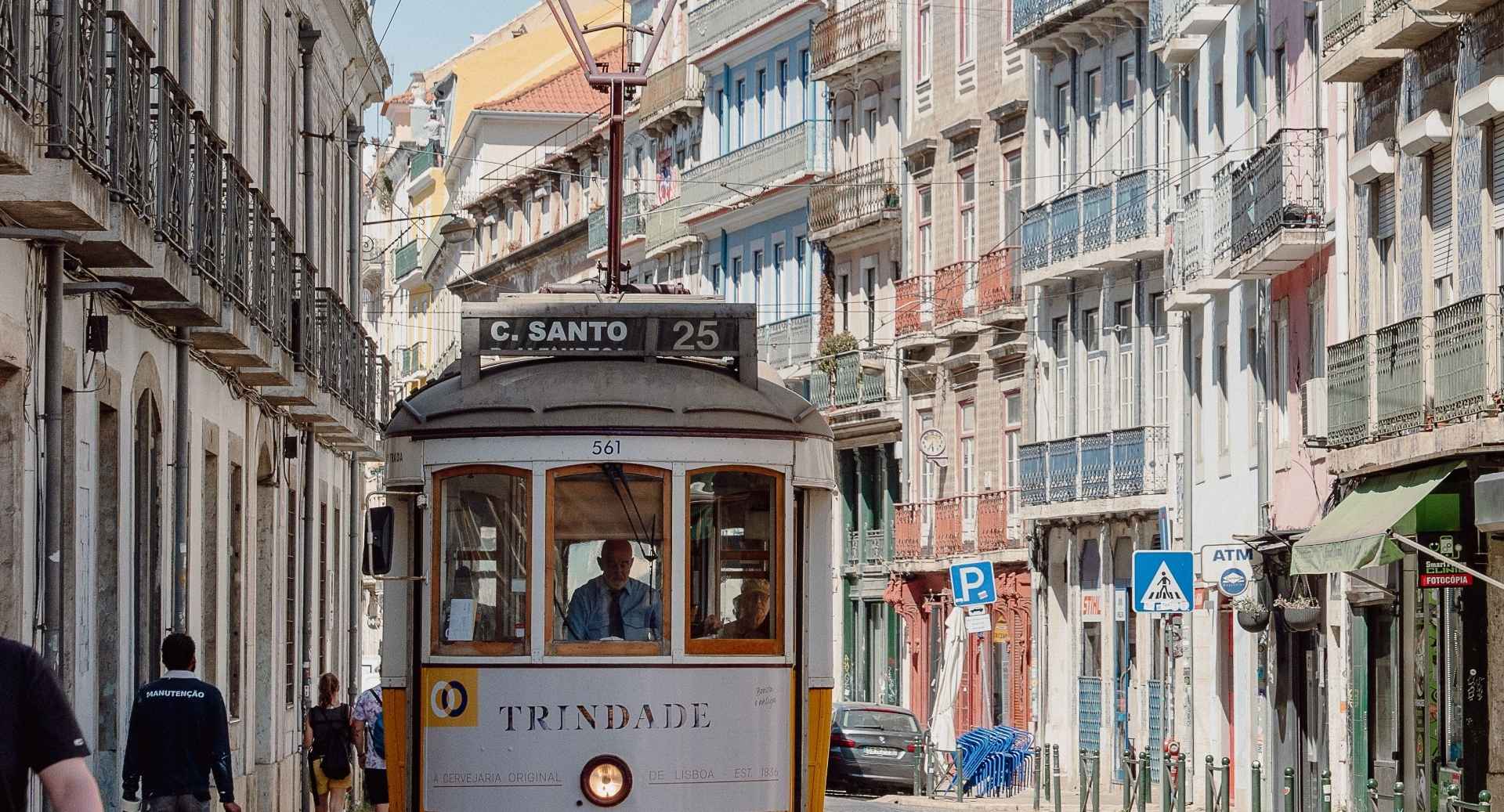
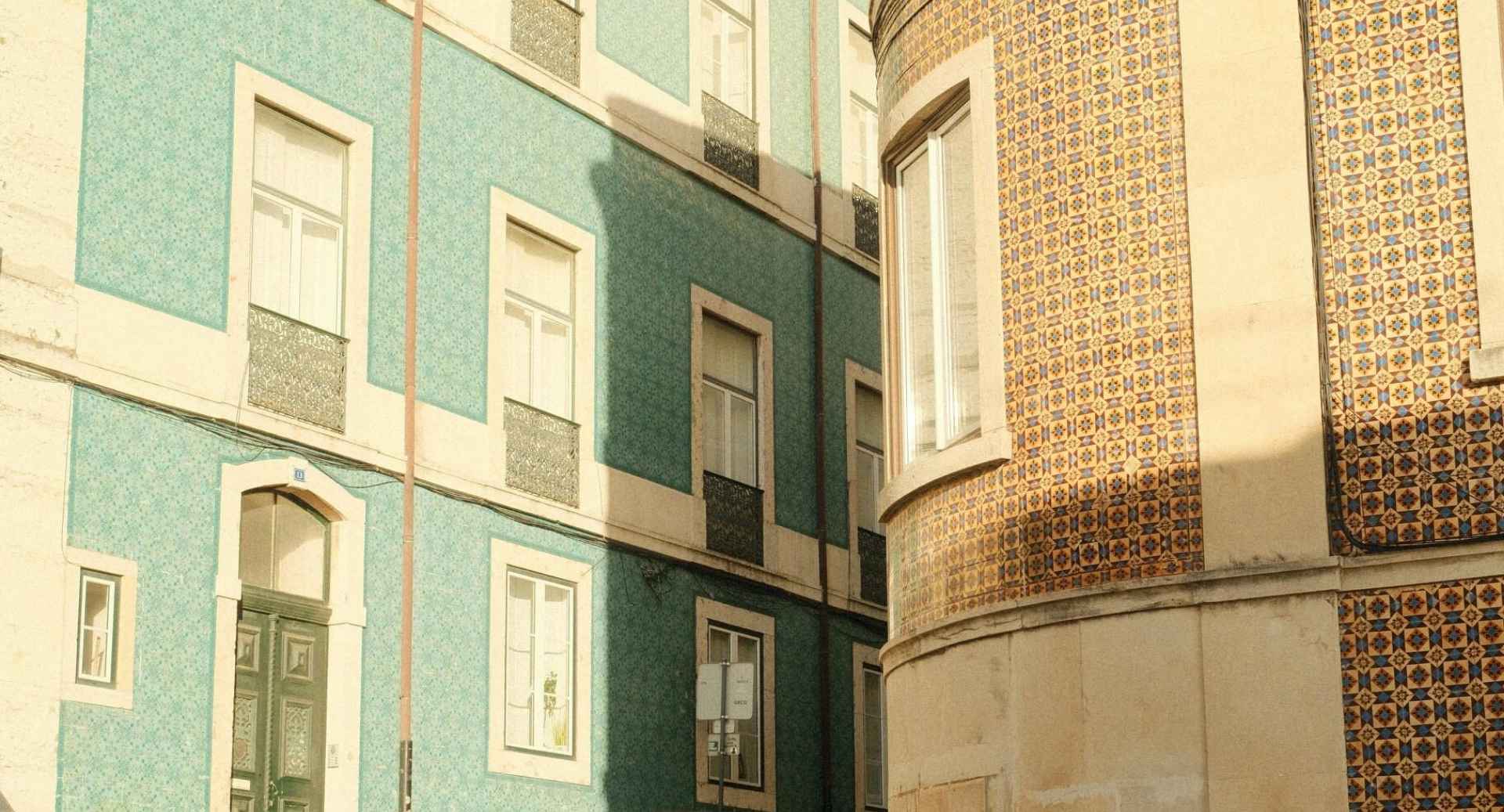
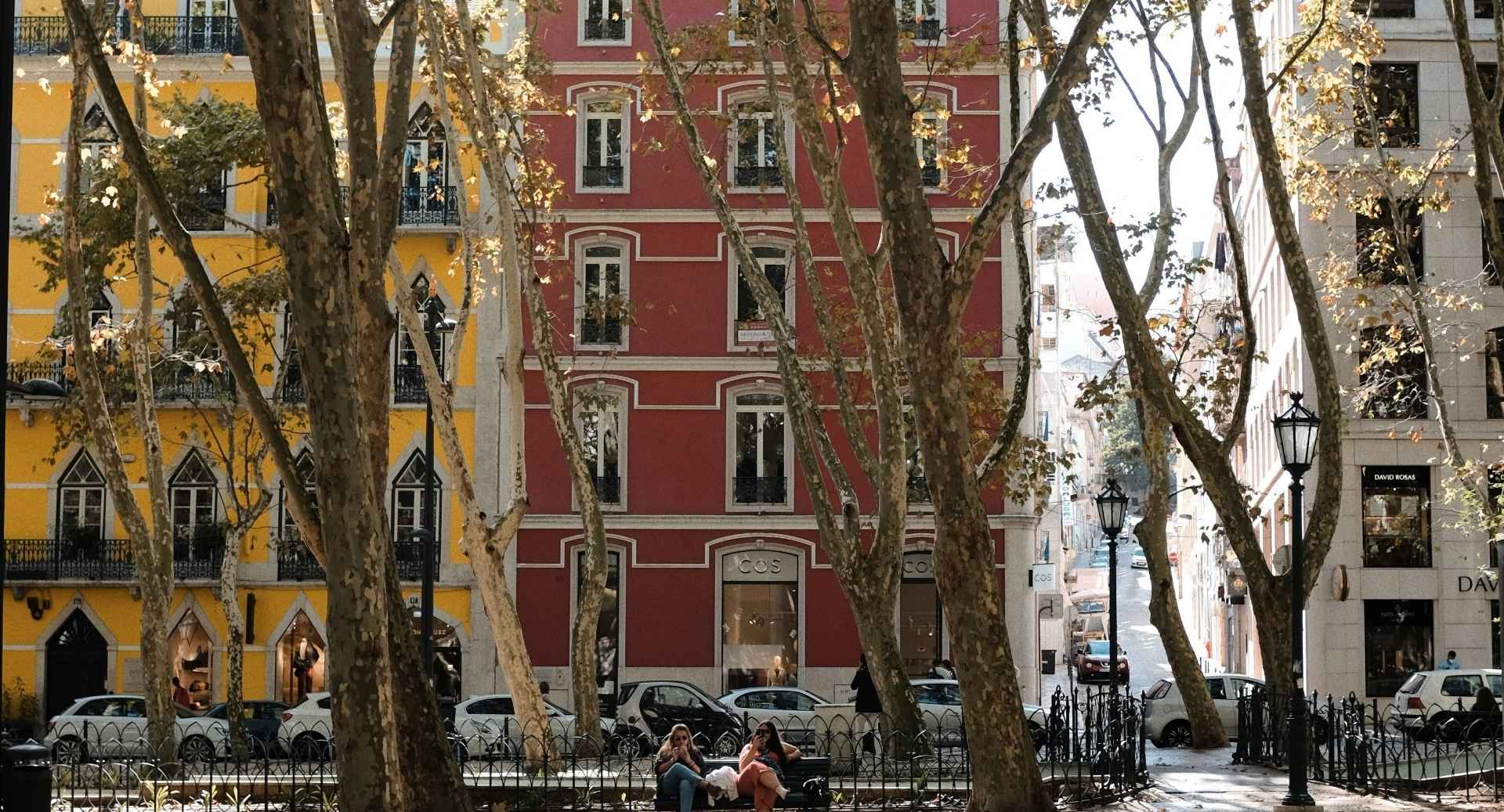
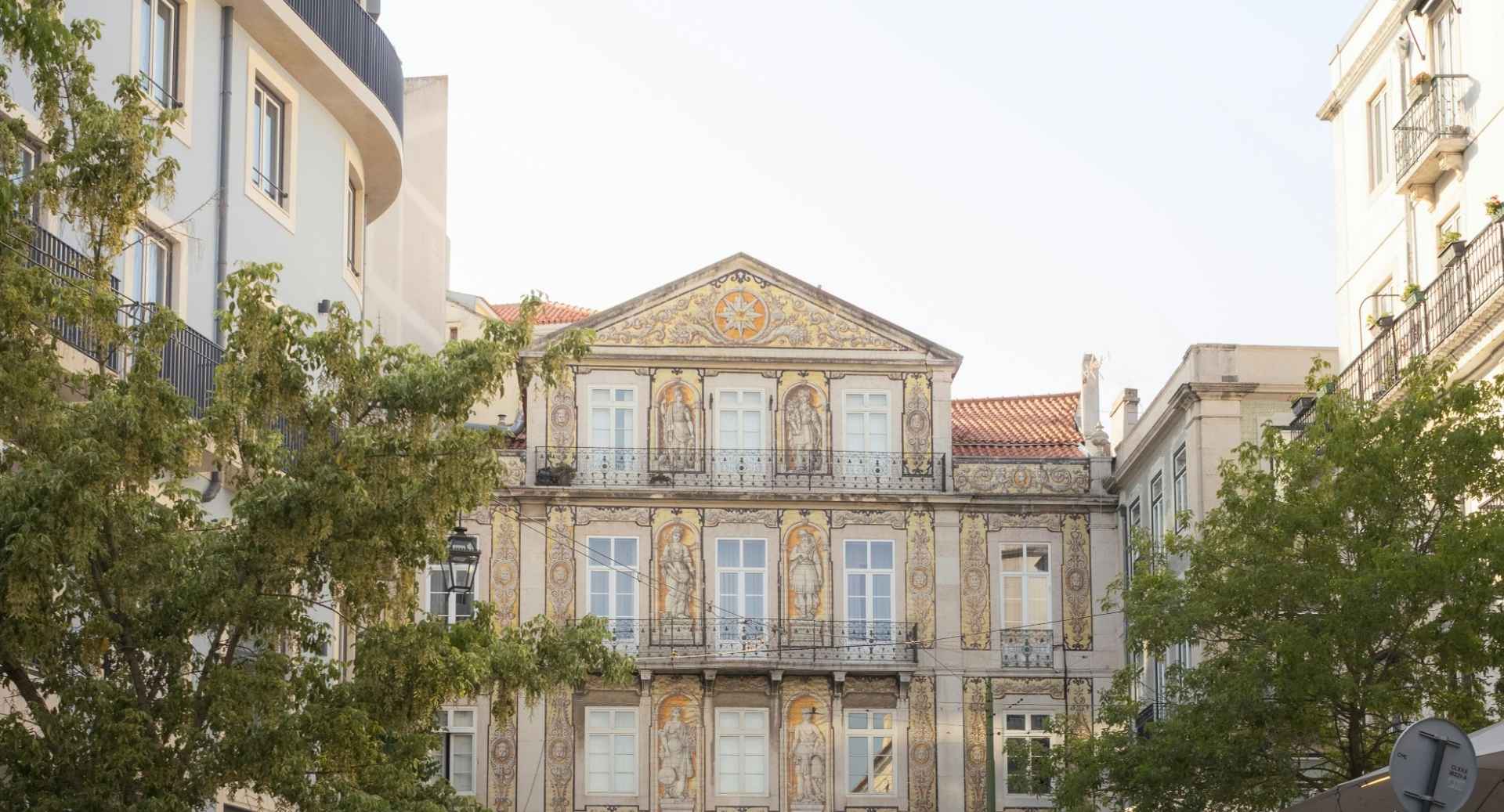
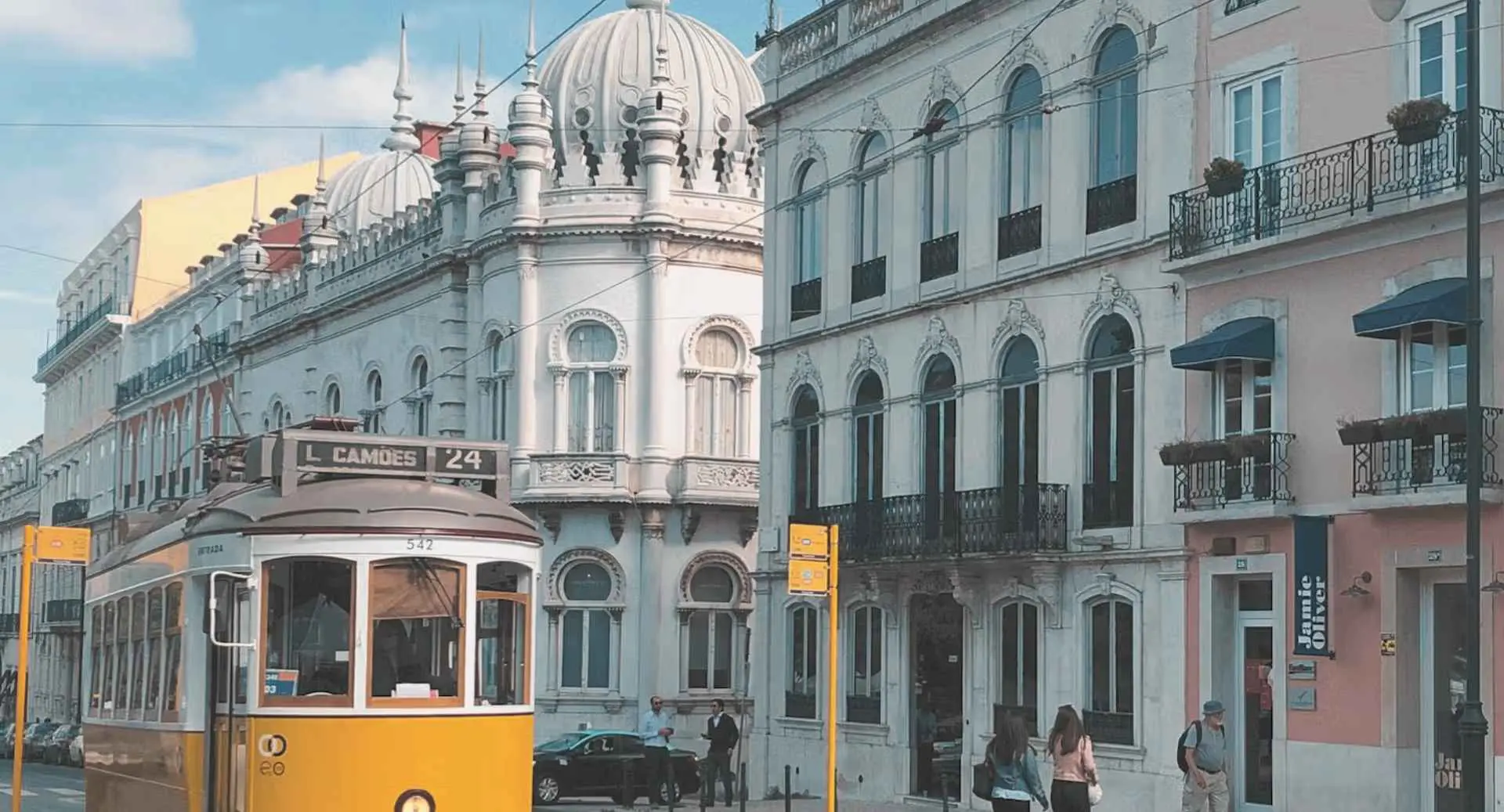
São Bento is built around its palace, the neoclassical parliament building that faces the neighbourhood like a civic anchor, with antique stores and brunch spots running down Rua de São Bento toward Príncipe Real. Away from the main road the streets are mostly residential, quiet, and largely free of tourists. Santos sits below it, closer to the waterfront. It was officially designated Lisbon’s Design District, and the label has held, with studios, natural wine bars, and all-day cafés occupying buildings that have been here for centuries. Together they form a corridor between the old centre and the river, with enough distance from both to feel like somewhere of their own.
São Bento runs quietly past the parliament building, through antique shops and small restaurants that have been here long enough to belong to the street. Santos sits below it, closer to the Tagus, louder after dark, shaped around design studios and natural wine bars that still feel like they were found rather than recommended. The riverside warehouses at Docas de Santo Amaro fill late into the evening. Two neighbourhoods that the city built around, and then mostly forgot to promote.

Why stay here
Best for


Why stay here
Best for


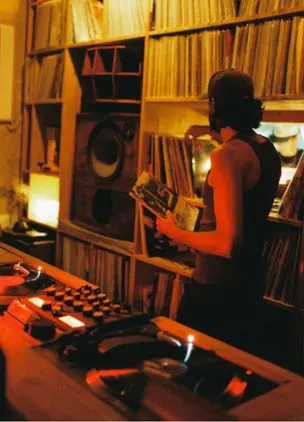
Close to Cais do Sodré, Boavista Social Club builds the evening around records, modern Portuguese cooking and a room that fills with locals. The kitchen sends out seasonal plates built around bold flavours while the music shapes the pace. The kind of place where the night takes shape without much planning.
São Bento and Santos sit closer to the river and carry more energy after dark, design studios, natural wine bars and a neighbourhood that loosens up as the evening progresses. Príncipe Real is quieter and more considered, streets that reward slower movement and some of the best wine bars in central Lisbon. If you want creative energy and a younger atmosphere, São Bento and Santos usually land better. If you want Lisbon at its most calm and design-led, go uphill.


Broad avenues, less foot traffic, and a city that doesnt perform for visitors

The most visited part of the city, and still the easiest place to understand why people come.

Where old palaces became something new, and the neighbourhood stayed its own.
For collaborations and enquiries
We use cookies to improve your experience and understand how the site is used. You can accept or manage your preferences at any time.