Where to Eat and Drink in Madrid

Restaurant Category — Madrid
Fun Fun, Natural Wine Bottle, Madrid

Fun Fun

Wine Bars
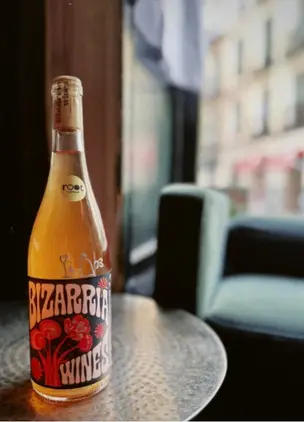
Fun Fun leans fully into energy. It’s small, often full, and built for nights that don’t follow a plan. Bottles move quickly, the list shifts constantly, and the room has that slightly chaotic edge that good wine bars sometimes need. Not every visit will be quiet or considered, but that’s not the point.
LA CANÍBAL, Wine Pouring From the Tap, Mardid

La Caníbal

Wine Bars
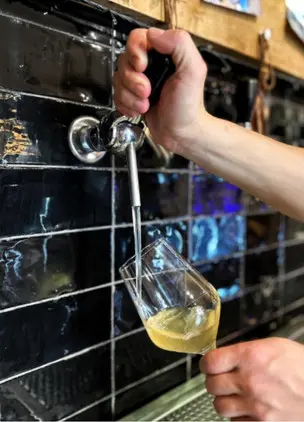
La Caníbal sits slightly apart, both in size and approach. It blends natural wine with craft beer and a more open, hybrid format. The list is still well curated, but the space is less intimate, more adaptable. It works well as an entry point into natural wine in Madrid, without feeling simplified.
FIVE, Looking into the Window, Madrid

FIVE

Wine Bars
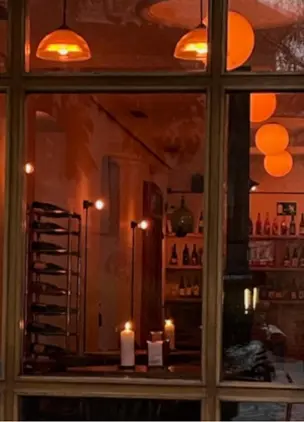
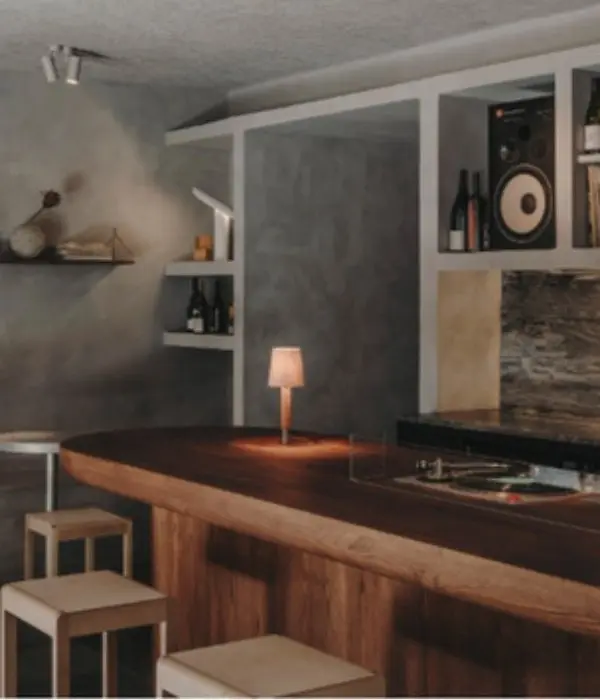
Five is quieter, more controlled. The list is tighter, with a clear sense of editing rather than volume, and the space reflects that same restraint. It attracts people who already understand what they’re drinking, but it never feels closed off. There’s a balance here that’s difficult to get right, and they manage it well.
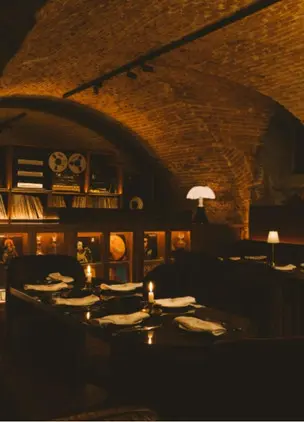
Glop, Interior with candle, Madrid

Glop

Wine Bars
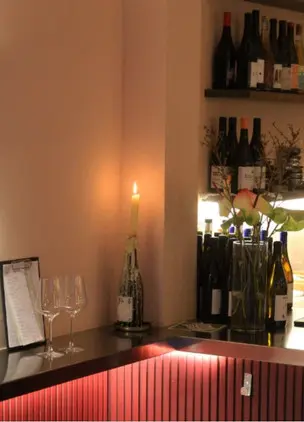
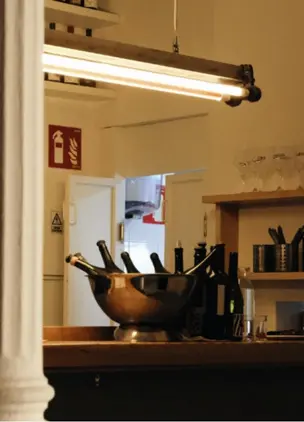
Glop pushes things in a more social direction. The room fills quickly, the music lifts, and the wine list reflects that energy, a mix of accessible natural bottles alongside more expressive ones. It’s less about analysis and more about momentum. You come here when you want the night to build.
Gota wine bar, Records on the Wall, Madrid

Gota

Wine Bars
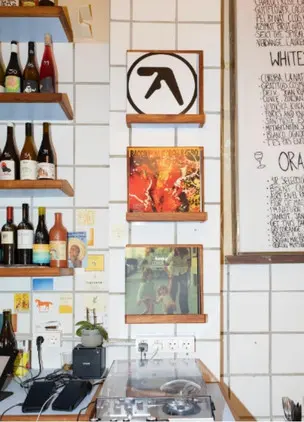
Gota feels more considered. Smaller, quieter, and slightly more focused on the details. The selection changes often, but there’s a clear direction, clean wines, well chosen, nothing too wild unless you ask for it. It’s the kind of place that suits an earlier start to the evening, where you can actually pay attention to what’s in the glass.
Interior of Corchito wine bar in Barrio de las Letras Madrid

Corchito

Wine Bars
Corchito sits closer to the natural wine bar people imagine. Lively, a little tight on space, and built around movement. The list is broader than most, covering Spanish producers alongside French and Italian bottles, and the kitchen leans into simple, well-executed plates that keep the table going. It’s not trying to be minimal, it’s trying to be enjoyable, and that’s exactly why it works.
Masa, Records on the Wall, Madrid, Natural Wine Bars in Madrid

MASA

Wine Bars
MASA is one of the clearest references in the city right now. The space is stripped back, almost austere, which puts the focus exactly where it should be. Bottles lean low-intervention and European, with a noticeable bias towards smaller growers and harder-to-find labels. There’s no menu to distract you, just a few things to eat and a team that will guide you without over-explaining. It’s precise, and it knows it.
La Carbonería, Food on Counter, Madrid

La Carbonería

Best Places to Eat
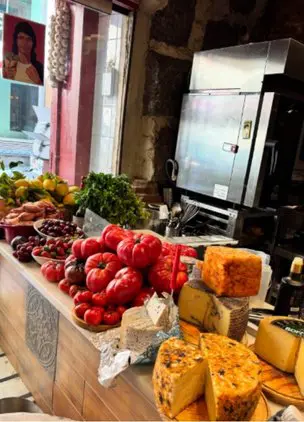
La Carbonería feels closer to a neighbourhood spot, but one that people travel for. The space is simple, a little rough around the edges, but always full. The menu leans traditional with enough variation to keep regulars interested. It’s not about presentation or reinvention, just solid cooking in a room that works.
Open-fire grill and dining room at Charrúa restaurant in Madrid

Charrúa

Best Places to Eat
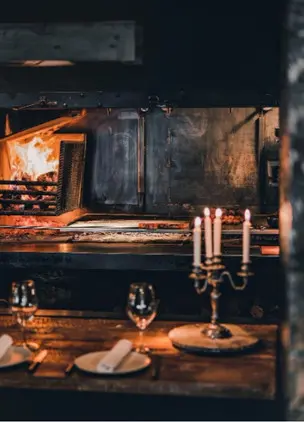
Charrúa is direct and confident, centred around Uruguayan grilling and high-quality meat. There’s no overcomplication here, just a clear focus on product and technique. The room is warm, slightly darker, and built for long dinners. It’s one of those places where the structure of the menu matters less than what’s coming off the grill.
Beef carpaccio at Tonton restaurant near Malasaña, Madrid

Tonton

Best Places to Eat
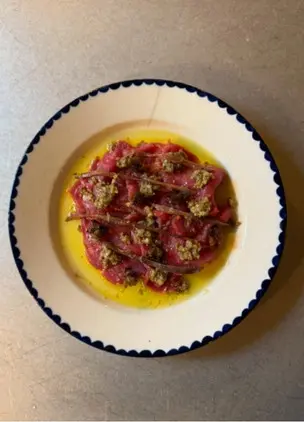
Tonton is informal in the way that works best. Small, busy, and built around simple plates done well, it leans into natural wines and a menu that feels flexible rather than fixed. The atmosphere carries the place as much as the food, with tables close together and a pace that builds naturally through the evening.
dishes and wine at Olea restaurant in Salamanca Madrid

Olea

Best Places to Eat
Olea sits slightly outside the louder parts of the city, which is part of the appeal. The cooking is modern Mediterranean, lighter, more composed, with a focus on balance rather than excess. The space itself is calm, almost understated, making it a good counterpoint to Madrid’s more energetic dining rooms.
Taberna La Carmencita, Selection of food, Madrid

Taberna La Carmencita

Best Places to Eat
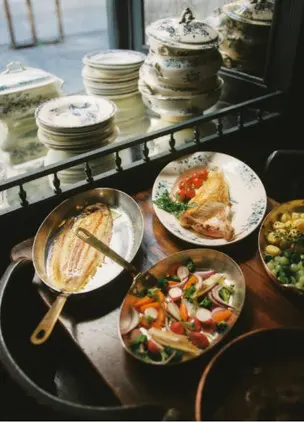
One of the older dining rooms in the city, but still relevant. Taberna La Carmencita holds onto traditional Madrid cooking without letting it feel stuck in the past. The room is compact, a little worn in the right way, and always busy. You come here for dishes that don’t need explaining, done properly, in a setting that feels unchanged for good reason.
Warmly lit dining room at Gabo's restaurant in Madrid

Gabo's

Best Places to Eat
Gabo’s is smaller, more personal, and built around a clear point of view. The cooking leans seasonal and ingredient-led, with a menu that shifts just enough to keep things interesting. There’s a quiet confidence to the place, nothing overworked, nothing excessive. It’s the kind of restaurant you recommend carefully, knowing not everyone will find it unless they’re looking properly.
Madrid Travel Guide Casa Salesas

Casa Salesas

Best Places to Eat
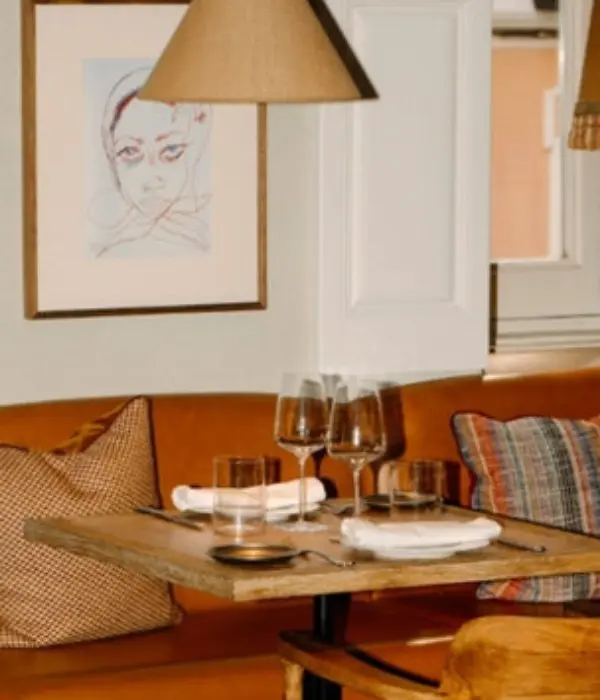
Casa Salesas moves easily between café, restaurant, and late-night spot without ever feeling confused. The room is polished but relaxed, with a crowd that feels local and well-dressed without trying too hard. The menu keeps things broad, Mediterranean at its core, designed for sharing and for staying longer than planned. It’s as much about how the room feels as what arrives on the table.

Where to Eat in Amsterdam, Properly

At Calisto and Dinette, the evening stays easy, small rooms, tables close together, nothing pushed too far. Somewhere like Cantine de Caron shifts the pace entirely, louder, longer tables, the room building as plates keep coming. Then there are places like Café De Klepel and Van Puffelen, where everything slows again, wine, water outside, the feeling of staying longer than planned. arrives.

Where to Drink Wine in Amsterdam, Properly

At places like Café Twee Prinsen and GlouGlou, the evening often starts outside, stools filling early, glasses moving between tables as the light lingers. Somewhere like Bar Centraal or Parlotte pulls things inward again, smaller rooms, closer tables, the pace settling once you sit down and the first bottle arrives.

Inside Amsterdam Brown Bars

At Café ’t Papeneiland and Tabac, the room never feels like it’s trying to change, candles, wood, and a steady flow of people coming and going without much shift in pace. Somewhere like Café ’t Smalle opens out to the canal, afternoons stretching outside before the evening pulls things back in. Then there are places like Café de Wetering, where everything centres around the fire, the room settling as the night moves on.

Best Bakeries in Amsterdam

At places like Louf and SAINT-JEAN, the day starts early, queues forming, shelves already thinning before midday. Somewhere like Knock Knock or Salvo sits more within the neighbourhood, people dropping in on their way past, bags in hand, not much said. Then there are stops like Uncommon, where coffee stretches things out a little longer, or Pat’s, where it’s less about staying and more about eating something warm on the street.