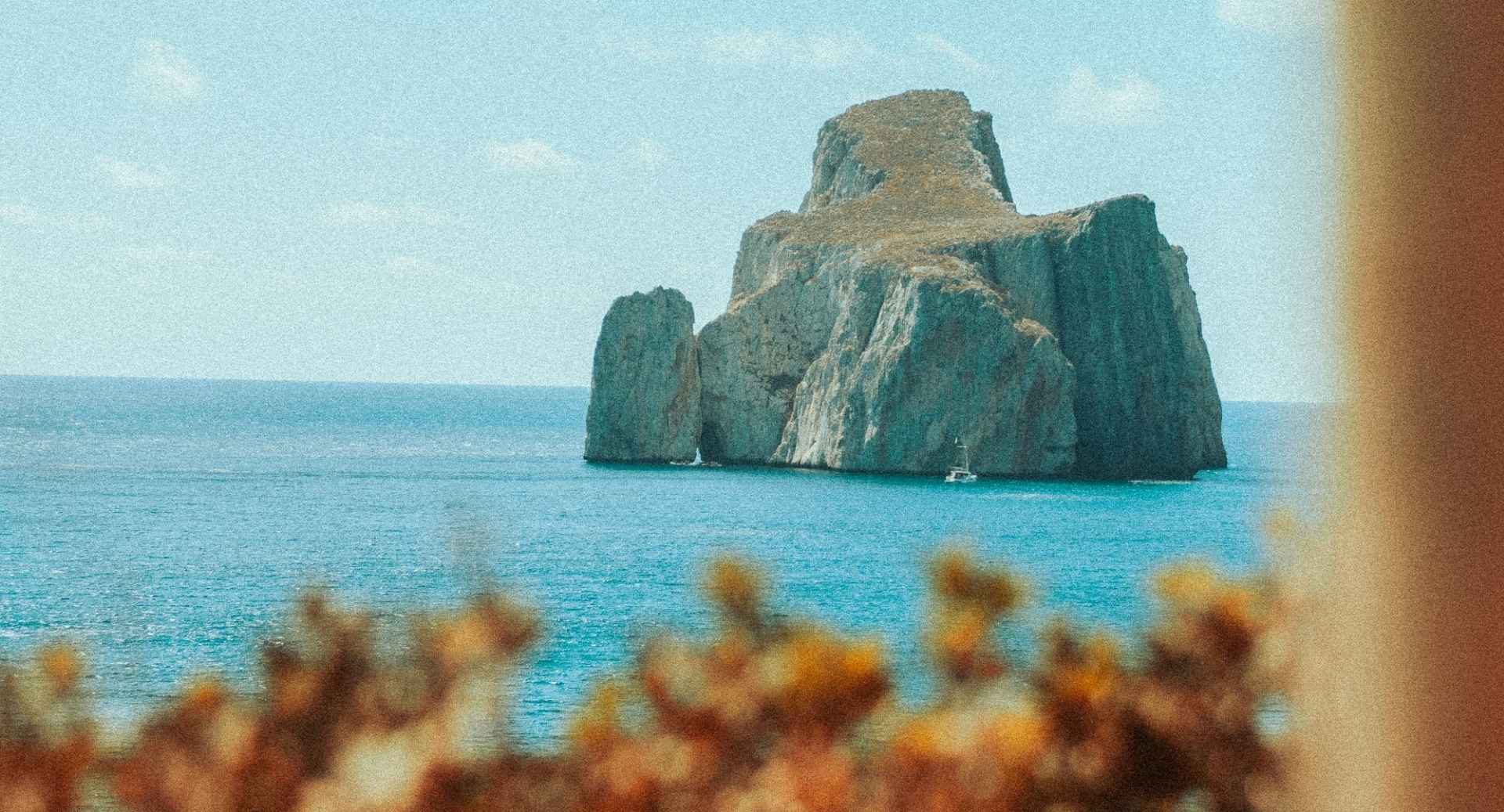
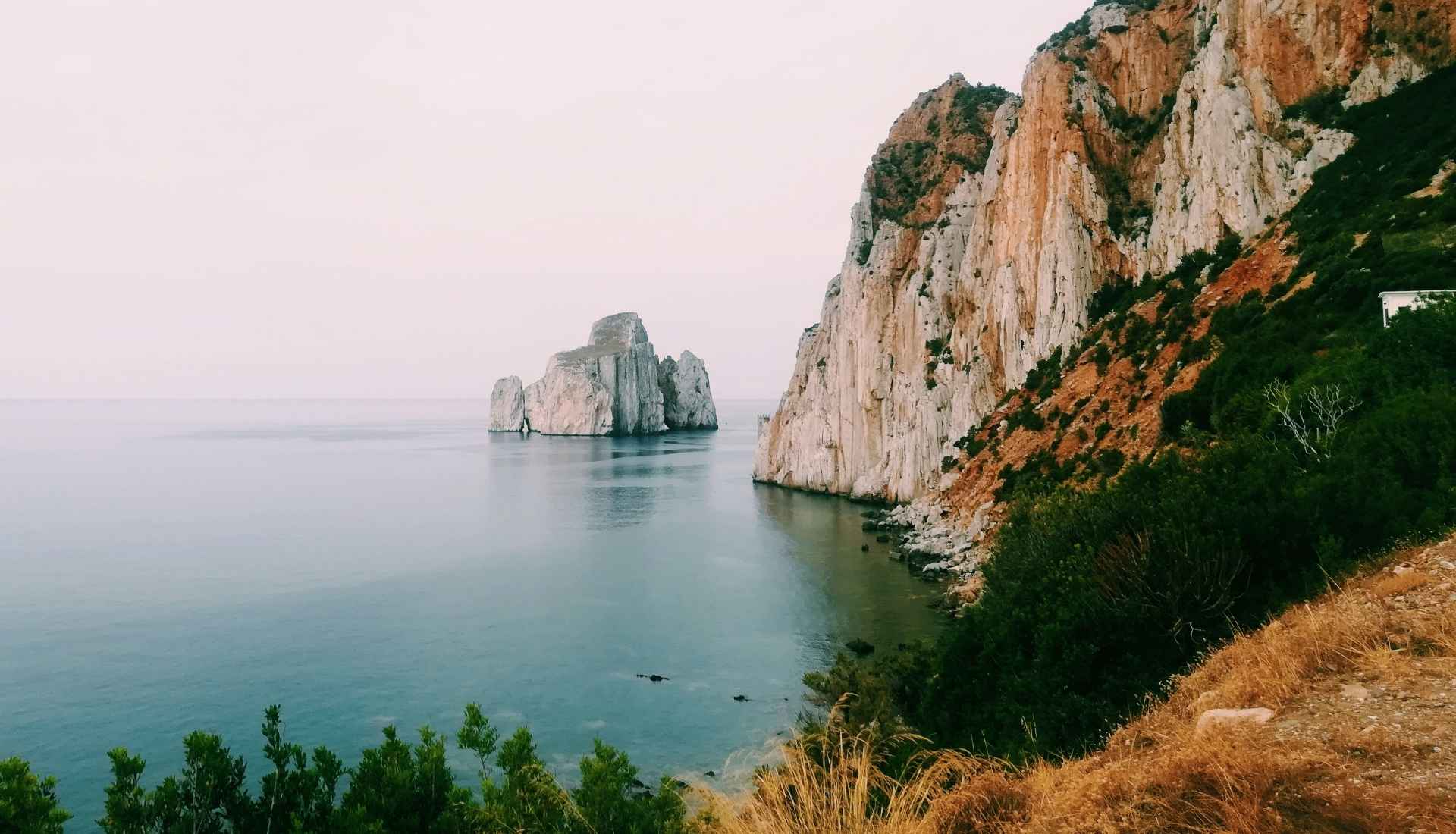
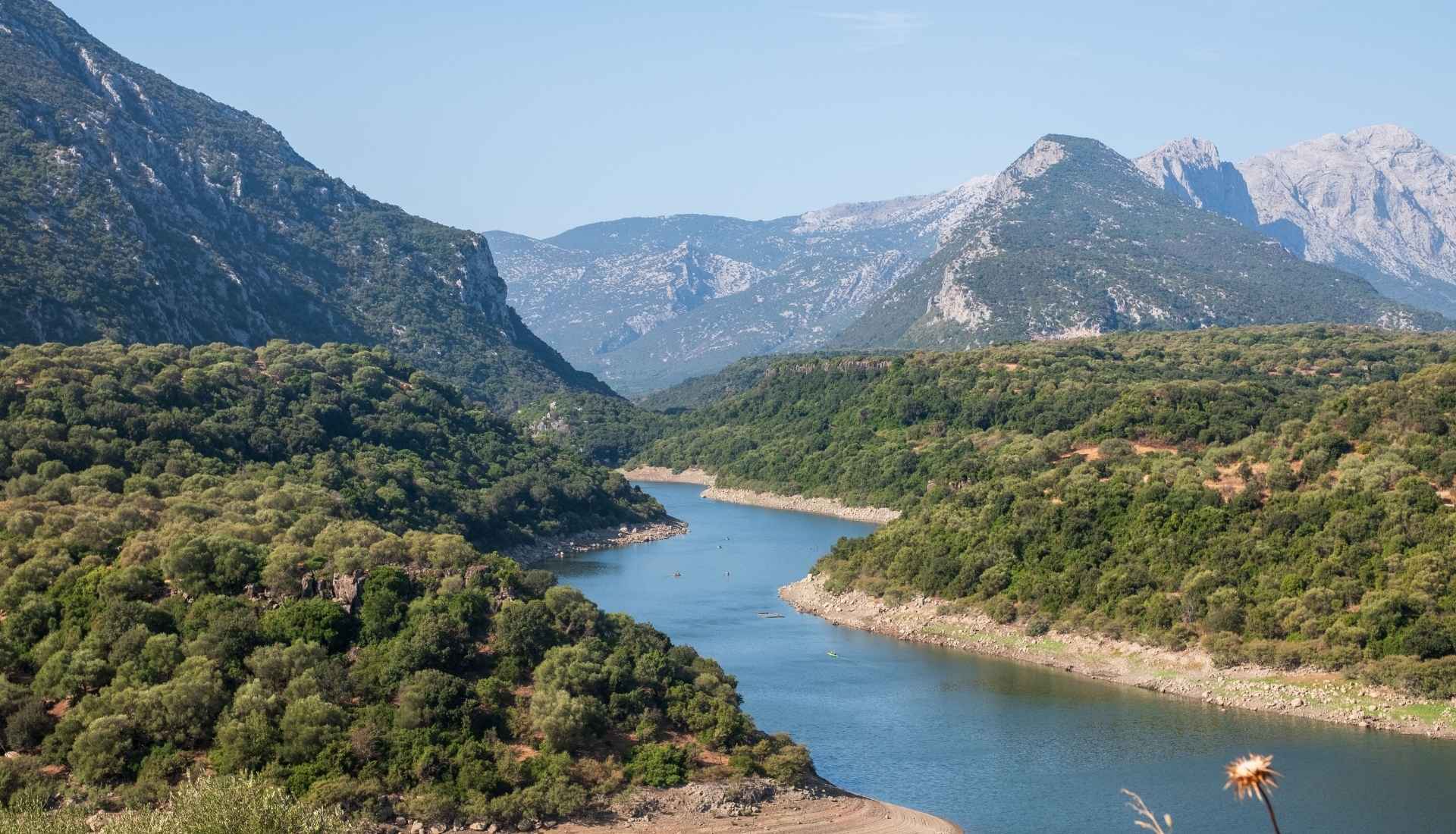
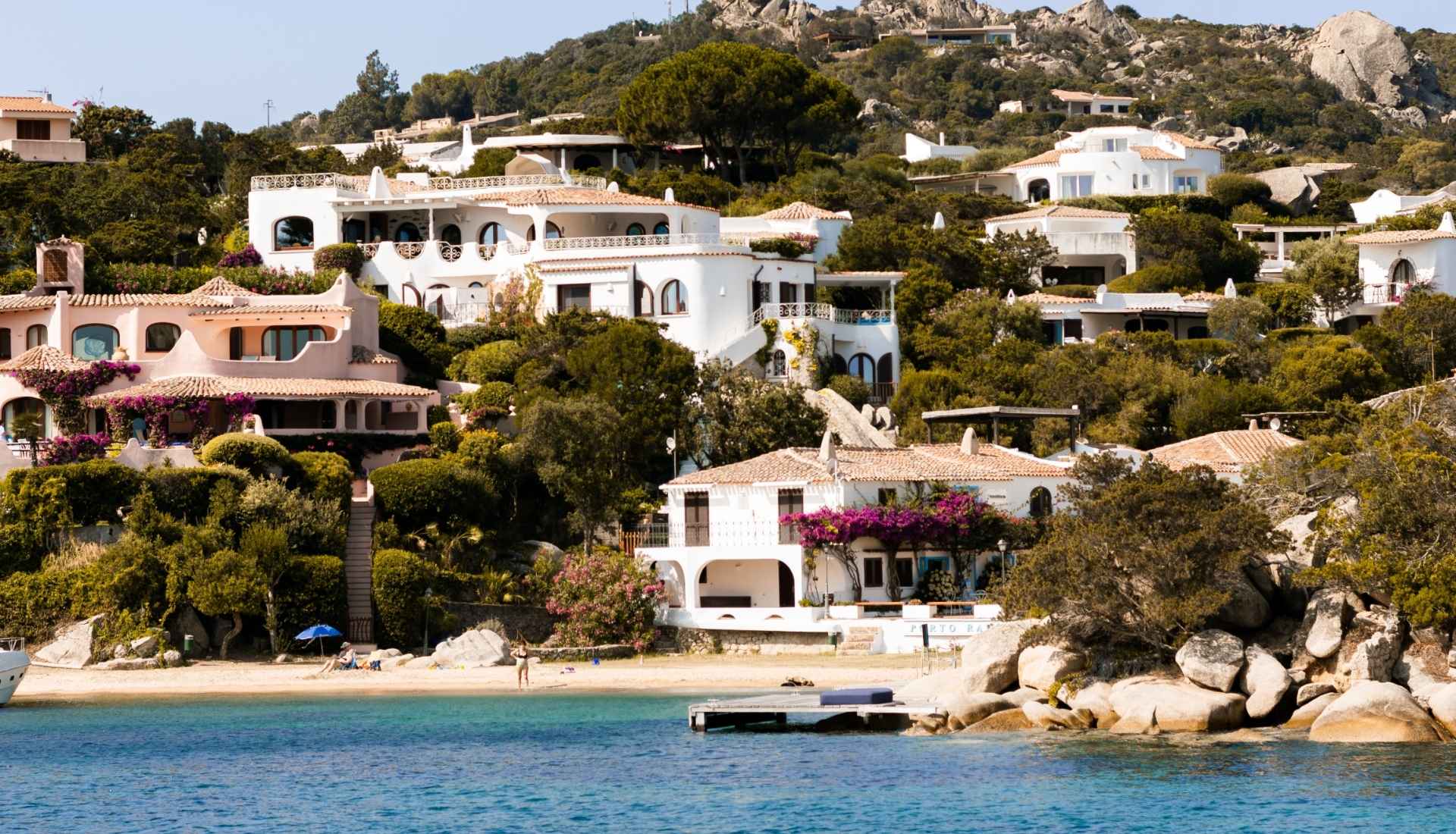
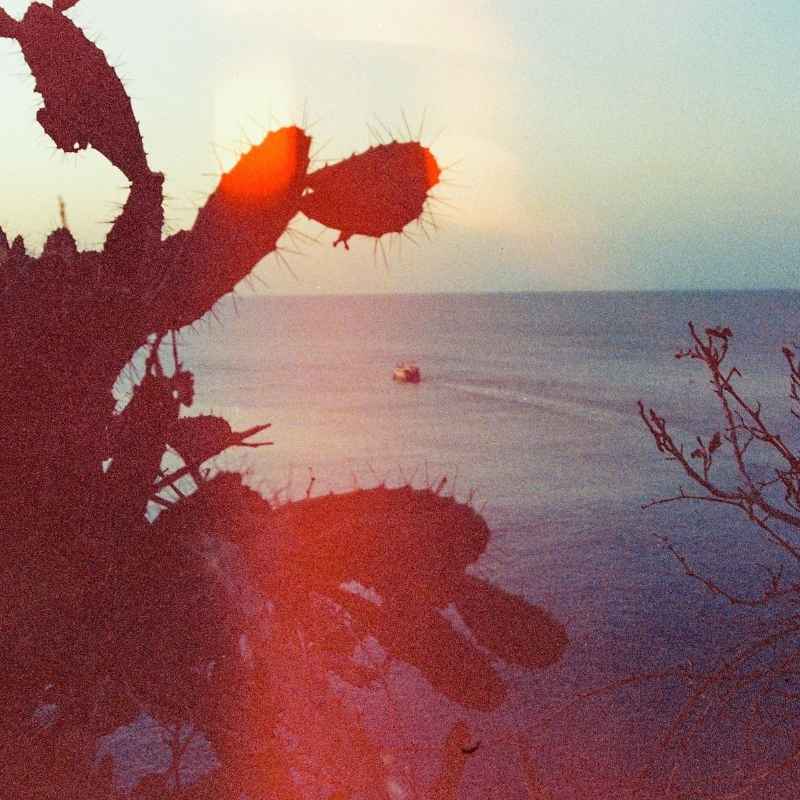
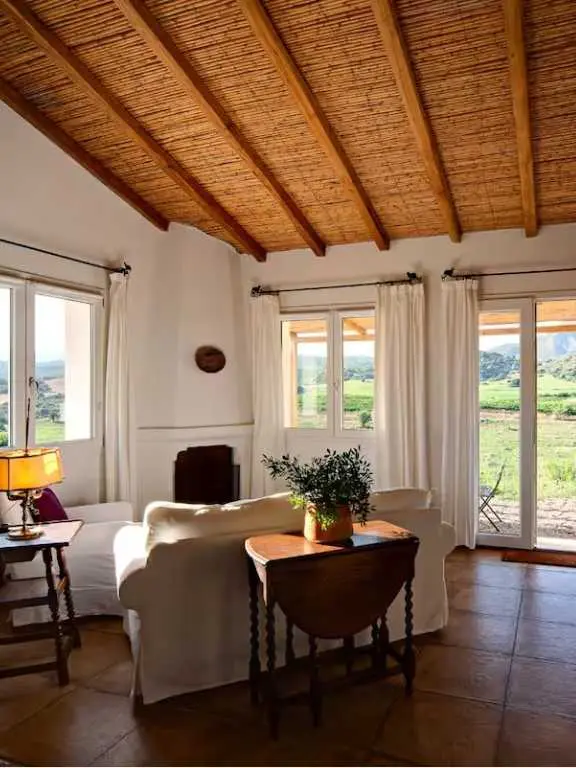
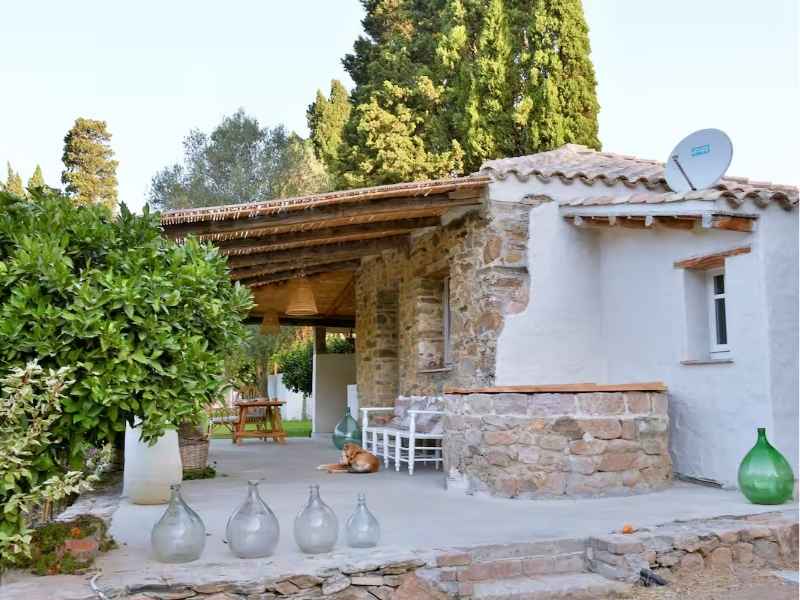
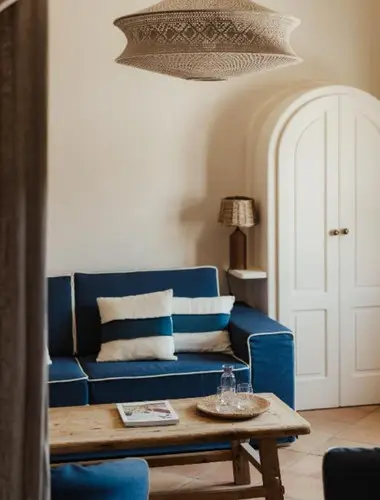
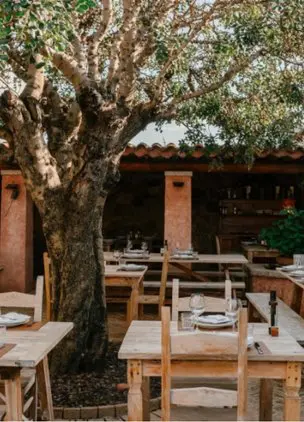
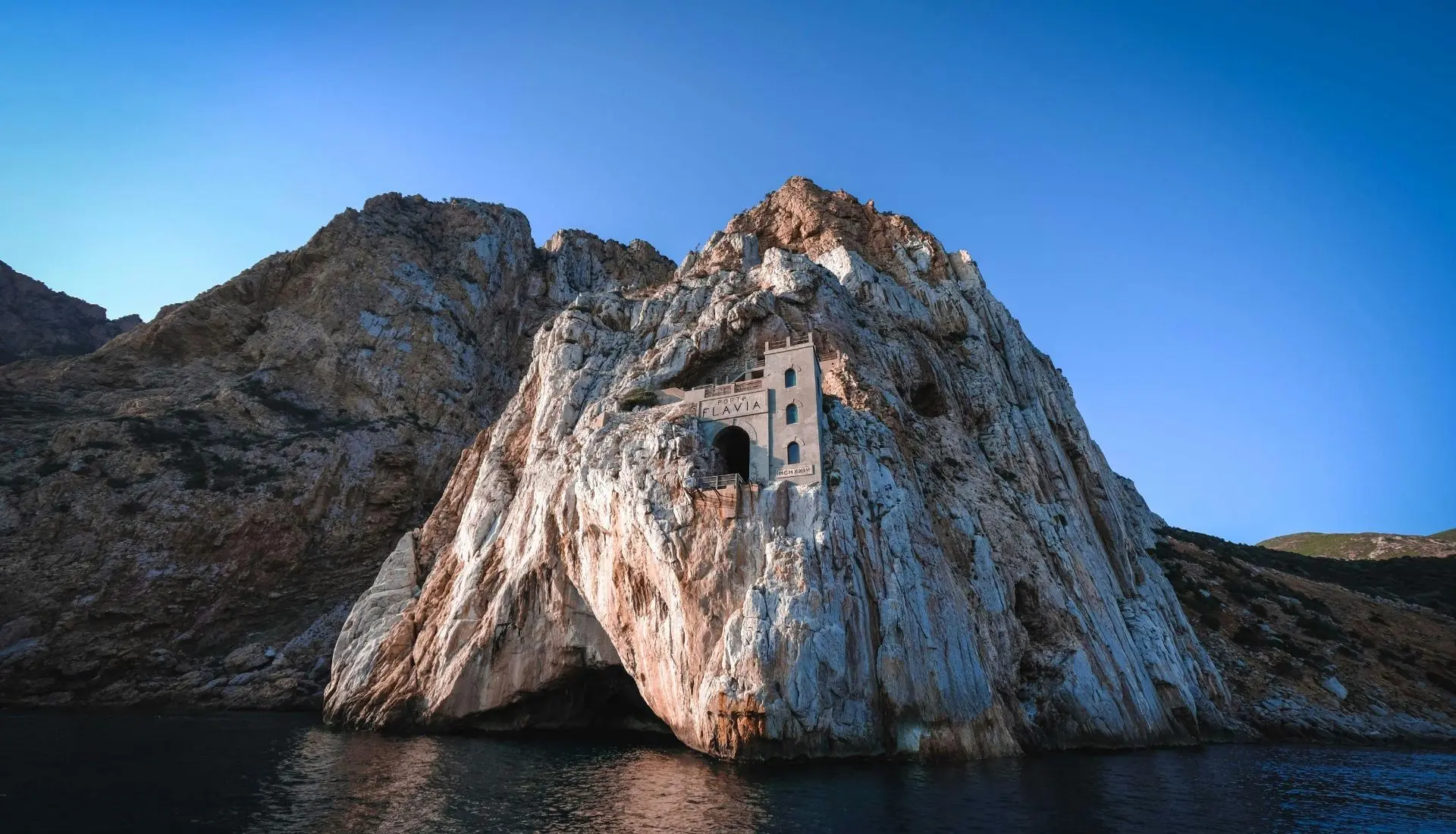
Sardinia is wild in the best way. It feels separate from the mainland, a place with its own light, language, and rhythm. The island moves slowly, shaped by wind, sea, and silence. Long roads cut through open hills, small villages appear and disappear, and the horizon always seems to stretch a little further. This Sardinia travel guide shares where to stay in Sardinia, along with the best hotels, restaurants, and coastal towns that capture its quiet, untamed spirit.
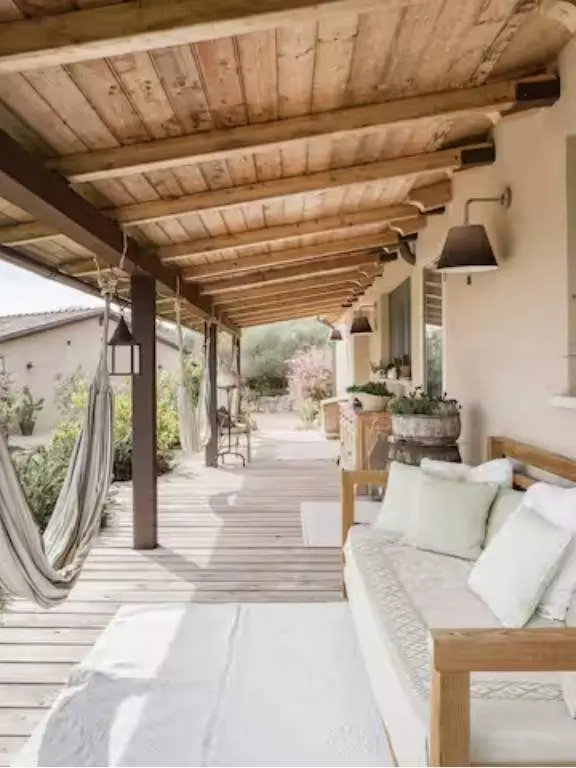
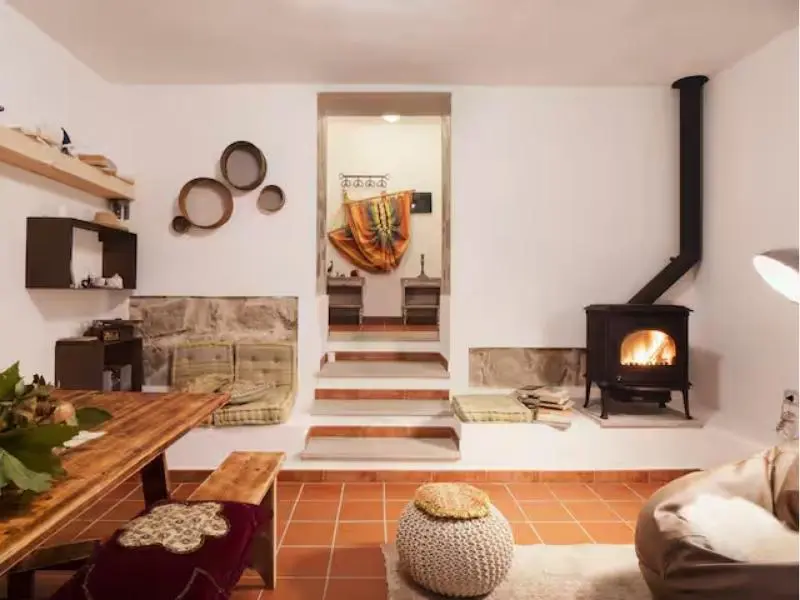
Here, the food is rooted and the spaces are honest. Stone houses, sea air, simple plates built on what the land gives. Sardinia hotels aren’t about excess, they’re about ease, places that remind you how little you need when a place feels right. If you travel to reconnect, to slow down, and to listen to the rhythm beneath everything, this is your island. Come slowly. Leave quietly. And you’ll want to return.

Wild dunes, working wine country and long coastal roads beyond Cagliari’s easy orbit.

Shepherd country, limestone mountains and an inland Sardinia that expects active participation.

Granite country, working coastal towns and rural stazzi behind Sardinia’s most famous shoreline.


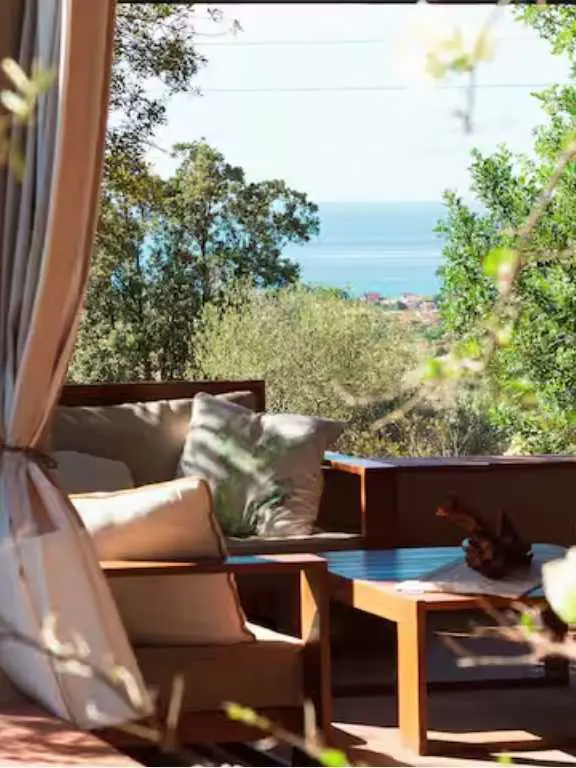
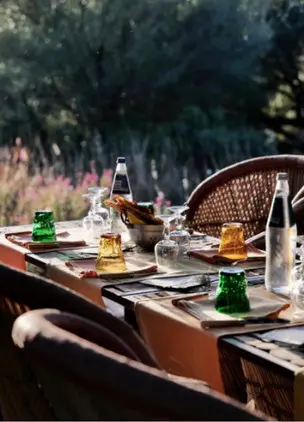
Sardinia asks for time and a car. It’s an island made for wandering, with winding roads that slip between mountains and sea, wild beaches without signs, and dinners that start at sunset and end under stars. The best days are unplanned. Swim, drive, stop somewhere that smells like woodsmoke and herbs. Evenings lean farm to table, with mountain views and local wine poured without hurry. Sardinia isn’t about seeing everything. It’s about moving slowly through a landscape that keeps revealing more.

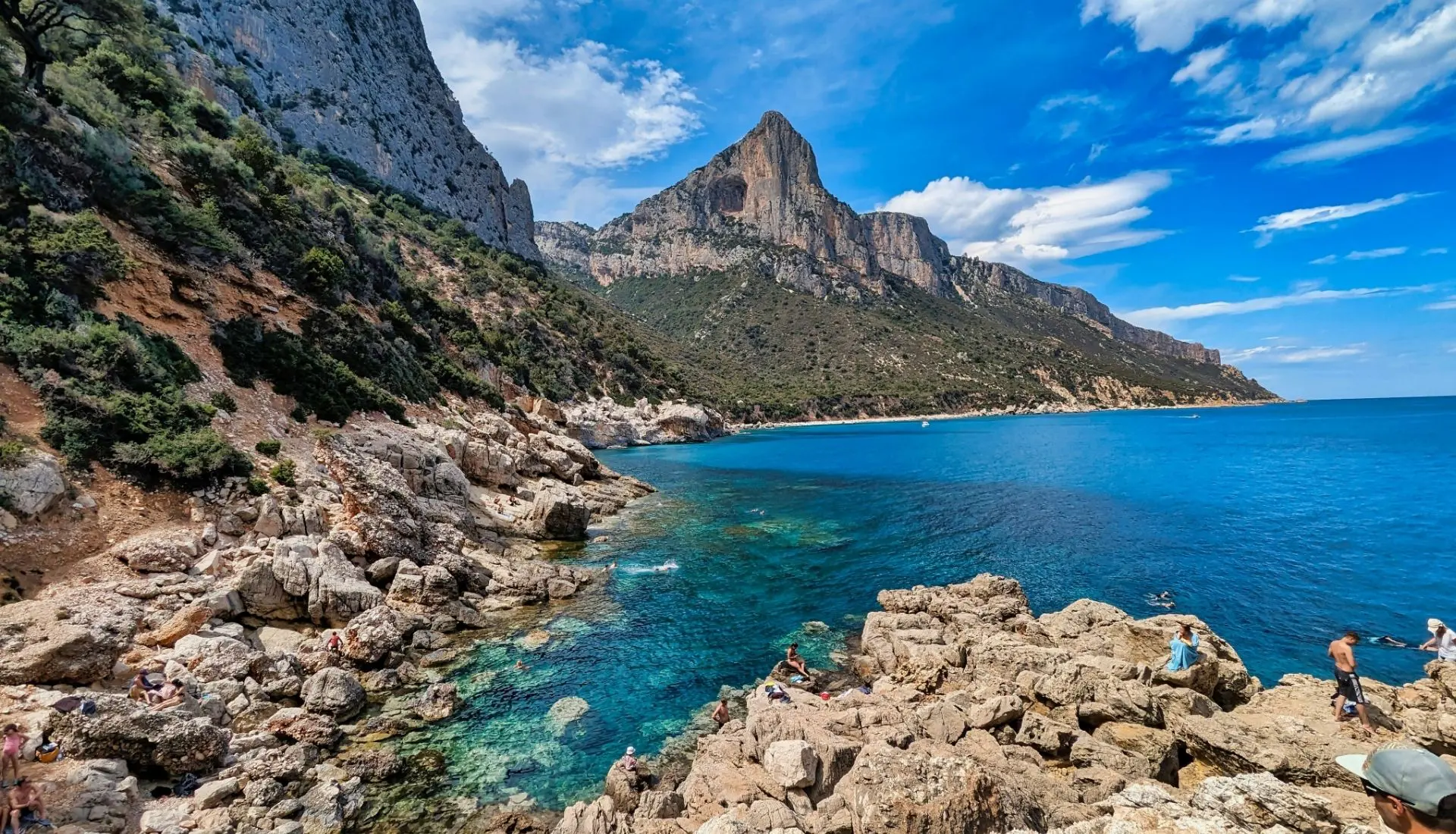
Between mountains and sea, Ogliastra feels quietly expansive. Towns like Baunei and Santa Maria Navarrese move to their own rhythm, grounded in land and light. Trails lead to empty beaches, vineyards climb the hillsides, and lunches stretch into the shade. Inland, Nuoro brings a deeper stillness, streets unchanged in the best way. This is Sardinia without the noise. Summer brings a little movement, but early June and late September soften the light and slow the pace. Bring good shoes, a book, and no real plans. The landscape takes care of the rest.
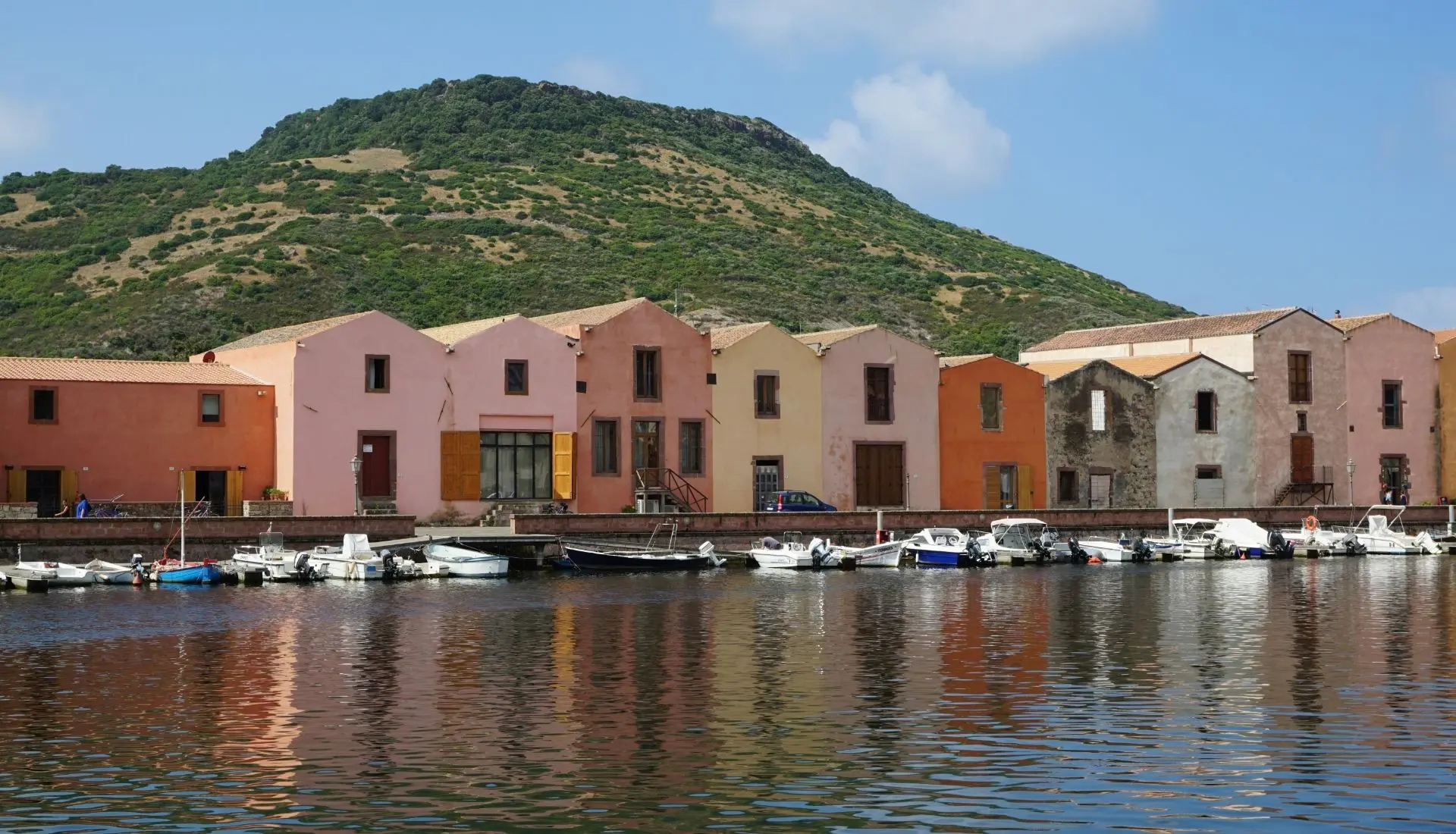
Bosa unfolds along the Temo River, its pastel houses climbing the hillside beneath a quiet castle. The old town is full of small moments: open shutters, a café table in the sun, a glass of Malvasia poured without rush. You’ll find local craft, slow food, and an ease that suits long walks and late mornings. The beach sits nearby, but it’s the in-between spaces that stay with you. Bosa rarely feels crowded, especially in spring or early autumn, when the air softens and the light stretches further.


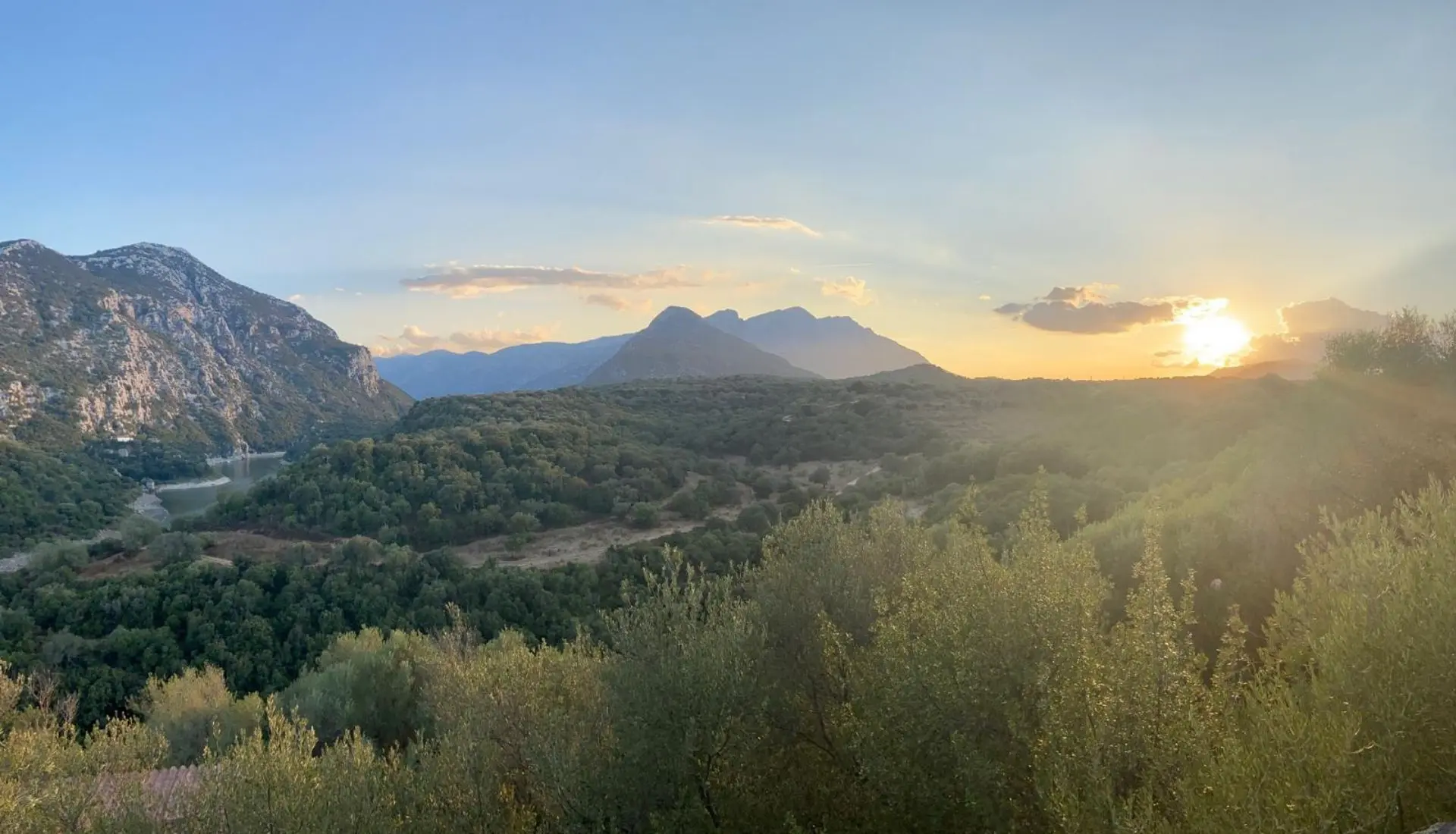
Barbagia feels like the island holding its ground. In the mountains, villages like Orgosolo and Oliena carry old traditions with quiet pride. Murals line the walls, chestnut forests shade the roads, and food is made from memory – pane carasau, slow-cooked meat, pecorino shaped by hand. You don’t come here for spectacle. You come to sit at a table, listen, and feel how rooted this place is. Autumn suits it best, when the air cools and the scent of woodsmoke fills the evenings.

For collaborations and enquiries
We use cookies to improve your experience and understand how the site is used. You can accept or manage your preferences at any time.