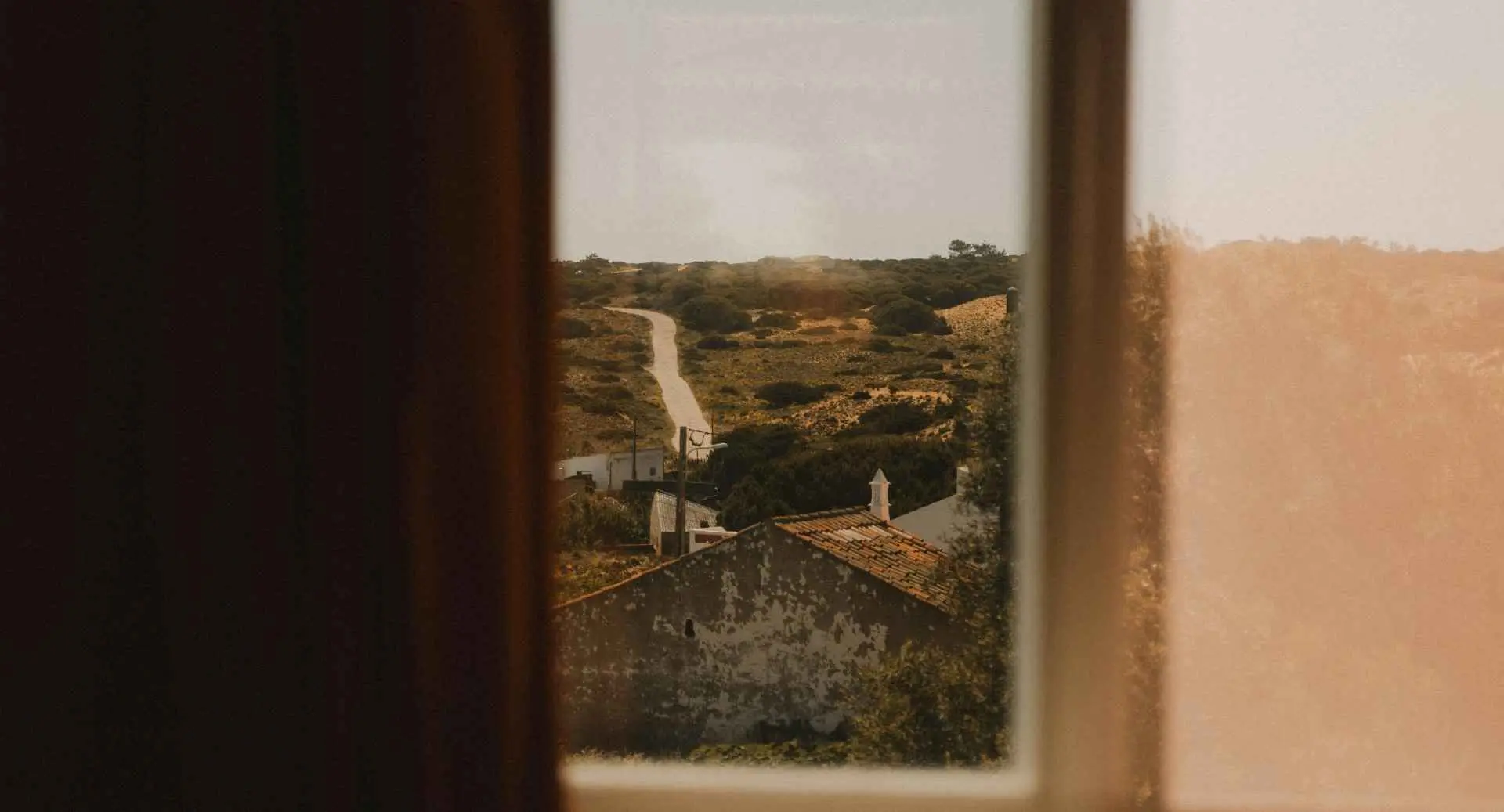
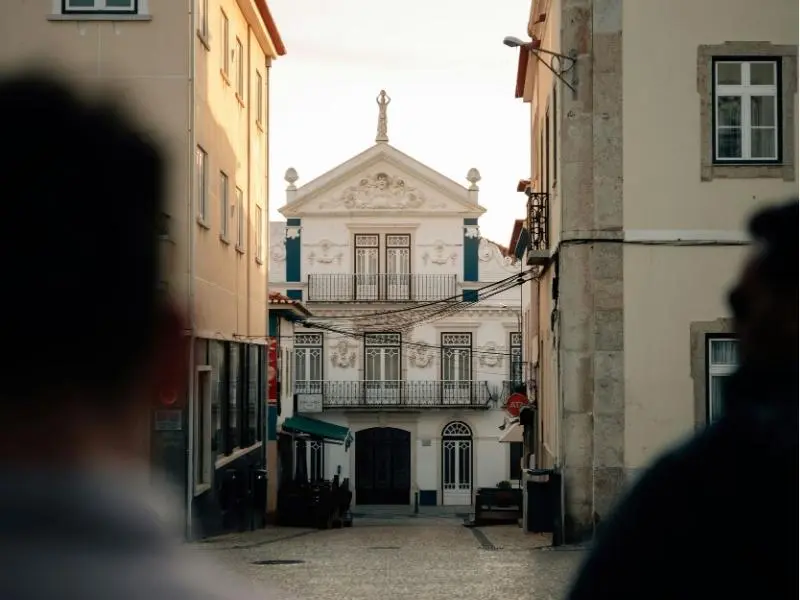
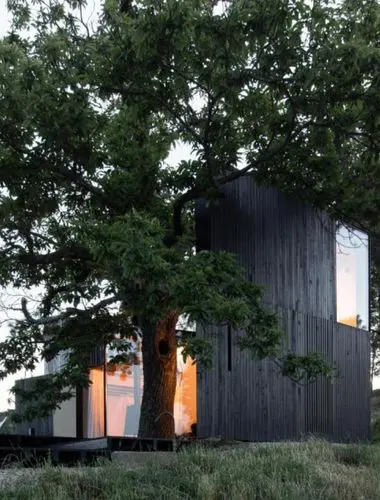
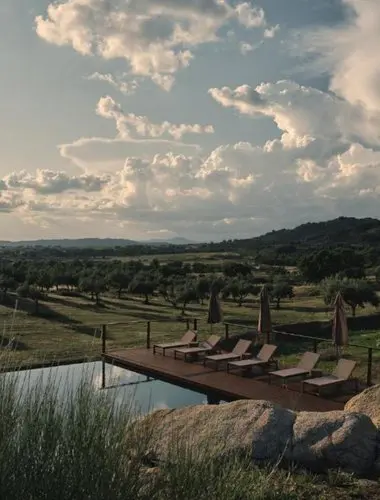
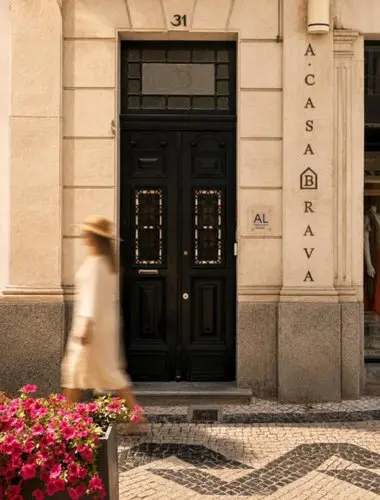
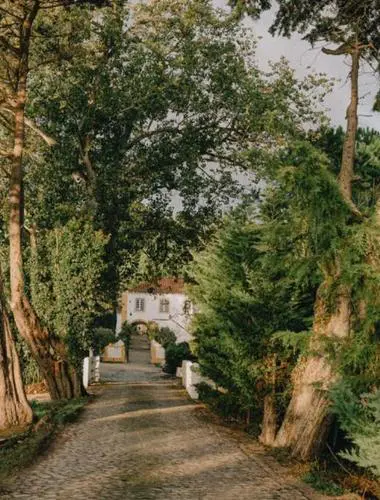
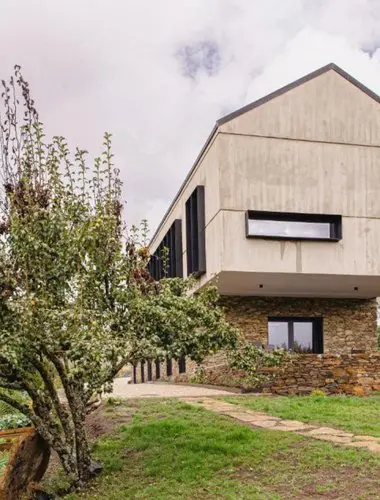
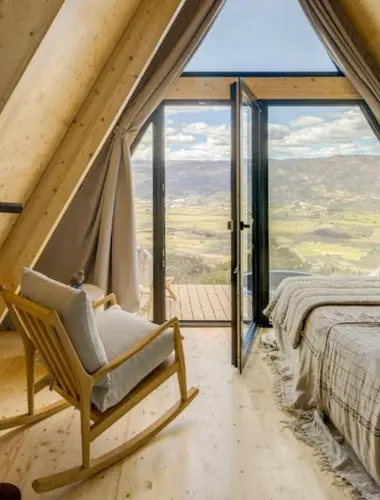
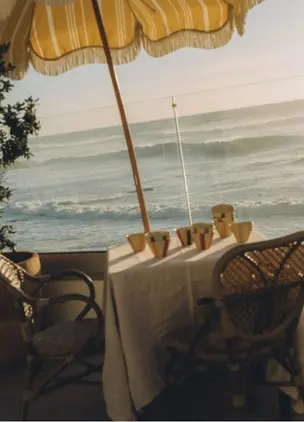
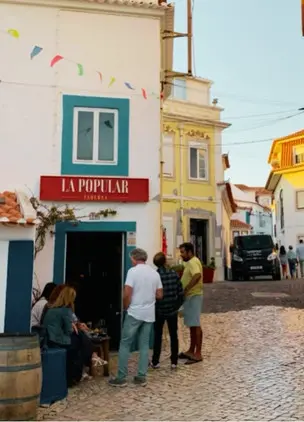
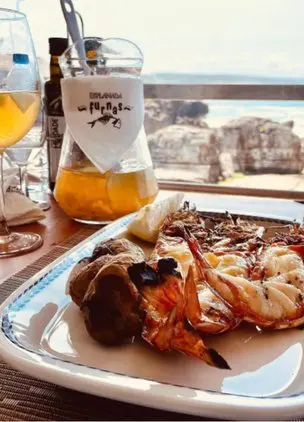
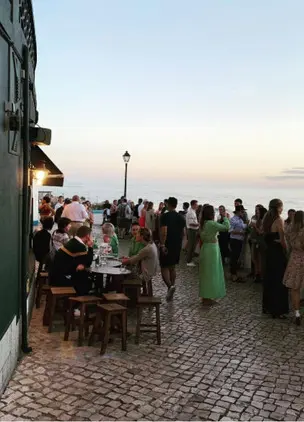
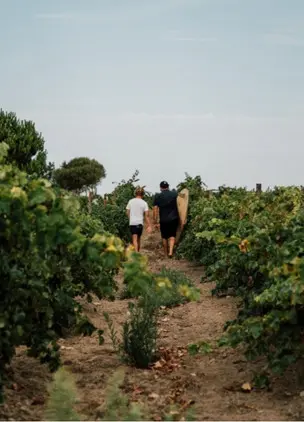
Central Portugal sits in a quieter part of the country. The coastline still carries the Atlantic, surf towns, fishing harbours, and long beaches that feel wilder than those further south. Inland, the landscape shifts into vineyards, pine forests, river valleys, and stone towns that have kept their pace. It is a region shaped by land as much as water, and the best parts of it are often found somewhere between the two.
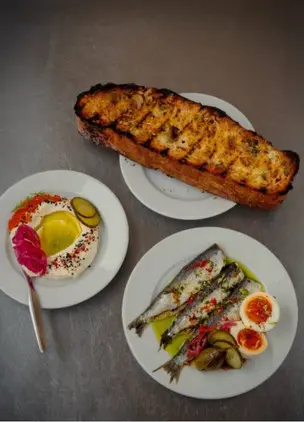
This Central Portugal travel guide brings those parts together. Hotels shaped by coast and countryside, houses that slow the day down properly, restaurants that follow the rhythm of the town around them, and wineries close enough to Lisbon to change the shape of an afternoon. Central Portugal makes more sense when you move through it slowly, and let the region settle around you.

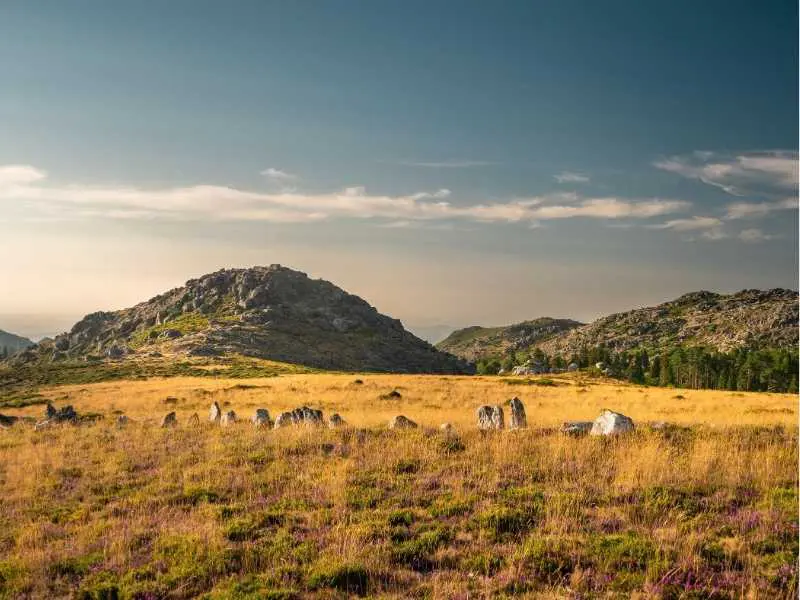
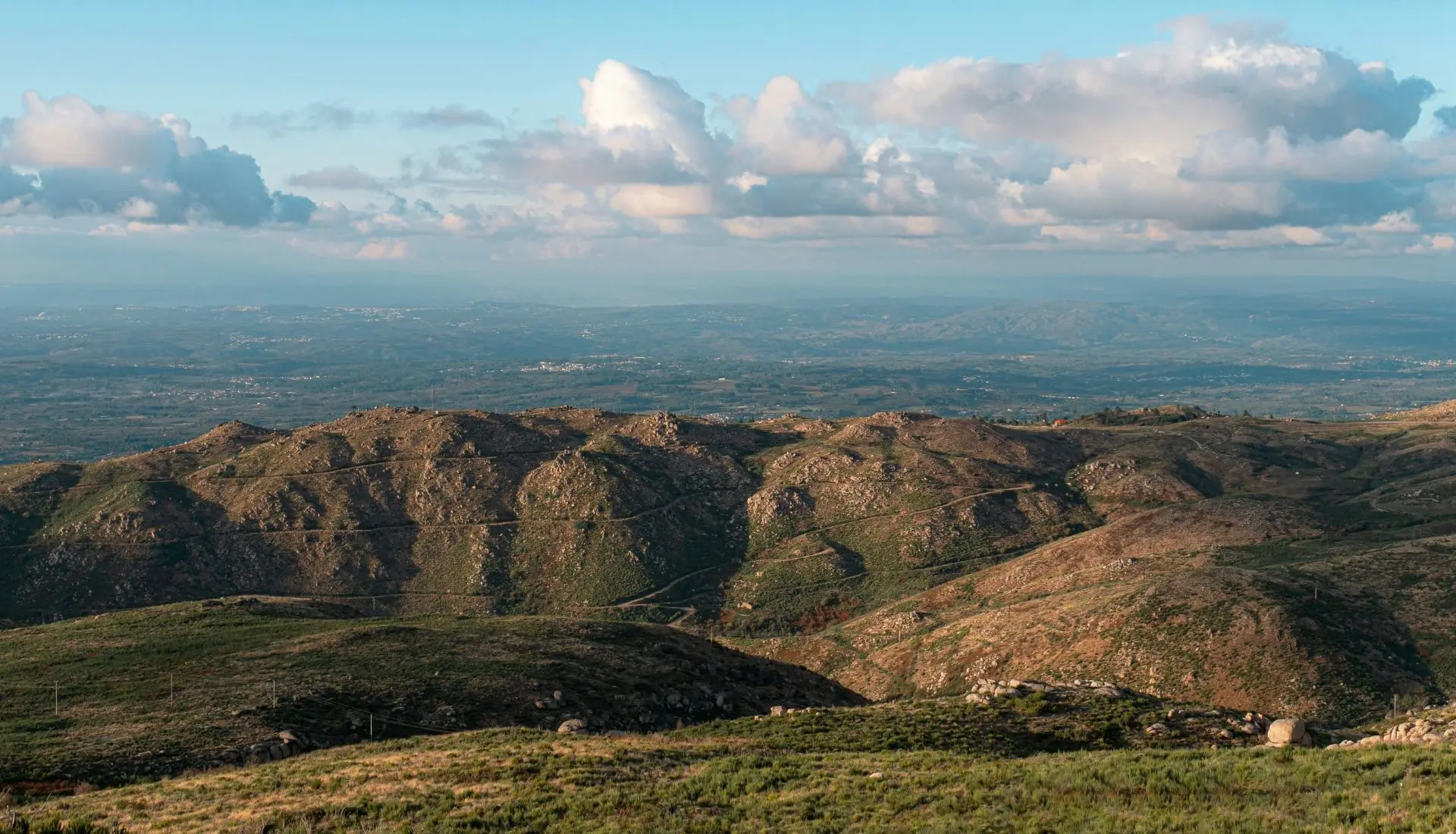
Glacial valleys, working wool and high mountain roads that reveal a harder side of Portugal.

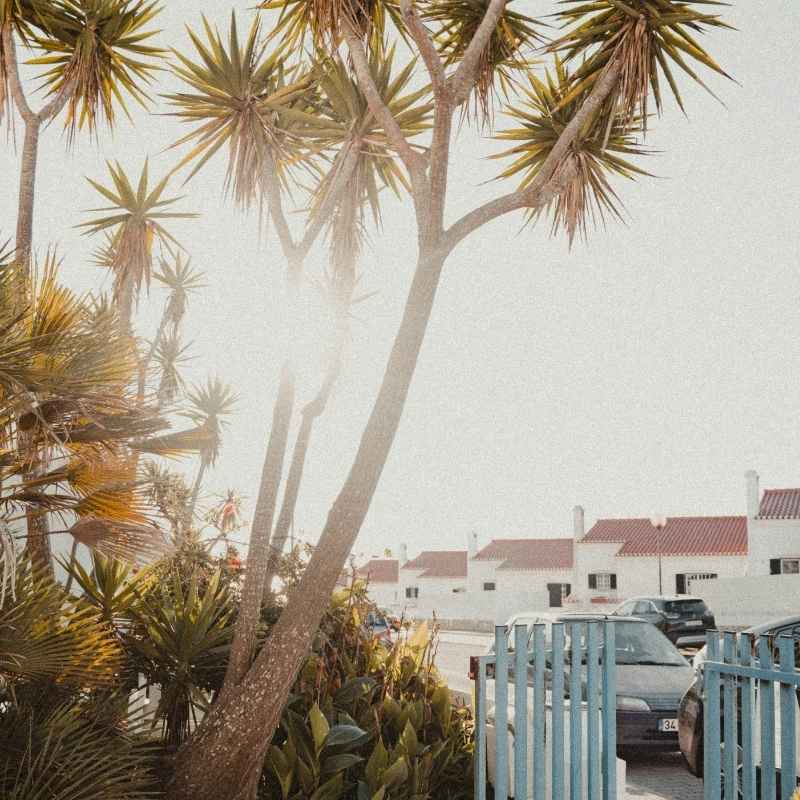
Fishing-town streets, serious Atlantic swell and a coast where surf culture has become part of daily life.


Central Portugal works best by road. The distances are manageable, but the shape of the region changes quickly, coast into forest, vineyards into river valleys, surf towns into mountain villages. A car gives you the freedom to follow that properly, to stop for lunch where the tables are full, take the longer road inland, or pull over when the landscape changes. It is a region better understood through movement than planning.

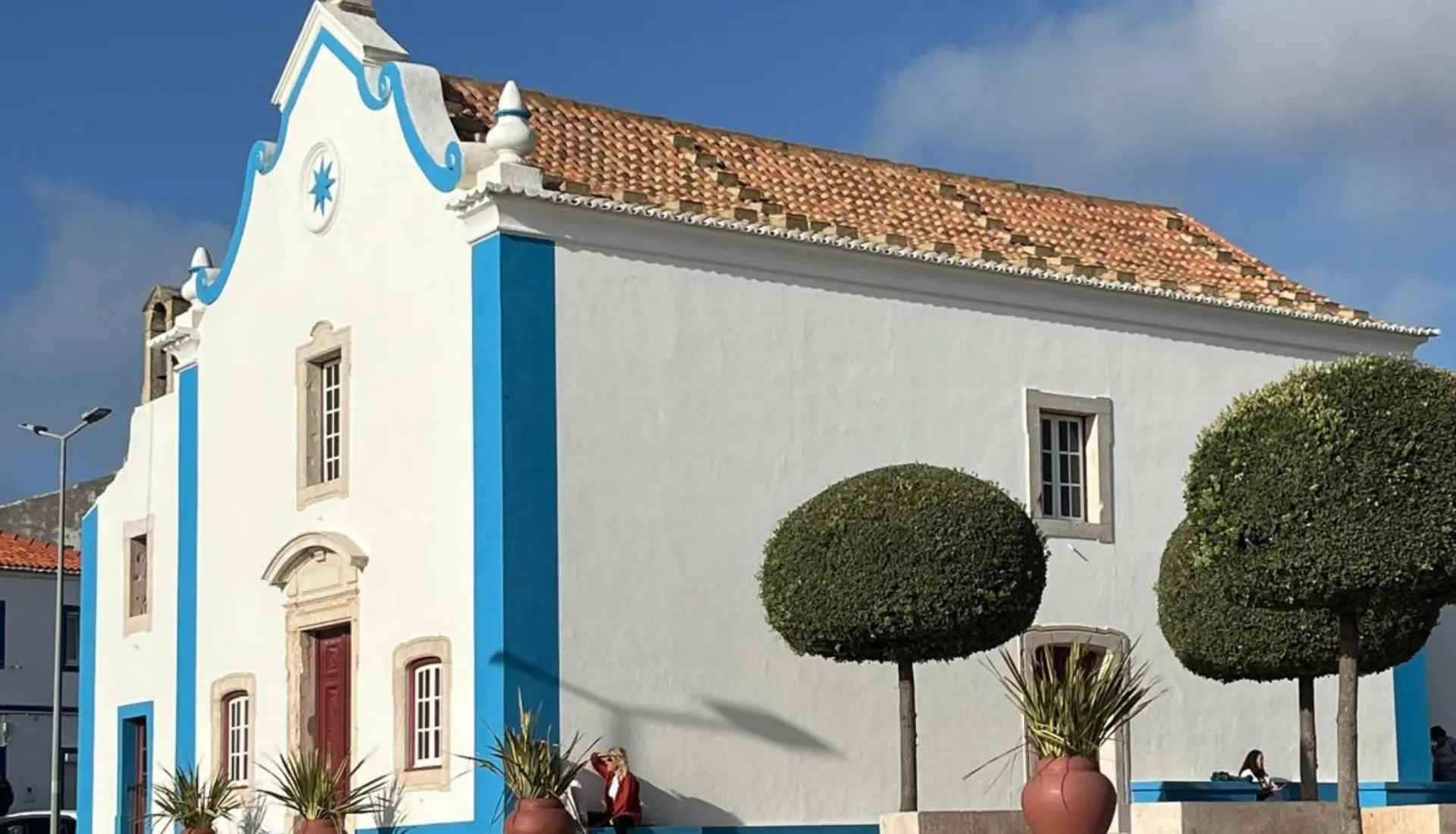
Ericeira still feels like a working town first, surf town second. Fishermen unload in the morning, boards lean outside cafés by midday, and the streets hold onto an older rhythm beneath the newer energy. The coastline stretches north and south into long beaches, cliff paths, and smaller coves that stay quieter outside summer. The food stays close to the sea, the wine stays simple, and the Atlantic is never far from view.
Serra da Estrela changes the pace completely. The roads climb, the air cools, and the villages feel more rooted to the mountain than the map. It is a region shaped by weather, cheese, firewood, and long winters, and that carries into the food and the way people live. Come for the walking, the landscapes, and the feeling of space that is harder to find elsewhere in Portugal.


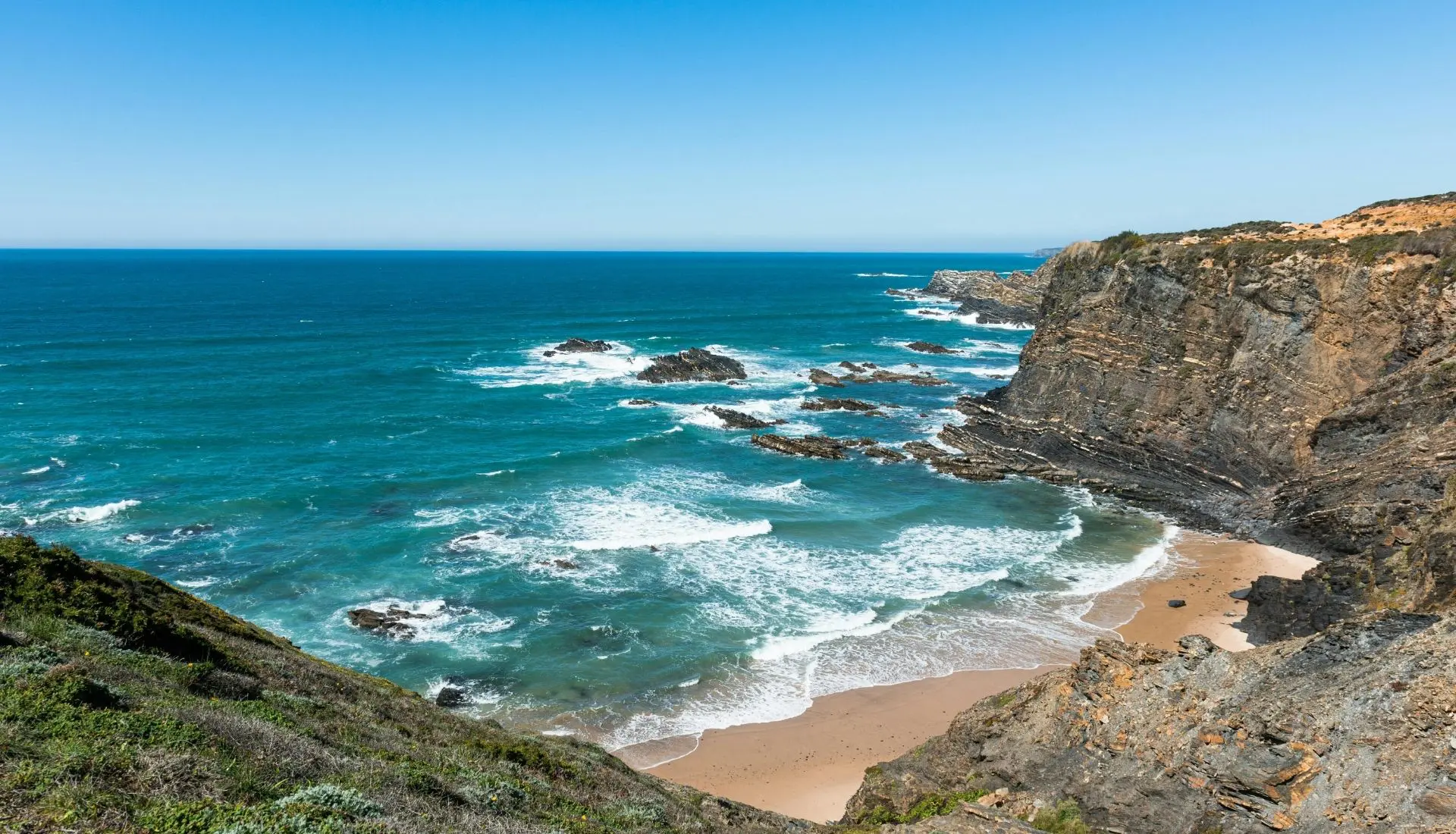
Comporta and the Alentejo coast move differently again. Pine forests sit behind wide beaches, rice fields break up the landscape, and the roads stay quiet even in summer. The food is simple and local, fish, bread, olive oil, wine, and the pace stays loose enough for long afternoons to drift into dinner. It remains one of the easiest parts of Portugal to settle into without needing much of a plan.
For collaborations and enquiries
We use cookies to improve your experience and understand how the site is used. You can accept or manage your preferences at any time.